August 9th, 2026
The most surprising side of Italian cemeteries From Busto Arsizio to Naples, Italy's funerary architecture beyond the guidebooks
There are places in Italy we keep calling cemeteries, even though they often function like small cities. They have porticoes, squares, gardens, chapels, staircases, thresholds, sudden glimpses, silences that differ greatly from one another. Some look like open-air museums, others like modern ruins, others still like civic architecture disguised as sacred places. What makes them interesting is that they tell the story of cities from a lateral, less touristy, often more sincere point of view. The way a community builds the place of its dead says a lot about the way it wants to be remembered.
This is why the most interesting Italian cemeteries should also be sought outside the most predictable guides. The Monumentale in Milan, Staglieno in Genoa, the Certosa in Bologna and the Verano in Rome remain enormous masterpieces, full of sculpture, architecture and history. Alongside them exists a more hidden funerary Italy, made of brutalist extensions, post-catastrophe cemeteries, lagoon islands, popular ossuaries and memorials that seem designed to slow down the body rather than impress the eye. The cemetery stops being merely a place to visit and becomes a way to understand how architecture confronts remembrance.
Brutalism and essentiality
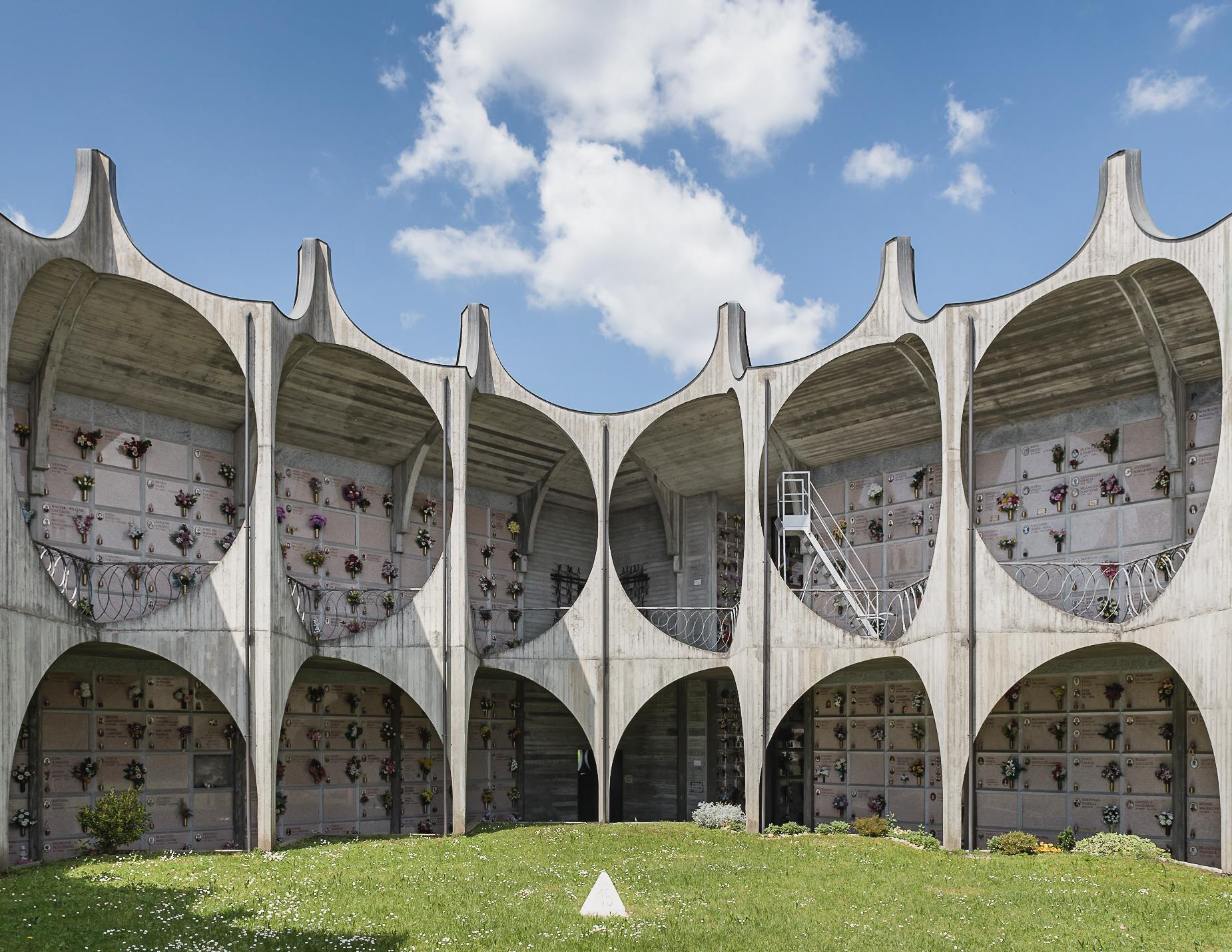
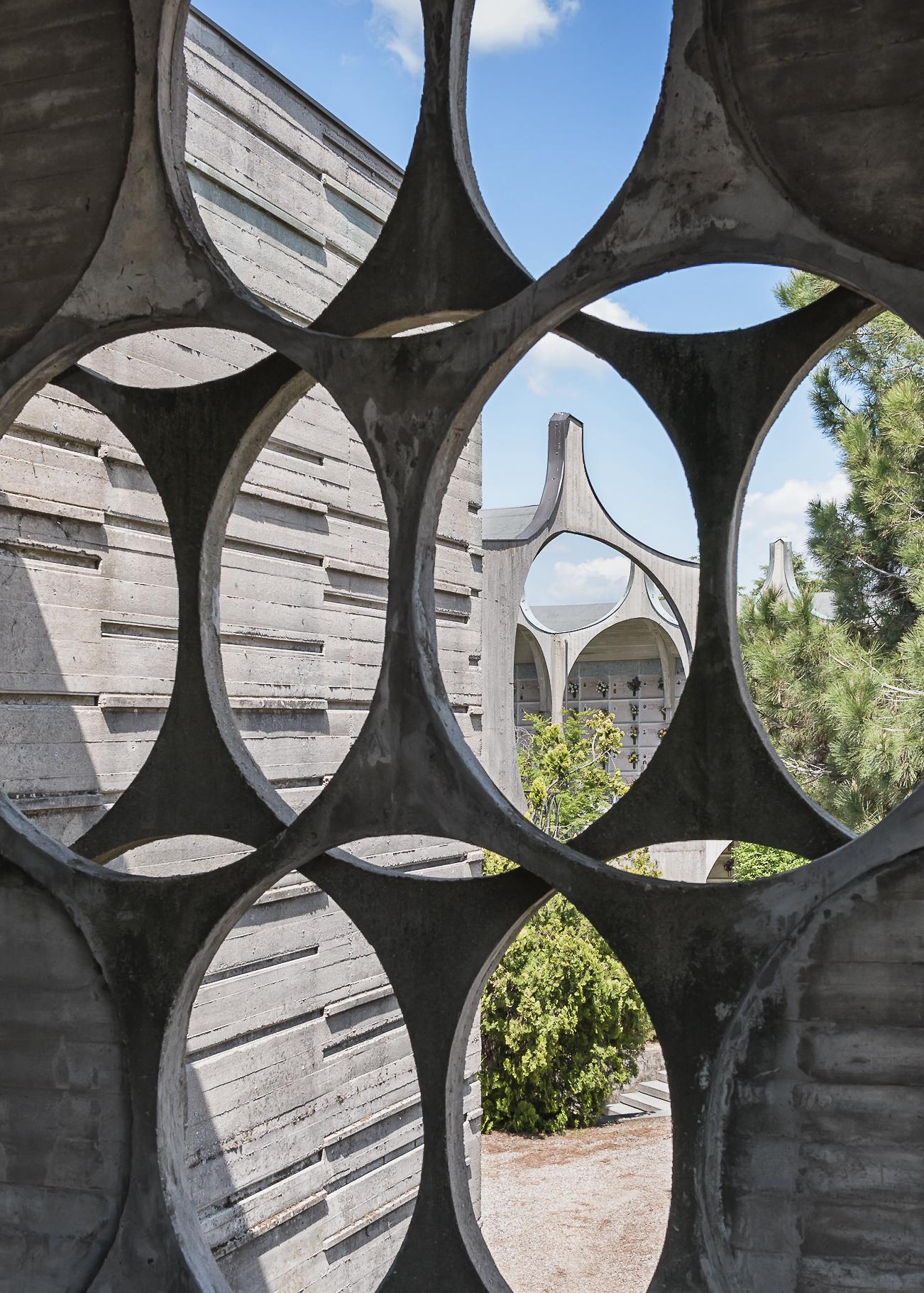
The monumental cemetery of Busto Arsizio is a perfect starting point because it catches you off guard. The extension built by Luigi Ciapparella in the early Seventies seems to come from an imagery far removed from the classic idea of the Italian graveyard. Concrete, repeated modules, large circular openings, structures both heavy and suspended. SOS Brutalism describes the complex as a series of sixteen square modules arranged around a center, with niches, staircases and large round voids in the structure. Seen today, it has something almost cinematic about it, halfway between Lombard brutalism, sacred infrastructure and a science fiction set.
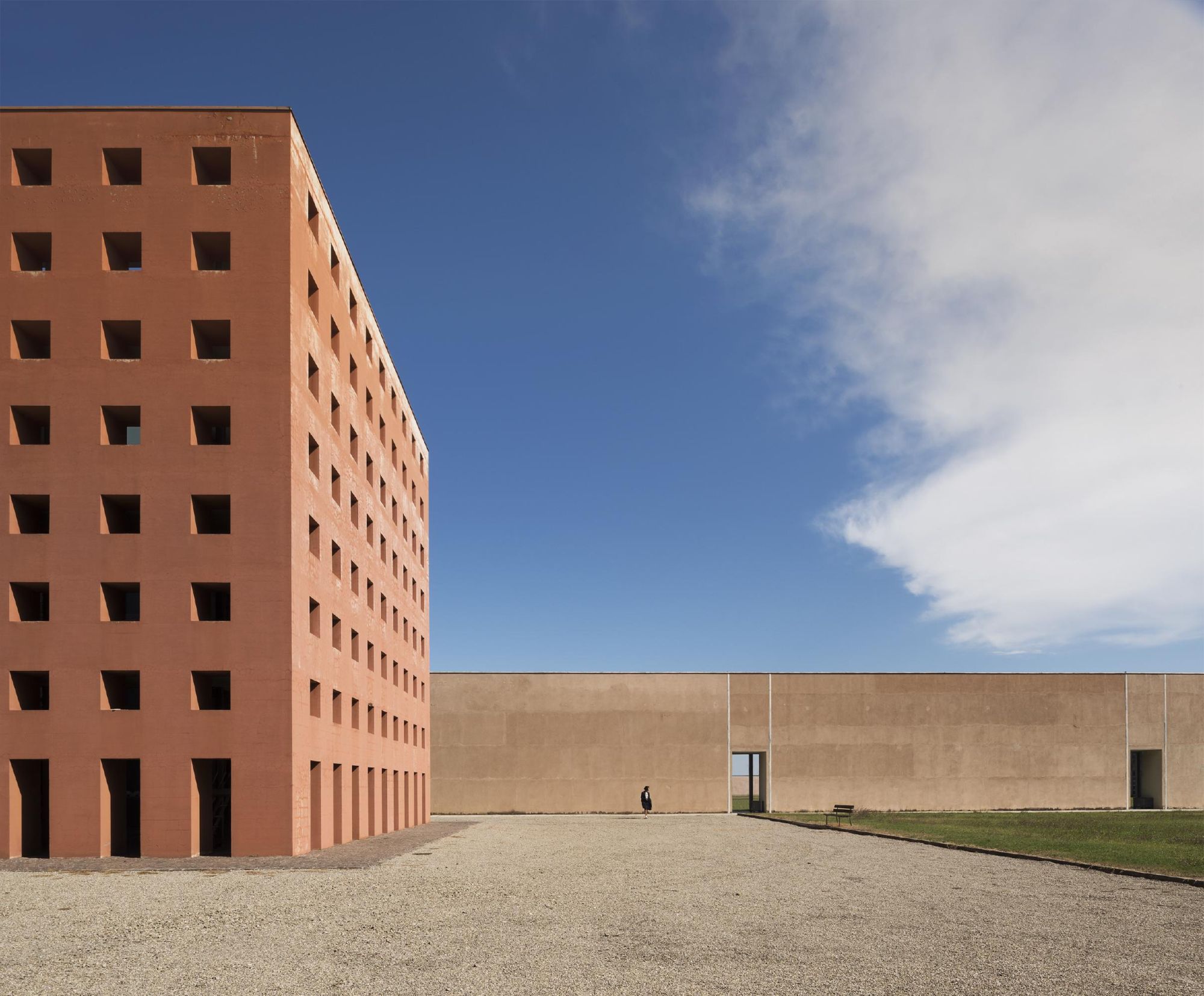
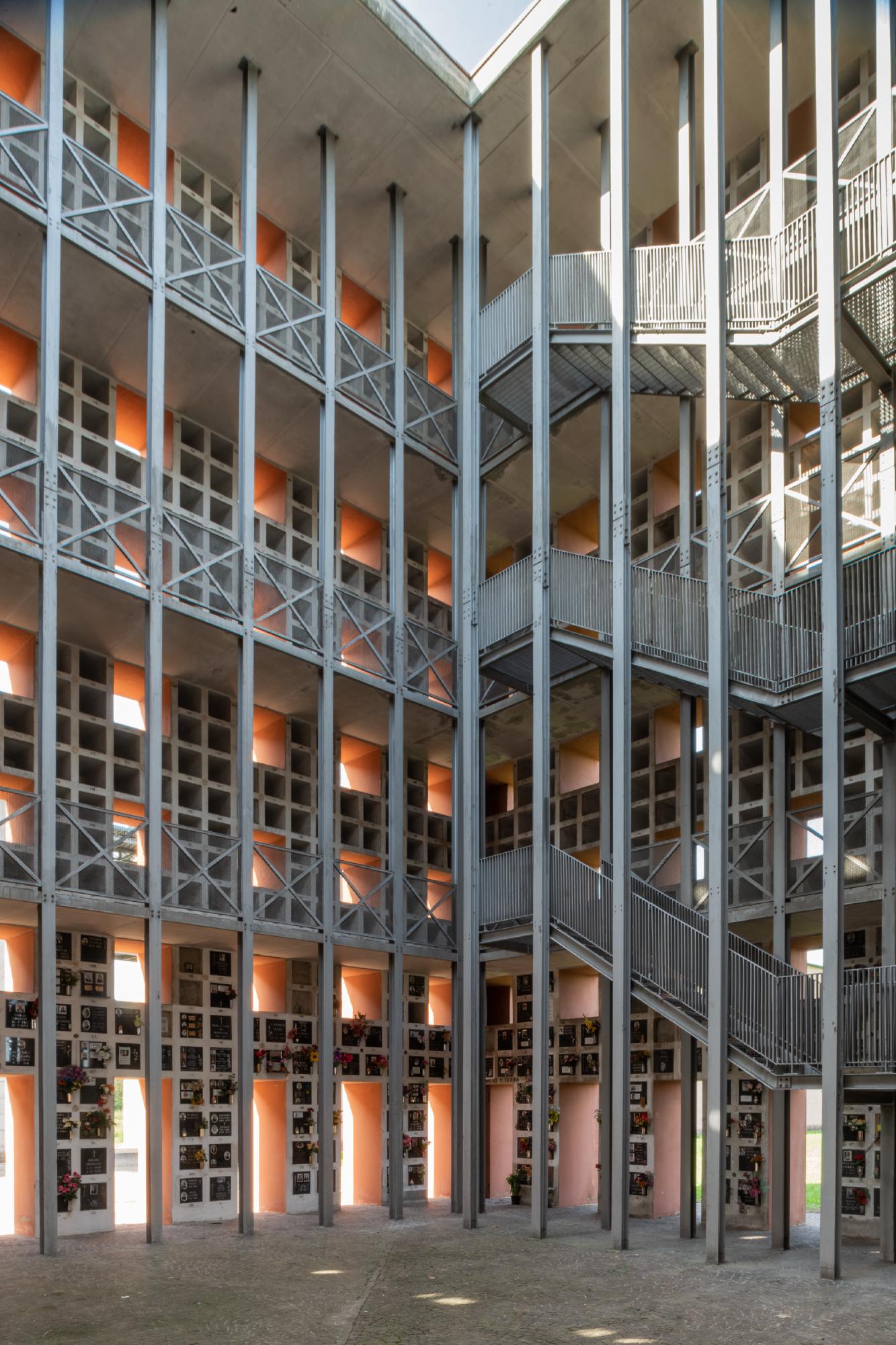
In Modena, the San Cataldo cemetery by Aldo Rossi and Gianni Braghieri takes the conversation into a more metaphysical territory. Here architecture builds an essential city, made of elementary geometries and long silences. Everything appears familiar and estranging at the same time. Visit Modena describes the project as a surreal, De Chirico-like city, in which the private relationship with death becomes once again a civic relationship with the institution. San Cataldo turns the cemetery into an urban form stripped to the bone, a mental model of the city.
The place of memory
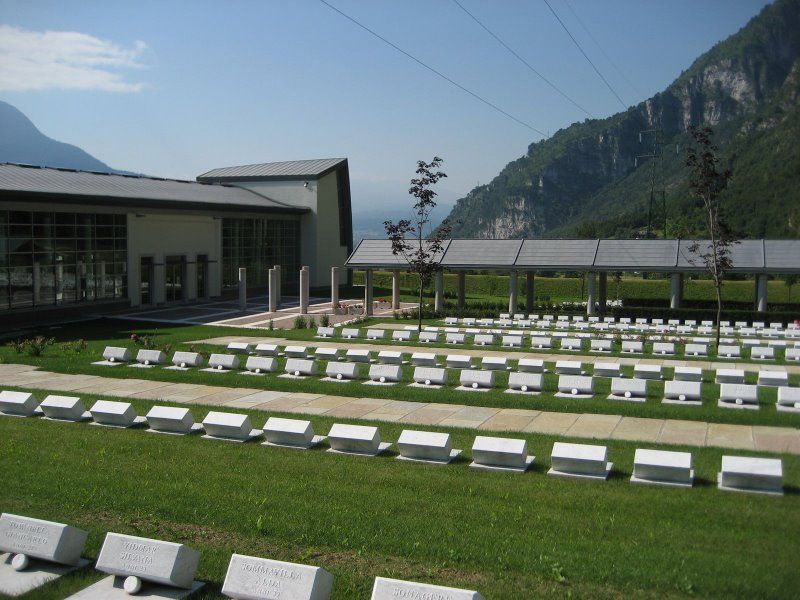
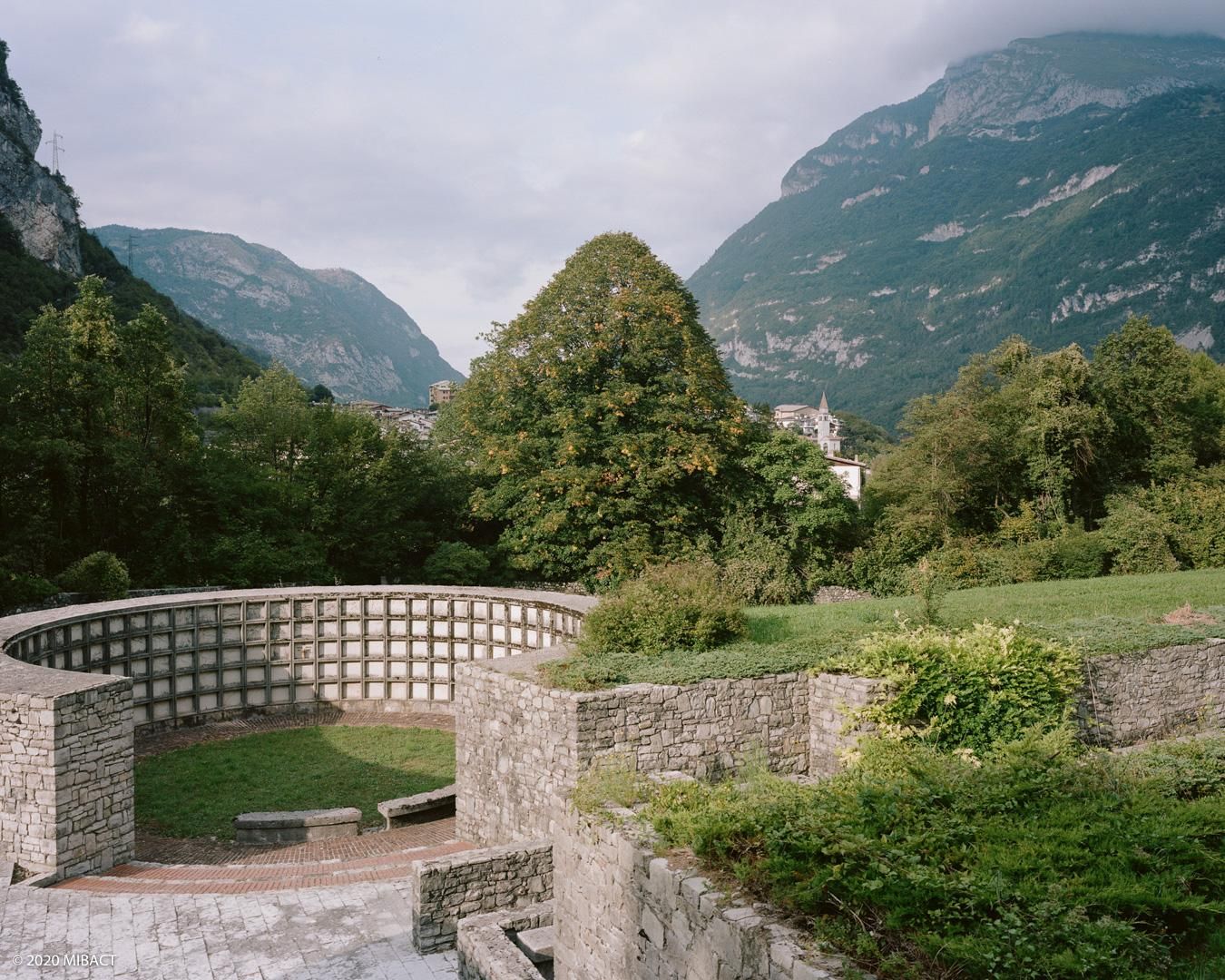
The Longarone cemetery carries a different weight. Here architecture was born after a collective wound. The Vajont disaster, in 1963, destroyed the town and forever bound together memory, landscape and reconstruction. The new cemetery, designed by Gianni Avon, Francesco Tentori and Marco Zanuso between 1966 and 1972, was placed in the Muda Maè area, higher up than the town center. It is a spatial response to a tragedy, as well as a burial place. Memory here passes through the relationship with the territory, through the idea of a community forced to rebuild itself even in the way it remembers its dead.
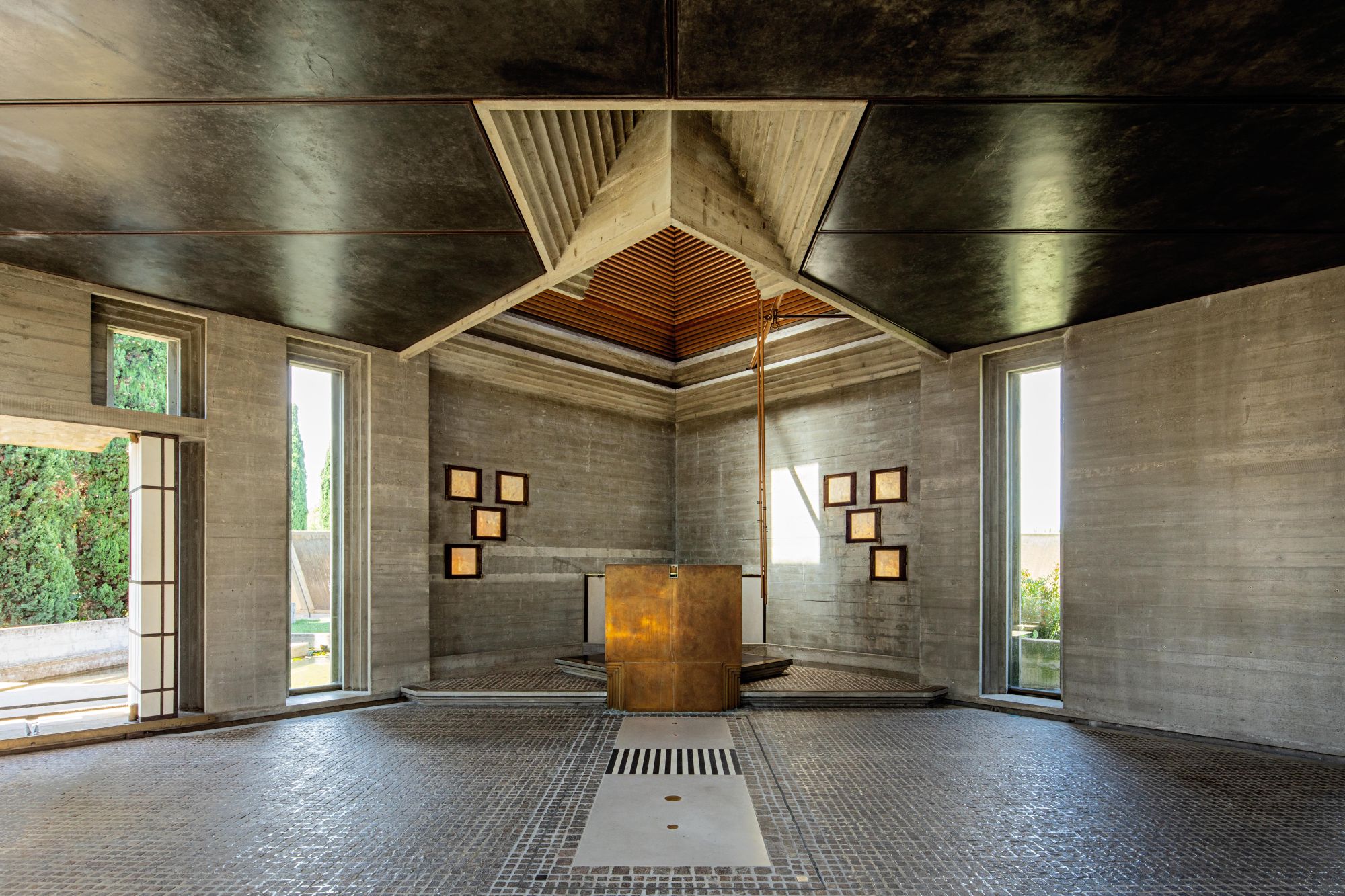
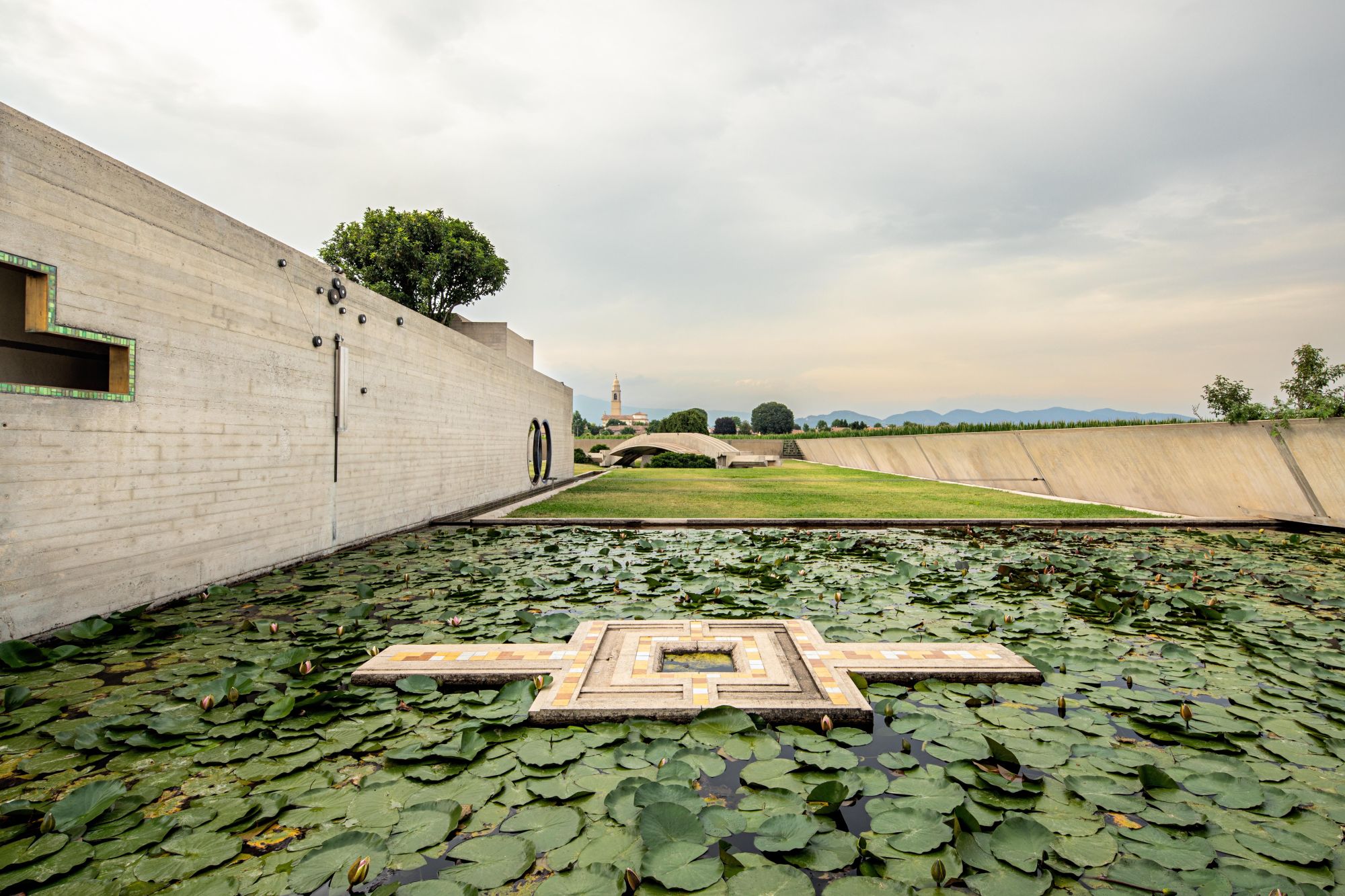
In Altivole, in the province of Treviso, the Brion Memorial by Carlo Scarpa is one of the places where Italian architecture gave death a more precise and more sensitive form. Commissioned in 1969 by Onorina Tomasin Brion in memory of her husband Giuseppe Brion, the complex is now a FAI heritage site. Water, concrete, mosaics, thresholds, paths, gardens and details hold together in a very rare balance.
Scarpa builds an experience of passage, as well as a family monument. Every element forces you to slow down, to change direction, to look more closely. The Brion Memorial proves that a cemetery can become a sequence of gestures: entering, walking, lowering your gaze, crossing the water, stopping.
In dialogue with history
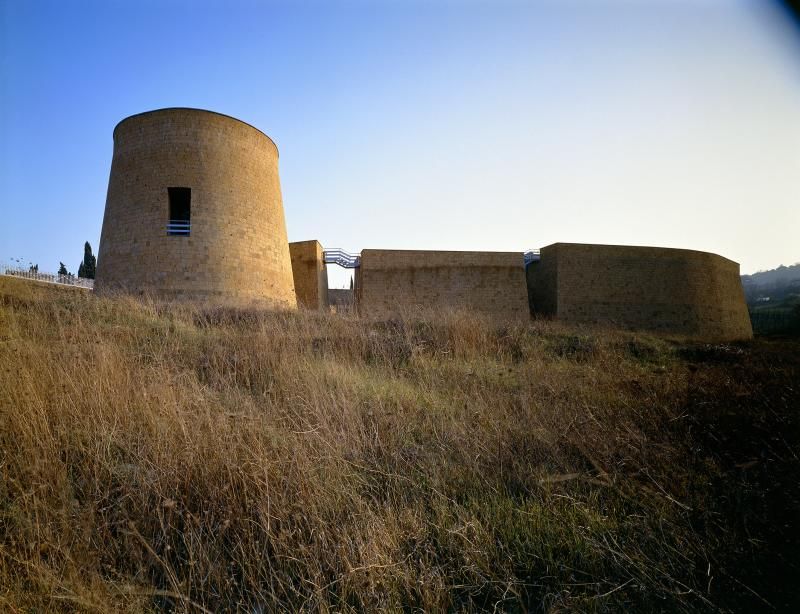
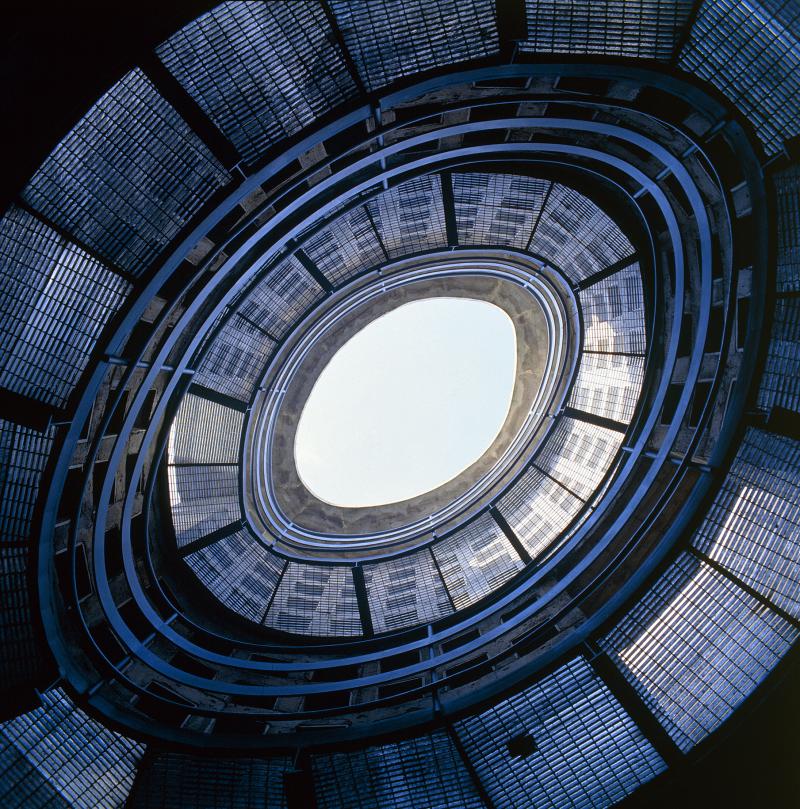
In Orvieto, the extension of the civic cemetery designed by Massimiliano Fuksas between 1983 and 1991 adds yet another possibility. The project works with towers, perspective views and the relationship with the pre-existing cemetery, in a city already strongly marked by its own historical image. Here the theme is stratification. A cemetery is added to what already exists, resting on previous rituals, materials, paths and memories. Fuksas' intervention makes visible this tension between ancient and contemporary, between hill, stone, walls and new architectures of burial.
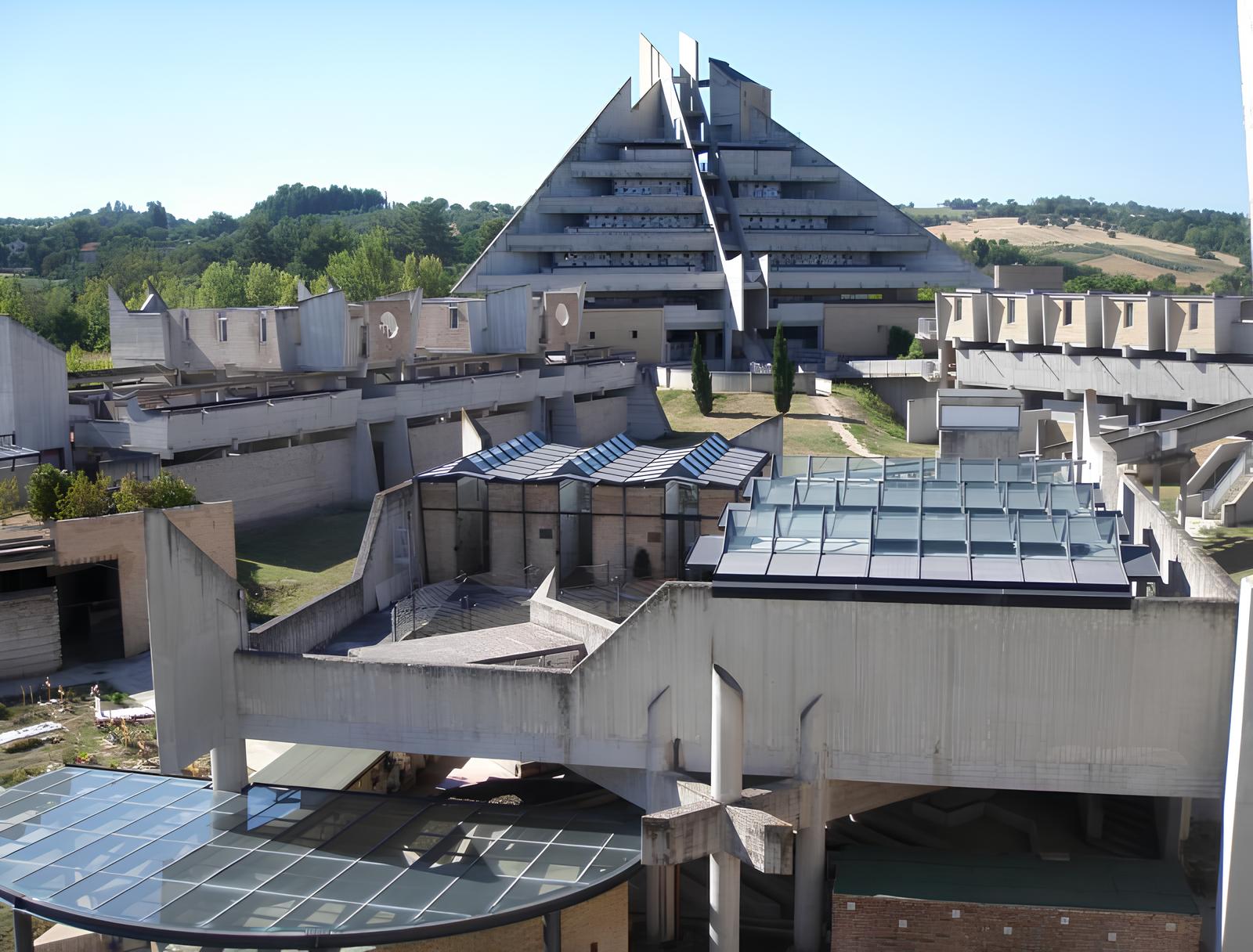
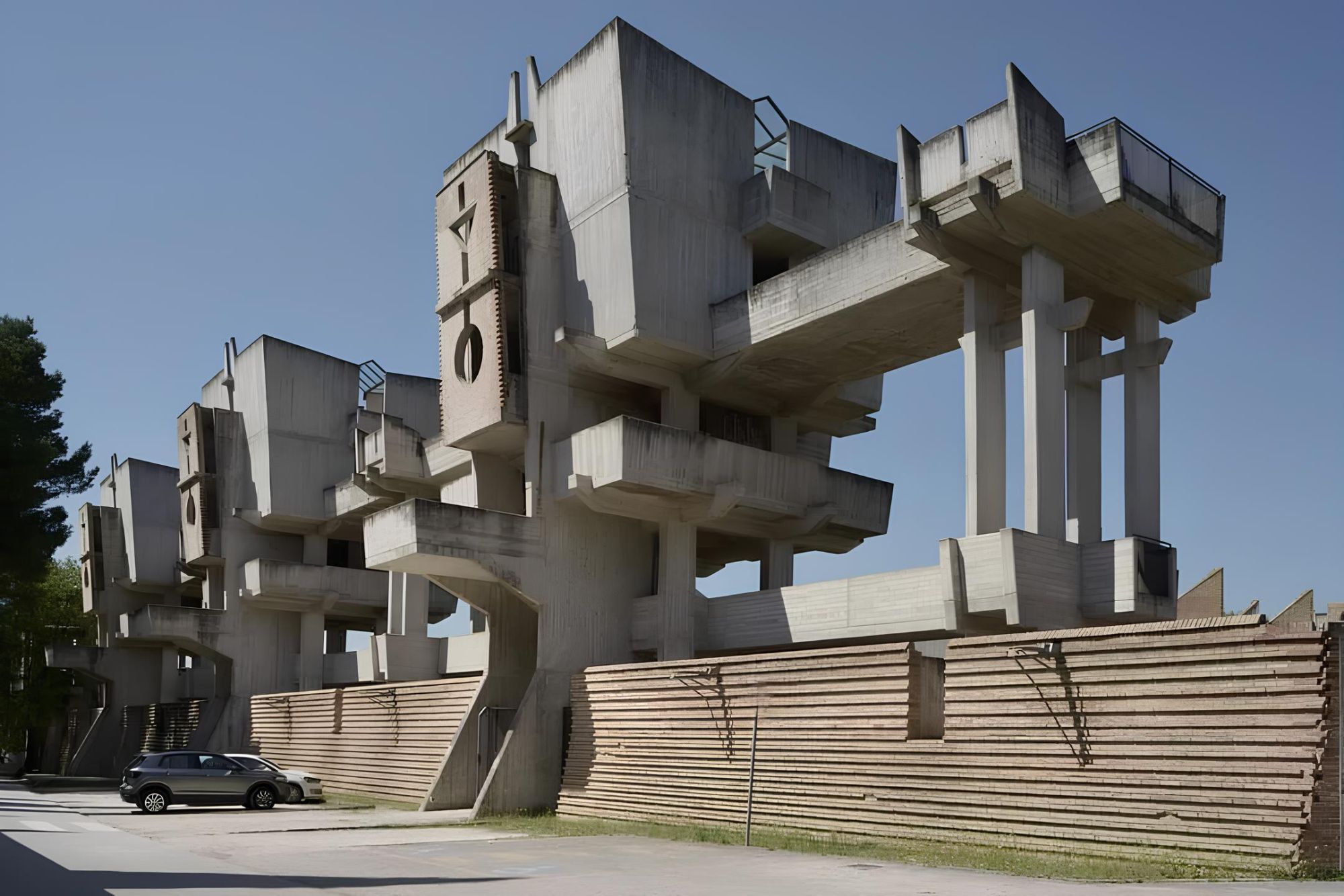
In Jesi, the extension of the municipal cemetery signed by Leonardo Ricci, Franco Luminari and Silvano Rossini between 1984 and 2001 takes the theme to yet another scale. The project has something both urban and landscape-like about it. Staircases, terraces, paths, volumes and voids build a place that seems to rise, to open up, to organize memory like a topography. Ricci arrived at this project in the final phase of his career, after a long research into the relationship between architecture, community and collective space. In Jesi the cemetery becomes almost a suspended city, an architecture that contains tombs and tries to give order to an experience that is difficult to order.
Memory as a collective ritual
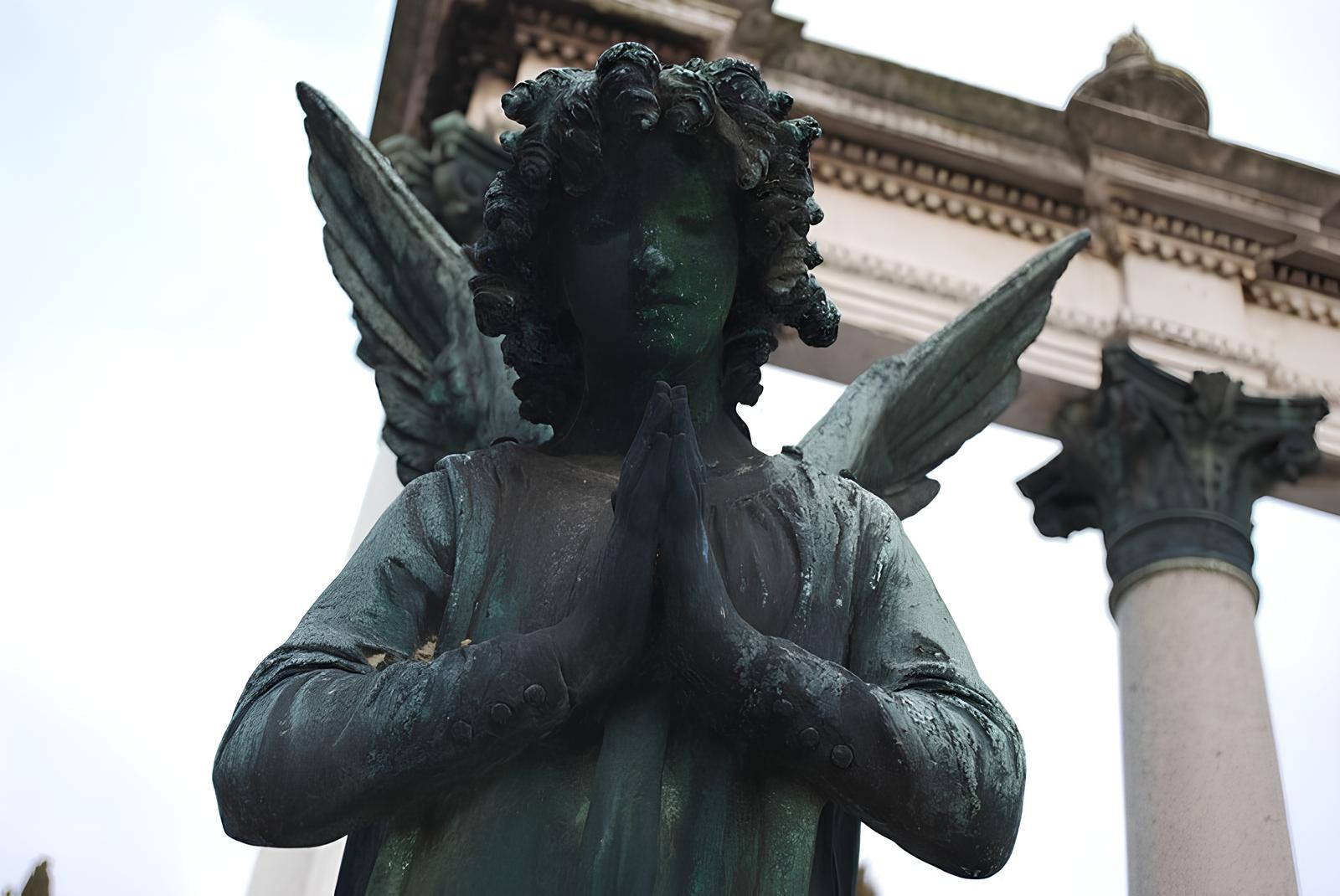
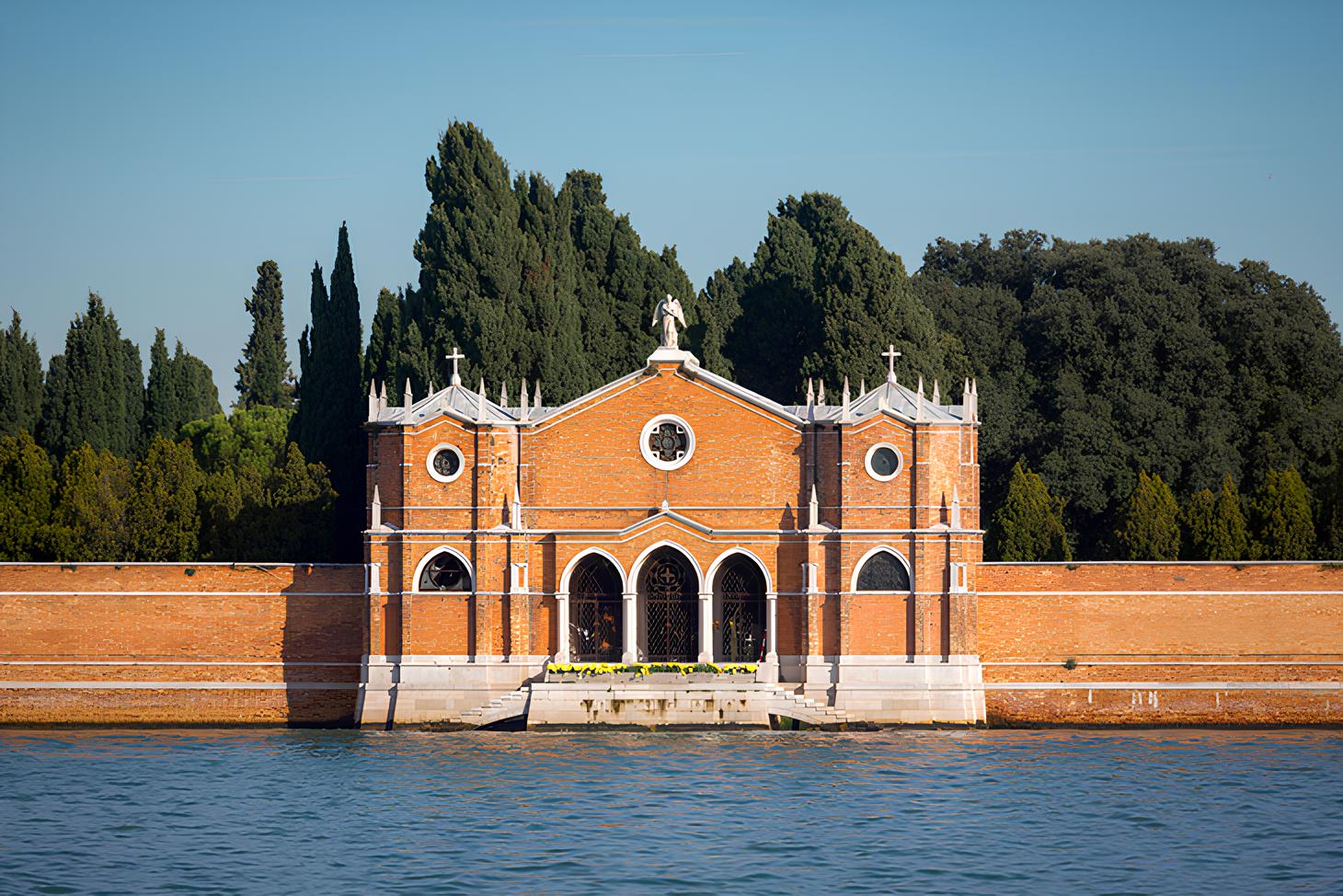
Then there is San Michele, in Venice, which belongs to a different imagery altogether. Here the cemetery is an island. You reach it by crossing the lagoon, and that alone is enough to change everything. The separation between the living and the dead becomes geographical, visible, concrete. The official Veritas brochure defines it as a place unique in the world, tied to a long history stretching from the monastic complex to the monumental nineteenth-century layout, all the way to the extension designed by David Chipperfield. San Michele works because Venice amplifies every gesture: even going to the cemetery becomes a small journey toward a silent city within the city.
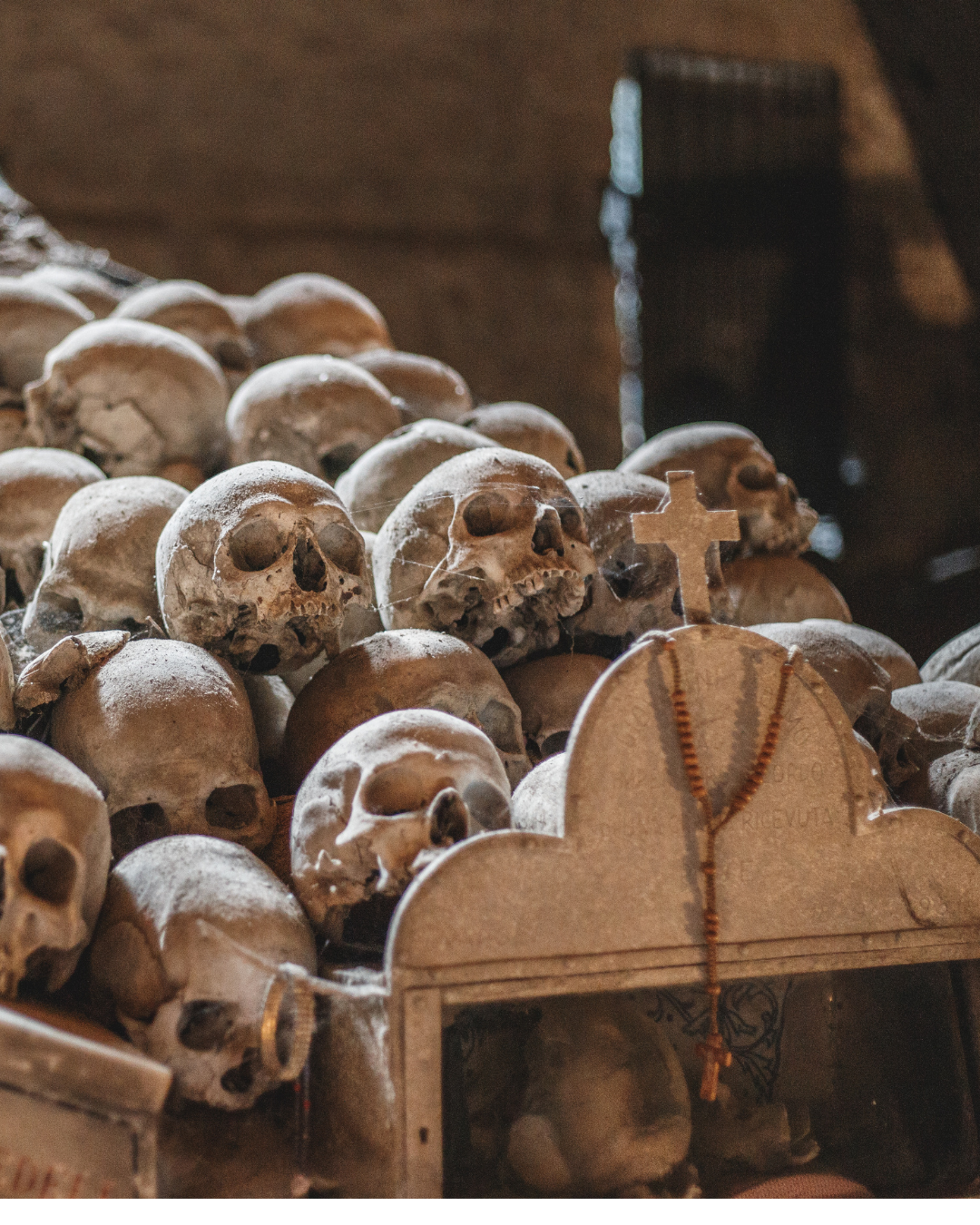
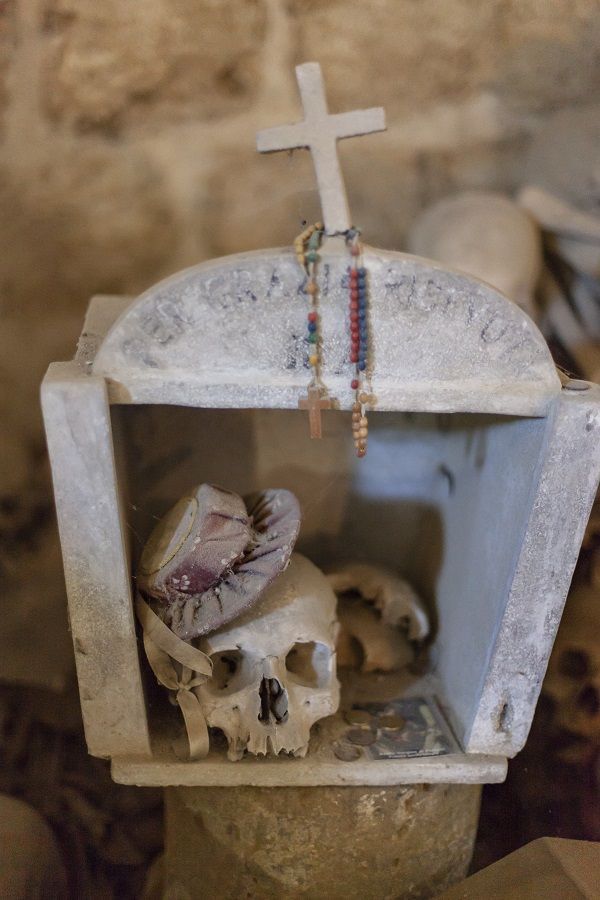
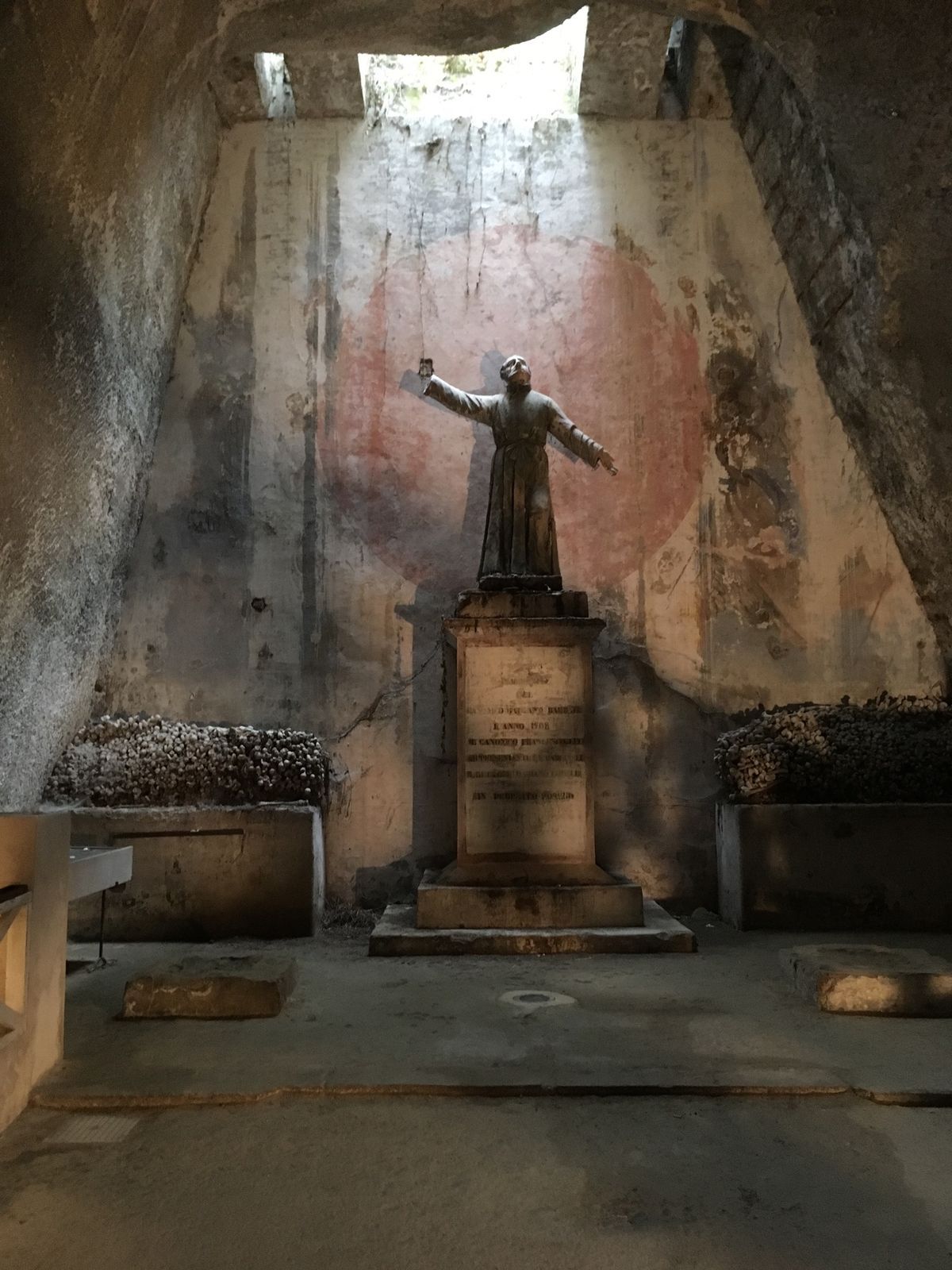
Outside the category of the classic monumental cemetery, the Fontanelle Cemetery in Naples tells of yet another relationship with death. It is a former ossuary in the Rione Sanità, carved into the tuff, tied to the cult of the anime pezzentelle and the popular care of the "capuzzelle", the anonymous skulls adopted by the faithful. The City of Naples has announced its reopening from April 18, 2026, giving back to the city one of its most identity-defining places. Here beauty passes through a collective, almost domestic relationship with anonymous remains. It is a raw, stratified, immensely powerful space, where memory takes the shape of a shared ritual.
We live in cities full of noise and spaces designed to be consumed quickly. Cemeteries impose a slower pace. They suspend consumption, productivity, even the need to understand right away. They are public spaces where time accumulates instead of vanishing. In some cases they are radical, in others poetic, in others still hard to look at. They remain places where architecture accepts to measure itself against something it cannot resolve.