July 4th, 2026
Architects you should know: Gaetano Pesce The designer who freed objects from perfection
This article is part of the series Architects you should know. The previous chapters explore the work of Carlo Mollino, Samuel Ross and Lina Bo Bardi.
A red sun sinks between the skyscrapers of New York, but instead of disappearing behind the horizon it walks straight into a living room. The buildings become seats, the skyline softens and one of the toughest cities in the world turns into a sofa. It is called Tramonto a New York and Gaetano Pesce designed it in 1980 for Cassina. One look is enough to understand his way of thinking about design. An object was not meant simply to function well, but to hold an image, a thought, a story able to stay in your head.
At first glance it looks almost like a postcard turned three-dimensional. Then you realize there is much more inside that sofa. There is Pesce's relationship with New York, the city he would choose as home a few years later, but also the idea of bringing an urban landscape into a domestic space. The city is not simply represented, it is made soft, close, livable. Why should a sofa be just a sofa?
Objects that don't stay silent
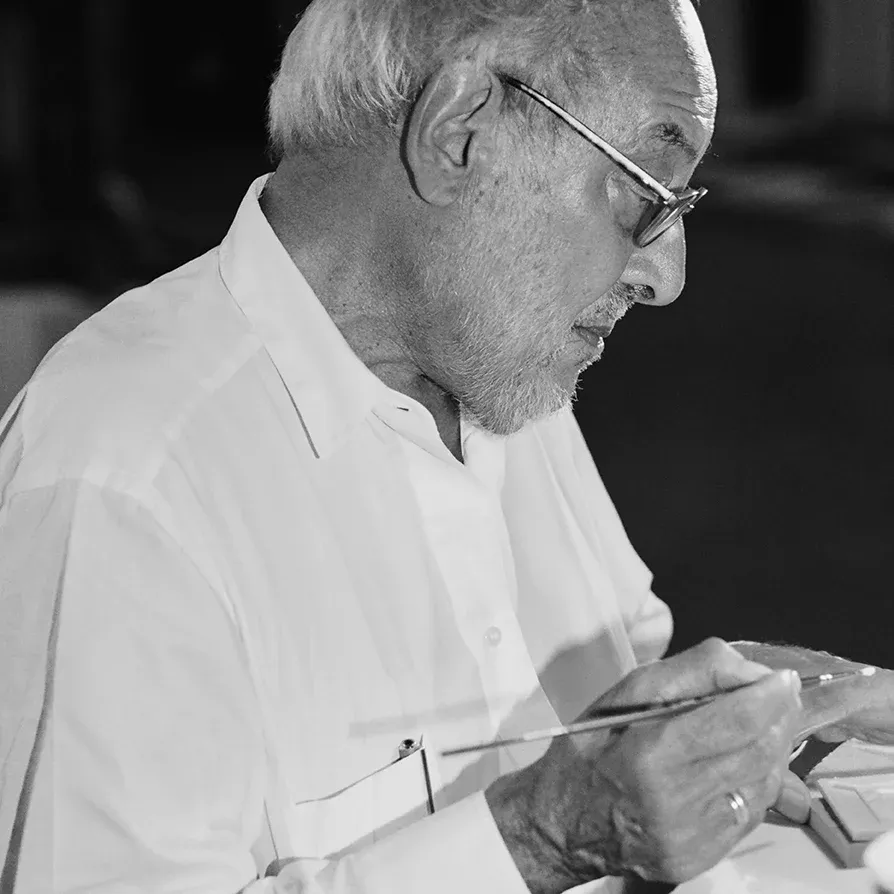
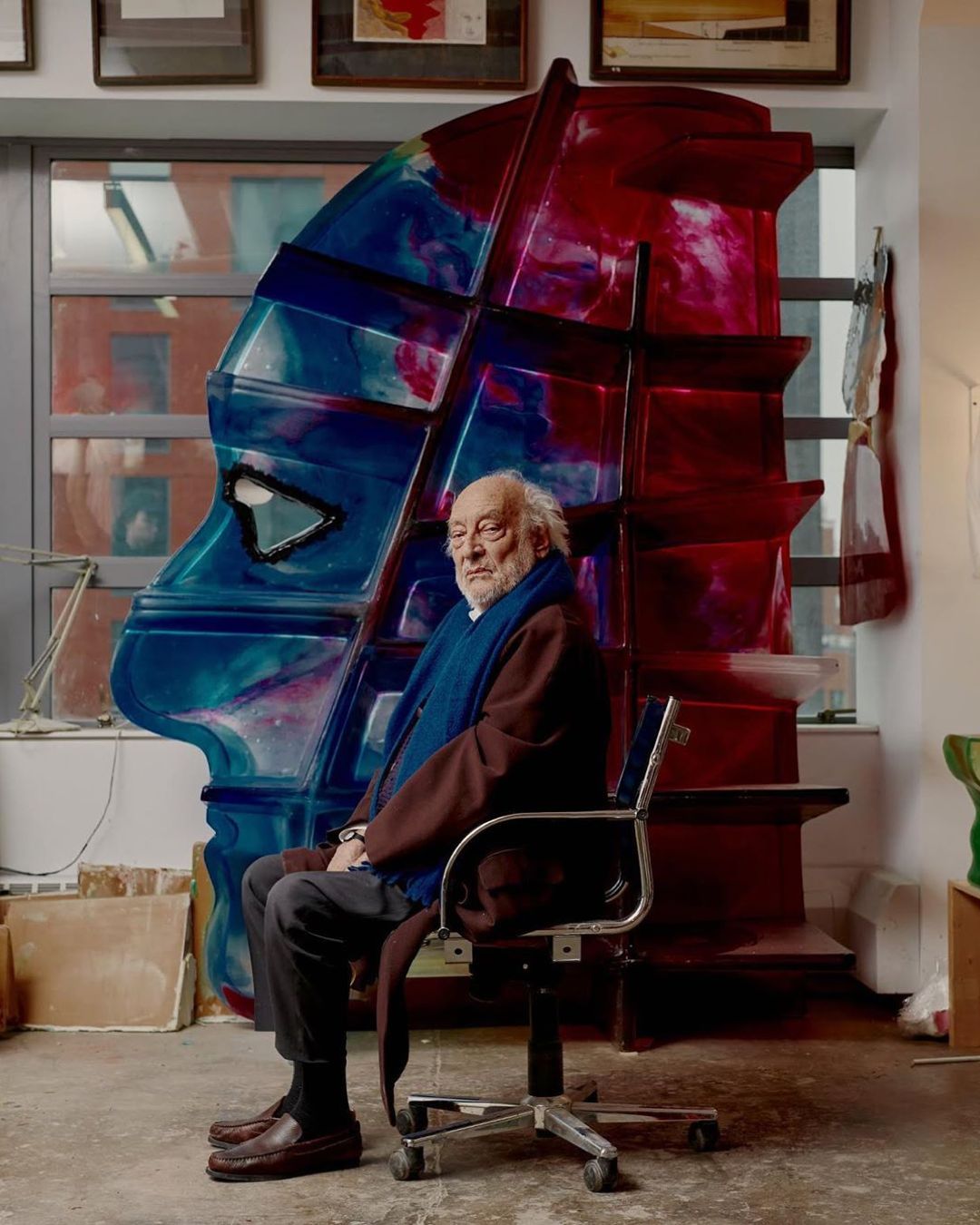
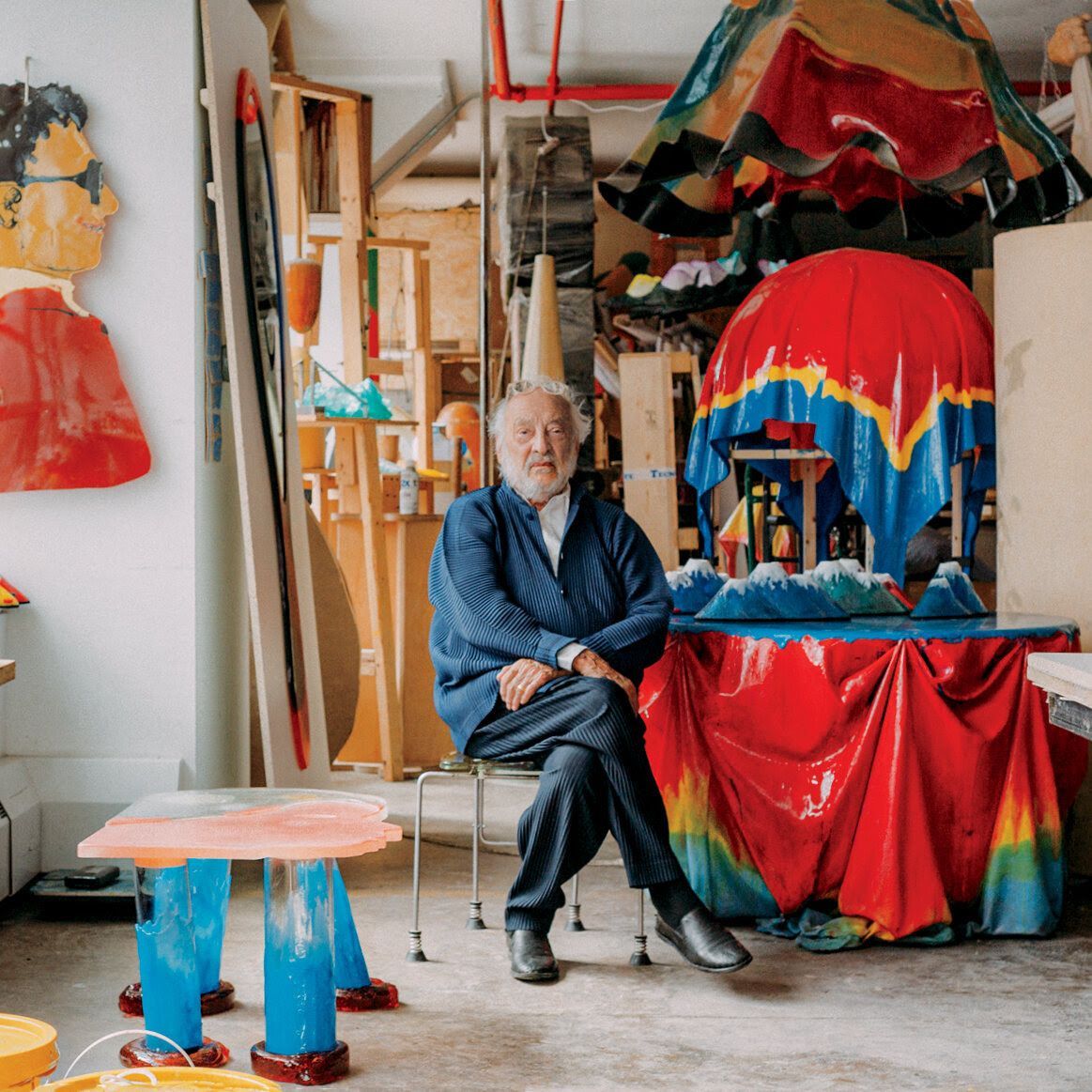
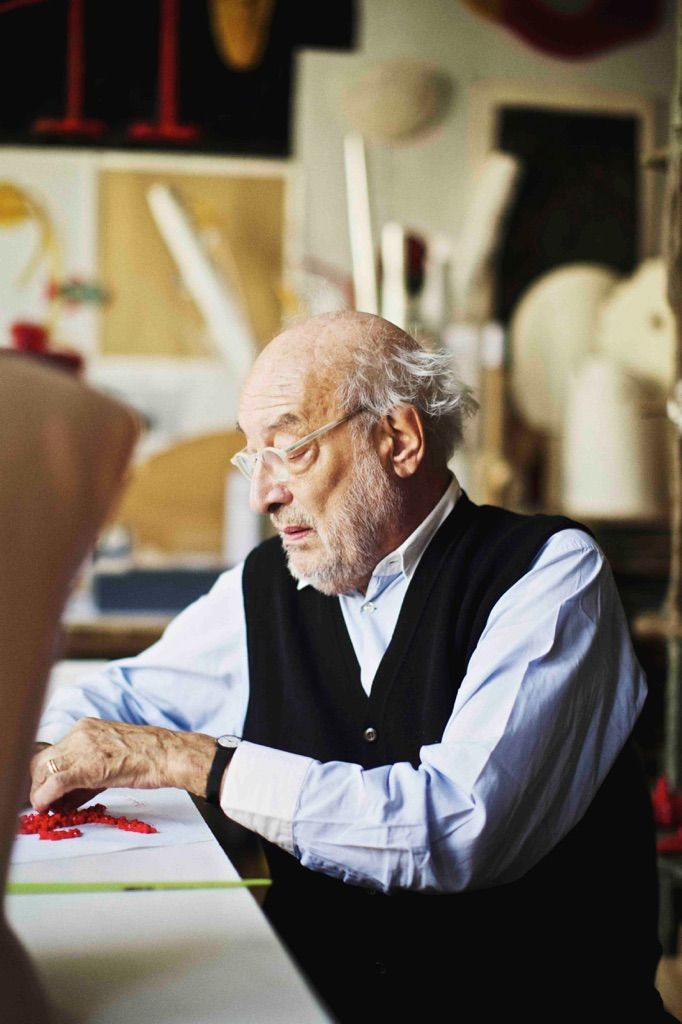
Pesce would not accept objects staying silent. He wanted them to have a character, an opinion, sometimes even a mood. Tramonto a New York does not try to fit discreetly into a room, it enters the space and changes everything around it. It is impossible to ignore. For Pesce design was not there to produce polite, neutral forms, but objects able to be remembered.
Cassina reissued it in 2022 in a limited series of fifty pieces, more than forty years after the original project. Yet it does not feel like an object arrived from the past. It could have been designed today, at a moment when furniture, interiors and products are photographed and shared before they are even used. The difference is that Pesce was not simply looking for a strong image. He was looking for a way to place a thought inside the material.
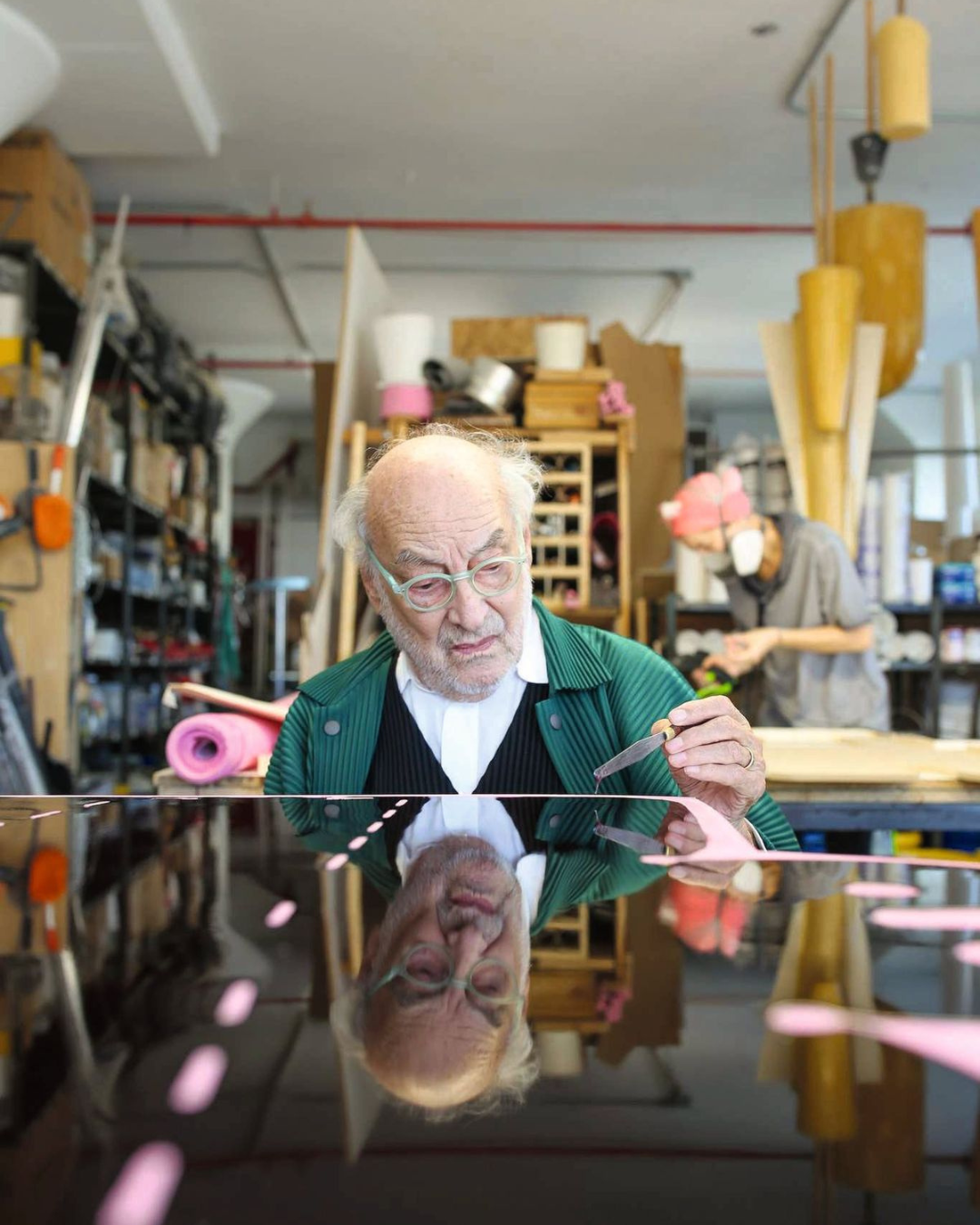
Born in La Spezia in 1939, trained in architecture in Venice and moved to New York in 1983, Gaetano Pesce moved through design, art, architecture and experimentation without ever accepting boundaries that were too rigid. He died in 2024, but his work still seems hard to place in a precise period. His pieces are colorful, ironic, soft and often playful, but beneath this apparent lightness there is almost always a clear position.
UP5_6 and the freedom denied
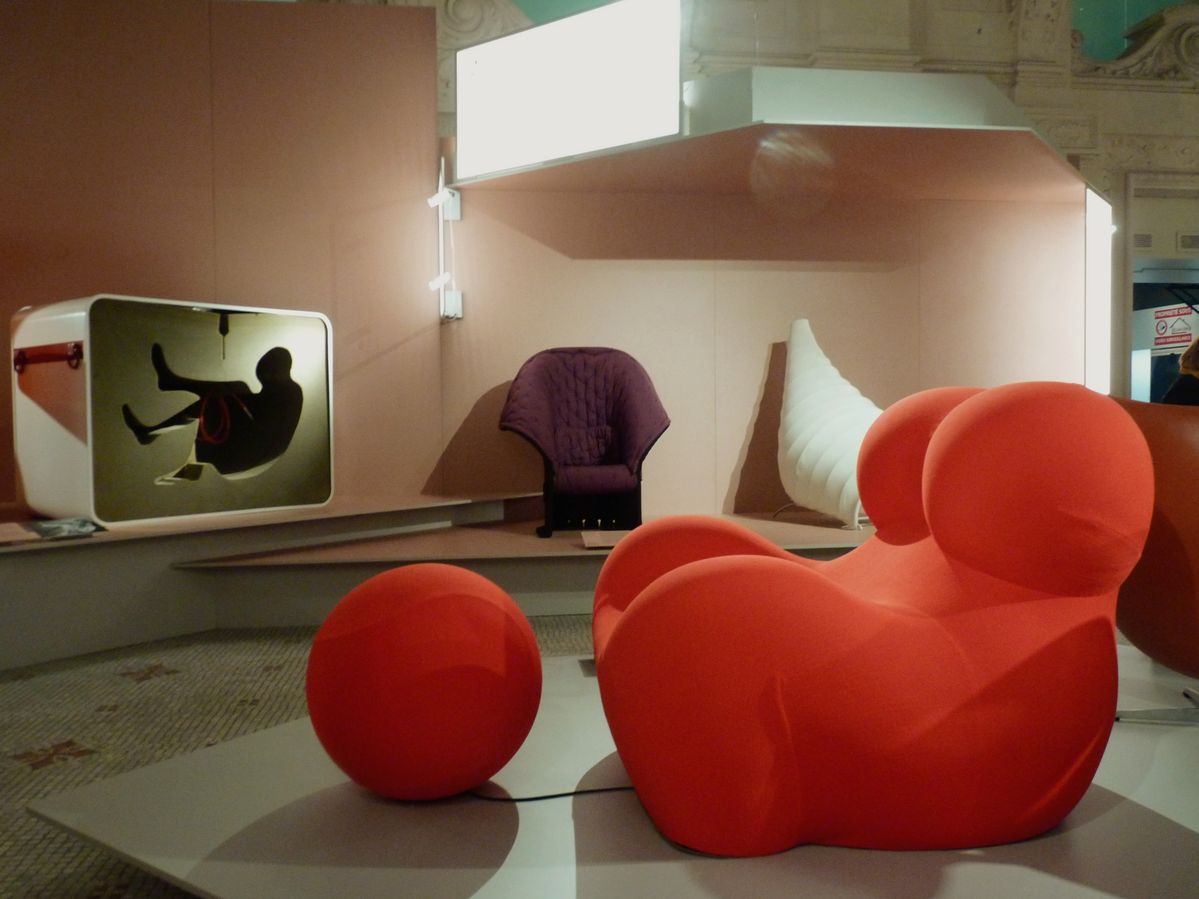
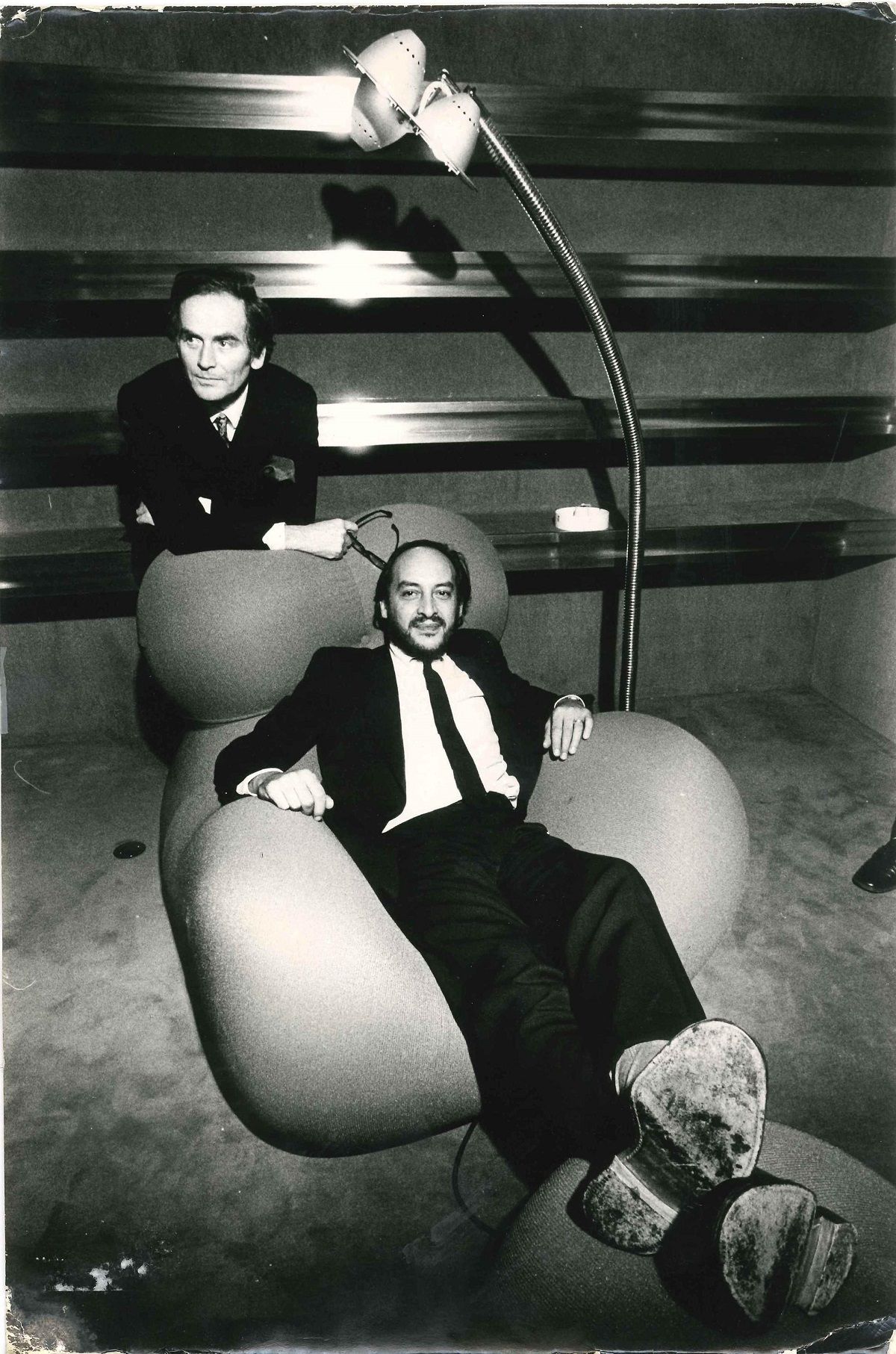
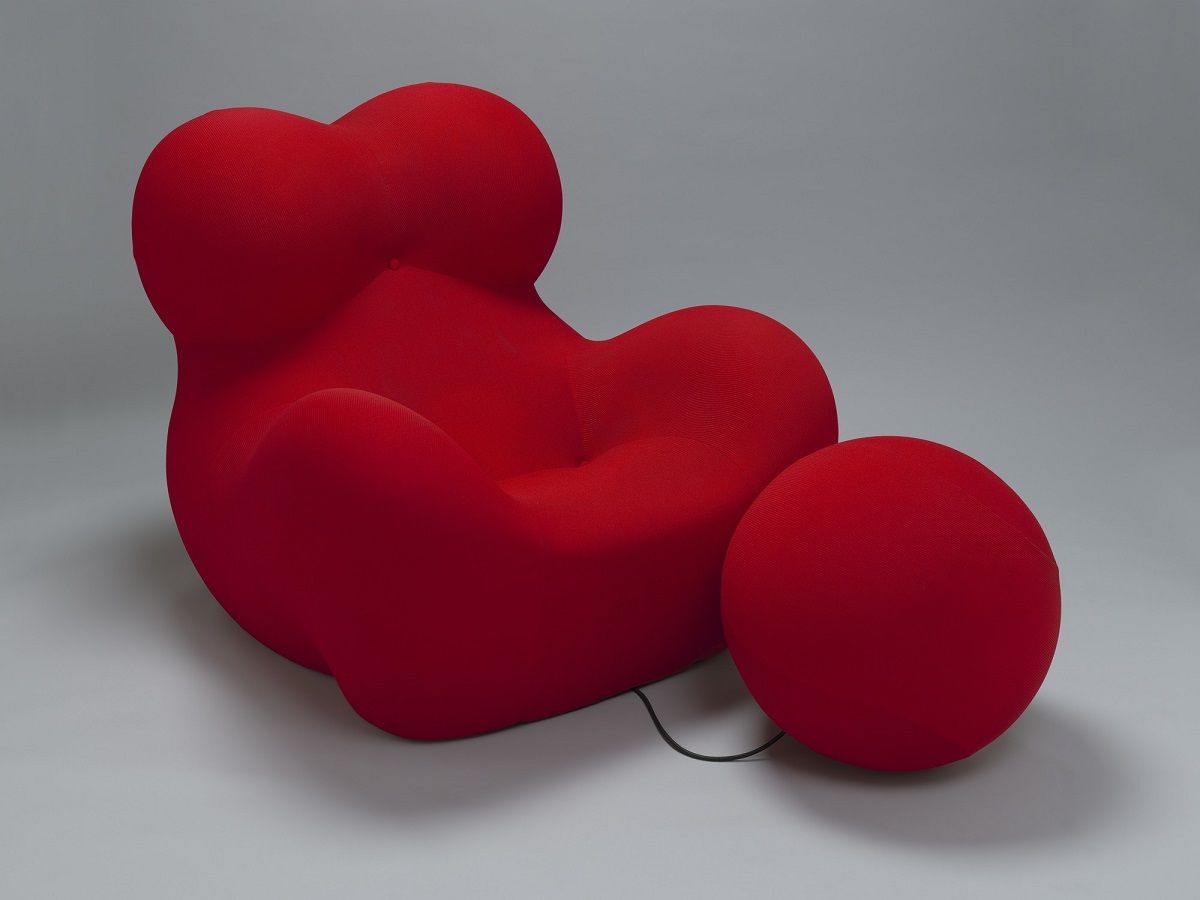
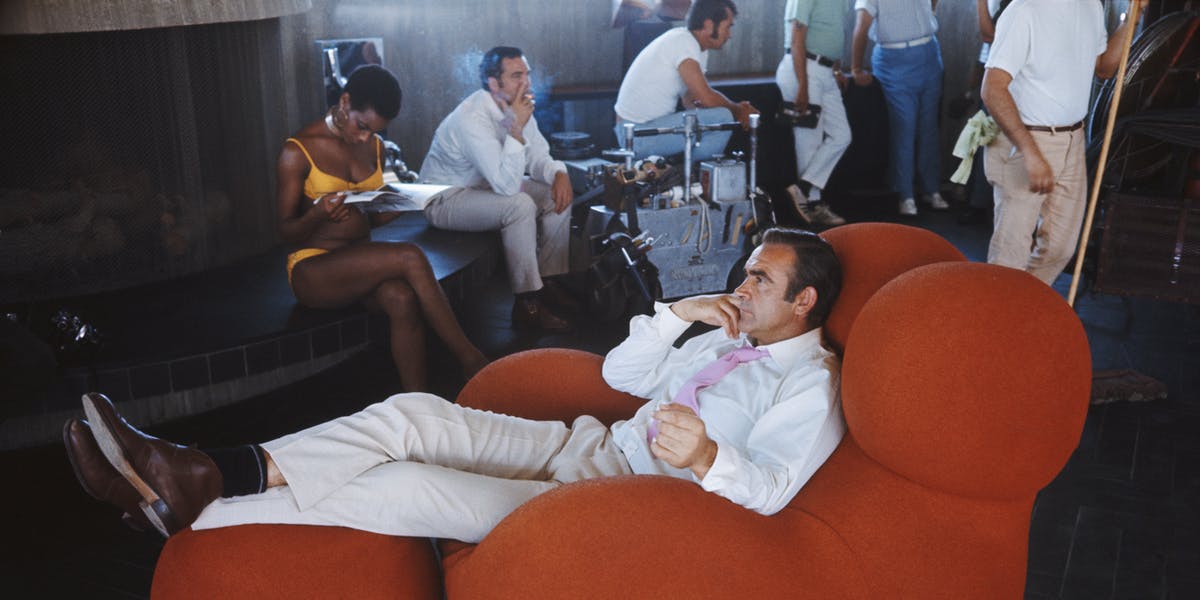
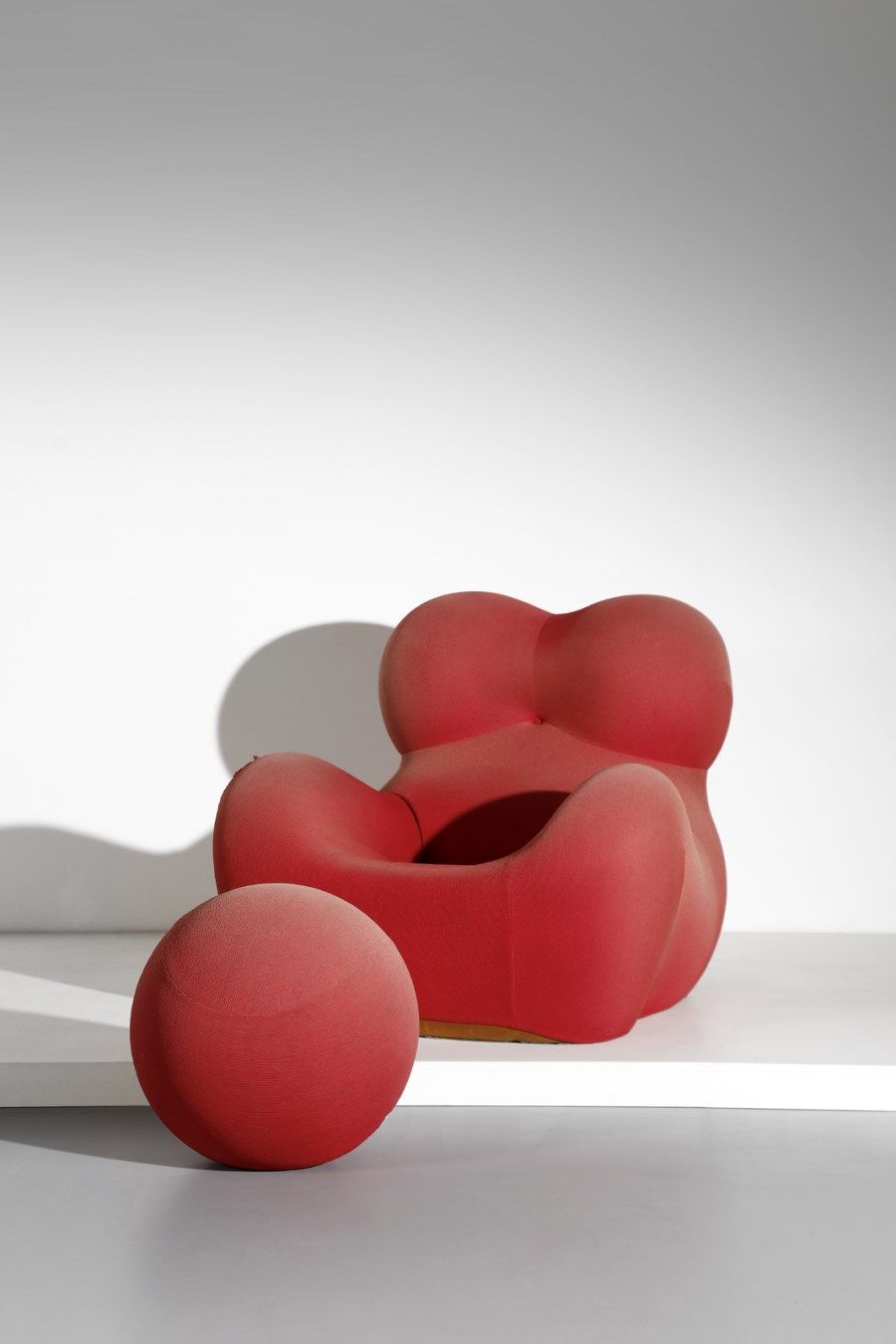
His best known work is probably the UP5_6 armchair, designed in 1969. The seat recalls the forms of a female body, while the spherical pouf tied to the armchair looks like a ball and chain. The object is soft and welcoming, almost playful, but it tells of a freedom denied. Pesce wanted to speak about the condition of women and the weight of a society that kept limiting them.
It is precisely this contradiction that makes the armchair still powerful. You can sit in it, but you cannot look at it without also seeing the chain. Comfort and imprisonment coexist in the same object, allowing Pesce to bring a political message into an industrial product. He does not write a manifesto and does not put a line on the wall. He designs an armchair that manages to speak on its own.
Today the UP5_6 is often called a design icon, but this word risks making it more harmless than it was in its author's intentions. When an object becomes famous, in fact, its image can end up hiding the idea it was born from. In Pesce's case you have to do the opposite journey and go back to the moment when someone decided that an industrial seat could be comfortable and, at the same time, denounce a form of oppression. Pesce did not believe design should be neutral and did not consider perfection an absolute goal. On the contrary, he saw uniformity as a limit.
Nobody is perfect, not even objects
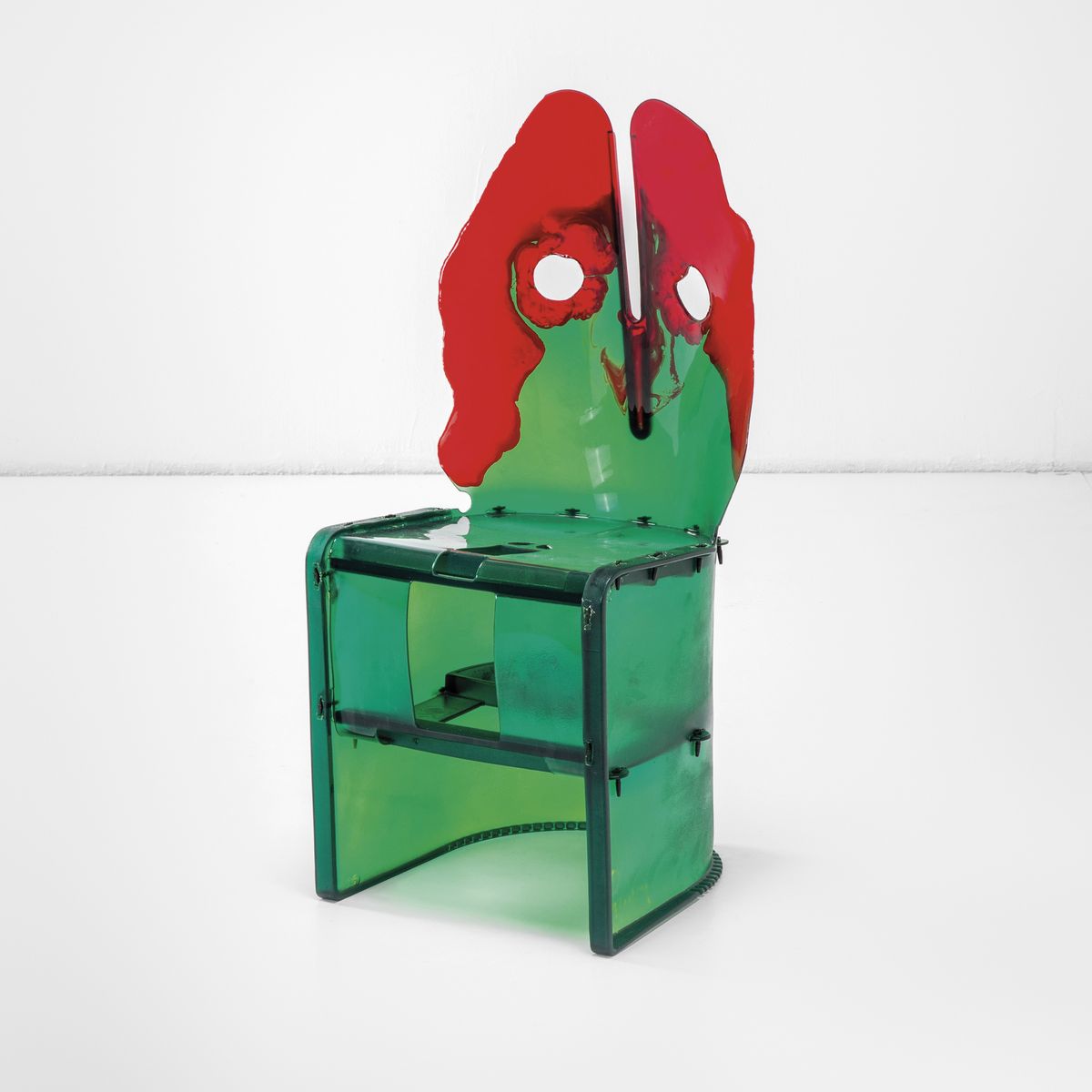
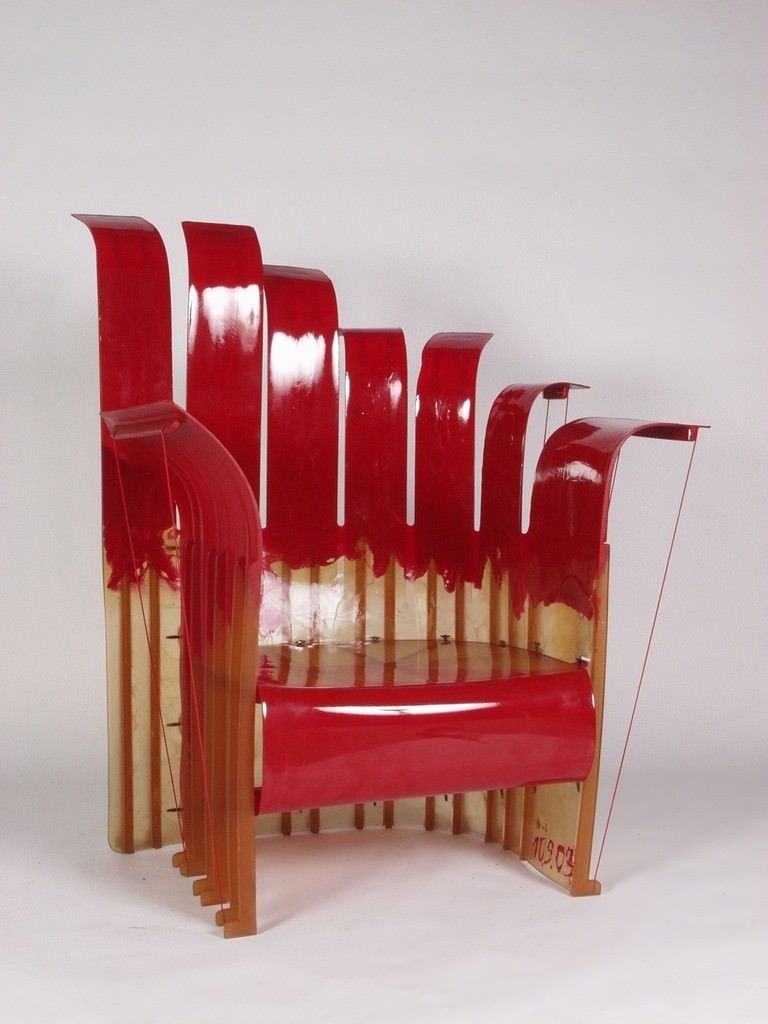
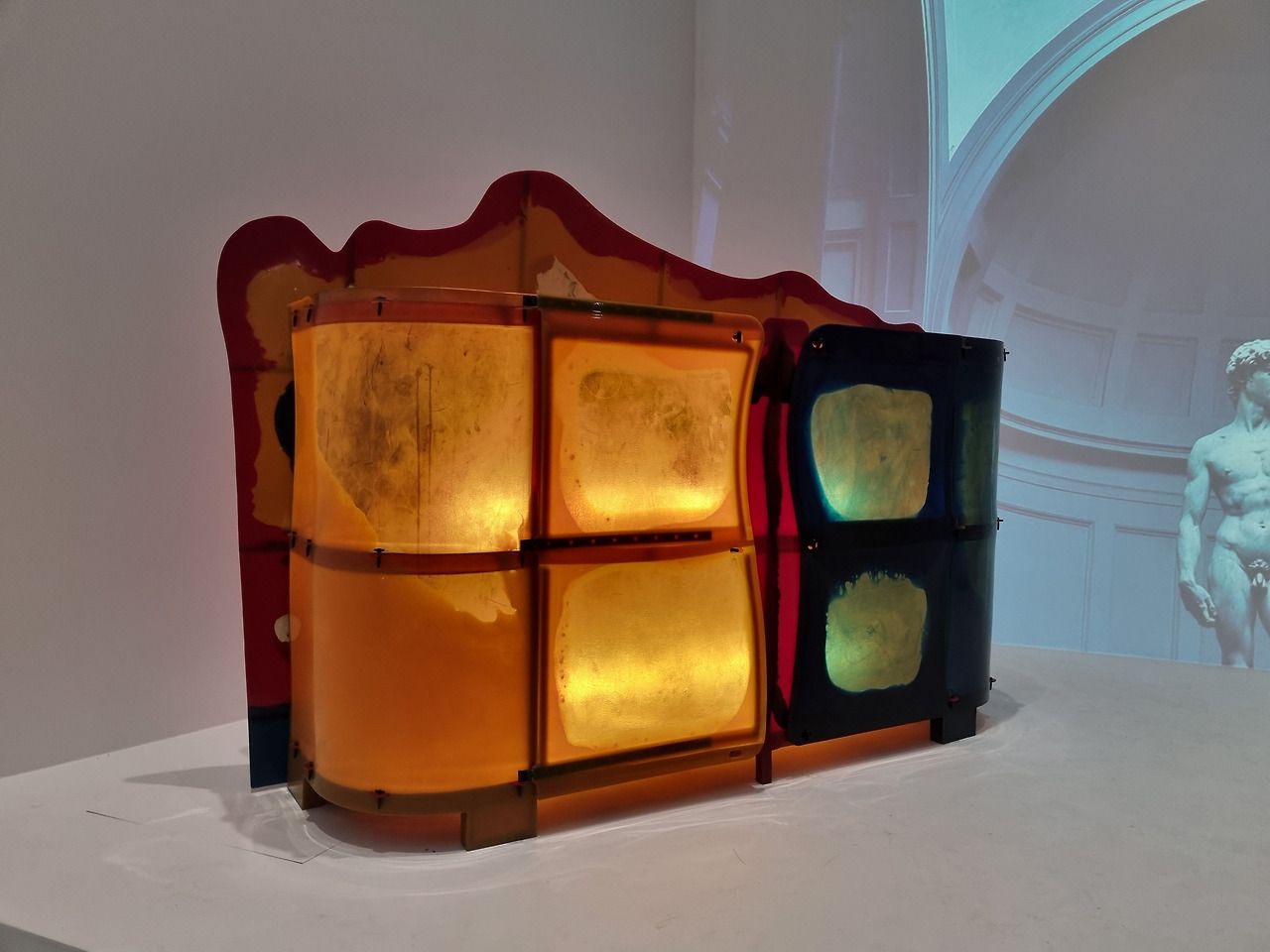
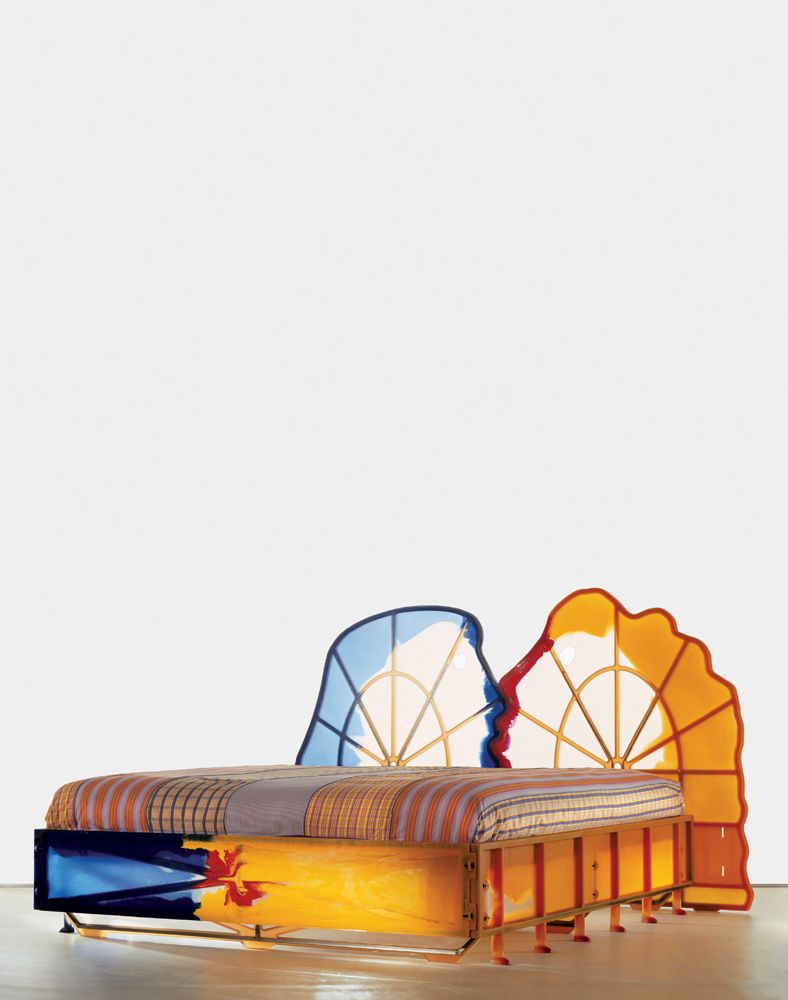
Industrial production exists to create thousands of identical copies of the same object. Pesce instead tries to imagine a series in which each element can change slightly. He uses resins, foams, felt, pours and colors that do not always react in the same way. He lets a variation in color, an irregular edge or a different surface become part of the object's identity.
Then comes Nobody's Perfect, a collection in which tables, seats and containers change in form, color and thickness. A family of objects that are similar and never completely alike. The title is not an excuse to justify an imprecise result, it is a statement. Nobody is perfect and there is no reason to pretend objects should be. Pesce was not trying to make something that had been completely controlled look handmade. He designed processes in which difference could really happen, letting each piece keep something unique and unpredictable.
This thinking looks even more relevant today. We live surrounded by interiors that resemble one another, objects designed to enter the same photographs and colors chosen by the same algorithms. Even imperfection is often studied and reproduced in series. A blanket is placed in just the right spot to look casual, a surface is made irregular to communicate authenticity, a flaw is repeated thousands of times until it becomes another form of perfection. Pesce wanted to produce a real difference, not just build its image.
The form decided by the material
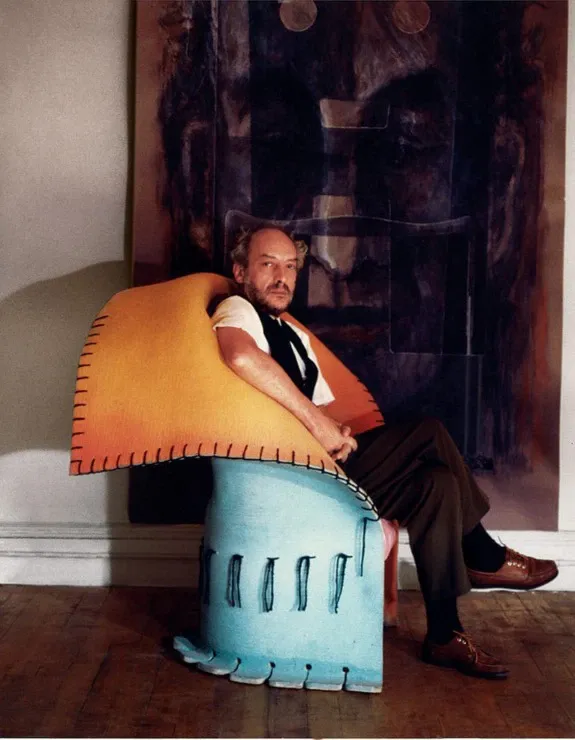
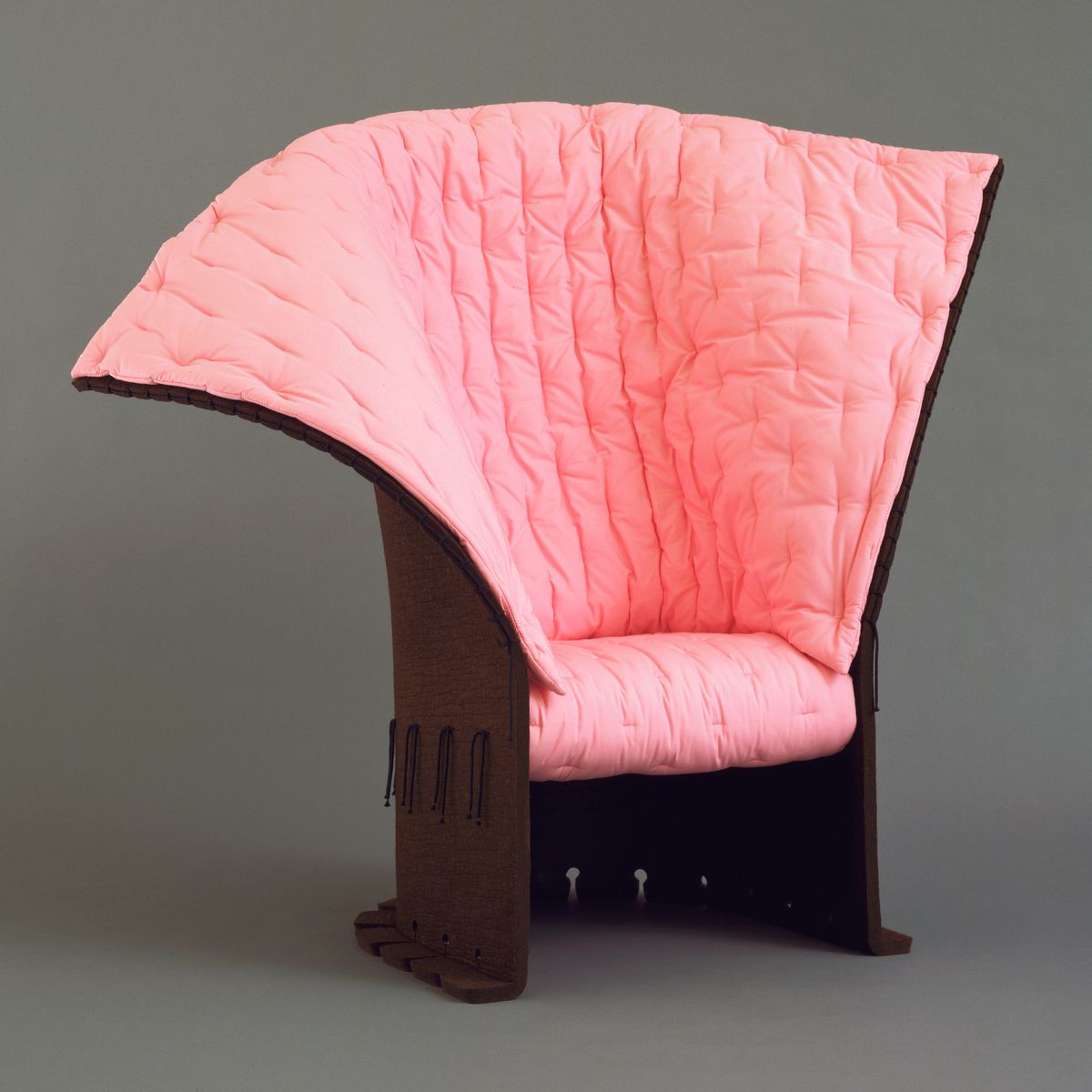
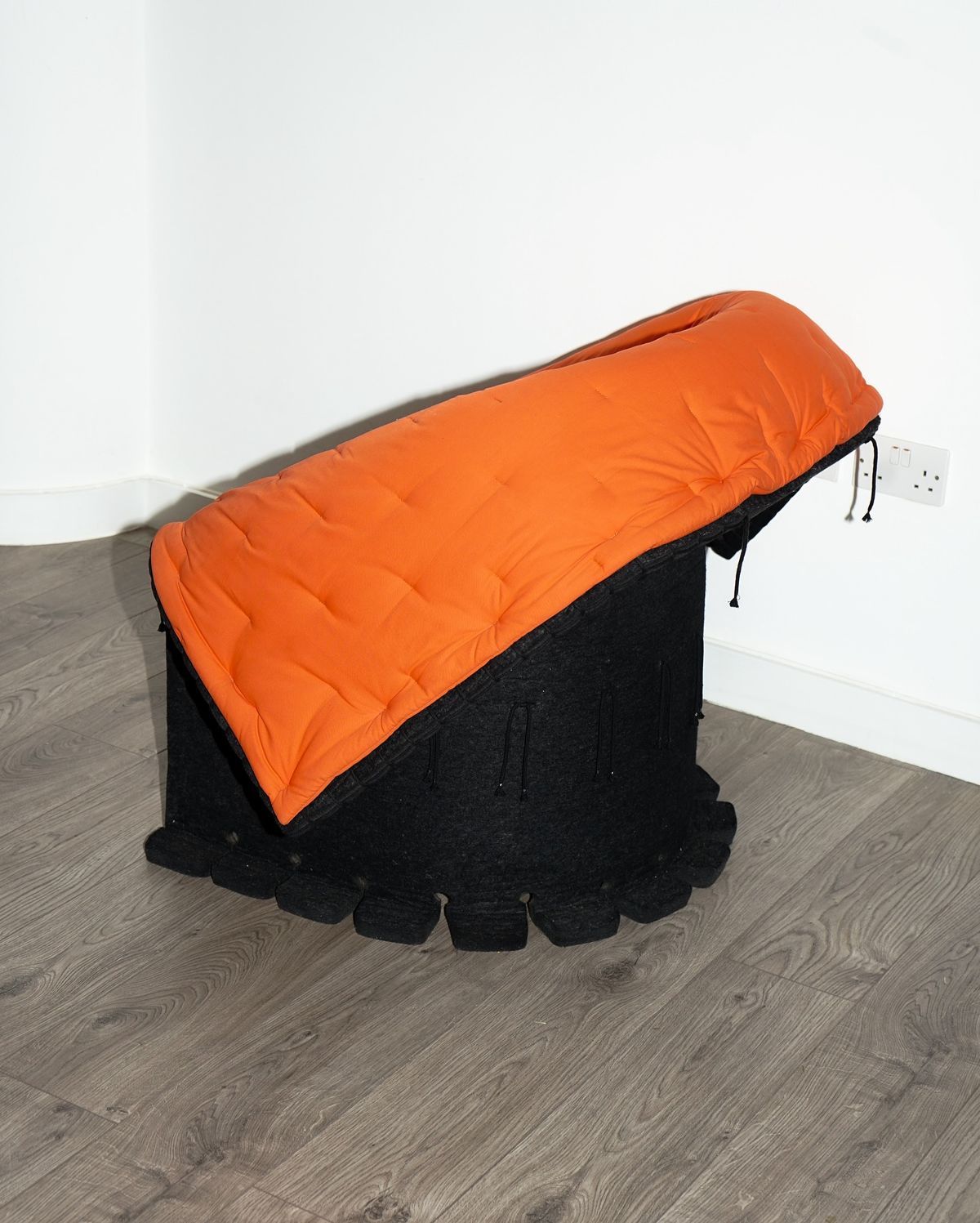
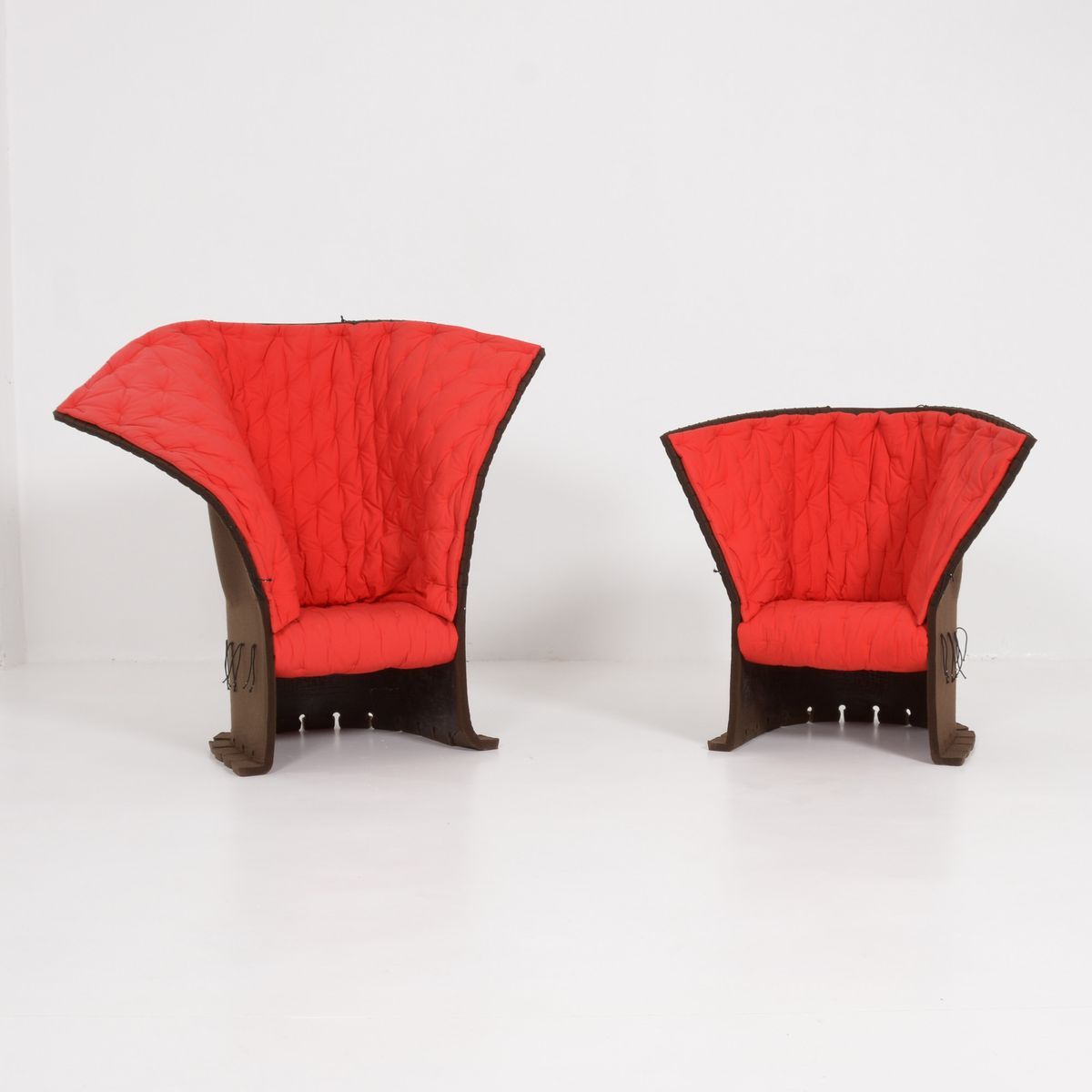
Feltri too, the armchair designed for Cassina in the Eighties, is born from this free relationship with the material. Pesce takes wool felt, stiffens it with resin only in the lower part and leaves the upper part soft. The structure supports the body, while the edges can open, fold and wrap around whoever sits down. The armchair seems at the same time a blanket, a cloak, a throne and a shelter.
The material is not forced to hide its own nature. It is the felt itself, with its weight and its flexibility, that suggests the final form. Pesce did not always start from the perfect image of an object and then force the material to follow it. He observed what the material could do and built the project together with it. Perhaps this is exactly where his design becomes more human. Not only because many objects recall the body, but because they share its instability and its contradictions. They can be soft and rigid, ironic and political, functional and strange. They do not try to resolve every contrast, but allow several meanings to coexist within the same form.
Gaetano Pesce had understood that perfection can create distance. An object that is too perfect seems finished, untouchable, almost indifferent to whoever uses it. His works, instead, always ask for a reaction. They are not always easy to fit into a home, but once you have met them they become hard to forget.
A sunset inside the living room
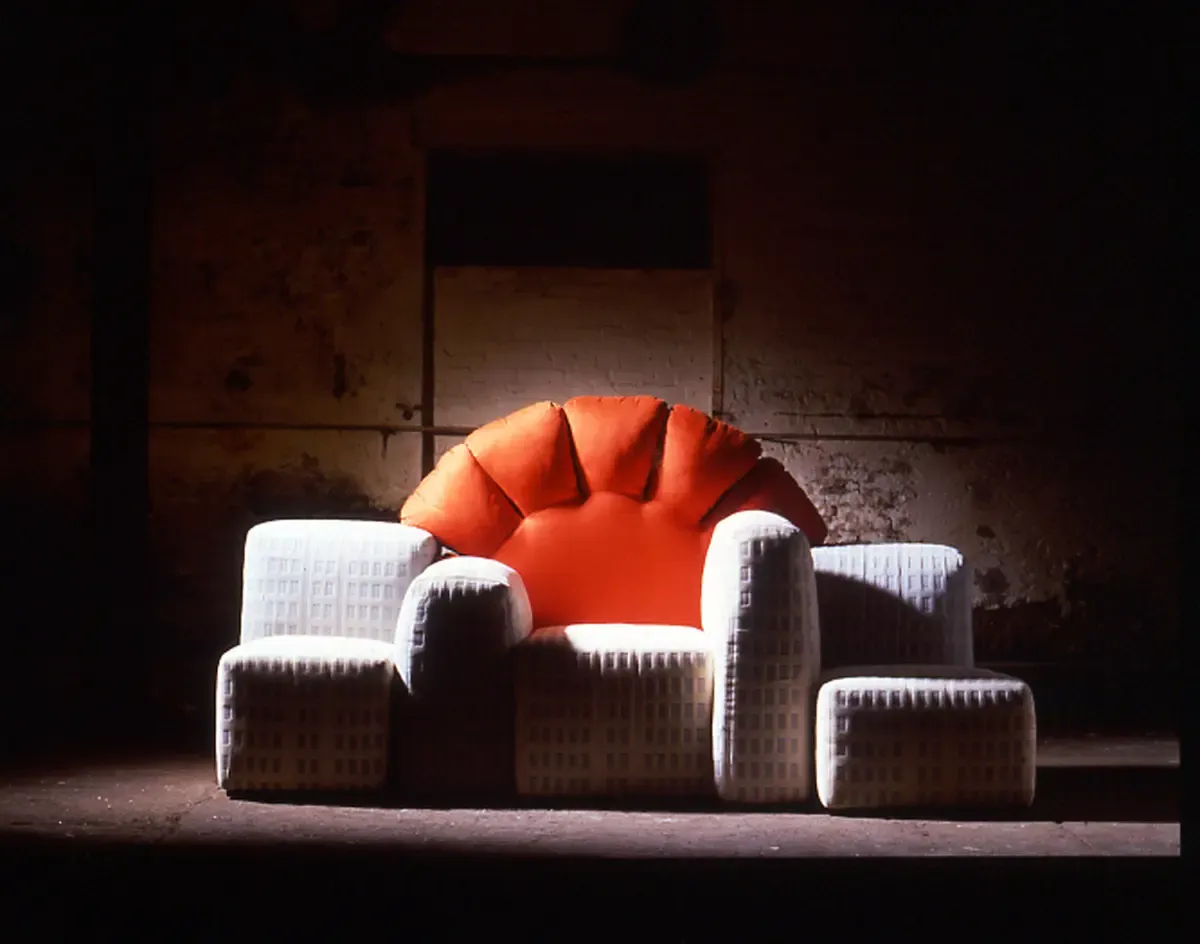
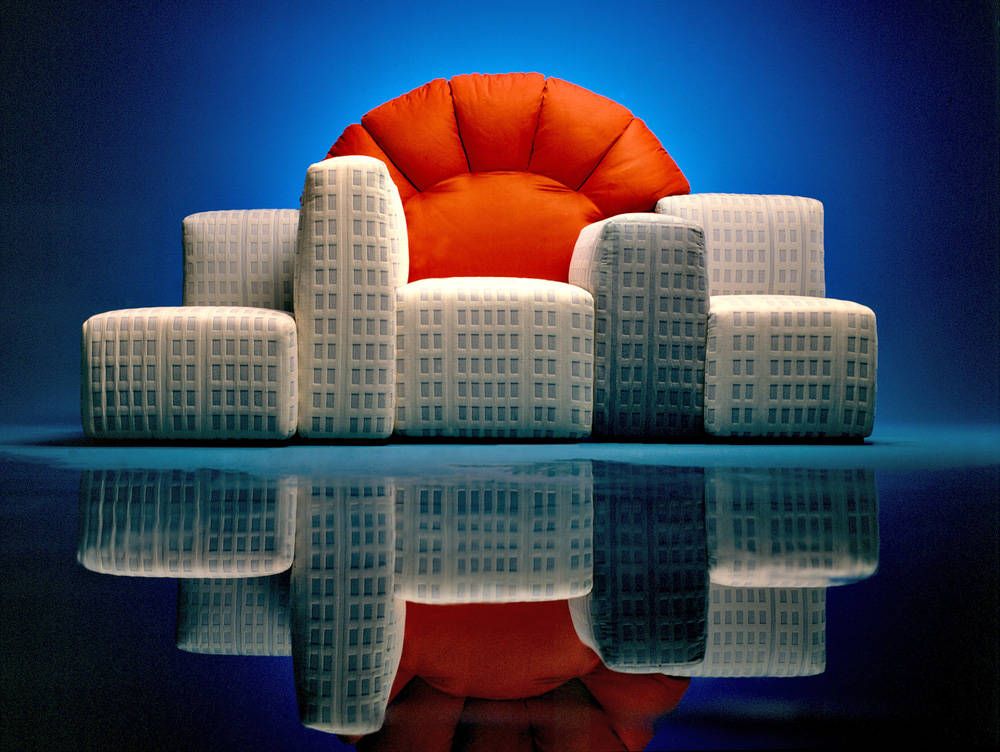
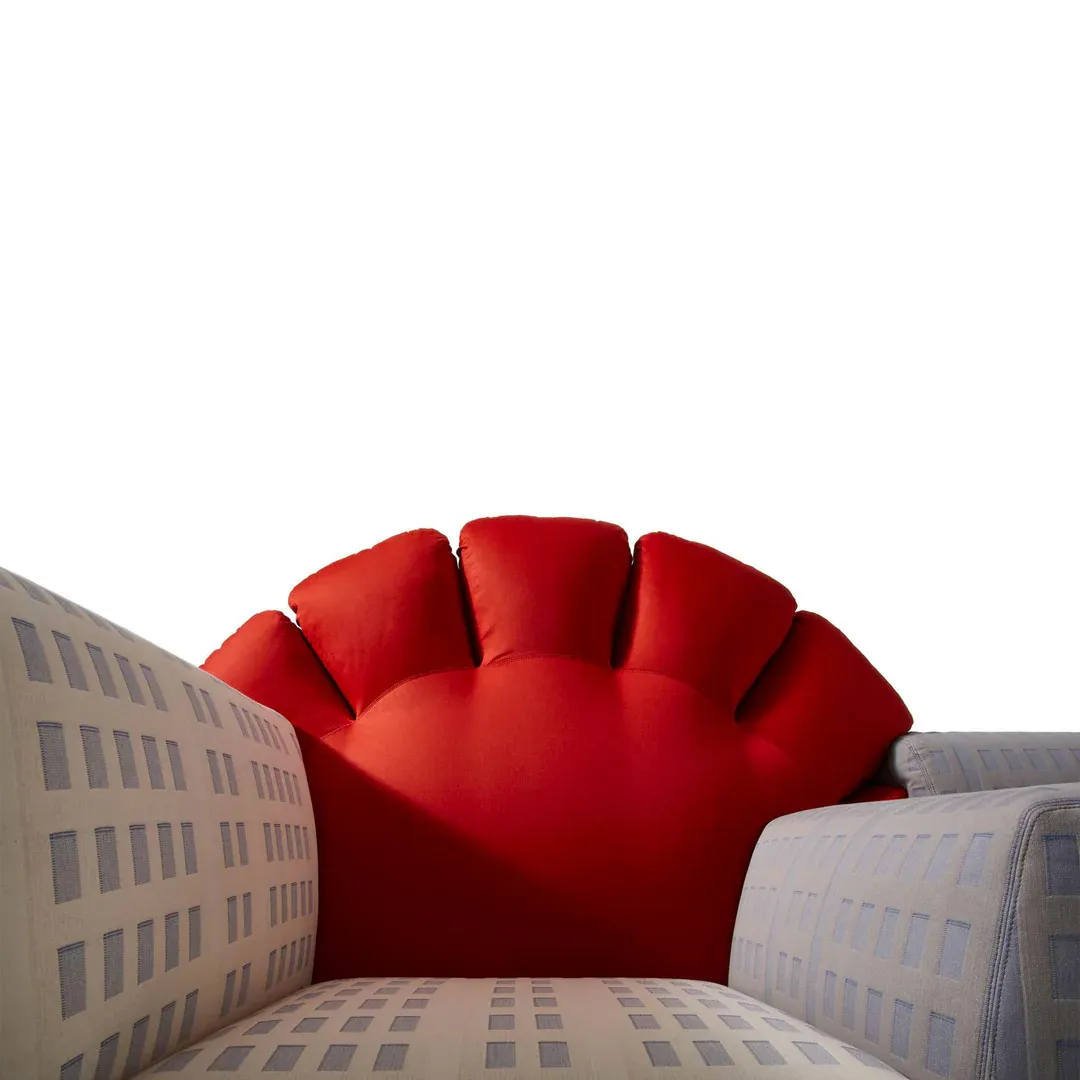
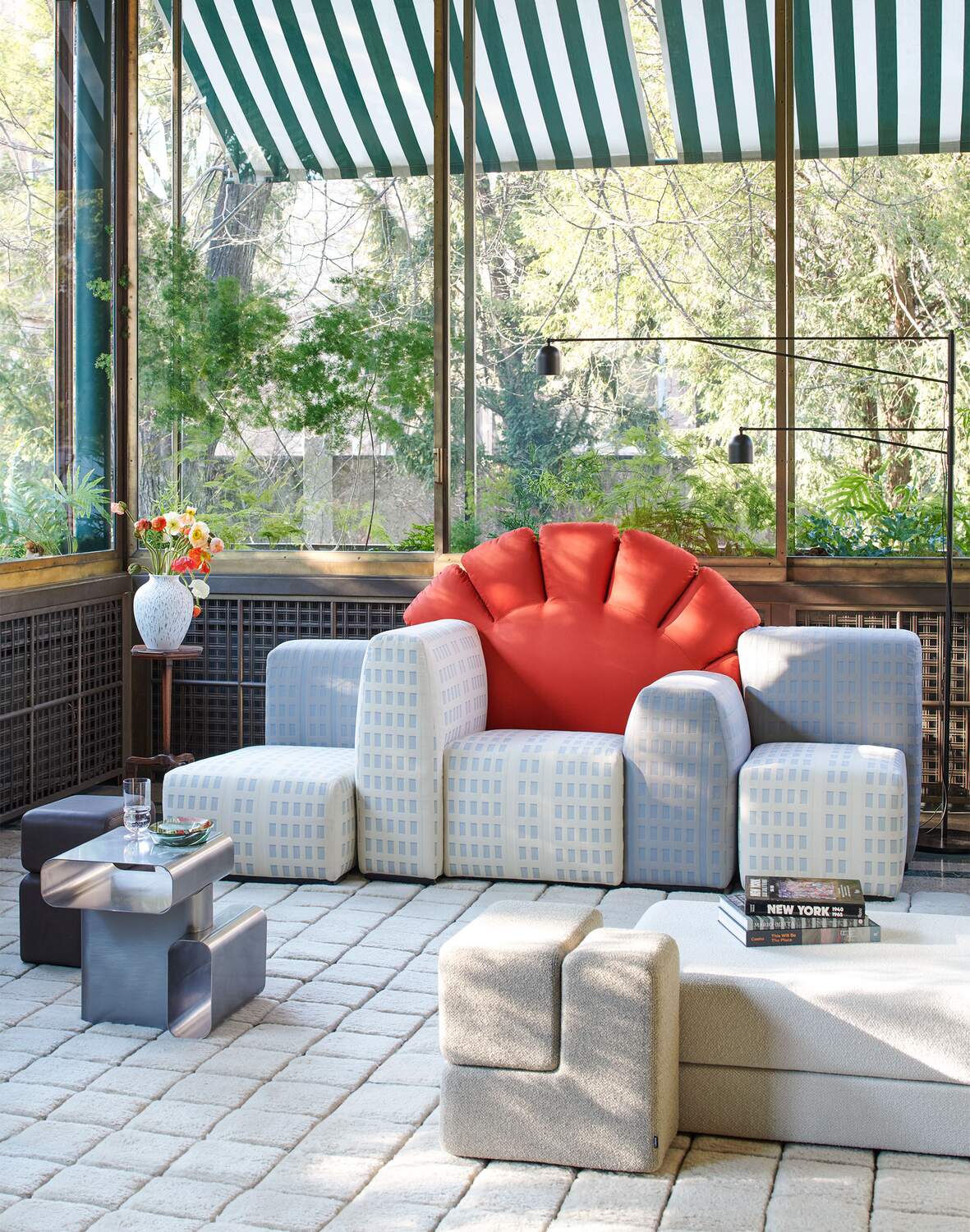
This is why Tramonto a New York remains such a strong image. Pesce takes a vertical, noisy and often hostile metropolis and makes it soft. He turns the skyscrapers into cushions and lets anyone sit inside the skyline. He does not eliminate the complexity of the city, but brings it to a dimension closer to the body. That red sun is not a simple decoration. It is an emotion that has found a form, but also the idea that even something huge and apparently invincible can pass through a sunset. Pesce manages to put all of this inside a sofa, without giving up designing an object that can be really used.
His work keeps feeling so contemporary for this reason. He proved that a product can be industrial without becoming anonymous, functional without staying mute and imperfect without being incomplete. He freed objects from the obligation to behave well, letting them change, speak and take a stand. Gaetano Pesce had understood that perfection, sooner or later, ends up repeating itself. Difference instead stays alive, enters a room, changes what surrounds it and keeps staying in your head even when we have stopped looking at it.