June 10th, 2026
Architects you need to know about: Carlo Mollino The designer who turned every room into a self-portrait
In contemporary design, where every object seems to have to be immediately legible, shareable, and explainable, Carlo Mollino still represents a magnetic anomaly. His furniture doesn't seem designed simply to furnish a home, but to change the emotional temperature of a space. Everything in his work belongs to a closed and recognizable imaginary, made of curves, wood, shadows, symbols, and details pushed to the point of obsession.
The historical moment
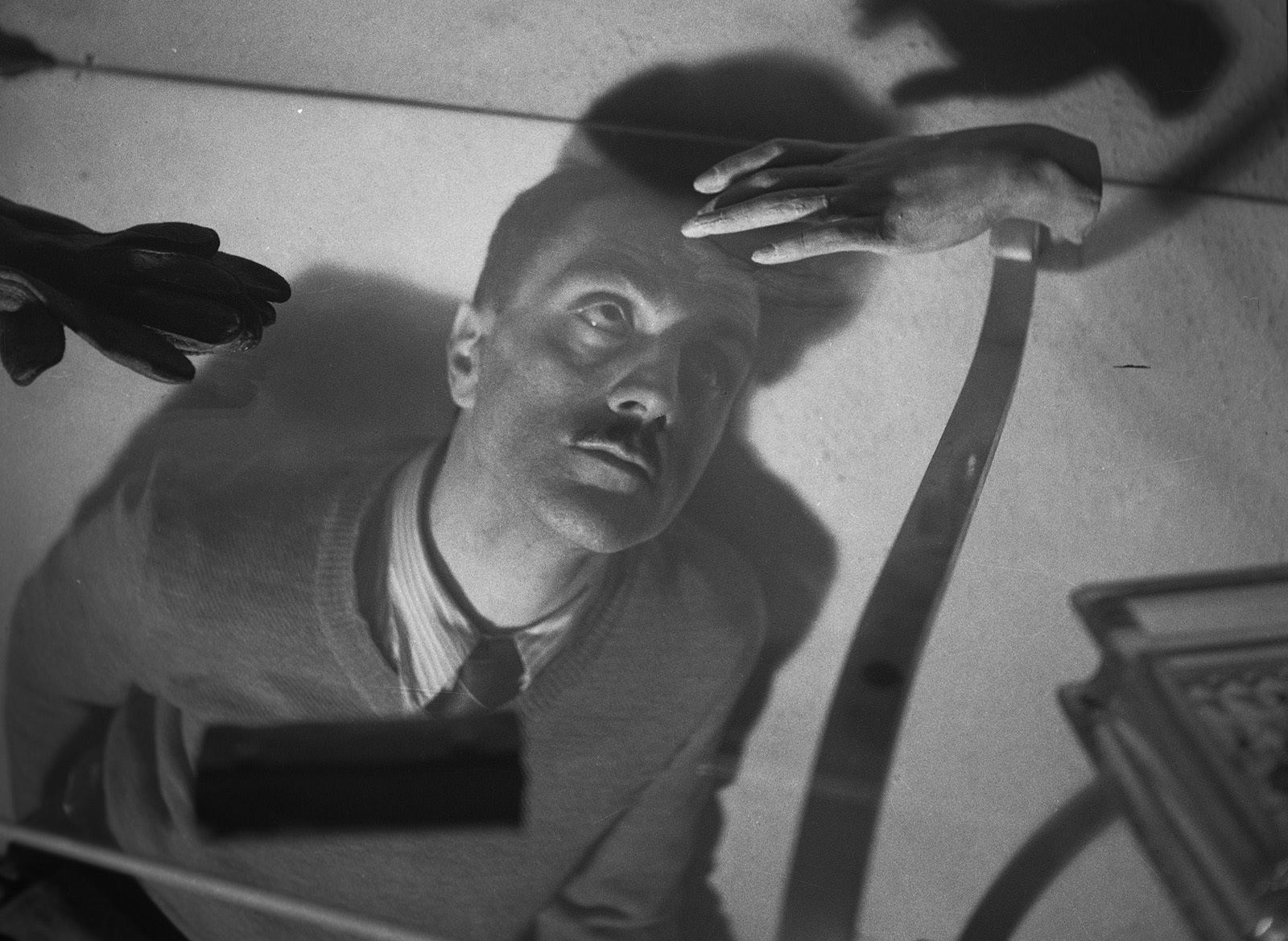
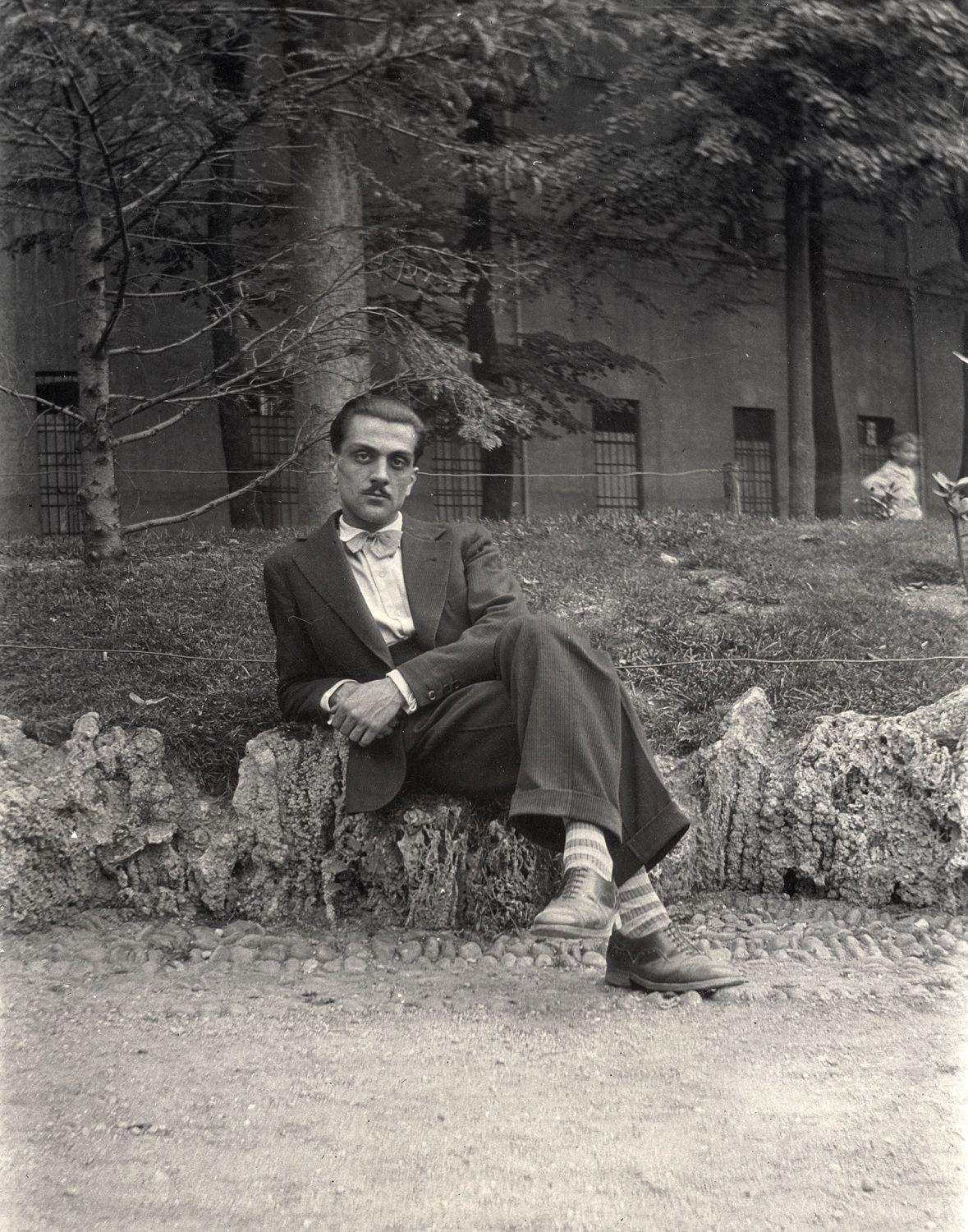
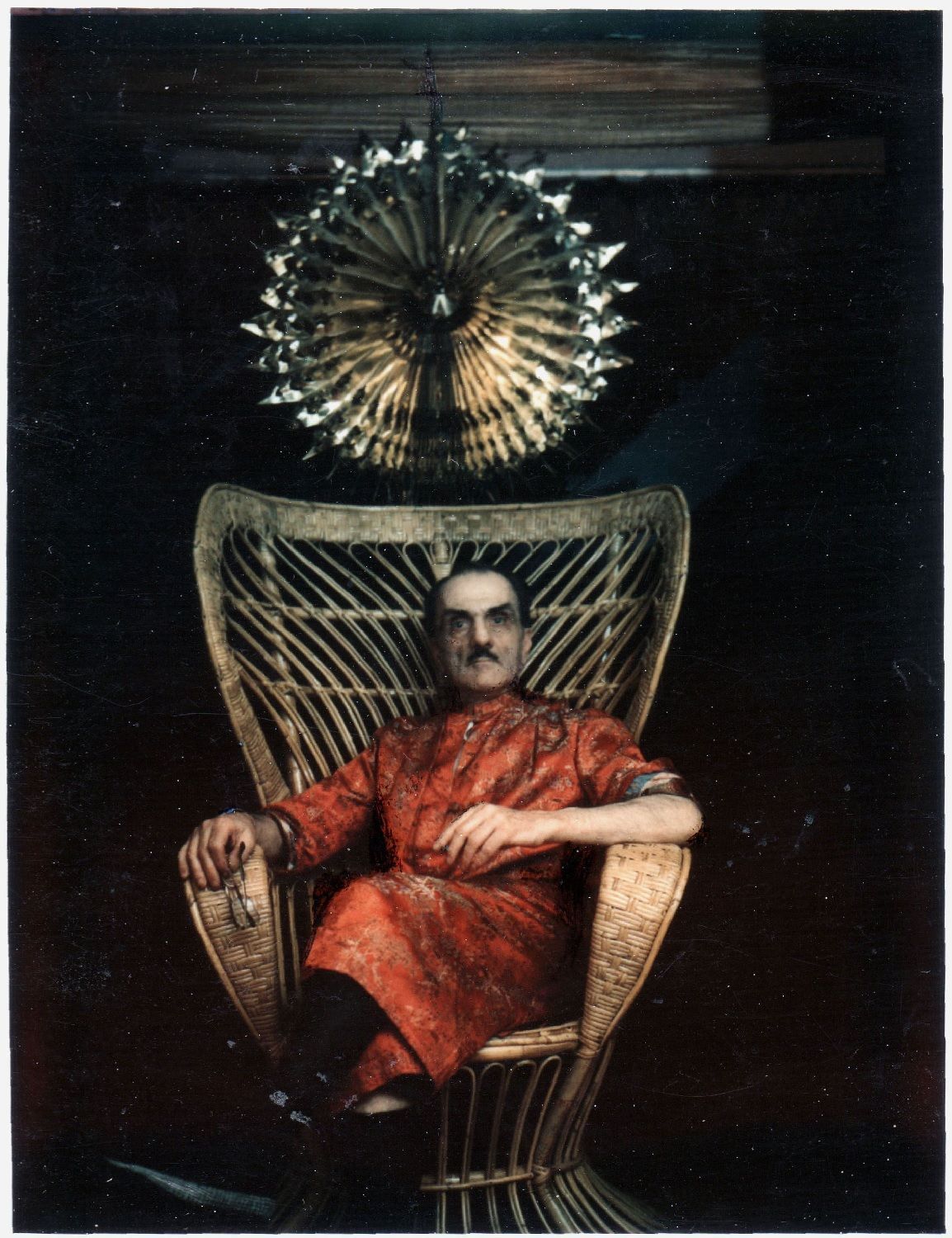
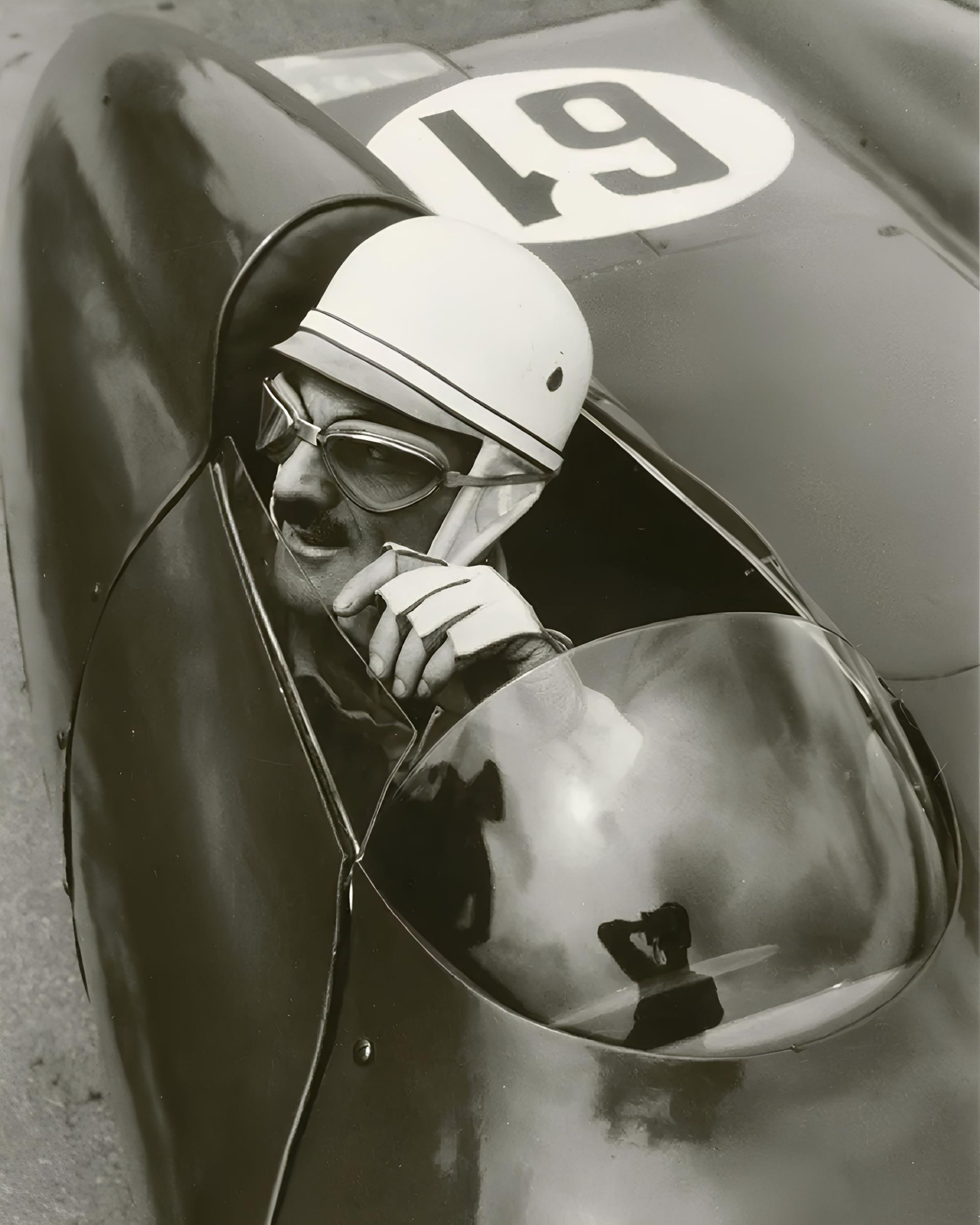
Born in Turin in 1905 and passing away in the same city in 1973, Mollino was an architect, designer, photographer, writer, professor, skier, and aerobatic pilot. A figure difficult to reduce to a single definition, and perhaps for this very reason so close to the present. Long before the contemporary creative became a hybrid of art director, designer, photographer, storyteller, and identity builder, Mollino had already transformed his own life into a total project. He didn't just work on buildings or objects: he worked on the imagery that surrounded them.
His figure is often told through eccentricity: the Turinese dandy, the mysterious man, the photographer of erotic Polaroids, the nocturnal designer, the pilot, the skier, the secluded intellectual. But stopping at this means missing the point. Mollino was not interesting because he was strange. He was interesting because he was coherent. His eccentricity was not a pose, but a method. In an Italian twentieth century often crossed by rationalism and the idea of a clean modernity, he built sensual, ambiguous, almost living forms. He didn't want to eliminate mystery from objects: he wanted to make it inhabitable.
The method
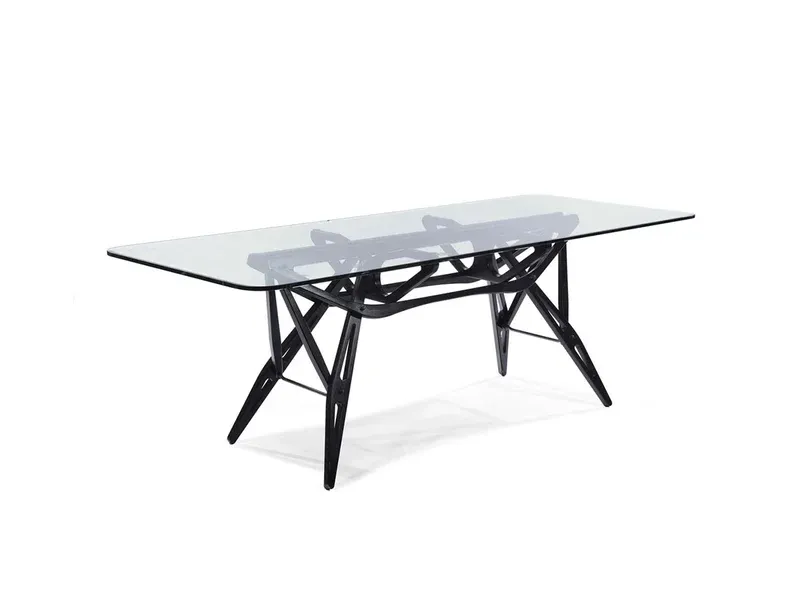
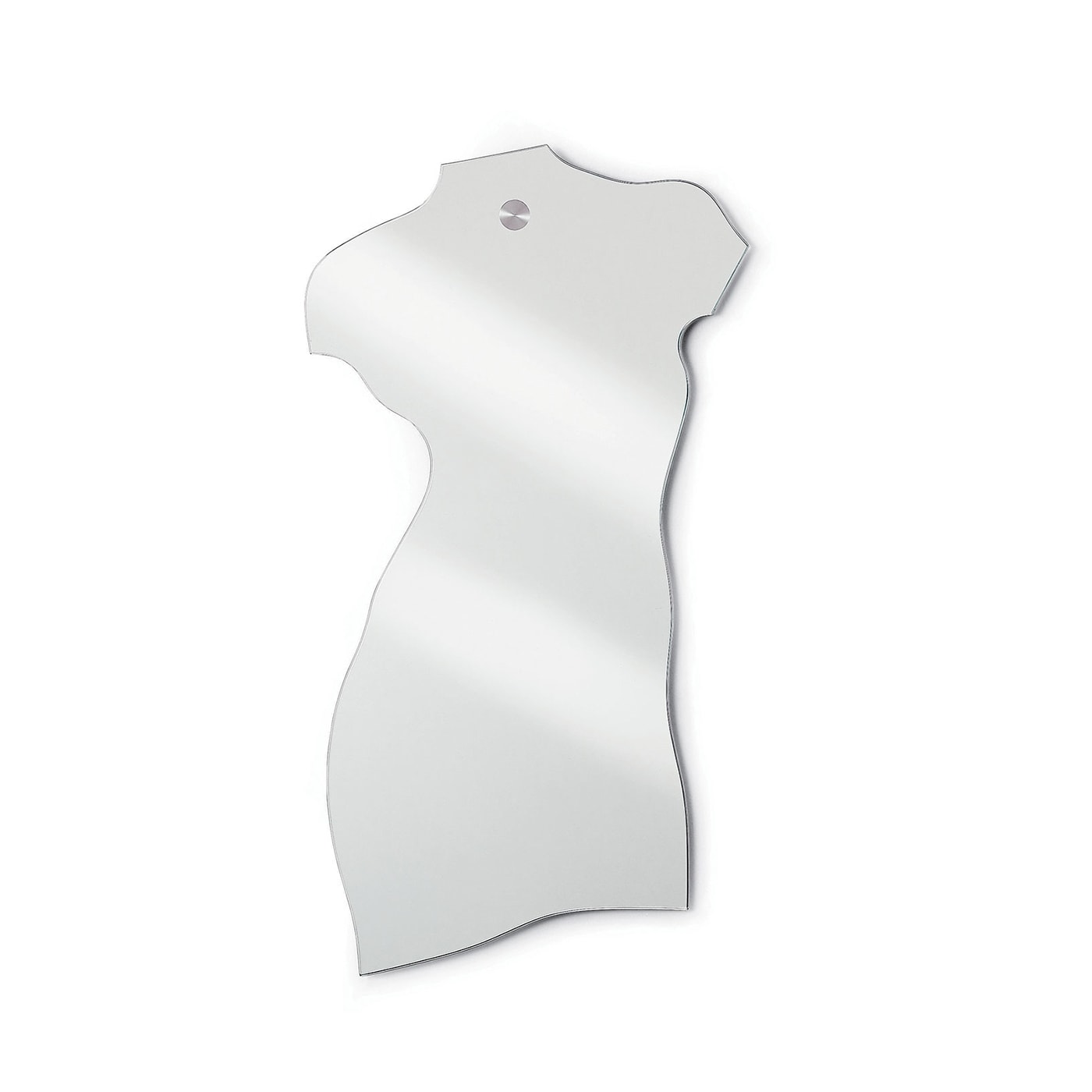
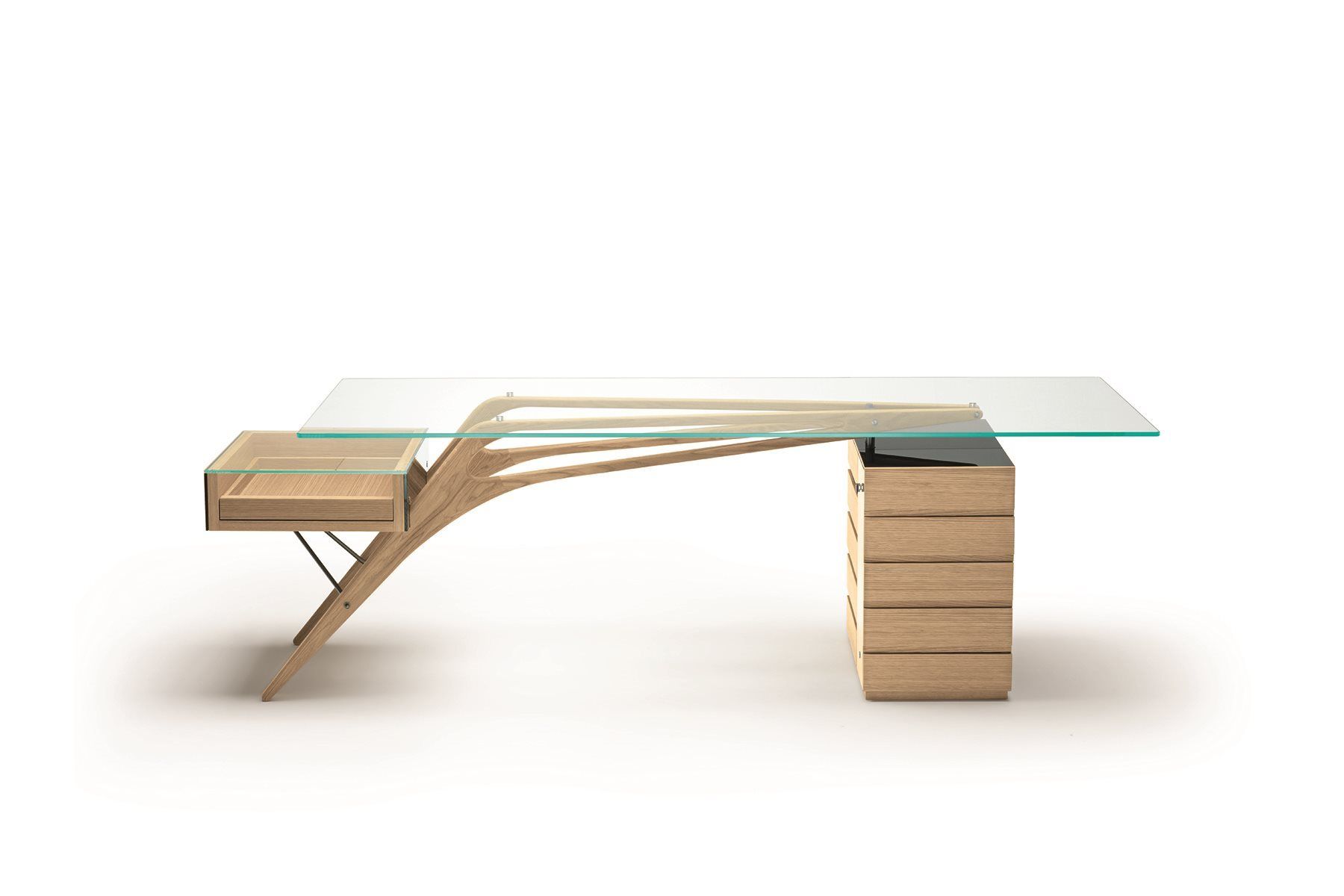
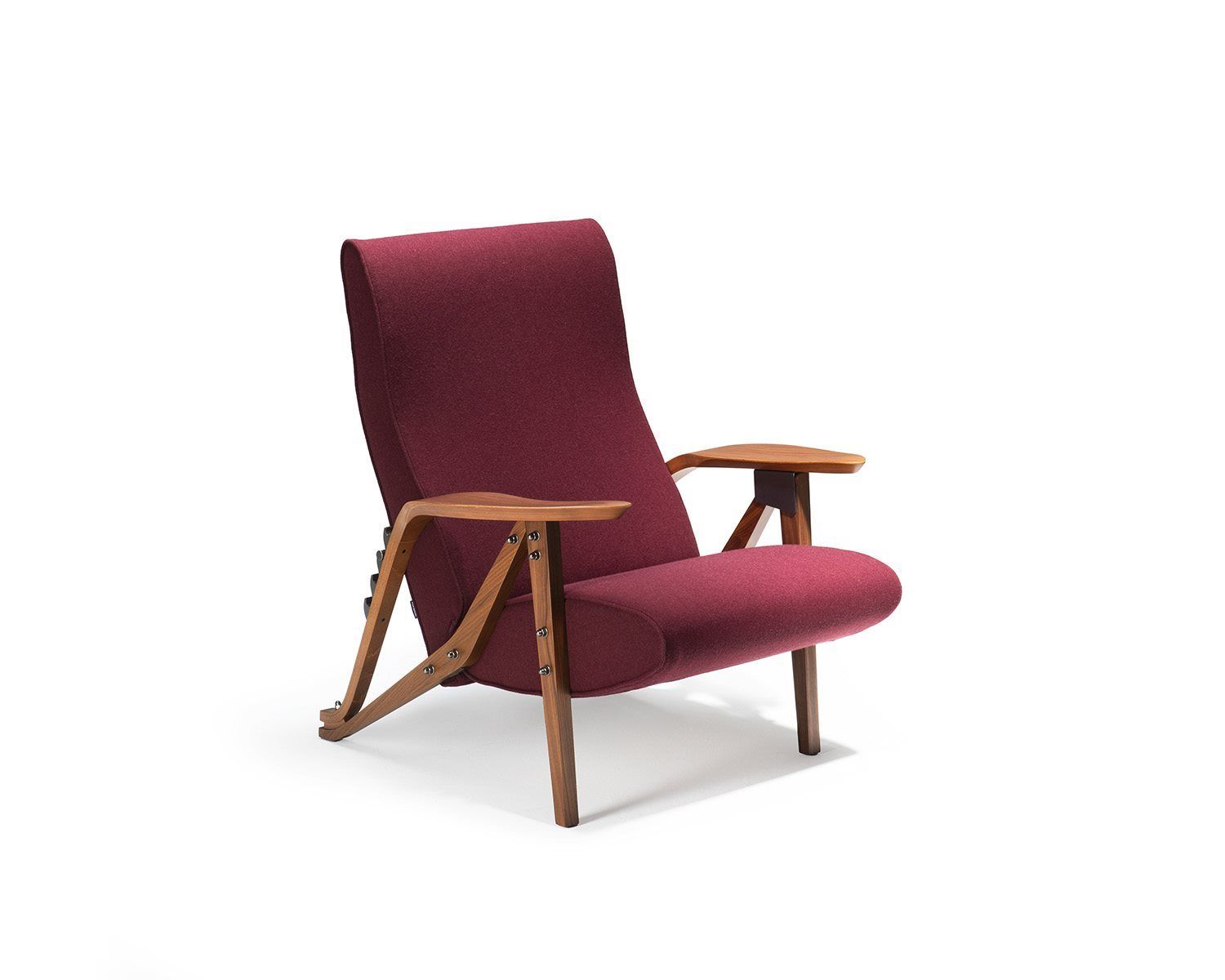
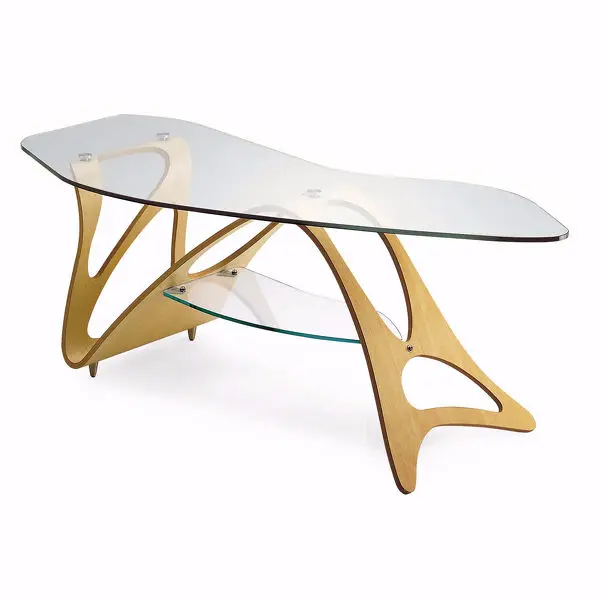
His furnishings are the most direct way to understand this. The Reale table, the Cavour desk, the Gilda armchair, the Milo mirror, and the Arabesco coffee table do not look like motionless objects, but rather forms captured in a moment of tension. The legs curve, the surfaces seem suspended, the structures recall vertebrae, wings, bones, and bodies in motion. Mollino did not design furniture as a neutral presence, but as a domestic creature. Each piece seems to have a posture, almost a character. It is design, of course, but also anatomy, theater, eroticism, engineering, and fantasy.
For this reason, today Mollino's work can speak to Gen Z more than one might imagine. Not because his objects are simply beautiful or collectible, but because they anticipate a contemporary way of understanding design: no longer just function, but identity, atmosphere, and narrative. Today, an interior is no longer perceived only as a space to live in, but as an extension of the self: Mollino understood this long before the era of Instagram and TikTok, without building content, but by building worlds.
Casa Mollino
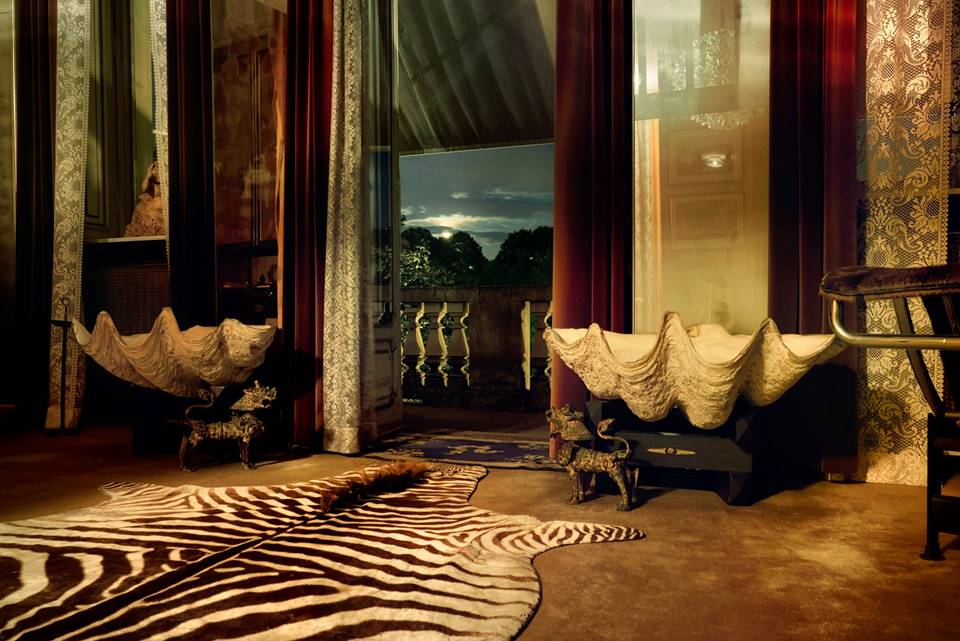
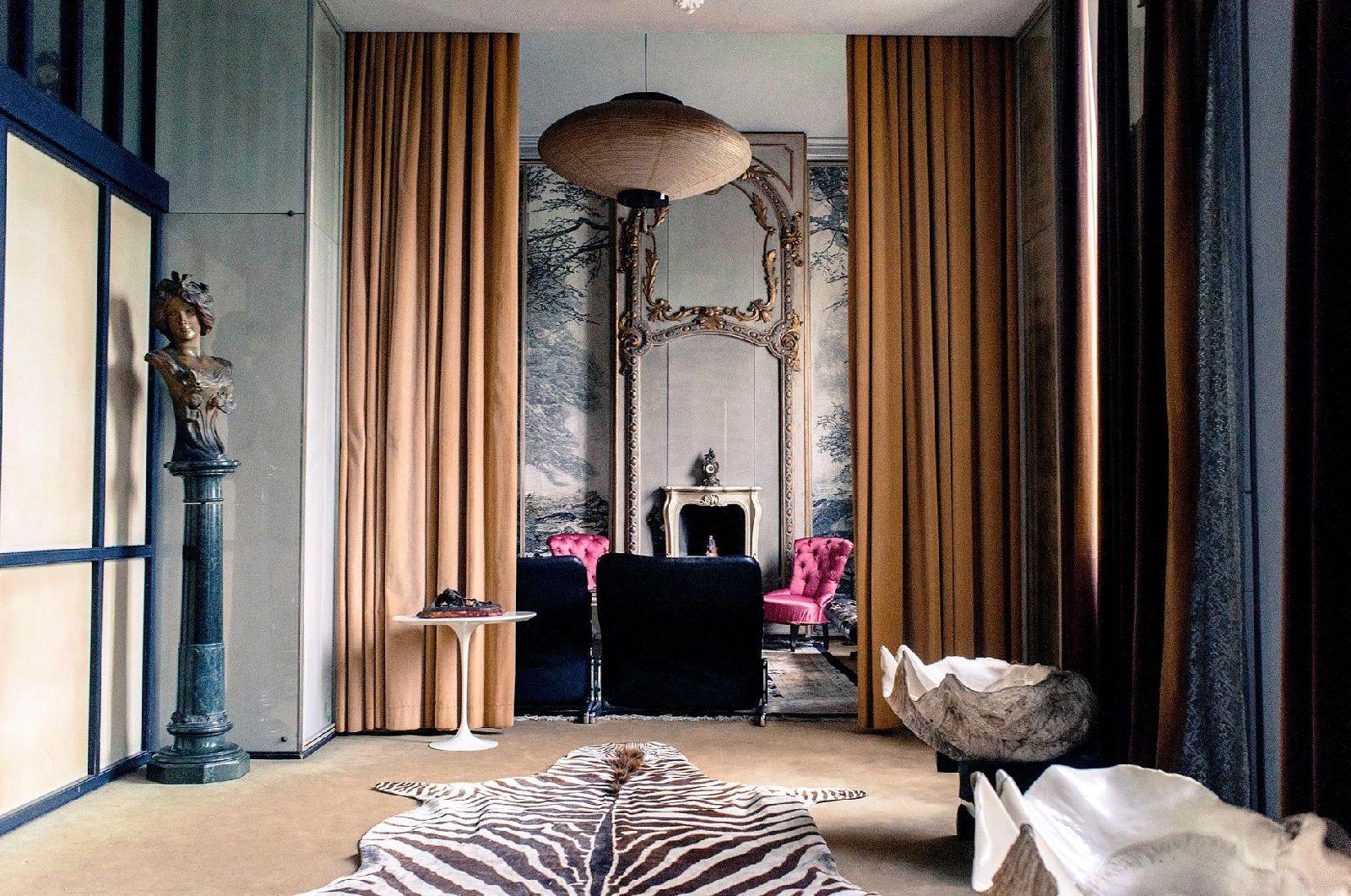
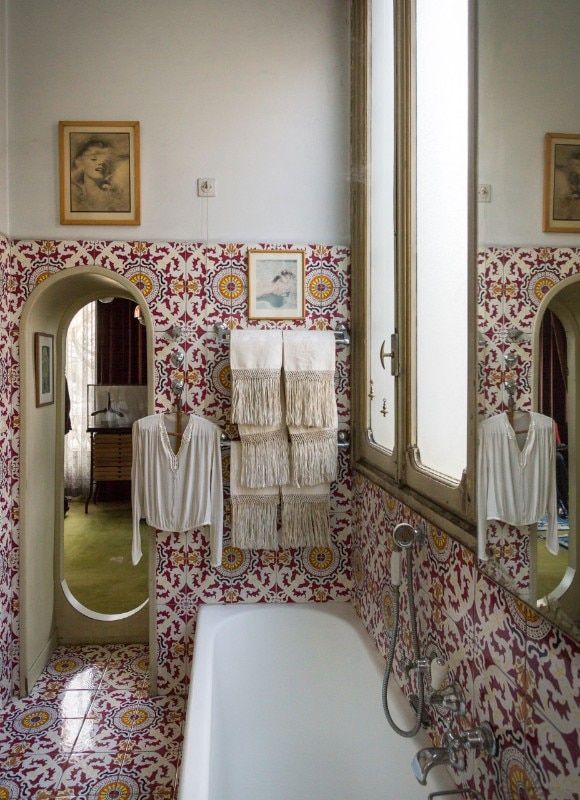
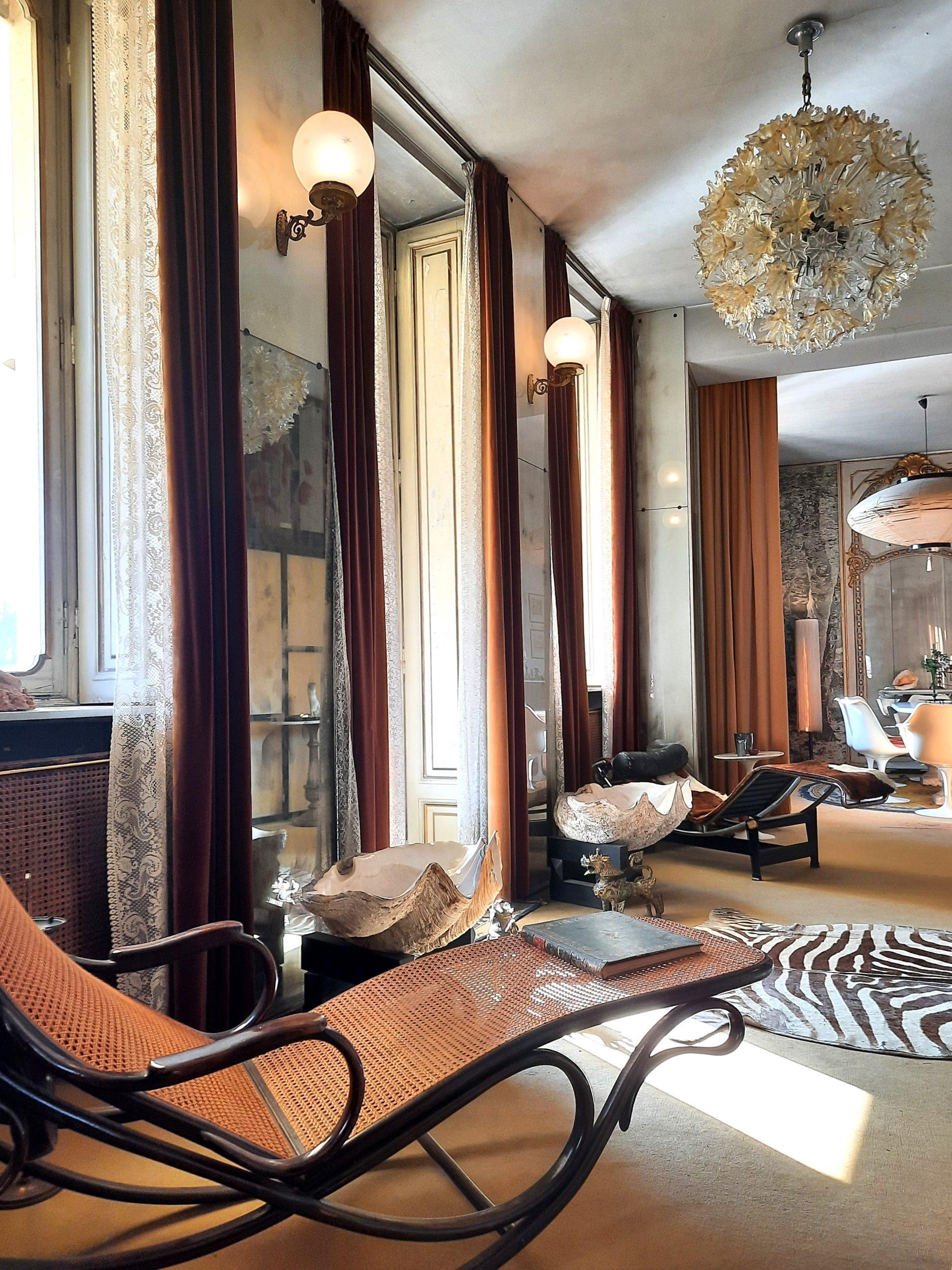
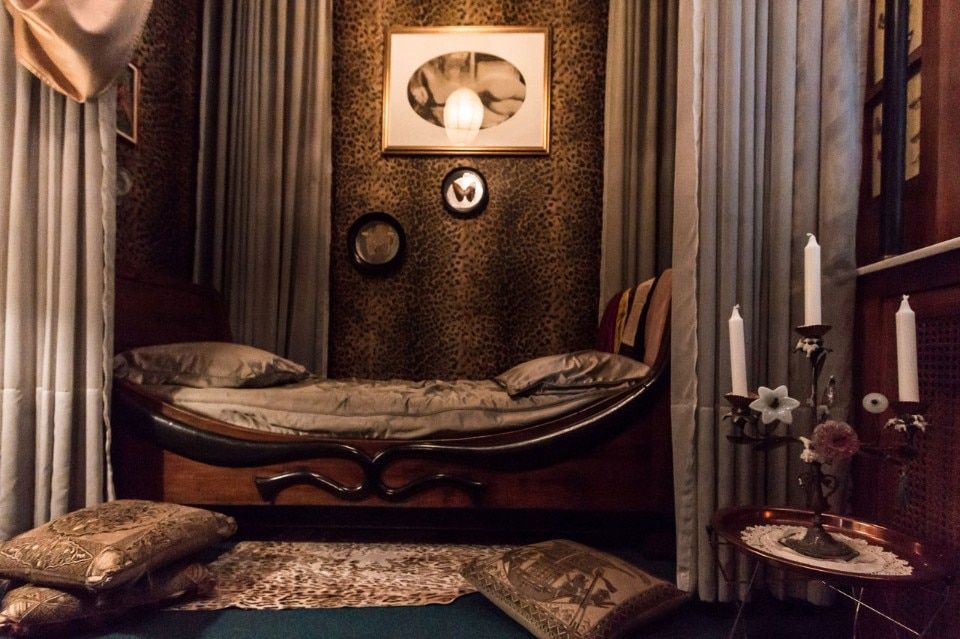
The most fascinating case is Casa Mollino, the apartment on the Po River that the architect designed between the sixties and seventies without ever actually living there. It was not a house in the traditional sense of the word; it was a secret place, symbolic, almost ritualistic. Curtains, mirrors, velvets, oriental objects, photographs, furnishings, esoteric references, and theatrical details compose an interior that feels more like a faceless self-portrait than a domestic space.
In this lies its contemporary strength. Today we are surrounded by perfect interiors, photographable homes, rooms designed to look calm, orderly, and aspirational. Mollino did the opposite. He did not build environments to reassure, but to reveal something. Casa Mollino is an emotional archive, a private set, a personal mythology. In a historical moment where everyone talks about personal branding, Mollino appears almost as its darkest and most sophisticated side: not building an image to please others, but building a world to stay true to one's own obsession.
The Teatro Regio of Turin
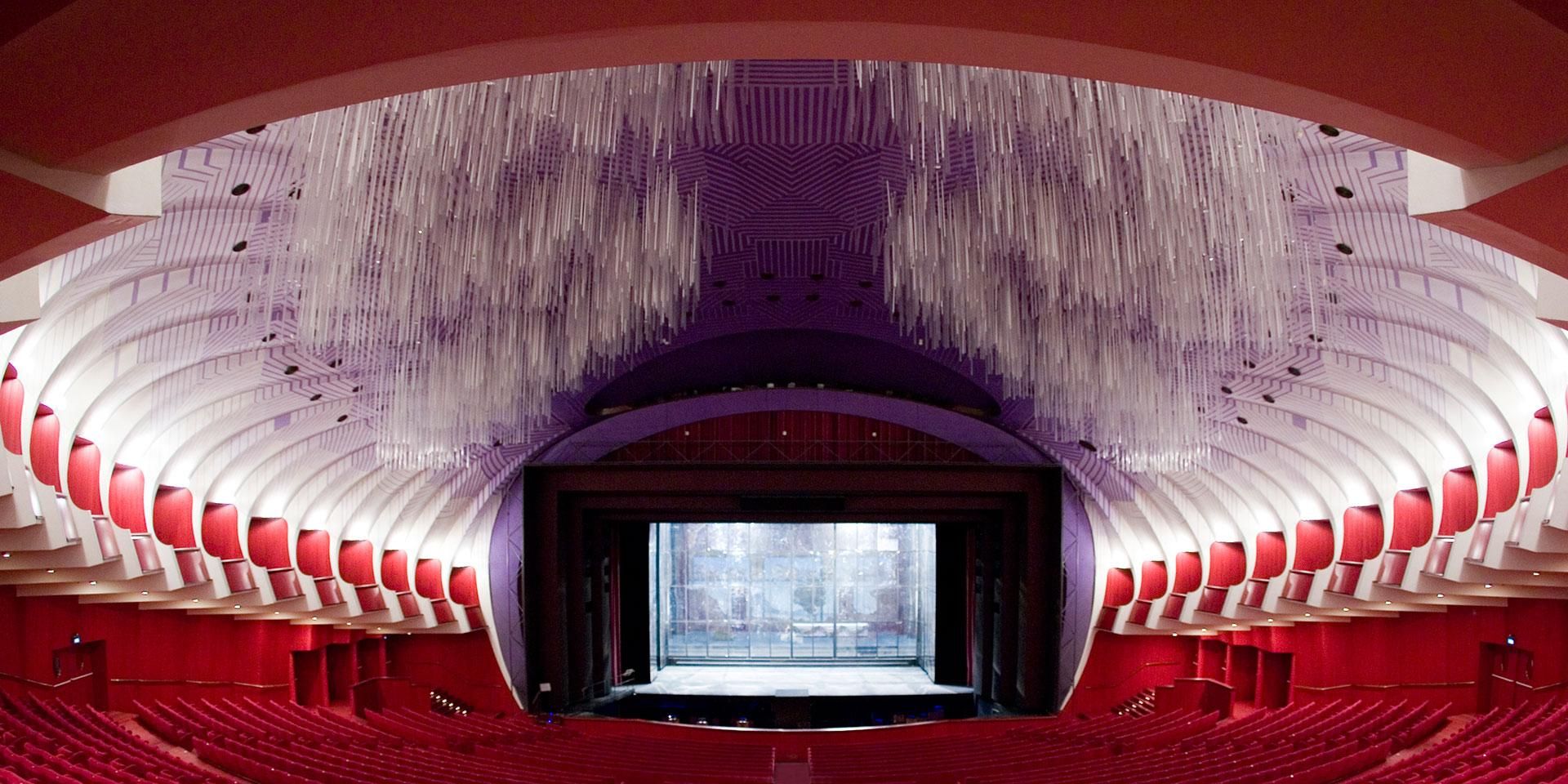
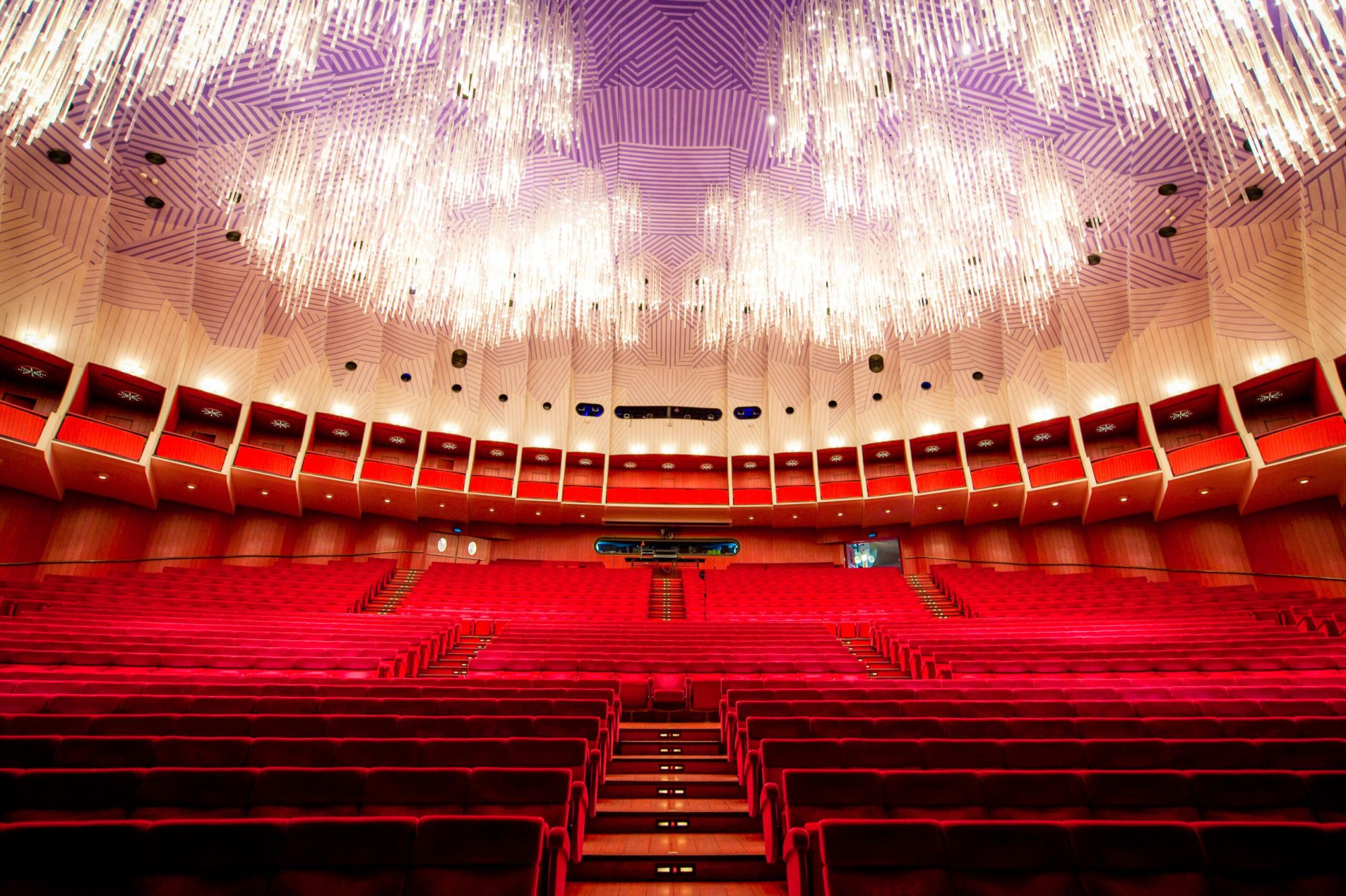
The same happens in the Teatro Regio of Turin, one of his most important architectural works, inaugurated in 1973. Here, Mollino transforms architecture itself into a spectacle. The interior of the theater is red, enveloping, curvilinear, almost bodily—a scenic organism that the audience physically enters. Here too, function and imagination are not separate, and the architecture contains the experience and amplifies it.
Photography
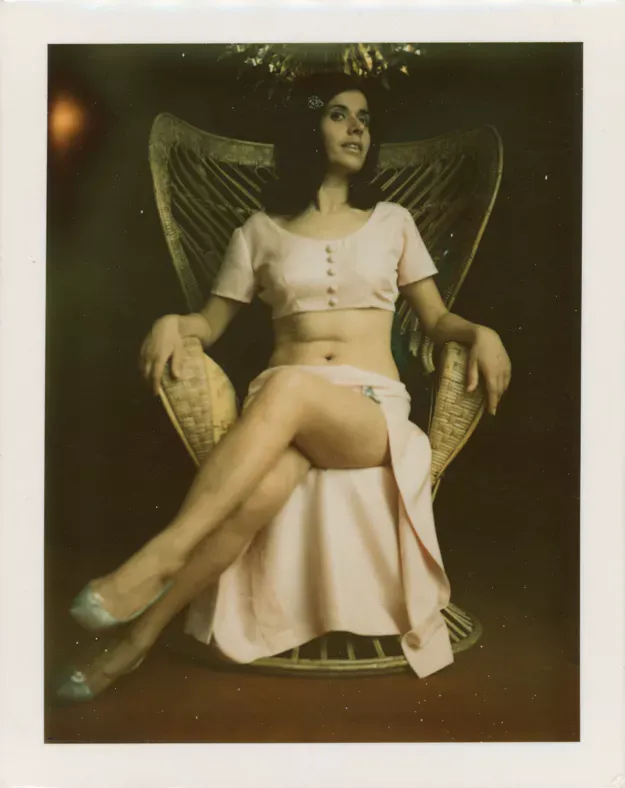
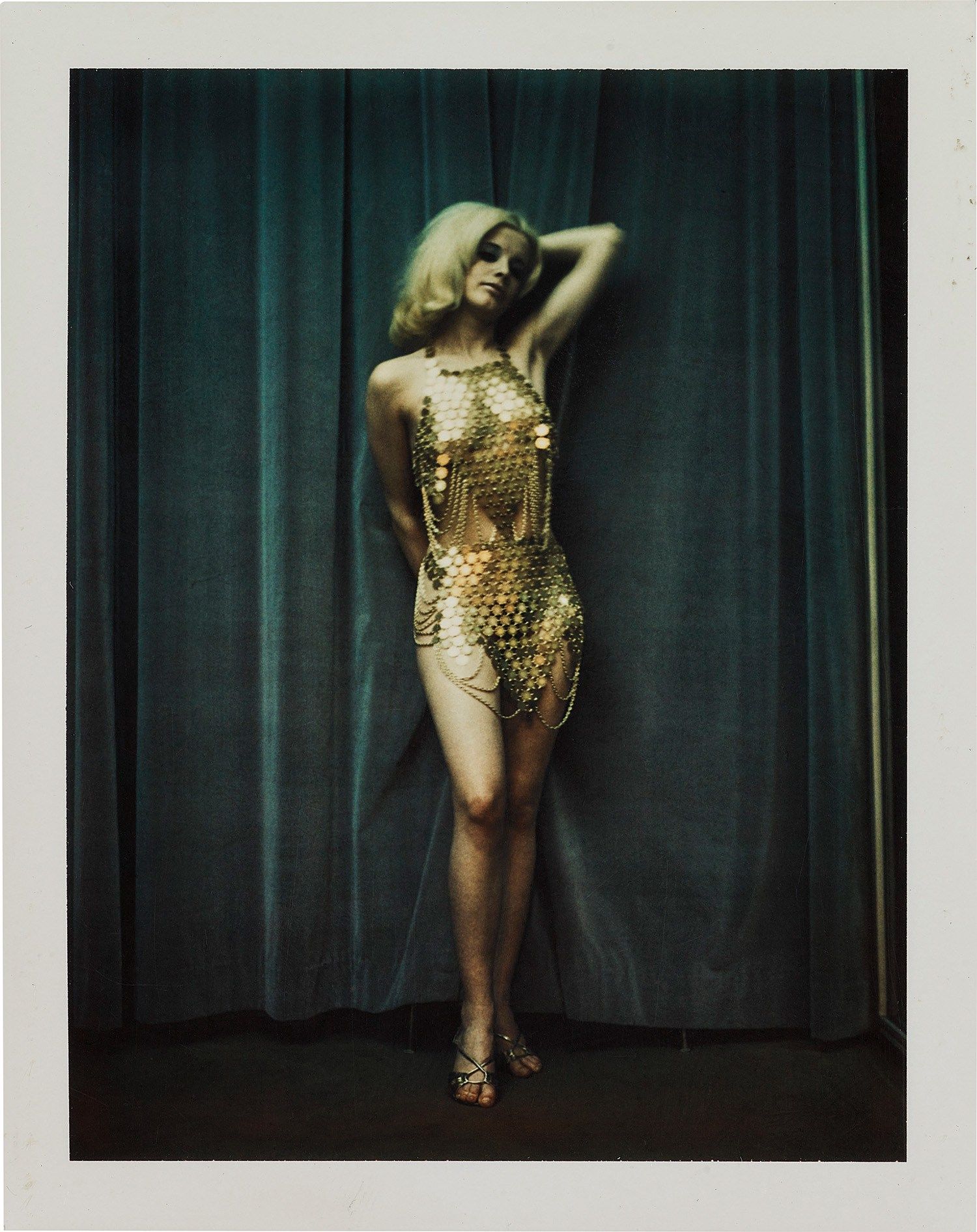
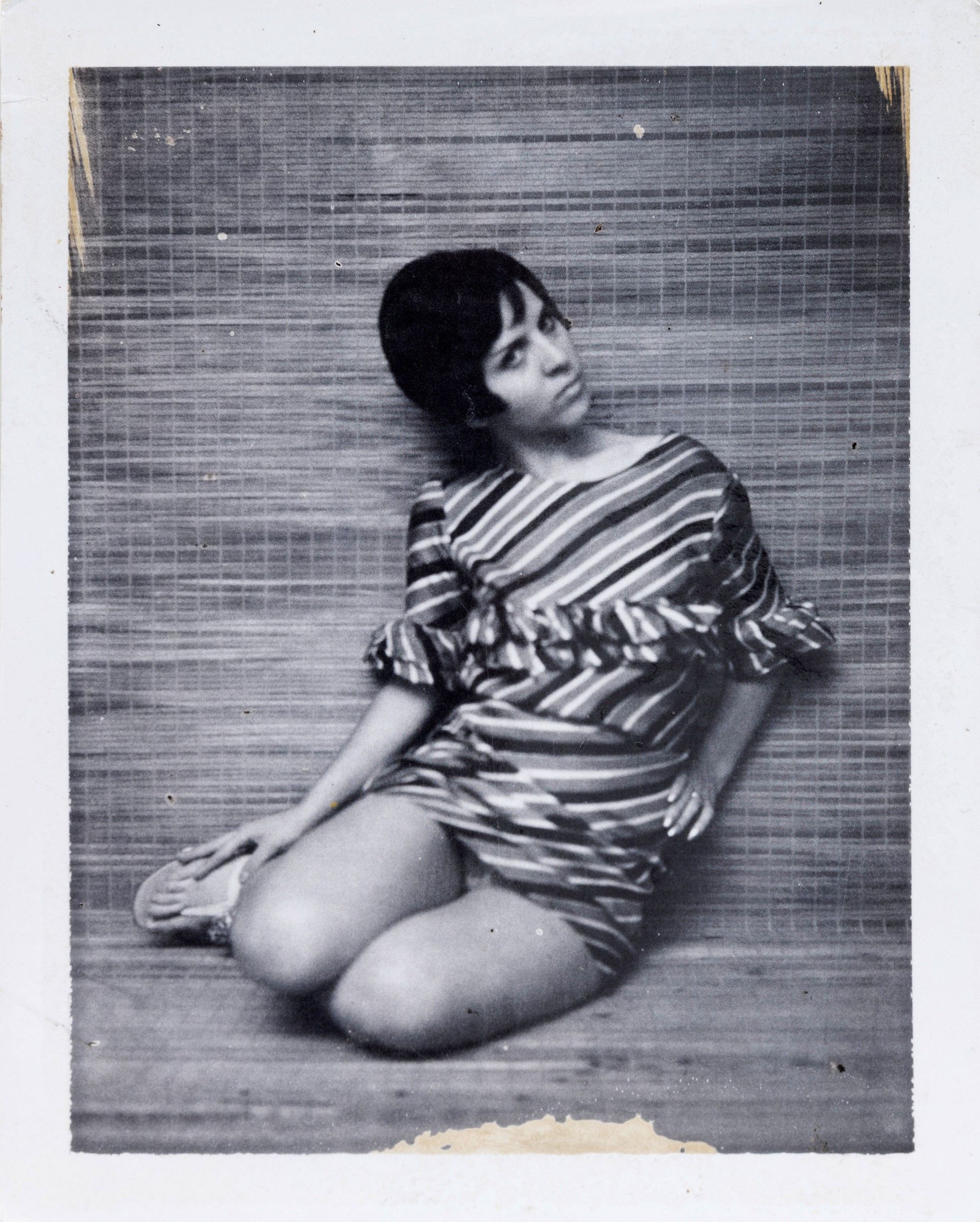
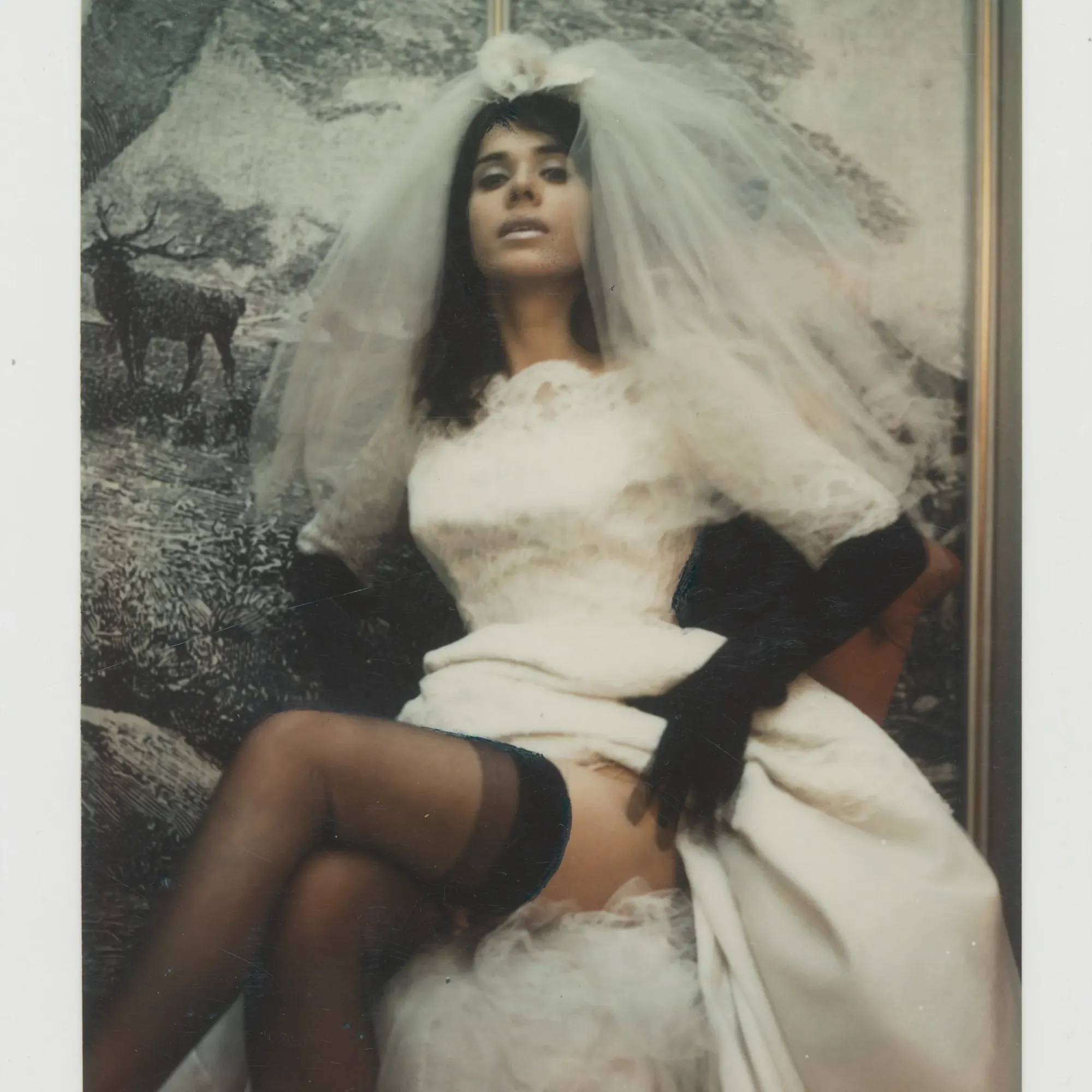
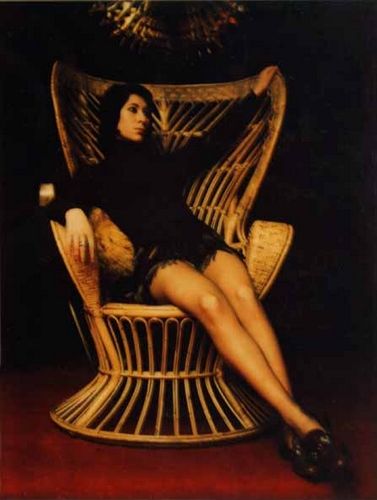
Mollino was also a photographer, and this part of his work is essential to understanding his relationship with the image. His Polaroids, taken mostly between the sixties and the early seventies, show female bodies posed within environments constructed with maniacal attention. They are seductive, ambiguous, problematic images, impossible to look at today without questioning the male gaze, control, and the representation of the female body. But here too, a central element emerges: for Mollino, nothing was accidental.
It is precisely this obsession with staging that makes the designer's work so relevant today. Mollino did not design a single element, but the entire system of perception around that element. It wasn't enough for him to design a chair: he had to imagine the room, the body that would inhabit it, the light that would hit it, the photograph that would capture it. In this sense, his figure anticipates a sensitivity that is very widespread today in the creative world: the idea that a project is never just a product, but a universe. Only, in Mollino's case, this universe didn't stem from a commercial strategy or a feed aesthetic, but from a private necessity, almost impossible to domesticate.
Carlo Mollino in 2026
@politecnicotorino Meet Carlo Mollino – the ultimate Italian Renaissance man. A visionary Architect: from the swooping curves of Turin’s Palazzo dello Sport to the surreal Casa Caccia, Mollino redefined modern spaces. Furniture Maestro: crafting sculptural chairs and tables that blur art and function – each piece a collectible masterpiece. Provocative Photographer: through his lens: dreamlike portraits and daring, intimate studies that still inspire photographers today. Adventurer & Racer: a champion skier turned Ferrari-driving racecar enthusiast, he lived life at full throttle. Stage & Set Designer: his theatrical backdrops were as dramatic as his imagination – a true showman. And it all began at Politecnico di Torino! #University #Student #CollegeTok #Turin #politecnicoditorino #PoliTO suono originale - politecnicoditorino
His return today is not just cultural. In recent years, the market has begun to look at his archive with renewed attention. Zanotta, which had already brought some of his furnishings back into production, obtained an exclusive license in April 2026 to use thirty works preserved at the Politecnico di Torino. It is an important signal: Mollino is no longer just a cult figure for historians, collectors, and enthusiasts, but an author whom contemporary design is trying to reinsert into its present.
Yet the true rediscovery of Mollino should not come only from the value of his furniture or the fascination of his biography. It should start with a simpler question: why does he feel so close to us now? Perhaps because we live in a moment where design has stopped being perceived as pure efficiency and has returned to being atmosphere, body, desire, and narrative. Perhaps because the new generations, raised within a continuous flow of images, more easily recognize the power of a total aesthetic.
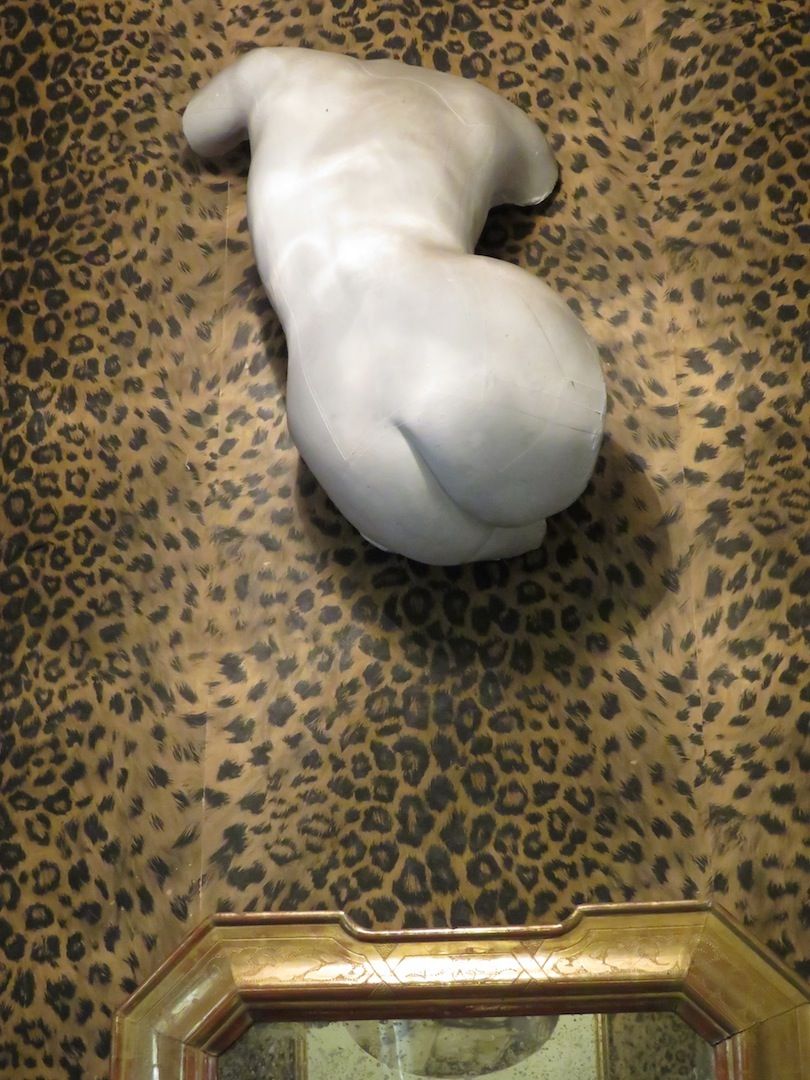
Carlo Mollino was not just an architect, nor just a designer. He was an imaginative machine. An author capable of making every object part of a personal mythology, every room a mental set, every detail a clue. In an era when many interiors seem built to look alike, Mollino shows us the opposite value. A house can be a self-portrait, a body, a secret, a private theater. It can be, above all, the place where a personal vision becomes culture.