June 15th, 2026
The city is public only if you can stay Why is architecture speaking more and more about belonging?
A city can seem open to everyone and, at the same time, make many people feel out of place. It can have new squares, designer benches, clean façades, curated shop windows, newly planted trees and pedestrian spaces perfect for being photographed. It can seem more beautiful, safer, more orderly. But the real question is not whether a space is open. It is whether you can stay there.
Can you sit down without buying anything? Can you walk through it without feeling watched? Can you spend time there if you are a teenager, an elderly person, a rider, a student, a migrant, a worker, unemployed, a tourist, a person alone? Can you be there without having to prove that you belong to the right target? This is where architecture stops speaking only about form and begins to speak about belonging.
The right to use a place
The London Festival of Architecture 2026 has chosen “Belonging” as its theme. It is not a neutral word. Belonging may seem like a soft, almost poetic concept, but today it is one of the most political questions that can be asked of the city. Because it is not only about feeling represented by a place. It is about the right to use it, cross it, inhabit it, modify it, occupy it with your own body without feeling like a mistake within the frame.
For a long time we judged urban spaces through fairly simple categories: are they beautiful? Are they functional? Are they safe? Are they sustainable? Today these questions are no longer enough. A space can be beautiful and unwelcoming, efficient and cold, sustainable and socially selective. It can have greenery, the right paving, the right lighting, the right bar, but still not be truly public. Because public is not only an urban-planning category. It is an emotional, social and economic condition.
Many contemporary spaces seem open, but function like places with an invisible entrance fee. They have no gates, but they have codes. They tell you how long you can stay, how you should behave, what you can do, how much you must consume, what kind of presence is acceptable. They are squares that look like living rooms, courtyards that look like showrooms, neighbourhoods that look like brand identities. Places designed to be crossed, photographed, experienced for a controlled amount of time. Not necessarily inhabited.
It is a subtle transformation, because it does not always happen through explicit exclusion. No one tells you to leave. You simply understand that that space was not designed for you. You understand it from the lack of free seating, the absence of shade, the prices of the surrounding cafés, the surveillance, the excessive cleanliness, the way certain bodies seem to disturb the image of the place. The contemporary city does not expel only through walls and gates. Sometimes it does so through atmosphere.
Being able to stay without buying anything
This is why talking about belonging in architecture matters. Because the city is not made only of buildings, but of signals. Some places invite you to stay. Others only allow you to pass through. Some make you feel part of something. Others make you feel like a guest, even if you have lived next to them for years. It is the difference between a public space and a space that merely appears public.
According to UN-Habitat, public spaces are fundamental to the quality of urban life, civic identity and social inclusion. The point, however, is not only how many public spaces exist, but how they actually function. A square is not inclusive simply because it is physically accessible. It is inclusive if different people can use it in different ways without feeling merely tolerated. A public space should not ask everyone to behave in the same way, but should allow different presences to coexist.
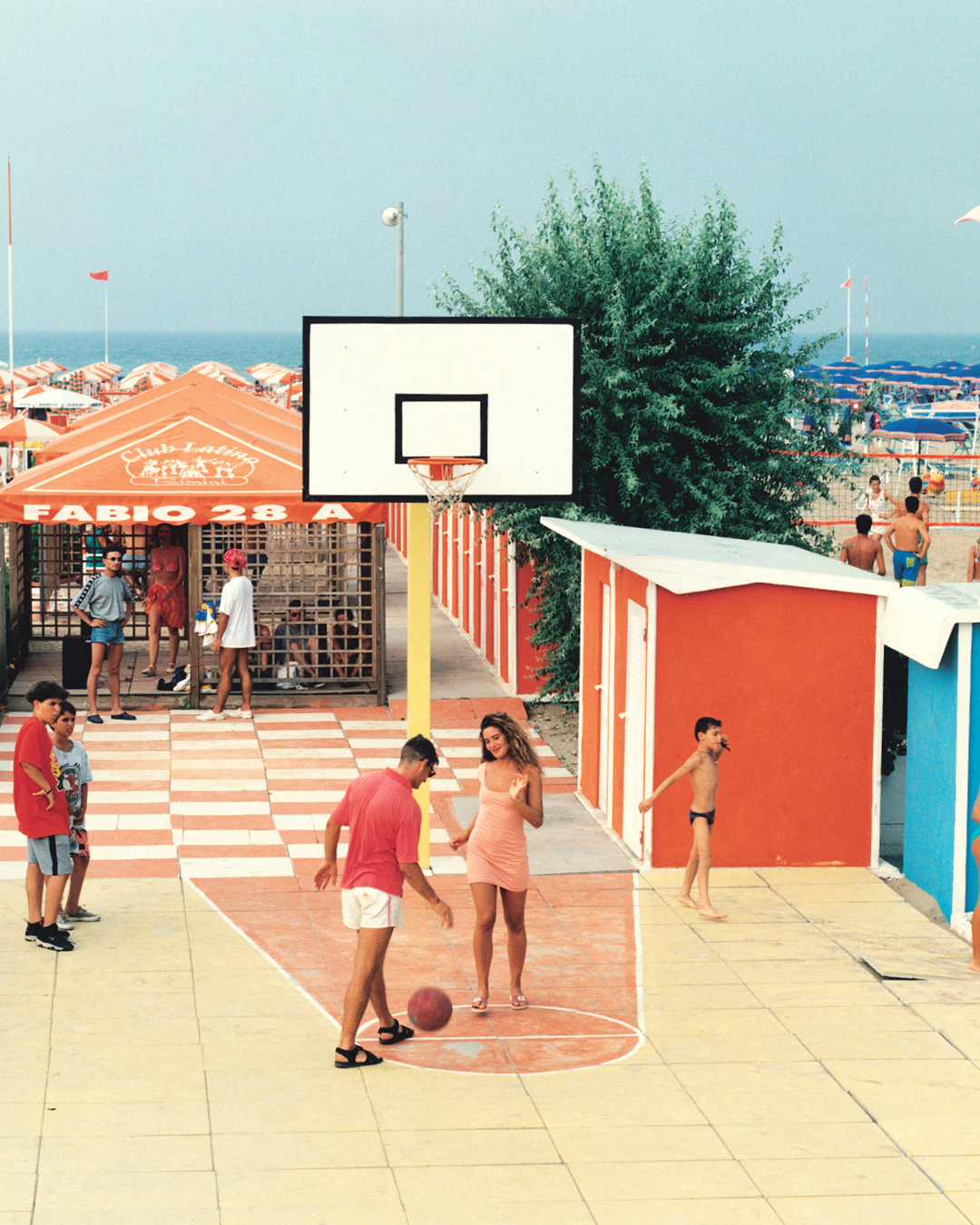
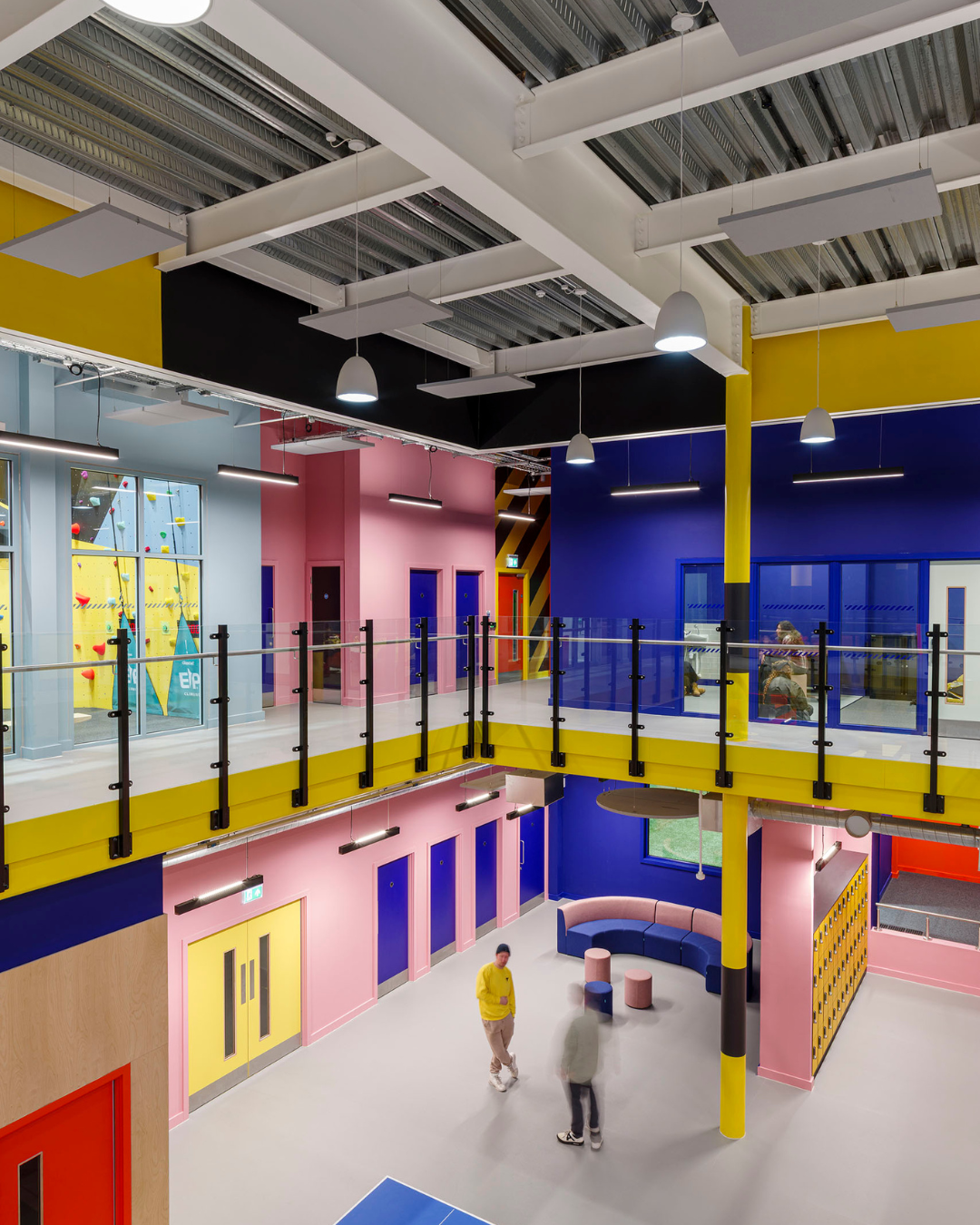
For many young people, home is often small, shared, temporary, expensive or still tied to family. The city should become the place of autonomy, but it often does not offer enough spaces where people can stay without consuming. Libraries, parks, skateparks, cultural centres, sports courts, steps, squares, courtyards and youth clubs become essential because they offer something the market does not easily grant: non-monetized time.
It is no coincidence that, in the United Kingdom, the debate around youth clubs has returned strongly. After years of cuts and closures, new spaces for young people are being discussed not only as social services, but as emotional and urban infrastructures. Places where you can go not to buy, perform or produce, but simply to be. This is huge. Because in a city where almost every experience passes through consumption, being able to stay without buying anything becomes almost radical.
An apparently more open city
@newstoryhomes Sustainable initiatives like green spaces can add a ton of value to a community as long as they’re designed to be inclusive of the people who live there. #urbanplanning #edutok #learnontiktok #sustainability #affordablehousing original sound - new story
Belonging is not generic comfort. It does not mean making everything pleasant for everyone in a neutral way. It means recognizing that the city is crossed by different bodies, different fears, different ages, different economies. A girl walking home at night does not experience the same pavement as an adult man. An elderly person does not experience the same square as a group of students. A rider does not experience the same space as someone crossing it to go shopping. A disabled person immediately knows whether a city has been designed also for them or whether their presence was considered only afterwards.
URBACT stresses that accessible and inclusive public spaces are fundamental to more cohesive, resilient and liveable communities. But inclusion cannot remain a word used in European calls or in institutional renderings. It must become a concrete test: who actually uses this space? Who avoids it? Who is seen as a natural presence and who as a problem? Who can stop and who is pushed to keep moving?
The most uncomfortable point is that many cities today speak of inclusion while designing for very specific publics. Tourists, mobile professionals, consumers, creatives, new residents, people who make a neighbourhood more desirable. It is the same logic that turns certain urban areas into images to be sold: cleaner, more curated, more readable, but also more selective. The city becomes apparently more open, but in reality more calibrated. More “beautiful”, but less unpredictable.
This does not mean that every form of regeneration is negative. A degraded space can and must be improved. A square can be made safer, greener, more accessible, more alive. The problem arises when transformation erases the ways of inhabiting that do not fit the new image. When the neighbourhood becomes more beautiful for those who arrive and less liveable for those who were already there. When public space is designed as an experience, but not as a possibility of belonging.
No one is excluded
Perhaps architecture speaks more and more about belonging because we have understood that inhabiting does not only mean having a roof. It means having places where the body does not have to justify itself. Places where you can sit, wait, meet someone, be alone, be young, be old, be noisy, be slow, be out of fashion, not consume, not perform. Places that do not immediately ask you what value you bring.
The city is public only if you can stay. It is not enough to be able to enter a square, cross a courtyard, walk through a regenerated neighbourhood. You must be able to stop without feeling like an element out of place. You must be able to exist without becoming a customer, a tourist, content or a problem.
Perhaps the future of architecture will not be measured only by the quality of buildings, but by the quality of the presences it manages to contain. Not by how iconic a space is, but by how many people can feel legitimate within it. Not by how much a city can attract, but by how much it can hold without selecting too much.Because true public space is not the one that appears open. It is the one where no one feels gently expelled.