June 16th, 2026
Design is tired of being new Why designing also means deciding what deserves to last
Design seems tired of being new. Every week brings something else: a new chair, a new lamp, a capsule collection, a collaboration, a limited edition, an object glimpsed for a few seconds in a showroom and immediately turned into content. Everything is launched, photographed, shared, and forgotten. The problem is not a lack of ideas. But after producing novelty for so long, novelty itself has started to lose its weight.
For years, design built its desirability around a simple promise: new is better. New means contemporary, relevant, and desirable. Yet today that promise feels worn out, as objects do not even have time to truly enter our homes before becoming outdated images. It is a dynamic that design shares with fashion, music, and social media. Drops, capsule collections, previews, and collaborations have transformed objects into temporary events. A chair can behave like a sneaker, a lamp like a piece of content, a collection like a post. Value no longer lies solely in use, but in the ability to appear at the right moment.
New Rules for a New Methodology
@cooper.osinski Lets add some personality…#deinfluencing #interiordesignideas ##interiordesignideas original sound - cooper.osinski
And yet, something is moving in the opposite direction. Durability, repair, maintenance, materials, reuse, circularity: less exciting words, perhaps, but far more urgent ones. Design can no longer limit itself to asking how to make an object desirable. It must ask how long it lasts, whether it can be repaired, what happens when it is no longer needed, and what trace it leaves in the world. Regulations are moving in that direction too. In 2024, the European Union adopted the Right to Repair Directive, which Member States will have to implement by 2026. The goal is to make repairing consumer goods easier and to extend their lifespan. This is not merely a technical matter: it means that repair stops being a marginal gesture and becomes part of the way we think about consumption.
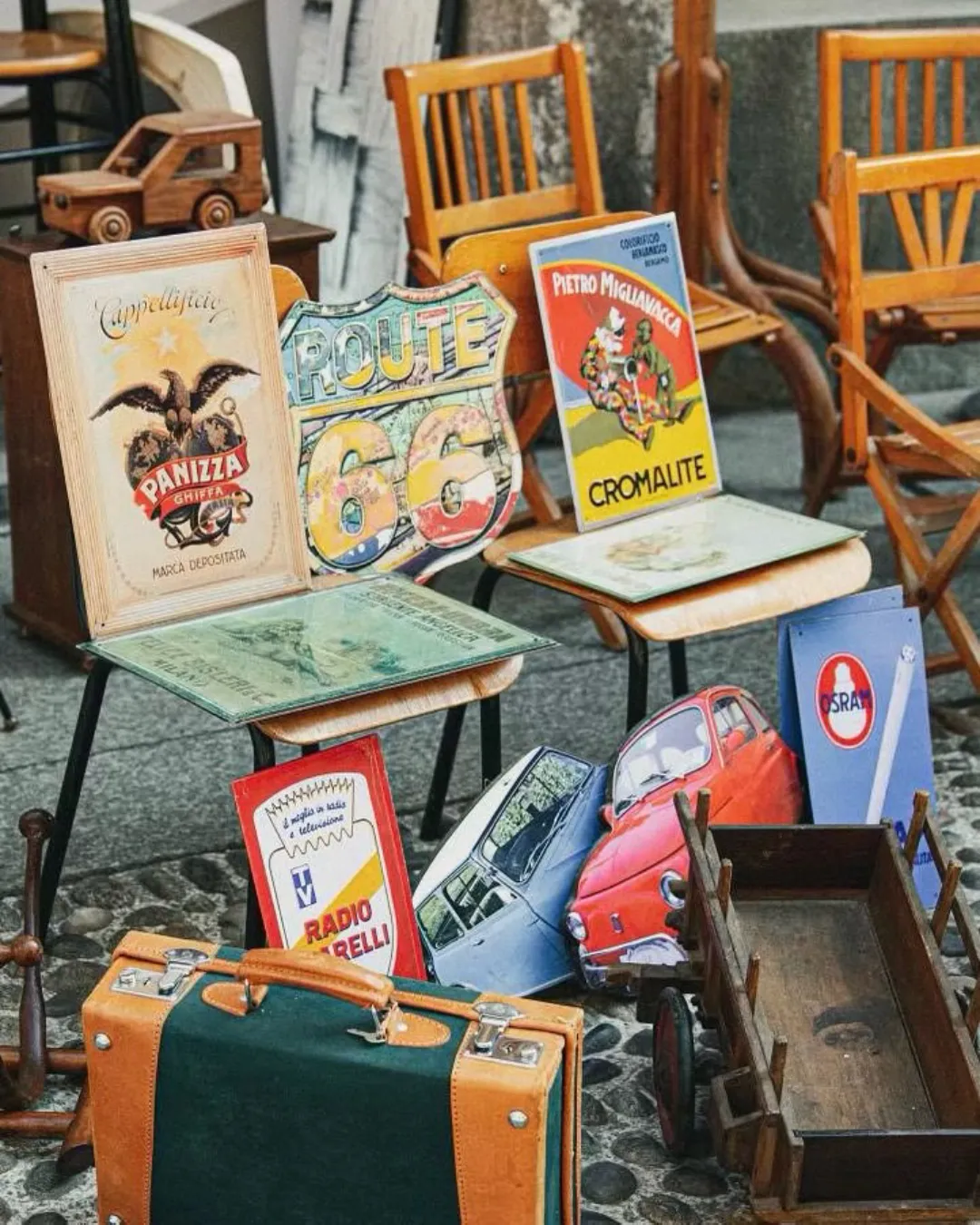
The same applies to the new European Ecodesign Regulation, which promotes products that are more sustainable, efficient, durable, and circular. If an object must be designed to last, consume fewer resources, and be easier to repair, then design is no longer shaping a form alone. It is designing a longer life. This transformation speaks directly to those of us who grew up at the peak of visual acceleration: microtrends, hauls, drops, feeds, and aesthetics that change every week. Precisely for this reason, what remains becomes more interesting. Vintage, second hand, reworked pieces, and objects with a story are not simply sustainable choices: they are an emotional response to the saturation of the new.
The Value of Imperfection
@refurbishedish This set was trashed but I love a challenge! The list of everything I used on these is linked in my Amazon Shop! #mcm #midcenturymodern #furniturerestoration #millenialgrey #furniturerepair #veneerrepair #furnitureflip #furnitureflipping #furnituremakeover Cruise by ROYA - ohmyroya
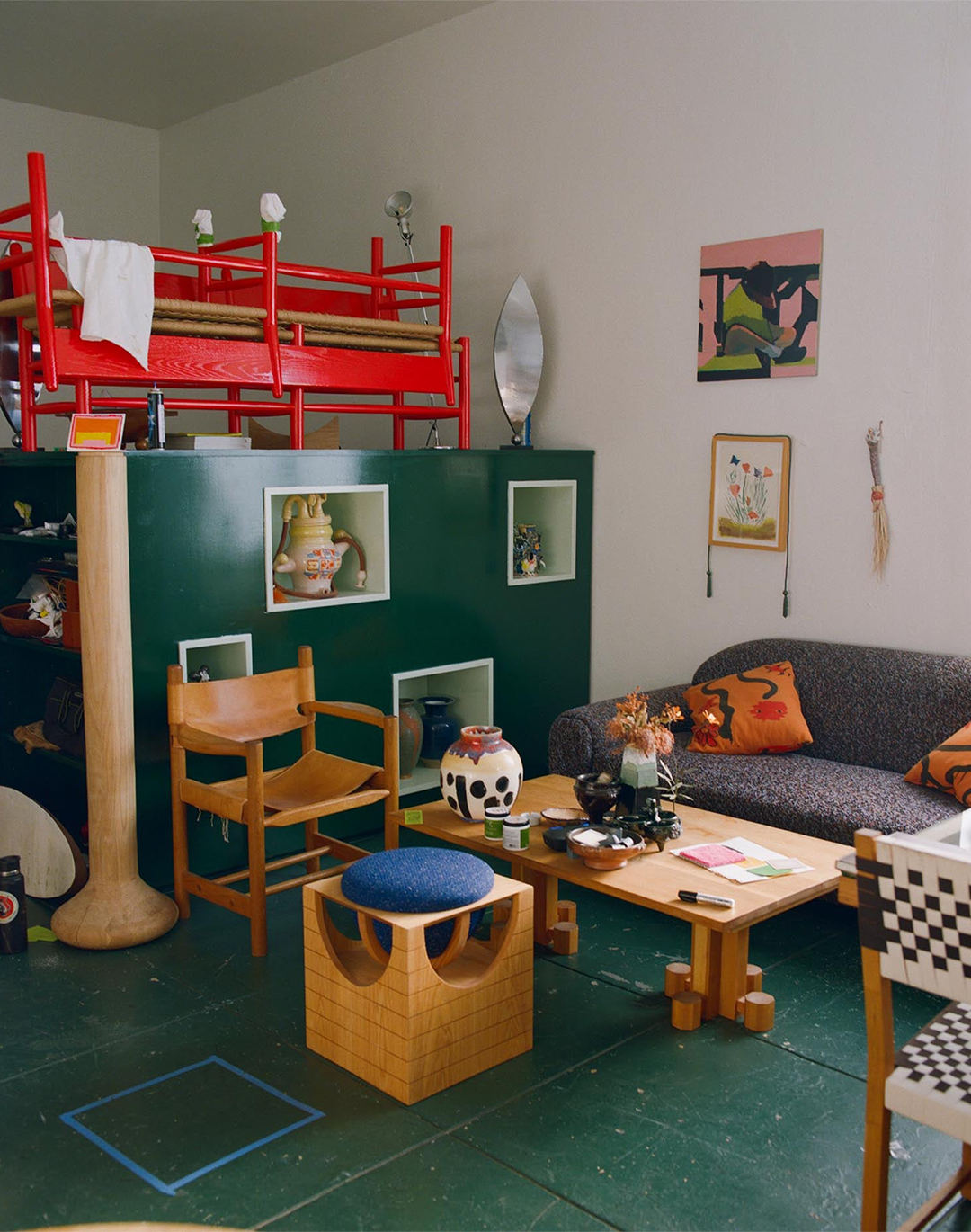
A second hand chair, a found lamp, a restored table do not need to look as though they have just come out of a catalogue in order to have value. In fact, they often work precisely because they are not perfect: they carry marks, memory, and depth. They do not seem designed to please an algorithm, but to move through time. The risk, however, is that durability itself becomes a premium aesthetic. Timeless, heritage, crafted, repairable, slow: the right words, but increasingly marketable ones. Long lasting design cannot become merely another language for those who can afford to buy less and buy better. If repair is too expensive, if better materials remain accessible only to a few, if a durable object becomes nothing more than a status symbol, then the problem has not been solved. It has simply been made more elegant.
The question, then, is not only how to produce more sustainable objects. It is why we continue producing so many objects that have no real reason to exist. Not every new variation, finish, collaboration, or collection adds something to the world. Sometimes it merely adds noise. Perhaps the future of design will be less new for precisely this reason. Not because we will stop designing, but because we will have to design with greater doubt. A contemporary object can no longer simply say, “look at me.” It must prove that it deserves its place in the world.
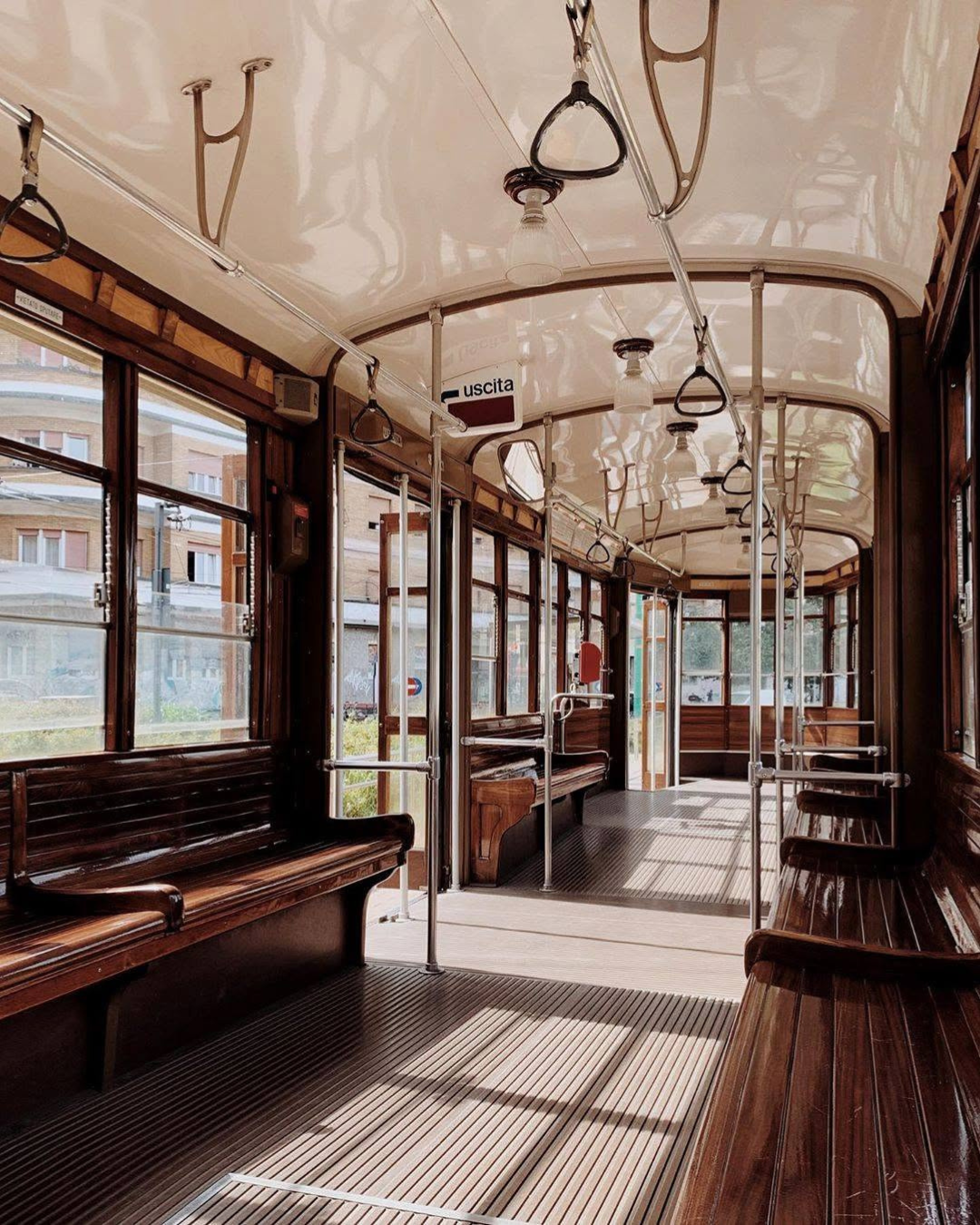
The best design will be the kind that is not afraid of time. The kind that embraces use, wear, repair, and the passing of hands. The kind that does not try to remain new forever, but becomes more interesting as it ceases to be. If everything lasts as long as a post, perhaps the most radical gesture is not inventing yet another new thing. It is creating objects capable of remaining.