May 28th, 2026
How can cities combat heat? There are several solutions to reduce the "heat island" effect
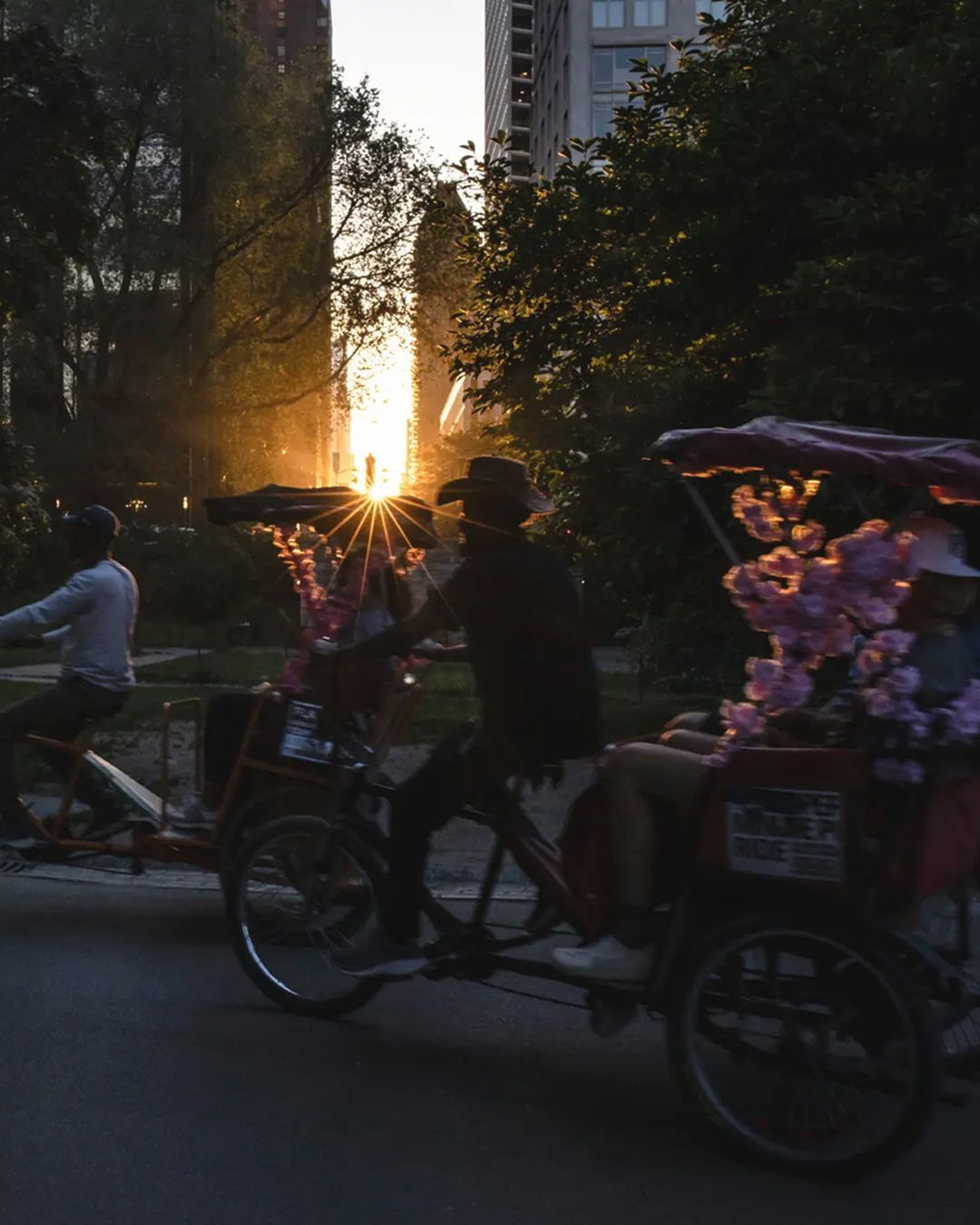
At the end of May 2026, in Italy and several countries in Western Europe, temperatures higher than the seasonal average calculated over recent decades were recorded. It is the first heatwave of the year and it arrived several weeks earlier than the usual start of summer heat. Generally, the highest temperatures are observed especially in urban centers, where the climate tends to be warmer compared to suburban and rural areas.
The difference is particularly evident especially during the night and is due to the phenomenon of so-called "heat islands." This is an increasingly relevant issue also because of the climate crisis, the rise in average temperatures, and the greater frequency of extreme weather events.
There are some recurring factors that favor the formation of urban heat islands, and it is precisely from the analysis of these elements that technicians and individual municipal administrations develop many of the initiatives designed to reduce their effects and thus mitigate urban overheating.
Solutions to make cities cooler
There are specific urban planning and architectural choices that can help counter the warmer climate typical of urban centers: for example, it is recommended to use light-colored or reflective materials for buildings, sidewalks, roads, and urban furniture – in this way, simplifying greatly, it is possible to reduce cities’ capacity to reflect solar radiation and absorb heat.
However, these interventions often require significant investments and a willingness that is not always guaranteed on the part of individual property owners. Also for this reason, an increasingly adopted solution is to encourage – at the municipal level – the so-called "depaving", which consists of removing asphalt from urban spaces (public or private) and replacing it with green areas. Recently, the Municipality of Genoa introduced tax breaks for builders carrying out "depaving" projects, encouraging – for the first time in Italy – construction companies to implement them.
"Depaving" and other initiatives useful for combating urban heat
"Depaving" therefore helps reduce the effects of heat islands. Asphalted roads, squares, and parking lots, in fact, are dark surfaces that absorb more solar radiation compared to green areas, subsequently releasing more heat. Soil, moreover, unlike asphalt, is capable of retaining water, which later – through a series of natural processes – helps to cool the air.
When asphalt is replaced with flowerbeds and lawns, the biodiversity present in the area also increases – since a more suitable environment is created for insects and birds. Greater contact with nature, finally, contributes to the psychological well-being of people living in cities.
Another increasingly adopted solution to try to make urban centers cooler, at least in part, is encouraging the creation of gardens on flat rooftops. The practice of planting new trees in cities can also help reduce the consequences of heat islands: in these cases, plants that seasonally lose their leaves are ideal, because while in summer they provide shaded areas, in winter the absence of foliage favors heat exchange.
