November 2nd, 2026
«How did a steel tube end up in the history of Italian design?» An interview with Antonio Colombo Inside Colombo's Archive, a steel tube connects design, bicycles and art
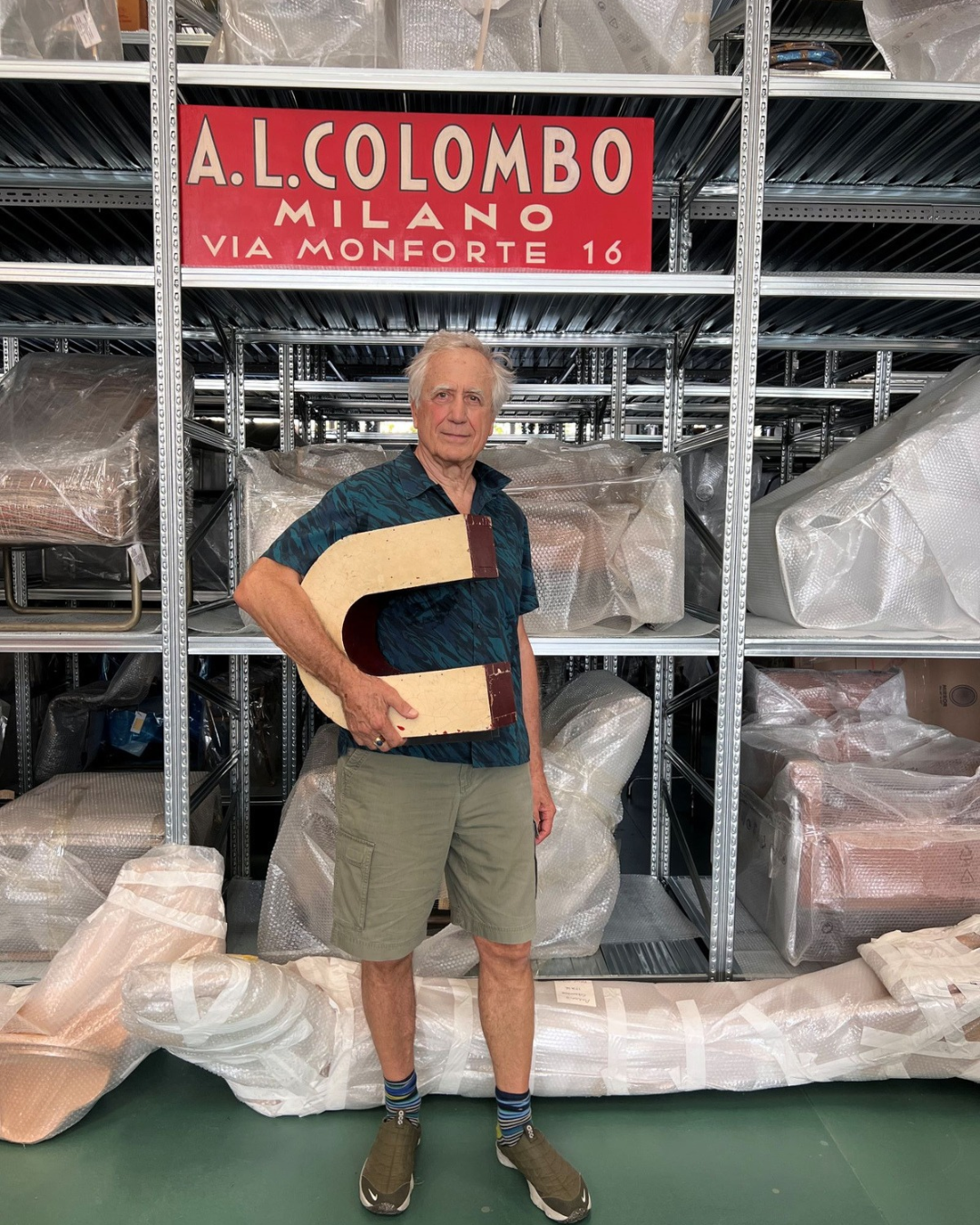
Among the most interesting objects preserved inside Colombo's Archive, there is one that, at first glance, might seem almost less important than the rest. It is a large sheet of brown paper, marked by time, bearing a full-scale drawing by Giuseppe Terragni. It was used in the workshop as a template for bending tubing, and it still bears corrections, fingerprints, and annotations written by Antonio Colombo's father. Antonio himself tells me he saw it for the first time only last year, immediately recognizing his father's handwriting. It would be hard to find a better object to understand everything contained within the new archive opened on Via dei Pestagalli, in Milan.
Before bicycles, there was furniture
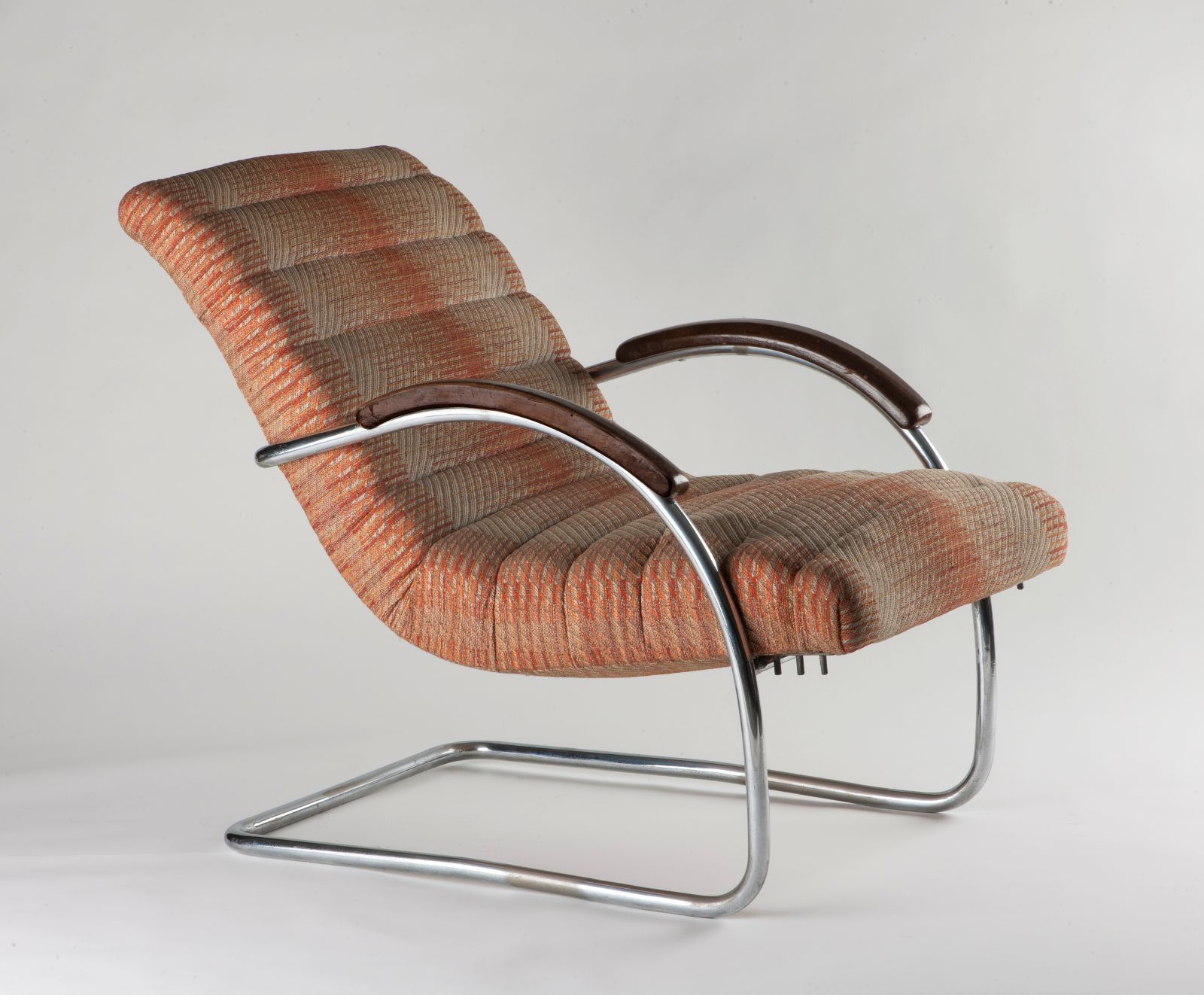
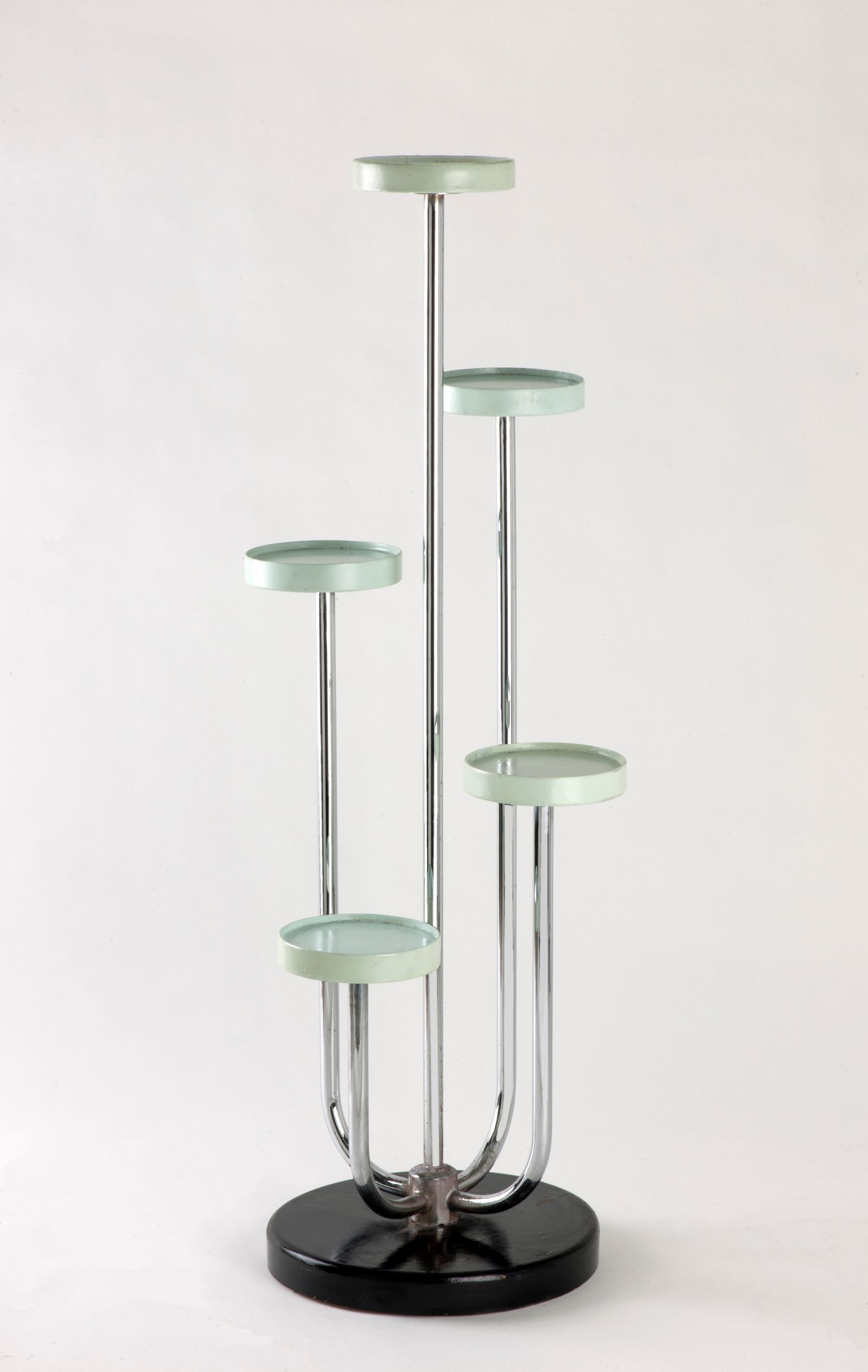
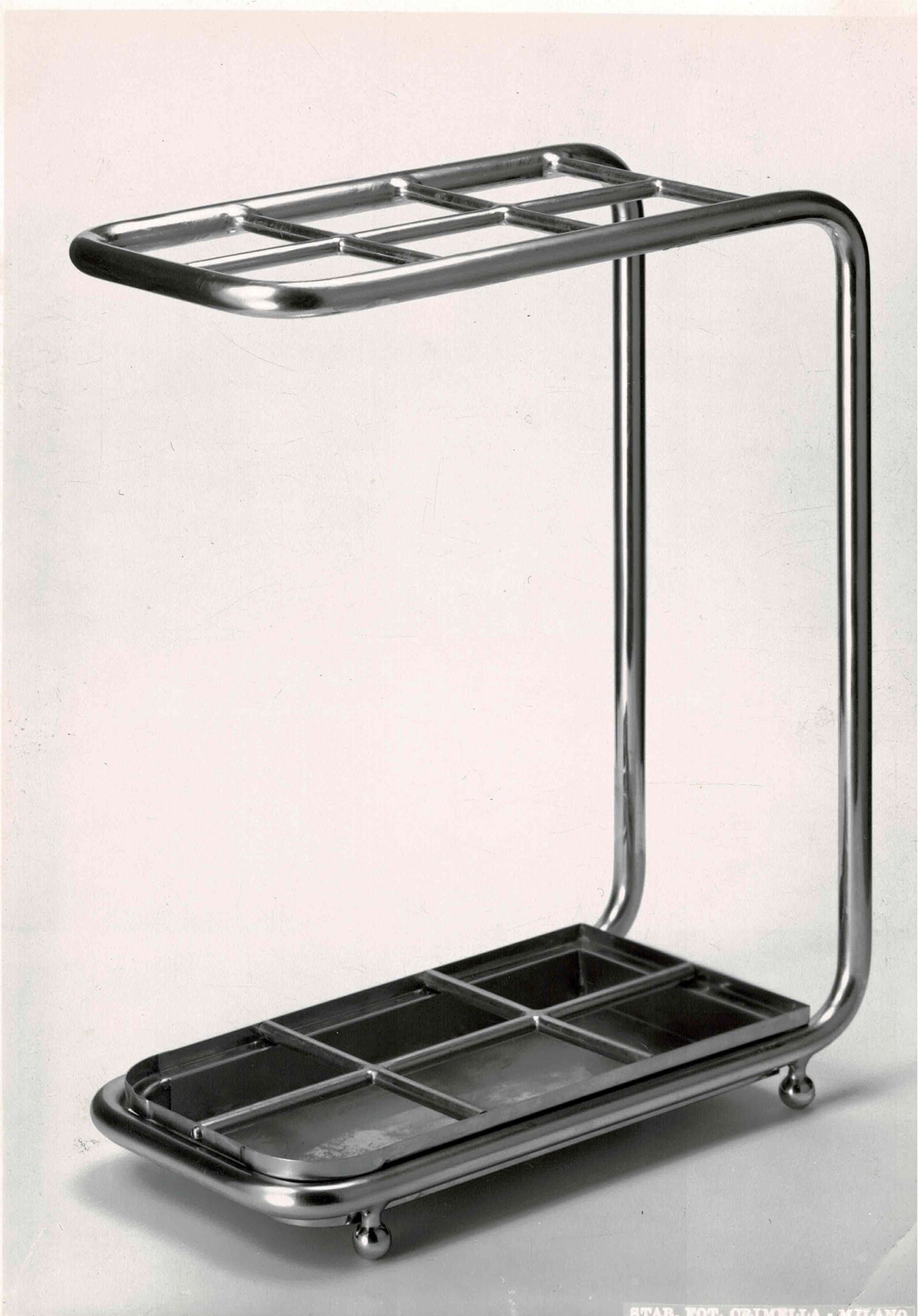
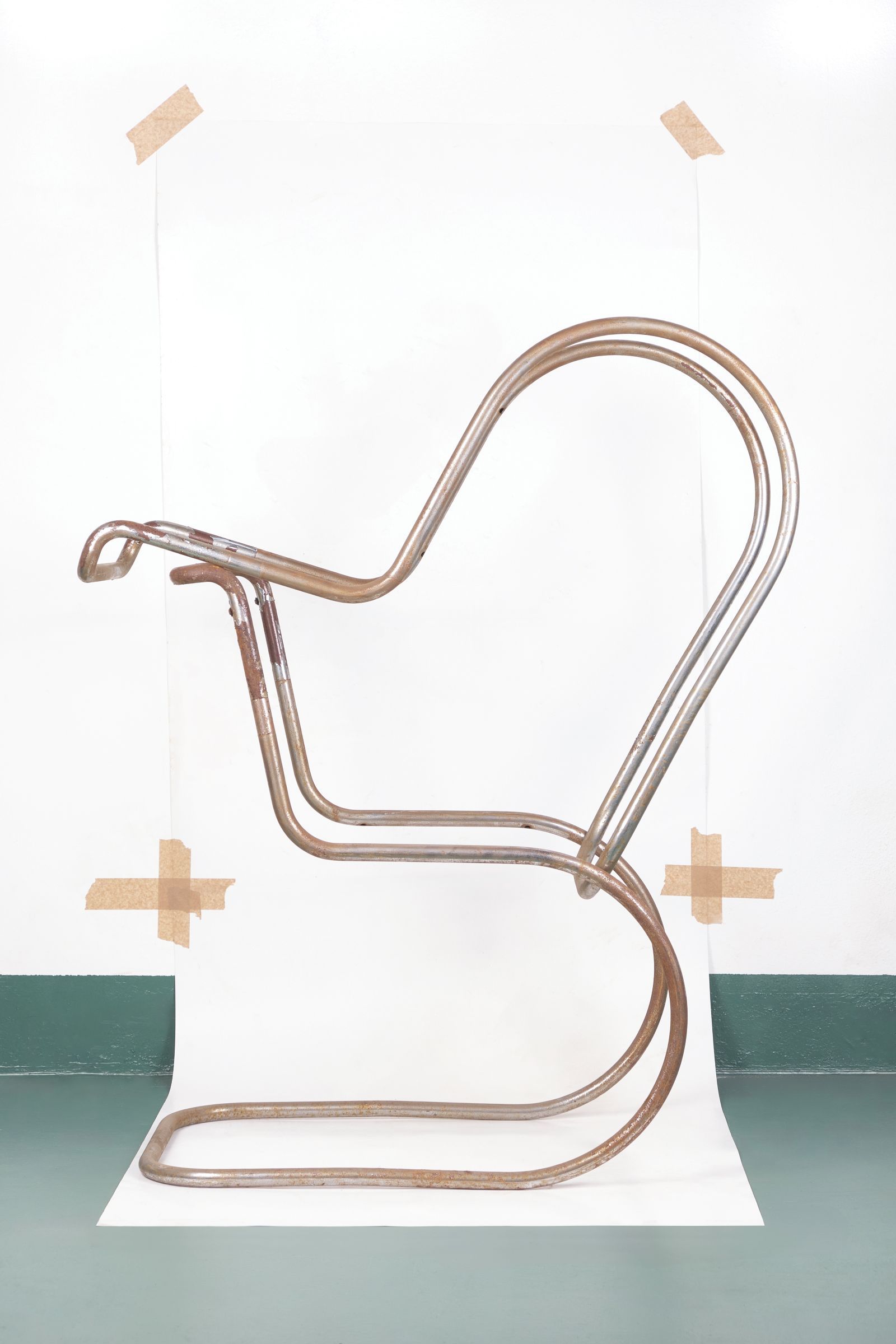
The story begins in 1919, when his father Angelo Luigi Colombo founded A.L. Colombo, a company specializing in the production of precision steel tubing. In the early years, those tubes ended up in components for airplanes and seaplanes, bicycles, ski bindings, and sporting equipment; then, in the early 1930s, they made their way into homes as well. Relationships with Marcel Breuer developed, along with licenses to produce tubular furniture, followed by collaborations with Piero Bottoni, Giuseppe Pagano, Luigi Figini, Gino Pollini, and Terragni. The tube ceased to be merely an industrial semi-finished product and became a chair, an armchair, a desk.
This is also the first thing one perceives upon entering the archive, whose installation was designed by Alessandra Cusatelli. The bicycles are there, and some immediately catch the eye, but before them come the furniture pieces: chromed frames, seats, furniture skeletons, prototypes, and documents. Works of art appear among them, including a Schifano. As you continue walking, however, the categories begin to blur. You cannot always tell where industry ends and where design, the bicycle, or art begins.
Then again, this seems to be precisely how Antonio Colombo thinks. Within moments we move from his father to Keith Haring, from rationalist furniture to Kanye West, from Steve Jobs to American bike messengers. It might seem scattered, but after a while you realize that for him the connections are almost the point. Antonio joined the family business in the 1970s. His father, he recounts, was an entrepreneur "of the old school," accustomed to keeping everything under control; Antonio describes himself, by contrast, as a child of '68. It would be easy to cast them as opposites, but that would be reductive. Angelo Luigi had already sensed that an industrial tube could find its way into modern architecture and furnishings. Antonio inherited the same restlessness and carried it elsewhere.
When the tube becomes culture
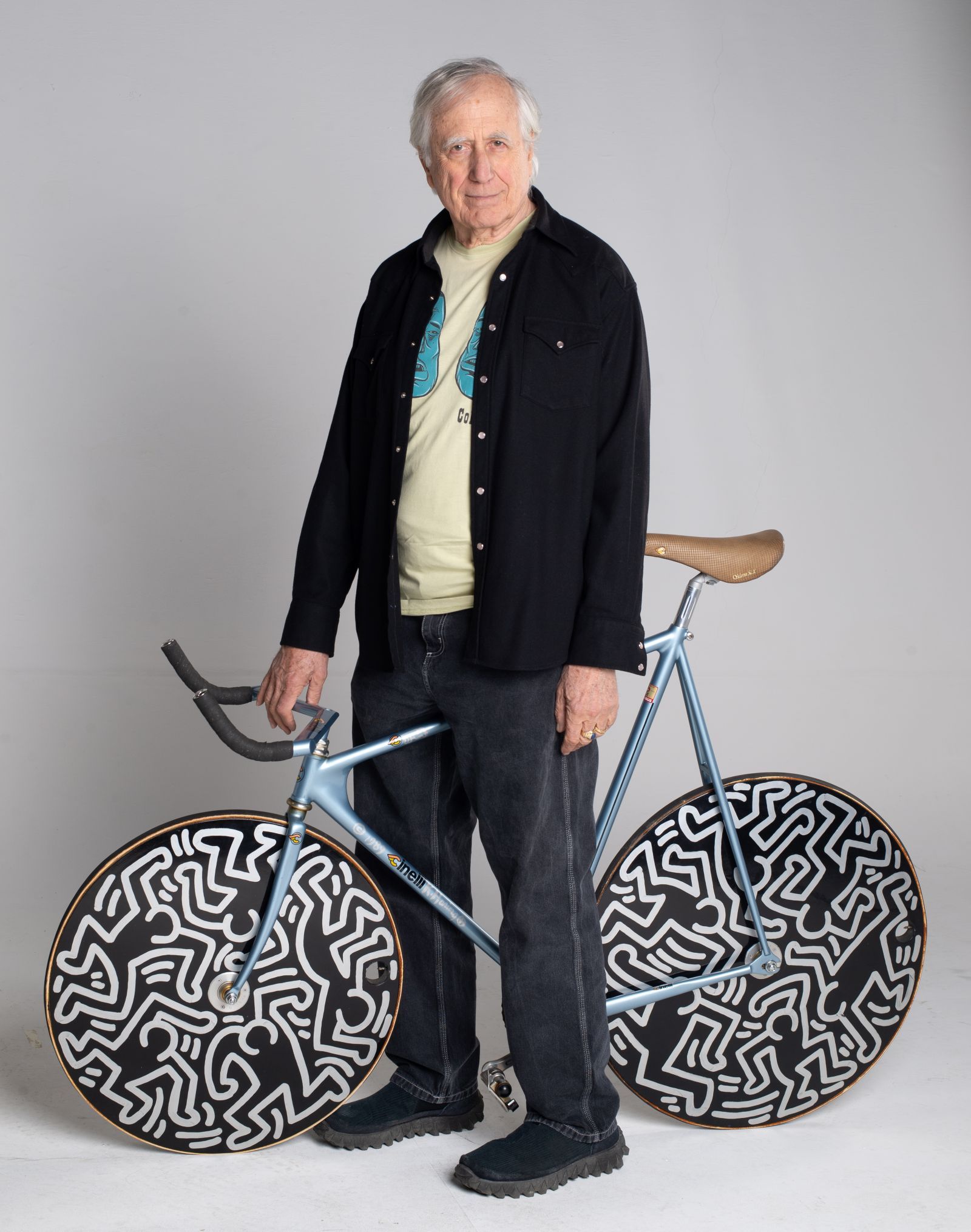
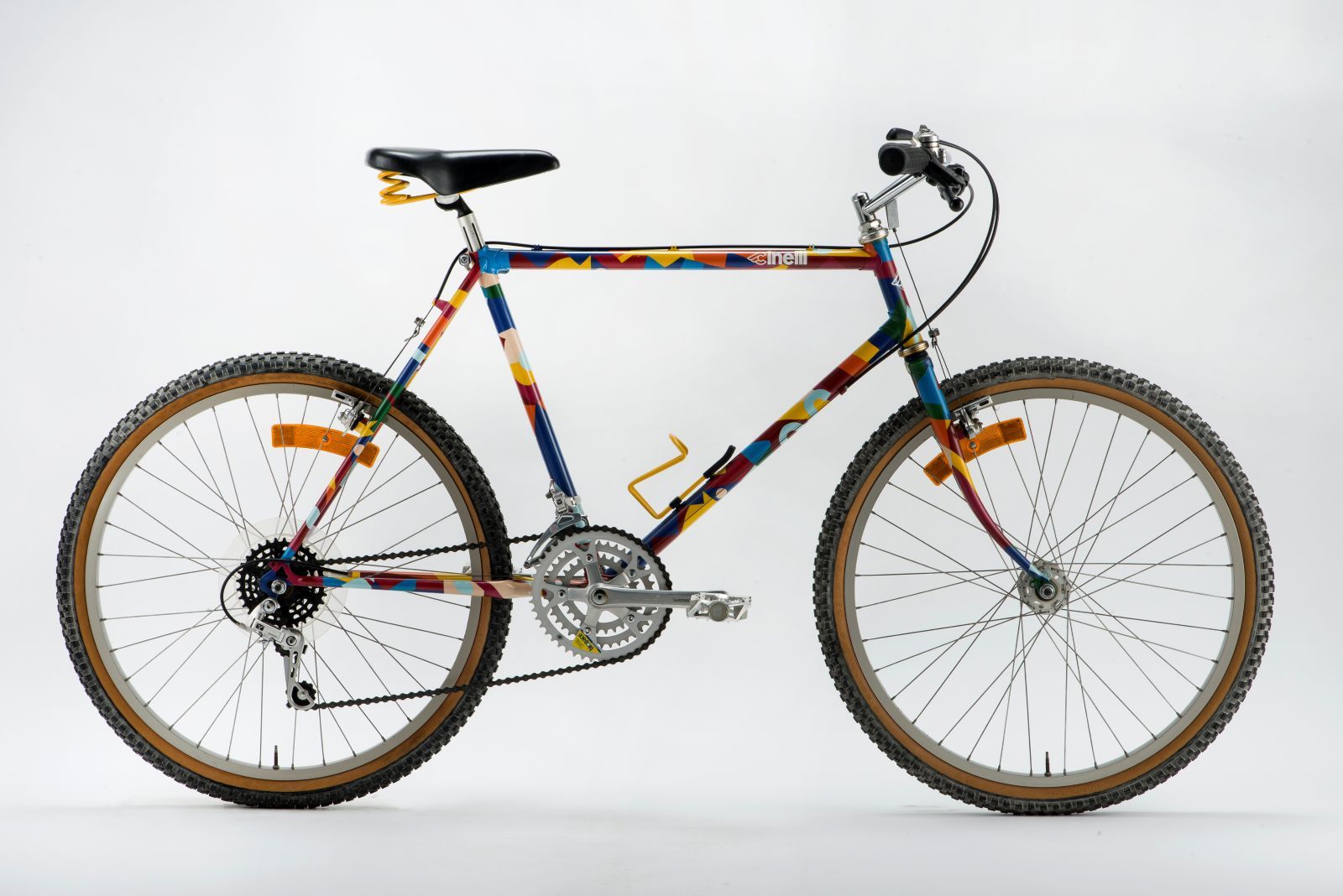
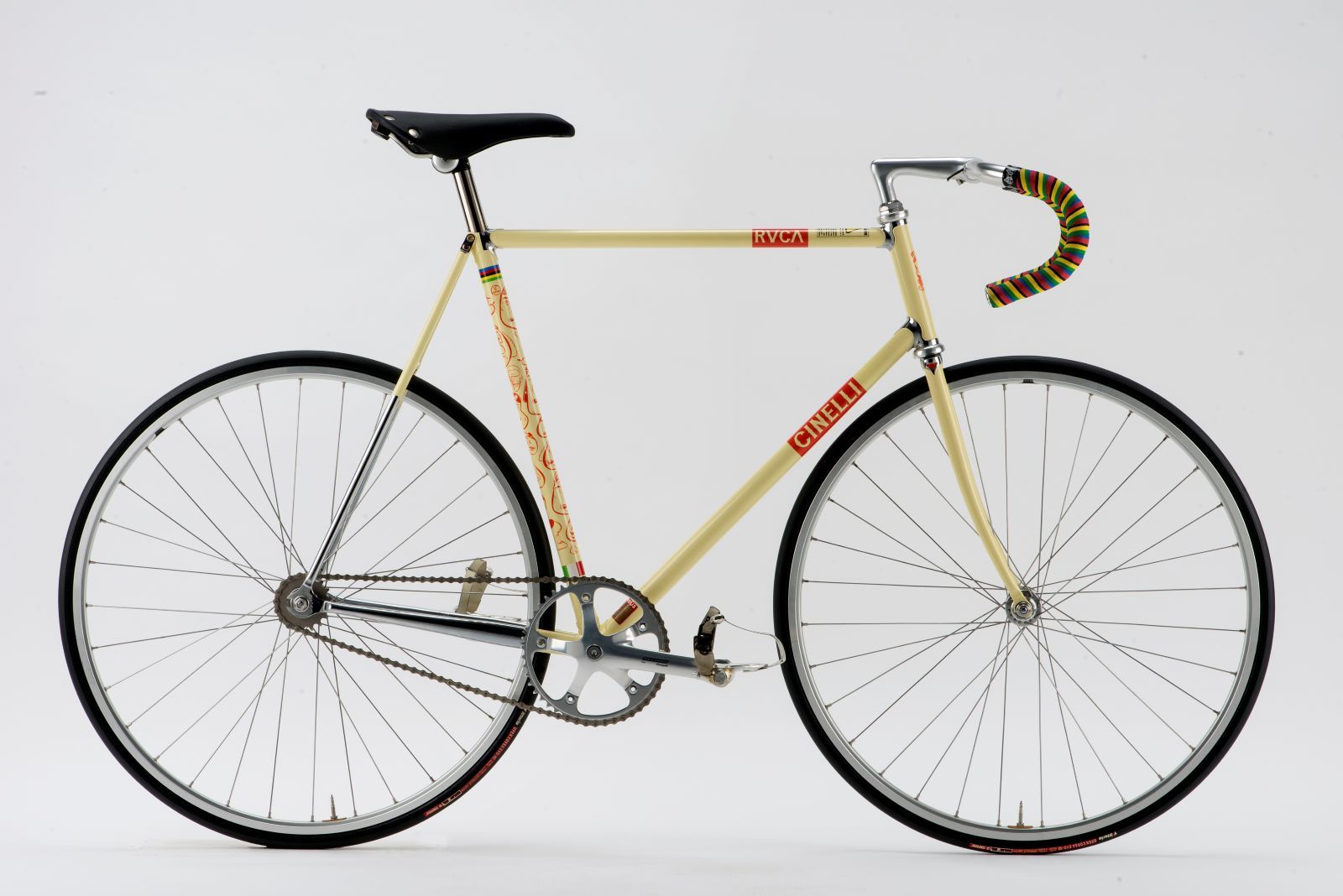
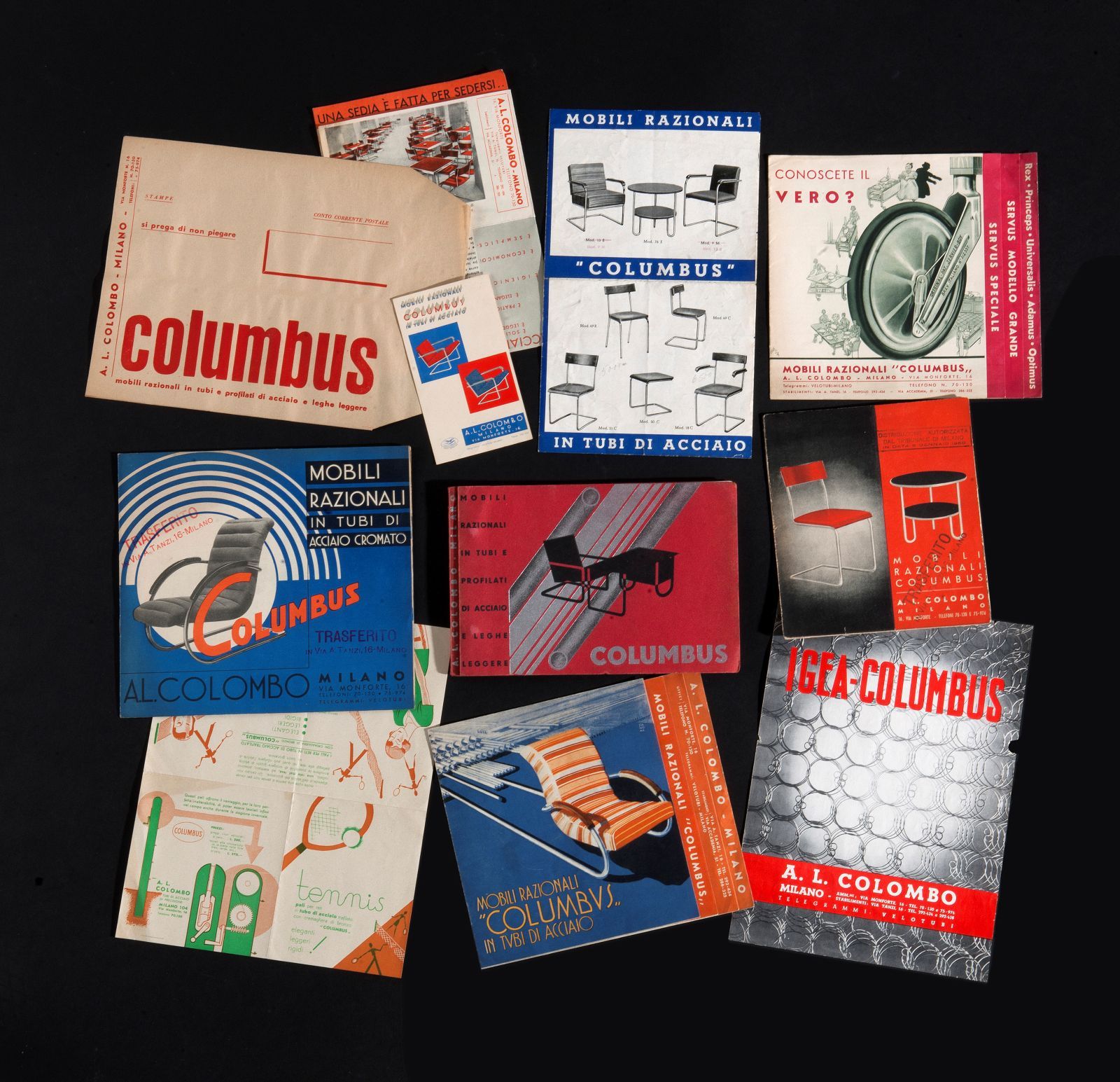
The decisive turning point was the bicycle. In 1977, Columbus was established as an independent company dedicated to high-technology tubing for cycling, and the following year Colombo became the majority shareholder of Cinelli. Antonio began involving graphic designers, designers, and artists in an environment he recalls as rather conservative. Italo Lupi redesigned the Cinelli logo; Alessandro Guerriero and Studio Alchimia arrived, along with the Rampichino, the Laser, and shops designed by Franco Raggi.
When I tell him I have the impression that for him the tube has become almost a language, he tells me he was constantly seeking contributions from friends, artists, and designers to "express the potential of the tube." One of Columbus's taglines was The Soul of Cycling: the tube as the soul of the bicycle. A soul, Antonio says, "cannot be weighed, bought, or sold." From that premise came pursuits he himself describes as "absolutely useless from a business standpoint," yet interesting on an artistic, musical, or literary level. This is probably one of the best ways to understand the man: an entrepreneur who takes a certain satisfaction in having done things that were also useless for the business.
In the 1980s this attitude became even more apparent. The Laser transformed aerodynamic research into an almost sculptural object, and in 1991 it became the first bicycle to win the Compasso d'Oro. In 1984, Antonio met Keith Haring in Milan, gave him a Laser, and Haring returned it painted. But throughout our conversation, Colombo keeps returning to a distinction: art does not interest him as decoration applied at the end to make a product more desirable.
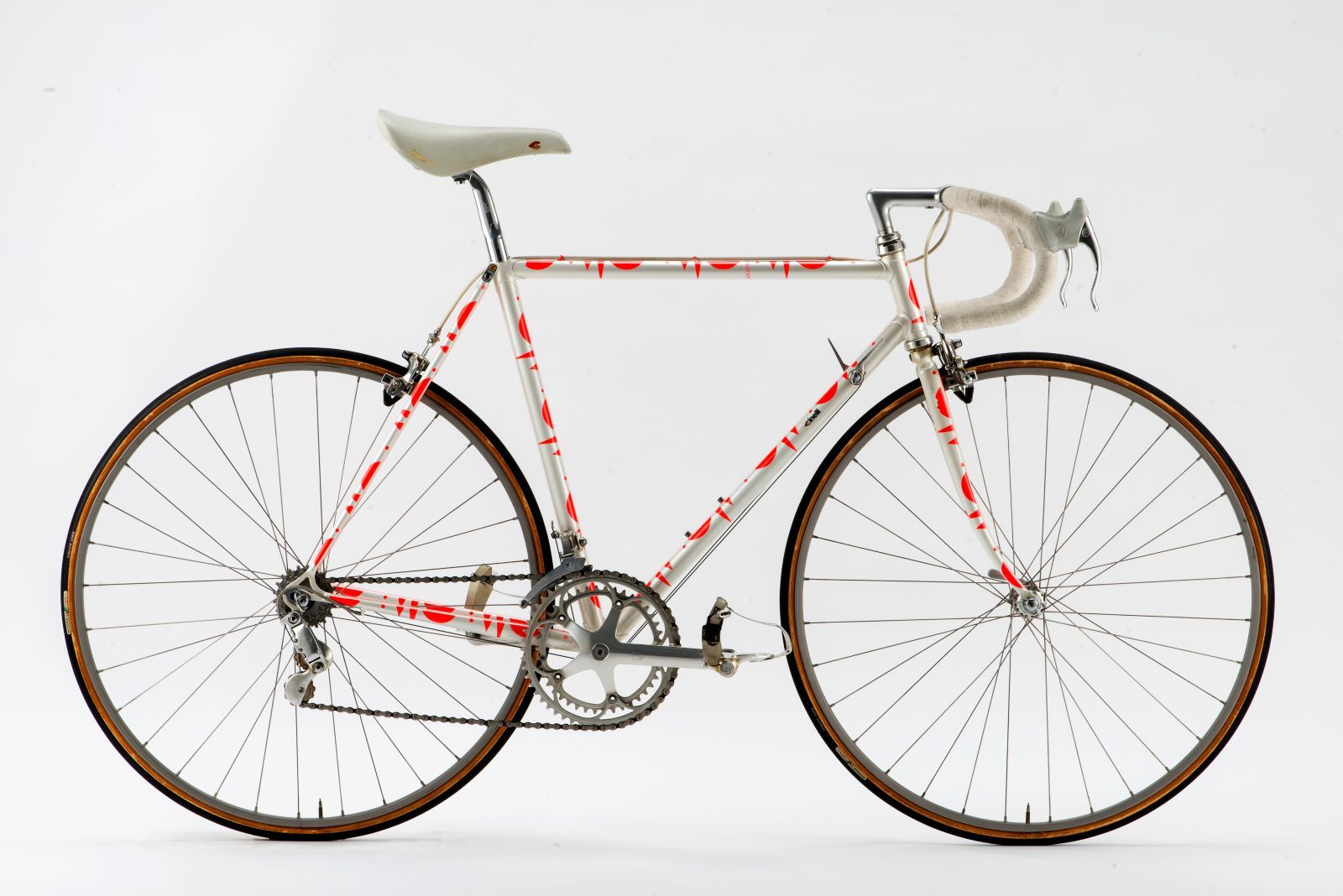
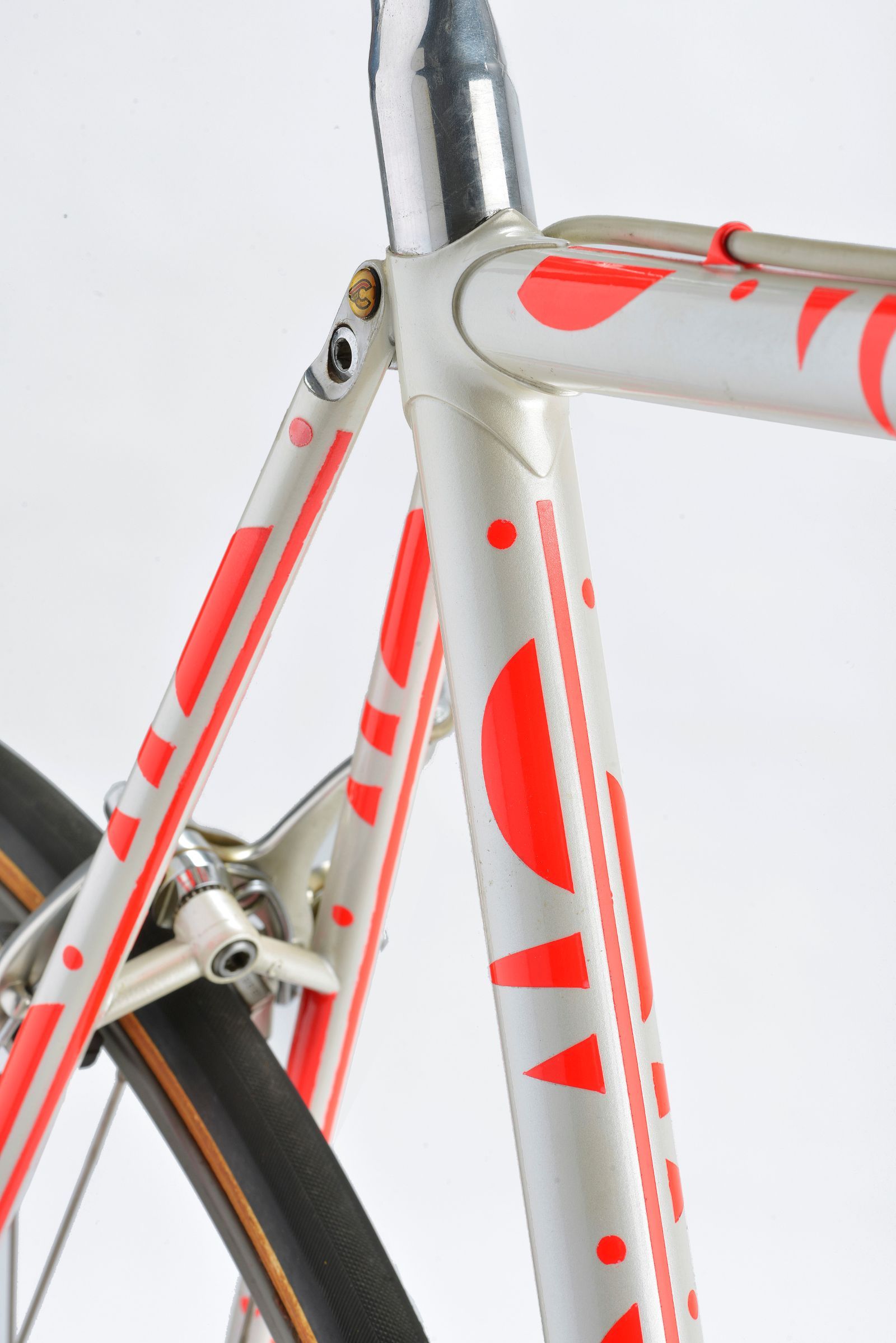
"Art is easily deployed as a marketing tool," he says. "You make an object, you call an artist, and you have a collaboration." In his case, he maintains, art was already part of life and of the way he looked at the product. This distinction becomes very clear when Kanye West comes up. Colombo recounts that Kanye bought one of their bicycles simply by walking into a shop. No contract, no campaign: "If you pay Kanye West and you're a million-dollar company, Kanye West rides your bicycle." In their case, Kanye had chosen it himself, and for Antonio the difference is enormous.
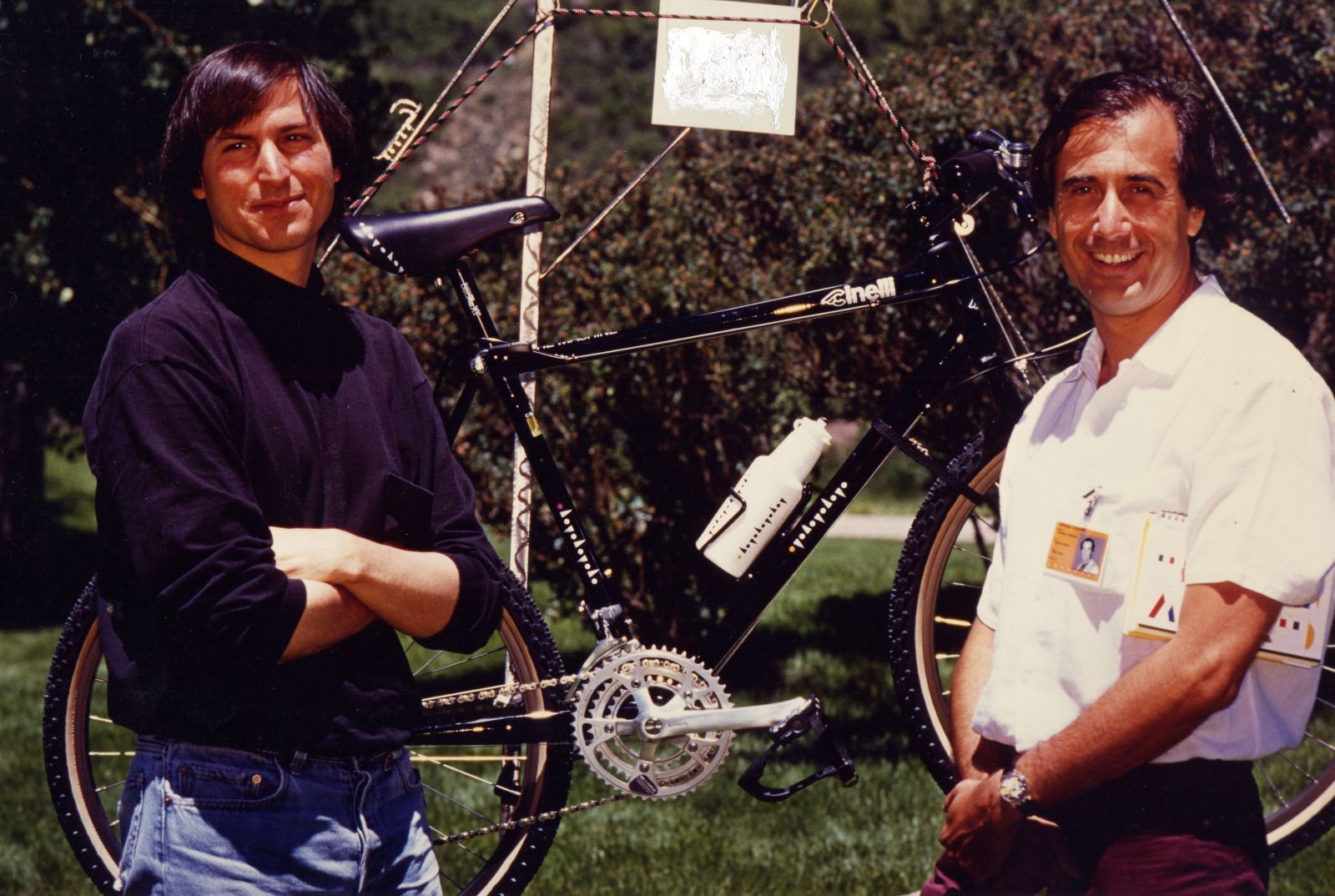
Something similar had happened a few years earlier with Steve Jobs. In 1989, Colombo attended a conference in Aspen dedicated to Italian design, alongside, among others, Achille Castiglioni, Ettore Sottsass, Michele De Lucchi, Italo Lupi, and Andrea Branzi. Jobs was among the guests. There is a photograph of Antonio and Steve Jobs together, with a Cinelli suspended between them, and Colombo recounts that a Supercorsa subsequently made its way directly to Cupertino. Perhaps this is why the story of the bicycles risks overshadowing everything else. It is the most immediately accessible part and has the best anecdotes, but Colombo himself continually redirects attention to the furniture. When I ask him what he would like to see happen in the future, he speaks precisely of that heritage: he would like it to be studied and perhaps developed anew by institutions or companies.
"I don't want to be the keeper of the cemetery"
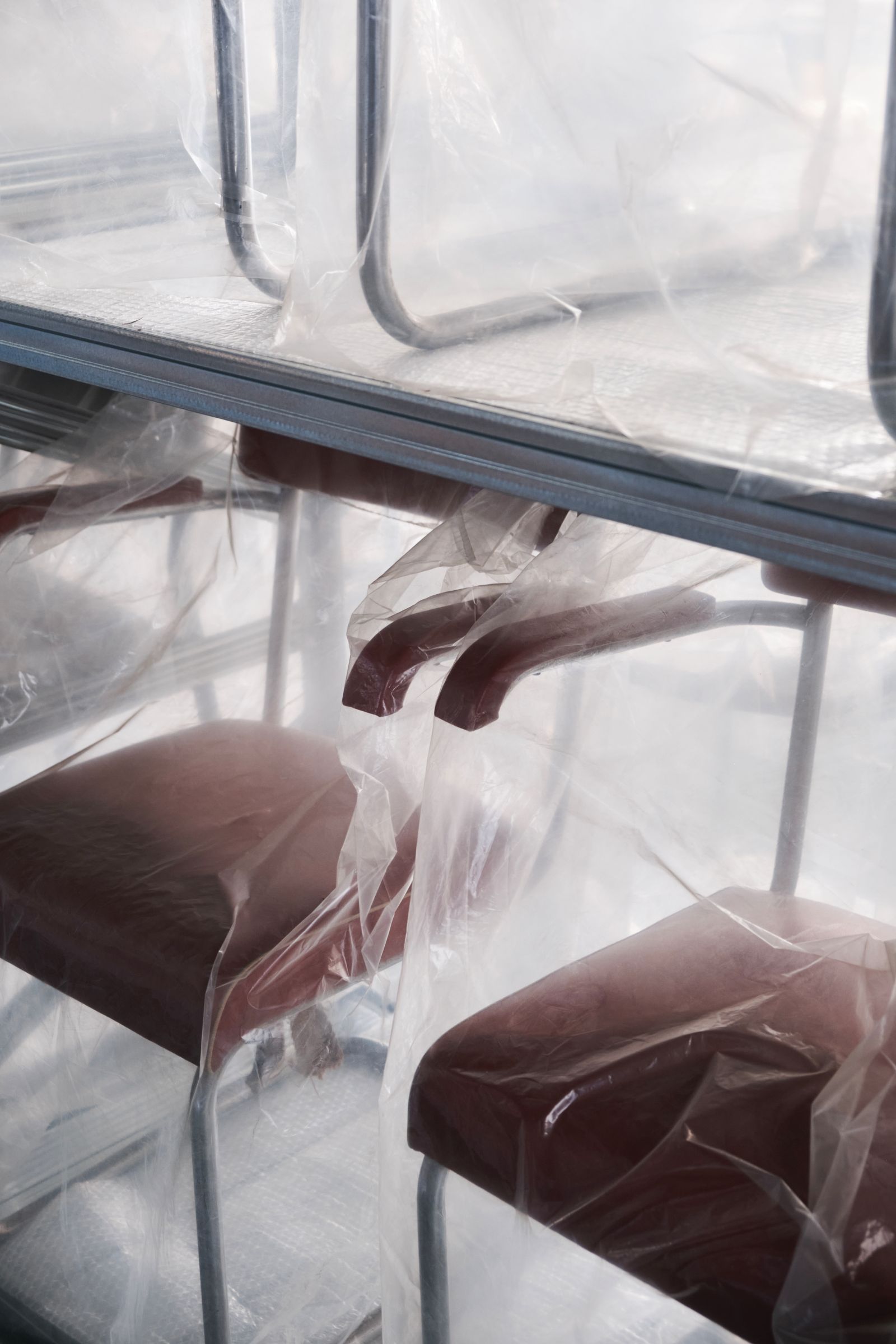
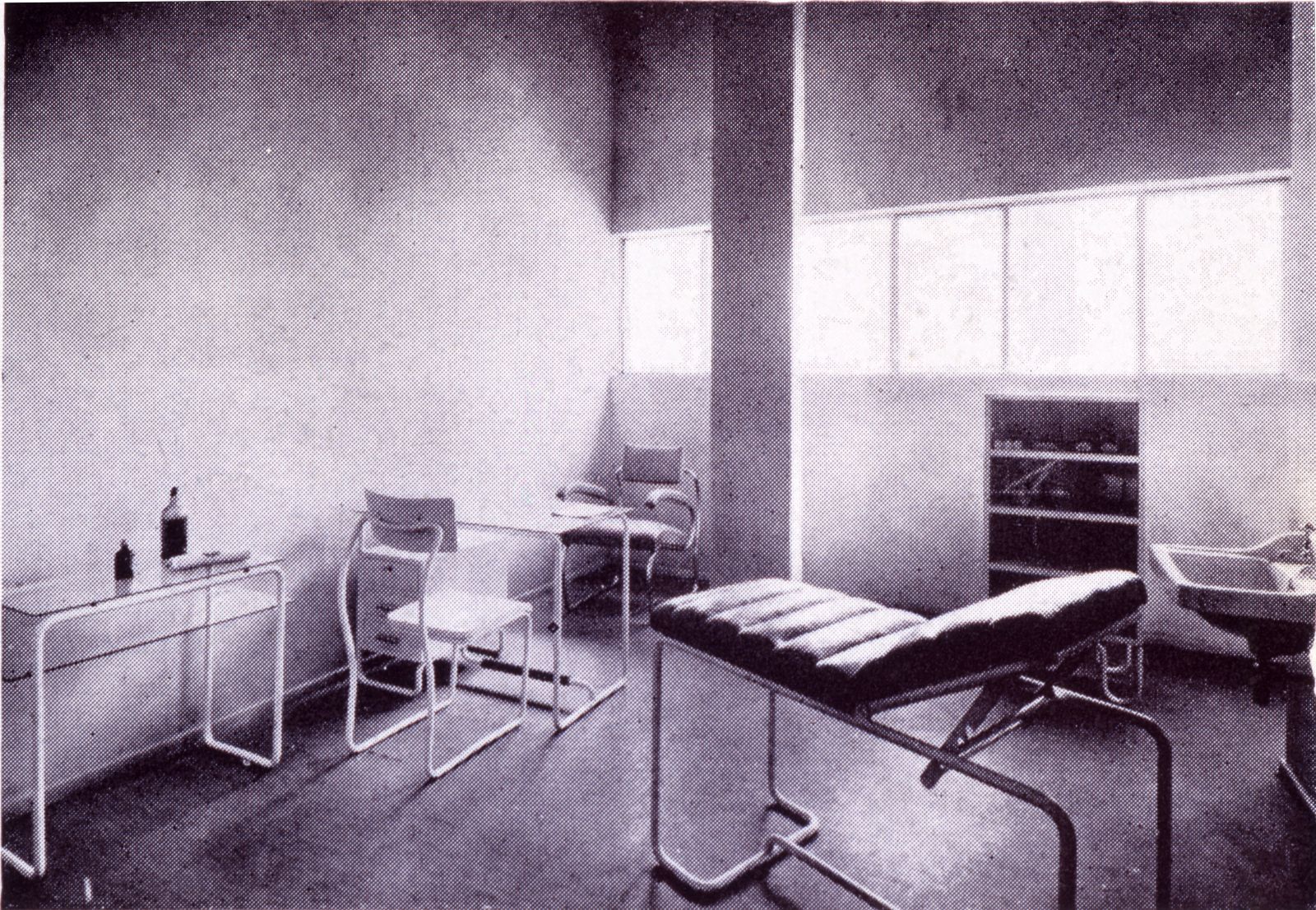
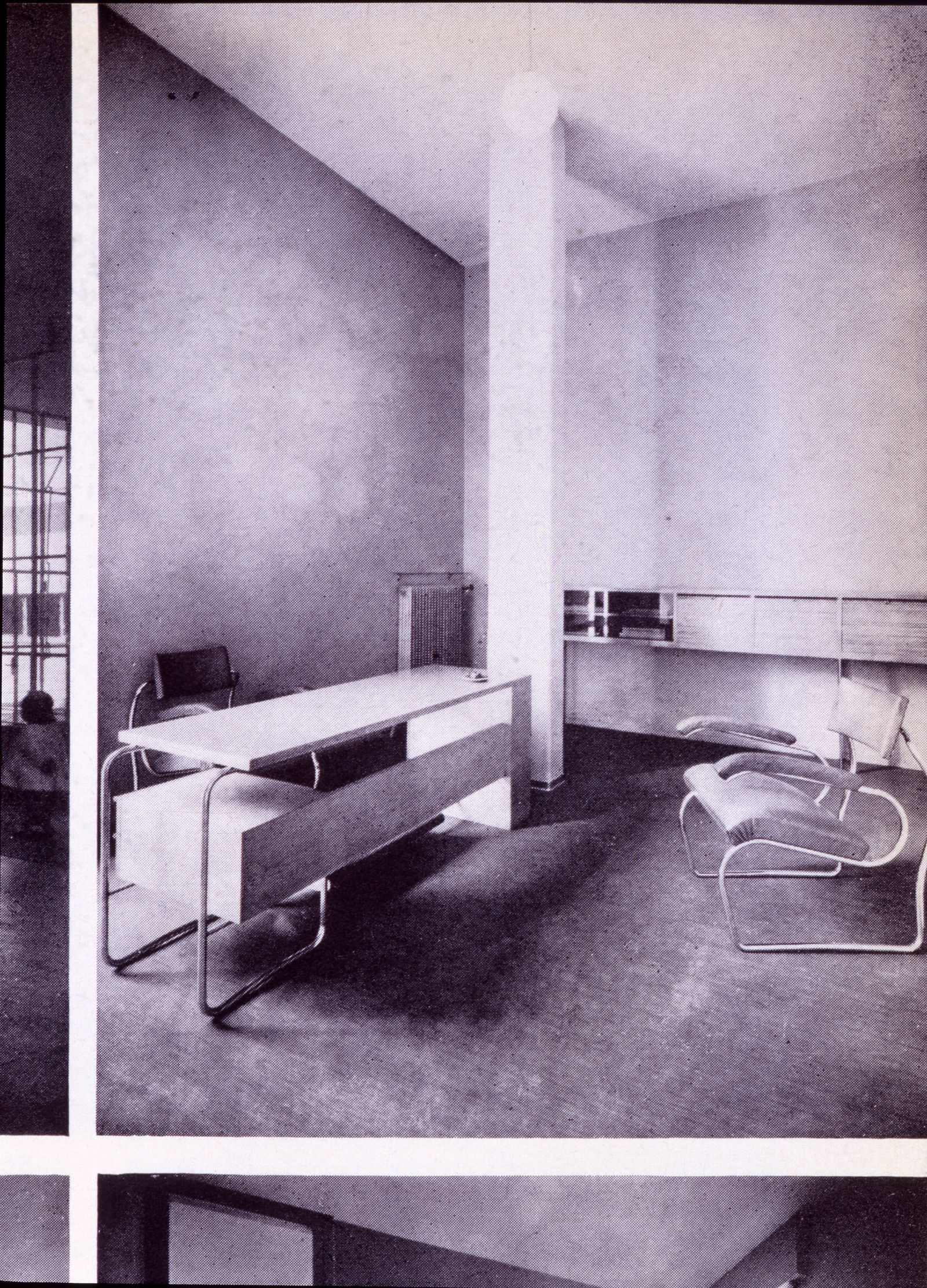
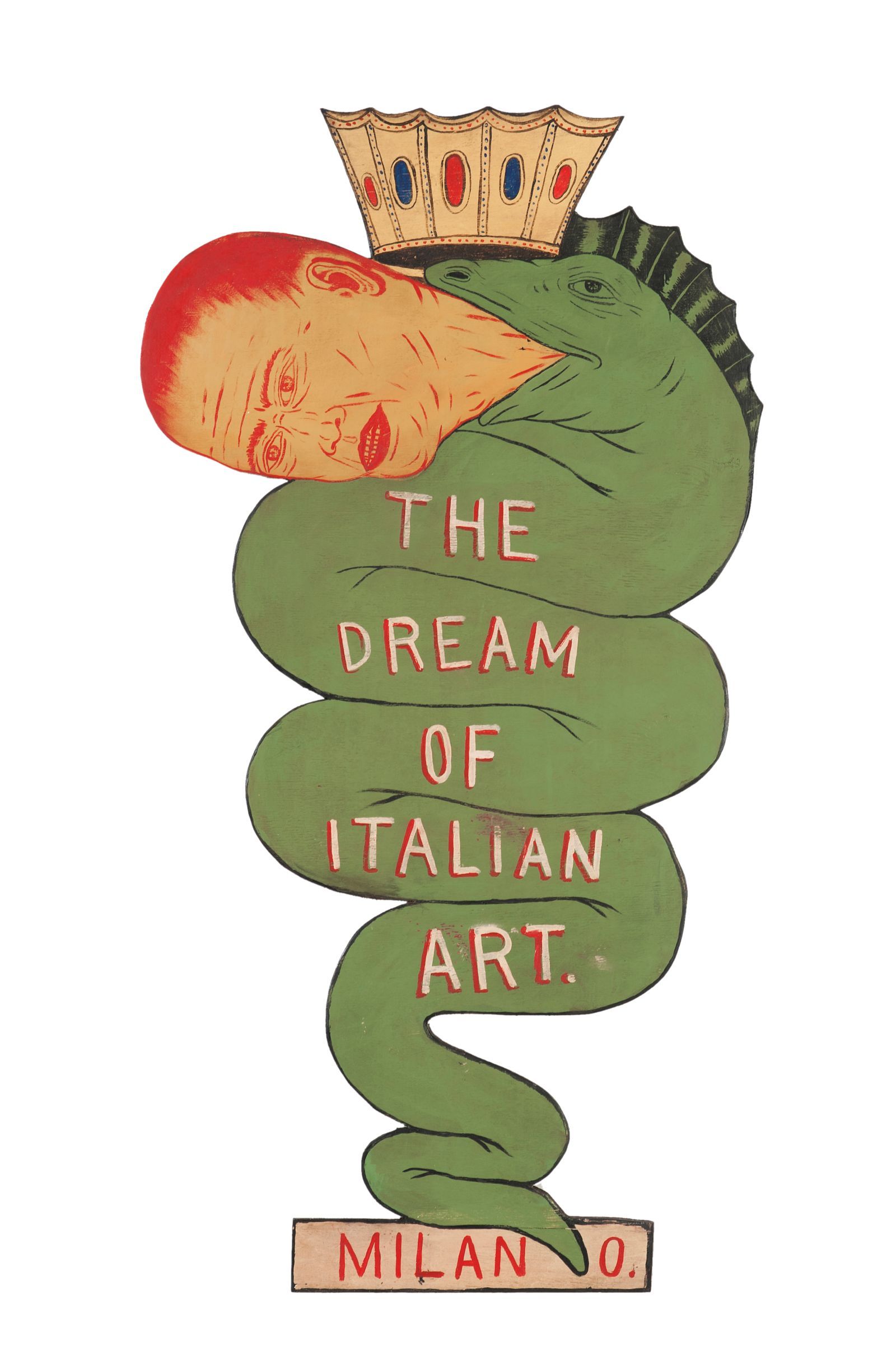
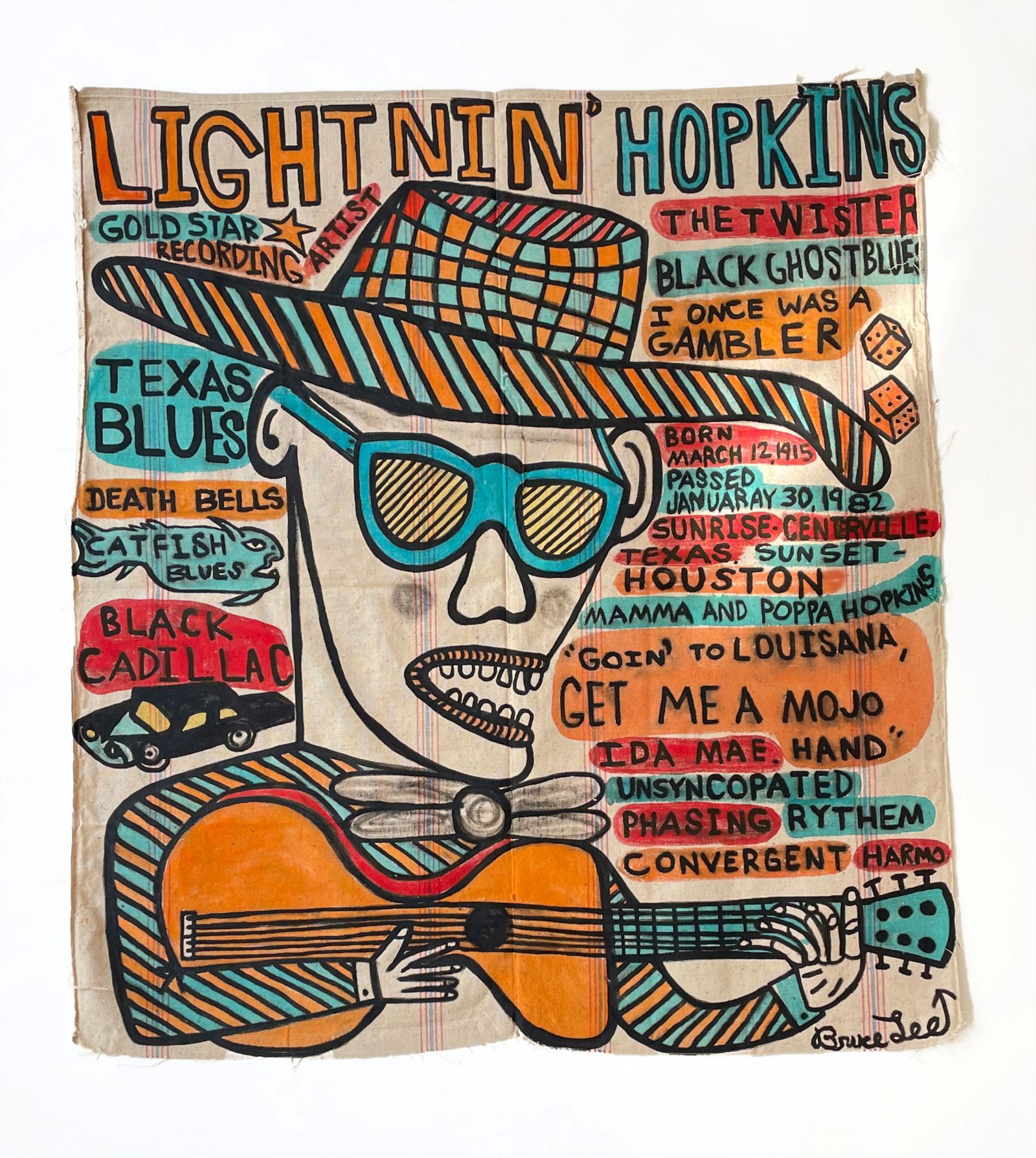
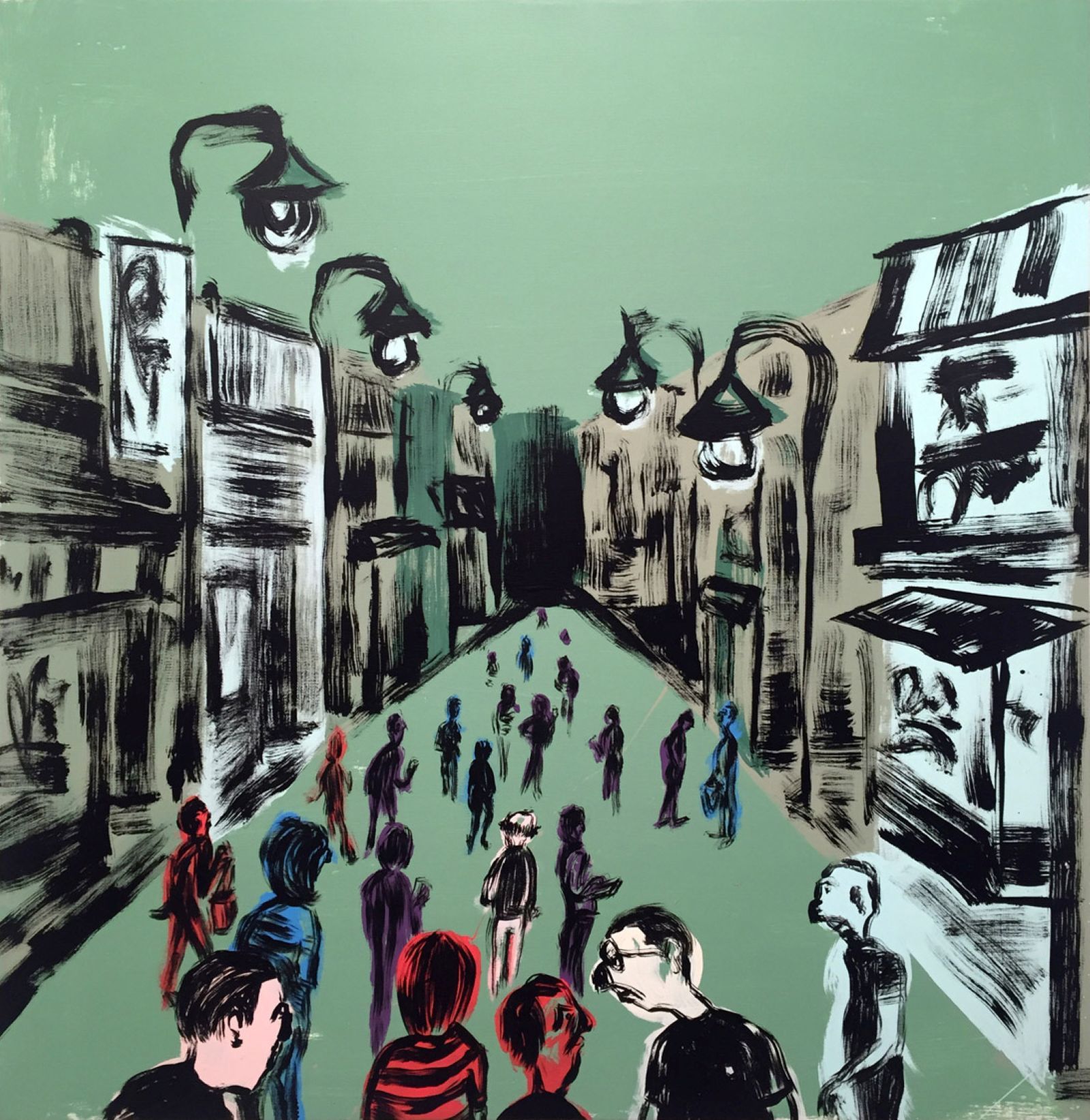
This is where Melania Andronic enters the picture — the archive's curator and today one of the people who works most closely with Antonio. The first phase of her research focused precisely on design, and in Terragni's documents she found evidence of a continuous relationship between the designer and the factory: corrections, attempts, drawings, and notes that show how closely architects and production worked together. In those sheets, she recounts, "you can still feel the energy of the making process today."
Perhaps this is the most interesting value of Colombo's Archive. Not merely preserving objects that have already become icons, but showing what was happening around them before they became history. Some patents date back to the 1930s, while crates and documents have survived relocations, industrial crises, and changes of ownership. Today that material is finally accessible, but the work is not finished, and Melania continues to cross-reference it with other archives and piece together missing parts.
Antonio repeats it several times during our conversation, and at a certain point he tells me explicitly to write it down: "I don't want to be the keeper of the cemetery." An archive risks by its very nature looking backward, whereas they call it instead a "living archive": a place from which to set out and create new connections between artists, designers, scholars, and whatever has yet to happen. There is even a "corridor of the future."
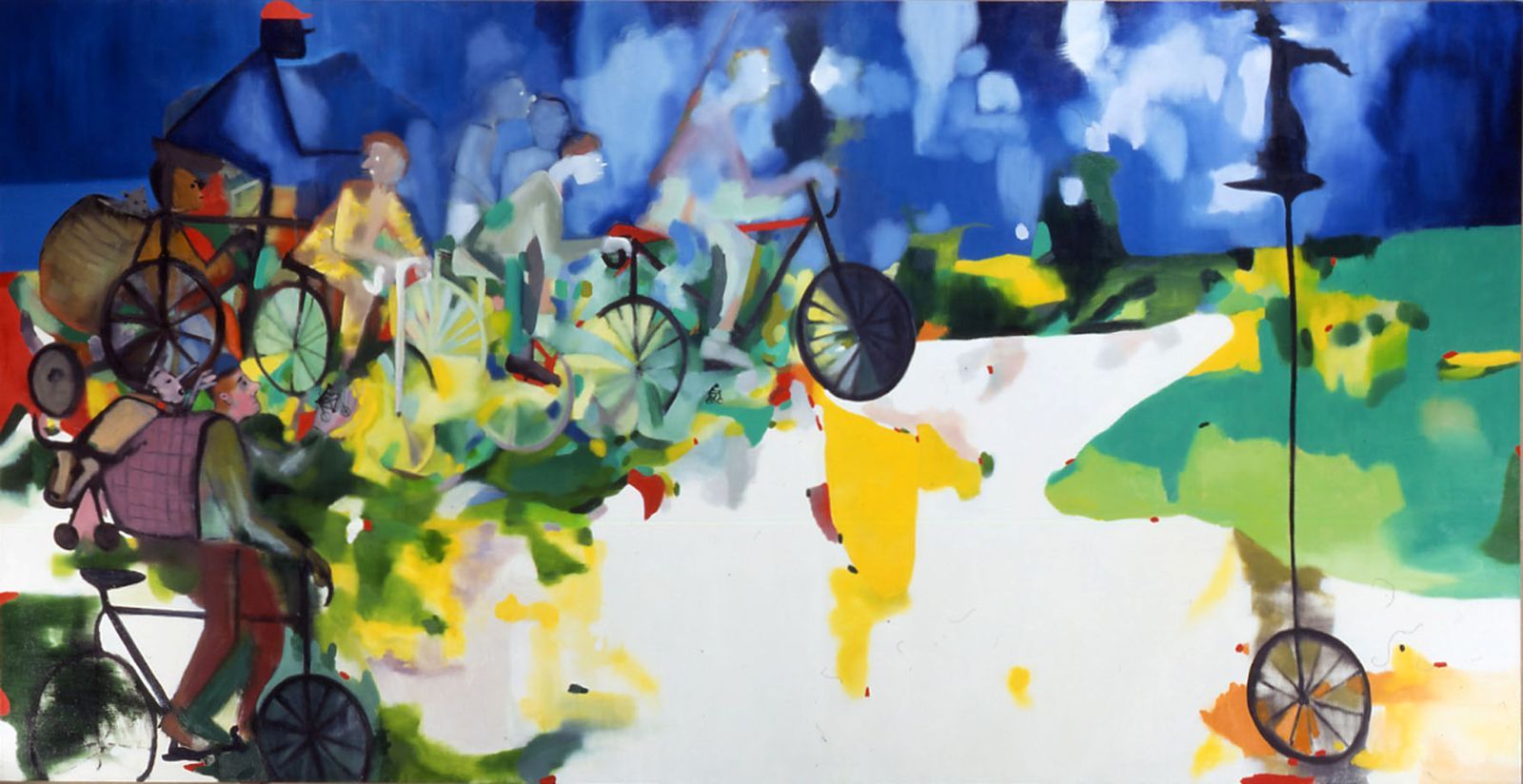
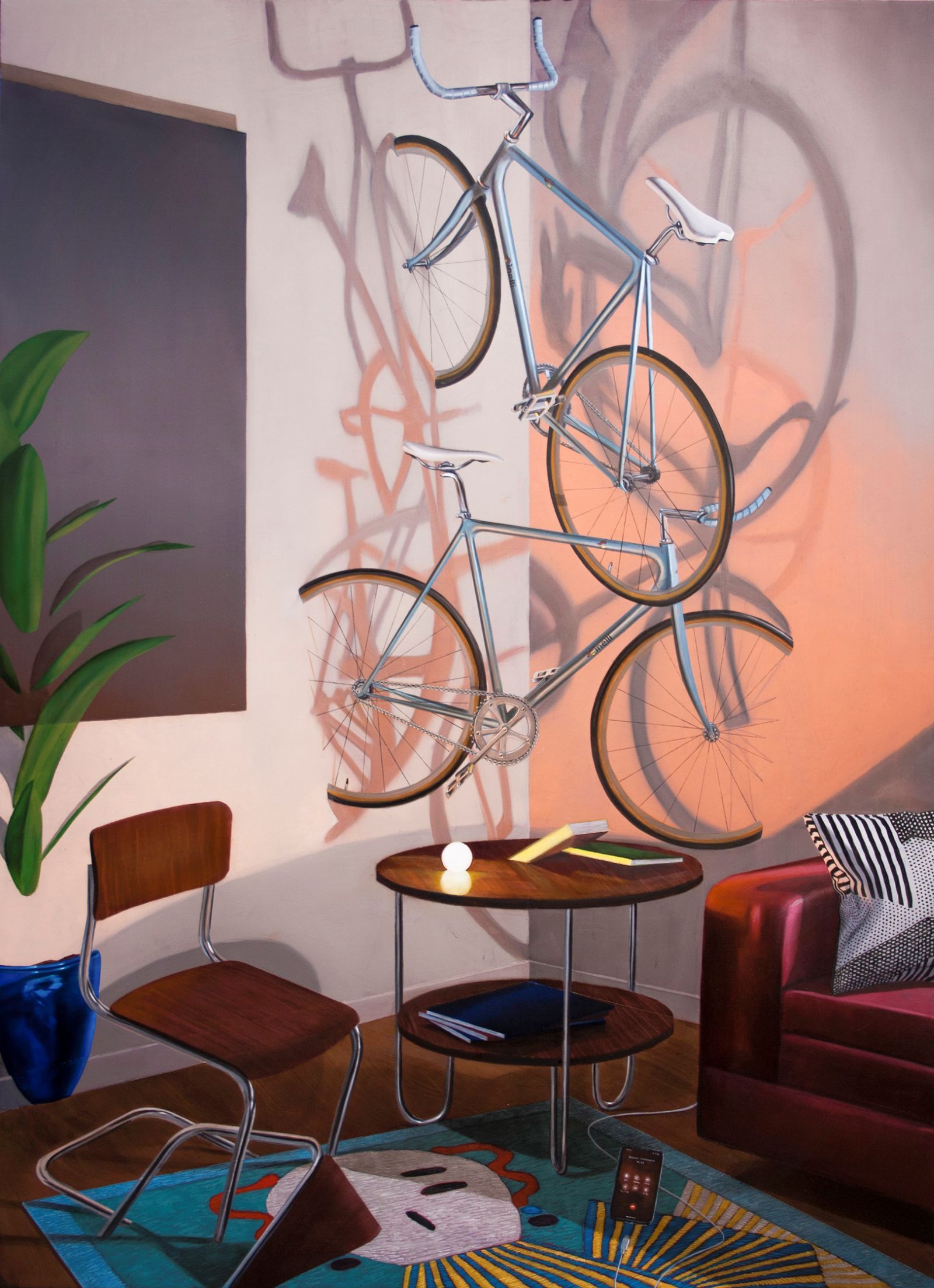
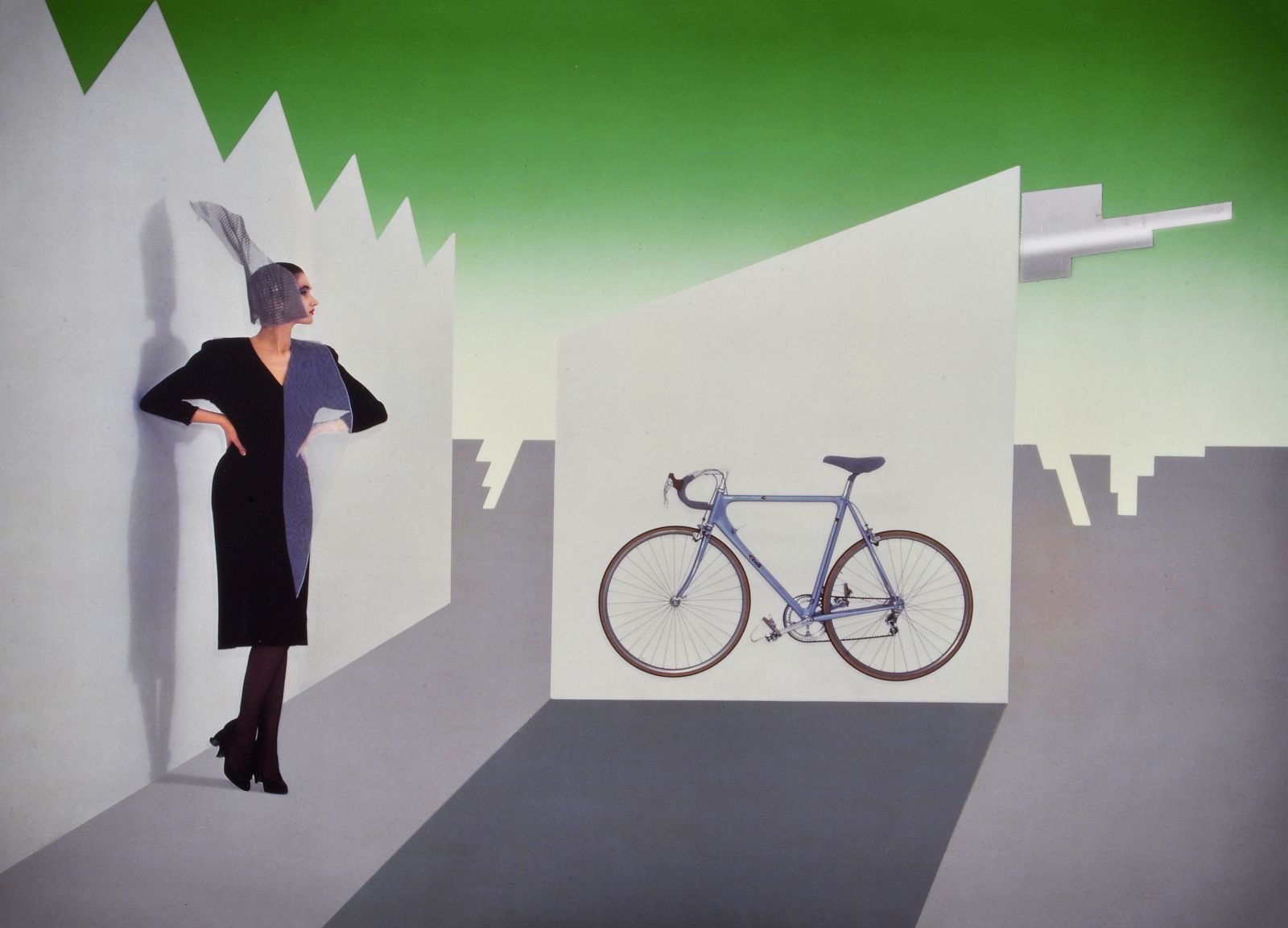
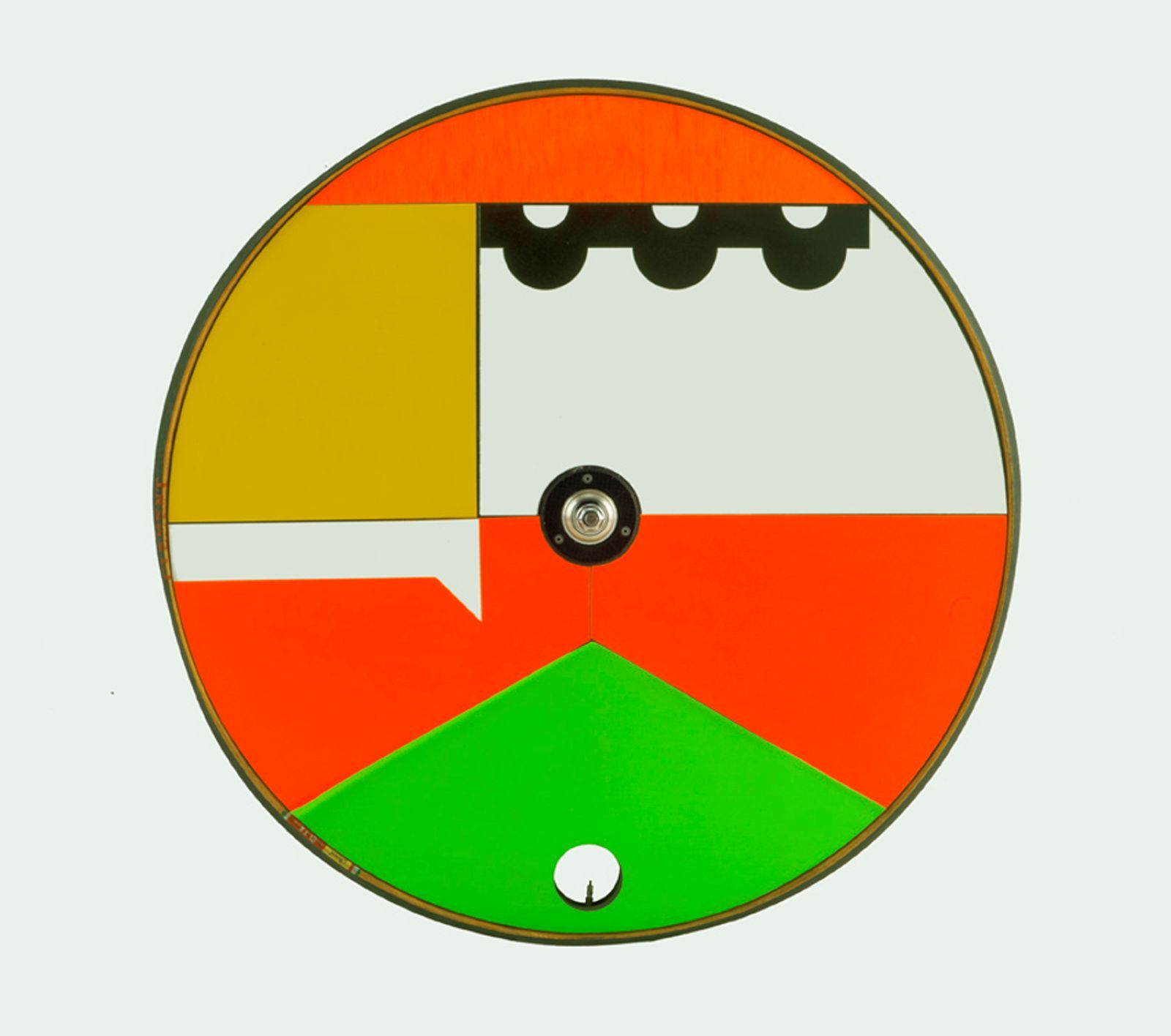
Being the keeper of the cemetery would, after all, be the opposite of what Colombo has done his entire life. He has continuously moved things from one world to another: steel into furnishings, design into cycling, art into the bicycle, the bicycle into the city. In 1998, together with Aloisia Resch, he opened a contemporary art gallery in Brera, now known as Colombo's Gallery, and that story too is beginning to enter into dialogue with the archive.
Inside Colombo's Archive, the sensation becomes almost physical. When architecture meets music, when design spills out onto the street, when what happens indoors tells you something about the city outside. The same tube passes through rooms, through furniture, and ends up on the street inside a bicycle.
Antonio says he became an entrepreneur "against his will" and that he is "a perfectionist about other people's work, not his own." My initial impression was different: he chooses his words carefully, pauses, and seems to know exactly where he is heading, even when he jokes. He could have taken over his father's company and continued along an already-charted course. He preferred to deviate, often toward things that seemed useless from a business perspective. Today, some of those detours are precisely what that history is remembered for.
Now he has before him more than a hundred years of history, finally ordered enough to be seen all at once. He could stop there and defend it. The problem is that he really does not seem the type. Perhaps that is also why a steel tube produced in Milan in the last century managed to pass through Breuer and Terragni, Coppi and Bartali, Mendini and Haring, Steve Jobs and Kanye West. Every time it risked remaining simply a tube, someone tried to imagine what else it might become.