September 17th, 2026
Everyday objects stopped being beautiful From street lamps to door frames, where does the soul of ordinary things live today?
You're in primary school and every Thursday your grandparents pick you up after school; you go to their house to spend the afternoon doing homework and eating a homemade snack. They make coffee — which you'd love to try, but aren't allowed — with a Bialetti moka pot. It's beautiful, it gleams, it's simply perfect. Could you count the number of times you've marvelled at seemingly ordinary objects?
Years later, in a "history of design" textbook, you find yourself, surprisingly, studying those very same objects that, until that moment, had unknowingly been part of your childhood. The armchair where your favourite uncle always sat is signed by Gio Ponti, that funny lamp in your father's bachelor bedroom is a Magistretti for Artemide, and even the little Camparisoda bottle that was uncorked at Christmas bears the signature of Depero.
The same bottle from 1932... Campari, Futurist Fortunato Depero pic.twitter.com/gleQ9Wulon
— Fruzto (@Fruzto) January 28, 2023
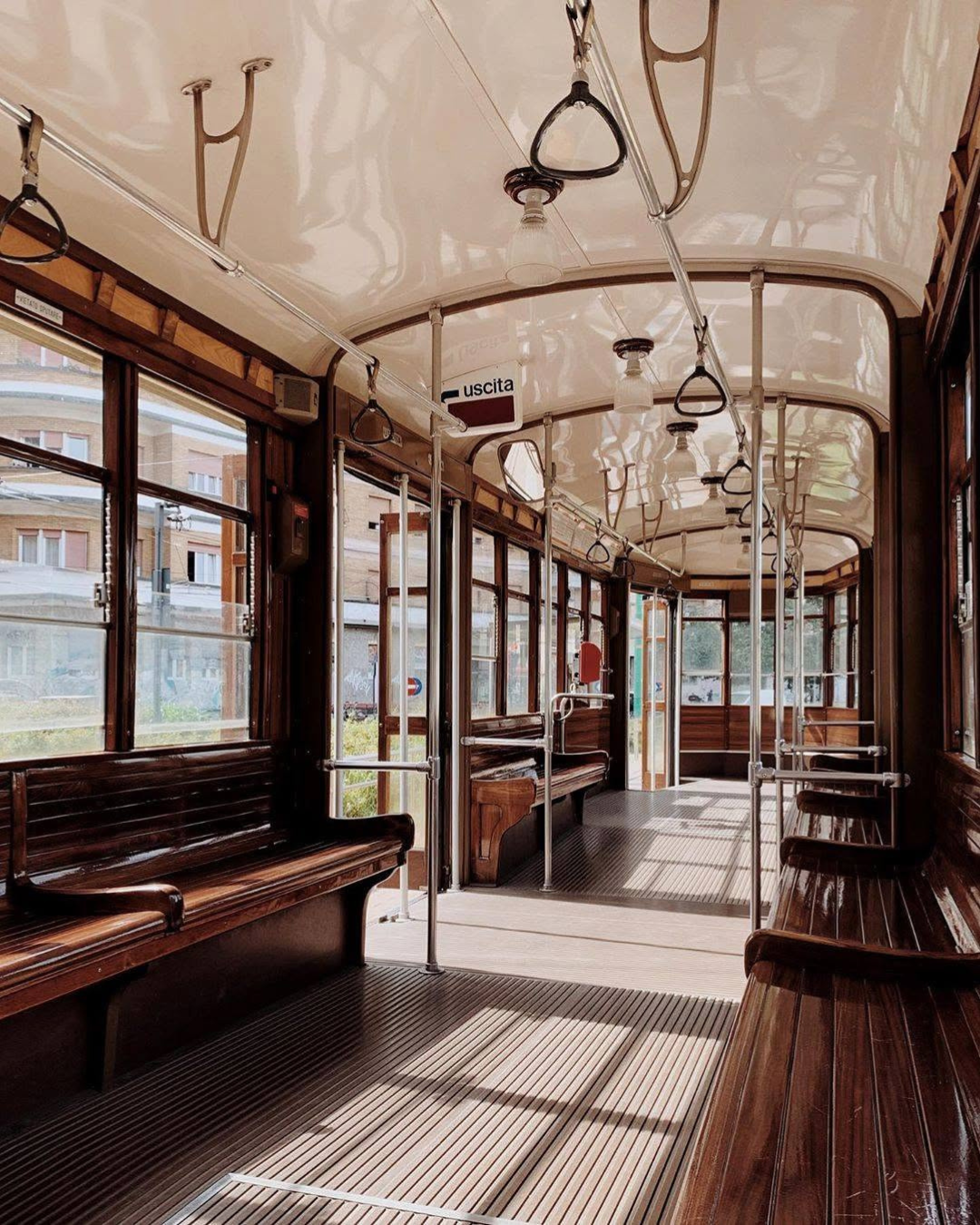
Now you're stepping into adult life and looking for a flat to rent — maybe even in Milan. You have a viewing scheduled right after work, you're walking quickly, and for a moment you stop to look at the tram about to pass: it's different, one of those new ones they brought over from Spain. How fascinating the old trams are — some lines have stayed the same despite the passing of time. They've renovated another square; the lovely cast-iron lamp posts have now given way to new, state-of-the-art ones.
The flat is acceptable — spacious enough, central enough. You look around and everything seems to have come straight out of an Airbnb listing. There are no curious details, nothing deserves more than a few seconds of attention. Who decided that everyday objects should escape beauty?
Beauty is everyone's right
@monipicchi In via Telesio si nasconde un luogo speciale: lo storico studio di Franco Albini e Franca Helg. A fine anno la Fondazione Franco Albini, che ora custodisce la preziosa eredità dell’architetto italiano, cambierà sede. Quindi rimane pochissimo tempo per immergersi in quello che fu lo spazio creativo del designer. Consulta tutte le date e le visite disponibili, sul sito della fondazione. Link in bio. Hidden in Via Telesio lies a true gem, the historic studio of Franco Albini and Franca Helg. A timeless space where the spirit of Italian design still lingers. By the end of the year, the Franco Albini Foundation will be moving to a new location. so there’s still a little time left to visit the studio and experience the world of one of Italy’s great designer. Check the official website for available dates and guided tours. Link in bio. Via Telesio 13, Milano #francoalbini #francahelg #italiandesign suono originale - Monica Picchi
When people first thought about bringing objects into the world of industry to make them mass-produced, the aim was to make the luxury of quality objects a right for everyone. Mass production changes the way objects reach homes and cities. Objects that once required the time and hands of a craftsman can now be produced for hundreds, then thousands, of people. Modern design was born to answer a question that seems simple: how can an object be useful, affordable, and beautiful at the same time?
Before industrial production, beauty was a privilege. For a new dining table for eight, you had to go to a professional, wait weeks (or months), and above all have the financial means to support painstaking work that required a considerable amount of time. The industrial revolution brought with it a democratisation of beauty.
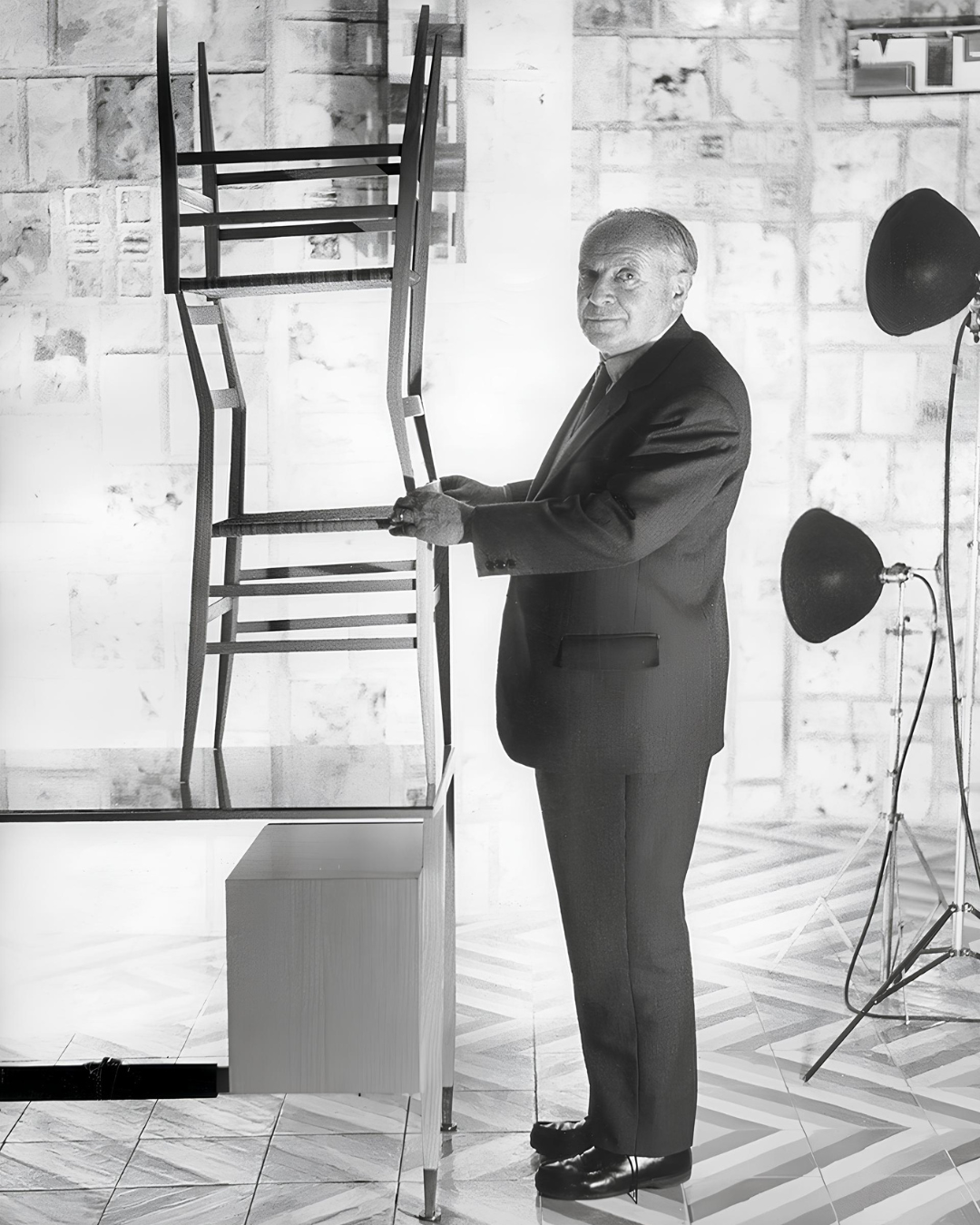
In post-war Italy, design became the most powerful instrument of this democracy. Gio Ponti was among those who worked harder than anyone to ensure that the quality of design could leave the drawing rooms of the elite and finally reach the general public. It is no coincidence that a collaboration with La Rinascente gave birth, in 1954, to the Compasso d'Oro — the award created to celebrate the best design produced by Italian industry. The idea, at its core, was quite radical: if an object is meant to be used by everyone, why shouldn't it also be beautiful?
Italians do it better
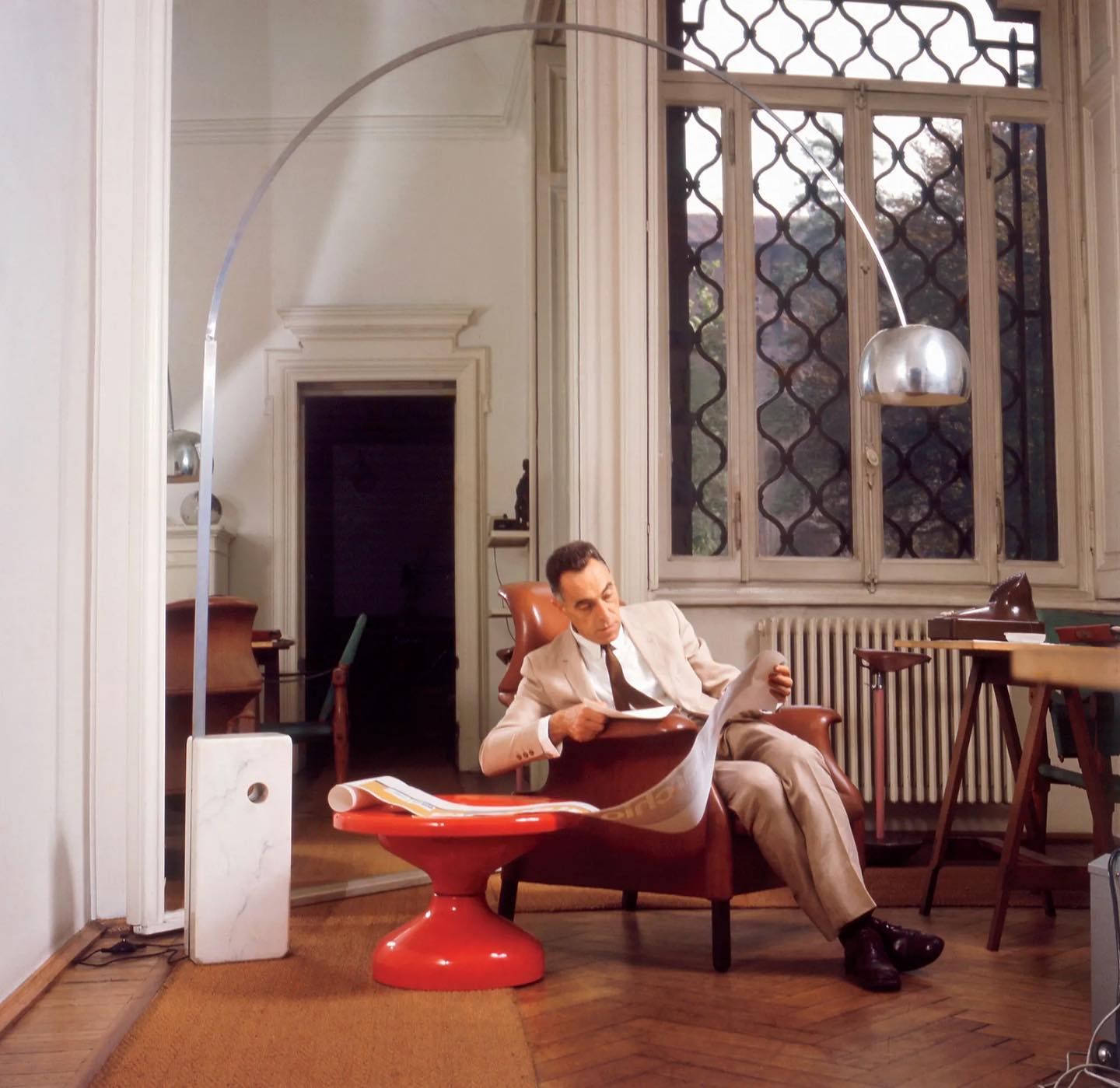
The good news is that, to buy something beautiful, you no longer needed to own a castle. At a certain point, Italian design decided to step down from its pedestal, and La Rinascente was merely the watershed of a trend that would go on to touch everything. From offices to streets, from kitchens to everyone's homes. Thanks to the Compasso d'Oro, design began to speak the language of industrial production: that of things you can buy, use, break, and buy again. And so beauty stopped being bespoke.
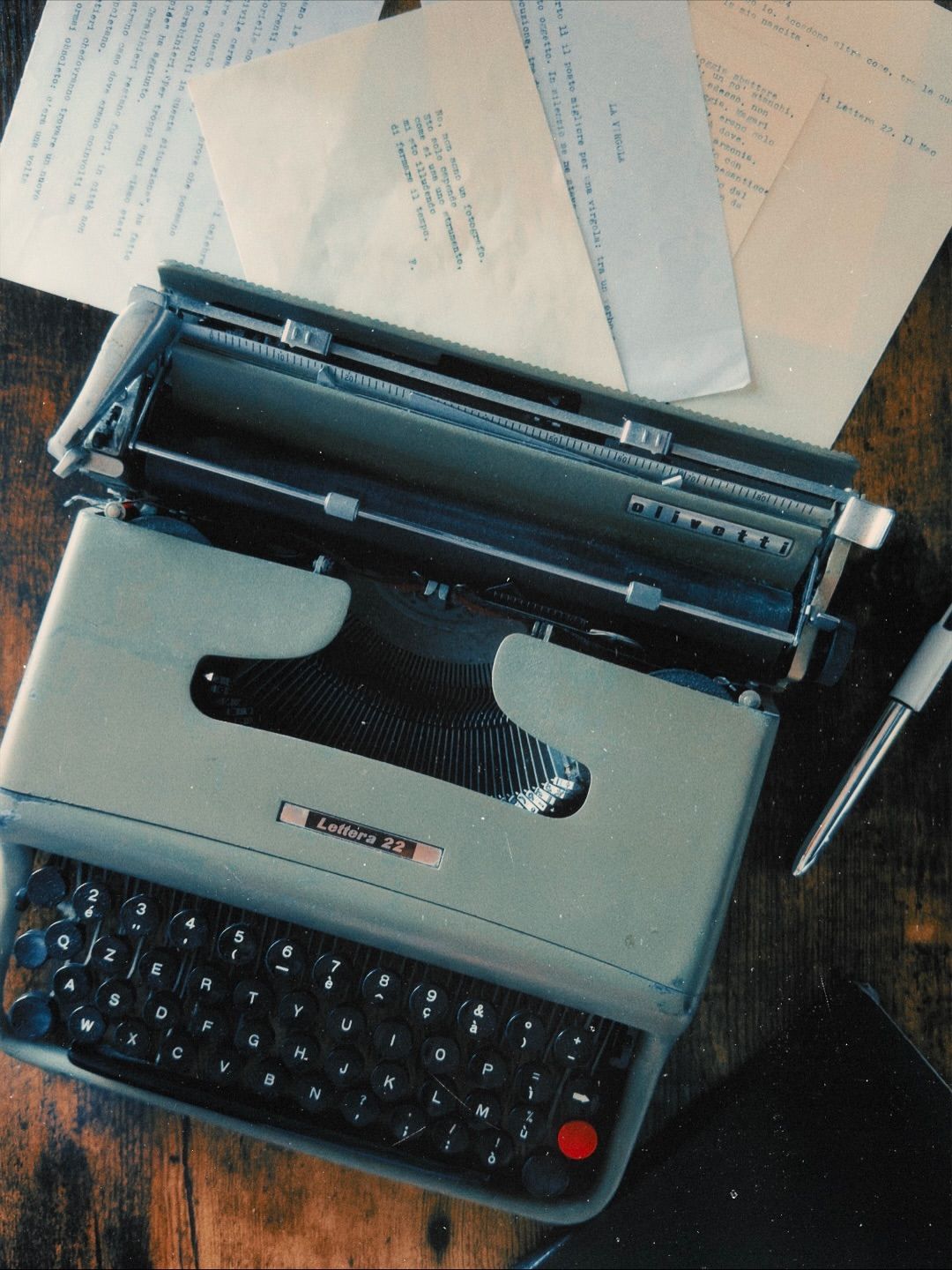
In the basements of countless Italian homes lives a Lettera 22 signed by Marcello Nizzoli, waiting only to be wiped down with a duster. It is also the story of Olivetti, which perhaps more than anyone else understood that a company can produce millions of objects without having to treat them like millions of objects.
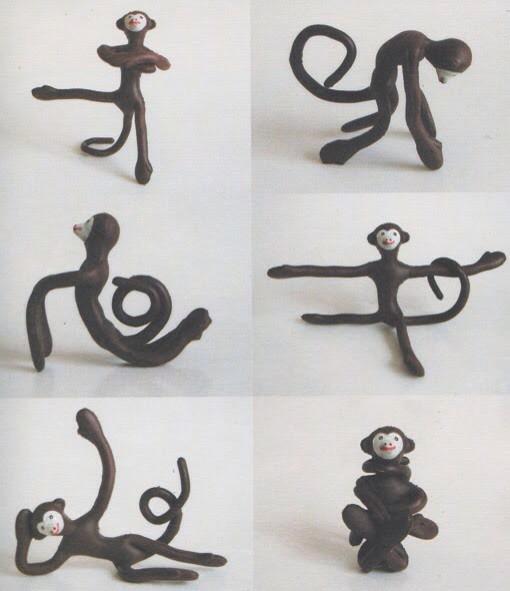
The same is true of a Castiglioni lamp, a Kartell plastic chair, or a toy — the famous Zizì monkey — by Bruno Munari. Italian design broke down the elitist barriers of art and worked its way effectively into people's lives: what Gio Ponti himself called diffused beauty.
From the spoon to the city
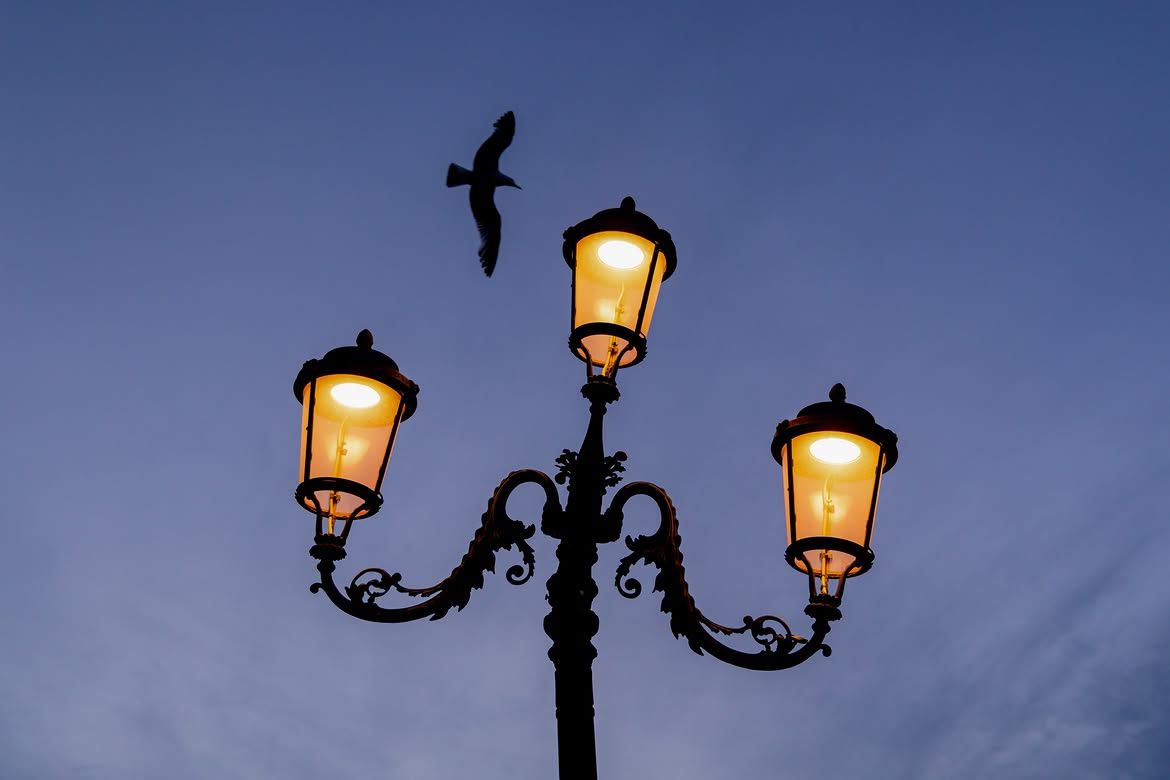
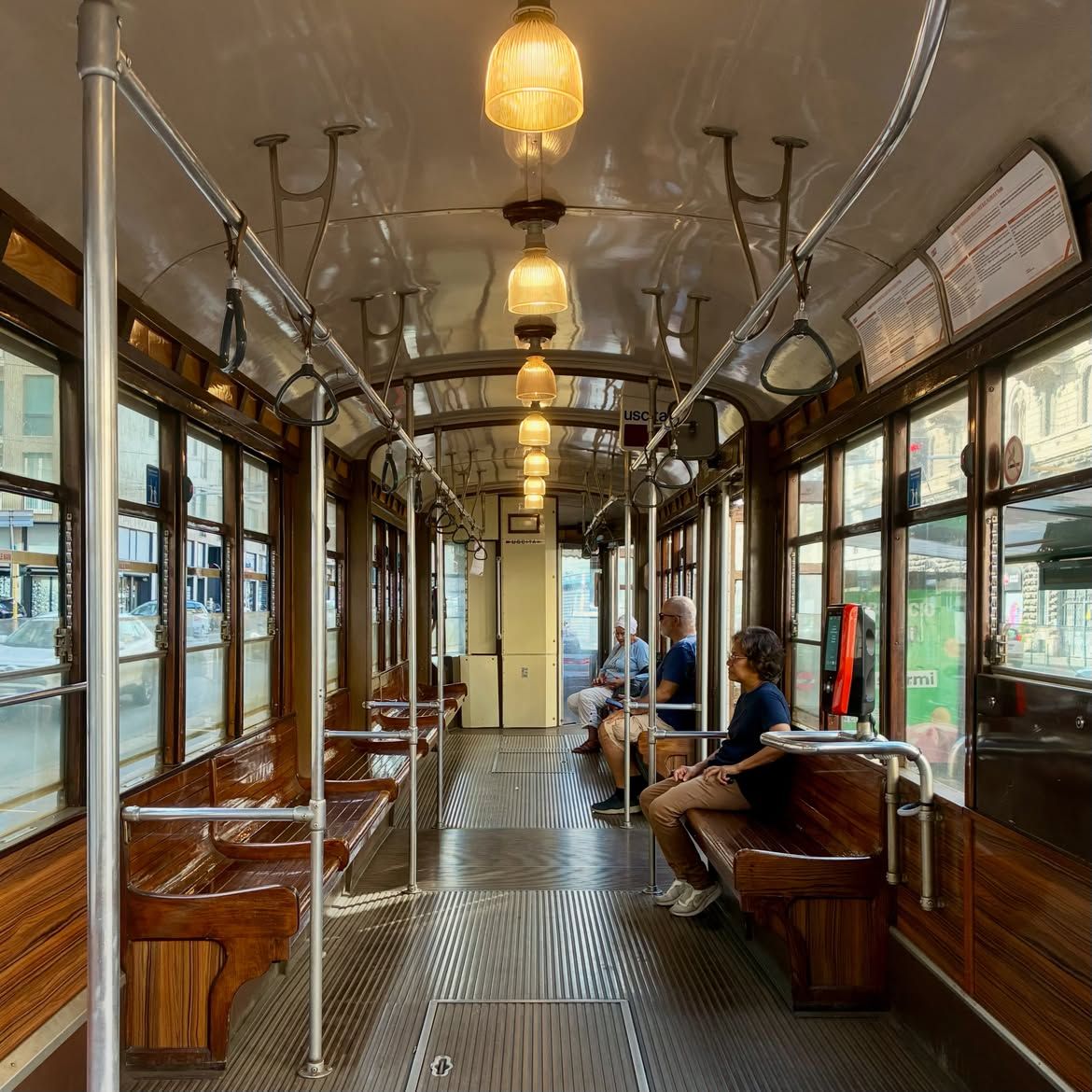
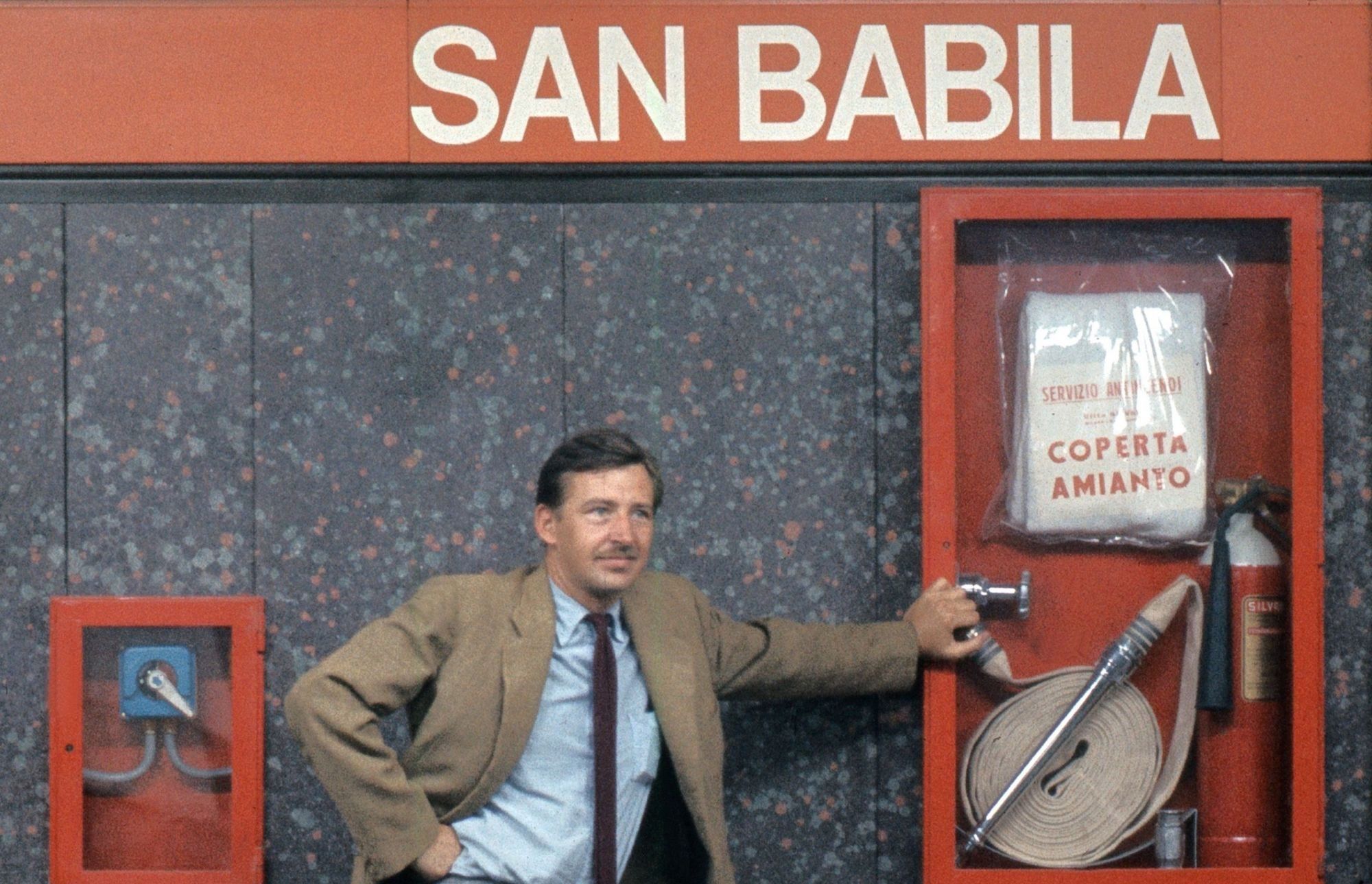
If a chair can be beautiful and useful, why shouldn't a bench be too? If I can carefully choose the lamp above my dining table, why should I resign myself to any old street light the moment I step outside? This is where Ernesto Nathan Rogers' famous "From the spoon to the city" comes into play: design can concern itself with everything, from the small object we hold in our hands to the city we move through every day. True democratisation of beauty, in the end, is when you don't even have to buy it: it's already there, on a bench, waiting for the tram.
Alberto Rosselli's telephone booths, the Milan metro signage designed by Bob Noorda, the old bus shelters, the trams, the lamp posts — all objects with a very precise function, yet ones that in the meantime also become part of the landscape and of our collective imagination. They are not works of art, and no one pays to go and see them. After all, the city is the largest everyday object we have. We can't put it in a shopping trolley, swap it because we don't like it, or return it within thirty days. We live inside it.
The beauty we need
@licasakh part4 Barbisa 1920 Via Lodovico Muratori #vintage #cafeteria #milano #barbrisa #fypシ #milanguide #italy Romantique - Brigitte Bardot
It's not just a matter of taste. Colours influence the perception of a space: some shades encourage relaxation and others focus; even light can completely change the way we experience a room. Sometimes it takes us only a few seconds to understand whether we feel comfortable in a place or whether we'd rather leave.
The emerging trend among the coolest venues is to rediscover old signs, Formica chairs, mismatched plates, 1960s lamps, typewriters, and anything that has had a previous life. Some call it vintage, others nostalgia. But whatever name we choose to give it, it works.
The reversal that has taken shape over time is that craftsmanship has remained the preserve of the few — justifiably expensive — while those design objects that the luckier among us can rediscover in a relative's home have gained value and rarity over time, becoming equally inaccessible. The city is today one of the few places where one can still seek out a little involuntary beauty.
We sacrifice beauty in the name of efficiency
@itslivvykins No I don't want to live in a grey box #interiordesign #House #vibes #core #itslivvykins original sound - user11183909019
Meanwhile, objects have become more intelligent, more efficient, more sustainable, more durable. A tram today can tell us almost everything that's happening as it carries us from one part of the city to another. A lamp uses very little energy, switches on with a touch, and can last for years. A bench is designed to withstand anything. We have become extraordinarily good at making things work.
And so, as technology makes objects increasingly sophisticated, aesthetic quality seems to have become a kind of added optional: we find it in the homes of those who can afford it and in vintage objects we are willing to pay more than their original value for. Outside these spaces, beauty seems to be something that can be sacrificed in the name of efficiency. Everything that was not strictly necessary to their functioning has been left behind — those details of colour and form that belong to the memories of almost everyone.
The beauty of everyday objects was never merely a matter of aesthetics. It was a way of reminding us that even the most insignificant things deserved attention. Old cast-iron radiators, in heating a room, also furnished it; inlaid doors could divide two rooms while, at the same time, contributing to the beauty of both. What has been lost is not the ability to create beautiful objects, but rather the expectation that beauty should also be found in things we have not actively chosen to look at.