July 27th, 2026
The complete guide to Capri's most iconic villas An itinerary through the island's most iconic residences, from Anacapri to Punta Massullo
The houses of Capri tell the island's story better than any guidebook. Over centuries of history, significant personalities such as emperors, writers, doctors and billionairesses have built their homes on its cliffs. Each of these houses tells a different piece of the island's story and of those who lived there, even if only for a moment of tranquility or to find refuge, and today they also represent a different way to visit Capri and get to know its history in depth through architecture, viewpoints and gardens. Our itinerary through 5 of the island's most beautiful villas starts in Anacapri, descends towards Marina Grande and ends at Punta Massullo.
Villa San Michele and the Casa Rossa
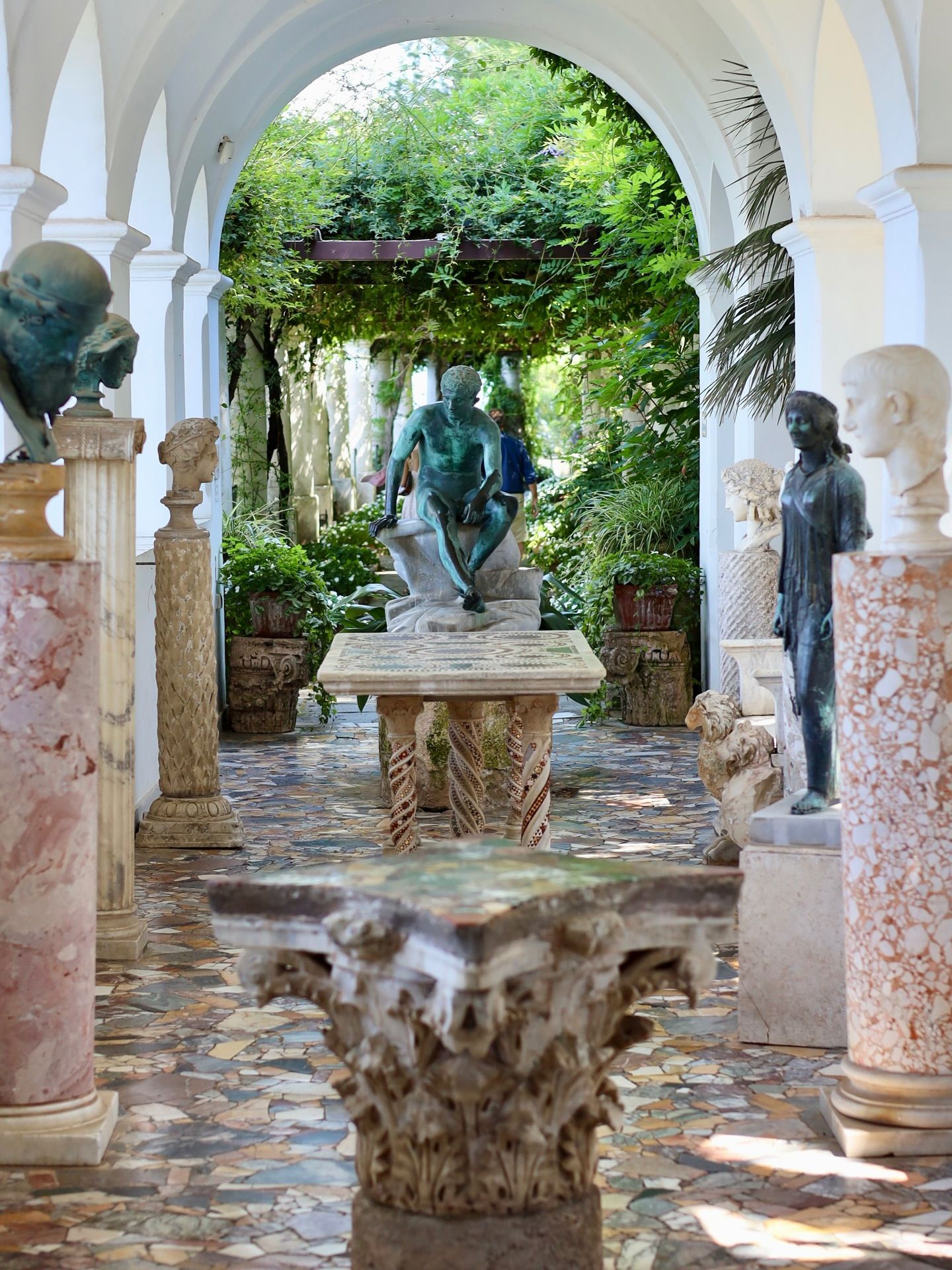
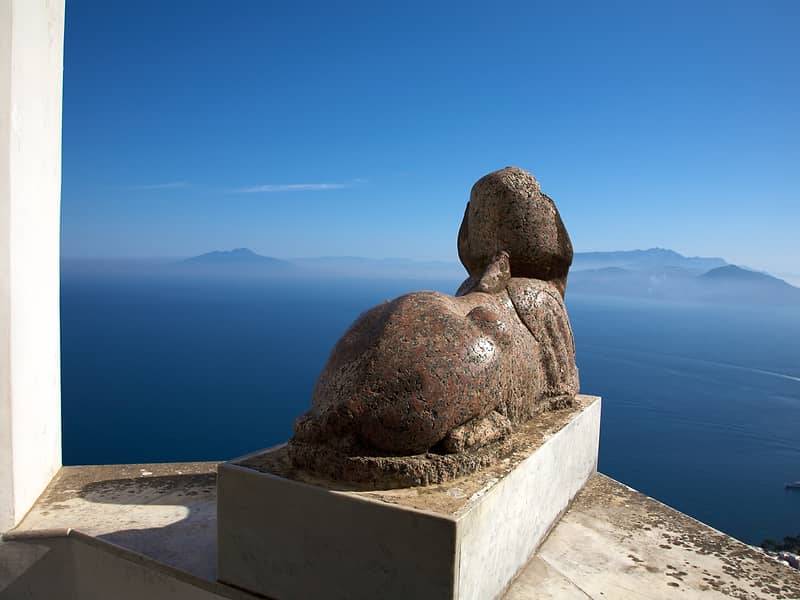
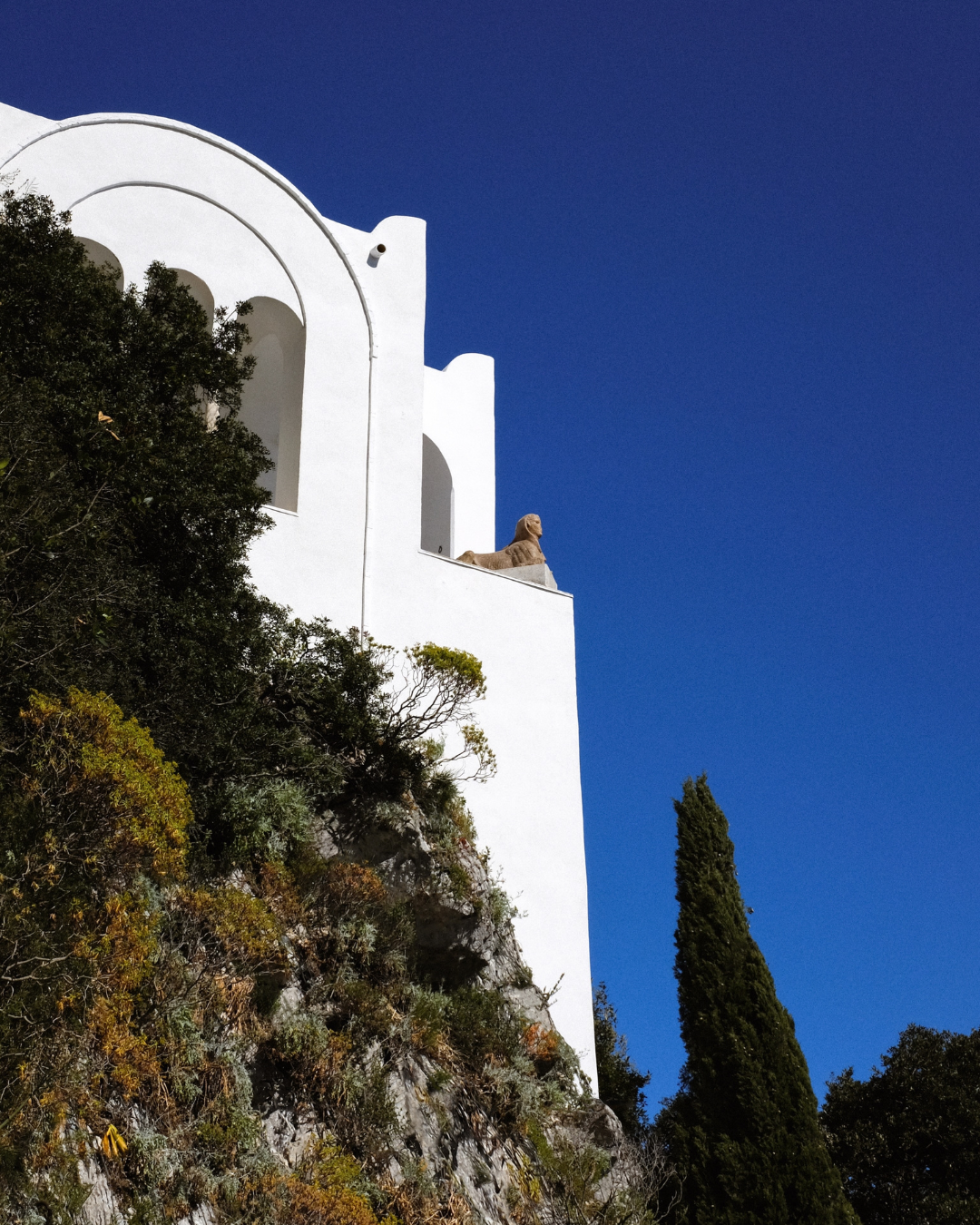
From Piazza Vittoria in Anacapri, a few steps lead to the house of Axel Munthe, physician, philanthropist and author of The Story of San Michele, one of the first global bestsellers, in which he also recounts the construction of the villa. The interiors, in fact, feel like a journey through his mind. The dining room is followed by a Capri-style kitchen, full of utensils imported from various countries; at the far end of the garden stands the chapel of San Michele, which Munthe turned into a library and music room, and right next to it a granite sphinx from the era of Ramses II gazes out over the Gulf of Naples.
The villa rises on the remains that tradition attributes to one of Tiberius' villas: in the courtyard there is a Roman-era well, Latin epigraphs are embedded in the walls, and during construction work a fluted column was unearthed. Munthe, who with his book had made the house famous throughout the world, also made a gesture of the opposite significance: he bought Monte Barbarossa, behind the residence, to save migratory birds from indiscriminate hunting.
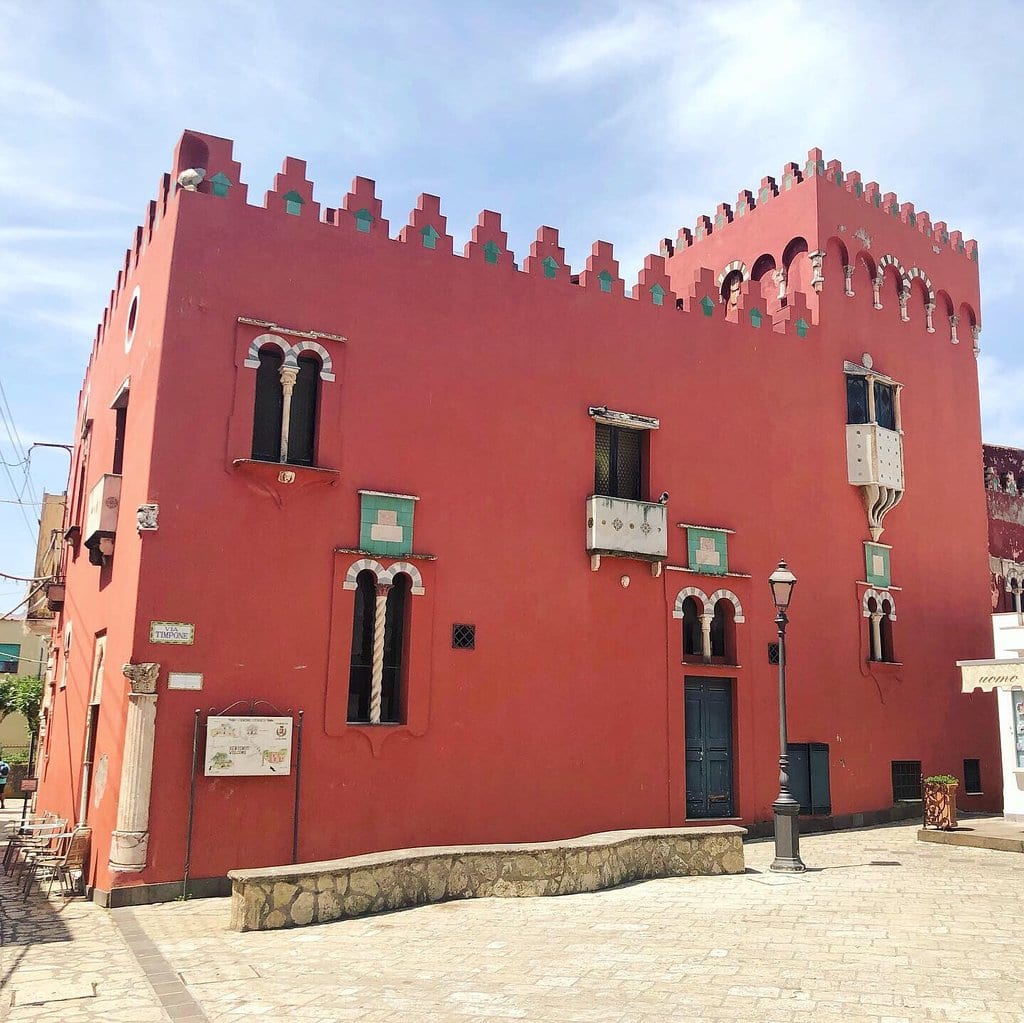
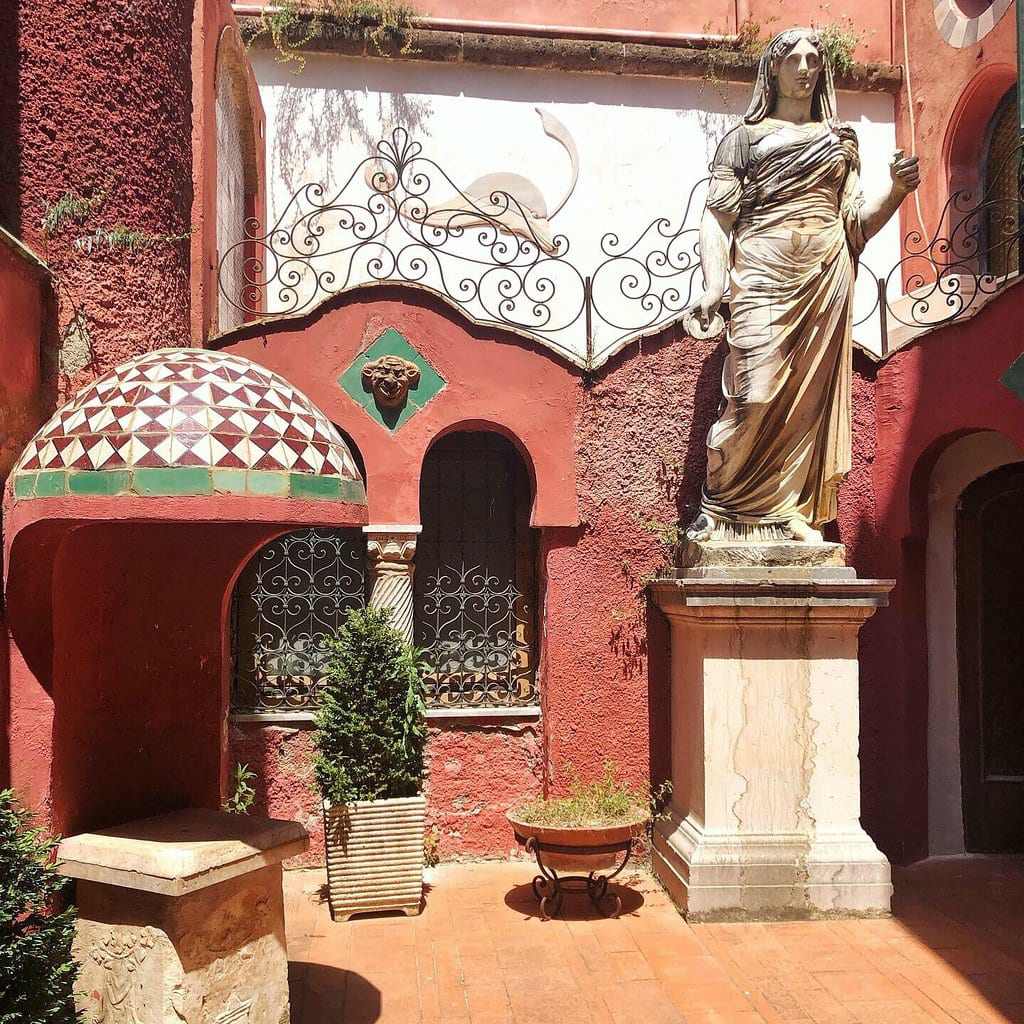
A few minutes from Villa San Michele, along via Giuseppe Orlandi, a vermilion-colored building emerges from the sea of white houses: it is the Casa Rossa, built between 1886 and 1889 at the behest of the eccentric colonel John Clay Mackowen, right next to an Aragonese tower from the late fifteenth century. As Munthe would later do, Mackowen wanted to crystallize his own personality here. At the entrance, the residence greeted visitors with the Greek inscription «Hail, citizen of the land of idleness», inside a porticoed courtyard with the statue of a first-century priestess and artifacts embedded in the walls.
Villa Bismarck and Villa Lysis
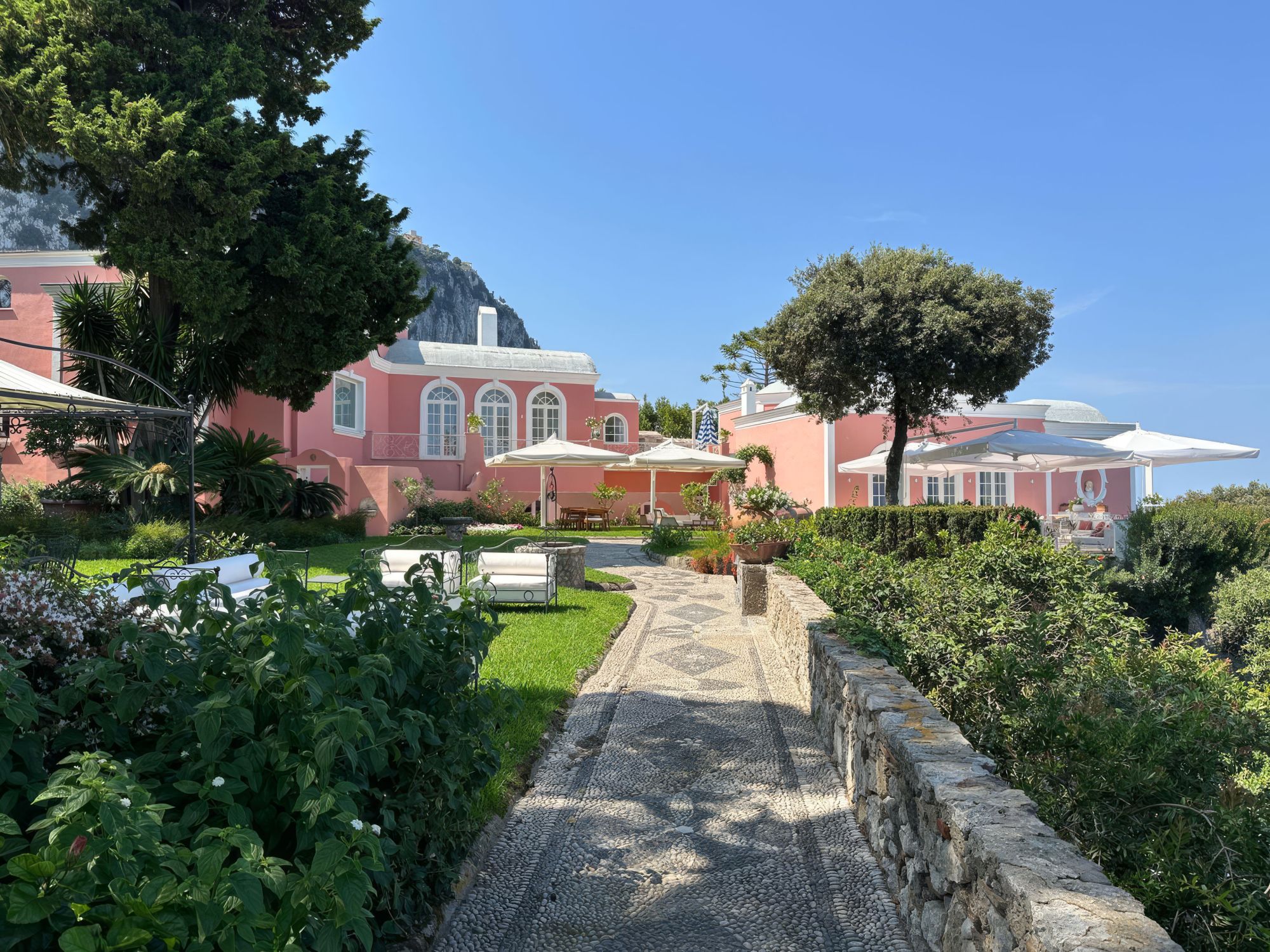
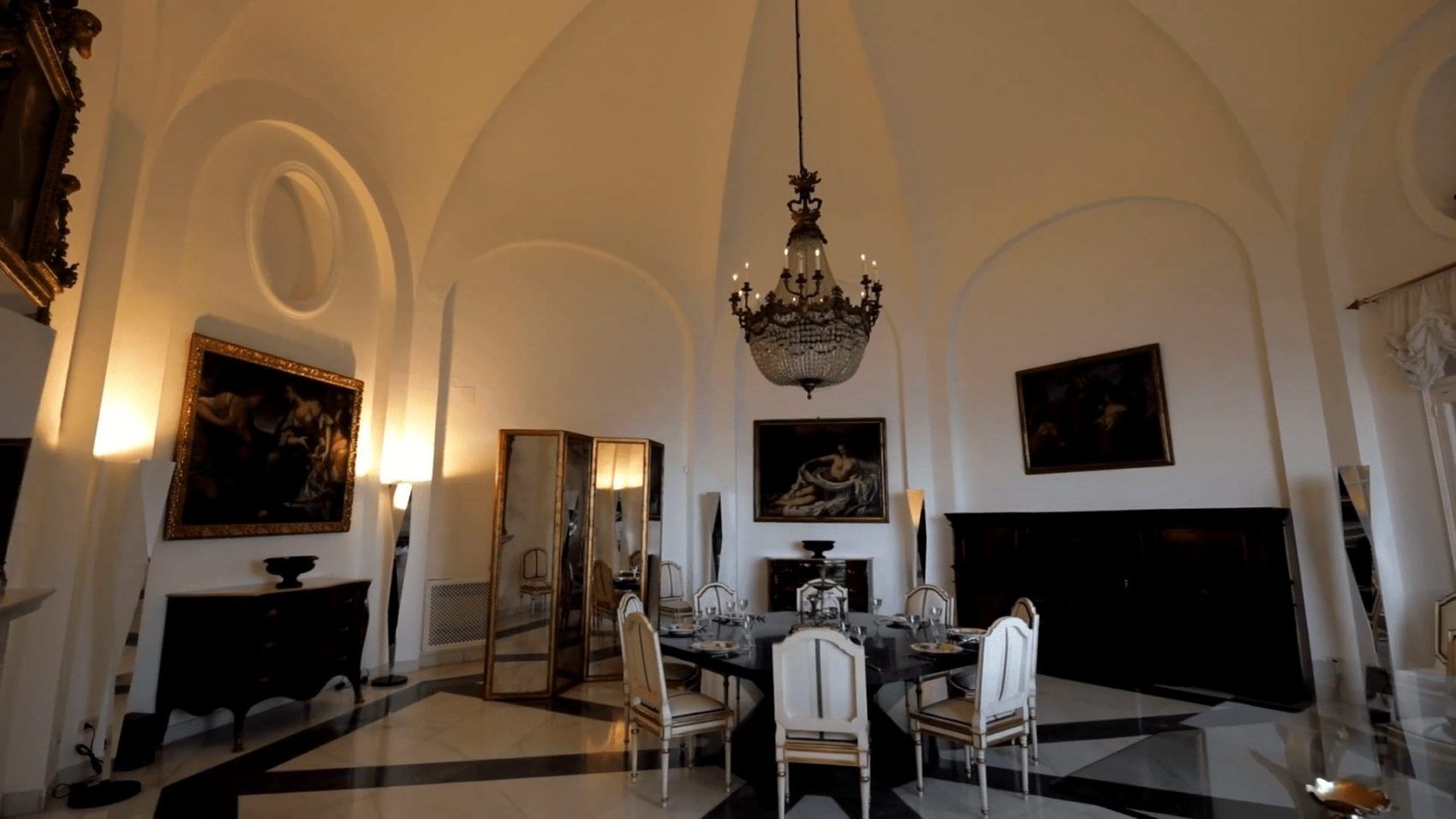
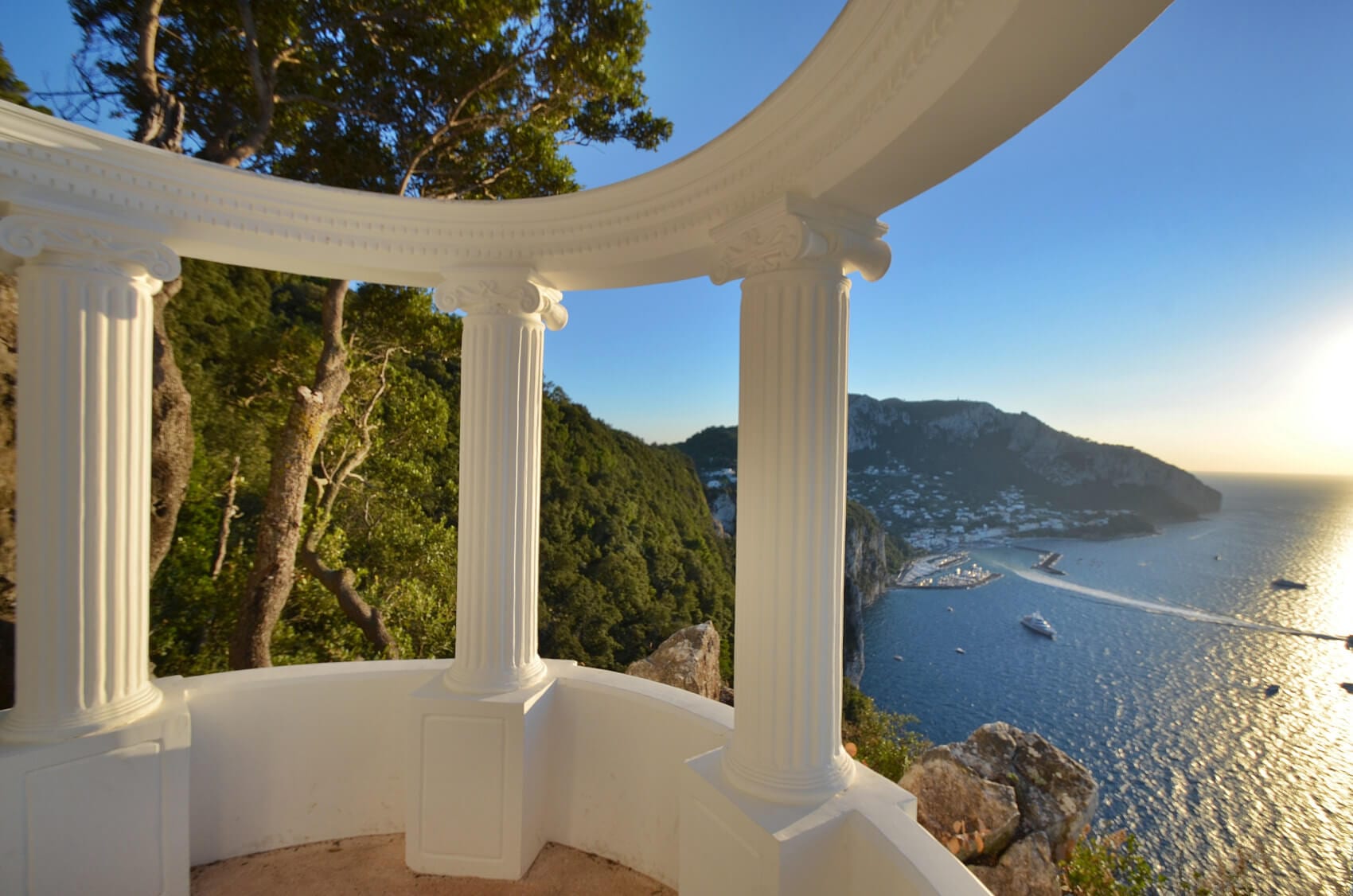
Taking the bus from Anacapri to Marina Grande, between the port and Palazzo a Mare, you reach Villa Bismarck, which everyone on the island still calls Il Fortino, after the lookout fort built in the area during the French occupation. The history of the place is ancient, as it begins with Caesar Augustus and Tiberius, but the person who gave new life to the complex arrived in the twentieth century. Mona von Bismarck, named the most elegant woman in the world in 1933 by Chanel, Molyneux, Vionnet, Lelong and Lanvin, made it her literal stage: frescoed halls, five bedrooms overlooking Marina Grande and a permanent salon for aristocrats, politicians, writers and actors, with guests including Winston Churchill and the Kennedys.
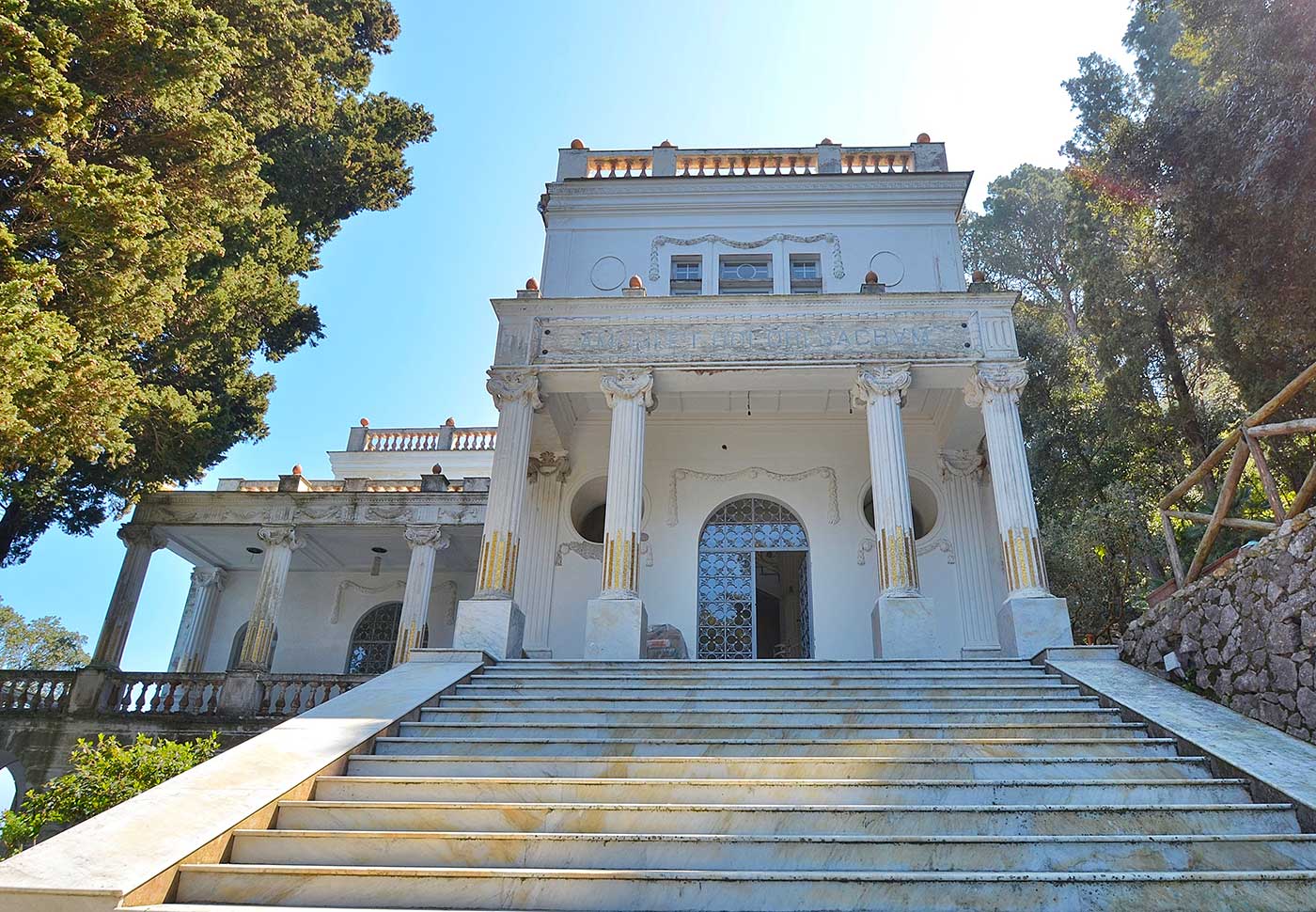
From the Piazzetta, a few minutes' climb along via Tiberio and via Lo Capo lead to the house that Jacques d'Adelswärd-Fersen, poet and baron, had built after a scandal involving some Parisian students made him persona non grata in French salons. If Paris had cast him out, he would find a place where he could take refuge, on twelve thousand square meters of land right next to Tiberius' villa. This villa seems to want to send a message in every detail: its first name was La Gloriette, then came the definitive one, taken from Lysis, the dialogue in which Plato has Socrates discuss friendship.
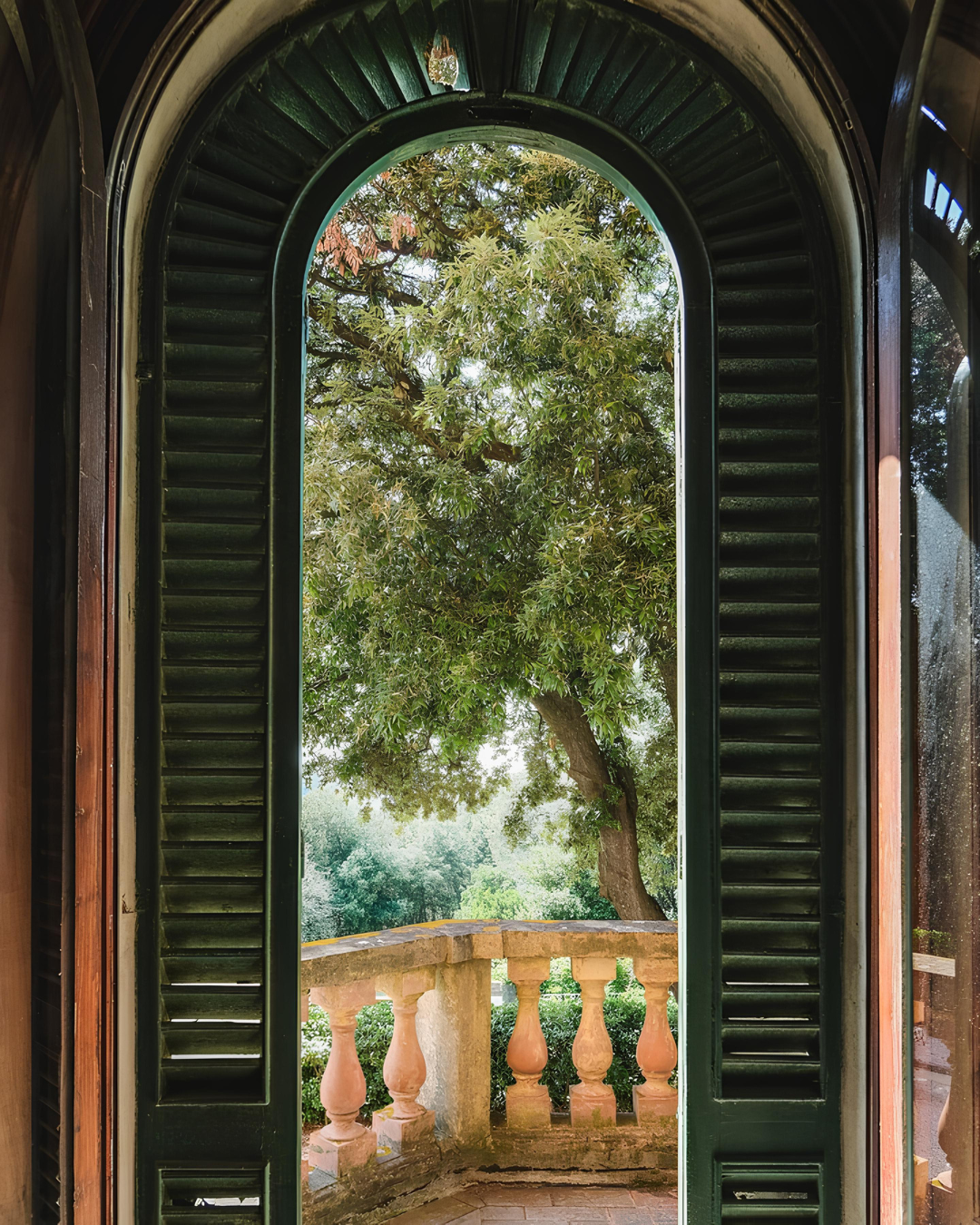
On the architrave, the dedication «Amori et Dolori sacrum», inside marble floors, light-colored stuccoes and historiated columns, in full neoclassical style, and in the atrium a marble staircase with a wrought-iron balustrade. In the main hall, three windows look directly onto the gulf and Vesuvius. Recovered by the Municipality with the restorations of the early 2000s, today the villa is enjoying a new season: it now hosts the Jago Museum Capri.
Casa Malaparte
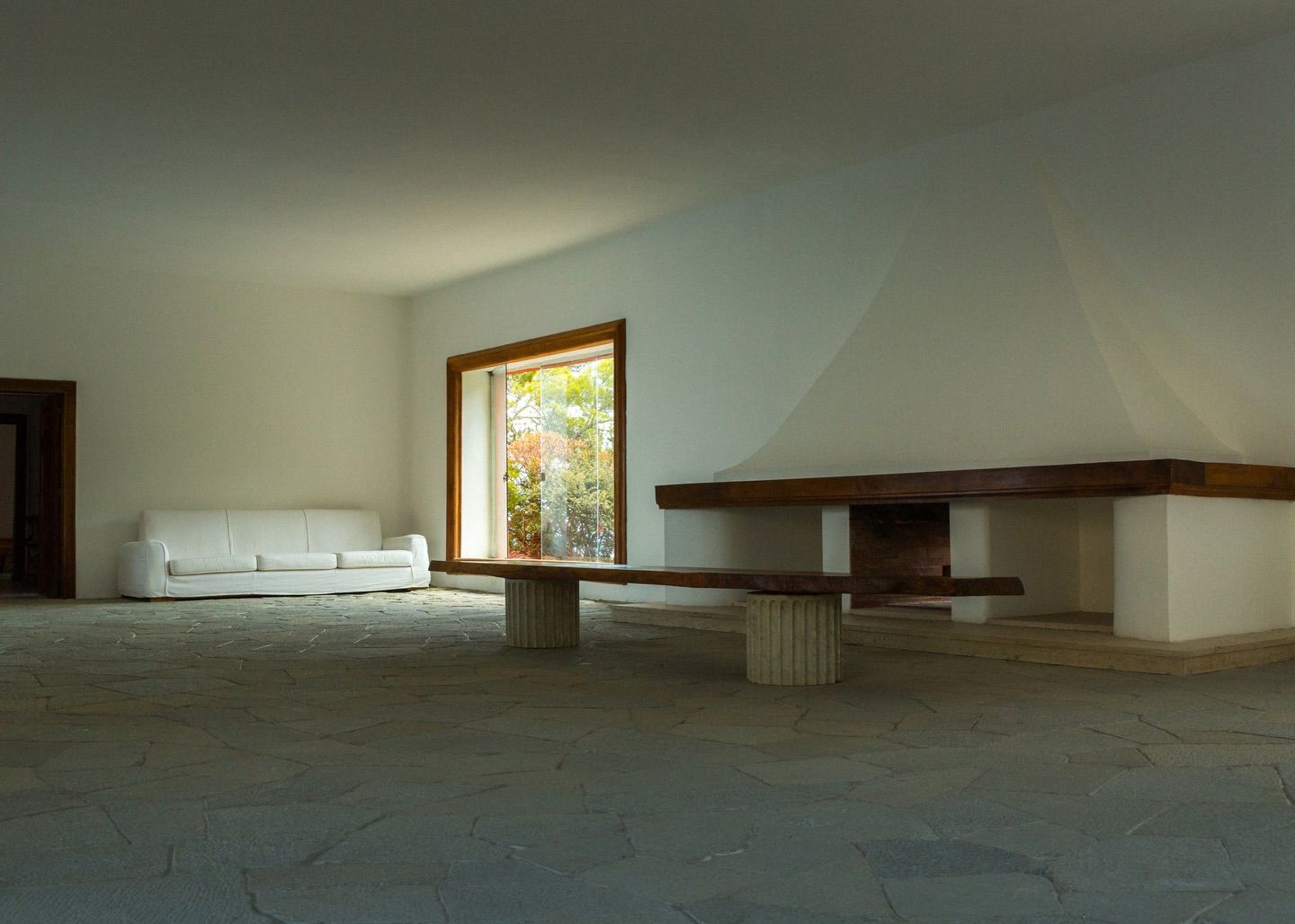
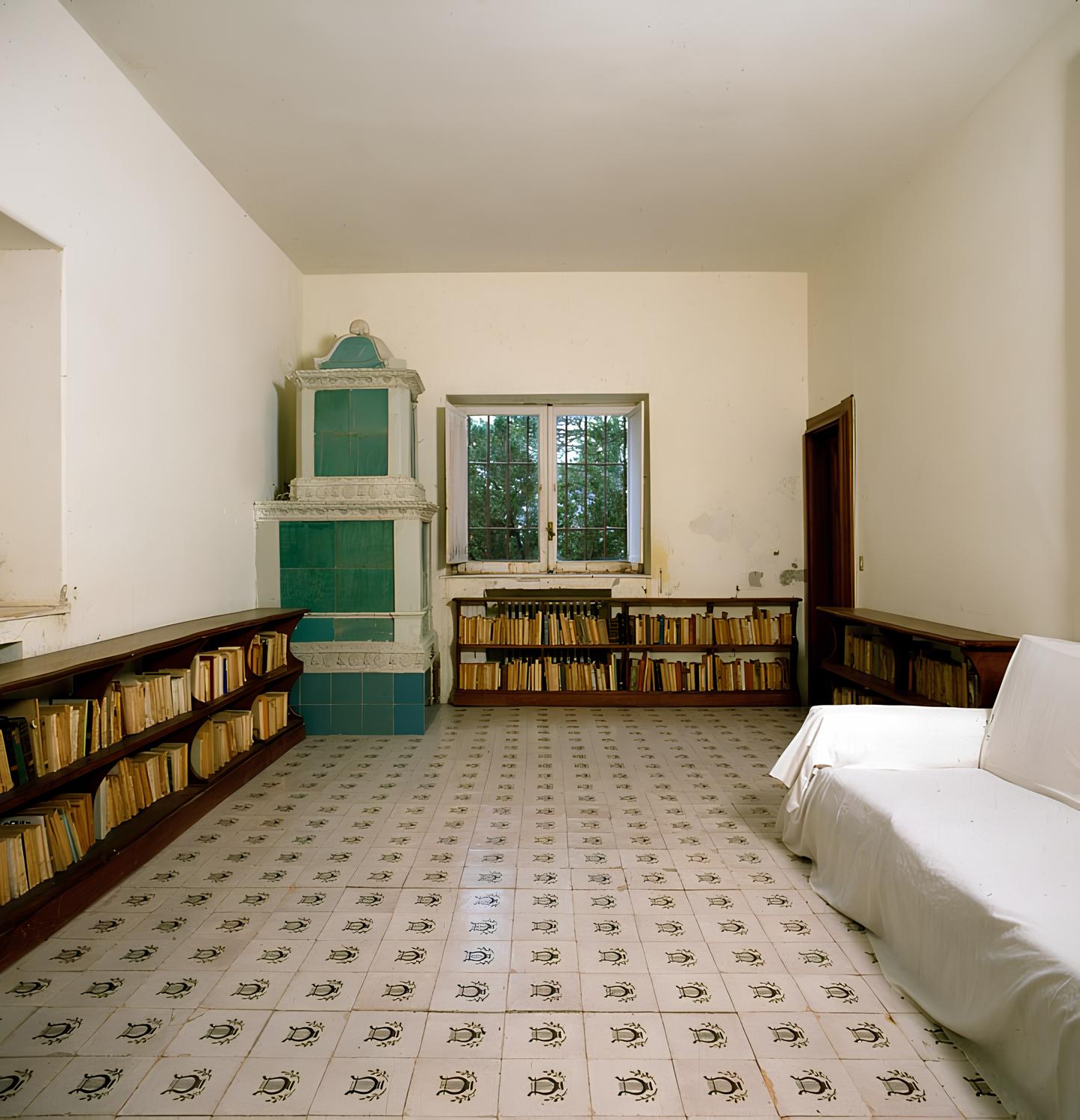
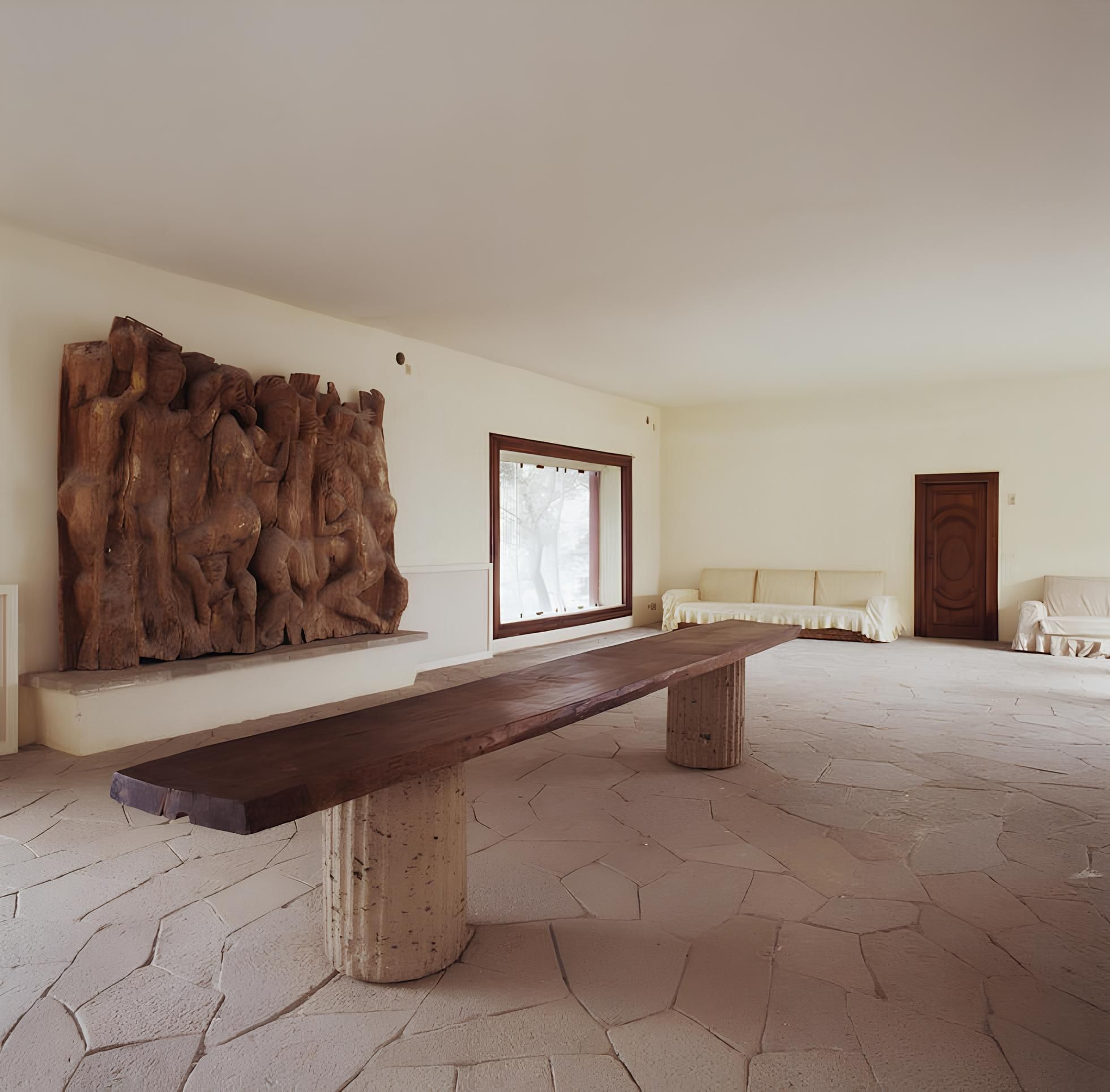
Heading back down towards the center, at the intersection with via Tiberio, you take via Matermania, which leads towards the Arco Naturale. From here, crossing the Pizzolungo path, you descend past the Matermania grotto, skirt the Faraglioni, until on Punta Massullo the red parallelepiped of Casa Malaparte appears. Curzio Malaparte called it «Casa come me» ("a house like me") and its interiors are among the most storied in Italian architecture.
Four squared windows at the four corners and a monumental fireplace with a hood that curves up to the ceiling. The windows are full-glass, treated like paintings: the one next to the fireplace frames the Faraglioni within a real frame, almost as if it were a painting. In 1963 Godard brought these spaces into Contempt, with Brigitte Bardot lying in the sun on the roof, and since then the house has never stopped working. It is featured in Karl Lagerfeld's photographic book and in campaigns for Louis Vuitton and Saint Laurent, and more recently Jacquemus staged his FW24 collection show here.