October 12th, 2026
Graphic Days returns to Turin and talks about "Disorder" The interview with Ilaria Reposo and Fabio Guida, creative directors of the festival dedicated to visual and social design
Graphic Days, the festival that for eleven years has been bringing international graphic design and social design to Turin, returns from October 15 to 25 in the Barriera di Milano district, where for ten days more than sixty international guests, 15 exhibitions, talks, workshops, performances, DJ sets and a packed calendar of activities come together. Two still-active construction sites belonging to Gruppo Building serve as this year's venue, transformed for the occasion into exhibition halls and meeting spaces — a choice that openly engages with Disorder, the edition's theme. A single word to describe a present shaped by too much information, rapidly changing technologies, conflicts and languages that cross-pollinate one another.
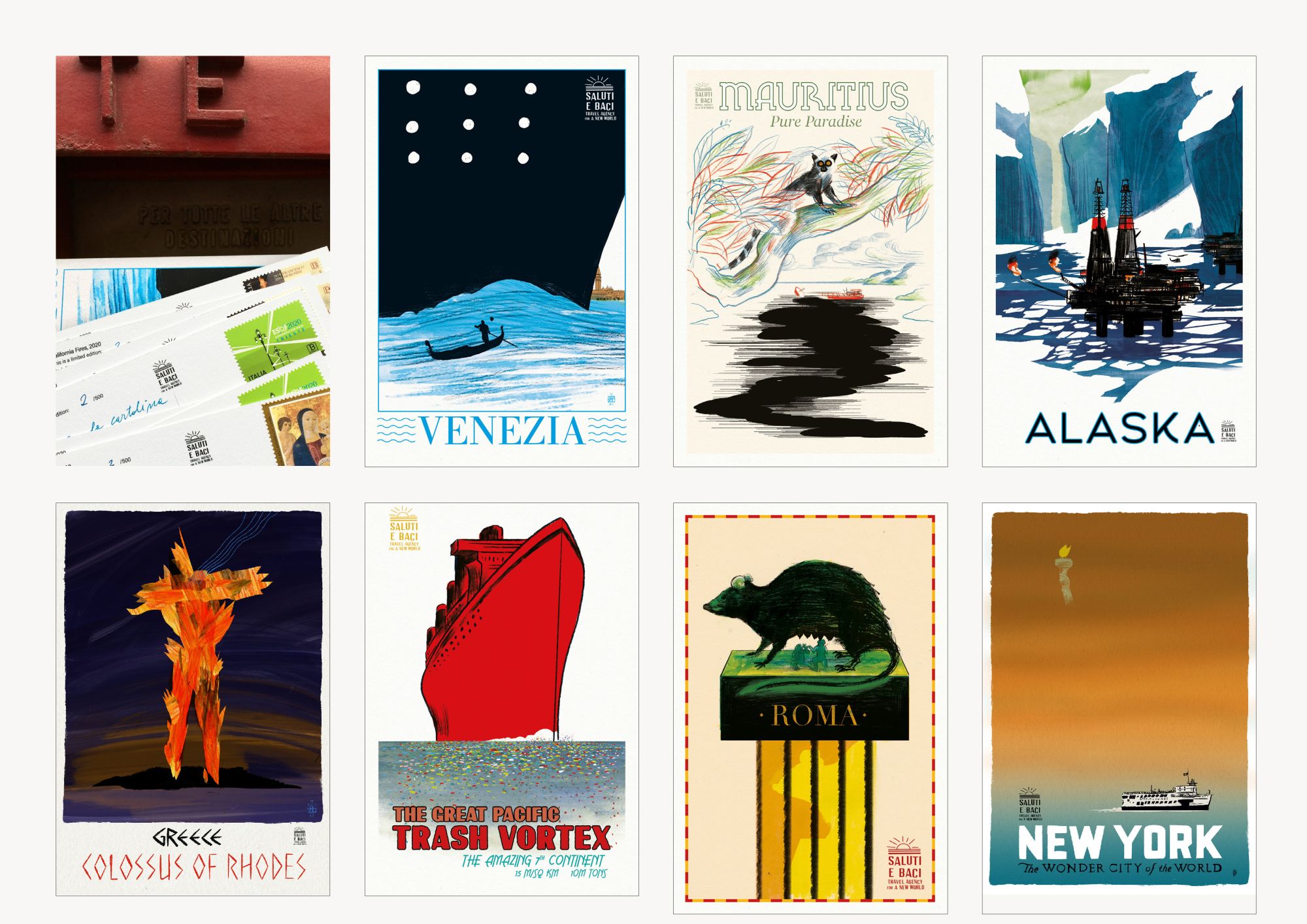
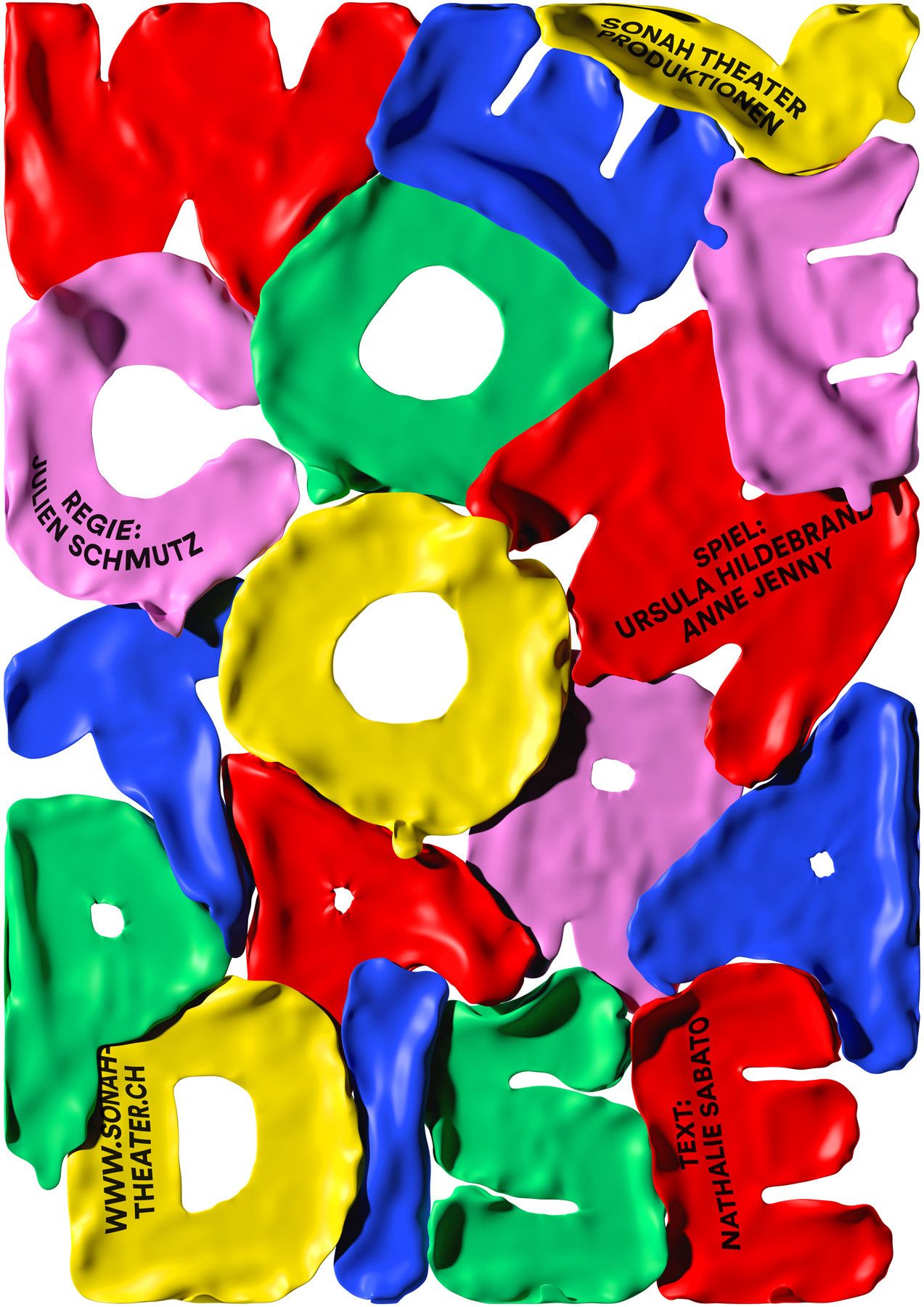
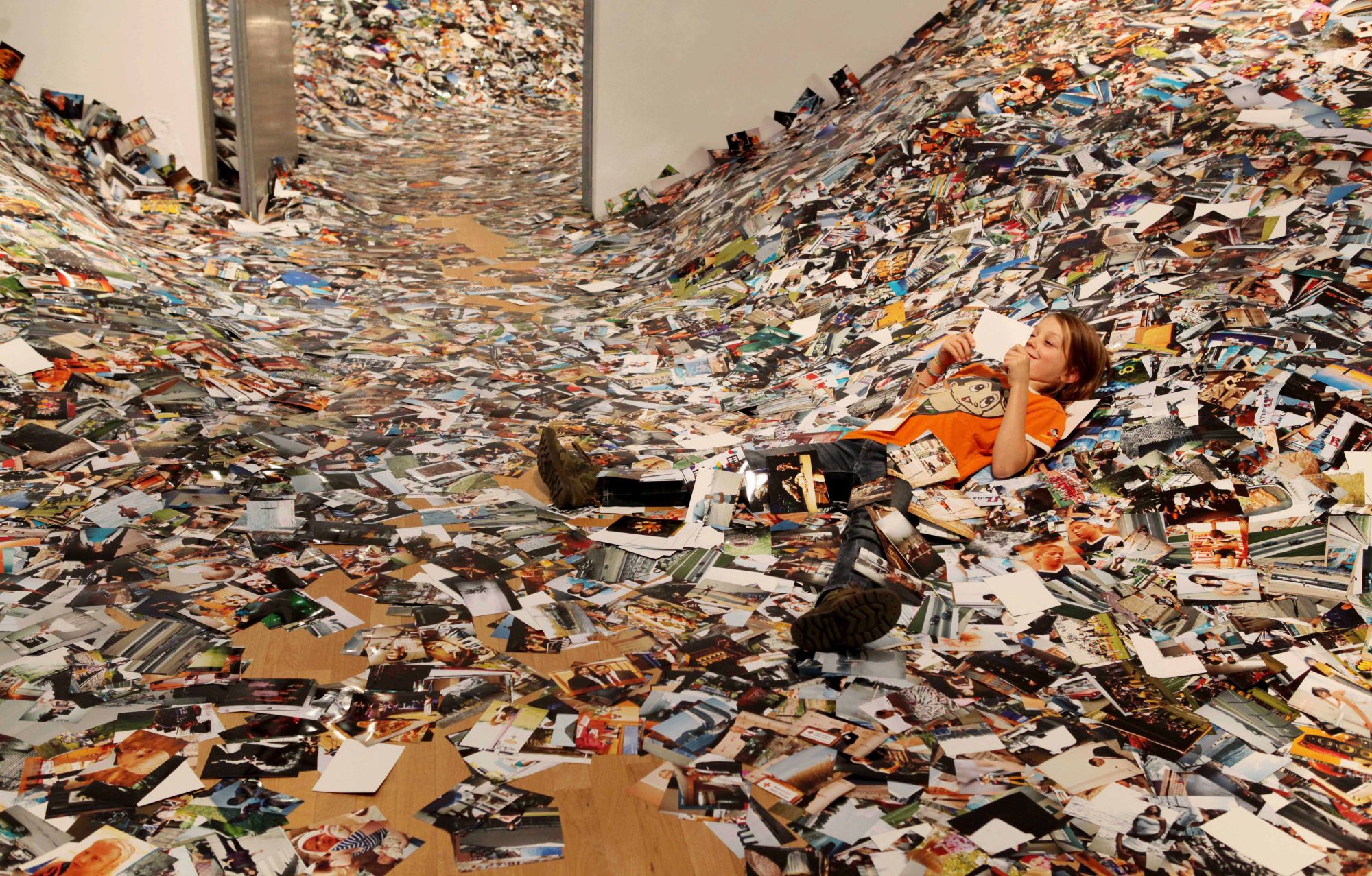
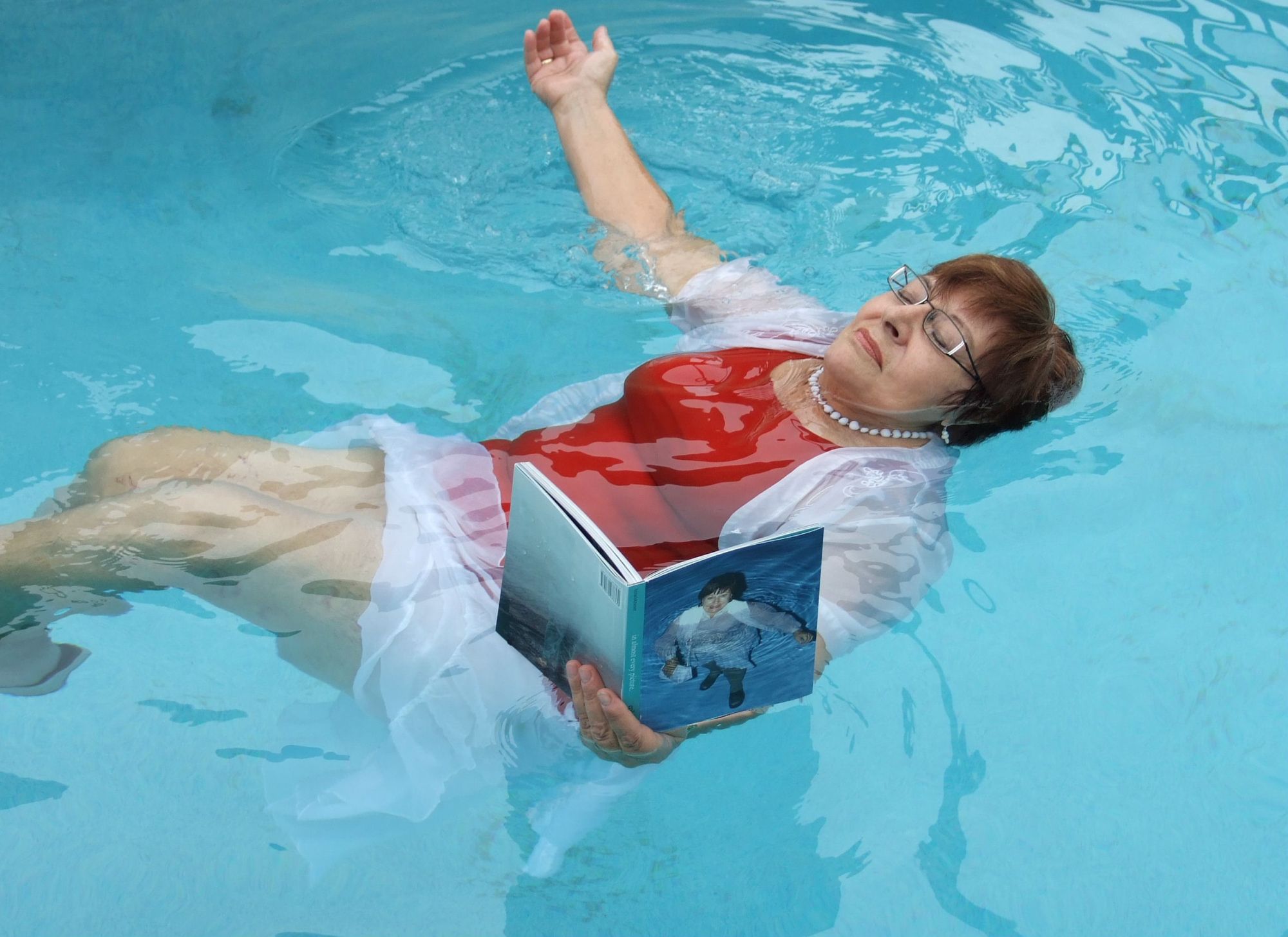
Among the names on the programme are Erik Kessels, Verònica Fuerte, Quim Marin, Johanna Jaskowska, Dutch studio YONK and Felix Pfäffli, while the exhibition itinerary moves from poster art to typography, from animation to augmented reality, from video games to artificial intelligence and the most experimental practices, through to HONDON, the exhibition that, one hundred years after Hangeul Day, retraces the origins of the Korean alphabet. Beyond the construction sites, the festival continues across some twenty venues scattered throughout the city — studios, agencies and Turin's creative organisations — reaffirming the international vocation that has defined it since its very first edition. We spoke about it with Ilaria Reposo and Fabio Guida, creative directors of Graphic Days.
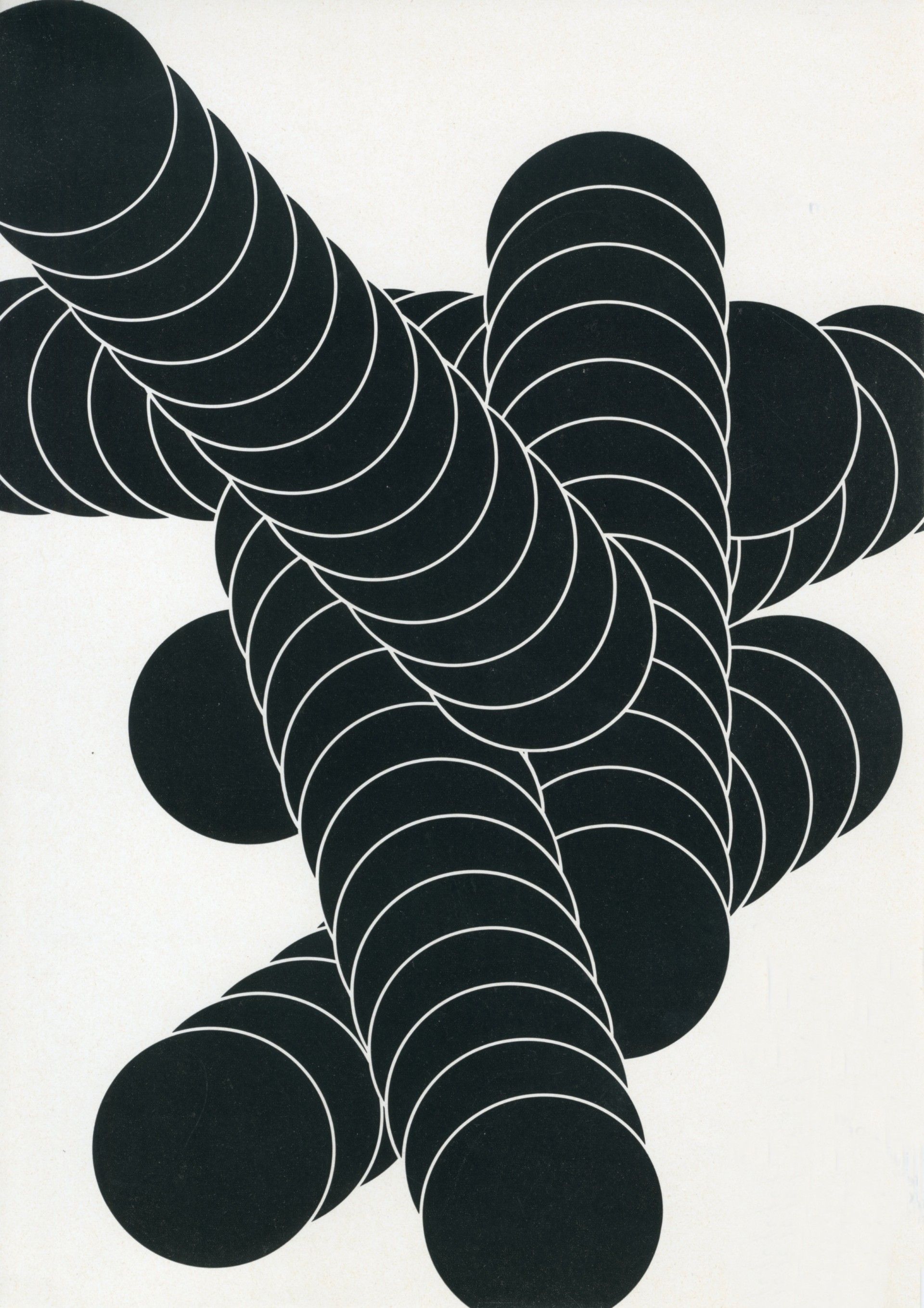
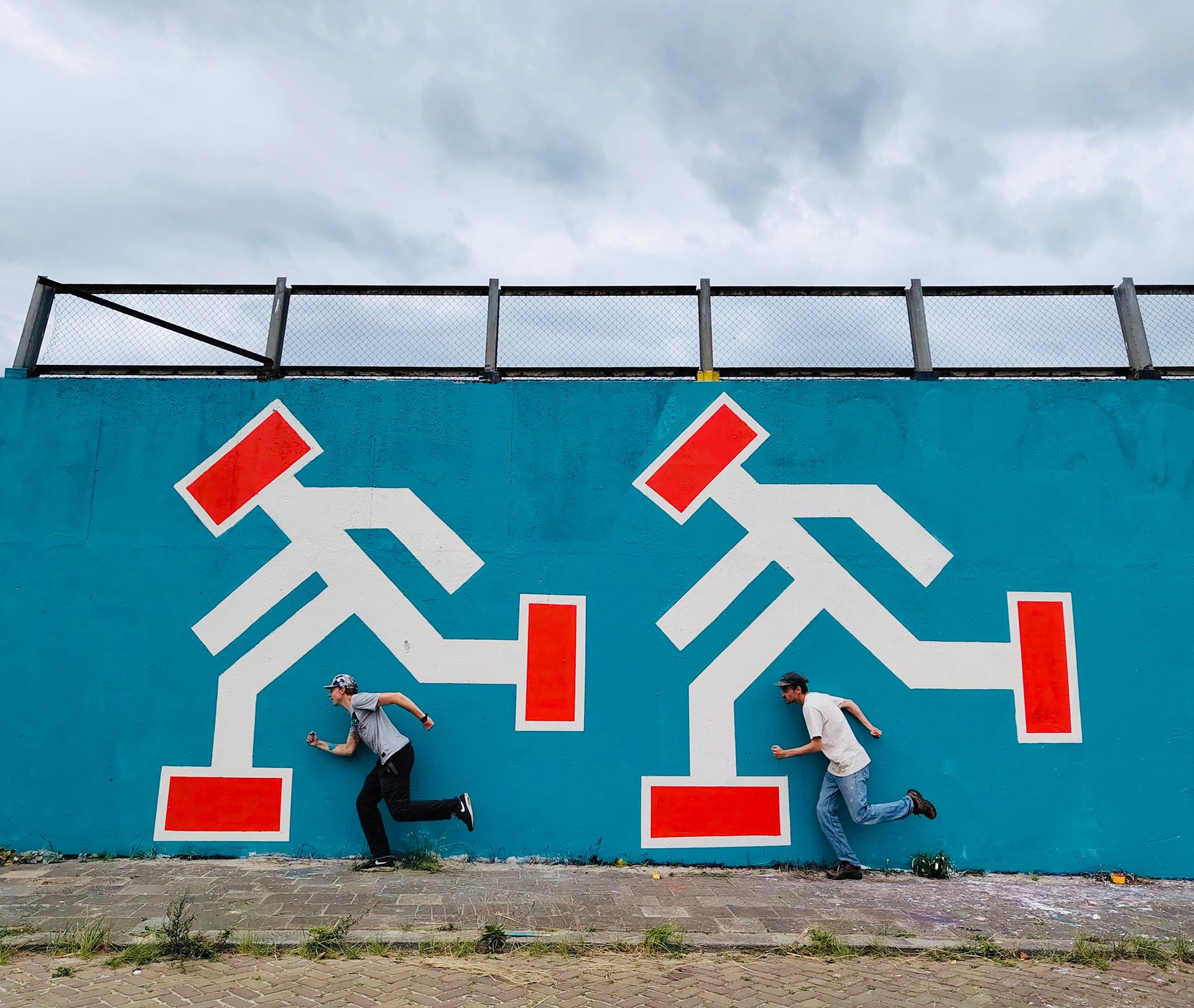
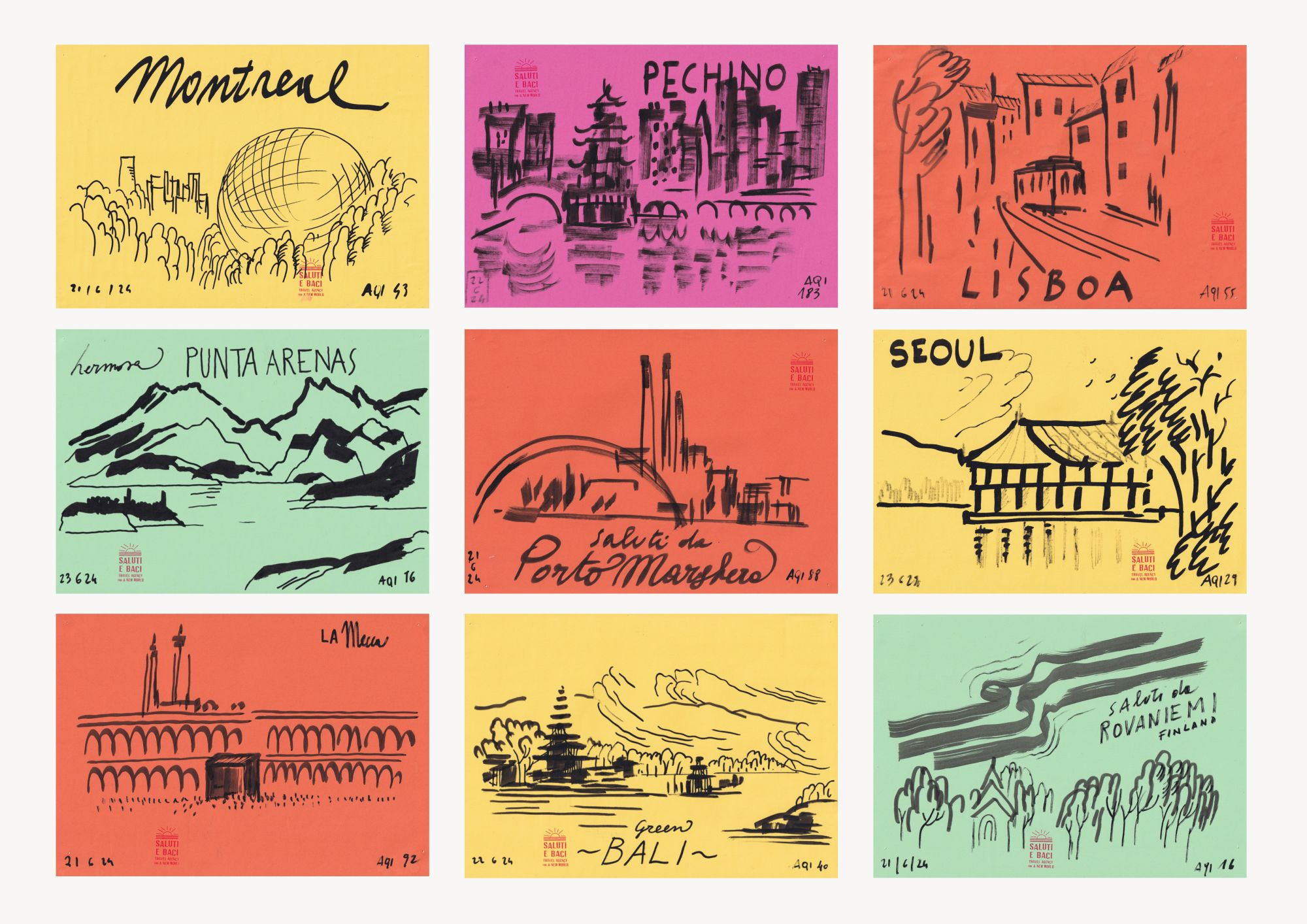
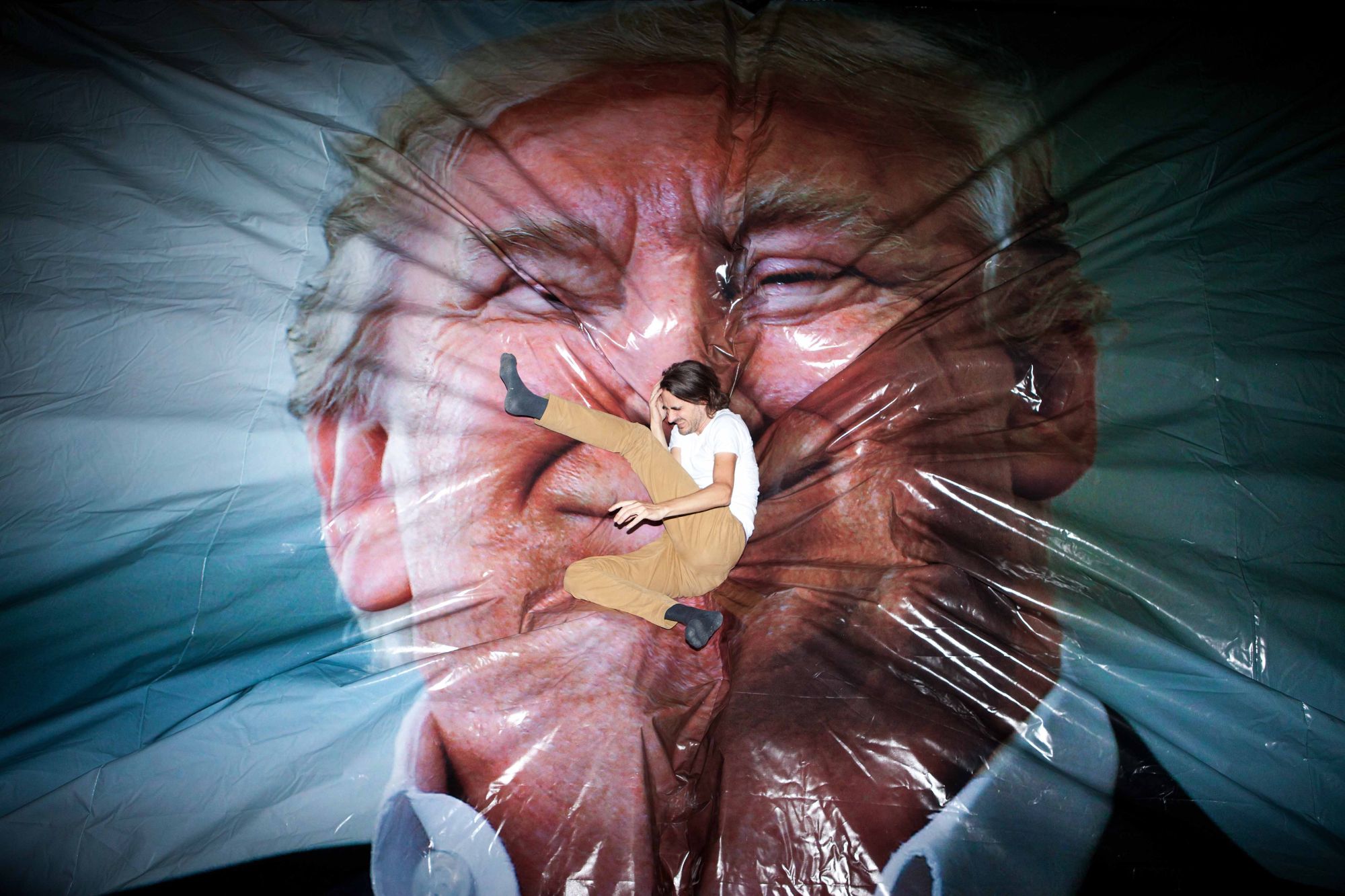
Graphic Days has reached its eleventh edition. How did the project come about, and what did you feel was missing at the time from the Italian design and visual communication scene?
The project was born from the desire to bring to Turin, as the first in Italy, the most significant figures from the international visual design scene — so that through their stories they could engage an audience of young professionals with a stimulating festival, both through talks and seminars and through curated exhibitions.
Through your travels and exchanges with foreign festivals and institutions, is there something you discovered and subsequently brought into Graphic Days?
Absolutely! Since 2017 we have been an active part of a network of international festivals doing the same work as us, committed to conveying as effectively as possible the passion and values tied to the cultural promotion of the visual design world. Some relationships — including our collaboration with the Polish Graphic Design foundation and the Embassy and Consulate General of the Netherlands in Italy — have grown stronger over time.
And which international scenes are currently sparking your curiosity the most, and why?
Lately we have been drawn to the creative expressions and experimental languages emerging from the North African region, which we would like to explore soon. We are also strongly attracted to the output of Asian countries, which are extraordinary for their technological and performative contributions.
The theme chosen for this edition is Disorder. What contemporary phenomenon or sense of unease made you realise this was exactly what you needed to address?
The theme of Disorder arrived naturally, prompted by a collective unconscious that increasingly blurs and confuses hierarchies, levels of importance and attention, making even our visual perception of the phenomena around us paradoxically uncertain. Disorder is the reality we are immersed in — complex and exhaustingly tangled — in which the designer is called upon to shed light, to intervene and to provide a direction that is clear and universally valid, thoughtful and respectful.
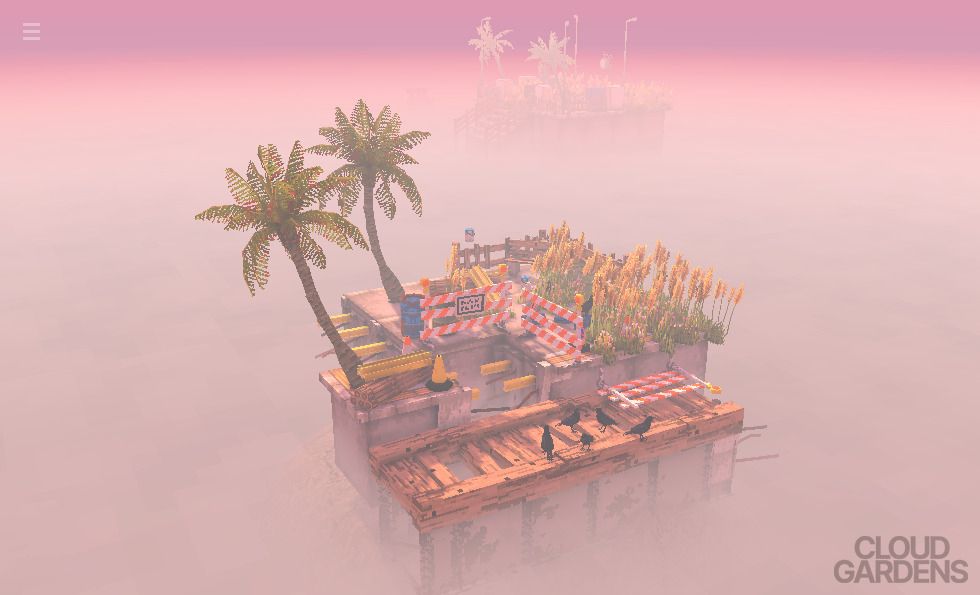
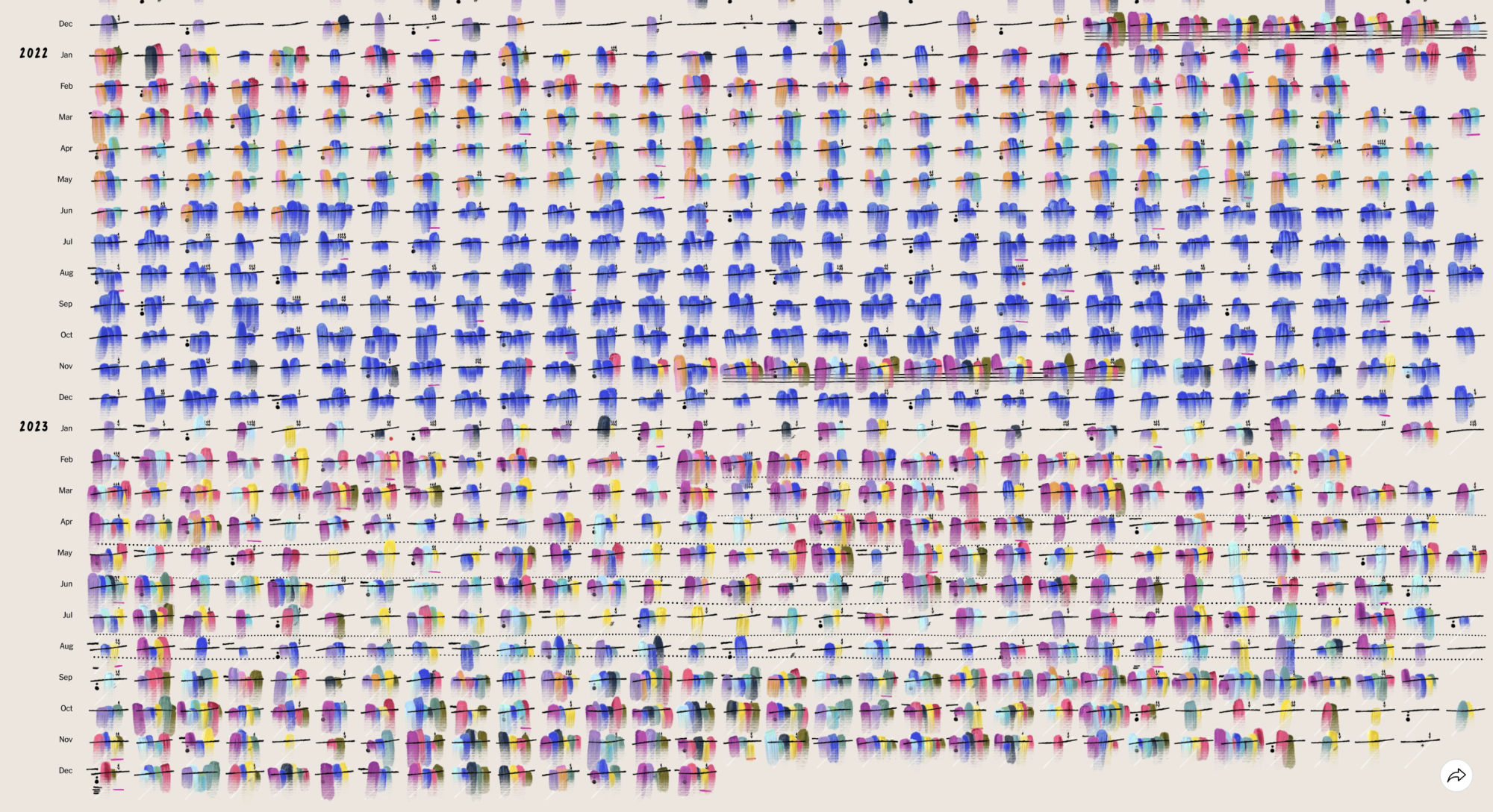
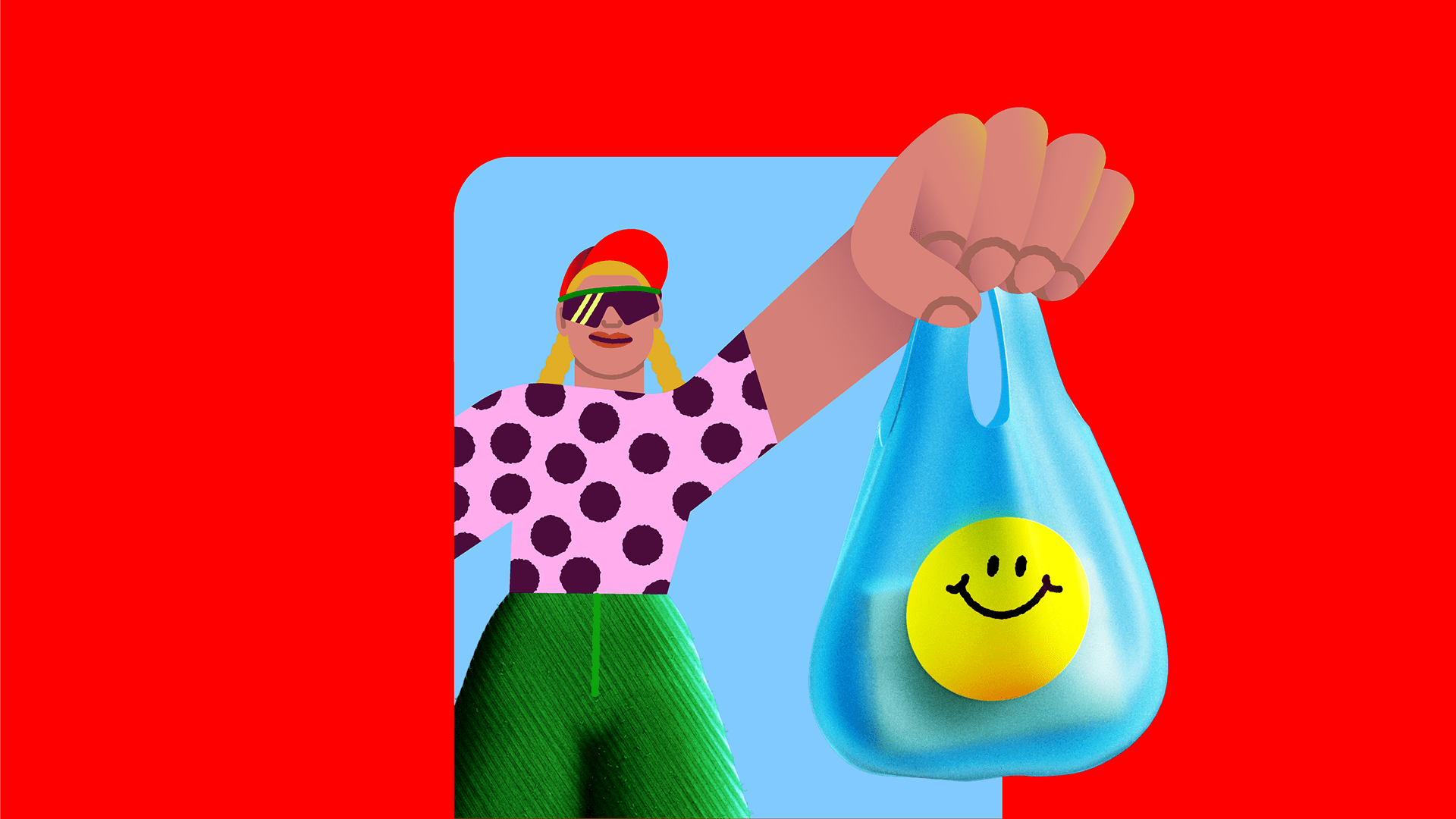
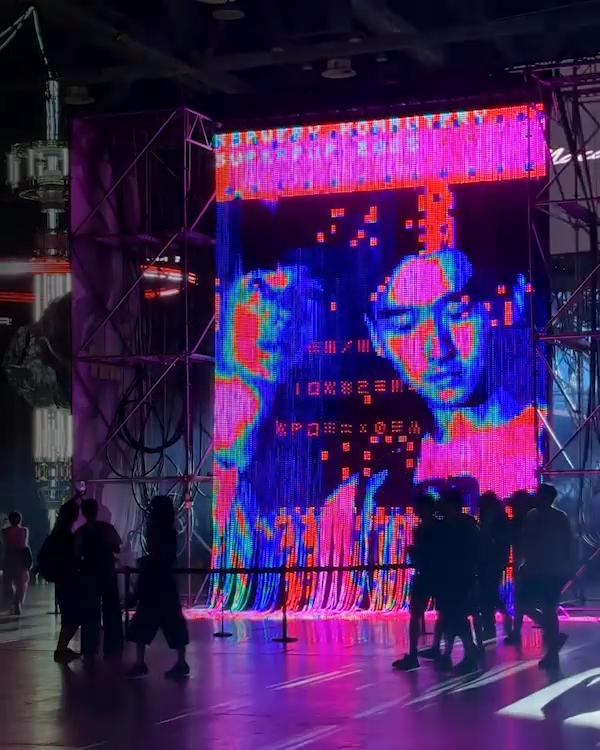
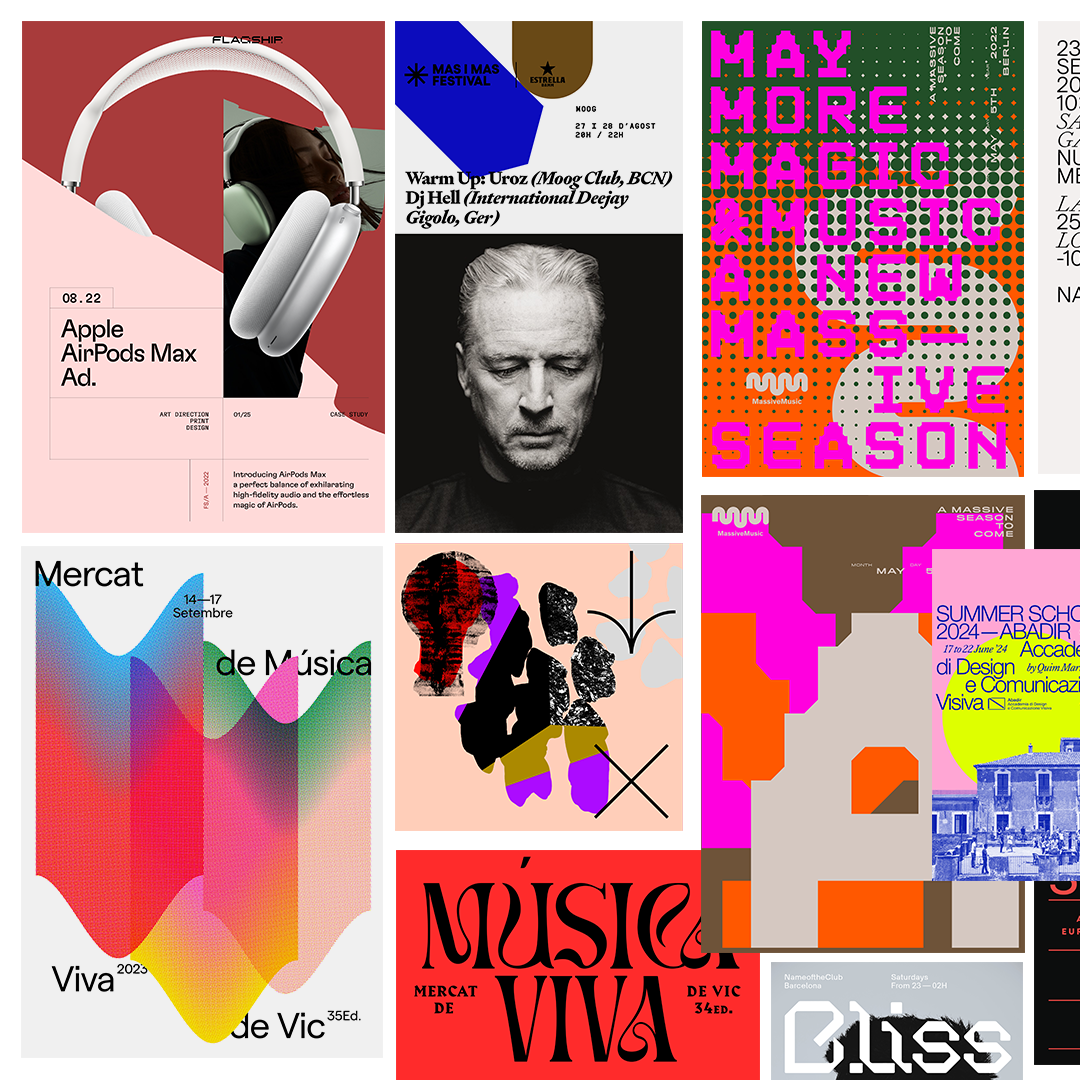
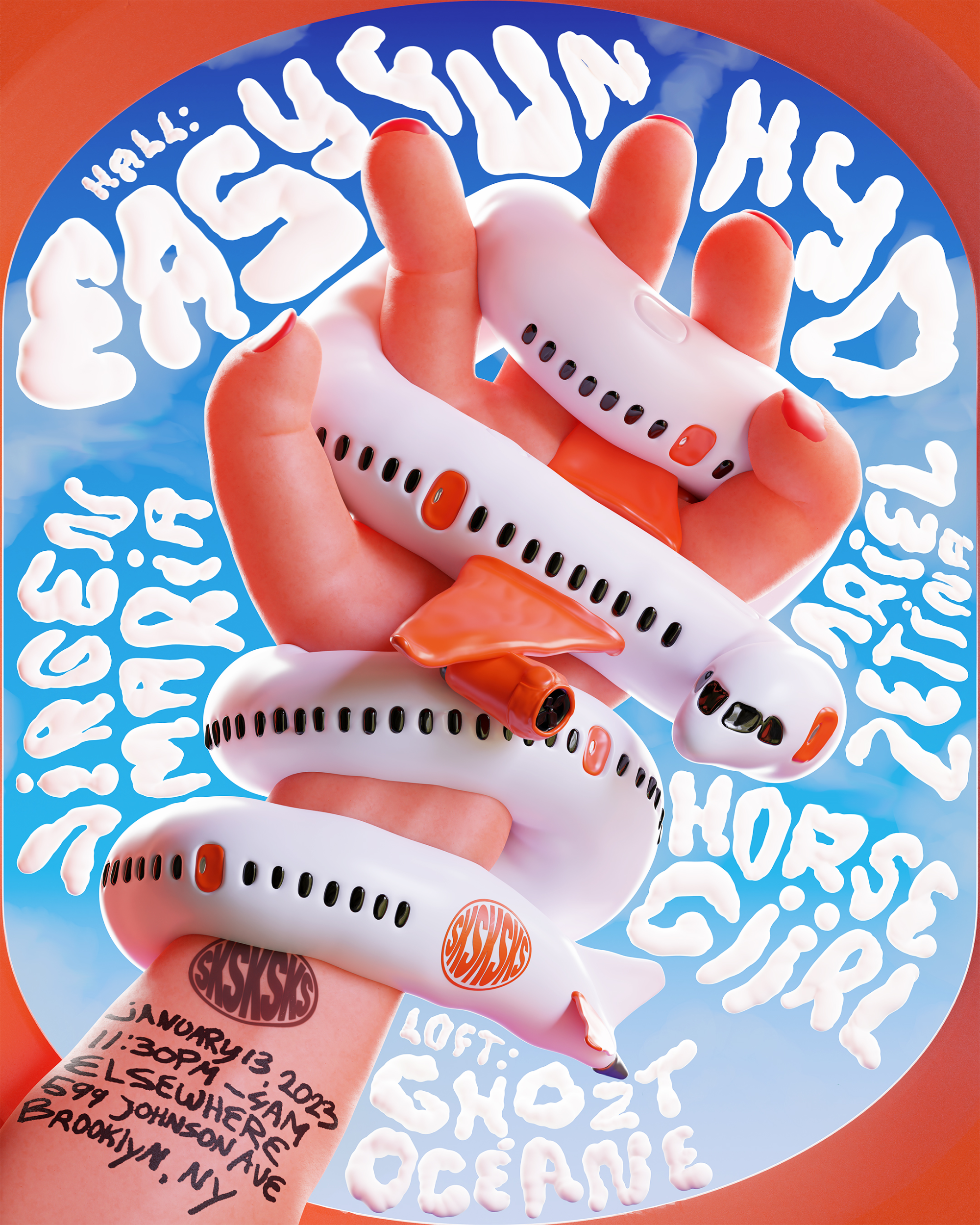
A complex reality that this year is also reflected in the venue: you chose two still-active construction sites, at Via Banfo 43 and 16. How important was it to you that Disorder could be felt physically, even before encountering it in the exhibited works?
The Building Group construction sites offer us the opportunity to express our research and curatorial vision within a suspended space-time — like a 10-day festival — a temporary event that we nonetheless hope will leave a mark. For this reason, our intention this year is to extend the festival outward, into the Barriera di Milano neighbourhood, with a programme of workshops and exhibitions dedicated to children, families and young people. The aim is to encourage participation and engagement with artistic production in a highly polarised area with the highest population density and a very high concentration of foreign residents under 18. On Sunday, October 25, there will be a large street party that will also showcase the outcomes of the workshops we carried out with the Pestalozzi primary school on Via Banfo, which opened this very year.
And speaking of new generations, Graphic Days hosts and gives space to emerging designers every year. We often hear about what young people can learn from those who have been working in the field longer — but what have you learned from them?
Courage, the drive to make work and assert one's own voice, the pleasure of participating and sharing — something one tends to lose over time, in the daily grind. Our call Neologia, dedicated to under-30s, transmits to us every year a powerful energy that is unleashed on the most moving day of the awards ceremony.
Finally, looking ahead to the next ten years, what transformation would you like to see in Graphic Days? Is there a dimension the project has not yet reached but that you are working towards?
Continuing to produce the festival is already a very ambitious achievement in itself — nothing to be taken for granted, and more challenging with every passing year. Each edition is different and the bar inevitably rises, while certain constants remain, such as the balance between analogue and digital experiences that engage audiences with multiple stimuli and activities. We are like tightrope walkers who must calibrate innovation and authenticity, rigour and boldness, keeping their gaze fixed straight ahead. We dream of reaching an ever-wider audience, drawn in by our content — perhaps by taking to the streets and squares of cities to meet people and create genuine social design through public-interest activations.