October 7th, 2026
Everything Italy has hidden underground A tour of five underground cities built for every purpose
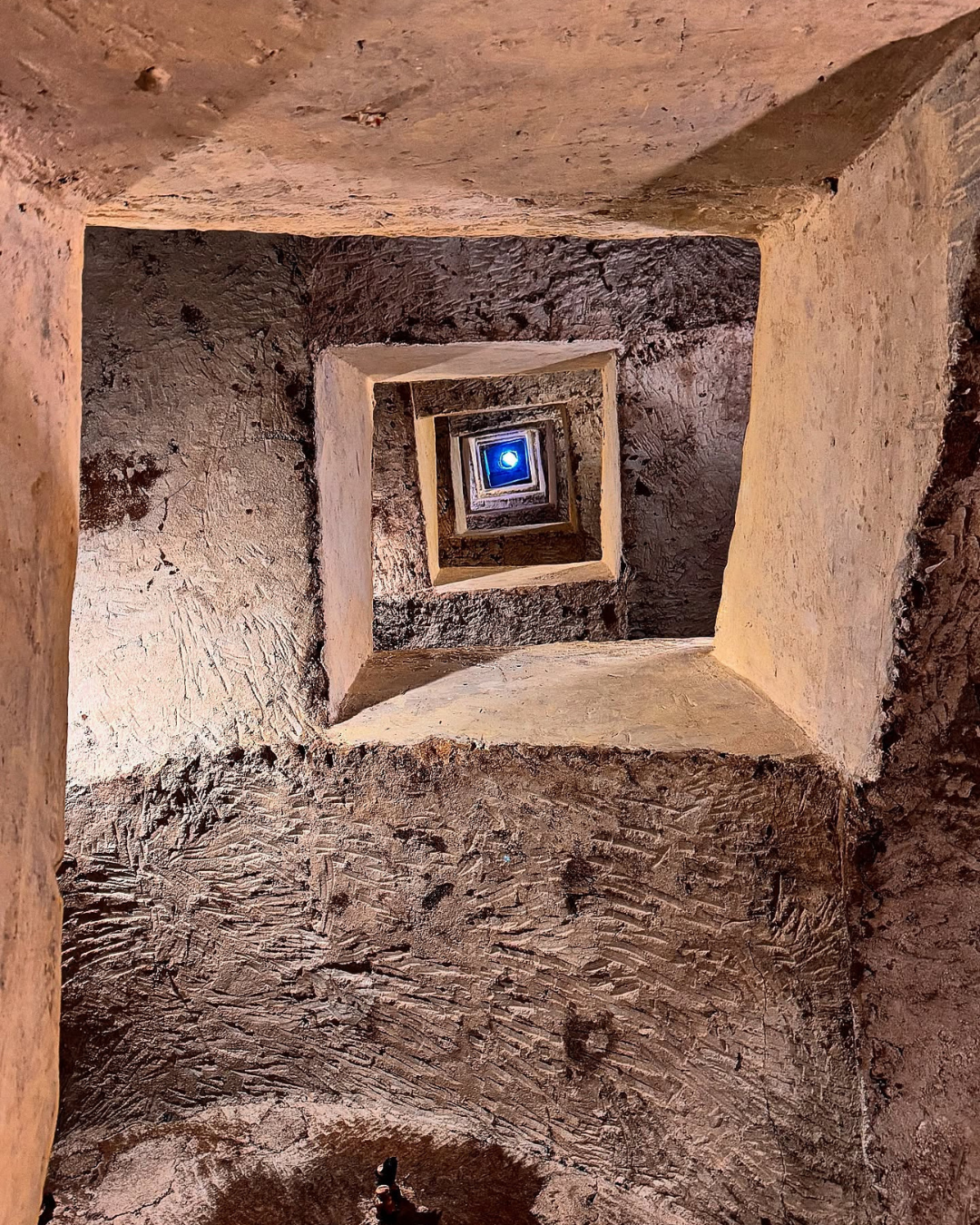
Many cities in Italy are built on top of themselves, because for millennia digging was the simplest way to solve a variety of problems. Tuff, calcarenite and sandstone are easy to work with and can support whatever is built above them for centuries, so the city on the surface grew while another one remained below, soon forgotten. Almost all of Italy's underground cities share a story like this — places just a few metres beneath our feet, rediscovered by someone by chance, without ceremony, amid the dust.
Naples, a city beneath a city
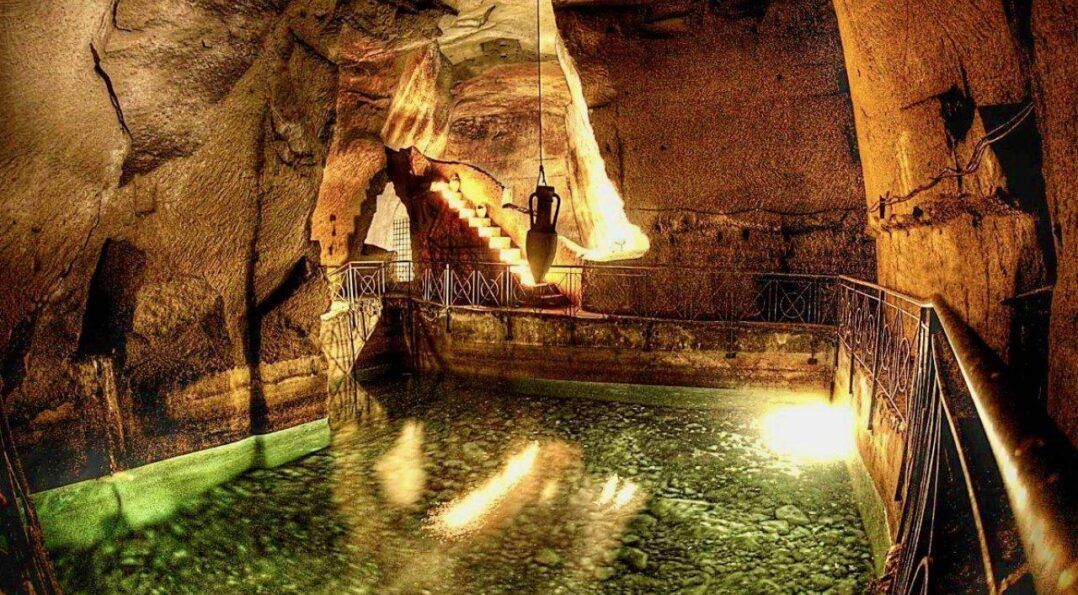
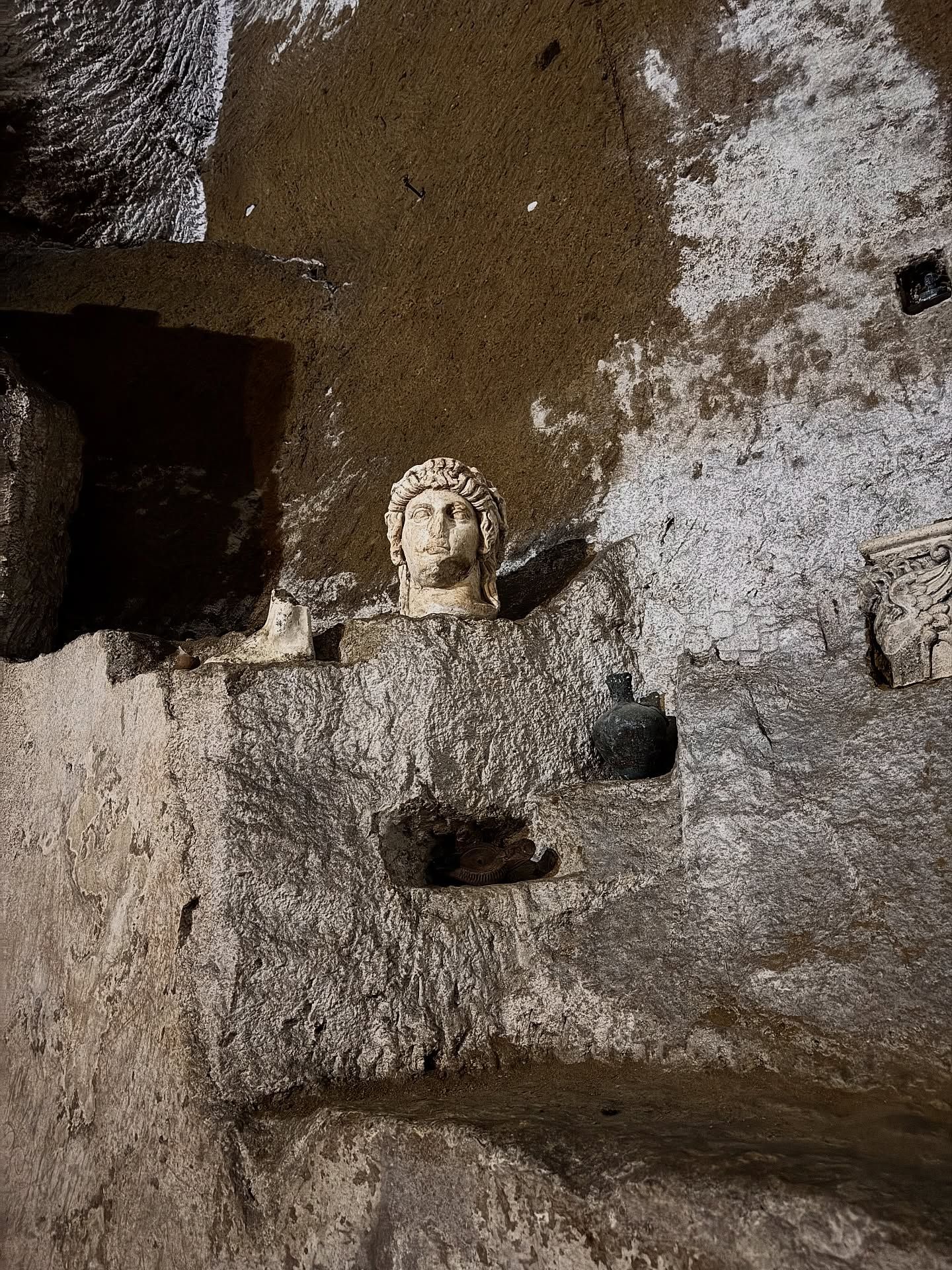
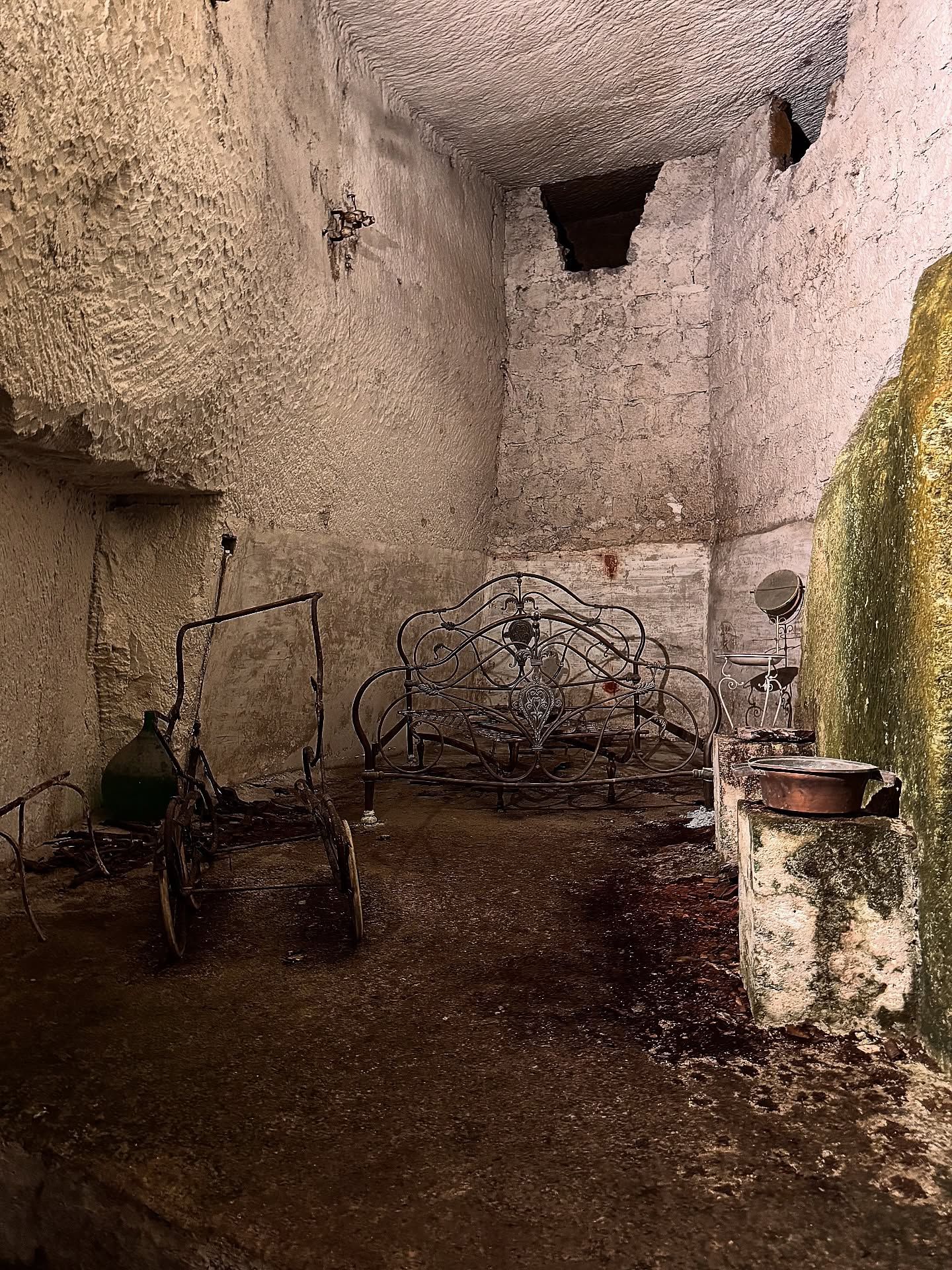
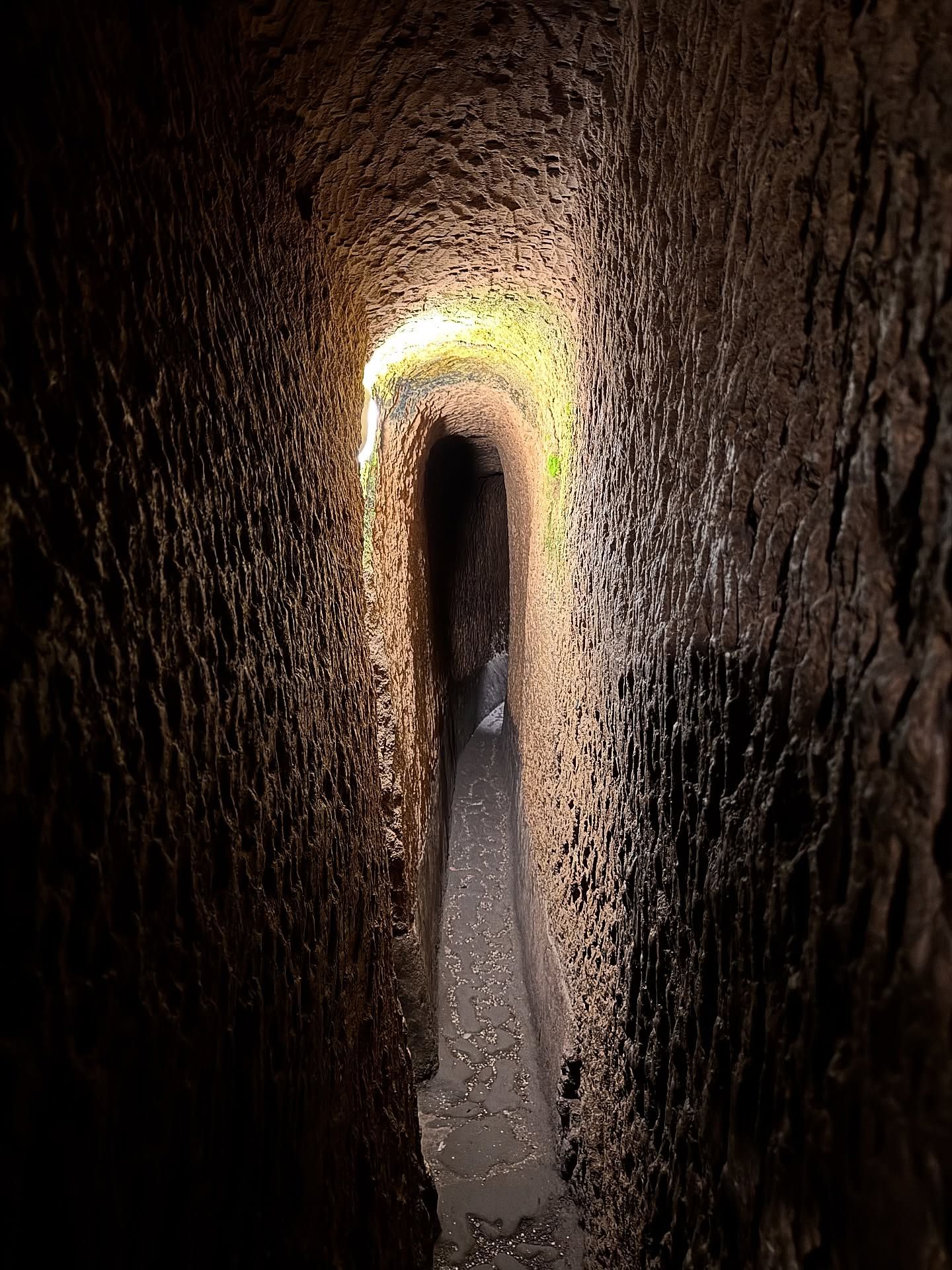
In the late 1980s, a group of young people led by Enzo Albertini began descending beneath Piazza San Gaetano, in the historic centre, to reopen tunnels that for decades had served only as dumping grounds for rubble. They had no funding — neither public nor private — and no archaeological project behind them, only the curiosity to understand how far that world extended, just one degree of separation from the alleyways they walked every day.
They reached forty metres below street level and, digging beneath the houses of Vico Cinquesanti, found the upper section of the cavea of the Greco-Roman theatre, absorbed into the buildings constructed over the centuries that followed. From that work grew the association that still manages visits today, taking its name from a book written nearly a century earlier: in 1889, Guglielmo Melisurgo, a municipal engineer, had descended to describe the cavities beneath the city for the first time, titling his volume Napoli Sotterranea.
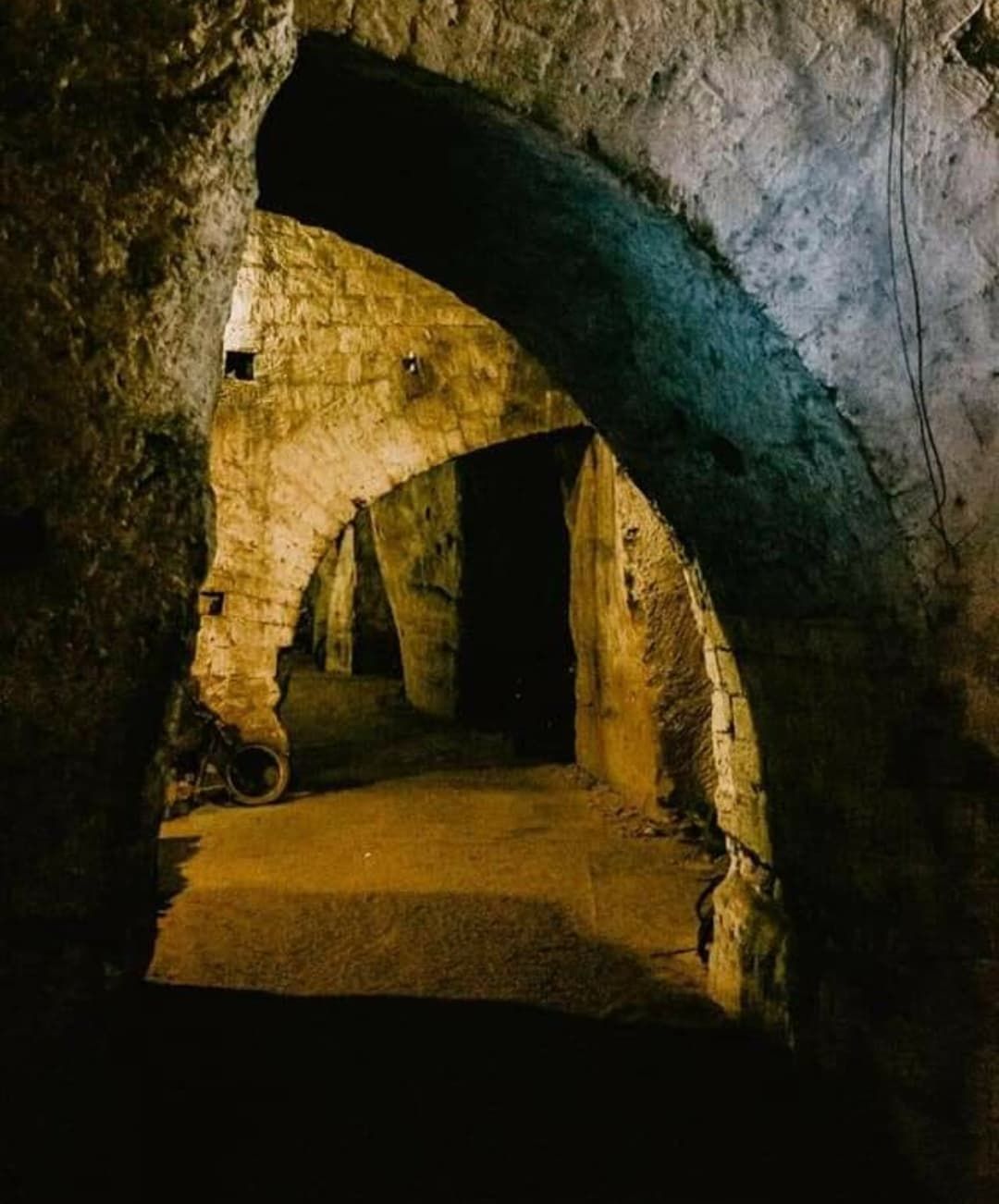
The catalogued cavities cover approximately nine hundred thousand square metres, and new ones are still being discovered, sometimes during the excavation of new metro lines. It all began in the 3rd century BC, when the Greeks extracted yellow tuff for walls and temples. Every block brought to the surface left a void below, and as Naples grew upward, it was hollowed out downward.
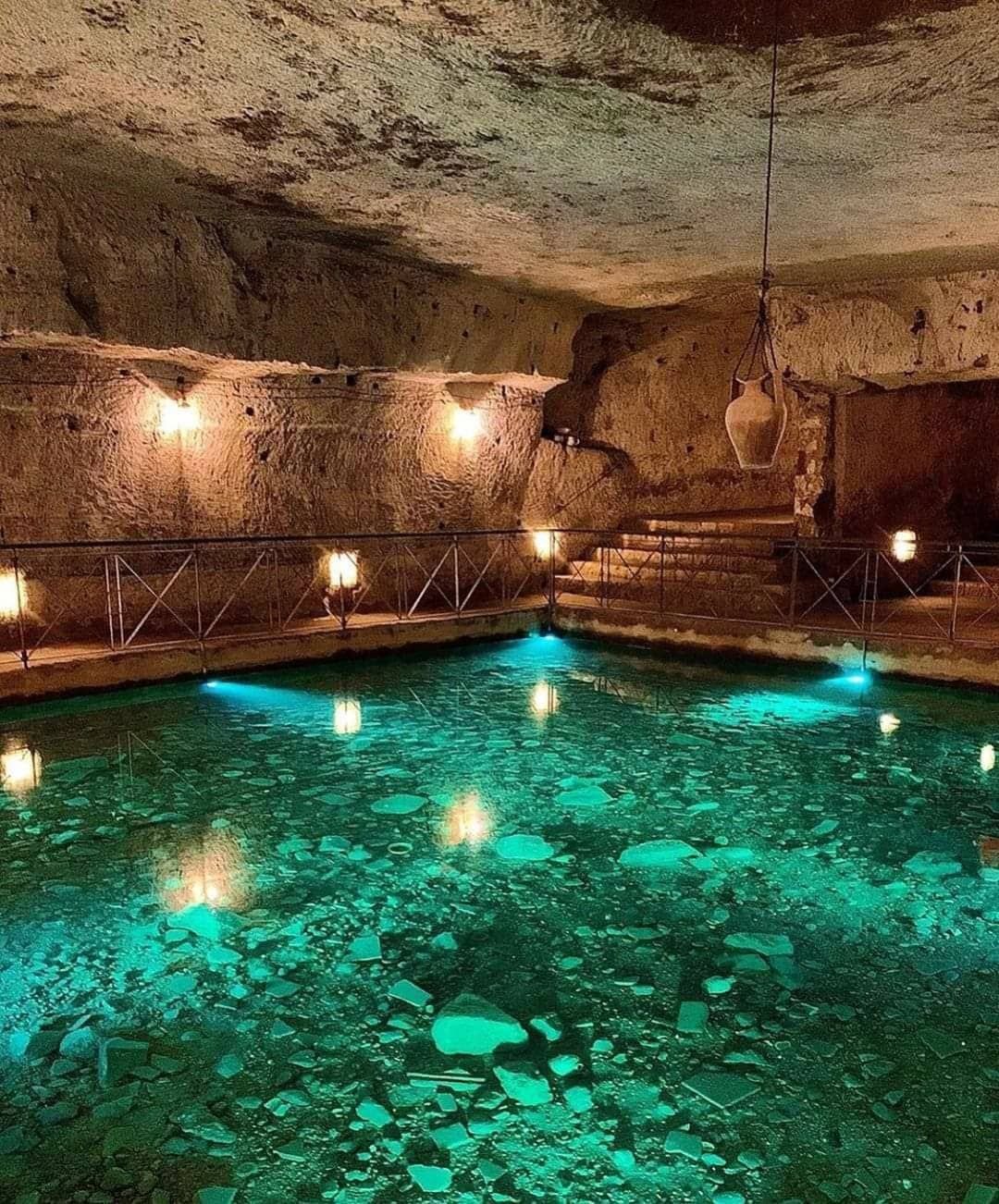
The Romans incorporated those cavities into a water system fed by the springs of Serino. Water flowed through tunnels just wide enough for a man and reached homes via wells that often opened directly into kitchens. The people responsible for maintaining them were the pozzari — well workers — who could enter through one well and emerge inside a completely different house. And so, according to one of the most widely accepted theories, the legend of the munaciello was born: the spirit that enters homes, moves objects, brings good luck or mischief, and in the more mischievous versions, pays visits to ladies while their husbands are away.
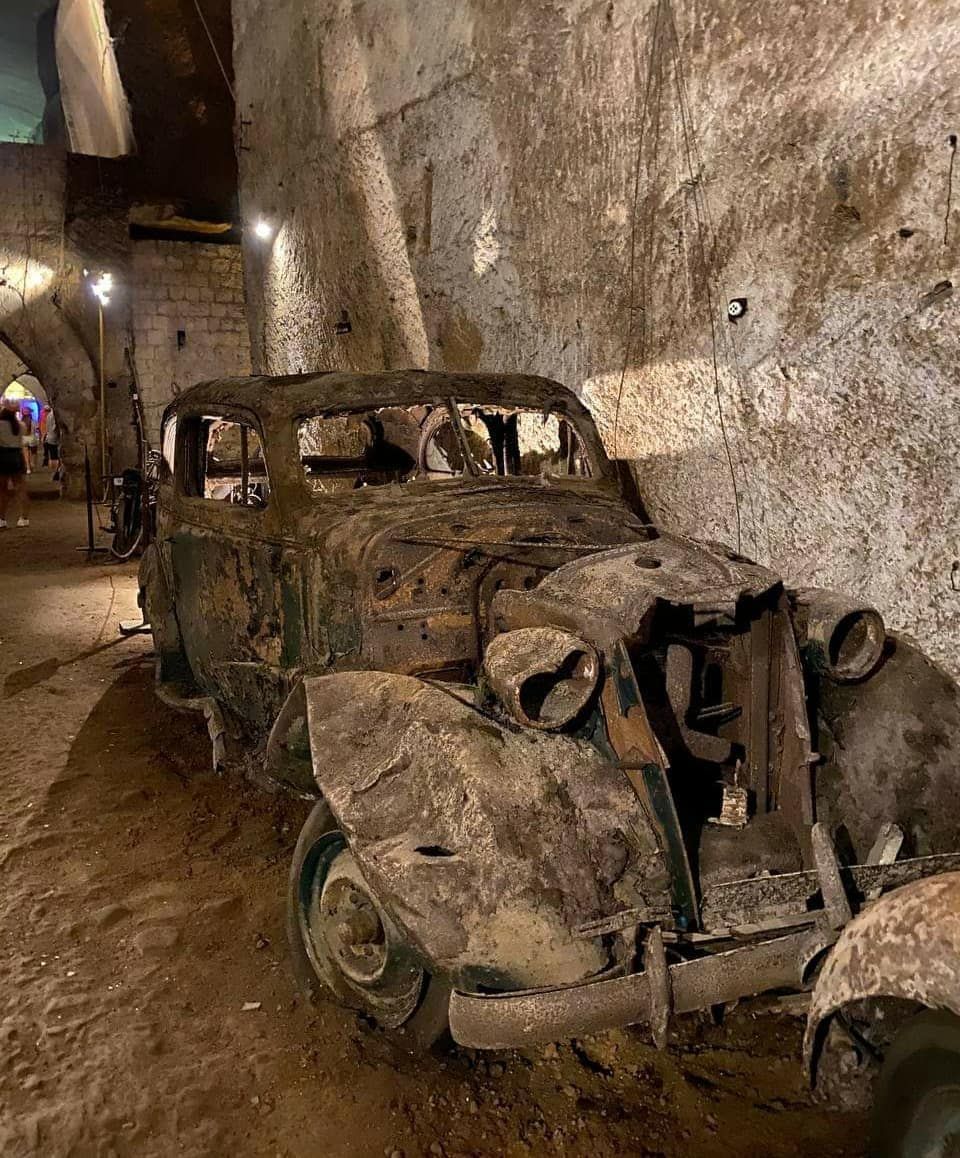
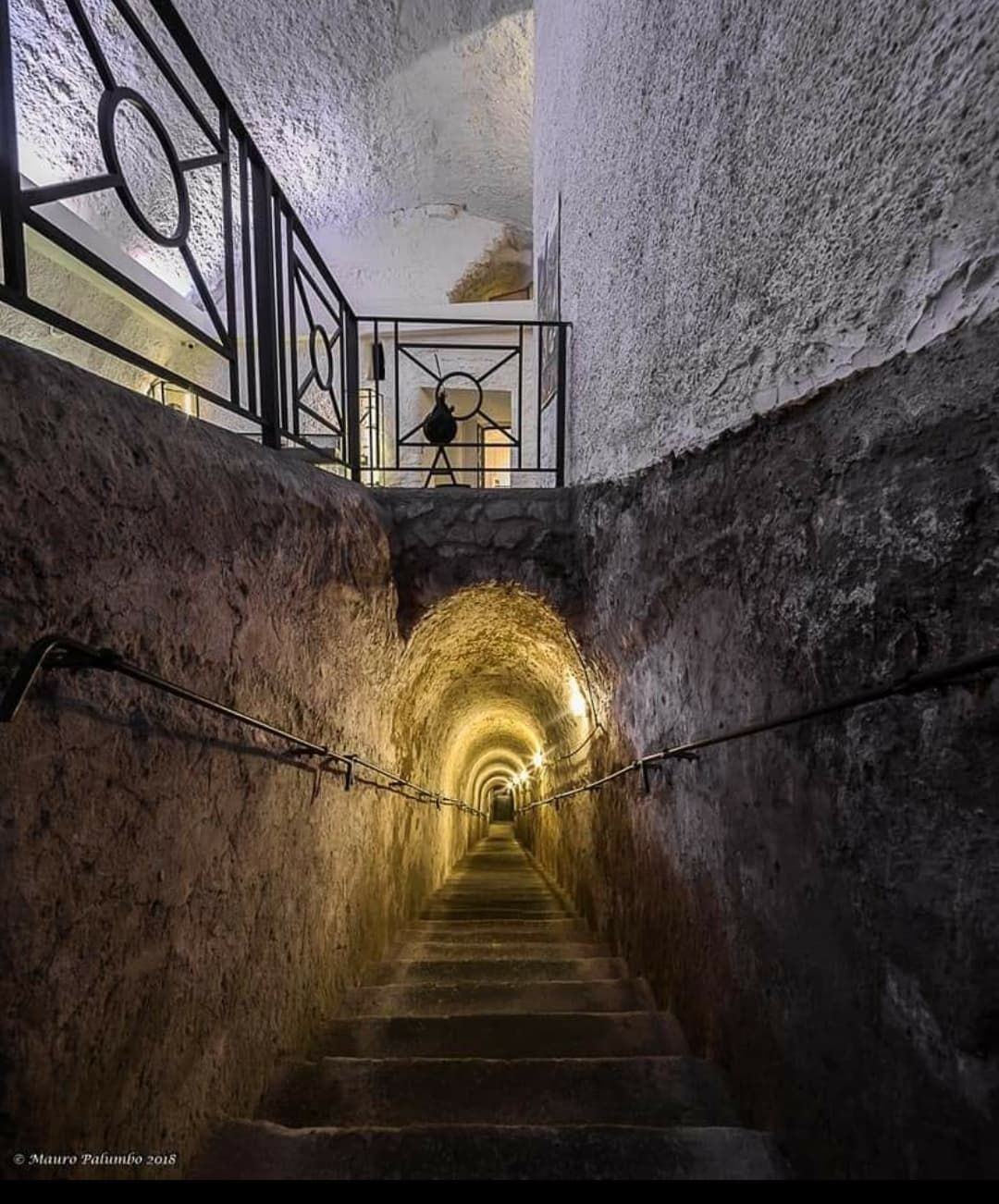
The underground became a convenient dumping ground, until the bombing raids of World War II, when the ancient spaces were converted into shelters. From those months, furniture, objects and graffiti on the walls have survived in excellent condition. Today visitors enter from Piazza San Gaetano, along Via dei Tribunali, descending 136 steps. The temperature drops, the noise disappears, and you find yourself in spaces that have had three lives: quarry, cistern, shelter. The tour lasts about two hours and can be booked through Napoli Sotterranea.
In Turin, they dug for a legend
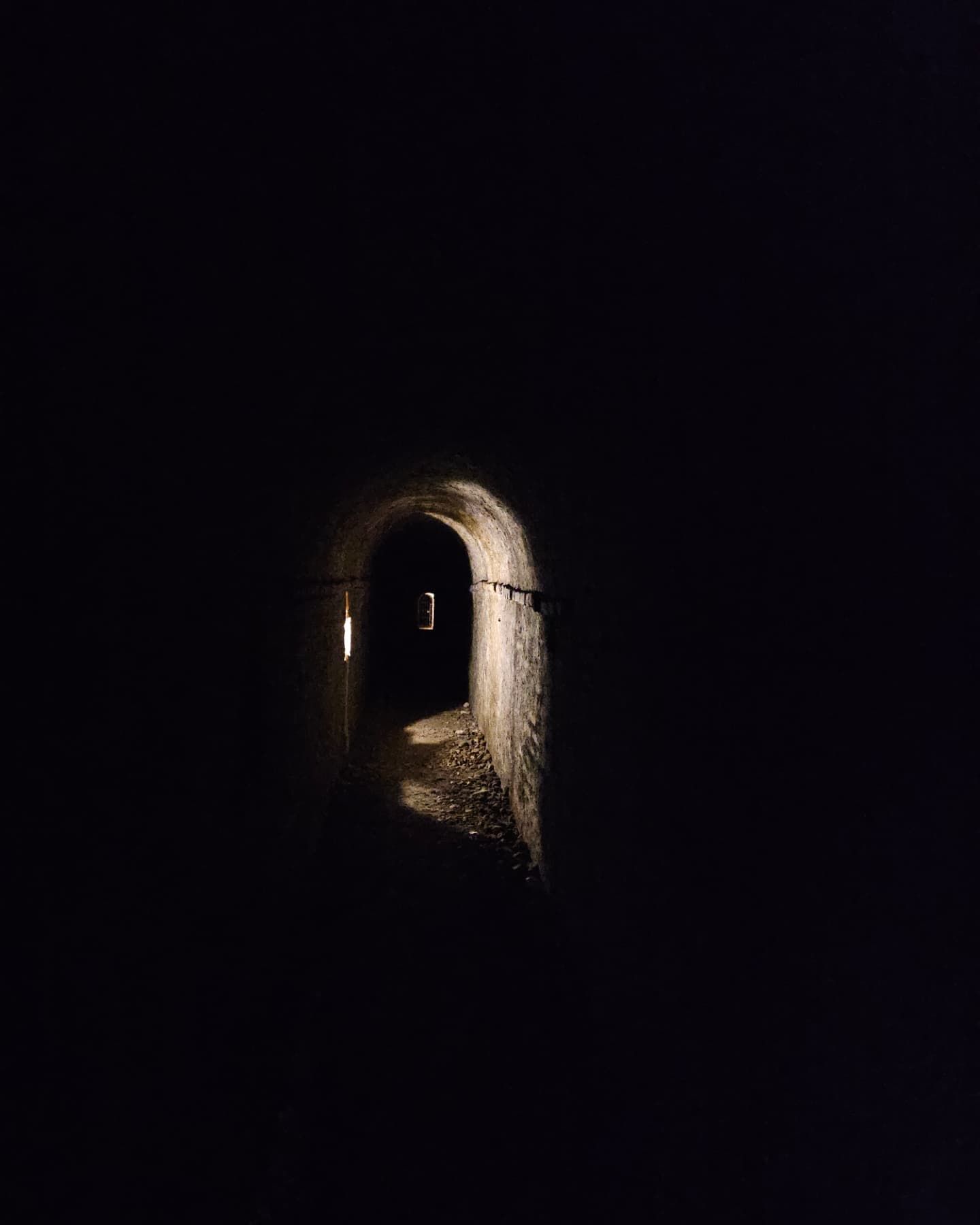
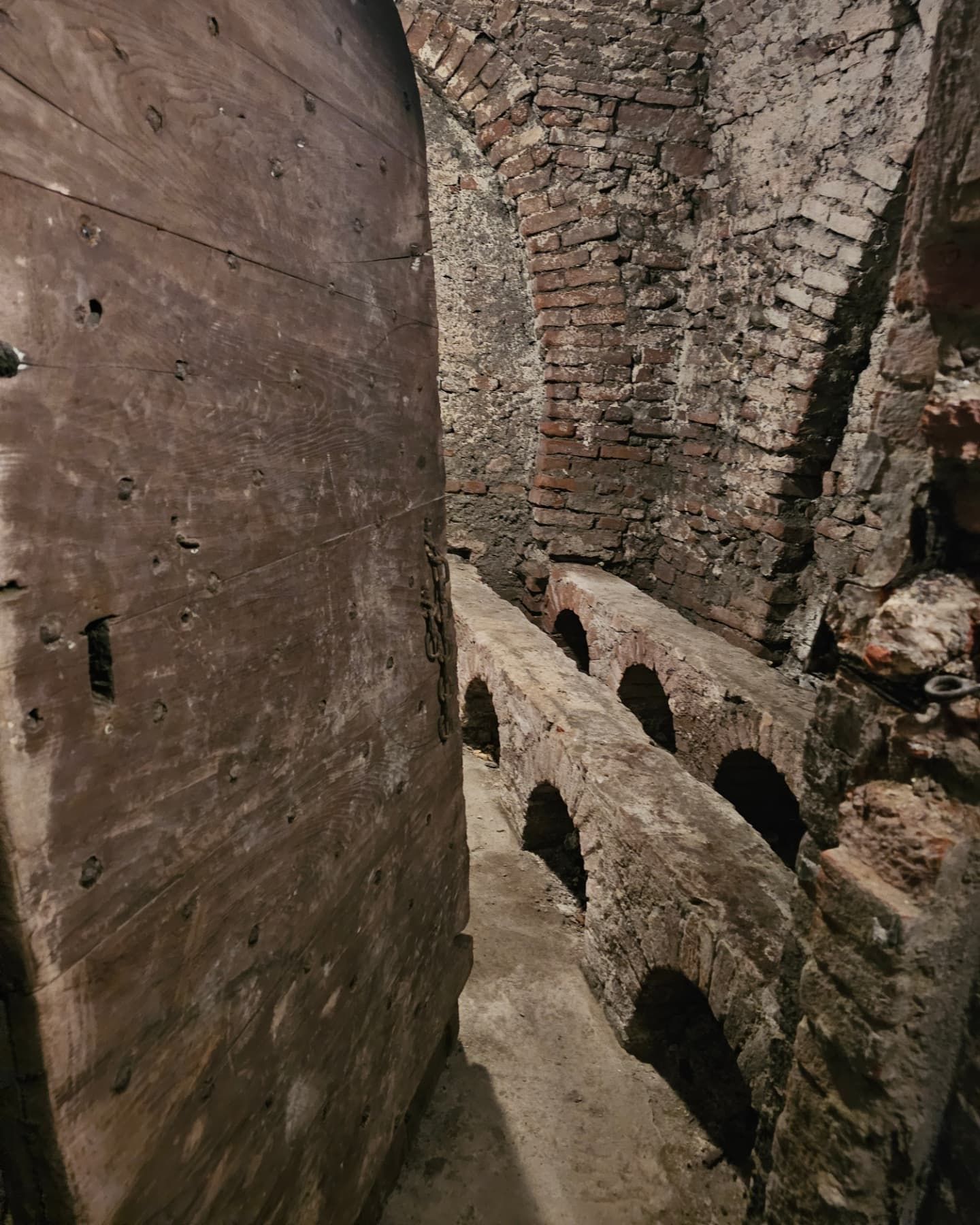
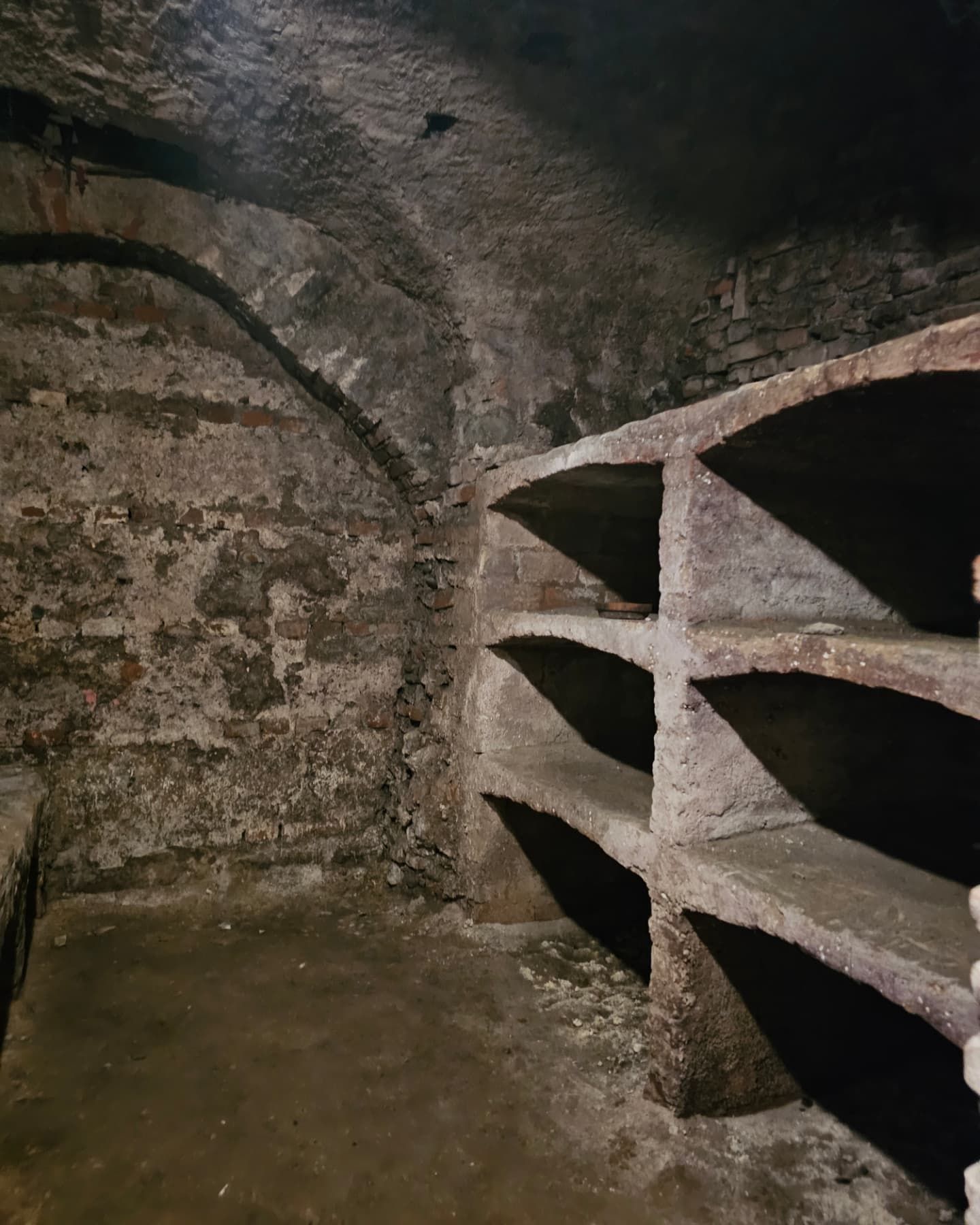
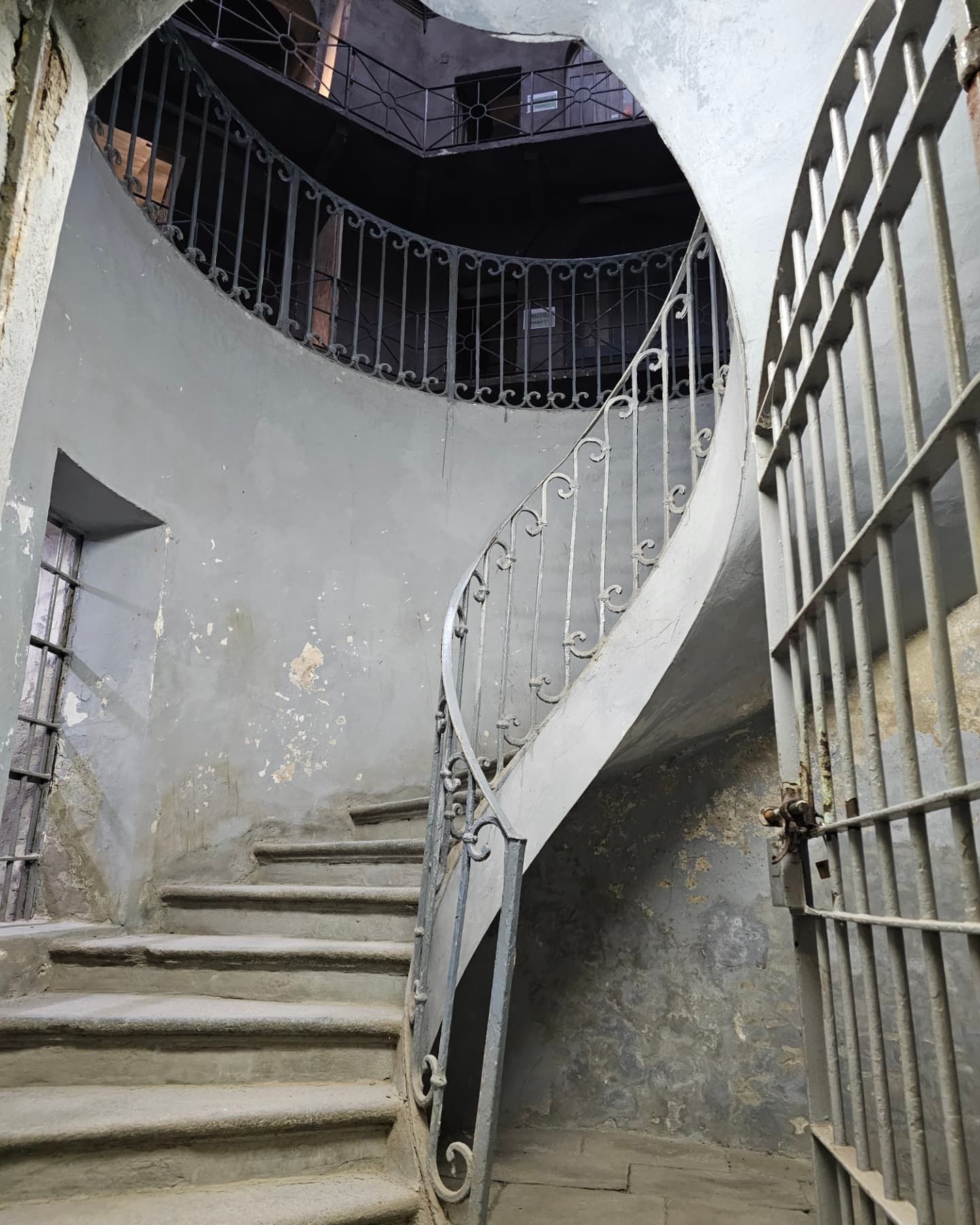
In 1958, Guido Amoretti, an army officer with a passion for military history, had a nagging doubt. For years he had been studying the tunnels beneath Turin and, comparing them with eighteenth-century maps, had become convinced that the staircase identified as Pietro Micca's could not be the real one, because the distances did not add up. In the autumn of that year, he found a staircase bricked up between the two levels of the countermine gallery: once cleared of rubble, the vault above it still bore the marks of the explosion. The legend finally had an address. In 1961, thanks to his efforts, the Museo Pietro Micca was established above those spaces.
That staircase was a small piece of an underground military city. In 1563, Emanuele Filiberto of Savoy moved the capital from Chambéry to Turin, and the following year construction began on the Cittadella, a five-pointed fortress. Beneath its bastions, from 1572 to 1706 and beyond, a network of mine and countermine galleries was dug, since siege warfare was also fought underground: attackers dug to reach beneath the walls and blow them up, while defenders dug in the opposite direction to intercept them. In the end, Turin had approximately fourteen kilometres of tunnels on two levels, at six and fourteen metres depth. Today, the Museo Pietro Micca allows visitors to walk about four hundred metres of those galleries.
The hidden treasures of Camerano and Osimo
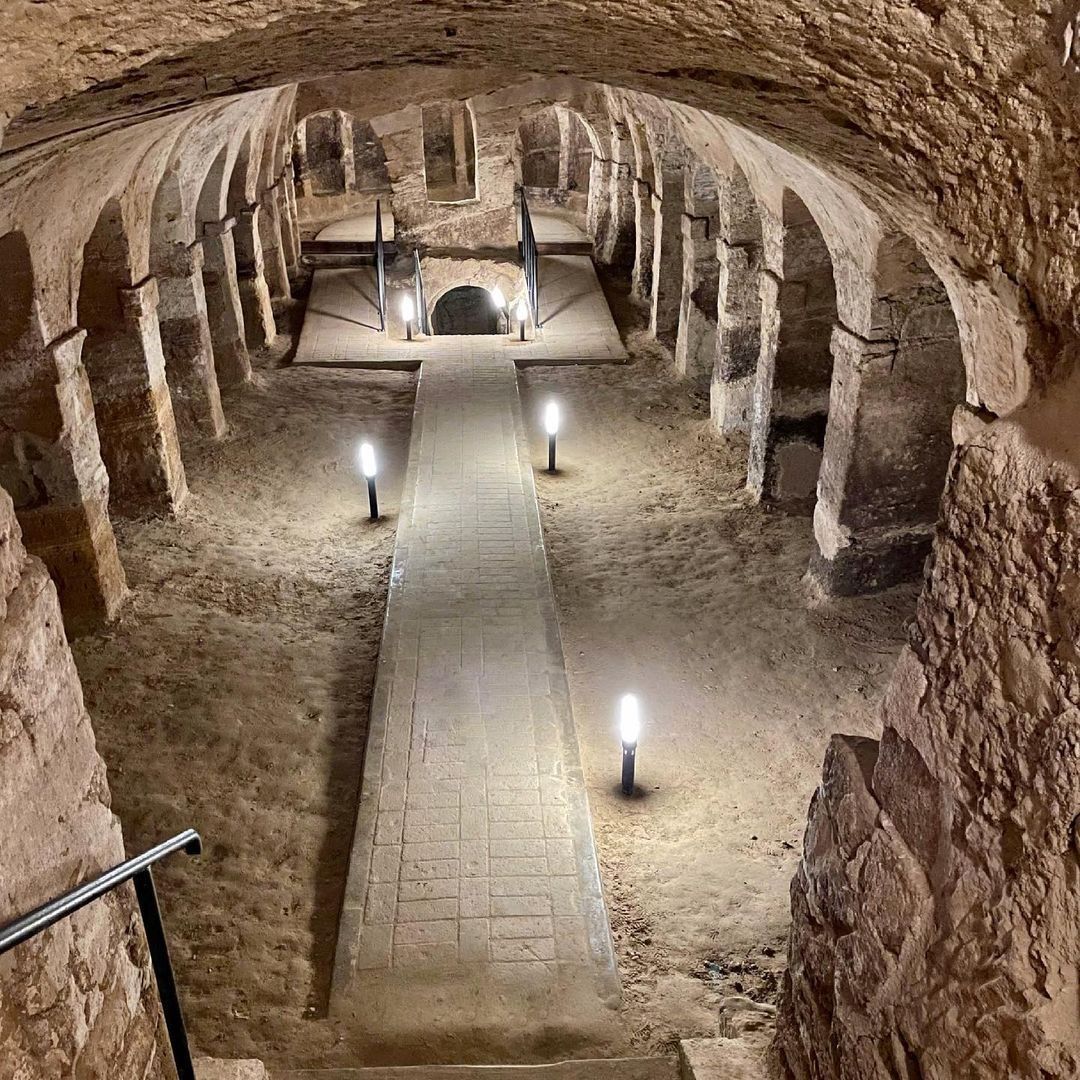
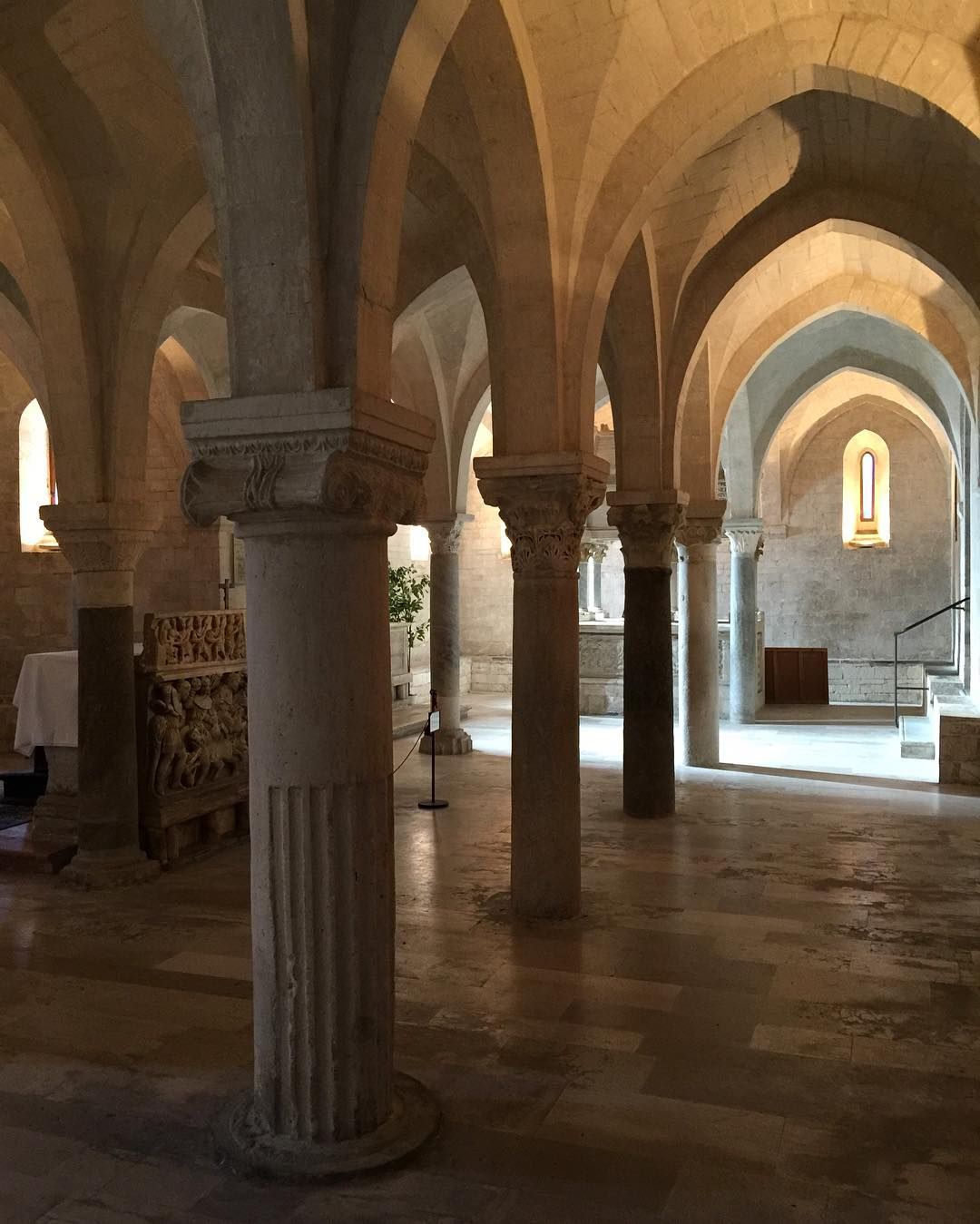
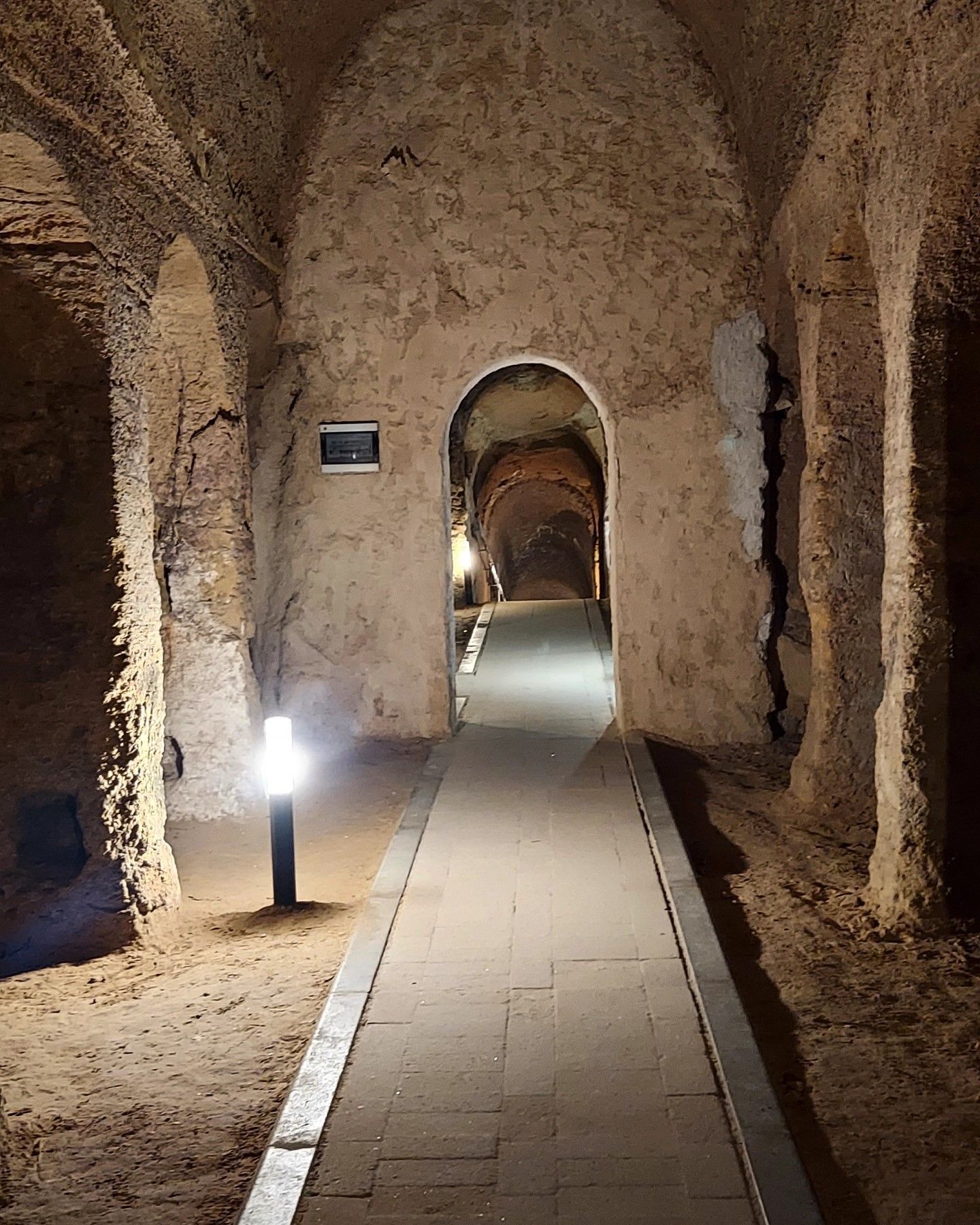
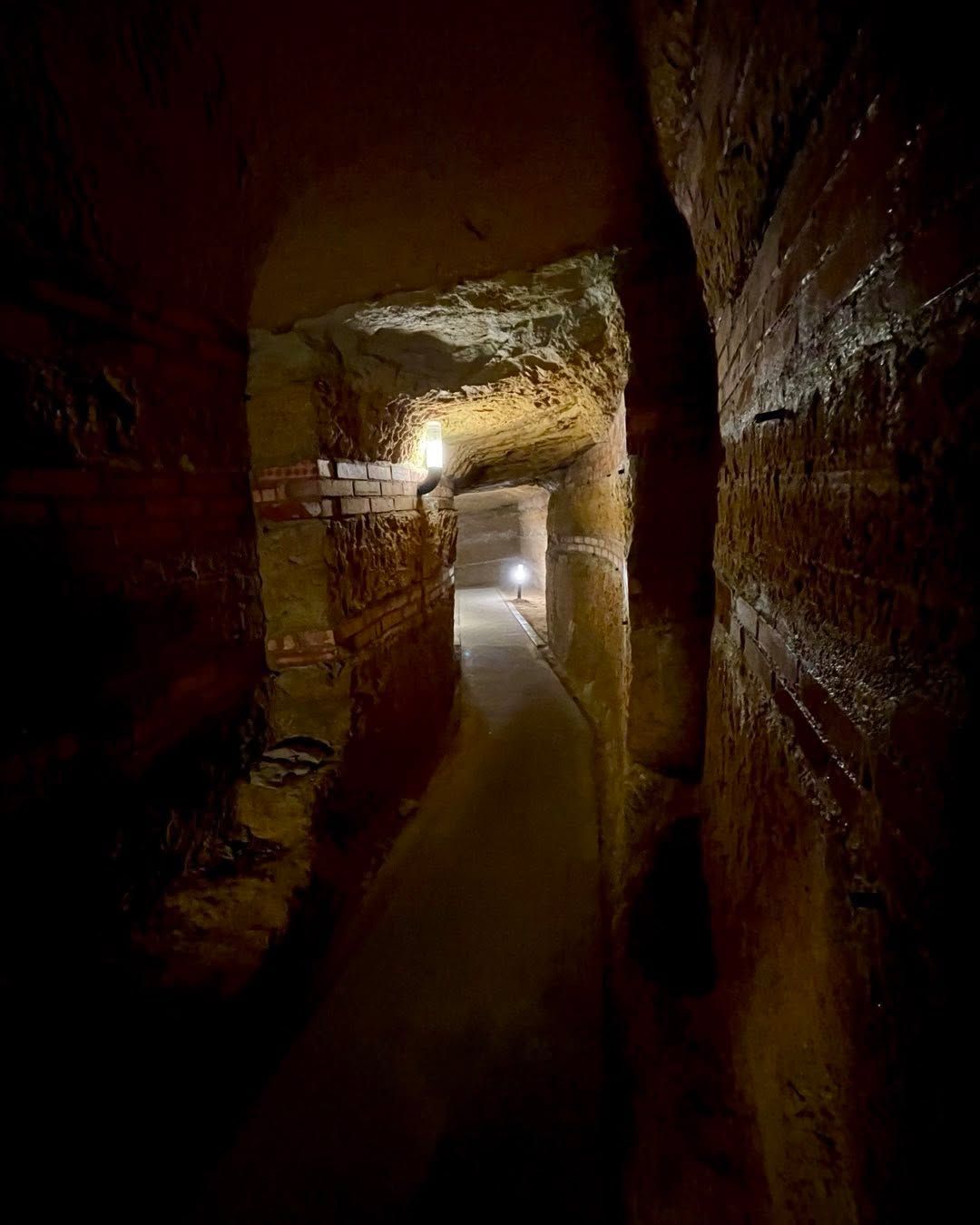
In July 1944, the front reached the Conero promontory and the inhabitants of Camerano went underground: two thousand people, the entire village, for eighteen days. Until that moment, everyone knew only the section of the underground beneath their own home, and the only map — drawn at the end of the nineteenth century by the Mancinforte family — covered their palazzo and nothing more. It was during those eighteen days that the village came to understand just how vast what lay beneath it truly was. Even today the network has not been fully surveyed, and in the surrounding countryside further tunnels keep appearing, which locals call «buchi del diavolo» — devil's holes — perhaps the remains of an ancient aqueduct.
When the digging began, no one knows. No documents exist; the oldest date carved into the walls is 1327, and comparisons with other hypogea suggest origins that may be prehistoric, when the underground served for water, for stone and for the dead. The sandstone of the Conero is worked almost like wood, and each generation added a room or widened a passage. In the eighteenth and nineteenth centuries, noble families redecorated the tunnels as underground drawing rooms, with rose windows and three circular halls with benches along the walls, designed for private gatherings; from these, and from a room with an ankh-shaped floor plan, rumours of Masonic rites have grown.
Just a few kilometres away lies Osimo, with an even more extensive system: 88 caves across five levels and more than nine kilometres of galleries beneath the city's most important buildings. Below Palazzo Simonetti, Maltese crosses appear, and even a Triple Enclosure — the symbol some associate with the Knights Templar. In the caves of the Cantinone, the Sala dei Frati Oranti features religious bas-reliefs, while beneath Palazzo Campana, currently closed for restoration, two galleries of eighteenth-century carvings depict vices, virtues and pagan deities that no one has yet fully interpreted. The Grotte di Camerano and those of Osimo can be visited by appointment.
Siena and the search for water
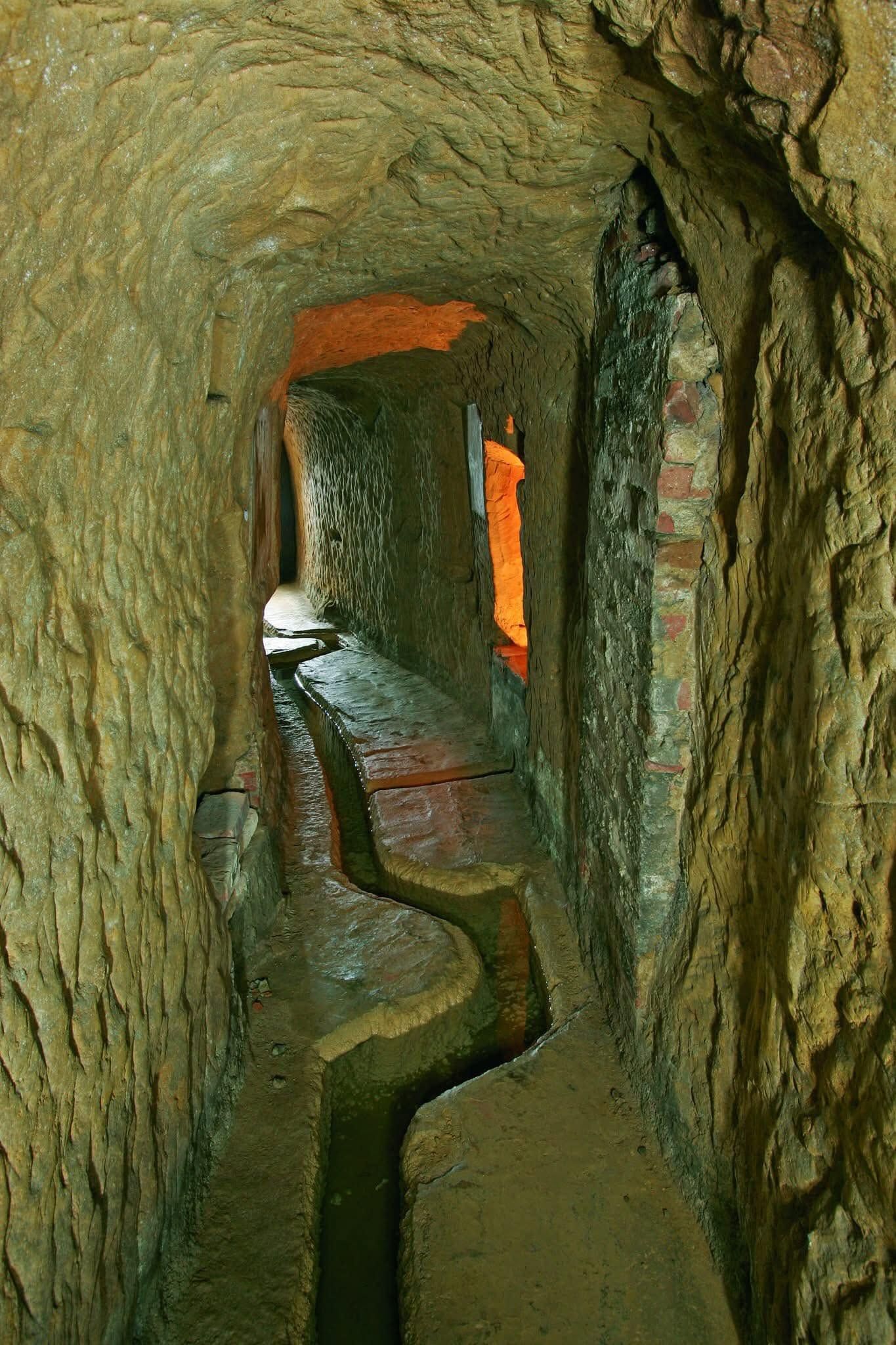
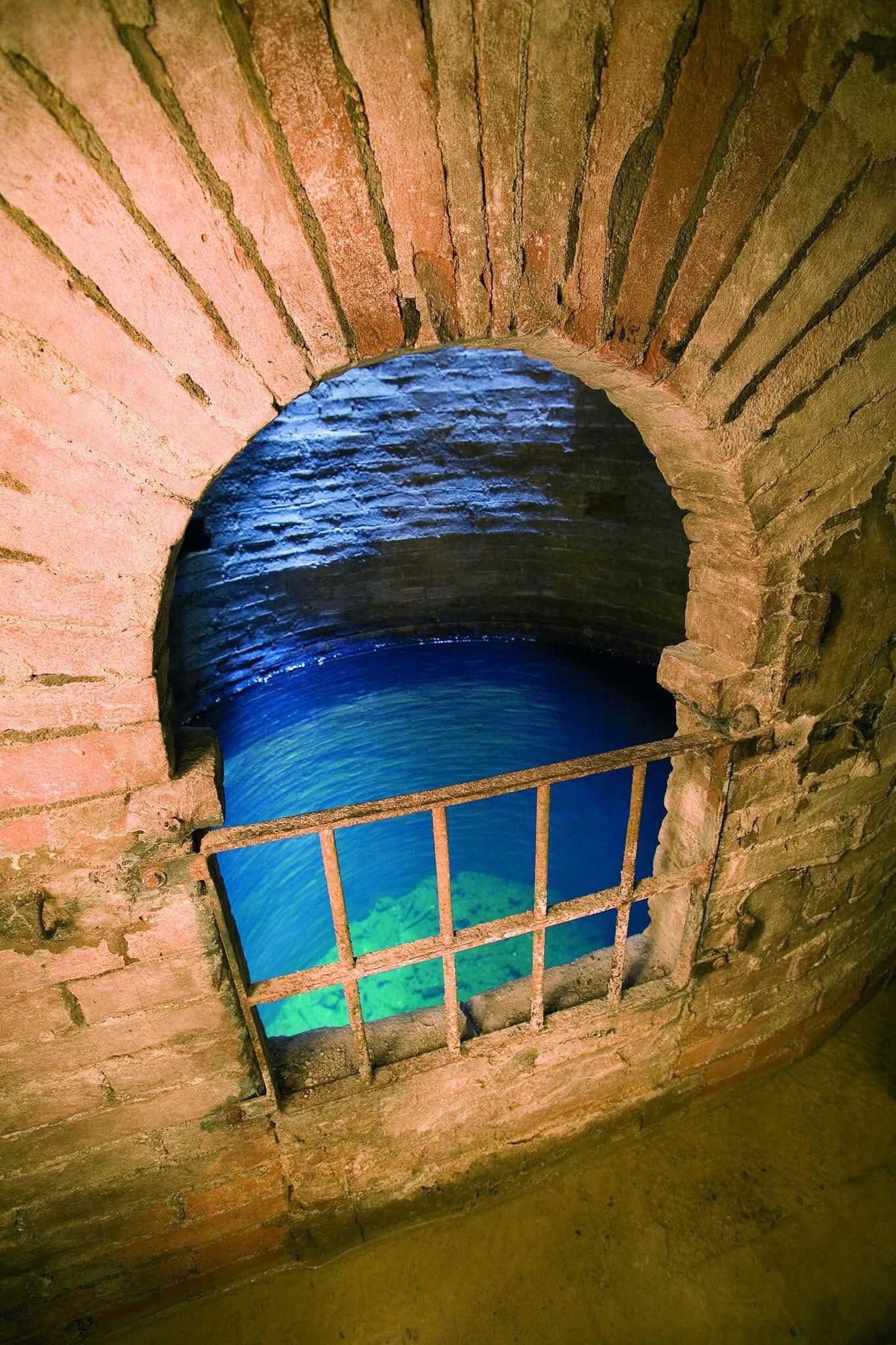
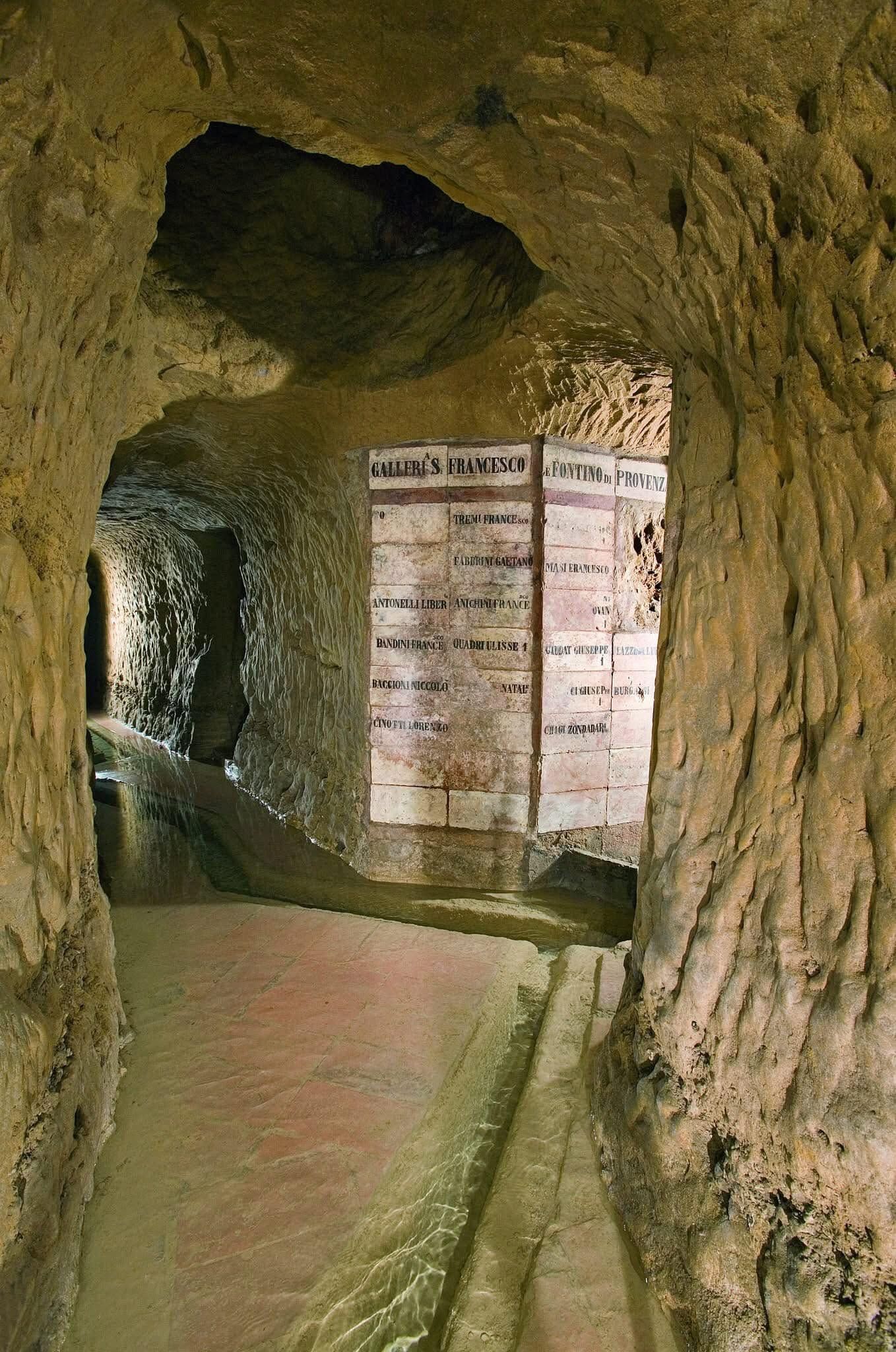
Siena, meanwhile, has something few cities can claim: a river that does not exist. For centuries the Sienese were convinced that the Diana flowed beneath the city, and they dug to find it — so obsessively that Dante in the Purgatorio mocks them for this fixation. The Diana never turned up. In the process of digging, however, Siena built something else: the Bottini, 25 kilometres of tunnels beneath the historic centre — an entirely underground aqueduct.
Siena has no real rivers, and in the Middle Ages water was its greatest problem. The name Bottini appears in 1226, derived from buctinus, the barrel vault of these tunnels — one metre eighty high and less than one metre wide — dug mainly between the 12th and 15th centuries in pursuit of rainwater filtering through the tuff. In 1267 they even attempted to divert the River Merse, without success. The water flows along the gorello, a small channel in the tunnel floor, and reaches the fountains by the force of gravity alone.
Until the early twentieth century, the Bottini were Siena's primary water source. Unlike the other underground spaces in this journey, the Bottini were never forgotten: they have been maintained for seven hundred years, and today they are cared for by the volunteer association La Diana — named after the river that never was — which organises visits in partnership with the municipality.