November 3rd, 2026
Who should pay for Milan's public squares? Milan is looking for sponsors and donors to transform its squares, but how much say does the money buy?
A bench, a few trees, less asphalt, a shaded area where cars used to park. These may seem like minor interventions, but together they determine how we experience a street, how long we linger in a square, and even who can feel at ease in a given place. The question, then, is fairly straightforward: who should pay for all of this? In Milan, the answer is becoming increasingly complex. The City Council has reopened the call for funding urban renewal and public space improvement projects, including areas covered by the Piazze Aperte programme, through sponsorships and donations from public bodies, private entities, and third-sector organisations. The call, extended until 30 November 2026, may cover green spaces, street furniture, de-paving, and climate mitigation measures. A company, a foundation, or an association can therefore invest its own resources in a space that will continue to belong to the city.
Who pays for public space?
This is not entirely new. Milan has been working with similar models for years and already allows external parties to contribute to the upkeep of green areas, sports facilities, and other public spaces. The City Council remains the body that evaluates proposals and sets limits and conditions, so the point is not to imagine a brand buying a square and freely deciding what to do with it. In Via Sacchini, in front of the Di Vona-Speri school, there is a space already transformed through Piazze Aperte, now becoming a green oasis thanks to a collaboration between the City Council, Legambiente, designers, and private funding. If external money makes it possible to remove asphalt, plant trees, and make the space in front of a school more liveable, the benefit is clear. The doubt arises when we try to imagine this system applied to an entire city. What happens when the ability to improve a space that belongs to everyone also depends on the financial willingness of someone who is not a public body?
When the sponsor enters the city
A sponsor does not think quite like a city council. It may have genuine environmental or social objectives, but it remains an entity that voluntarily decides where to invest. And this is where the issue becomes very Milanese. A central square, a well-frequented park, or a neighbourhood capable of generating images, events, and visibility hold a very different appeal from an anonymous open space on the outskirts, a pavement in front of social housing, or a small garden that will probably never appear on Instagram. The risk is not simply seeing a company logo next to a bench, but creating a city in which certain places naturally become more capable of attracting care, design, and money than others.
Milan, however, has already experimented with different models. Piazza Toce, in the Isola neighbourhood, has moved from tactical urbanism to a Collaboration Pact involving associations and residents in the care and animation of the space. Here, the external party does not arrive with money alone, but with time, relationships, and a presence in the local area. On the other side are the large spaces created alongside property developments, such as CityLife and the Biblioteca degli Alberi, where management, maintenance, and programming permanently involve private actors. It would be too simplistic to reduce everything to good public and bad private: these are lived-in, well-maintained spaces that are costly to keep up. The point is to understand what it truly means to be public when maintenance, programming, and the identity of a space begin to depend on a range of different actors.
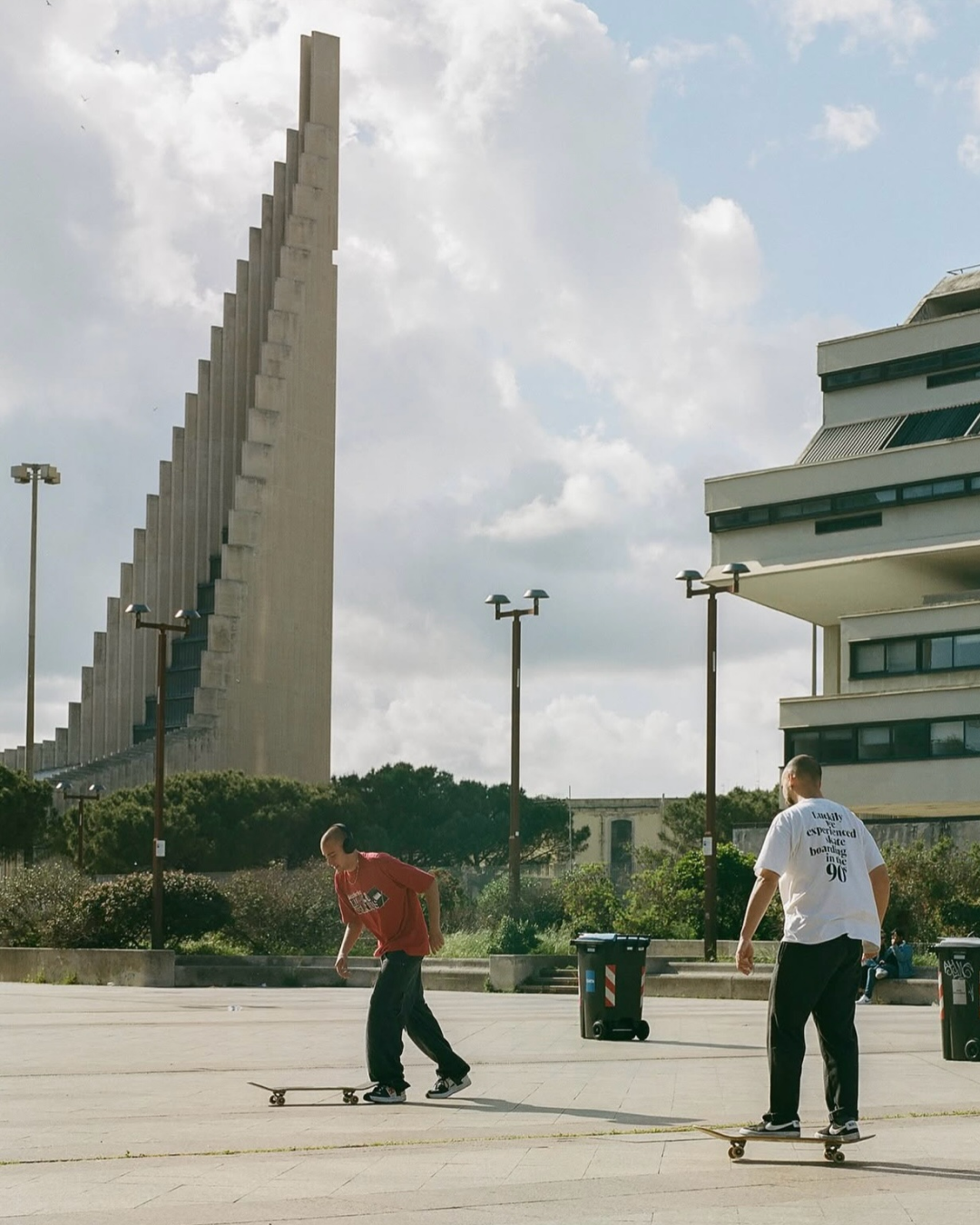
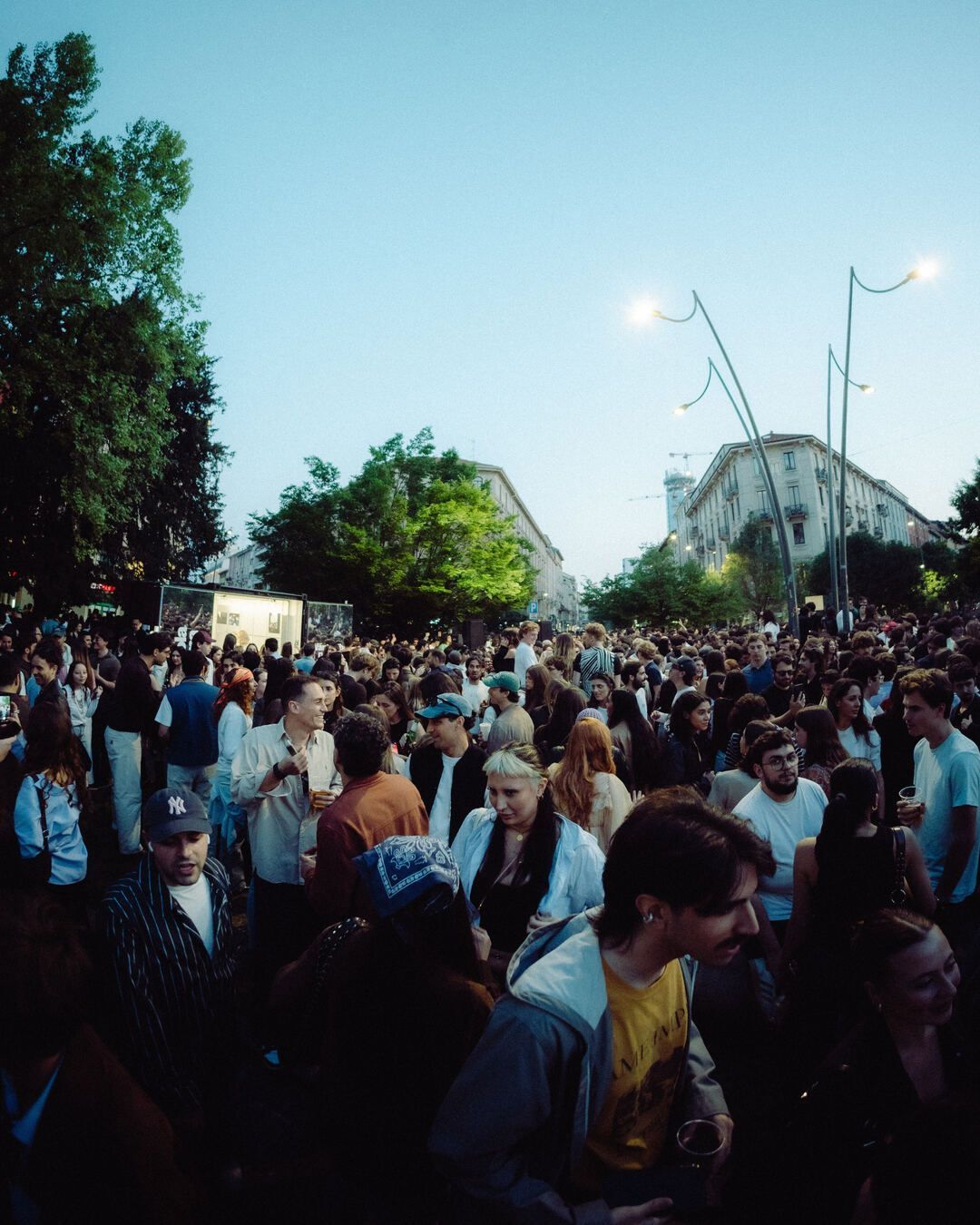
Because a square is not just its paving. It is the young person who can spend three hours there without buying anything, the retired man on the same bench every afternoon, children playing, someone protesting, someone smoking a cigarette, and someone crossing it without even knowing its name. It is this range of unpredictable behaviours that makes public space different from an office courtyard or a shopping centre arcade.
Milan, Rome, and Naples
The relationship between local authorities and private entities is not a concern unique to Milan. In Rome, the green space regulations allow for sponsorships and adoption schemes through which private parties, associations, and residents can contribute to the maintenance or renewal of green areas and street furniture, while keeping the space in public ownership. Naples too has introduced adoption tools and public-private partnerships for the care of green spaces and urban areas, specifying in its new green space regulations that areas involved must continue to guarantee free and unrestricted public access.
The difference is not about determining which city is more open to sponsors. Rome, Naples, and Milan all have mechanisms that allow parties outside the administration to contribute to the city. What differs are the procedures, the scale of interventions, and above all the context. In Milan, where urban transformation, communications, and property interests often travel in close company, the issue becomes more visible because the quality of public space is now also part of the image the city constructs of itself. And so "who pays?" is no longer enough. We need to ask where that money comes from, which neighbourhoods manage to attract it, and what happens to the places that have no sponsors, no strong associations, and no investors nearby. If a system of collaboration can channel resources to places where the market would have no reason to go, it becomes a powerful urban tool. If instead it always follows the same flows of attention, it risks simply reinforcing divisions the city already possesses.
A square must remain everyone's
The real question, therefore, is not whether a private party should be allowed to pay for the transformation of a public space. In many cases the answer can perfectly well be yes. Refusing resources capable of creating trees, shade, new street furniture, or better places simply because they do not come directly from the municipal budget would make little sense, especially in a city that must simultaneously address maintenance, extreme heat, de-paving, and new demands on urban space. The issue is how much that funding can shape the place it produces, and how much the administration can still decide where to intervene on the basis of the city's real needs rather than the appeal of any individual space.
A public space should continue to function even when it has no important name attached to it, when it is not photogenic, and when no brand decides to invest in it to tell a story about itself. The ability to find a tree, a bench, a place to play, or simply somewhere to stop should not depend on the good fortune of living in the right neighbourhood. Milan, Rome, and Naples are each trying, in different ways, to make public resources, residents, and private capital coexist, and this kind of collaboration will probably become increasingly common.
The point, then, is not to choose between public and private, but to understand what rules allow the two to coexist without blurring their respective roles. A company can pay for a bench, an association can look after a garden, and an investor can contribute to the upkeep of a park, but the final shape of the city should continue to answer first and foremost to the people who live in it. Money can come from many places; the square, however, should continue to belong to everyone.