September 18th, 2026
Italian cities want to become brands From YesMilano to Turin, to the film sets of Matera and Naples: local administrations have learned to design and distribute the urban image as if it were a brand
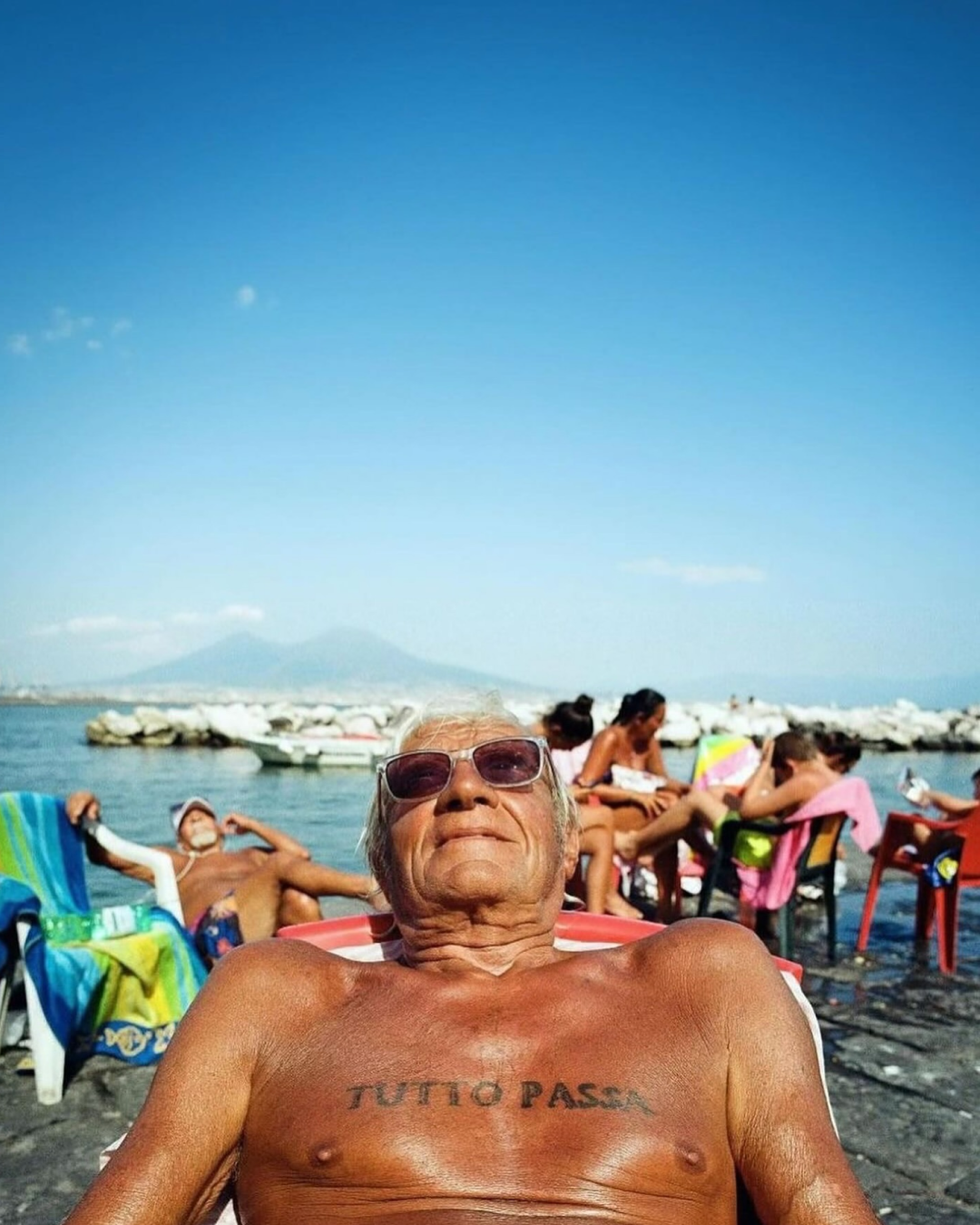
Italy occupies a privileged yet complex position: its cities carry centuries-old, weighty imaginaries that are hard to chip away at. Milan remains tied to work and fashion, Naples manages an inexhaustible archive of pop symbols, Turin has spent years trying to move beyond its industrial past, and Rome is, was, and will forever be the eternal city. The name of a city has gradually detached itself from its territory and begun to travel on its own, carrying with it a precise aesthetic and attitude, much as a brand would.
The phenomenon is not new, since Italy's cities have always enjoyed a reputation that precedes them; what has changed is the way this intangible heritage is managed. Today the urban imaginary is a strategic asset to be organised and monetised, and it is no coincidence that in May the OECD dedicated a report to the role of local identity and sense of belonging in economic development and the capacity of territories to attract investment and visitors.
Milan and the city that becomes an event
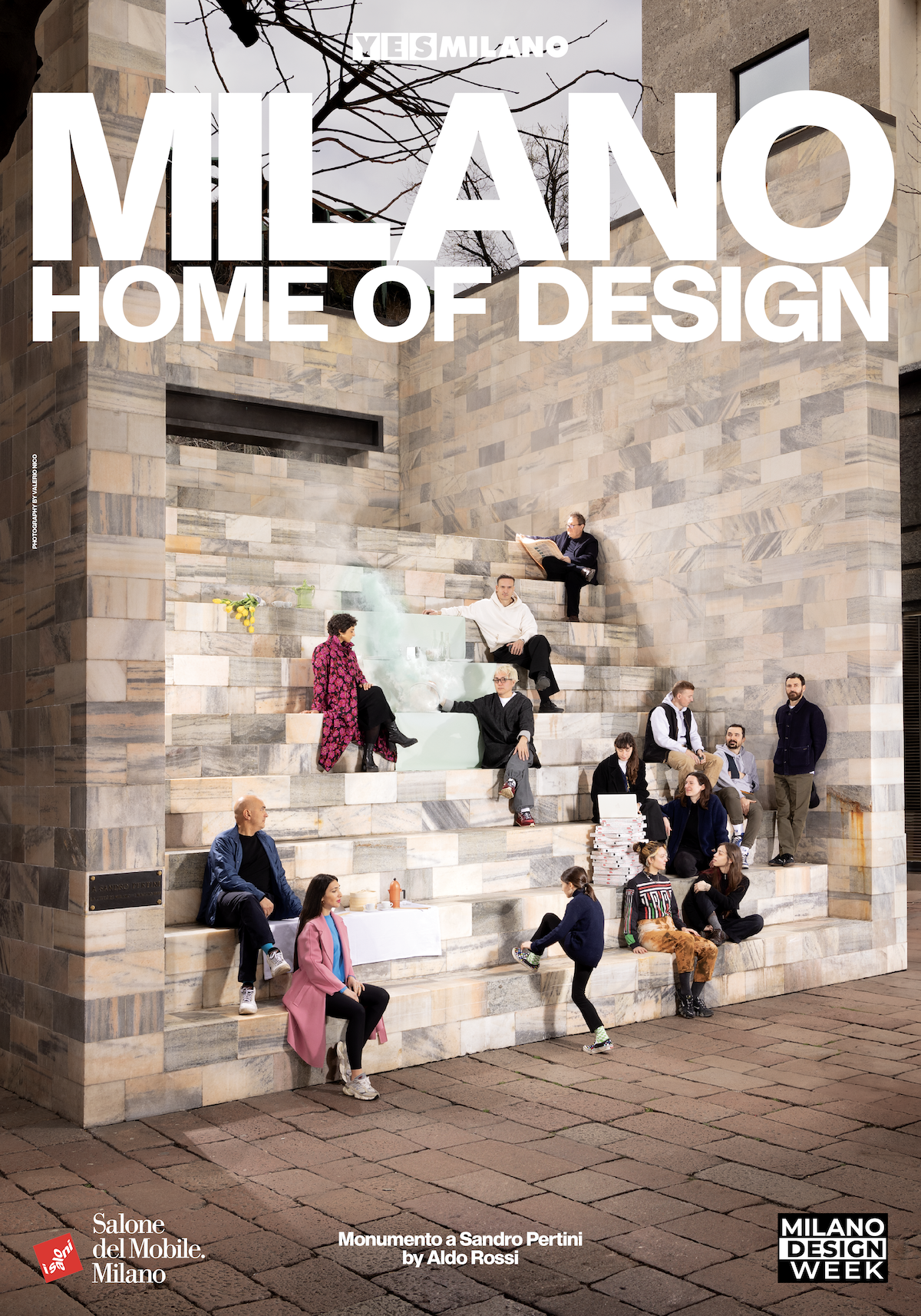
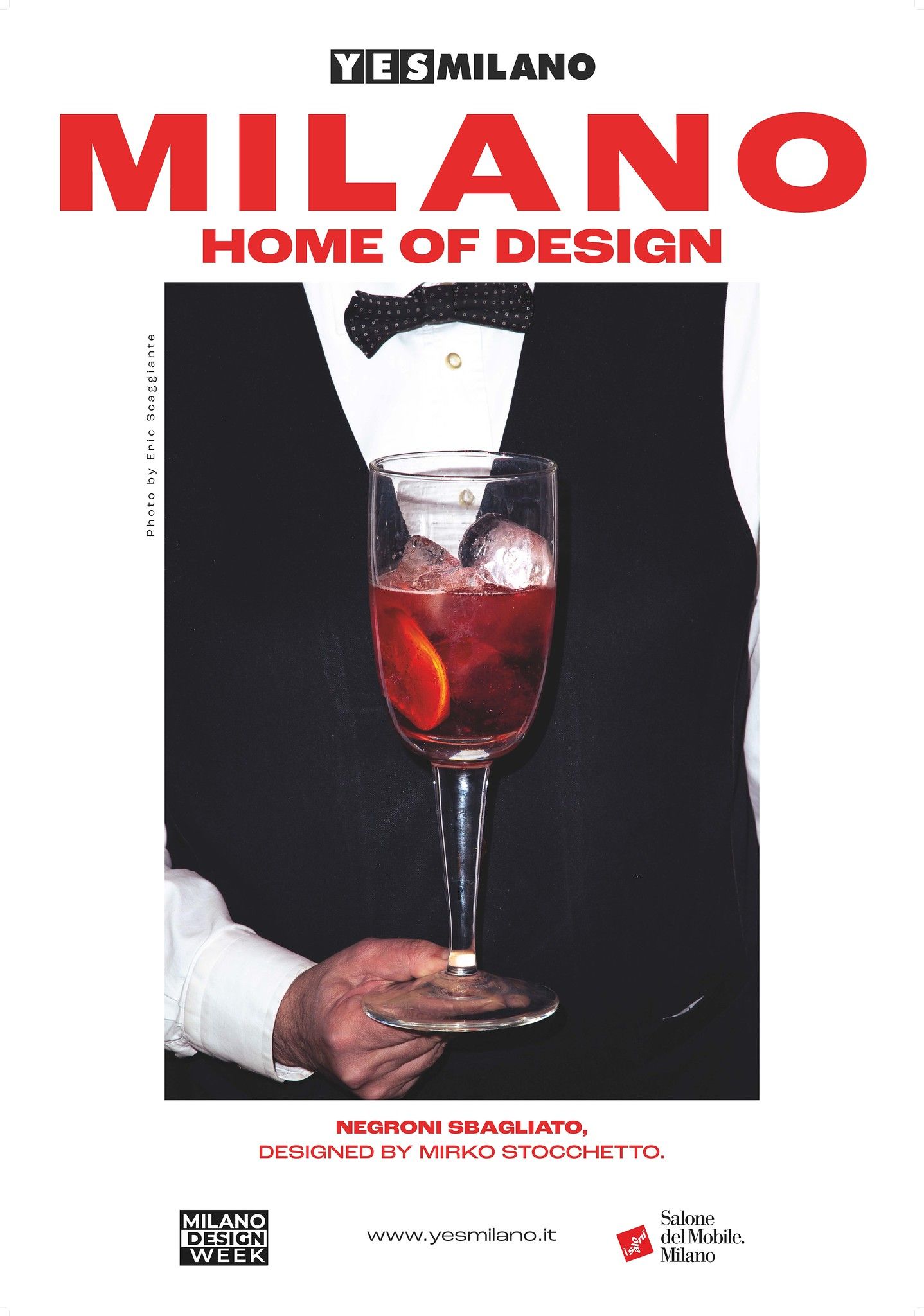
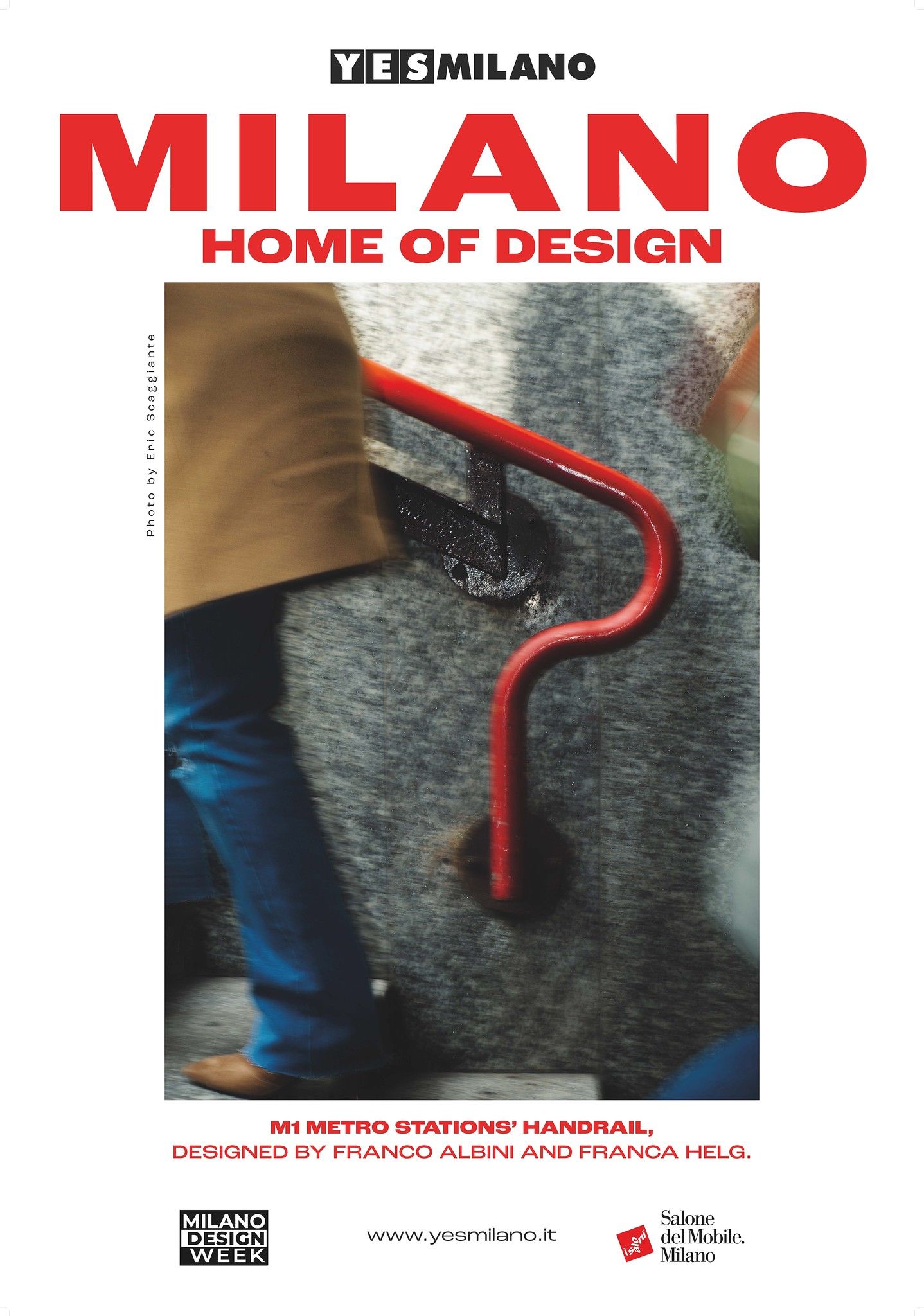
Milan is perhaps the most structured case. Since 2018, Milano&Partners, the company founded by the City Council and the Chamber of Commerce, has managed YesMilano, the brand through which the city presents itself to tourists, investors, professionals and international students. It defines itself as the city's official promotional agency and operates as a brand would, with a calendar of seasonal campaigns tailored to the different audiences it wishes to reach.
And the material is plentiful: during Milan Fashion Week and the Fuorisalone, the city stops being a mere container for events and becomes the product itself. The question, as you wander among the installations, is now less about what is on display and more about where it is displayed: the neighbourhood serves as the backdrop and the city becomes the protagonist.
With the campaign Milano Home of Design, launched for the 2024 Design Week, Valerio Nico photographed forty-five designers, chefs, curators and researchers at the city's iconic locations — including Mayor Beppe Sala on the roof of a car park facing the Torre Velasca — to portray design as a form of everyday life before it is an industrial sector. Shortly afterwards came the first official capsule collection: t-shirts, posters, keyrings and a recycled-cotton tote bag dedicated to the Torre Velasca itself, elected as the new symbol of a brutalist and sophisticated Milan, far removed from the postcard image of the Duomo.
The operation reached its peak during the 2026 Winter Olympics. With the city in the global spotlight, YesMilano launched the City Official Pins: twelve collectible pins dedicated to the city's neighbourhoods and landmarks, distributed free of charge, one per person, with a daily drop announced every morning at eight o'clock on Instagram. The result was an urban treasure hunt, with collectors rushing from one neighbourhood to another and then gathering at the Official Pin Trading Center in Via De Cristoforis to swap the pieces they were missing. The souvenir was transformed into a device for urban exploration, and civic identity into a gamification dynamic.
Bologna: a modular identity
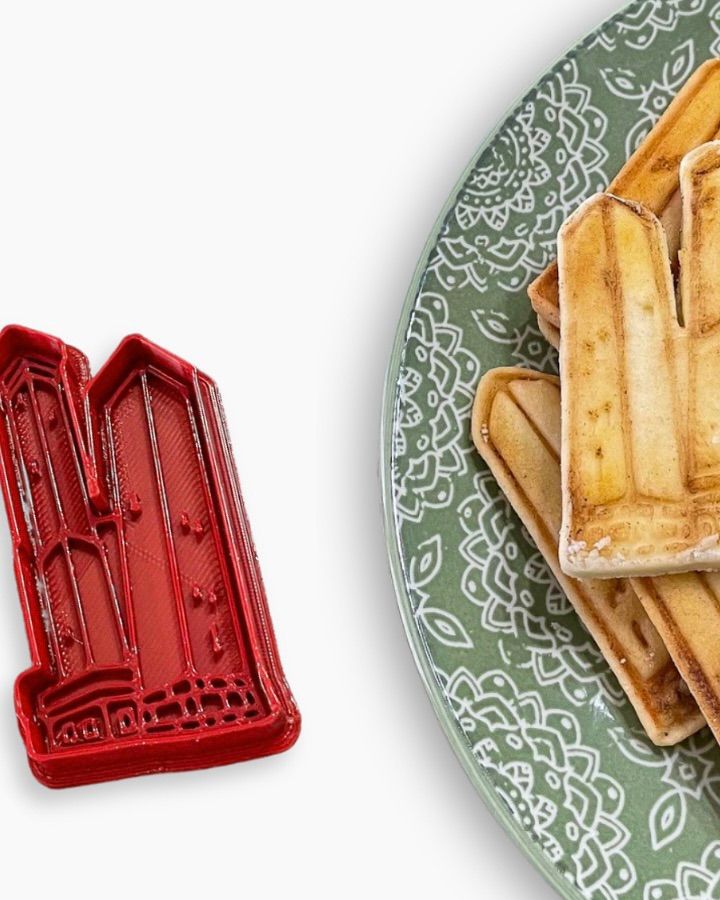
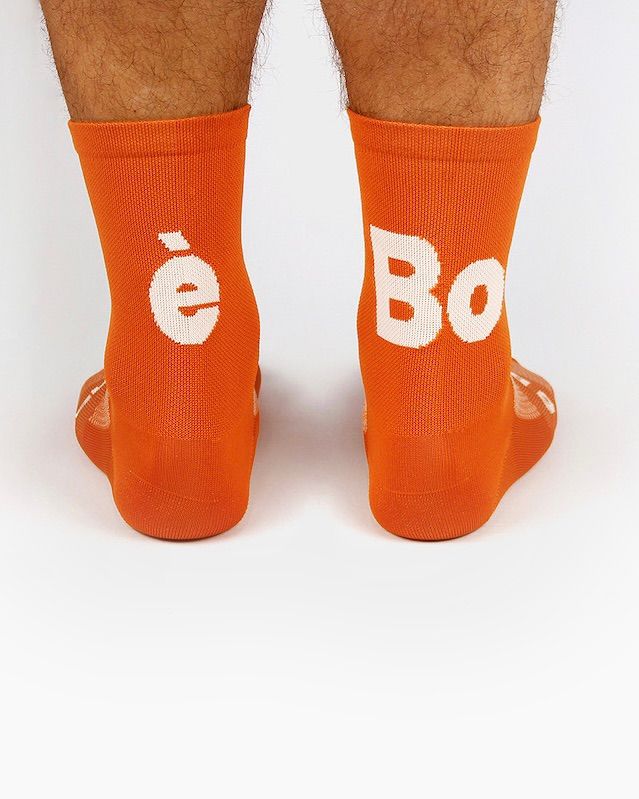
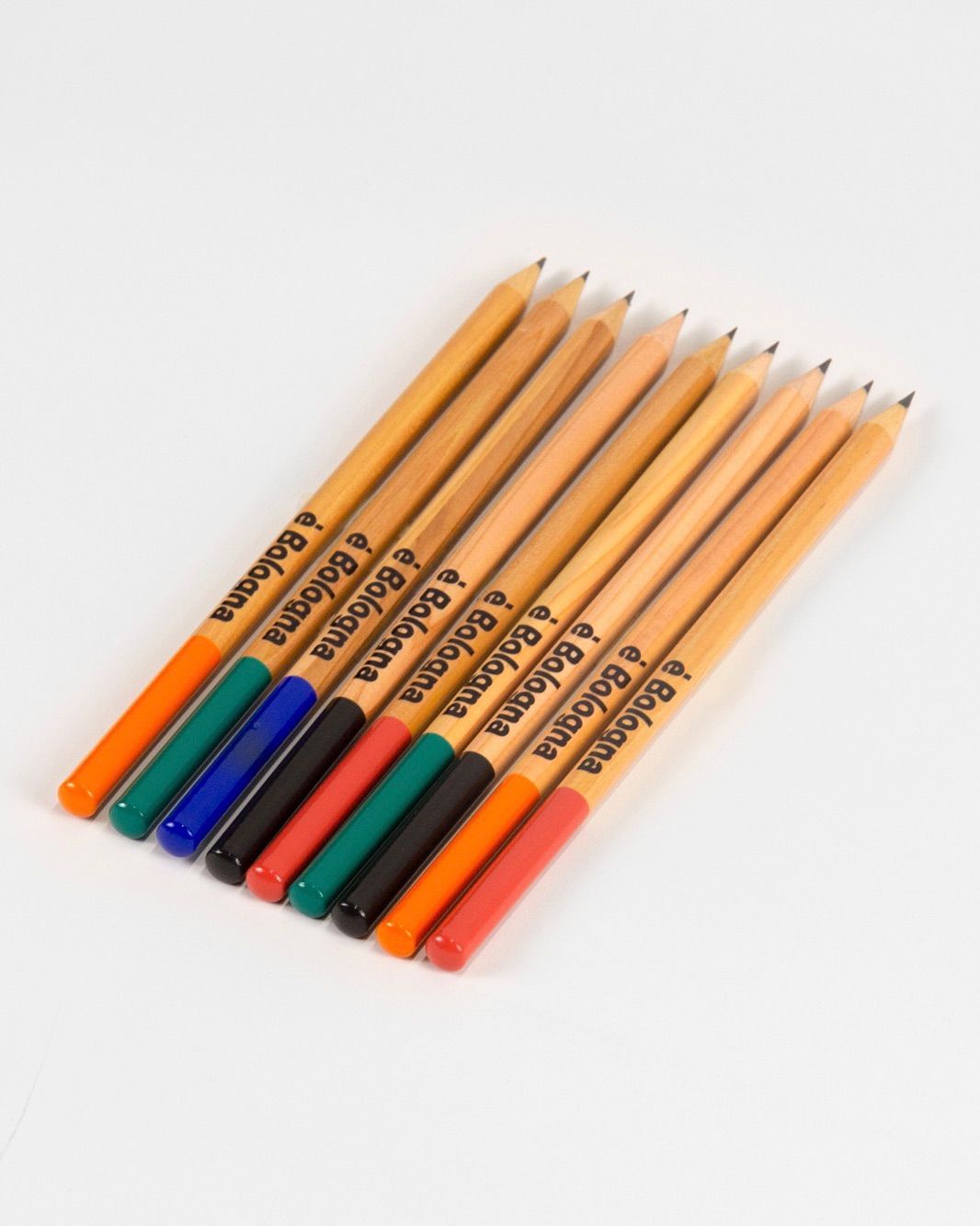
Bologna set out its strategy more than ten years ago, starting from a fundamental question: which Bologna to tell? The university city, the gastronomic one, the city of porticoes or of motors? The Bologna City Branding project, launched in 2012 with research led by Professor Roberto Grandi, analysed how the city was perceived by residents, visitors and outside observers before launching, in 2013, an international ideas competition that received 534 proposals from 17 countries.
The winning proposal is Bologna by Matteo Bartoli and Michele Pastore, awarded in January 2014. The project is based on a geometric alphabet whose characters draw on the city's architectural and decorative elements. Through an online generator, typing any word produces a unique graphic pattern: in this way, citizens, businesses and events can generate their own logo while maintaining a consistently recognisable visual matrix. It is a system that provides the rules for producing infinite versions of Bologna rather than fixing a single one.
Turin and the open colon
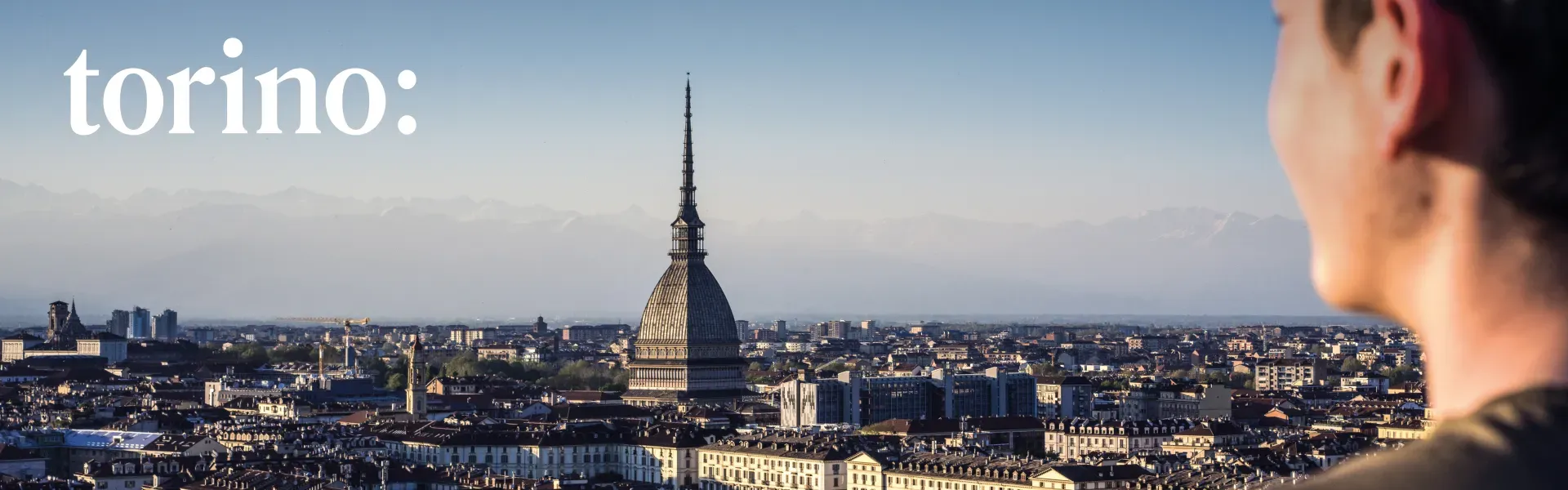
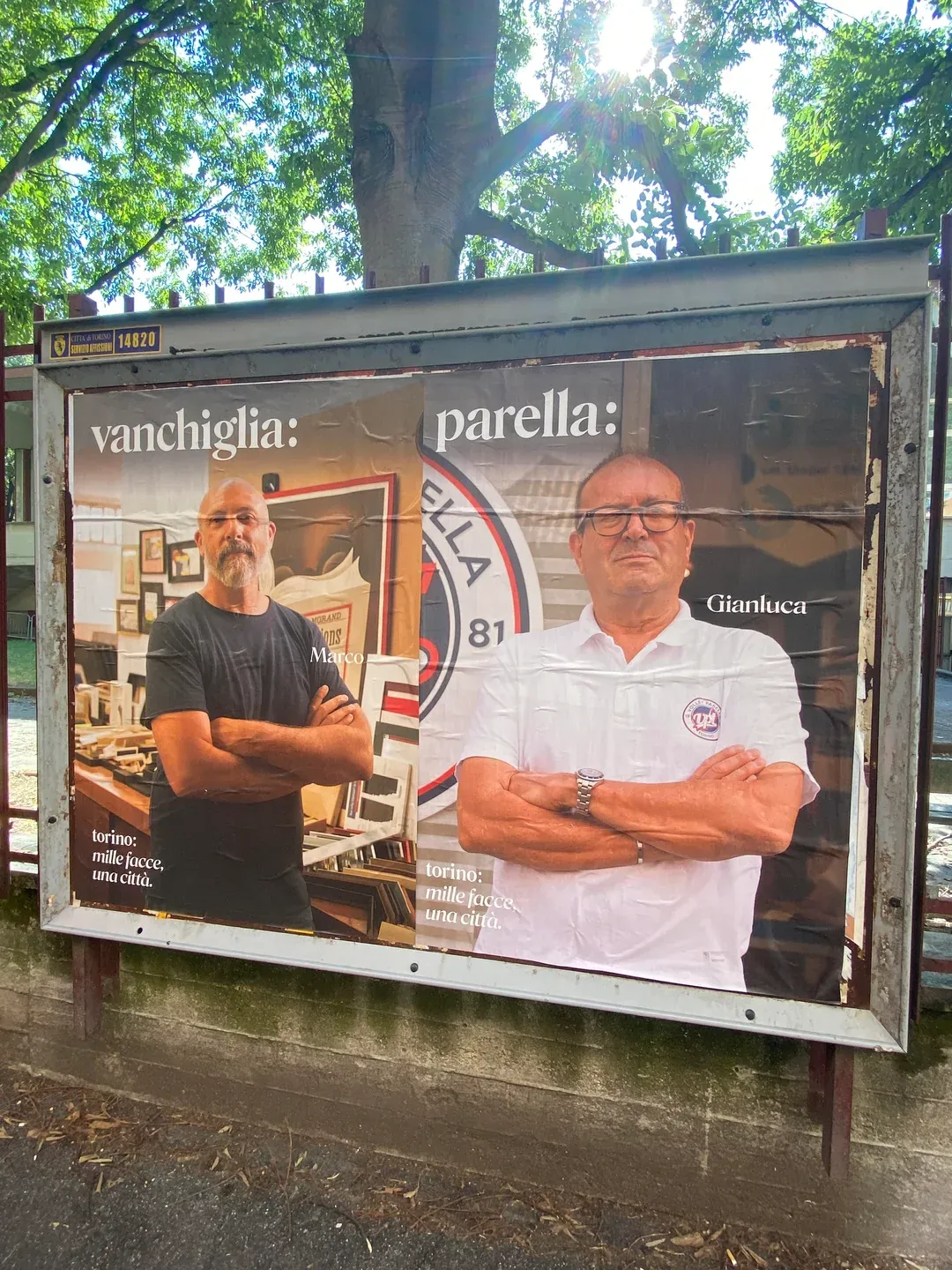
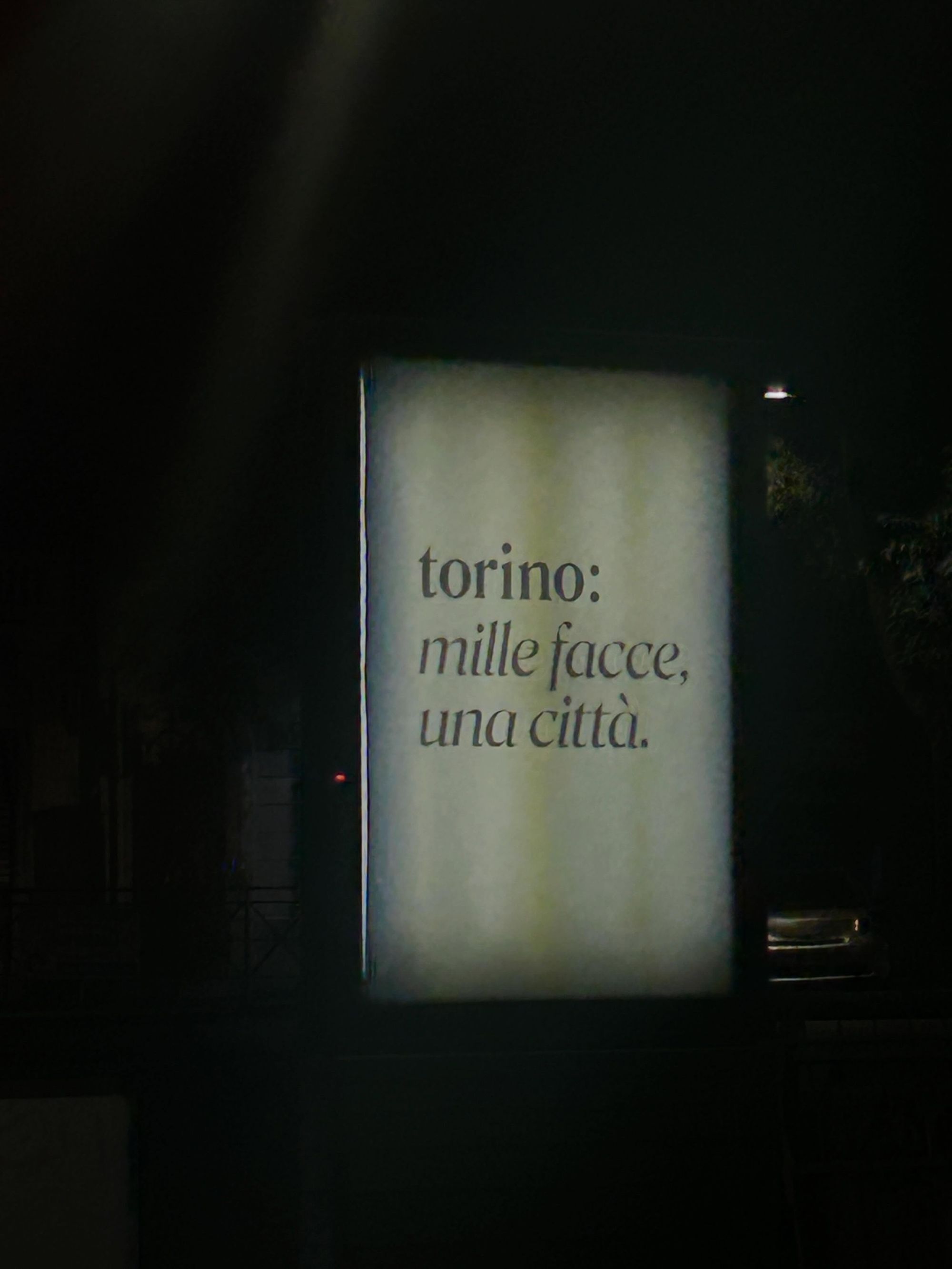
Turin followed the opposite path: it first transformed its cultural perception and only afterwards sought to codify it visually. Historically tied to the large automotive industry, the city began to reinvent itself with the 2006 Winter Olympics. In the years that followed, Artissima, C2C, the Salone del Libro, Eurovision 2022 and the ATP Finals redefined the city's cultural map, while parts of its industrial archaeology were converted into museums, exhibition spaces, concert halls and innovation hubs. These were images that had each emerged independently, with no one holding them together.
In May 2026 the city formalised this journey by unveiling the brand torino: (Turin colon), designed by studio Leftloftal at the conclusion of a listening process that began in 2023. The name written in lowercase and followed by a colon intentionally leaves the space that follows open. The tagline — Start your story — makes the target audience clear: less the passing tourist, whom events have already learned to attract, and more the young professionals, students and families the city aims to draw in and retain. The graphic system was conceived to be freely adopted by companies, associations and local bodies, turning institutional communication into an open platform. Rather than the starting point from which Turin wishes to set off anew, it reads more like a deliberately unfinished label for everything the city has built over the past twenty years.
When the imaginary travels on its own
In many cases the construction of the urban imaginary has been driven by cinema and media before any logo came along. Matera went from being a marginal reality to a global film set: first European Capital of Culture in 2019, then the setting for the opening eighteen minutes of the last James Bond film, No Time to Die, which turned the Sassi into a film-tourism itinerary complete with dedicated tours of the movie's locations.
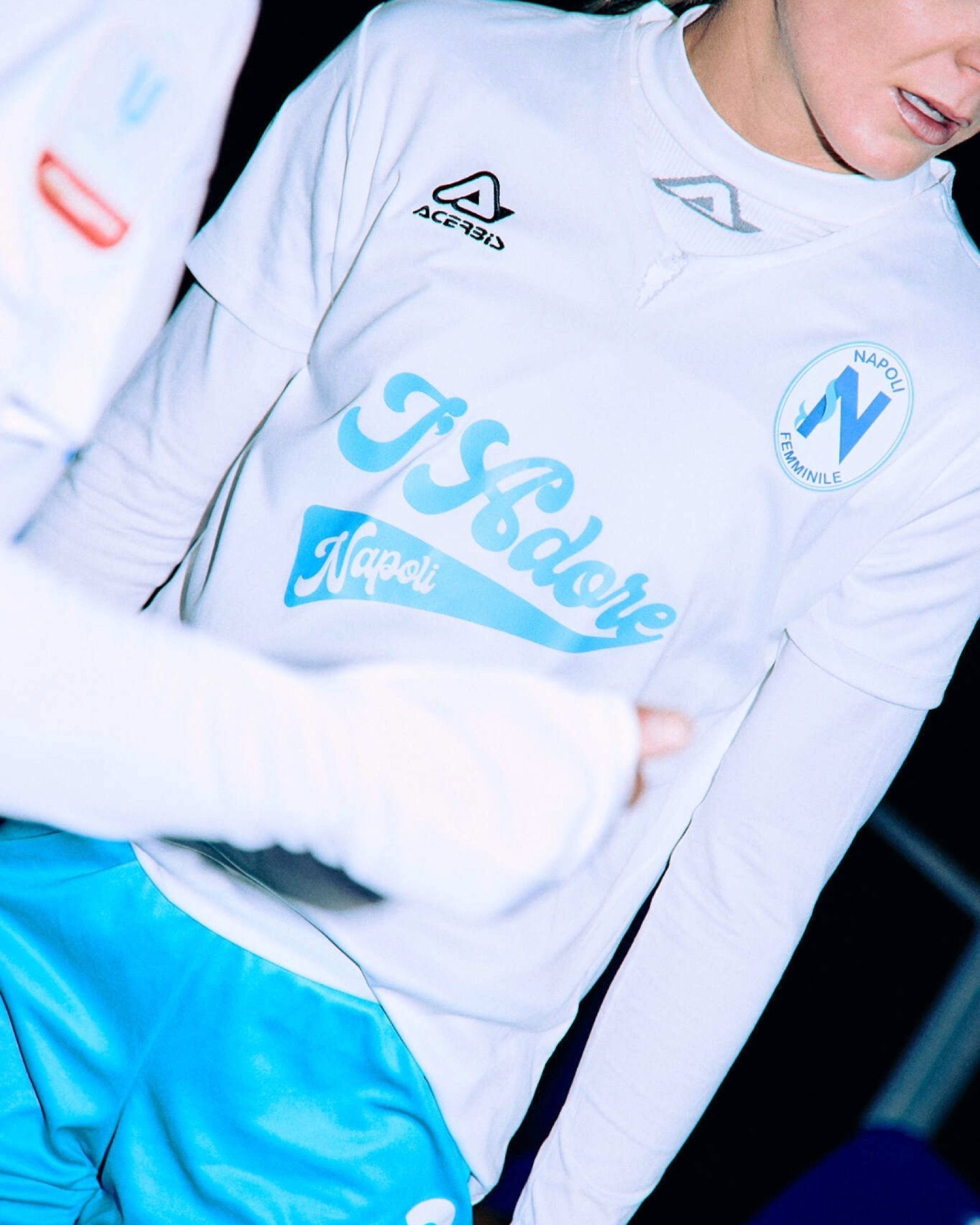
Naples underwent an analogous process on an even larger scale, thanks to the success of Gomorrah, My Brilliant Friend, Mare Fuori and Paolo Sorrentino's films, which brought the city to screens across half the world. In this context, the promotion of the city's image happened organically and independently of institutional logos, sustained instead by countless individual projects.
The current challenge for Italian cities therefore lies in managing and directing the global attention they have already won, translating their cultural and visual heritage into a contemporary language. A city brand works when it certifies an imaginary that already exists and is already in circulation, and remains a stylistic exercise when it tries to invent one from scratch.