July 11th, 2026
Architects you need to know: Patricia Urquiola The designer who brings opposites together
This article is part of the series Architects you need to know. Previous chapters explore the work of Carlo Mollino,Samuel Ross, Lina Bo Bardi and Gaetano Pesce
There are designers who become recognizable because they keep repeating a shape, a color or a material. Patricia Urquiola has done almost the opposite. She has designed soft seating and rigorous objects, interiors full of matter and products built to be taken apart, working between industry, craft, technology and memory without choosing a single direction. Her style exists, but it does not coincide with a formula. It lies in the way she takes seemingly distant elements and convinces them to stay together.
Tufty Time, modularity and flexibility
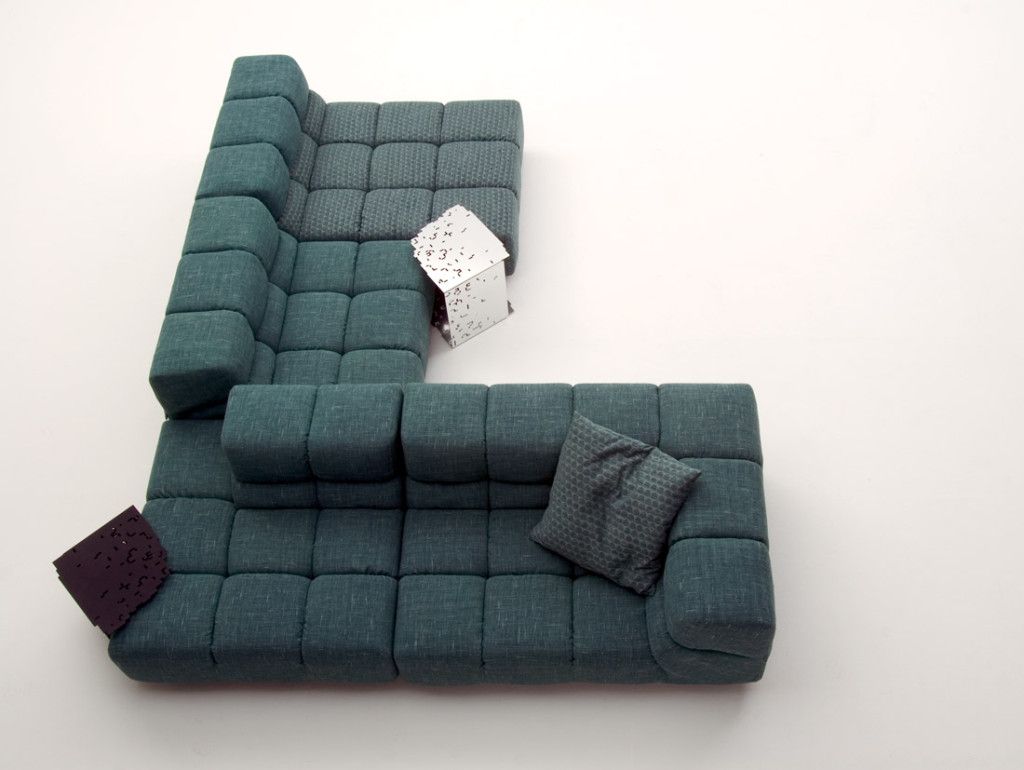
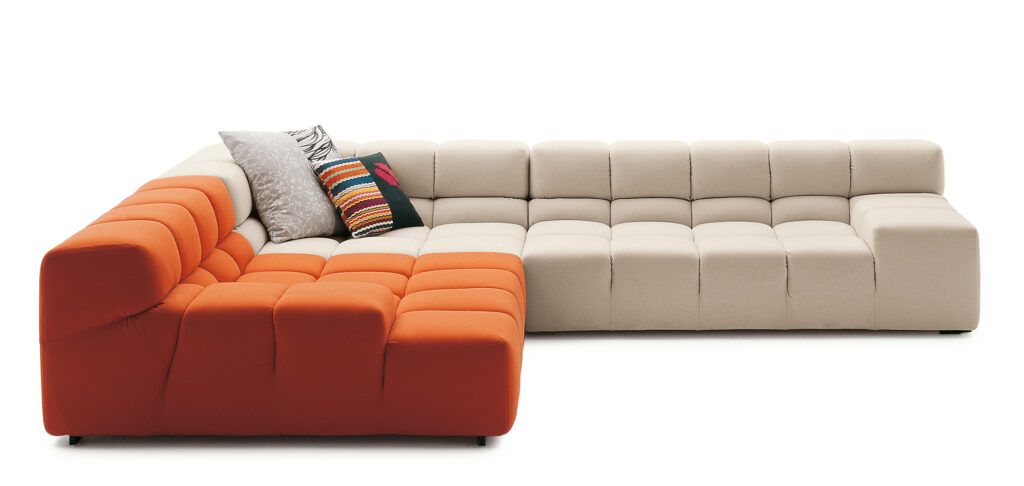
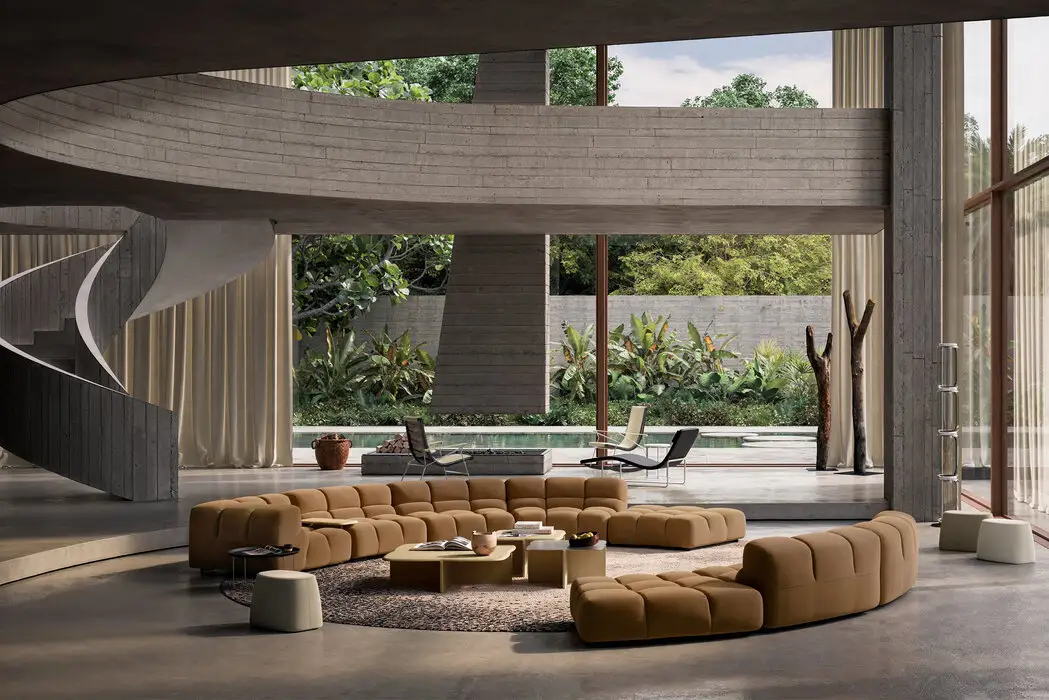
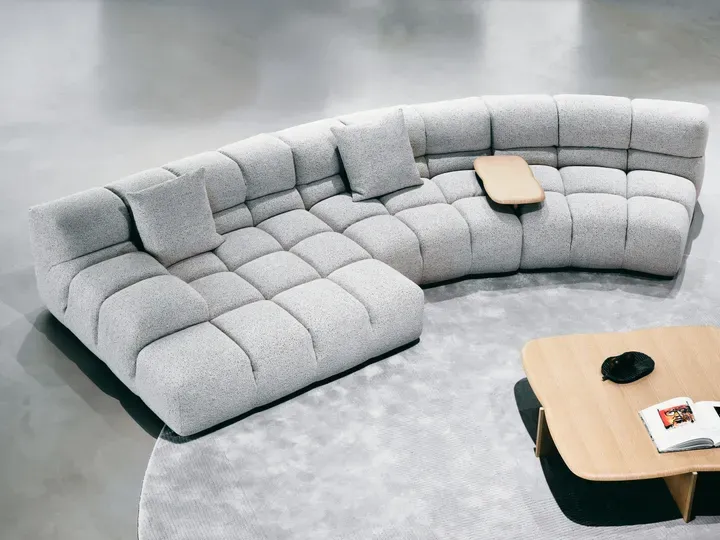
Tufty-Time, the seating system designed for B&B Italia in 2005, is perhaps the simplest way to enter her thinking. Urquiola starts from two highly recognizable images of the traditional living room, the Chesterfield and capitonné, but instead of reproducing them she opens them up, splits them and turns them into modules. The sofa can become linear, angular, an island, a chaise longue or a place to sit from several directions. Tradition remains visible, but it stops imposing a single way of being in the space.
This is one of her most interesting qualities. Urquiola does not destroy what already exists to prove she is new. She observes it, takes it apart and tries to understand what it can still become. In Tufty-Time the capitonné does not disappear, but it loses its rigidity. The living room is no longer organized around a precise position and the sofa no longer necessarily dictates where to sit or what to face. It becomes a domestic landscape, freer and more informal, able to change together with the people who use it.
In 2025, twenty years after the original project, B&B Italia presented Tufty-Time 20, a new evolution of the system. This update also tells us a lot about Urquiola, because it does not replace the first project and does not try to erase it. It reopens it. It keeps modularity, comfort and flexibility, but adapts them to a different present.
Making opposites coexist
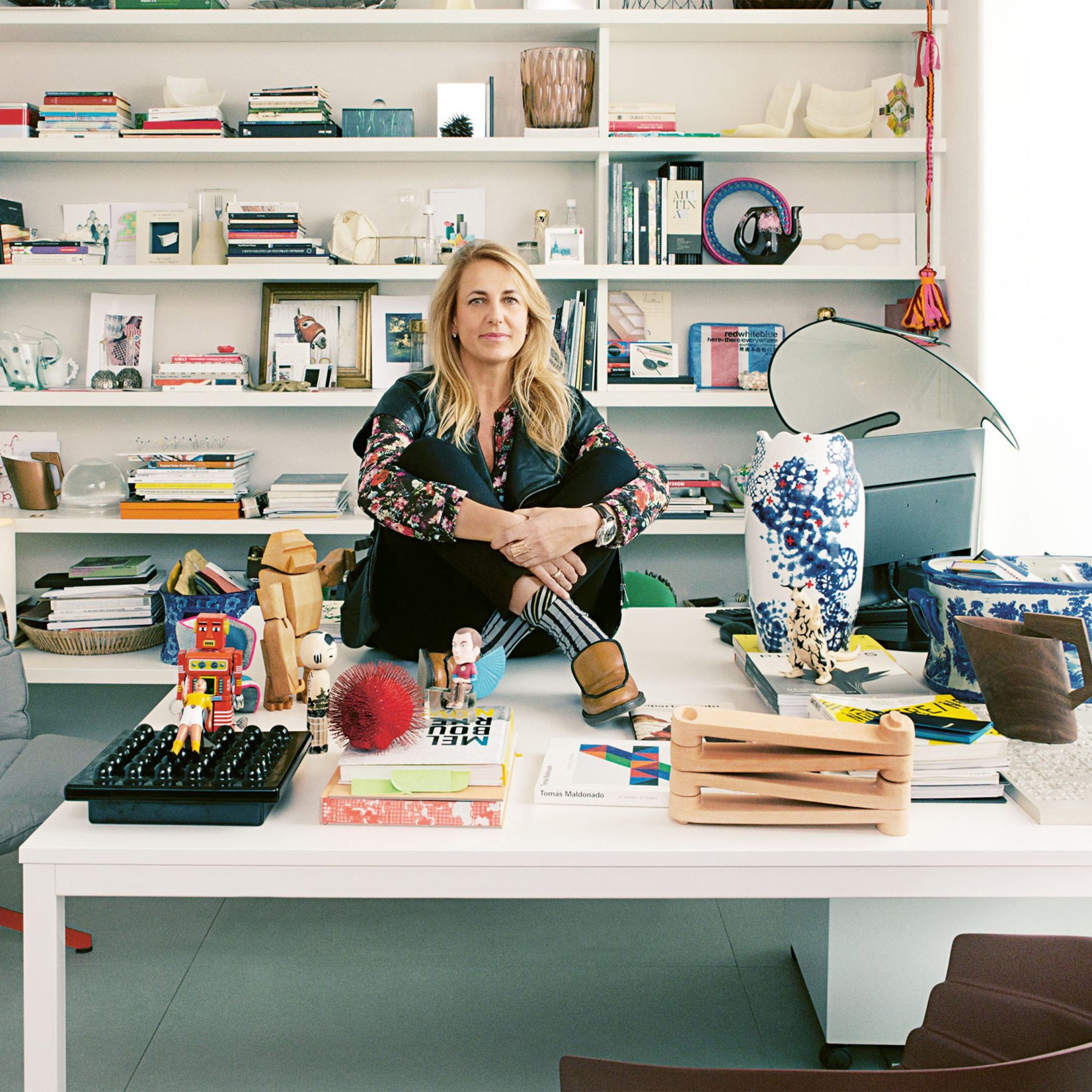
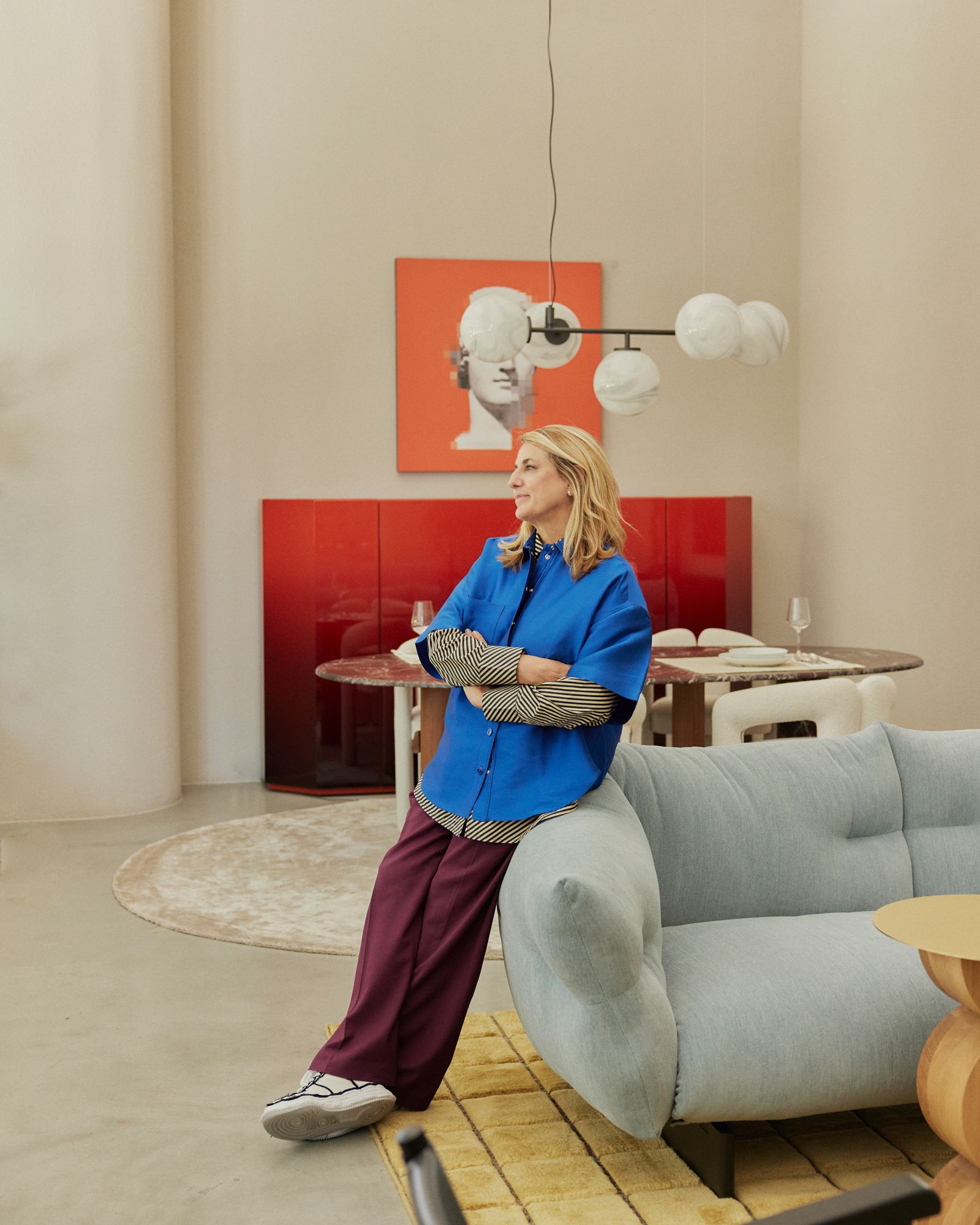
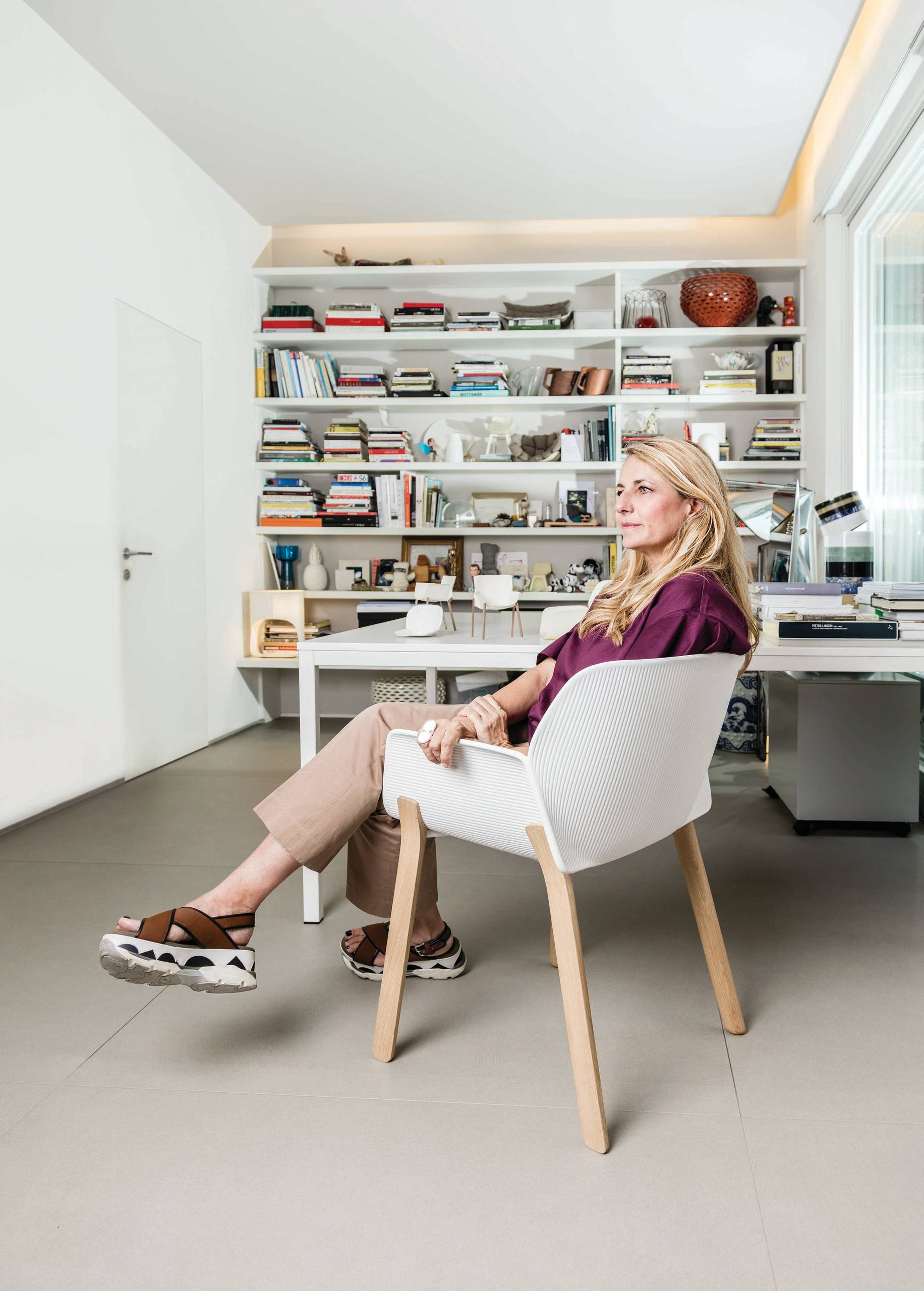
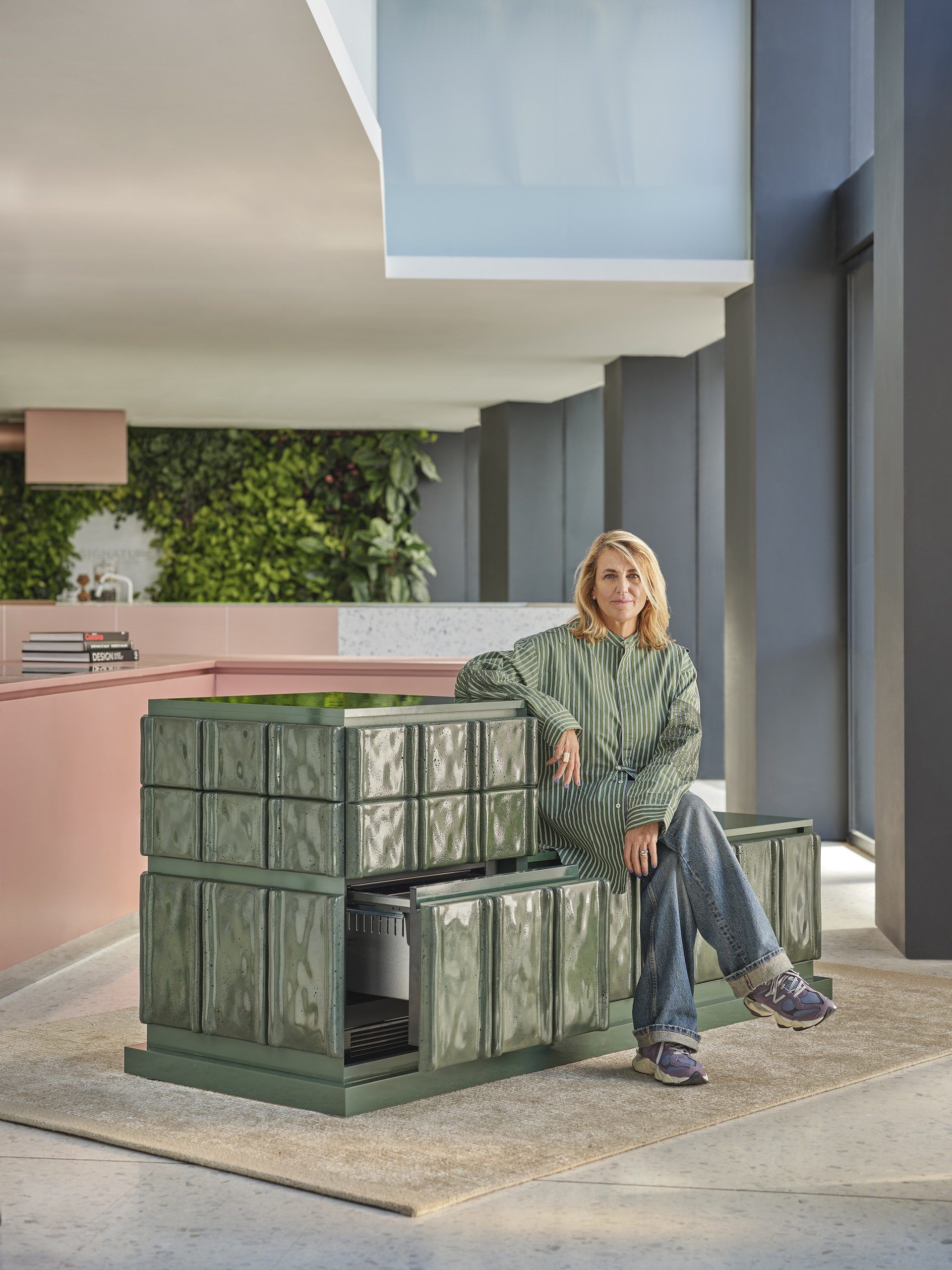
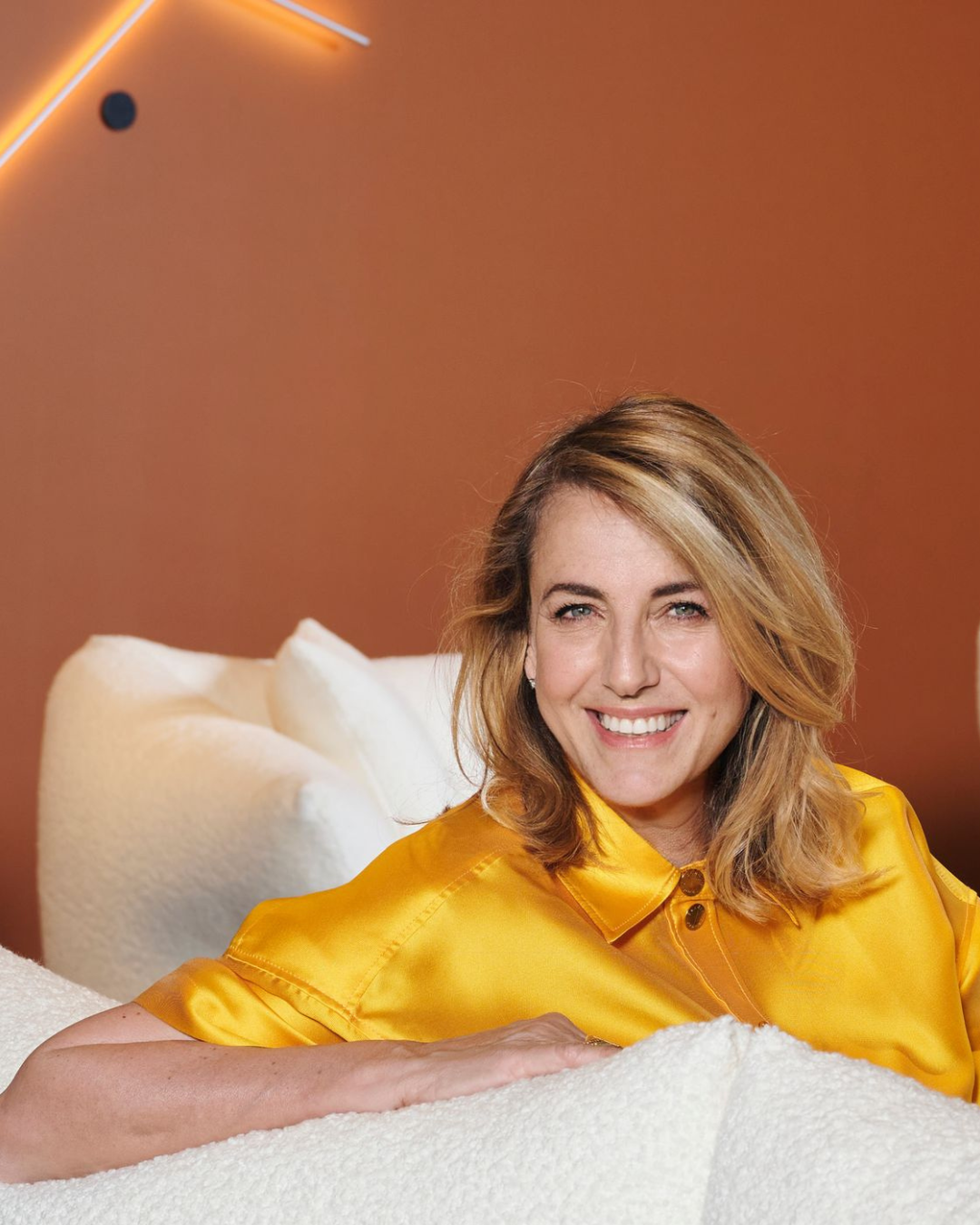
Patricia Urquiola was born in Oviedo, Spain, in 1961. She trained between Madrid and the Politecnico di Milano, where she graduated in 1989, and in 2001 she opened her own studio, active in product design, interiors and architecture. She lives and works in Milan and has been Art Director of Cassina since September 2015. These are useful facts to place her, but they are not enough to explain her work. The more interesting part is how this identity, suspended between several cultures and disciplines, has become a design method.
Her studio describes an approach that unites the humanistic, technological and social dimensions, seeking unexpected connections between what we already know and what we have not yet explored. It is not just a theoretical statement. In her projects it translates into the ability to make opposites coexist without forcing them to resemble one another. Soft meets technical, industry comes into contact with craft gesture, a memory of the past can become the basis of a contemporary product.
This is why describing her only through color, welcoming shapes or a generic idea of sensory design would be reductive. The softness in her work is never weak and comfort does not simply come down to added padding. Behind an enveloping seat there is always reasoning about structure, the body and the way people move or stay together.
A naturalness built with precision
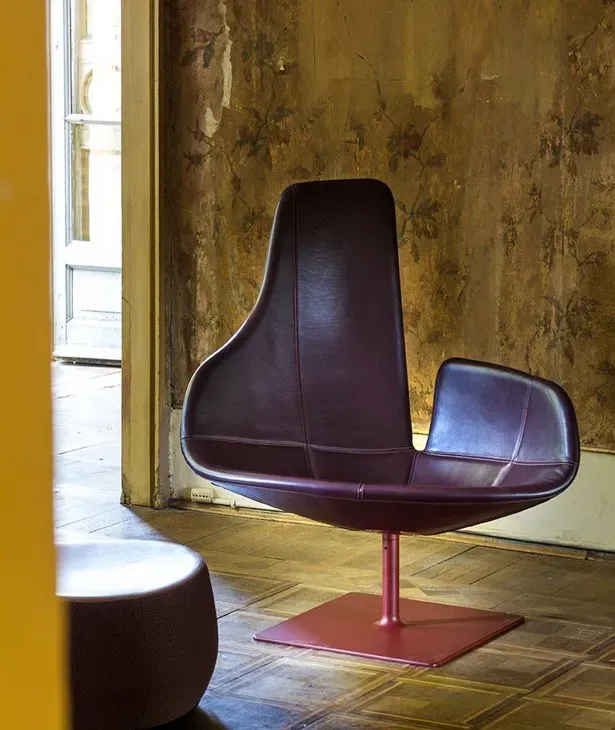
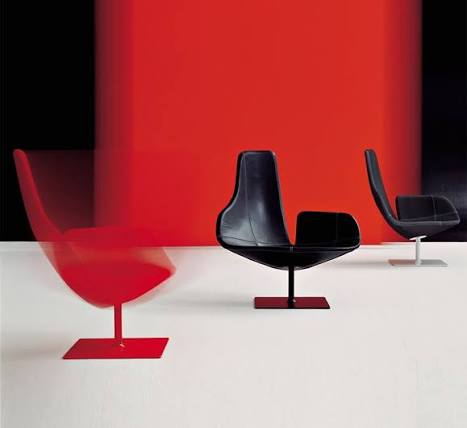
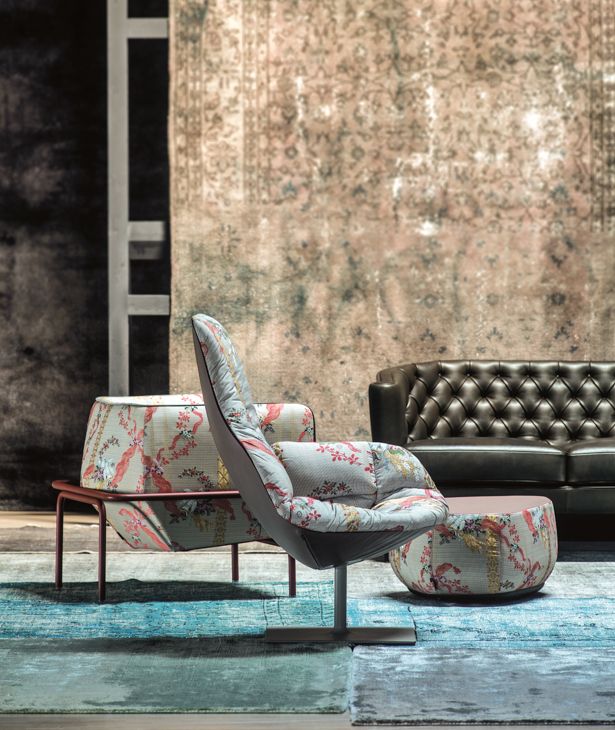
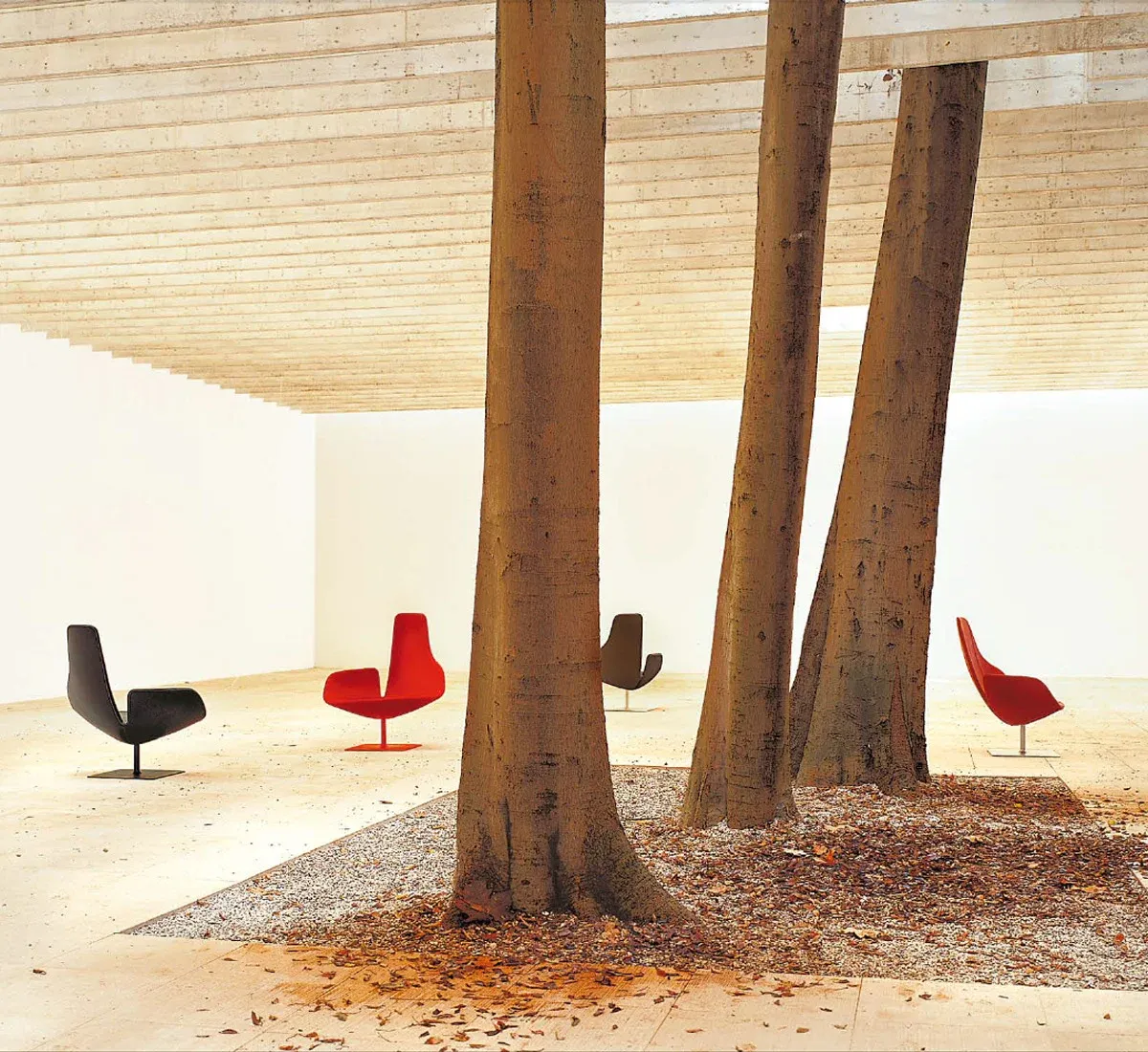
The Fjord collection, designed for Moroso in 2002, comes from the image of a shell broken and smoothed by the waves. The natural shape is observed after time and water have transformed it, then it becomes a family of seats that changes scale and function. Here too Urquiola does not copy nature in a decorative way. She is interested in the process, in the way something can lose its original form without losing its identity. Fjord looks organic, almost spontaneous, but that naturalness is built with great precision. It is exactly in this tension that her work becomes recognizable.
The objects seem simple to live with, but they are never simple to design. They welcome the body without giving up structure and communicate lightness even when a complex technical study lies behind the shape. This ability to work on opposites has allowed her to collaborate with very different companies, materials and scales without turning every project into a copy of the previous one. The question then almost asks itself. How does one stay recognizable when producing so much?
Making past and future speak to each other
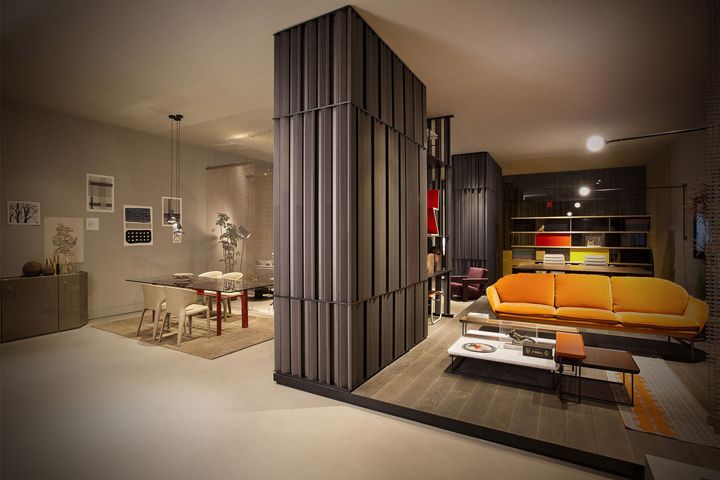
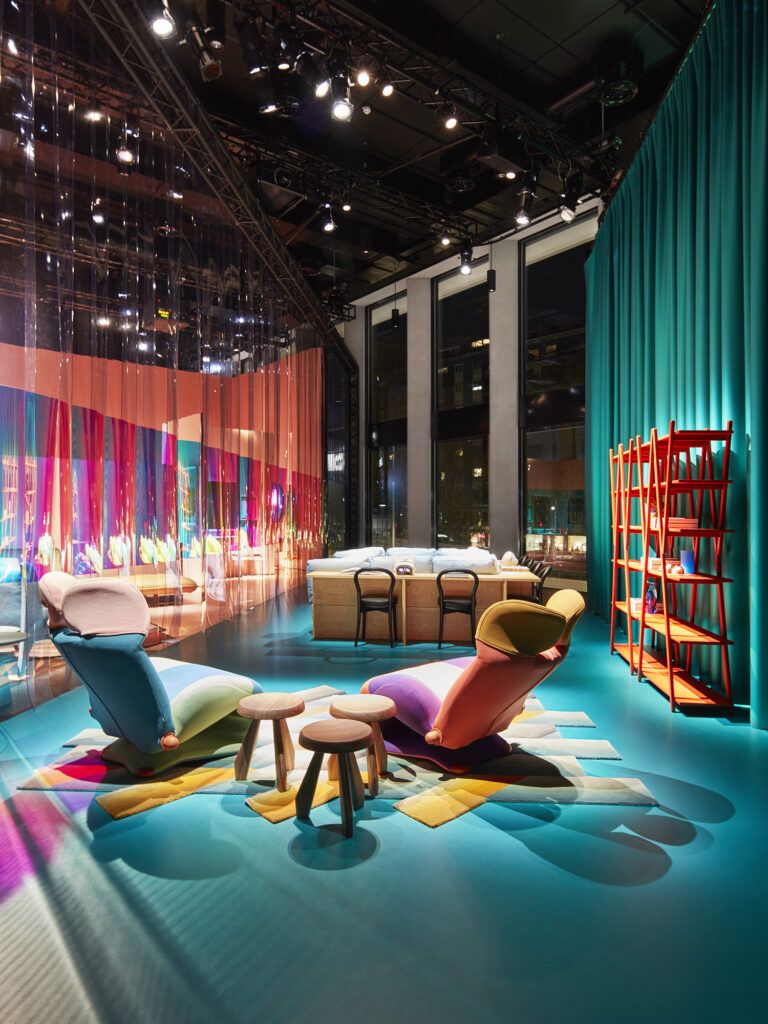
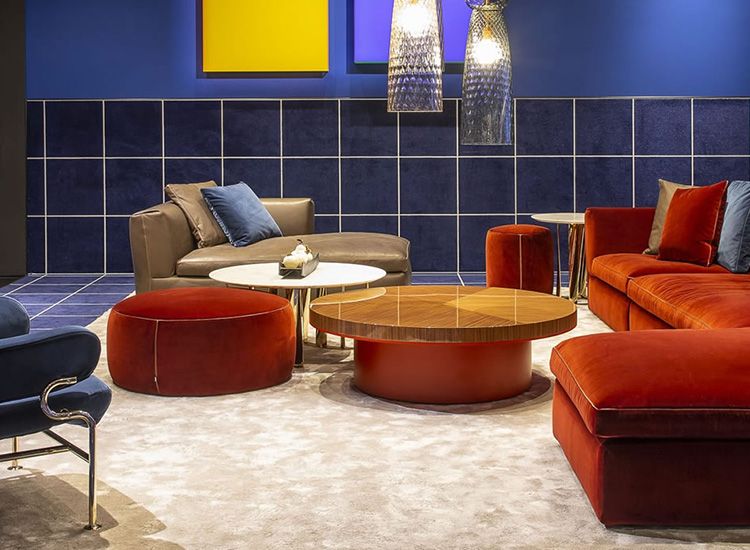
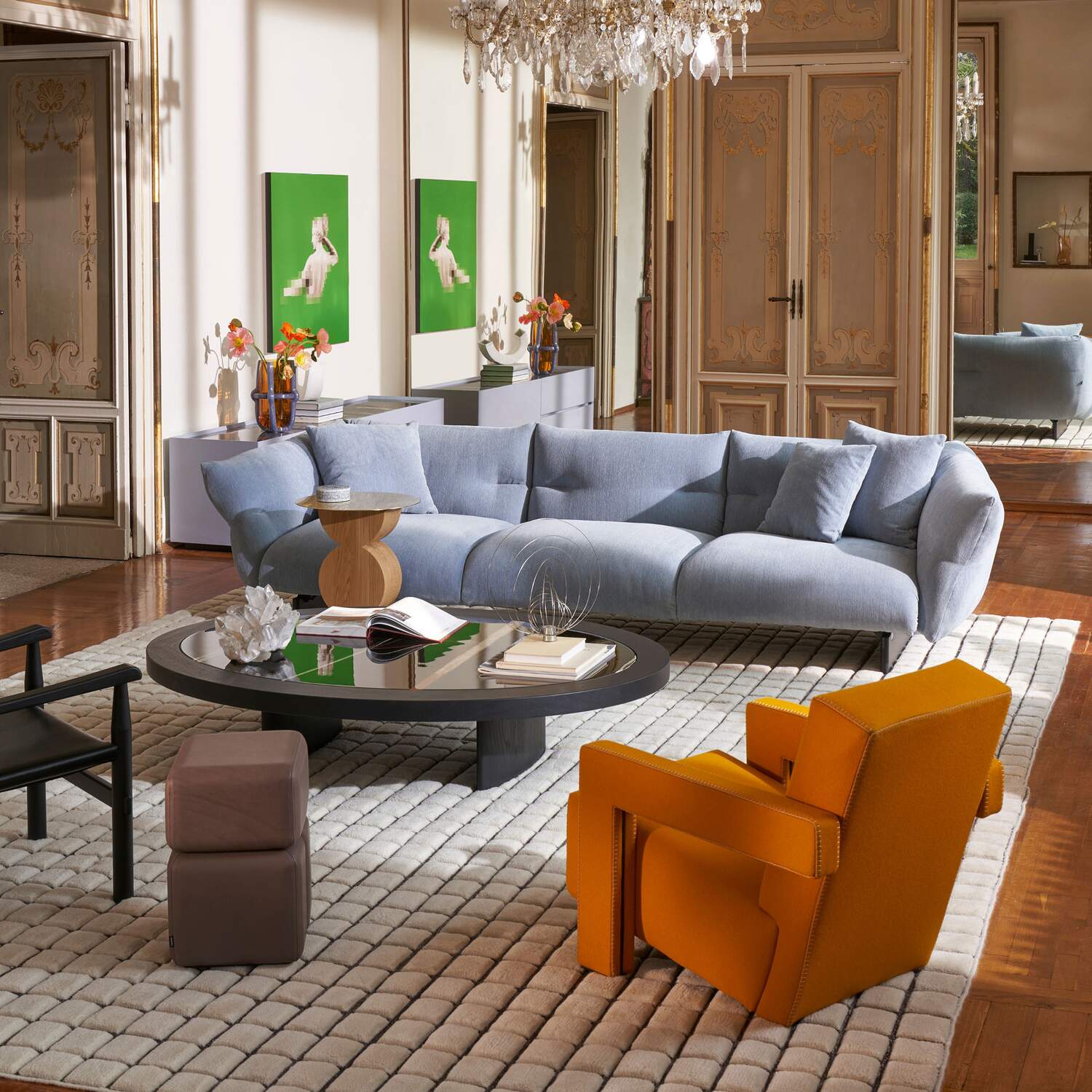
The answer is that Urquiola does not necessarily repeat shapes, but repeats an attitude. She often starts from something familiar and questions it without destroying it. A traditional typology becomes freer, an industrial material gains a tactile quality, a natural shape is translated through technology. What returns is not the object's final appearance, but the way it was conceived.
Her appointment as Art Director of Cassina in 2015 made this attitude even more evident. Urquiola no longer deals only with designing individual products, but takes part in building the brand's overall identity, working on the relationship between historical archive, contemporary research, showrooms, installations and new ways of imagining the home. The shift matters because it shows how her method can work not only on the scale of a chair or a sofa, but within a much larger system.
Here too the point is not choosing between past and future. It is understanding how to make them speak to each other without reducing the first to nostalgia and the second to a spectacular shape. For Urquiola, innovating does not necessarily mean designing something that looks as if it came from the future. It can mean rereading an archive, changing the way a material is used or designing an object while already thinking about what will happen to it once it is no longer needed.
Comfort and sustainability
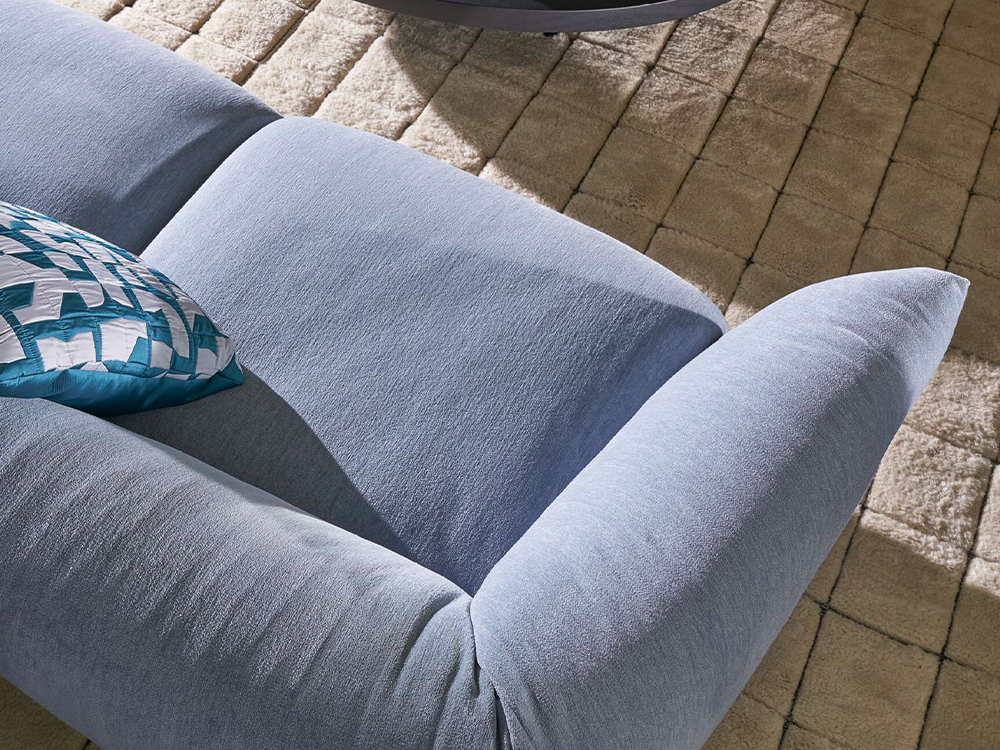
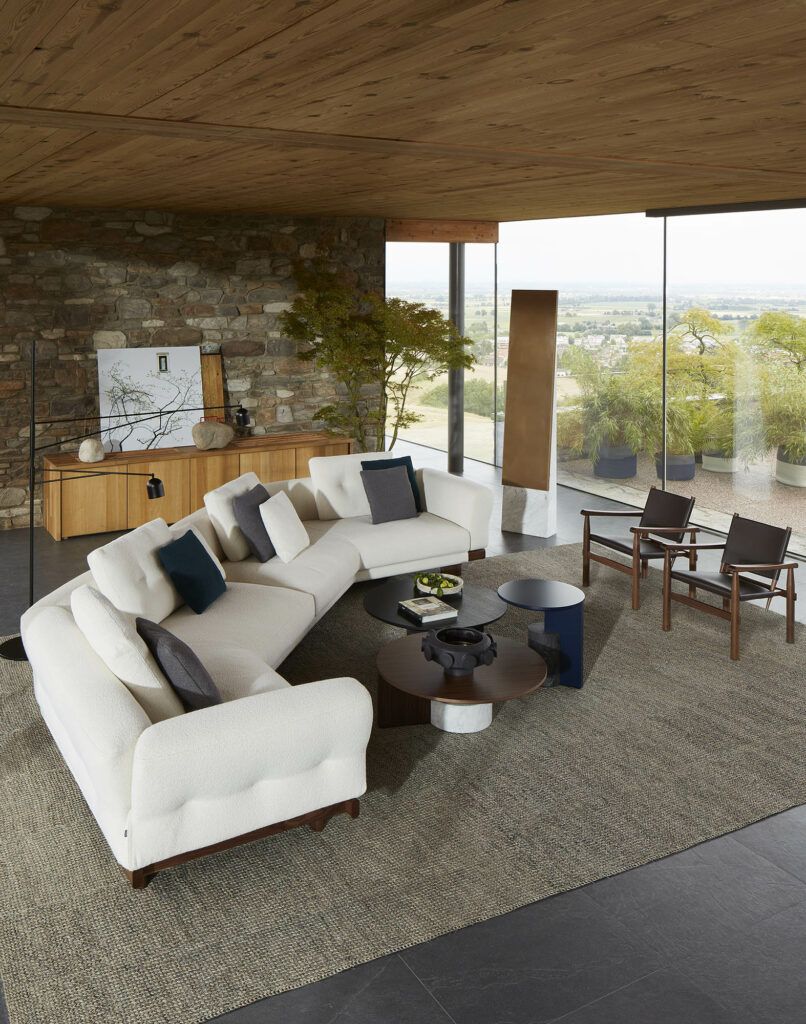
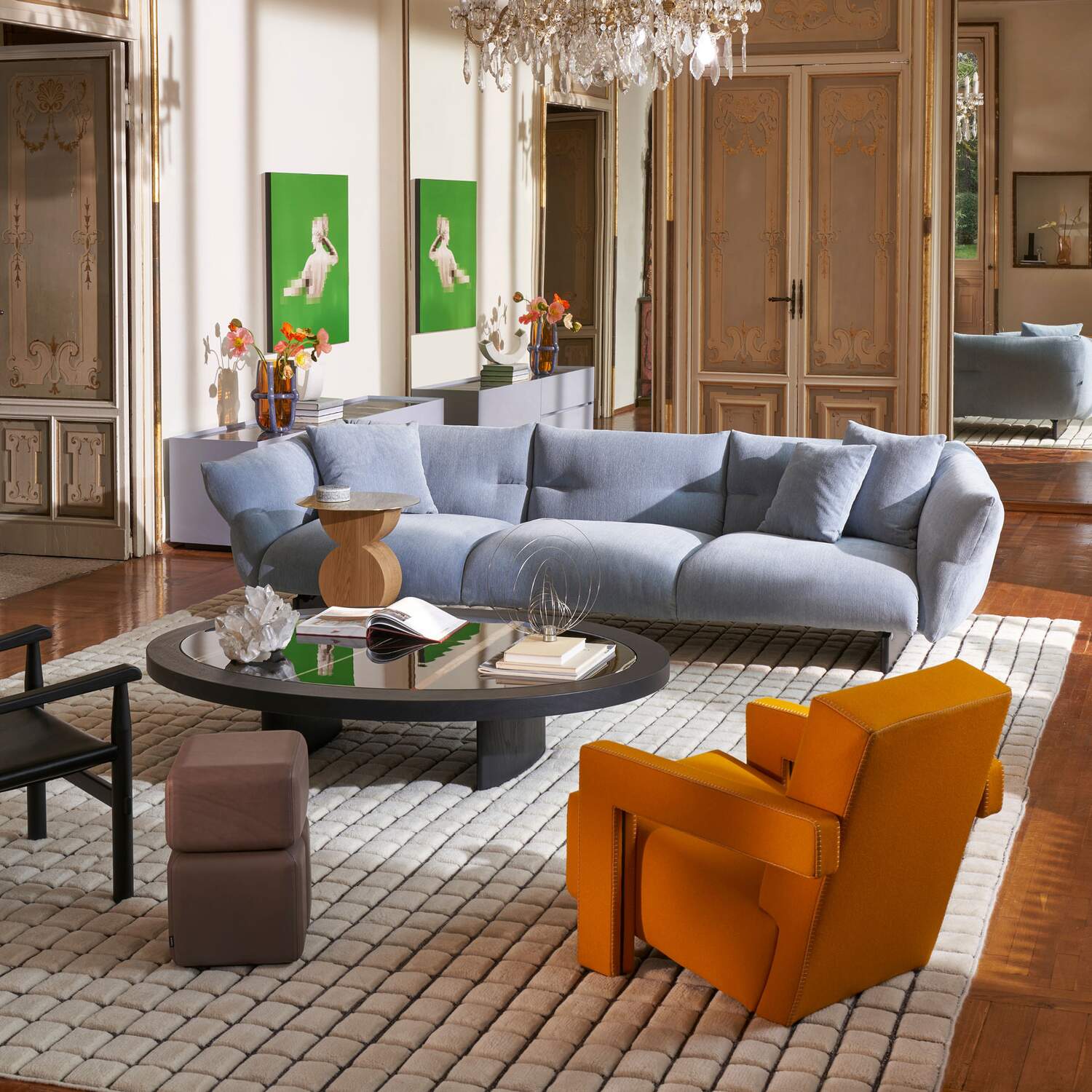
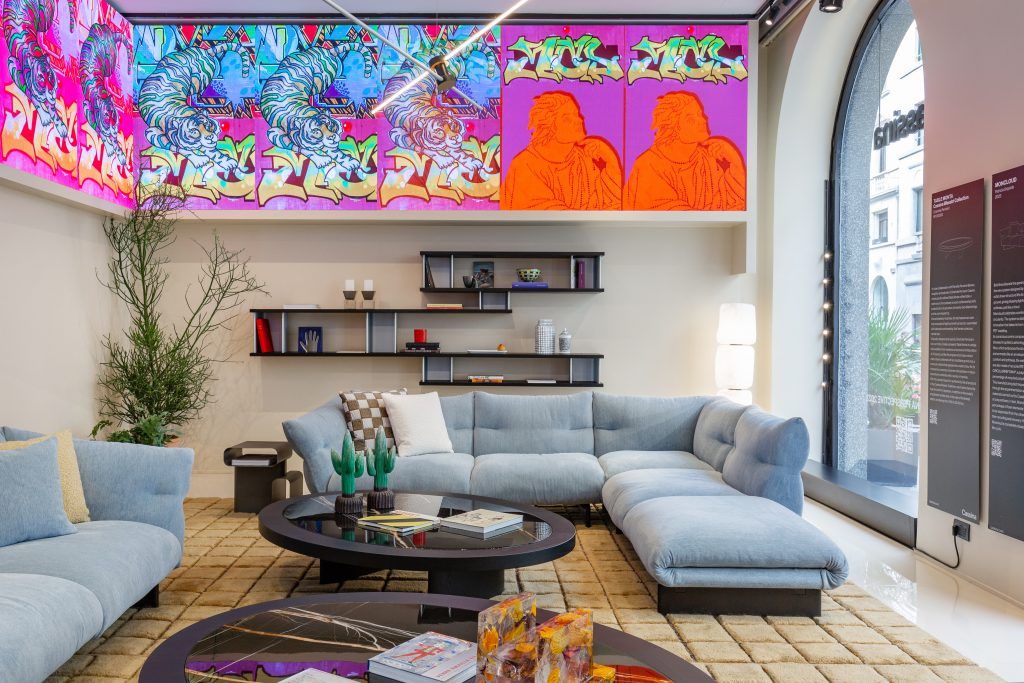
Mon-Cloud, the sofa designed for Cassina, carries this reasoning into one of the most complex objects in the home. Upholstered sofas are traditionally built by joining materials that are hard to separate and recover. Urquiola rethinks it in a circular way, greatly reducing the use of foamed elements and working on a structure designed to lighten the shape and make its components easier to manage.
The result looks like a cloud lifted off the ground, generous and welcoming, but behind that soft image lies a precise project. Once again, Urquiola brings together two dimensions that are often described as opposites. Comfort is not sacrificed in the name of responsibility and sustainability is not used as a story tacked on at the end. It enters into the way the object is built.
This is where her thinking becomes particularly current. For years the future of design was represented through cold shapes, artificial materials and objects that seemed to come from another planet. Urquiola suggests a different direction. A project is contemporary when it manages to last, transform, be rethought and respond to needs that do not stay still.
An open way of designing
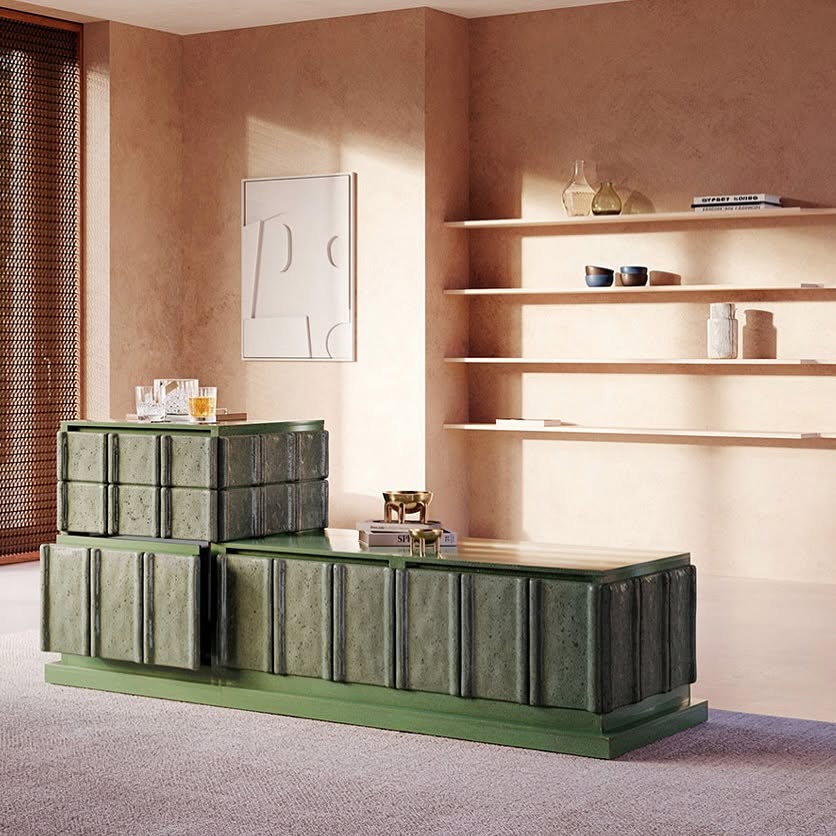
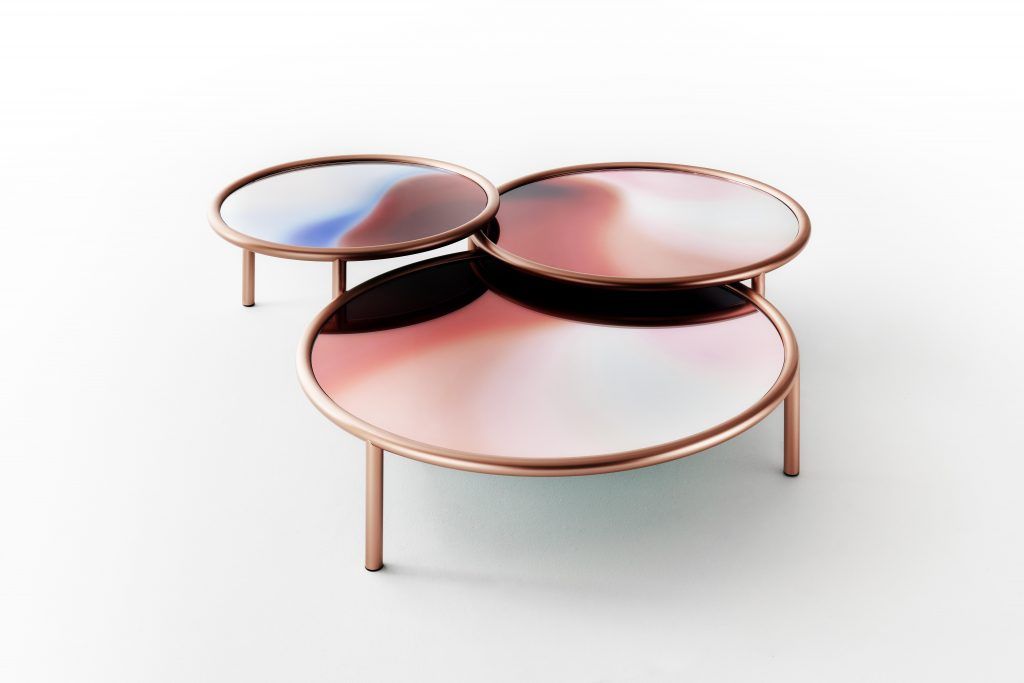
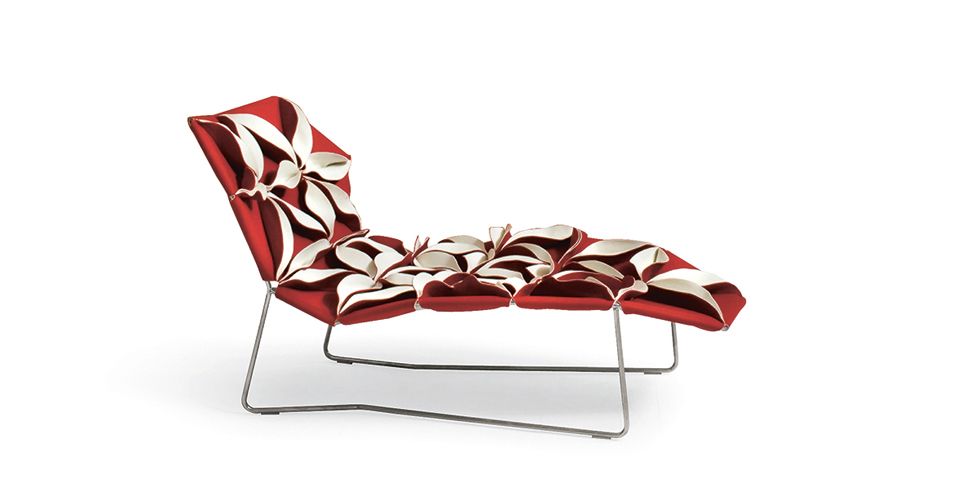
Our homes, after all, have also stopped having such rigid functions. The same space can become a place of work, rest, meeting and isolation over the course of a single day. Her furniture responds to this instability without treating it as a problem. It does not try to fix a single posture or a single arrangement, but leaves open a possibility of change.
Her work shows that coherence does not necessarily depend on an immediately recognizable visual signature, but on the continuity of a way of thinking. Shape, material, scale and language can change while the same questions keep being asked. How can an object be welcoming without becoming predictable? How can technology keep a human quality? How can tradition be respected without becoming its prisoner? And how can industry produce beauty while also taking responsibility for what it leaves behind?
Patricia Urquiola has not built a closed style, but an open way of designing. Her identity lives precisely in her willingness to change, mix languages and question solutions that seemed already complete. The secret is not repeating herself, while never ceasing to be recognizable.