October 27th, 2026
Why Young People in Italy Earn Less Than Previous Generations Under-30 salaries are not only low but also reflect a striking generational gap
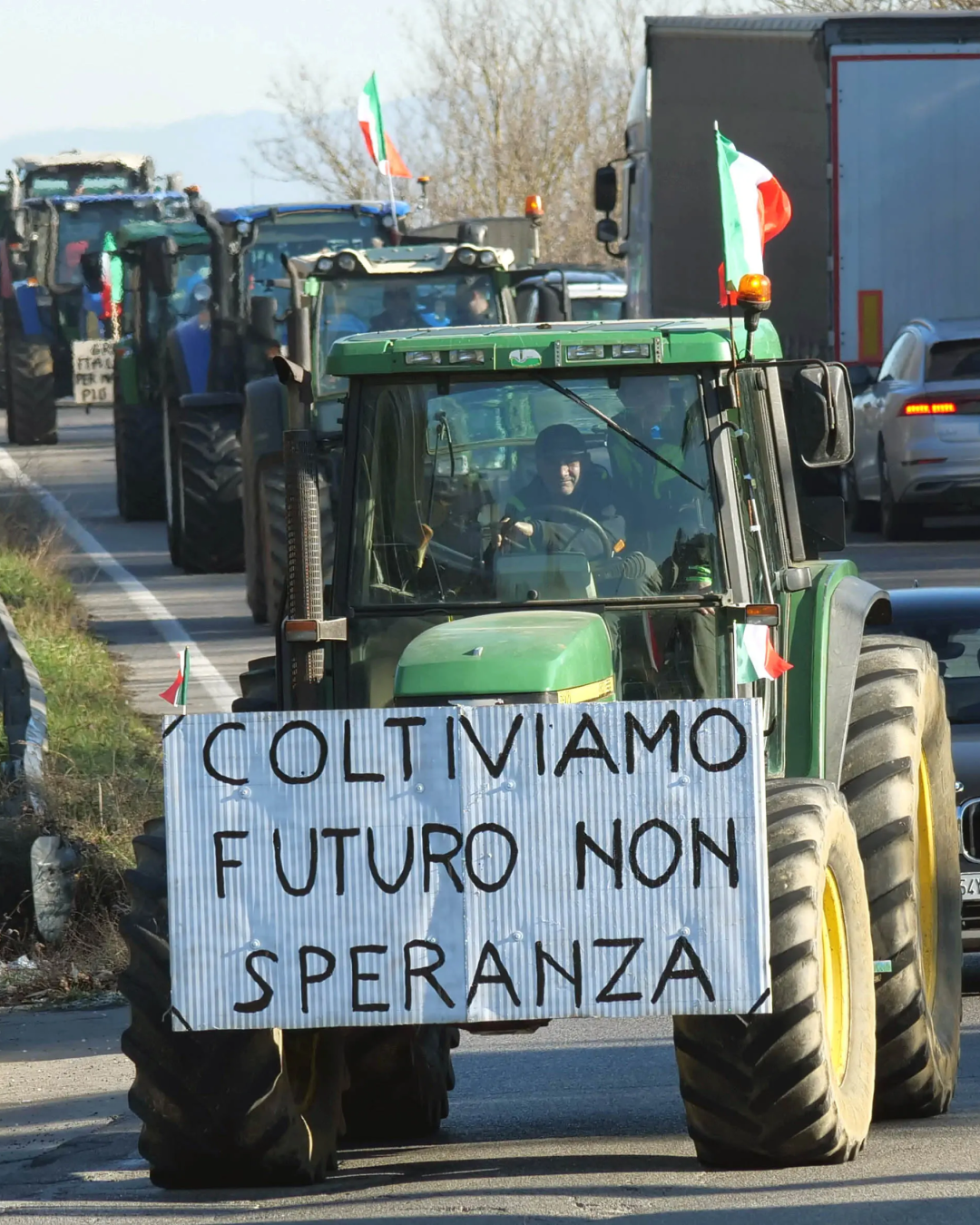
Among the main reasons behind the recent protests in several major Italian cities, and beyond, is the so-called cost-of-living crisis. The widespread rise in prices over recent years has eroded people's purchasing power, contributing to a worsening of the economic conditions of a significant portion of the population. Yet, in the face of a sharply rising cost of living, average Italian wages — already relatively low compared to those in the major European economies — have remained essentially stagnant: in practice, the wage increases recorded in recent years have been nowhere near sufficient to offset the rising cost of living.
The economic hardship facing young people is further compounded by the poor recognition of young people's qualifications in the Italian labour market and the pay gap between generations. Workers under 30, who are on average better educated than their older counterparts, earn proportionally significantly lower wages.
What are the problems with wages in Italy today
The reason wages in Italy remain stagnant is that the country's economic system as a whole is unable to evolve and grow as it does in other major European countries. Between 2021 and the first quarter of 2026, so-called "nominal wages" in Italy — that is, the amounts actually received in pay packets — rose by an average of around 12%; over the same period, however, "real wages", which measure the actual purchasing power of earnings by accounting for price trends, fell by 6 percentage points. In other words, on average Italians have started earning slightly more in purely monetary terms, yet despite this they can afford fewer goods and services than they could a few years ago.
Furthermore, the rise in "nominal wages" has produced a paradoxical effect on the tax front: without any real improvement in their economic circumstances, some taxpayers have crossed the income thresholds that grant access to certain tax breaks and deductions. The result is that the tax authorities have ended up treating them as better off, at least on paper, by demanding more tax from them or reducing the benefits to which they were entitled.
Adding to this problem is the fact that many tax concessions continue to be calculated on the basis of parameters set many years ago, which no longer reflect the recent rise in the cost of living. As Il Sole 24 Ore points out, a telling example is the 19% tax deduction for rent paid by university students living away from home: the maximum deductible expenditure, set at around €2,600, has remained frozen at a figure established in 2007, even though rental prices have risen considerably in the meantime, particularly in large cities — where the main Italian university campuses are concentrated.
This effect, known in economics as "fiscal drag", has, according to experts, not been adequately addressed by Giorgia Meloni's government, owing to an overly cautious approach to public finances and the absence of ambitious structural economic reforms. The result is that Italy remains the European country furthest behind in recovering the purchasing power lost to the cost-of-living crisis of recent years.