September 7th, 2026
The EU finally acts against overtourism Jørgensen's plan to curb the short-term rental race in the most expensive cities
On Wednesday, September 9, the European Commission will present a draft regulation that would give governments, regions, and municipalities an instrument that has become indispensable: the ability to restrict, or even ban entirely, tourist rentals in areas where property values have grown disproportionately relative to the incomes of local residents. In those same areas, authorities could also intervene in purchases, preventing anyone who does not intend to use a property as their primary residence — or who does not plan to rent it to a long-term tenant — from buying it.
Areas in "Housing Distress"
@cinemaerealife É un affare....Taac #ironia #casa #milano #roma #film #comico #uni #studenti #cena #spaghetti #italia #perte suono originale - Cinema&realife
The measure is the centrepiece of the European housing plan signed by Dan Jørgensen, the Danish commissioner responsible for housing policy, and stems from a gap that the Commission itself now considers intolerable: in the decade from 2015 to 2025, housing values across the Union rose by 64.9%, while rents increased by 21.8%. In the meantime, however, wages have not seen comparably significant increases.
To qualify as areas in "housing distress," the Commission has established strict and precise criteria. The first concerns the ratio between incomes and prices: buying a home must cost, on average, eight times the mean annual income of people living in the area. Secondly, the gap between property costs and residents' purchasing power must have widened over the preceding ten years and must not be on track to narrow within the following three.
The aim, therefore, is not to intervene where the market has had a few particularly costly years, but where finding housing has become structurally difficult. In 2024, nearly 10% of European city dwellers spent more than 40% of their disposable income on housing. For nearly one in ten people, a huge portion of their salary is gone before the month has even begun.
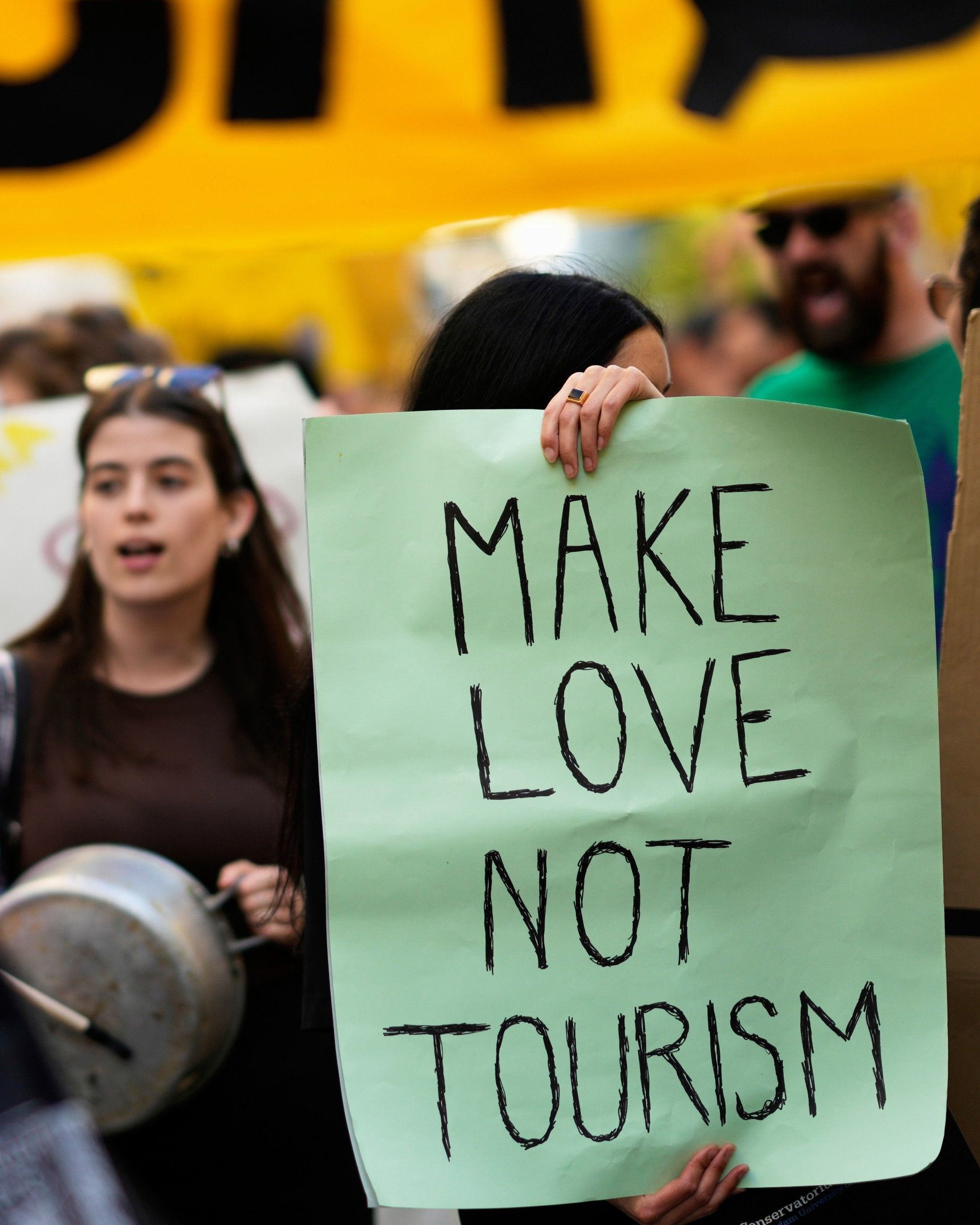
The Fight Against Overtourism
well anyway
— ¾ di Emma ceo of creloise (@Haemmah) September 6, 2026
fuck overtourism
listen to italians
research our actual lifestyle
eat the rich possibly al dente
For years, the fight against overtourism has remained largely in the hands of individual cities. In Italy, every attempt by major cities to tighten rules on tourist rentals has had to contend with legal challenges and administrative battles: Florence, for example, had to wait for the TAR to dismiss appeals against its regulations and for the Council of State to uphold the ban on key boxes and self check-in.
Jørgensen's plan attempts to bring together a patchwork of measures into a single continental strategy. As a regulation, it is directly applicable in all member states without the need for specific national legislation. The restriction on purchases is the most striking element, as it marks the first time the European Union has ventured so deeply into the property market — a domain that national capitals have always treated as their exclusive preserve. It is important to note that the text is, for now, still a draft and therefore still being finalised.
The direction chosen by the EU is nonetheless already significant. Tourism is not being banned, but an attempt is being made to prevent it from progressively encroaching on the space of those who live in cities on a day-to-day basis. For the first time, Brussels appears willing to place the right to housing above the ability to turn every available apartment into an investment.