August 25th, 2026
Has the mountains become unlivable? Overtourism has reached the high mountains too
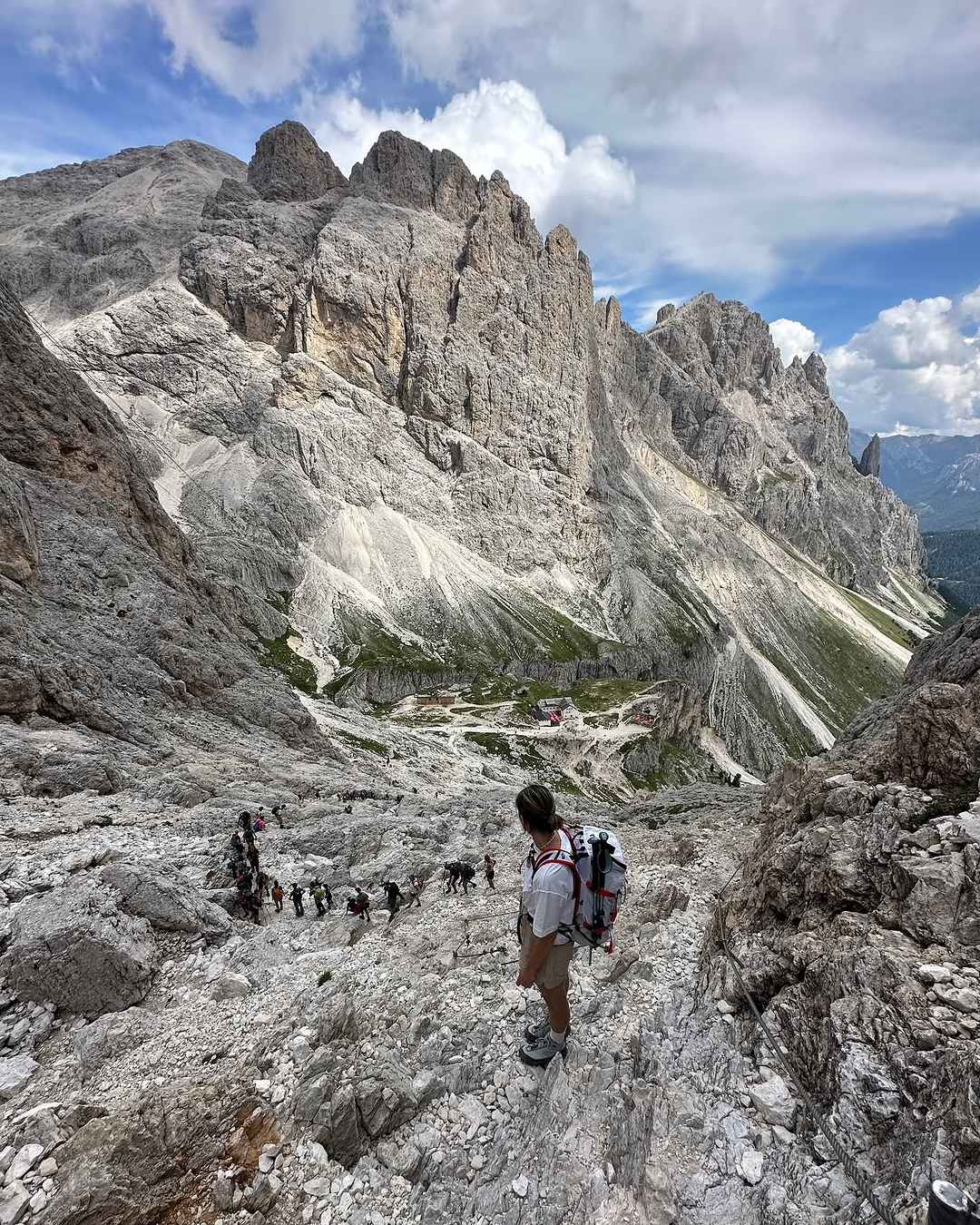
After the experience of the Covid-19 pandemic and the lockdowns of 2020 and 2021, the mountains and, more broadly, outdoor activities have become very popular – perhaps too popular. This trend has also been fueled by rising summer temperatures, increasingly high even in seaside destinations and art cities, which is leading a growing number of people to choose their holiday destinations based on the possibility of staying cool. However, especially at high altitude, trekking and hiking have become more demanding, partly due to the effects of climate change, an aspect that tourists are not always fully aware of.
In recent years, in fact, many people who were not used to visiting the mountains have started to consider them a viable destination for their summer holidays. This growing demand has, however, contributed to the overcrowding of certain locations – especially the most famous ones, such as the Dolomites. Interestingly, this phenomenon – until not long ago – seemed to affect only seaside destinations and major cities, whereas today it increasingly involves the mountains as well.
The consequences of overtourism in the mountains
@andreeabxd Ermmmm sorry??? Why were there so many people #sorapis #sorapislake #dolomites #dolomitesitaly #visititaly #italy #italymountains original sound - shoppyshopicon
According to a recent study conducted by the Demoskopika Institute, a research center that analyzes, among other areas, tourism-related trends, in 2025 Alto Adige was for the second consecutive year among the Italian destinations most exposed to overtourism – along with Rimini and Venice. In Italy's mountain locations, the number of foreign visitors is also on the rise: Confartigianato Imprese Veneto, an association representing businesses in the Veneto region, reports for example that – over the past two years – the presence of non-Italian tourists in the region's high-altitude areas has increased by more than 40 percentage points.
For those who live in these areas, overtourism adds to the difficulties already tied to depopulation and the progressive reduction of services available in individual locations, making it more complex to maintain a balance between residents' needs and growing tourist flows. Even mountain huts, structures originally created to offer shelter, food, and assistance to hikers, are in part feeling this shift.
In some locations, rising tourist demand is affecting management and supply methods, with facilities having to adapt to a growing number of visitors and to needs increasingly similar to those of traditional hospitality. One example is the more frequent use of helicopters to transport food and supplies, a solution that makes managing high-altitude facilities easier but also results in a greater environmental impact.
Recently, moreover, a case involving the Friedrich August mountain hut, in Val di Fassa, in Trentino-Alto Adige, has attracted a lot of attention, where the social media popularity of their cream-filled krapfen caused a long line to form, along with crowding and congestion, at the foot of the Sassolungo – one of the main peaks of the Dolomites.
What social media have to do with all this
According to experts, the growing popularity of mountain locations among people not traditionally accustomed to the mountains is also, and above all, linked to the typical dynamics of social media: the visibility gained by certain mountain locations on platforms like Instagram and TikTok can cause places that were originally relatively unknown to become highly sought-after destinations, progressively concentrating visitors in a limited number of locations.