On Sunday, July 26, Italian airspace recorded the highest number of movements in its history: 8,446 flights in a single day. The announcement came from Enav, the company responsible for managing civil air traffic control in Italy, which explained that the previous record, set just one year earlier, had already been broken four times throughout July before reaching this new milestone.
On July 12, 8,350 flights were recorded, followed by 8,392 on July 17, 8,430 the following day, and finally 8,446 on July 26. Rather than an isolated achievement, the new record marks the peak of a steady upward trend that has defined the entire summer season. Enav's own forecasts suggest that the record could be broken again in August, traditionally the busiest month for European air traffic. In other words, Italy's “blue-painted blue” skies have never been so crowded.
Italian air traffic keeps reaching new heights
July 23, 2026, was the busiest day for commercial air travel ever, according to data from @flightradar24.
— Colin McCarthy (@US_Stormwatch) July 25, 2026
A whopping 153,359 commercial flights were tracked worldwide. pic.twitter.com/0fJ9mcjZkY
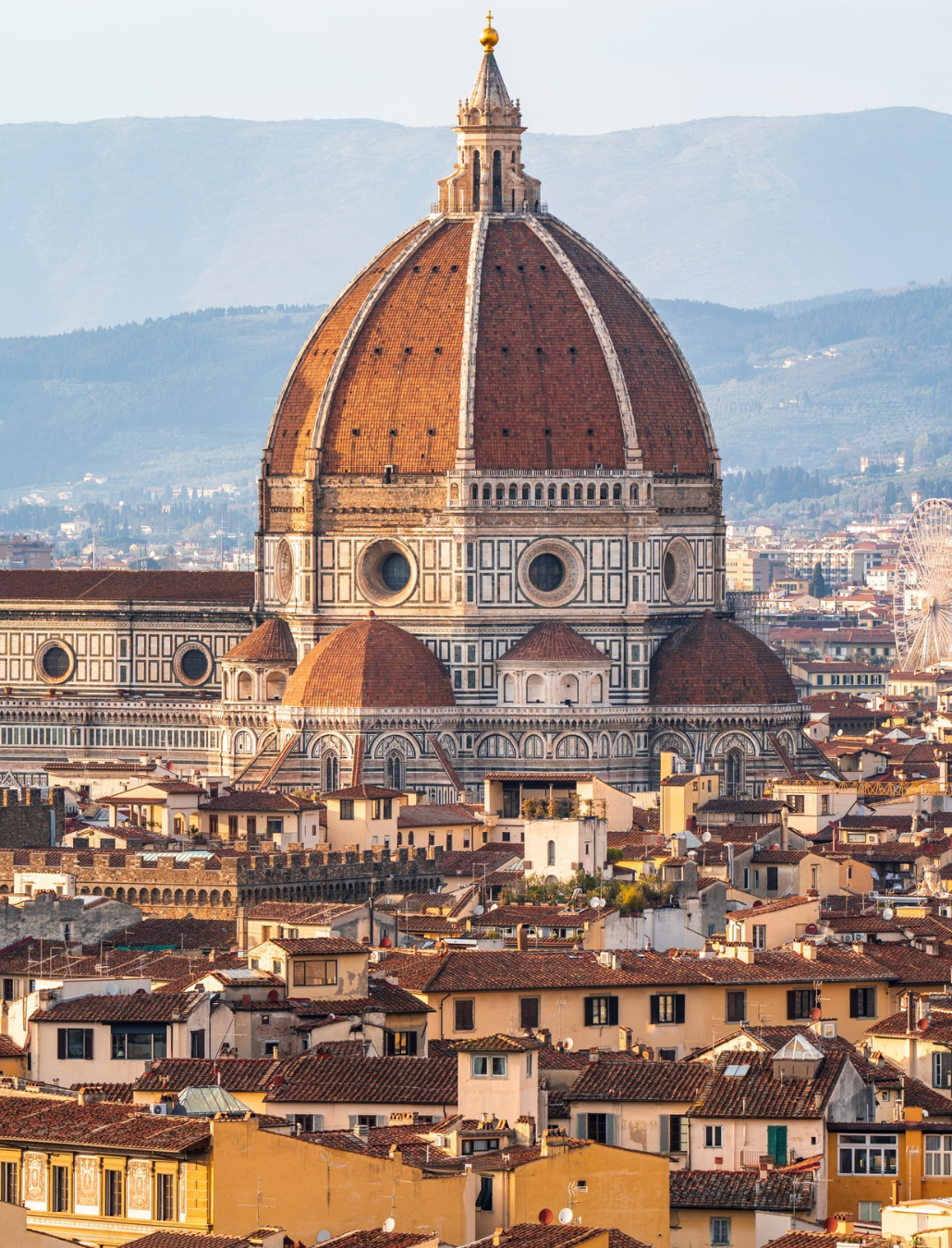
The figure is part of a trend that has been building for several years. In 2025, Enav managed more than 2.4 million flights, the highest number ever recorded in Italian airspace, and 2026 is already on track to surpass that result. An increase of this magnitude says something that goes beyond air traffic alone. Italy remains one of the world's most sought-after destinations, with tourism reaching unprecedented levels in recent years. Venice, Florence, Rome, the Cinque Terre, the Amalfi Coast, Capri, Lake Como, and countless seaside destinations welcome thousands of visitors every day, fueling a flow that continues to grow season after season.
The challenge of overtourism
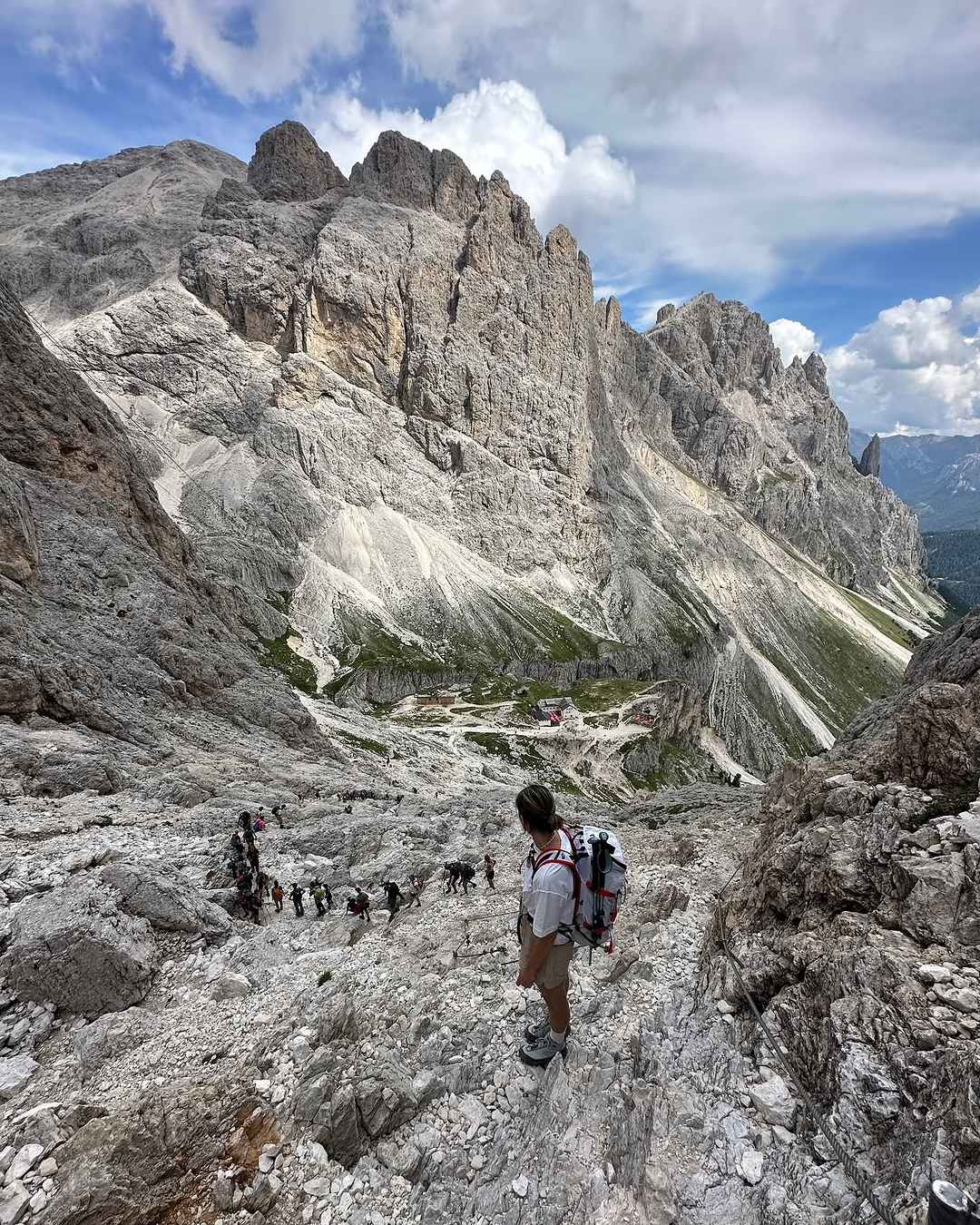
@andreeabxd Ermmmm sorry??? Why were there so many people #sorapis #sorapislake #dolomites #dolomitesitaly #visititaly #italy #italymountains original sound - shoppyshopicon
The growth in tourist arrivals has changed the way many Italian cities are experienced. Venice has introduced an entry fee, Rome has restricted access to the Trevi Fountain, and other destinations have imposed visitor caps during peak periods, as happened in Villasimius. The issue, however, goes beyond the overall number of visitors. Tourism in Italy continues to concentrate in the same places and during the same months of the year, turning the country's biggest international hotspots into destinations that seem to exist in a permanent state of peak season throughout the summer, while hundreds of small towns and equally rich historic regions remain outside the main tourist routes.
Enav's new record therefore says much more than the number of aircraft flying over Italy. It reflects a country that continues to rank among the world's most desirable travel destinations while facing a new challenge. For years the goal was simply to attract more visitors. Today, the real question is how to spread those visitors more evenly, how to make those tourism flows sustainable, and how to preserve residents' quality of life without giving up one of the most important drivers of the Italian economy.