July 30th, 2026
Puglia is becoming a paradise for the ultra-rich Salento is the new hub for high-end investments
Puglia, and Southern Italy more broadly, is experiencing a period that is as prosperous as it is controversial. Over the past few years, the region has become one of the most sought-after destinations for luxury tourism, attracting international investors, celebrities, and major hospitality brands. While this trend promises economic growth, it has also sparked an ongoing debate about the future of the region. At the center of the discussion is the new Four Seasons Puglia, a development worth more than €100 million, led by Omnam Group and backed by a group of investors that also includes Bill Gates.
The goal is to transform a historic masseria into an ultra-luxury resort, positioning Puglia among the Mediterranean's leading luxury destinations. Years ago, Flavio Briatore attempted something similar with his Billionaire Club, though without success. Thanks to its breathtaking landscapes, Puglia has become the perfect setting for celebrity weddings and exclusive events. Among them are the wedding celebrations of footballer Gianluigi Donnarumma, while international stars such as Madonna have repeatedly chosen Salento for their holidays or to celebrate their birthdays. But why has Puglia become one of the favorite destinations of the international jet set?
Salento is the new celebrity retreat
The Four Seasons project perfectly embodies the two sides of this transformation. On one hand, its developers speak of regenerating the local area, creating new jobs, and boosting Puglia's international appeal. On the other, local residents and advocacy groups fear that the rise of increasingly exclusive tourism could drive up the cost of living, inflate property values, and reshape the region into a place designed primarily for those who can afford it. After all, this is a pattern that has already emerged in other Mediterranean destinations: luxury brings investment, but it can also profoundly alter the social fabric of a community.
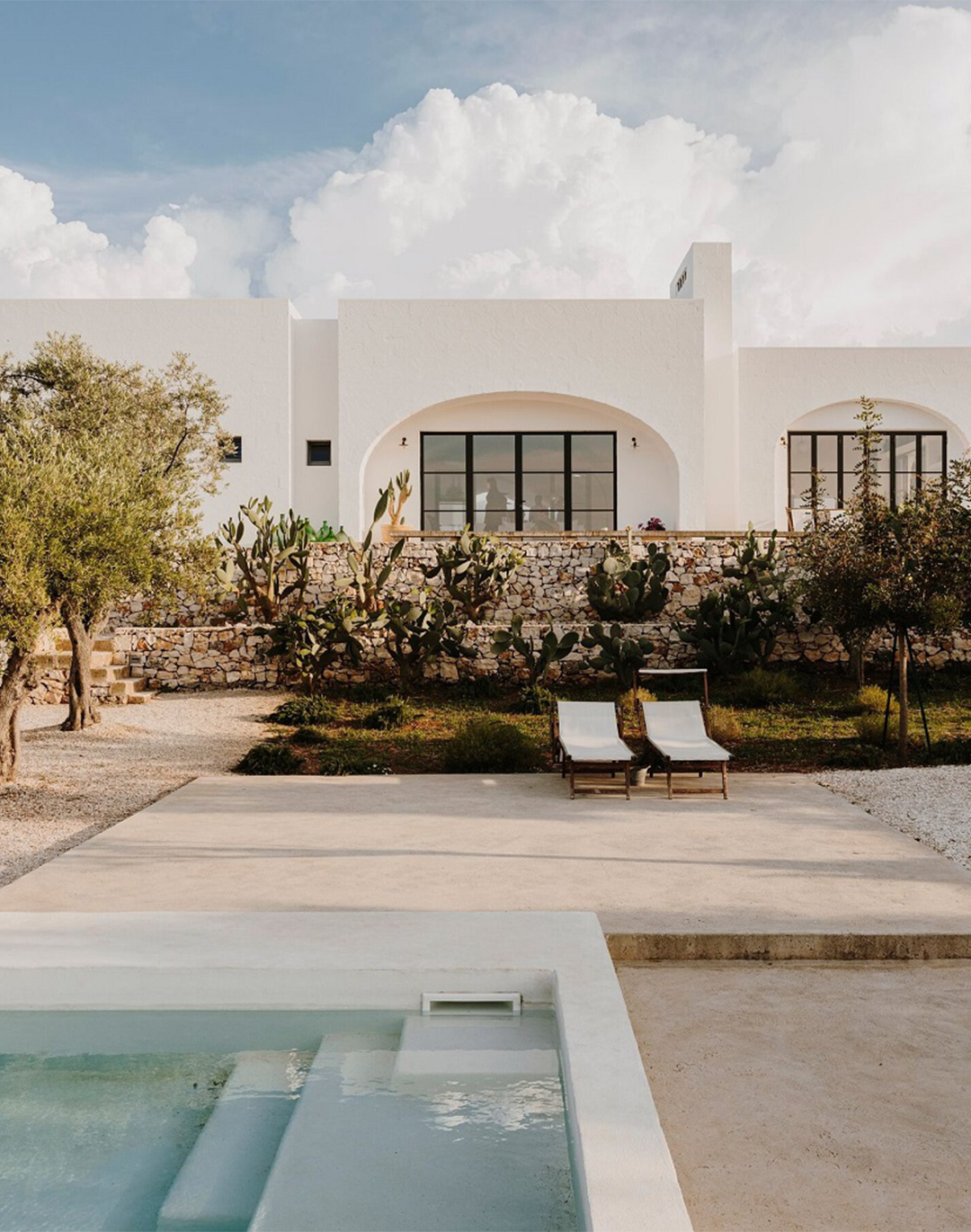
At the same time, the region offers exactly what today's high-end travelers value most: authenticity, privacy, nature, and space. People living in major cities are increasingly looking for destinations far removed from the pace of urban life, where they can host exclusive events or simply enjoy time in complete seclusion. This is one of the reasons why Puglia has become the backdrop for celebrity weddings and private celebrations in recent years, with its traditional masserie taking center stage. Originally built as working farm estates, they are now being reimagined as luxury resorts featuring spas, fine dining restaurants, private pools, and bespoke experiences. What is being sold is no longer just a stay, but an entire lifestyle built around exclusivity and a deep connection with the surrounding landscape.
Investing where it makes sense
@katemeets A charming Puglian summer escape For a genuine Puglian experience, stay at a Masseria, a traditional fortified farmhouse that reflects the region's history and culture. Masseria Calderisi has masterfully transformed a 17th-century Masseria into a boutique hotel surrounded by tranquil olive groves. Here, you'll wake up to the peaceful sound of birdsong and can start your day with fresh burrata for breakfast. The hotel's cuisine, crafted from fresh local ingredients, offers a true taste of Puglia. If the pool isn't enough for you and you also want to spend some time at the beach, you can visit Calderisi Mare, the hotel's beach bar, to relax by the crystal-clear waters of the Adriatic Sea. #puglia #europeansummer #luxuryhotels #uniquehotels #pugliaitaly Quando quando quando - Tony Renis
Another factor making Puglia increasingly competitive is economics. According to a report by Svimez on the attractiveness of investment in Southern Italy, the region continues to offer lower operating and real estate costs than many of Europe's already established luxury tourism destinations. This allows investors to develop high-end hospitality projects with potentially higher margins while enhancing a natural and cultural heritage that remains, in many respects, largely undiscovered. The real challenge, therefore, is not simply Puglia's ability to attract capital, but how these investments will be integrated into the local territory. If managed responsibly, luxury tourism can become a powerful driver of sustainable growth. If, however, speculative interests prevail, the very authenticity that has made Puglia so desirable could ultimately be lost.