October 4th, 2026
The long history of Sunday supper How did we end up spending half the day around a table
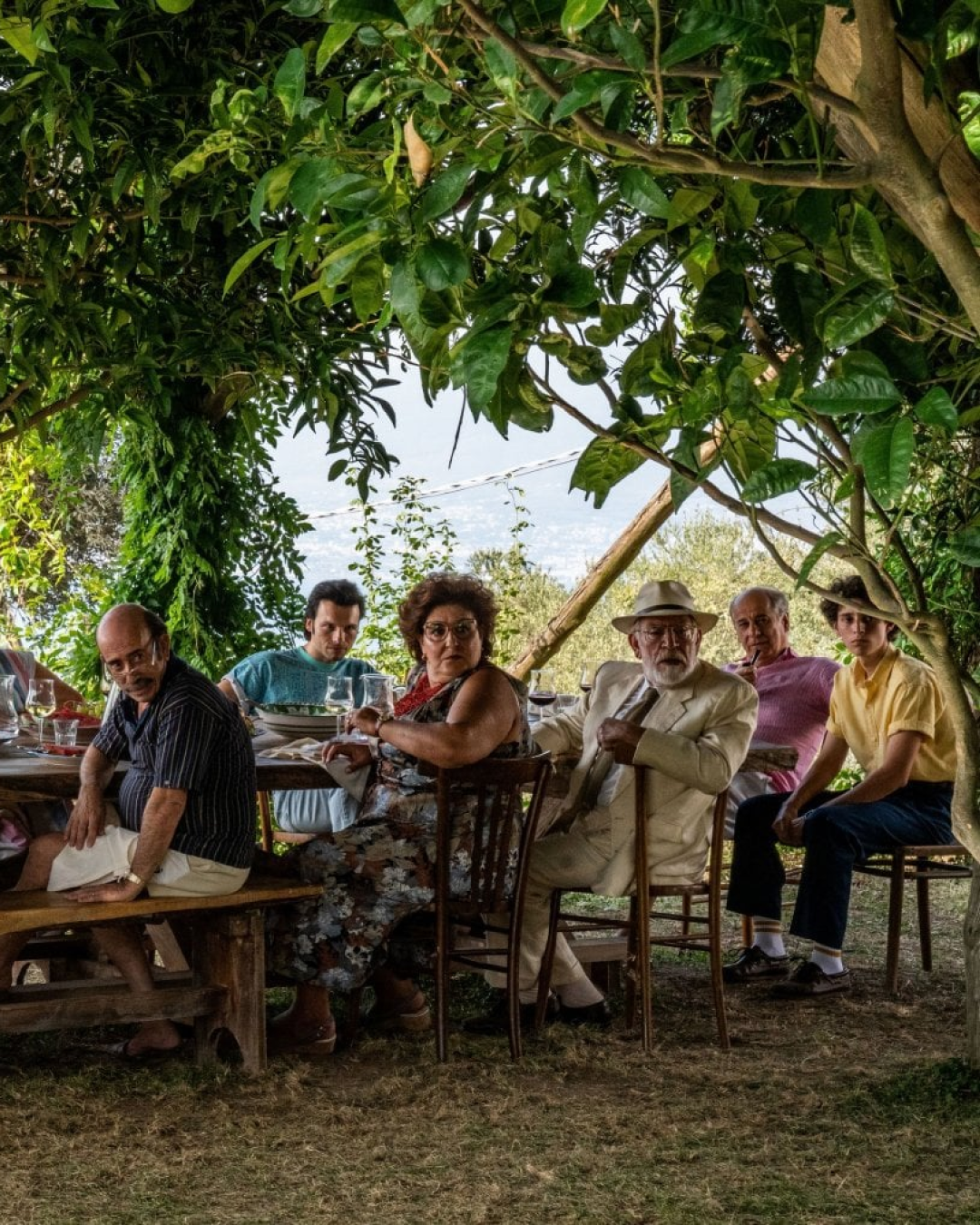
There is no feeling quite like Sunday morning, when we hear the sizzle of oil in the pans and smell cakes baking in the oven. We get up knowing it will be a wonderful day for relaxing, napping, and waiting for the Sunday lunch. A lunch that, of course, has only a rough start time: it might begin at half past twelve and end well into the evening, feature a first course that could feed two meals, or leave us feeling fused to our chairs.
The regions change, the dishes change, but the scene always seems to be the same. Who really invented Sunday lunch? Setting aside regional differences, has it always been the same magnificent ritual, or has it changed over time? In fact, Sunday lunch as we know it is what remains of centuries of religion, economics, and work.
Same tradition, different dishes
It all starts with Sunday itself, the "Lord's Day," which the early Christian communities devoted to worship and communal life. In 321, Emperor Constantine also established civil rest for courts, shops, and city dwellers. Farmers, however, were free to keep working, should the harvest or the vineyards not be able to wait. Sunday was therefore a special day, a different day, and over the centuries Christianity would bring this distinction to the table as well.
The religious calendar alternated "lean" days, on which one was strictly required to abstain from meat, with "fat" days, on which certain foods could comfortably return to the feast. In fourteenth-century Tuscany, for example, Friday and Saturday were lean days, while Sunday, a fat day, brought veal, capons, and game back to the table. As much as we take it for granted today, neither meat nor sugar were part of the everyday diet of Italians of that era.
Between the nineteenth century and the first half of the twentieth, the many fragmented parts of Italy began responding to the same ritual in different ways. In the Tuscan countryside of the sharecropping system, Sunday brought chicken liver crostini, homemade pasta with meat sauce or in broth, boiled meat, rabbit, or chicken. In Emilia, the celebration called for stuffed pasta, laborious enough to be reserved for special occasions. The sfogline had even made it a profession, going into the homes of wealthier families to roll out the dough and prepare tortellini, tagliatelle, and lasagne.
The ingredients might vary, but the idea of treating yourself to something that during the week took too much time or cost too much was the same. In Rome it might be lamb with potatoes; in Piedmont, agnolotti. In Naples, on the other hand, you only had to step inside a home to know what was happening: the ragù could be heard bubbling away from seven in the morning. 'O rraù in fact already appears in the Cucina teorico-pratica published by Ippolito Cavalcanti in 1837, a cookbook that in later editions would also include a section written in Neapolitan dialect.
The weekly day off and the Sunday menu
E,comunque,sia chiaro,a Napoli,la Parmigiana,nel pranzo della domenica,è un contorno.
— annamaria paradiso (@paradisoa1) May 18, 2024
In any case, for Sunday to become a truly shared day off — and for there to be all that time to devote to ragù, broths, and stuffed pastas — something was needed that religion alone could not guarantee: the regulation of working hours. It was the State that made that day off a little less theoretical. In 1907, a law introduced twenty-four consecutive hours of weekly rest for many employees of industrial and commercial enterprises, and in 1934 it was established that this rest should normally fall on Sunday.
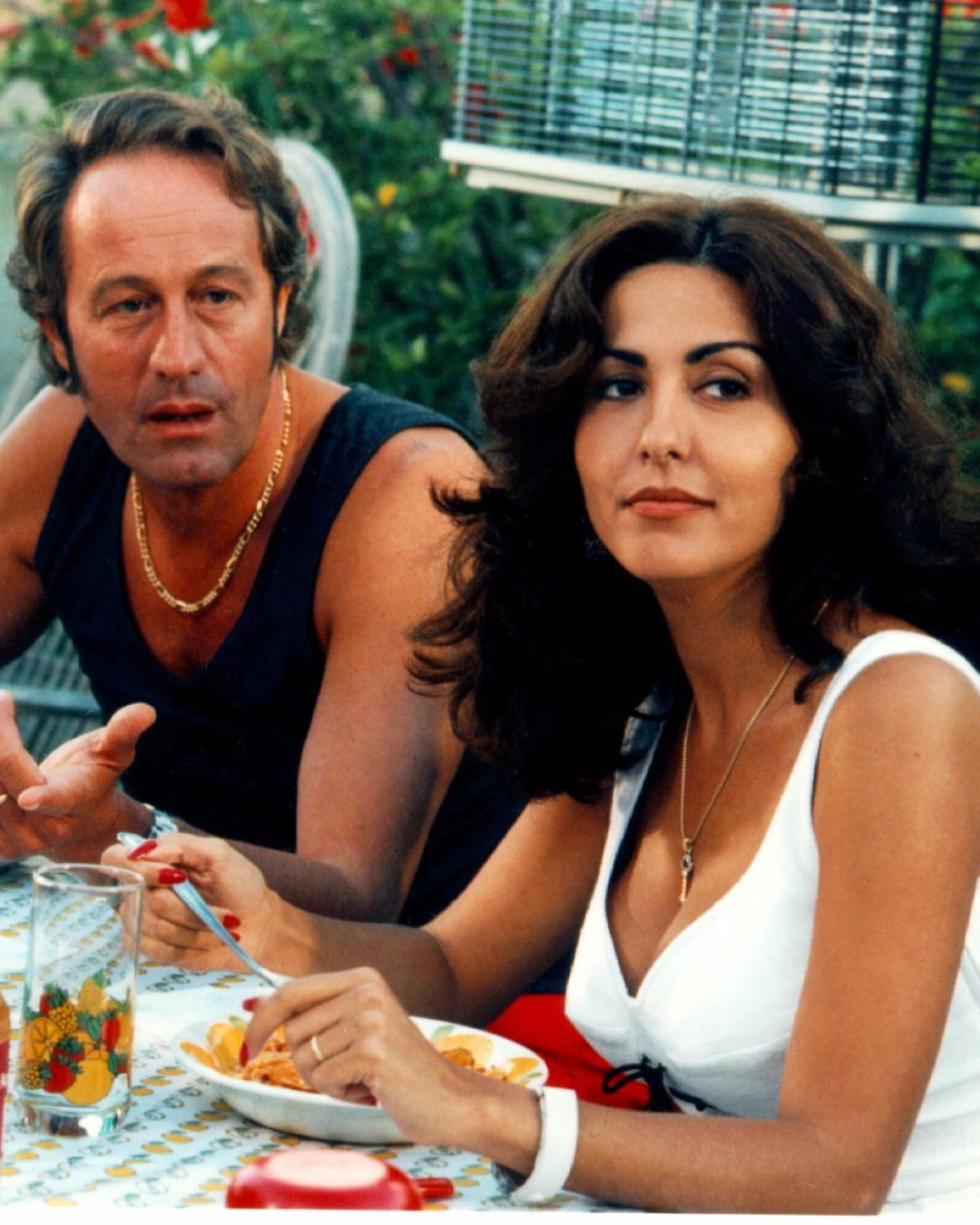
Then came the postwar period and, along with reconstruction, what Italians could afford to put on the table also changed. In the 1950s, stepping into an Italian home at lunchtime, we would already have recognized quite a few things. Fettuccine, chicken, gnocchi, and lasagne were festive dishes, alongside much humbler preparations such as bread soup and stracciatella.
As time went on, meat began to appear on other days of the week too, and it was no longer necessary to wait a whole week to treat yourself to a slightly more substantial main course. Yet curiously, Sunday did not become any lighter. Between the 1960s and 1980s, the long succession we still know today became firmly established: the first course, the second course — above all meat — with a side dish, fruit, and dessert. On important occasions a starter would appear as well, because on a day of rest it was simply inconceivable, and rightly so, to go without something.
Coming home
@raffaella.giovinetti96 Tipico pranzo domenicale a Napoli #recipe #ragunapoletano #cucina #food #neipertee Perhaps -
During those same years, people also began to move around far more than before. Millions of Italians left the countryside and small towns to find work in the cities, and internal migration brought entire families to the great industrial hubs of the North. Turin, Milan, and Genoa filled with people who had come from other regions, and children no longer necessarily lived just a stone's throw from their parents.
Habits therefore began to shift, adapting to the rhythms of a world that was starting to accelerate ever faster. But despite what some say about it being a lost tradition, Sunday lunch is still very much there. Whether it still offers the occasion for a family gathering — because "O rraù ca me piace a me m' 'o ffaceva sulo mammà" — or a chance to reunite with friends at the end of a long week, it will always give us the feeling of coming home.