October 14th, 2026
Italian cuisine was also born from leftovers The dishes we consider traditional today were once mainly a way to make sure nothing went to waste
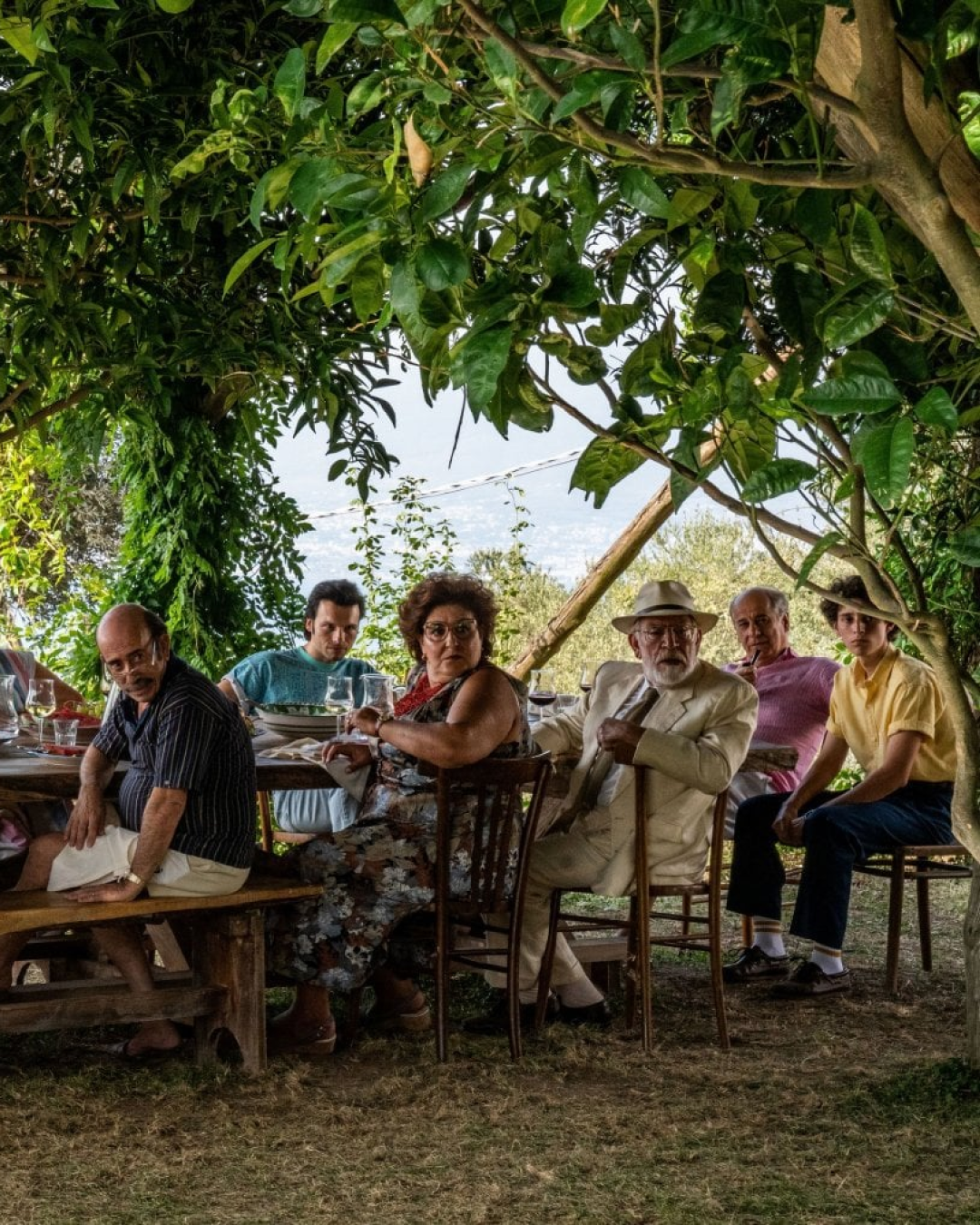
A large part of traditional Italian cuisine anticipated the zero waste trend. Or at least, it certainly stems from a similar concept. Years ago, the driving force was the need to feed large families with whatever was available, making use of ingredients that had already done their best work at the previous meal. In farmhouse kitchens, where bread was made to last several days and meat appeared on the table far less often than it does today, even a dry crust still had something to offer. And judging by what we still eat today, it often had quite a lot to offer. Many of these dishes, born out of thrift, have become regional specialities to order at restaurants, and some have even earned a place of honour on the most sought-after menus.
In Tuscany, bread has at least two lives
@sunshinecookingg Poor food. Pure love. Comment “PANZANELLA” and I’ll send you my nonna’s recipe. Panzanella is one of the summer dishes I grew up with, and still one of my favorite things to make every year with my nonna. It’s simple, humble, and somehow perfect: stale Tuscan bread, ripe tomatoes, cucumber, onion, basil, extra virgin olive oil, red wine vinegar, salt, and all the flavor of summer in one bowl. But my nonna has her rule. She only uses the crust of the stale bread, not the soft inside, because the crust crumbles beautifully and stays grainy. The inside would turn everything into a mush. And of course, she doesn’t throw the soft part away. She gives it to the chickens, because as she says, nothing should ever be wasted. That is what I love most about cooking with her. It’s never just a recipe. It’s Italian home cooking, cucina povera, Tuscan food, nonna recipes, traditional Italian food, Mediterranean diet, healthy summer recipes, seasonal vegetables, tomato recipes, stale bread recipes, zero waste cooking, farm to table food, simple ingredients, authentic Italian recipes, summer salad, bread salad, vegetarian Italian food, rustic Italian cooking, family recipes, slow living, countryside cooking, and the kind of food that teaches you how to love what you already have. Every time we make it together, I feel like I’m keeping a little piece of my childhood alive. The tomatoes, the basil, the vinegar, the bread, her hands mixing everything like she has done it a thousand times before. This is summer in Tuscany. And honestly, this is love. Comment “PANZANELLA” and I’ll send you Nonna’s recipe. Buon appetito Sunshine
Tonight, Just Us - Cuisine Culture
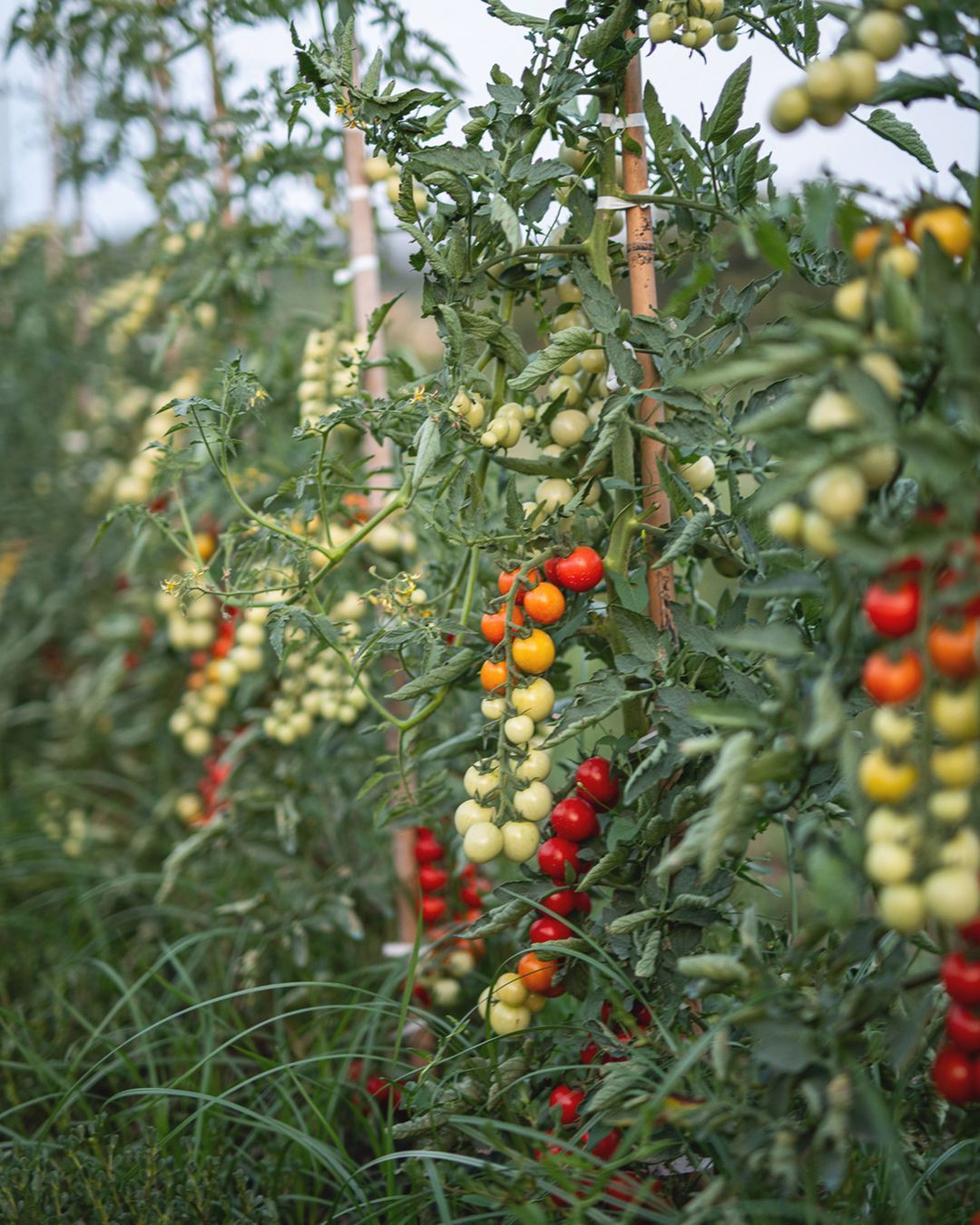
Bread has a very fortunate career in Tuscany. It is a success, and it has at least two lives. For instance, it has the power to become panzanella: simply soften it once it has gone stale, squeeze it out and dress it with whatever the season had to offer, and you have a fresh, hearty lunch without even lighting the fire. Today we add tomatoes, onion, cucumbers, basil and olive oil, but the recipe has a longer history than some of its ingredients, since the tomato, for example, only arrived in Europe after the discovery of the Americas — meaning the earliest panzanelle must have been decidedly less red than the ones we know today.
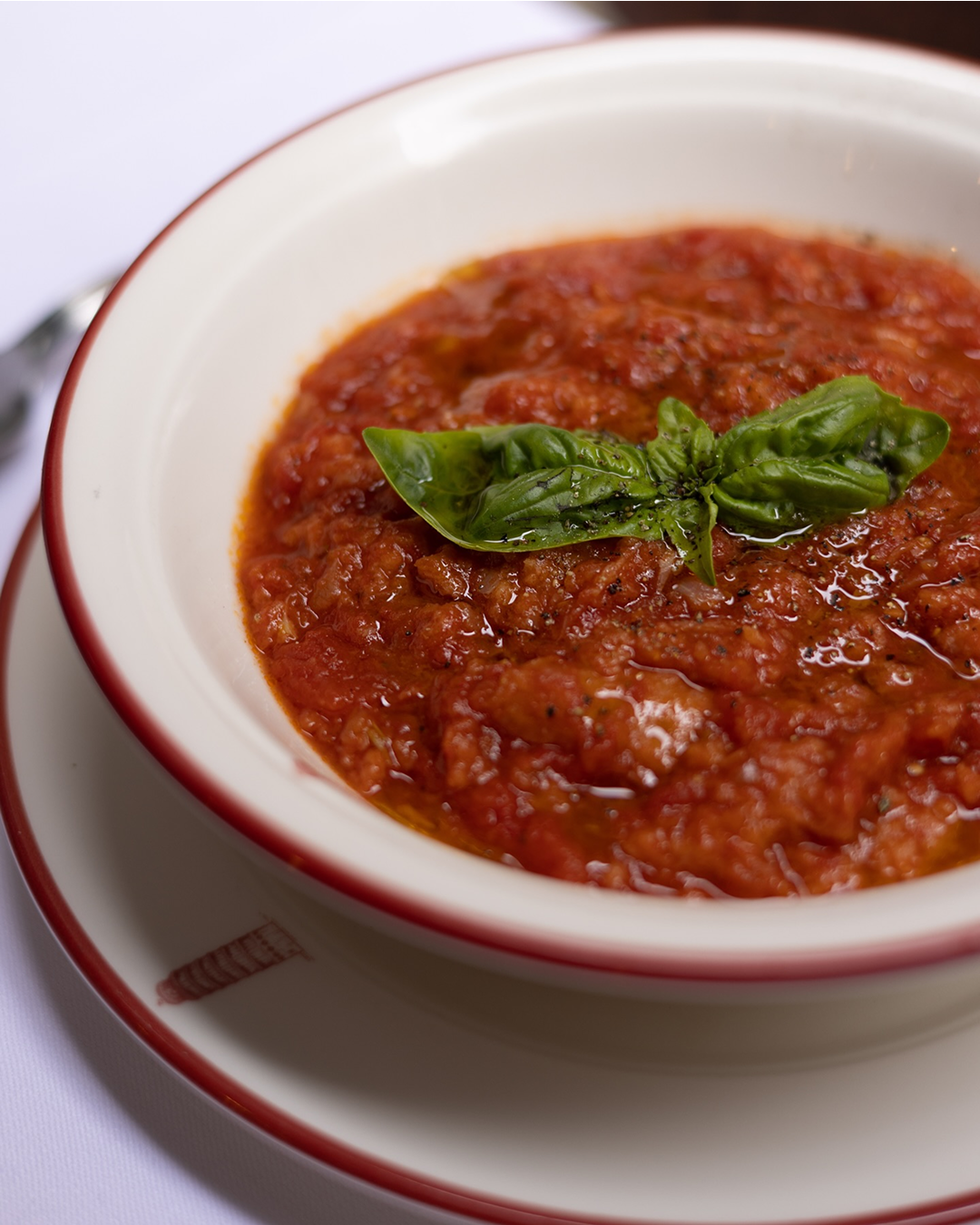
Panzanella in summer, ribollita in winter. When temperatures began to drop significantly, large quantities of soup were made in homes using whatever vegetables were available, especially cavolo nero and beans, and then reheated over the following days together with leftover bread. Hence the name, which leaves little room for imagination. Through repeated reheating, the soup grew thicker and the ingredients melded together — so much so that even today there are those who insist ribollita tastes better the next day.
First the broth, then the meatballs
POST DI APREZZAMENTO PER LE POLPETTE BUONE SEMPRE https://t.co/9IK2w8GlF2
— CiDevoPensareAncora (@YoStoConTarabas) September 7, 2025
Sunday was for making broth, Monday was for eating meatballs. In Italian kitchens the two were often connected, not least because after letting the meat simmer for hours, it would have been a shame to discard it at the very last moment. The problem was that, once the broth was ready, the meat had already given up much of its flavour and eating it as it was could prove rather uninspiring. But all it took was mincing it and mixing it with bread, eggs, cheese and herbs to transform it into boiled-meat meatballs to be fried or tossed in a pan.
The recipe is widespread across various Italian regions, with variations that differ from family to family. Some add parsley, some use breadcrumbs, some prefer to cook them in tomato sauce. The meat that had already flavoured the broth would thus return to the table in a far more appetising form.
Canederli and the art of wasting not even a crust
If you have ever ordered a plate of canederli at a mountain refuge, you have probably wondered how simple bread dumplings can be so remarkably filling. The answer lies in the farmhouse kitchens of Trentino-Alto Adige, where a single stale loaf had to feed an entire family. The dry bread was cut into cubes, softened in milk and mixed with eggs, speck, cheese or aromatic herbs, depending on what was available. From the mixture, large spheres were shaped and cooked in broth or water — substantial enough to constitute a full meal.
Relatives of the Knödel, canederli belong to an Alpine tradition in which food had to be hearty and go a long way. With modest ingredients, it was possible to feed those who spent entire days working in the fields or on the mountain.
The cult of the pasta frittata
@giovannimele FRITTATA DI MACCHERONI #jovannimele #imparacontiktok #ricettepervoi #campania #napoli #perte #fyp #foryou #ricettafacile #ricettaveloce #ricetta #ricette #ricettefacili #ricetteveloci #fattoincasa #homemade #pasta #frittatadimaccheroni #pastalover #tradizioni #frittata #spaghetti suono originale - Giovanni Mele
In Naples, leftover spaghetti has always had an excellent chance of surviving until the next day, even if rarely in the same form. Two eggs, a handful of cheese and a frying pan were all it took to give it a second life, ideally with a lovely golden crust. It can be made with tomato spaghetti, with plain spaghetti, and with whatever ingredients happen to be left in the fridge. Ah, the pasta frittata... rarely do two families make it the same way, and each is naturally convinced it has the best recipe.
Born from the habit of using up already-cooked pasta — especially when it had been made in abundance and throwing it away was simply not an option — it has become a classic for day trips and above all for days at the beach. It is eaten hot, warm or cold, cut into slices and ideally wrapped in aluminium foil.
Mondeghili: a name that says it all
In Milan, when there was leftover boiled meat, mondeghili were made. The name sounds almost like a tongue twister and carries with it a small piece of the city's history: it derives from the Spanish albondiga, a term for meatballs that made its way into Milanese cooking during the centuries of Spanish rule. Over time, through one pronunciation and another, albondigas became mondeghili — considerably easier to eat than to explain to someone who does not speak Milanese dialect.
In home kitchens, already-cooked meat was put to use by mincing it and mixing it with bread softened in milk, eggs, cheese and parsley. From the mixture, small, slightly flattened meatballs were shaped, coated in breadcrumbs and traditionally fried in butter. Today mondeghili can be found in Milanese osterie, where they are served as a traditional speciality. Once upon a time, though, all it took was opening yesterday's pot.