September 3rd, 2026
What is a tomato field doing inside an archaeological area? In Italy, agriculture is increasingly present in these sites, often with a strategic perspective
Agriculture and livestock farming are two fundamental sectors for the Italian economy and have a significant impact on people's daily lives, even though this often goes unnoticed. Yet the journey that brings food to consumers remains largely unknown or unclear to most.
In Italy, for example, it's not uncommon for agricultural land to be located in areas where traces of ancient settlements or even historical sites open to the public can be found. For this reason too, in some Italian archaeological parks, agriculture has long been used as a tool to protect and enhance the local environmental heritage.
Can agriculture and archaeology coexist?
@silviocampanadrone Il complesso archeologico di Baia è un'area archeologica situata a Baia, frazione di Bacoli, nell'area dei Campi Flegrei. Rimane oggi soltanto quella che allora era la parte collinare della città, trovandosi la rimanente sotto il livello del mare, sprofondata a causa di fenomeni bradisismici.#parco #archeology #baia #bacoli Pt. 8: Starry dream. - Slowed Down - A. Blomqvist
An archaeological park shouldn't necessarily be thought of as a dense collection of monuments to visit: often, in fact, it also includes large expanses of land, green areas and portions of landscape that must be maintained and managed over time. These spaces may in fact be affected in the future by excavation campaigns and, in the meantime, must be protected from phenomena that could compromise their integrity – such as wildfires, made more frequent and intense by heat waves.
In recent years, some archaeological parks have begun looking for new ways to enhance their sites, going beyond revenue from ticket sales alone and involving local territorial stakeholders more closely. As the magazine Linkiesta points out, as significant as they may be, some archaeological sites are often slightly off the beaten tourist path or not capable of attracting substantial visitor numbers – despite their great cultural interest. Over time, the idea has therefore taken hold of combining other activities capable of linking archaeological culture to the surrounding territory.
Italian archaeological sites where farming also takes place
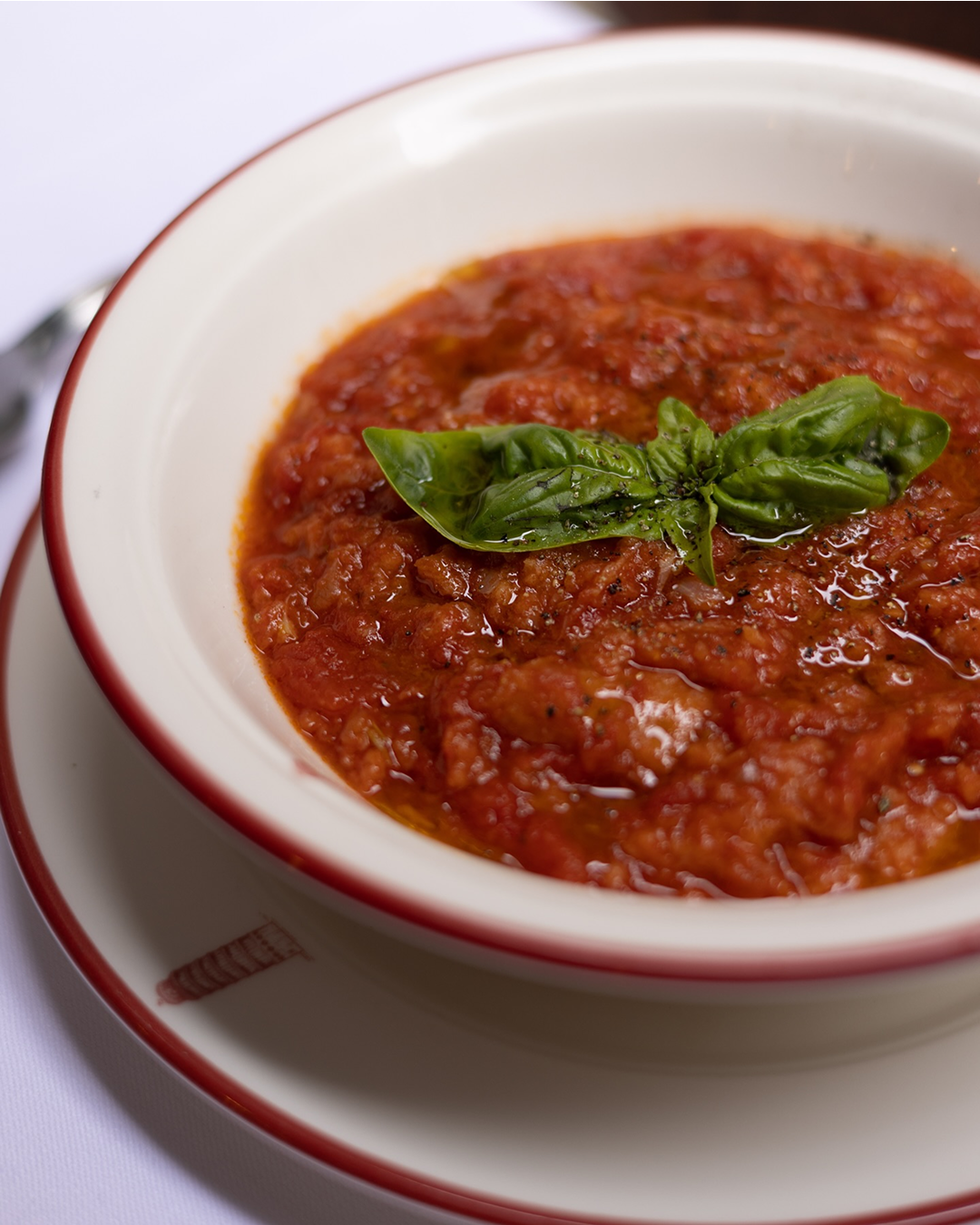
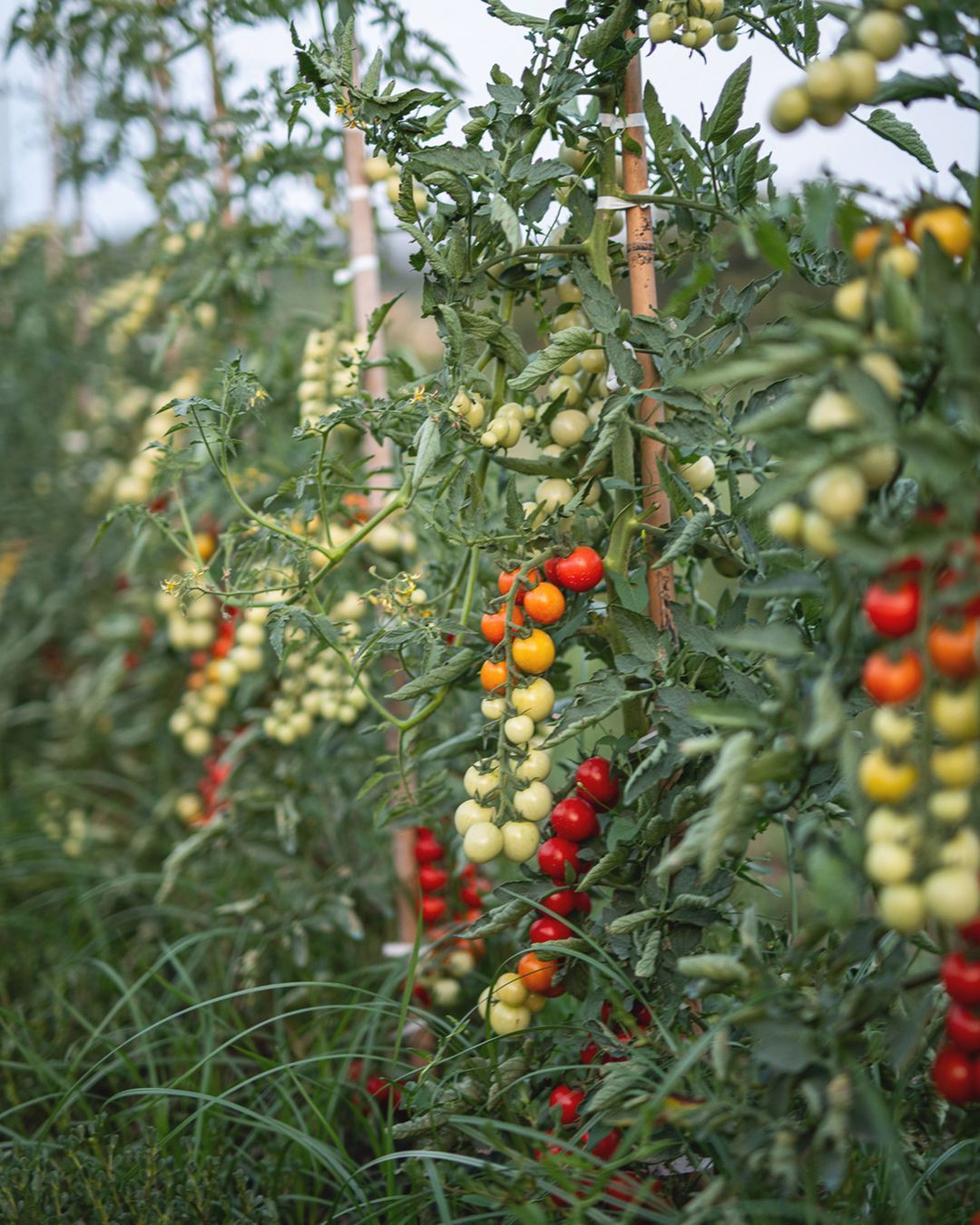
Agriculture lends itself particularly well to this purpose, because it allows land that would otherwise risk being abandoned to continue being cultivated and, at the same time, brings products, practices and knowledge tied to the agricultural and cultural history of each individual territory into the visitor experience. In the Campi Flegrei Archaeological Park, not far from Naples, areas have for example been set aside to grow a particular native variety of tomato, subsequently used by several local restaurateurs.
Within the Appia Antica Archaeological Park, in Rome, a network of businesses, cooperatives and producers engaged in agricultural activities such as olive growing and beekeeping is instead active. Grazing also contributes to the maintenance of green areas: the animals, in fact, keep vegetation growth under control and reduce the presence of dry plant matter on the ground, thereby helping to prevent wildfires during the summer months.
Finally, in the Selinunte Archaeological Park, in Sicily, a project dedicated to sowing traditional local grains has been launched, with the goal of reviving agricultural production tied to the history of the territory. Cereal cultivation, in fact, represented a very important component of the economy of the ancient city of Selinunte, part of a trading system in which agricultural products played a fundamental role.