October 30th, 2026
In Italy, the Day of the Dead celebration existed before Halloween We had it all, just with a different date and a different name
Every October, someone starts complaining about Halloween. An American holiday that arrived along with plastic pumpkins, witch costumes, and an excuse to eat candy until you feel sick. There's some truth to that: it spread here between the 1990s and 2000s, and according to a survey by Confesercenti and Ipsos in 2024, it is now celebrated by one in two families. Those who complain, however, have the wrong date. October 31st was never anything special in Italy, but what matters is the feast of All Saints' Day, on November 2nd, which already had everything we now think of as imported. Pumpkins hollowed out with a candle inside, children knocking on doors asking for something to eat, deceased relatives returning home and, in Sicily, even showing up with gifts.
In Sicily, the dead brought gifts to children
For Sicilian children, November 2nd was once a much-anticipated day. During the night, or so parents would tell them, deceased relatives would return home to leave sweets and small gifts, and in the morning children had to search for them under beds, among the furniture, and in the corners of rooms, hoping that grandparents and great-grandparents had remembered to bring something nice.
This was already documented by Giuseppe Pitrè, the great scholar of Sicilian folklore, in Spettacoli e feste popolari siciliane of 1881 and later in his 1889 studies, where he noted that sugar figurines «are left as gifts by deceased relatives for the children on the Day of the Dead». Andrea Camilleri, who as a child would place a wicker basket under his bed, recalls that until 1943 every home with a picciriddo — a little one — would fill with family spirits on that night, who would playfully hide the full basket and make the children search for it all over the house. The feast also had its own sweets, from marzipan fruit to sugar figurines — colourful statuettes that still fill shop windows from late October. Death entered family stories with a certain tenderness, with the idea that those who were gone still remembered the living.
In Sardinia, children asked for something on behalf of the souls
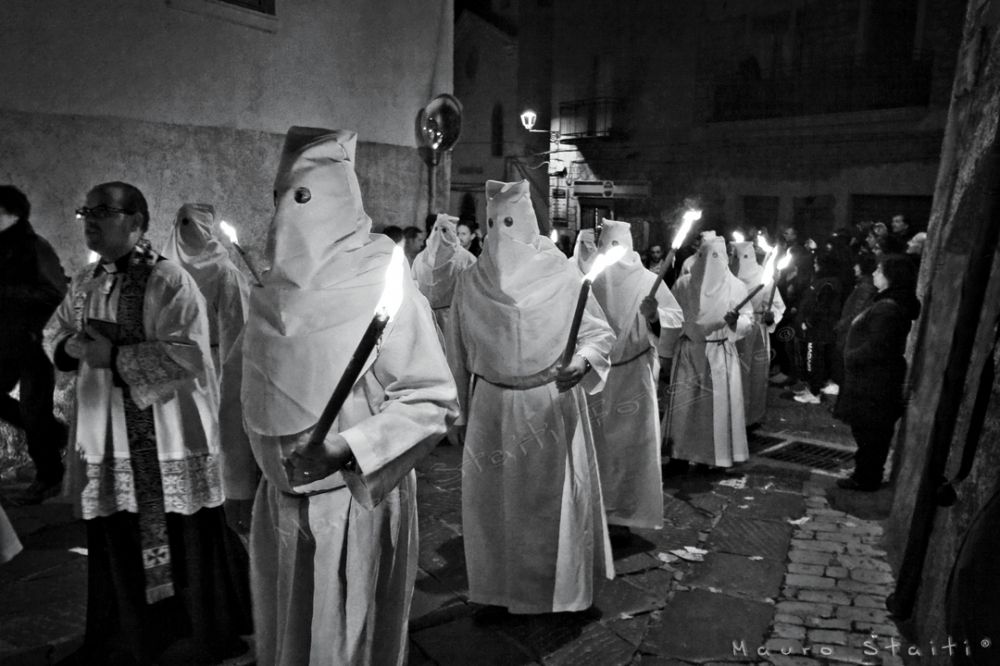
In Sardinia, too, children had good reason to look forward to the days of the dead. They would go out with bags and white pillowcases, knock on doors, and ask for food in the name of the souls: in the south of the island the tradition is called Is Animeddas, elsewhere Su Mortu Mortu or su bene 'e sas animas, and the phrase spoken at the doorstep is always a variation of «seus benius po is animeddas» — we have come for the little souls. Families would give out sweets, dried fruit, and seasonal produce, and the gesture carried a religious meaning: giving to children was a way of doing good for one's own dead.
The first to write about it was Grazia Deledda, who in the autumn of 1893, at the age of twenty-two, visited sheepfolds and humble homes in Nuoro to collect the traditions of her homeland. The Sardinia Region recognises these door-to-door collections as part of the island's heritage, predating the Anglo-American holiday. The origins of the individual rites are difficult to date, as almost everything was passed down orally, but Sardinian children were going door to door for the souls long before anyone suggested they do so dressed as ghosts — and in many villages they still do.
Pumpkins to light the way for the dead, and babacce
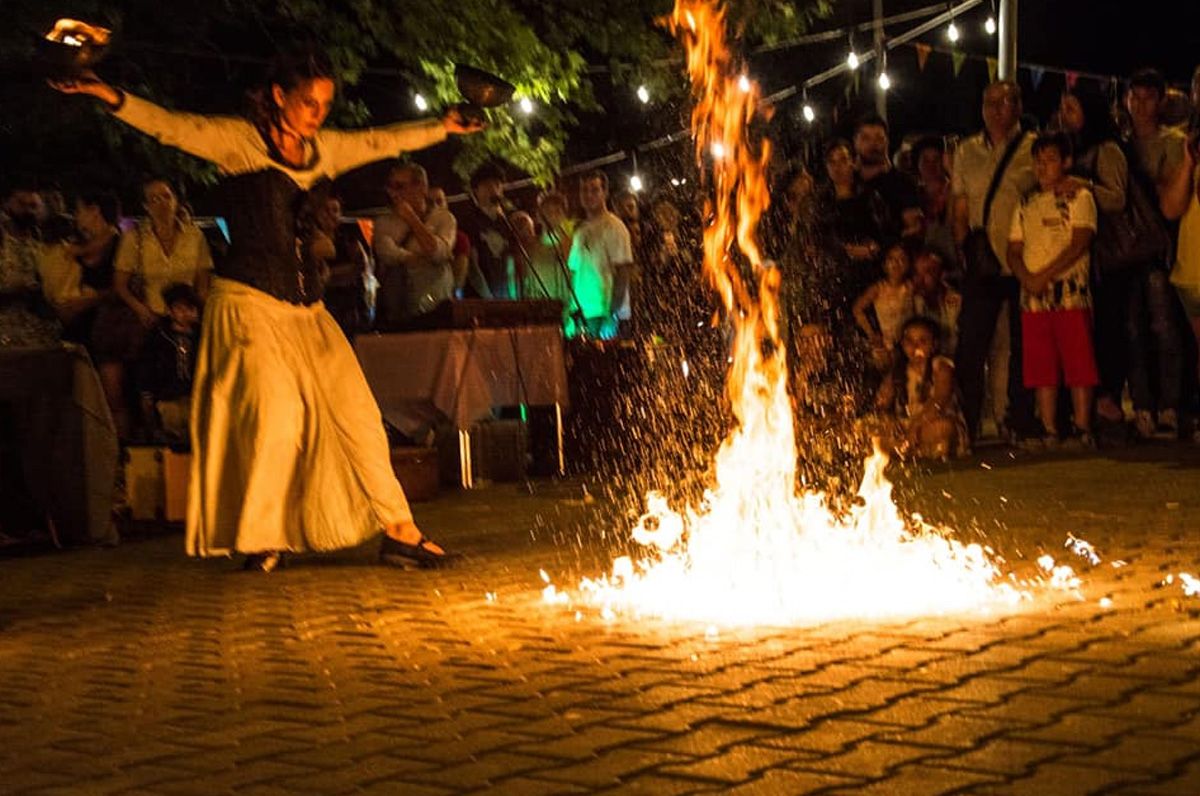
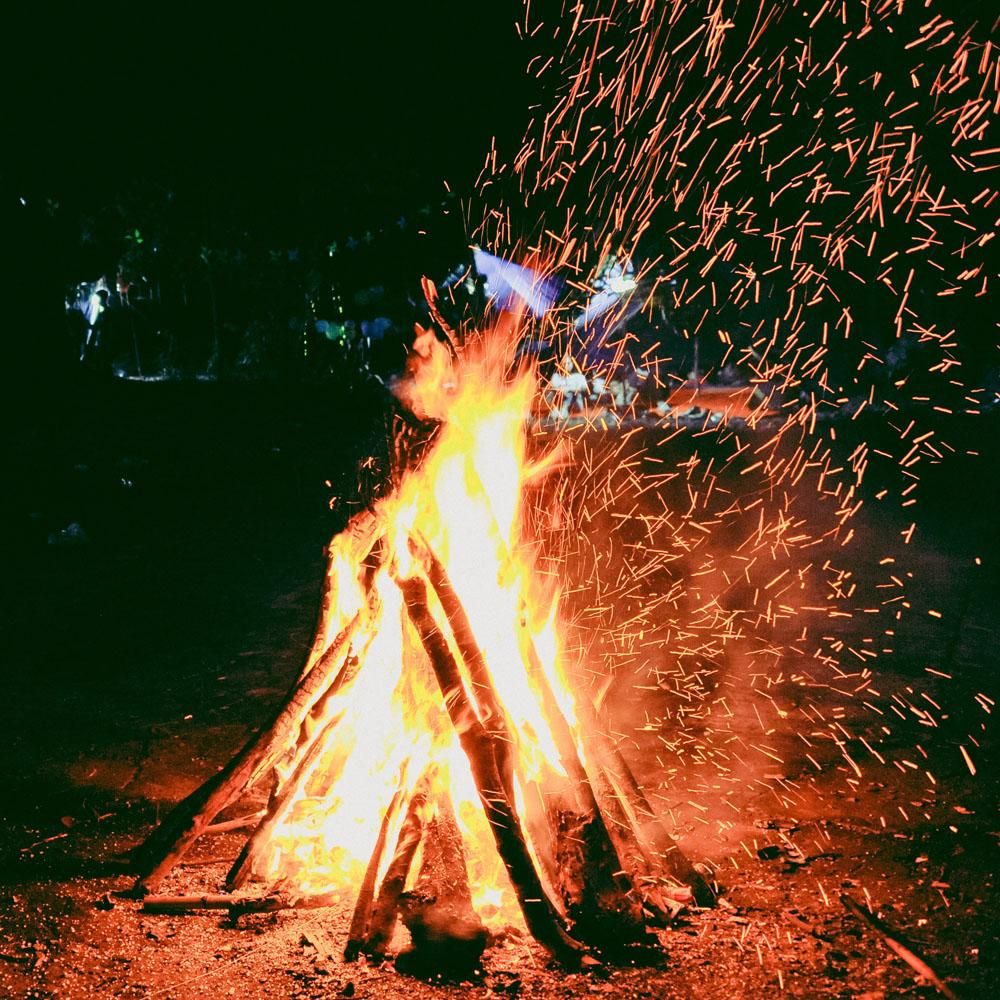
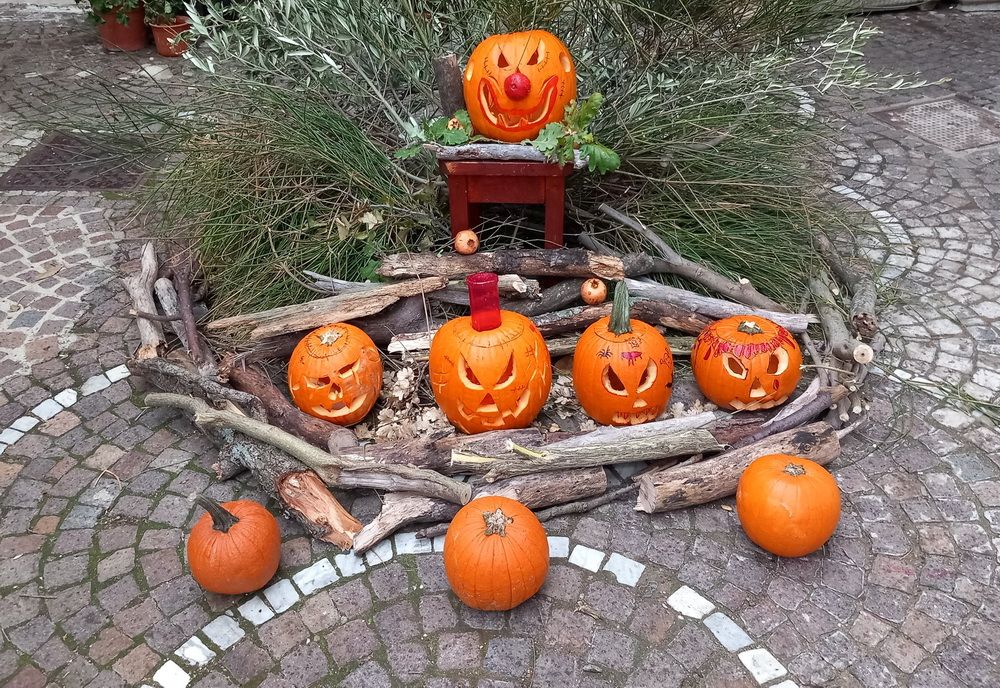
In Orsara di Puglia, in the Monti Dauni, on the evening of November 1st large bonfires of broom are lit and carved pumpkins with a candle inside are placed in front of houses. They are called cocce priatorje — heads of Purgatory — and their hollowed-out faces resemble those of Halloween, though here they represent the souls of the departed.
The festival is known as Fucacoste e cocce priatorje — bonfires and heads of Purgatory: on the night between November 1st and 2nd, souls return to visit their homes, guided by the light of the pumpkins and warmed by the fires, while families stay out in the street eating food cooked over the embers. The illuminated pumpkins, meanwhile, continue to fill the streets of Orsara every November, when the bell tower strikes seven, and some in Orsara are convinced that it was actually they who brought this tradition to the New World.
In the hinterland of Imperia, in the village of Rezzo, hollowed-out pumpkins lit from within are called babacce, and the village still celebrates them every year with a festival supported by the Region as an event of local tradition. The Ligurian customs of the Day of the Dead were documented by anthropologist Paolo Giardelli, who dedicated the volume Il cerchio del tempo to the festivals and rites of the region.
The sweets of the dead are still on sale
The tradition has always had a culinary dimension as well. In Lombardy, during the days of All Saints and the Dead, people would prepare pan dei morti — bread of the dead — a dark, spiced cake made with dried fruit, raisins, and cocoa, born as a peasant bread left on the table for the souls and later enriched by Milanese pastry shops in the nineteenth century. Alongside it come biscuits with rather unsettling names, such as ossa and fave dei morti — bones and broad beans of the dead — which have nothing of the broad bean about them except their shape, and trace their origins to the Romans, for whom the broad bean was the sacred food of the departed.
In Puglia and Basilicata there is colva, wheat cooked with pomegranate and vincotto — the same muscitaglia eaten in front of the bonfires in Orsara. Today, you only need to step into a pastry shop between late October and November to find them still on display, usually alongside much more modern confections.