August 3rd, 2026
Italy's most intimate museums are its author houses From Villa Necchi to Casa Mollino, where design becomes biography
There are houses that tell the story of a person better than any exhibition. You walk into a room, look at a table, a chair, a bookcase, and you immediately understand that the space has absorbed a character. Every choice seems to have a tone of voice: the way the light comes in, the color of a wall, the amount of order or disorder that someone decided to leave visible. Author houses work like this. They take the works beyond simple contemplation and bring you into the point where a private life becomes a project.
In Italy there are many of them, and perhaps they are among the most beautiful places to visit precisely because they have something less definitive than the great museums. A house always retains a different kind of fragility. Even when it has been restored, regulated by opening hours and protected by a ticket office, it continues to suggest a presence. There was someone who walked in there, who chose a door handle, who decided which painting to see every morning upon waking. Visiting an author house means stepping into a biography without having to read it.
In Milan, between design and collecting
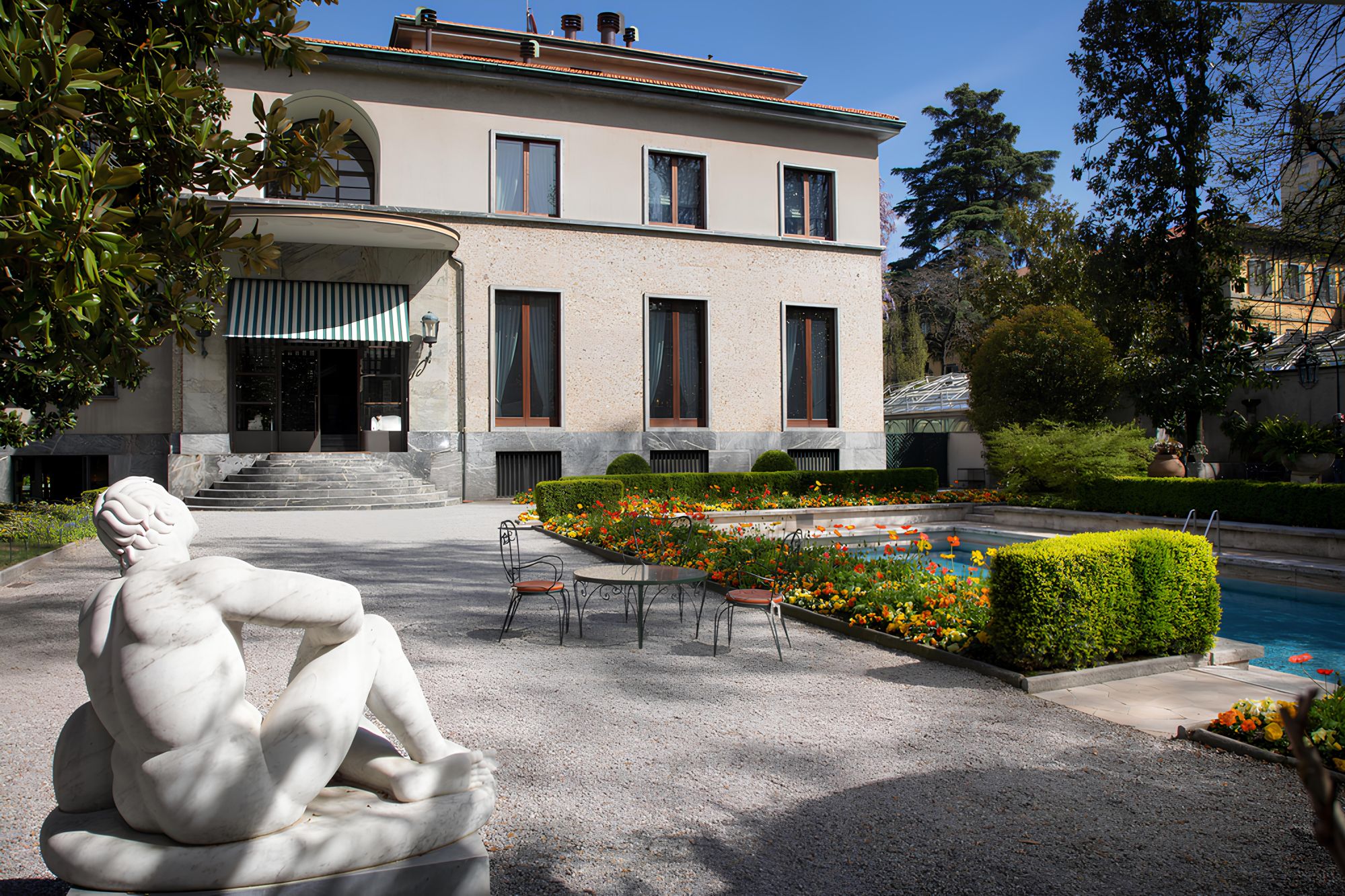
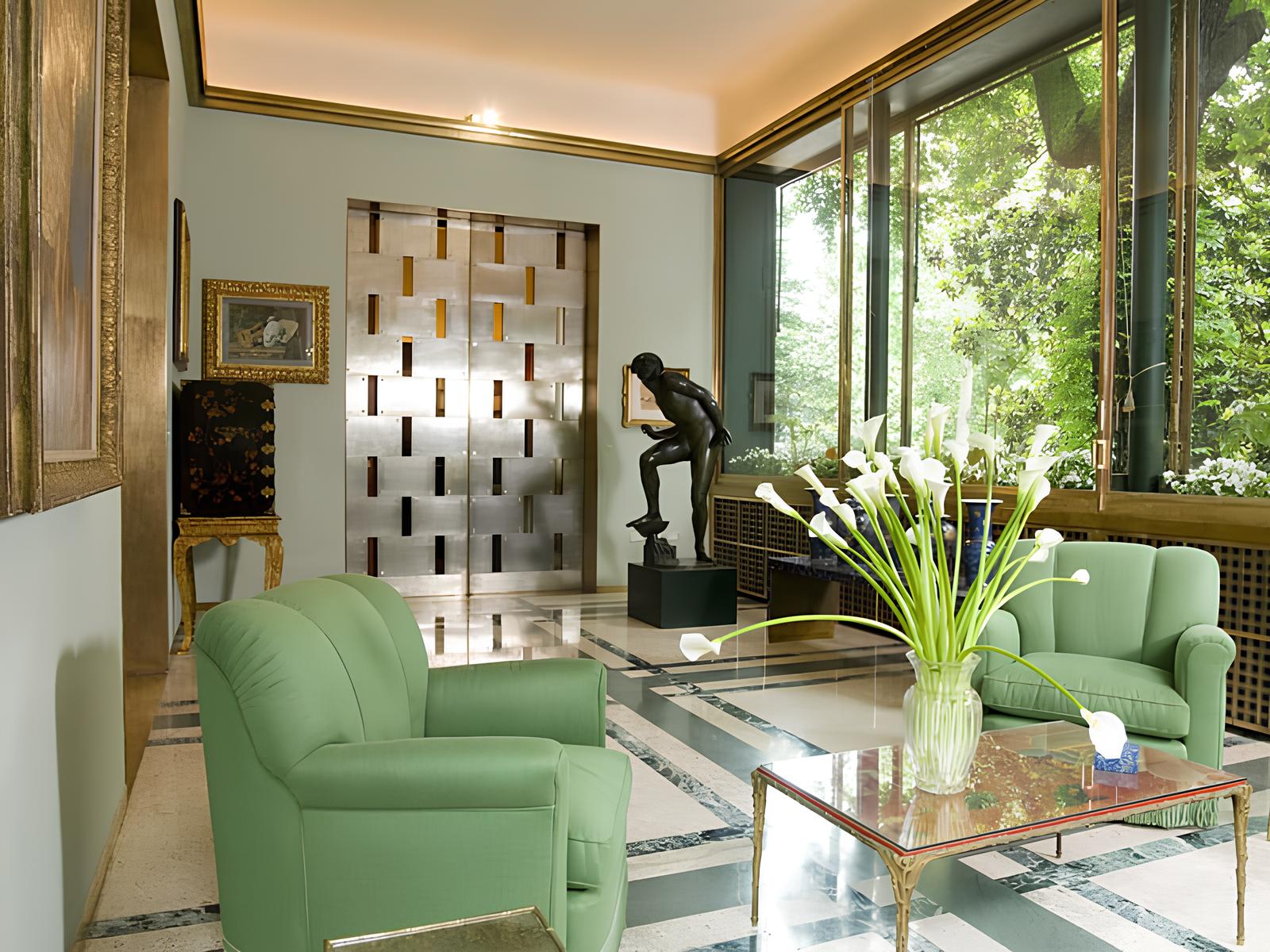
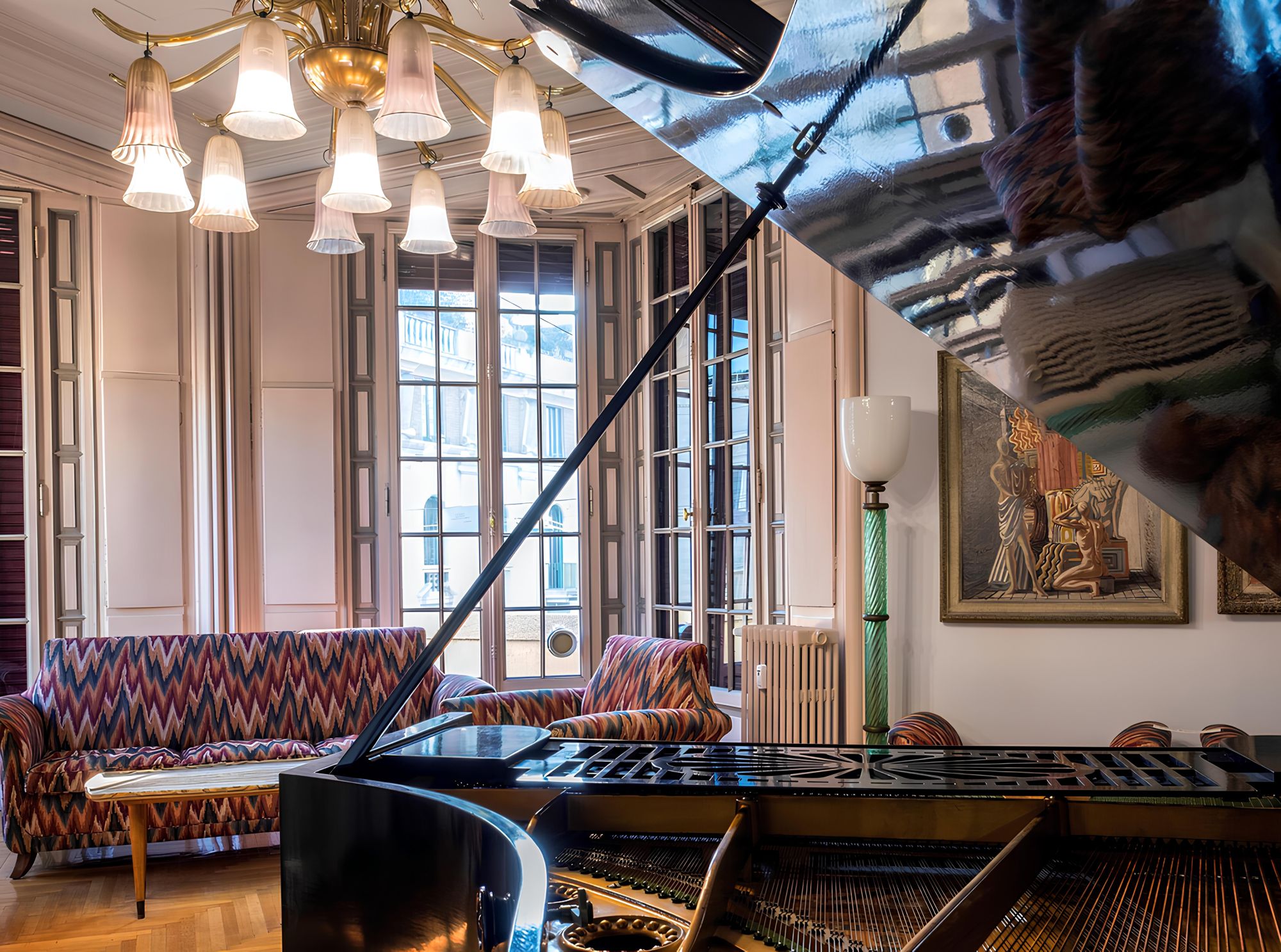
Villa Necchi Campiglio, in Milan, is one of the clearest starting points. Designed by Piero Portaluppi between 1932 and 1935, it sits in the city center with the elegance of a house that knows its role perfectly. Private swimming pool, tennis court, garden, controlled proportions: everything speaks of a Milanese bourgeoisie that wanted to be modern without giving up the ritual of living well. It is a house where luxury comes through precision. The rooms flow with an almost cinematic naturalness. This is also why Villa Necchi has become, in the recent imagination, much more than a historic residence: it is a stage set of Milanese living.
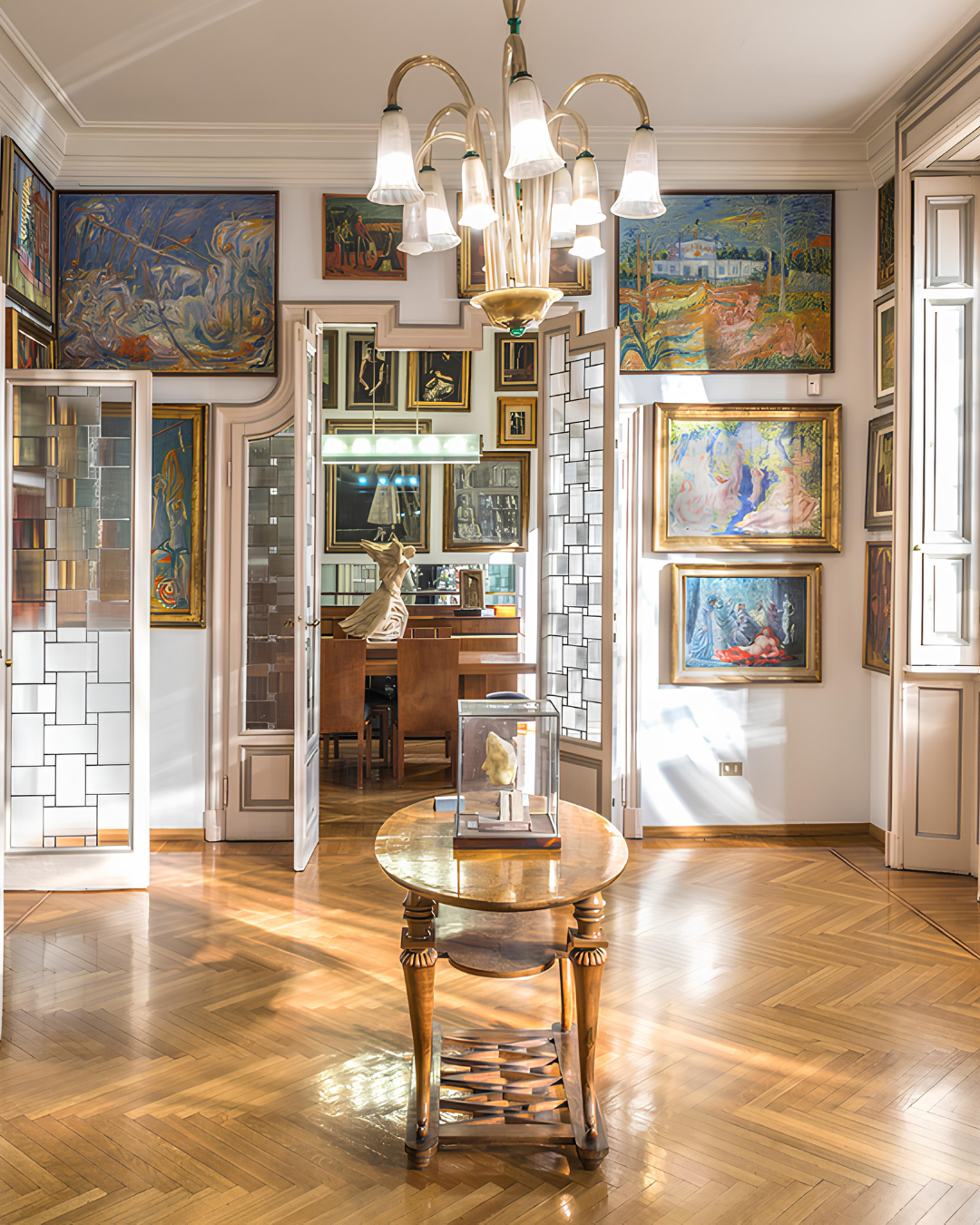
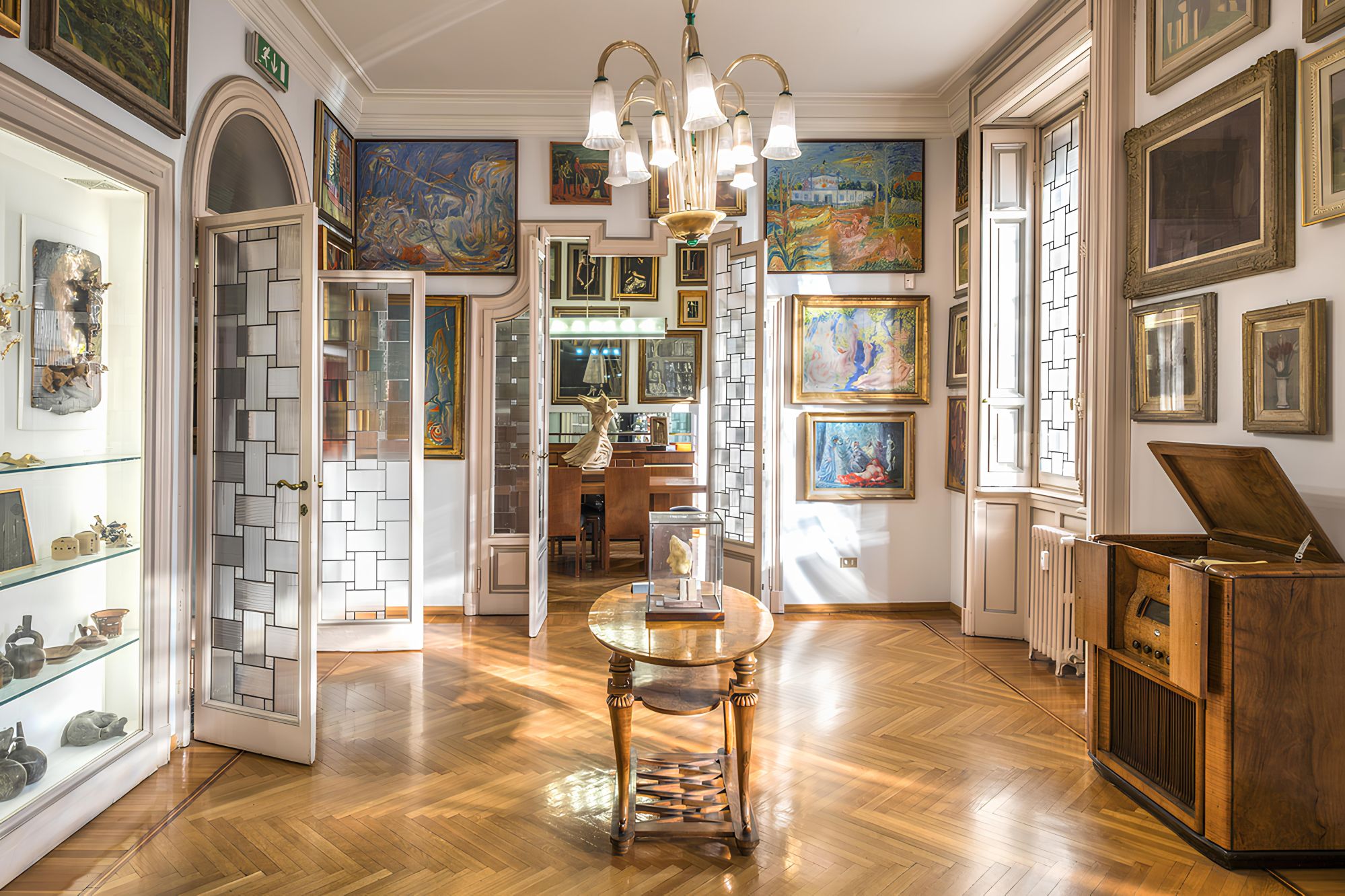
Also in Milan, the Casa Museo Boschi Di Stefano proposes another idea of living. Here the house becomes a daily relationship with art. Antonio Boschi and Marieda Di Stefano transformed their apartment into an environment filled with works of the Italian Twentieth century, from Sironi to de Chirico, from Fontana to Morandi. The fascinating point is that the paintings remain inside domestic life. They stay in the rooms, coexist with the furniture, change the way you imagine those who lived there. It is a house that explains collecting in its most intimate form: keeping the works close every day until they become part of the environment.
Castiglioni and Mollino, two ways of thinking about space
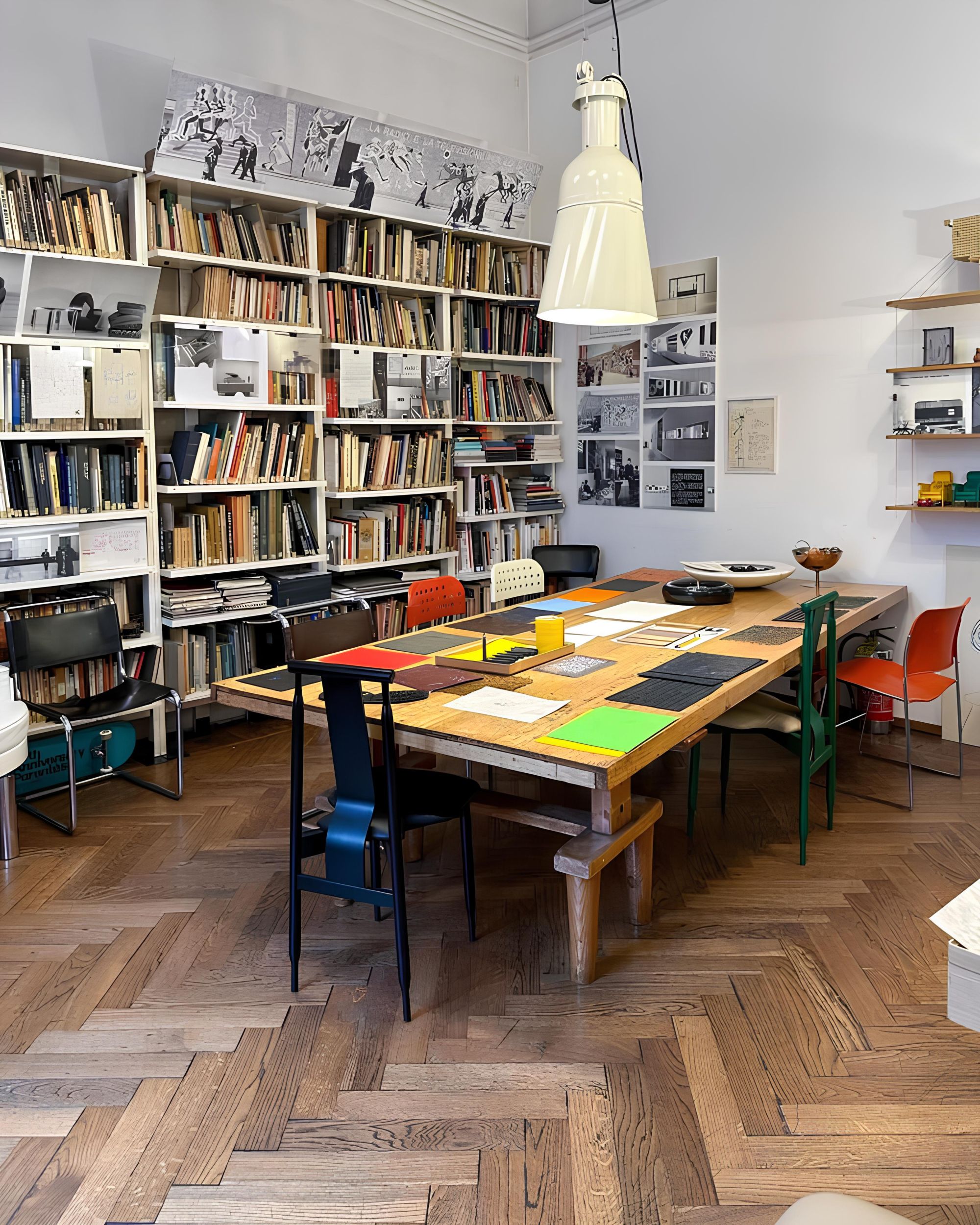
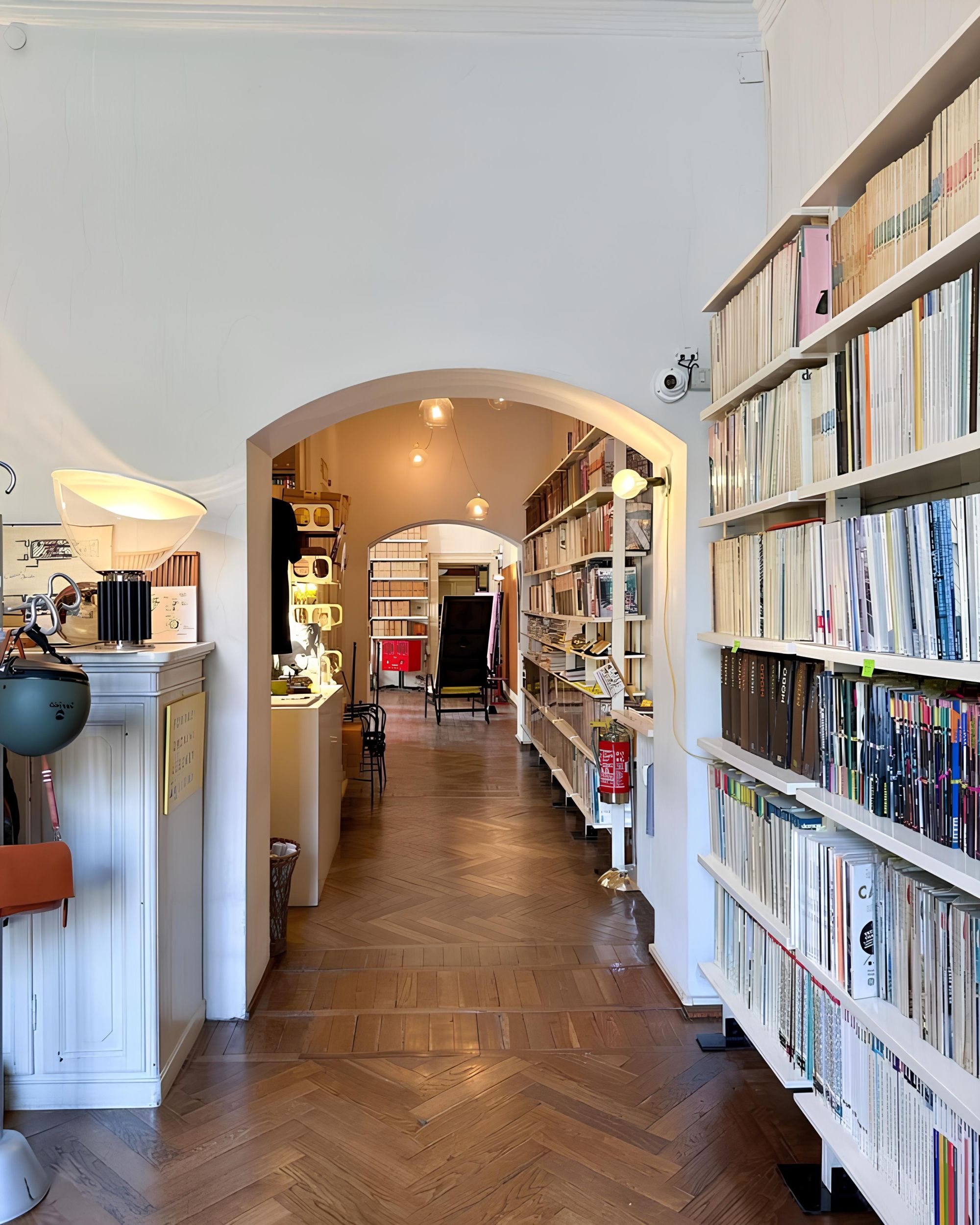
Not far away, the Fondazione Achille Castiglioni opens up another kind of space: the studio. Here you step into the place where thought took shape. Prototypes, drawings, tools, notes tell of a way of designing that is light only in appearance. Castiglioni had a very rare ability: looking at ordinary things until they became new. Visiting his studio means seeing design before it becomes an icon, at the moment when it is still an attempt. It matters because it strips design of that overly perfect aura that is often built around it. Before the object in the manuals, there is always a table full of attempts.
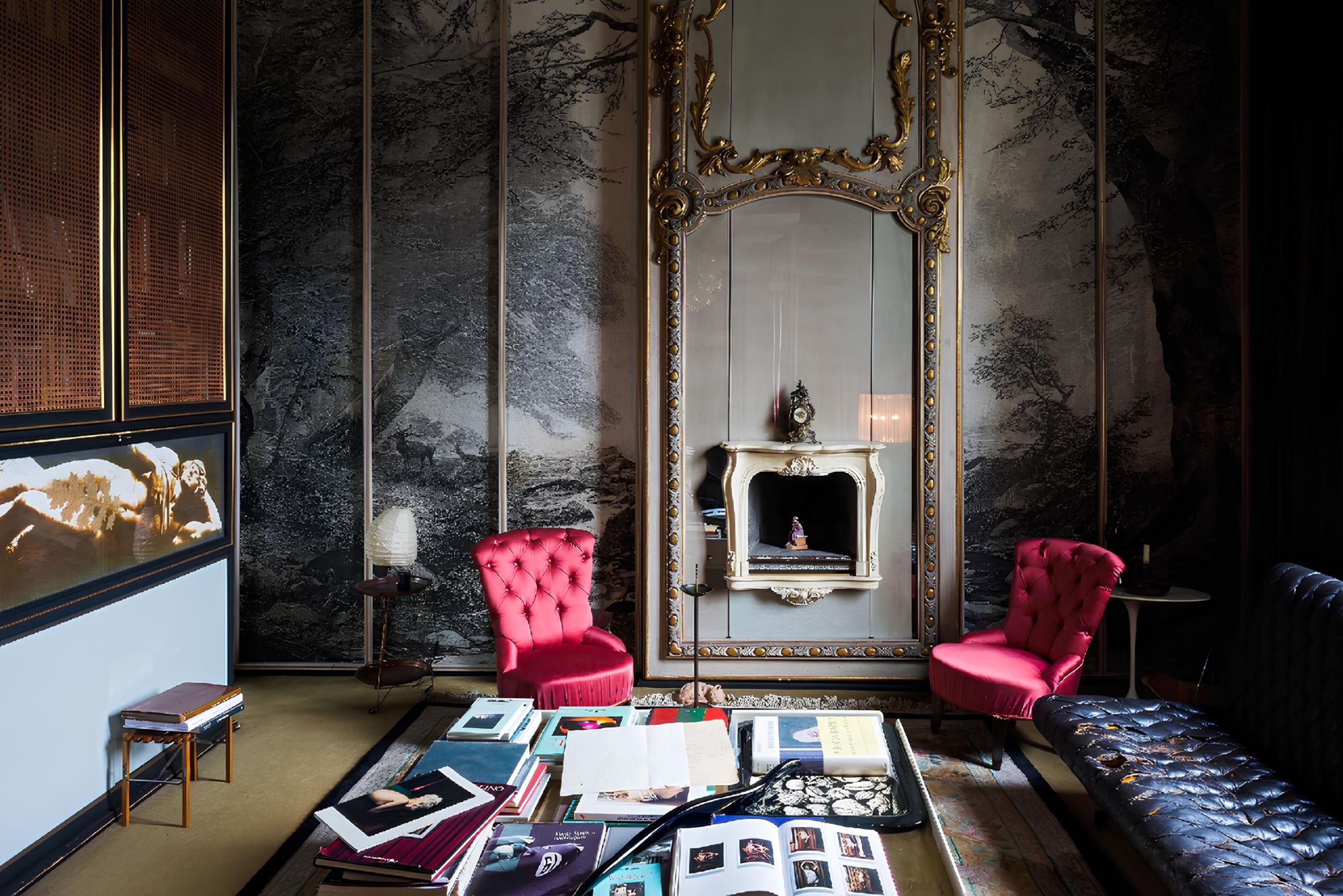
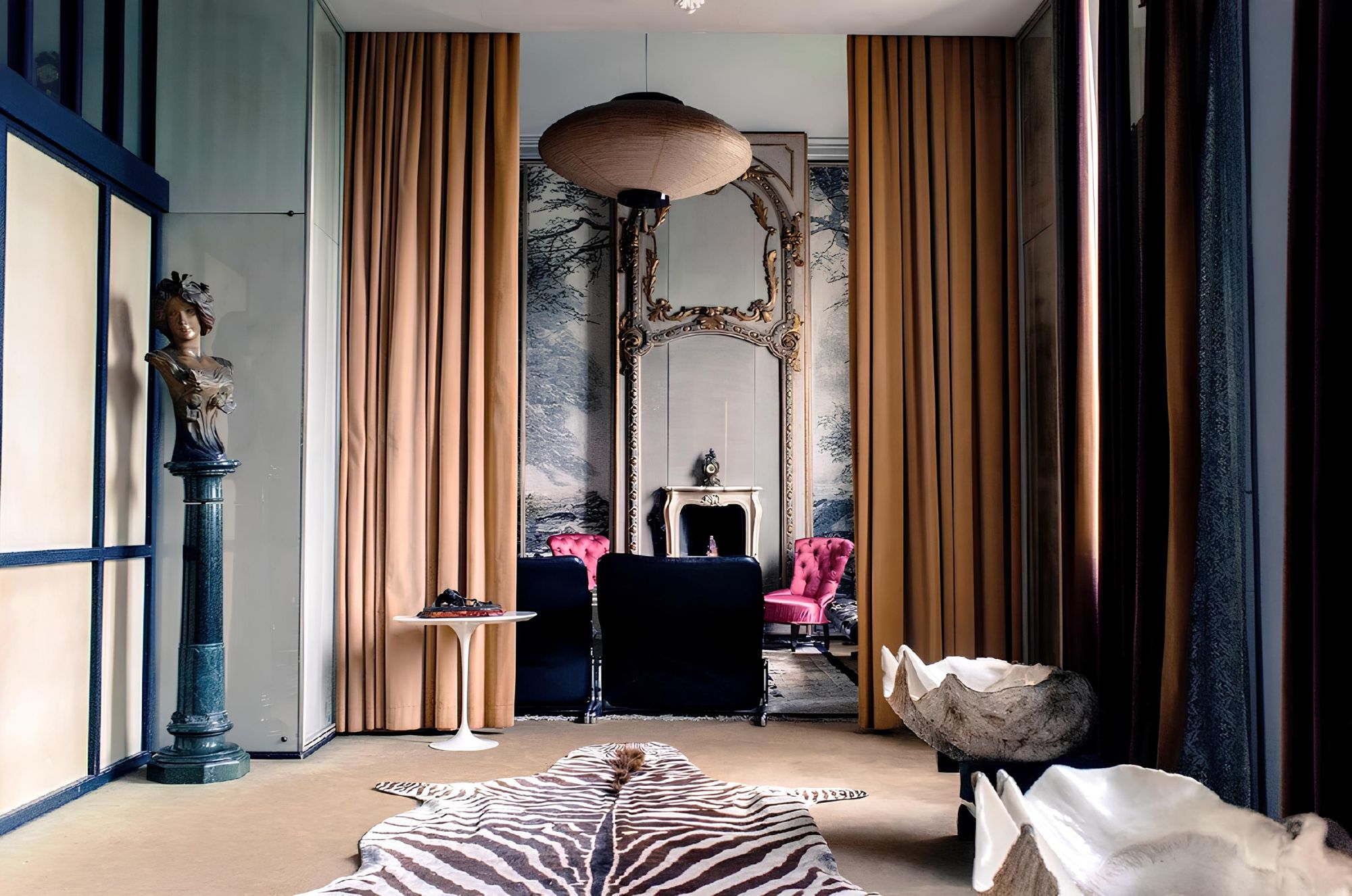
In Turin, Casa Mollino takes the conversation into a more mysterious territory. Carlo Mollino conceived it more as a story than as an ordinary house. The apartment on via Napione looks like a symbolic self-portrait built room after room, full of references and furnishings. Mollino was an architect, designer, photographer, an almost theatrical figure. Casa Mollino conveys this complexity without explaining it too much. It can be visited by reservation only and in small groups, and this intimate dimension heightens the feeling of entering an almost secret space.
When art takes over every surface
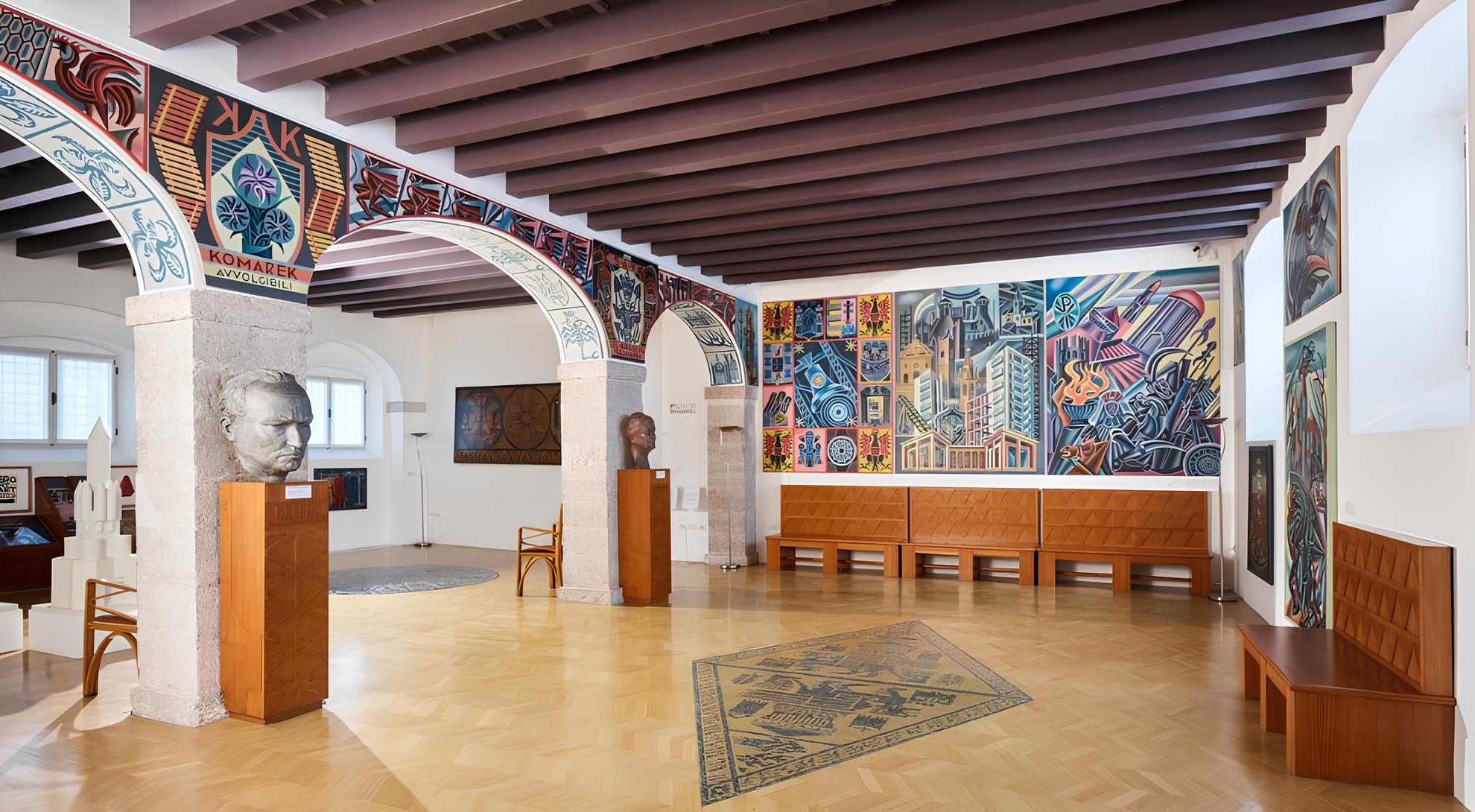
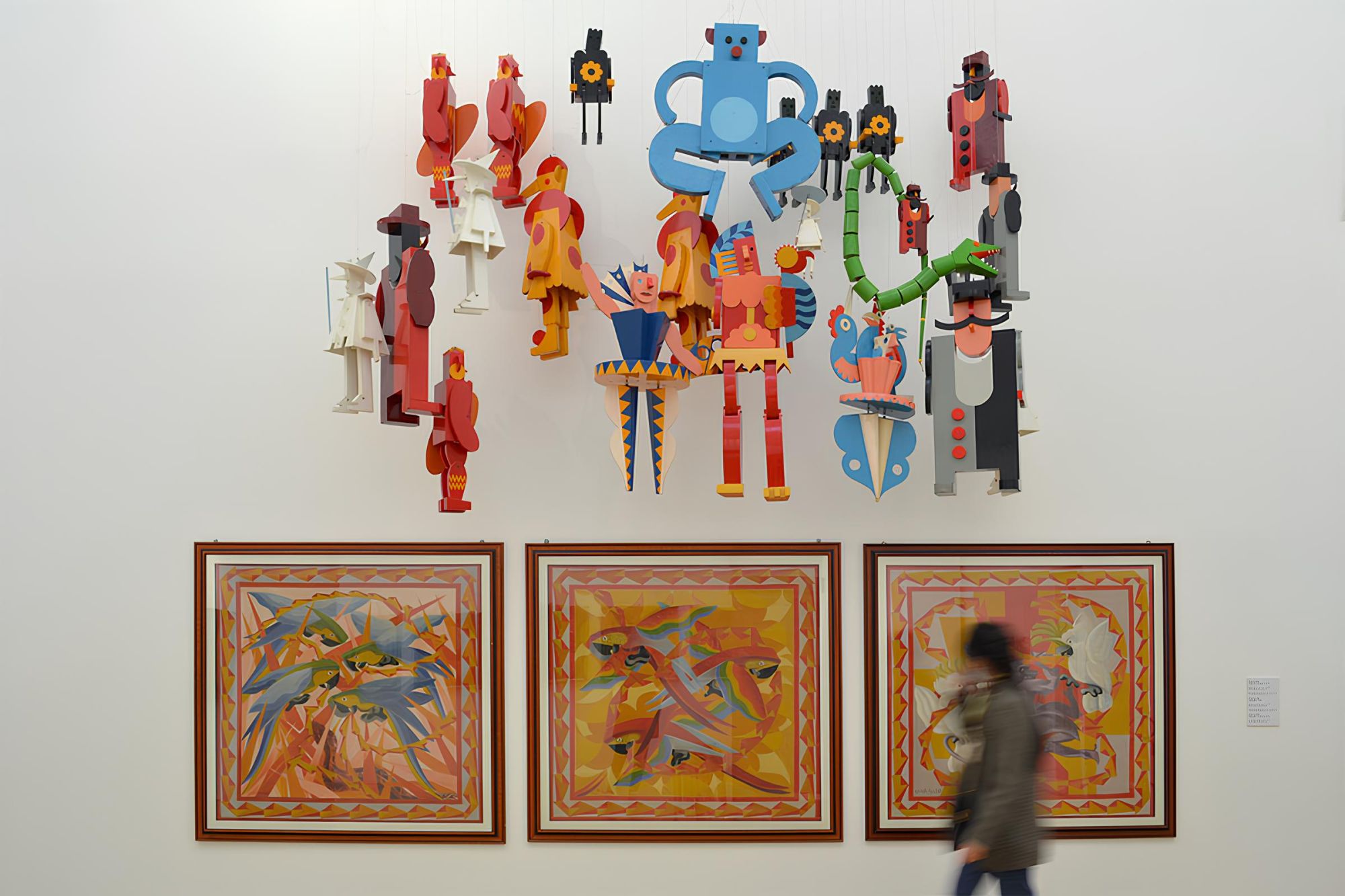
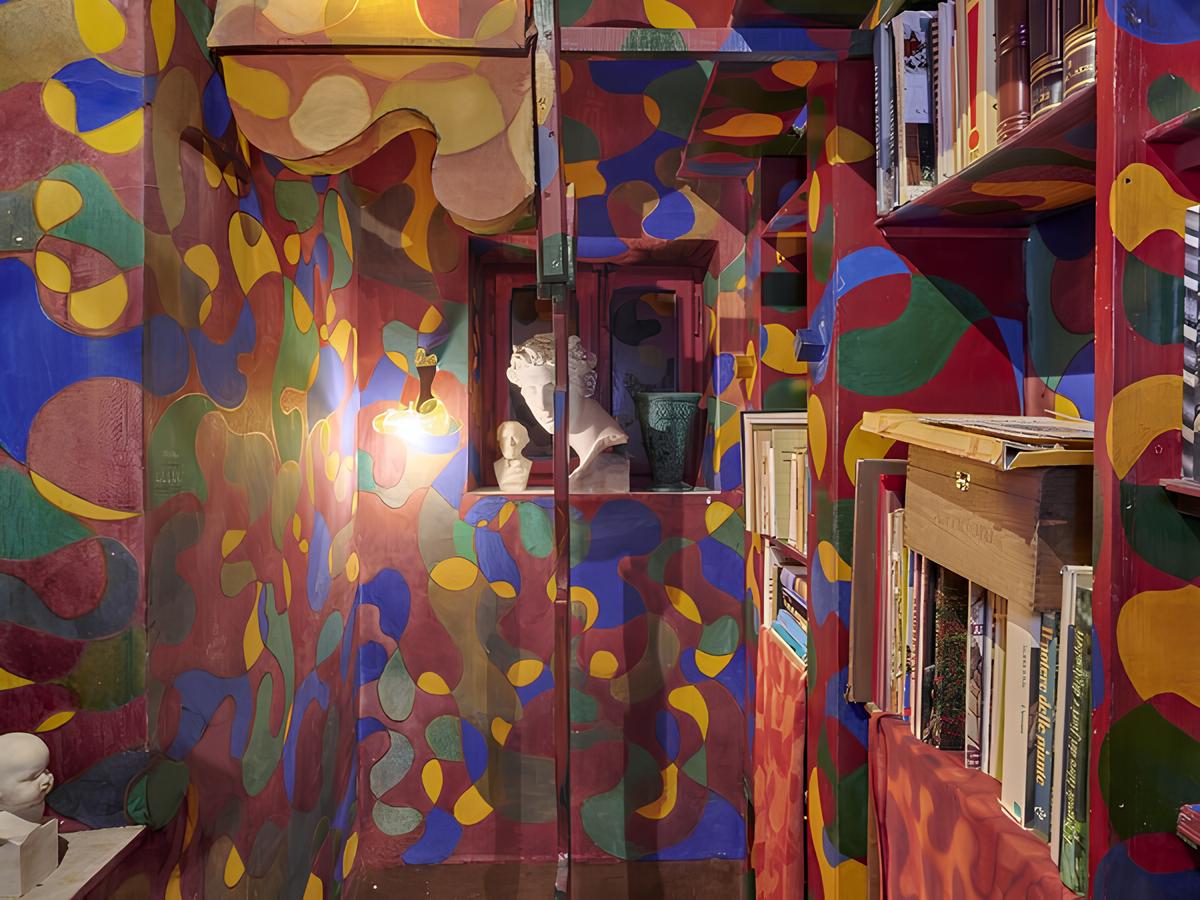
In Rovereto, the Casa d’Arte Futurista Depero has a completely different energy. Fortunato Depero founded it in 1957, designing every detail: mosaics, furniture, painted panels. It is one of the places in Italy where the idea of the total work of art appears at its clearest and freest. Here the boundary between art, graphics, design, advertising and furnishing keeps collapsing. Everything seems to want to communicate. Casa Depero is essential because it captures a moment when the artist wanted to enter everyday life and the rhythms of the home. Futurism also worked on the environment, on coordinated image, on the possibility of turning every surface into language.
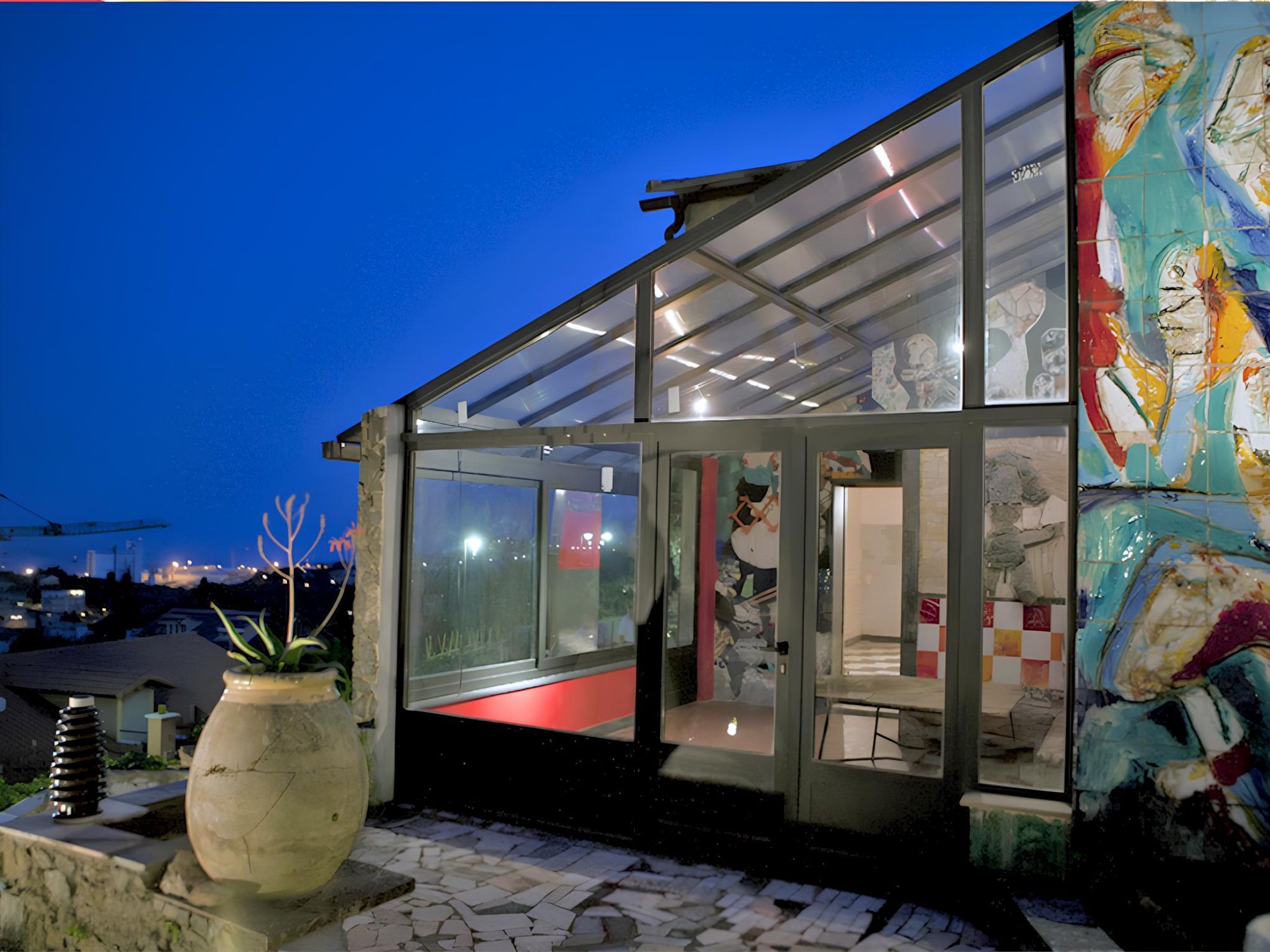
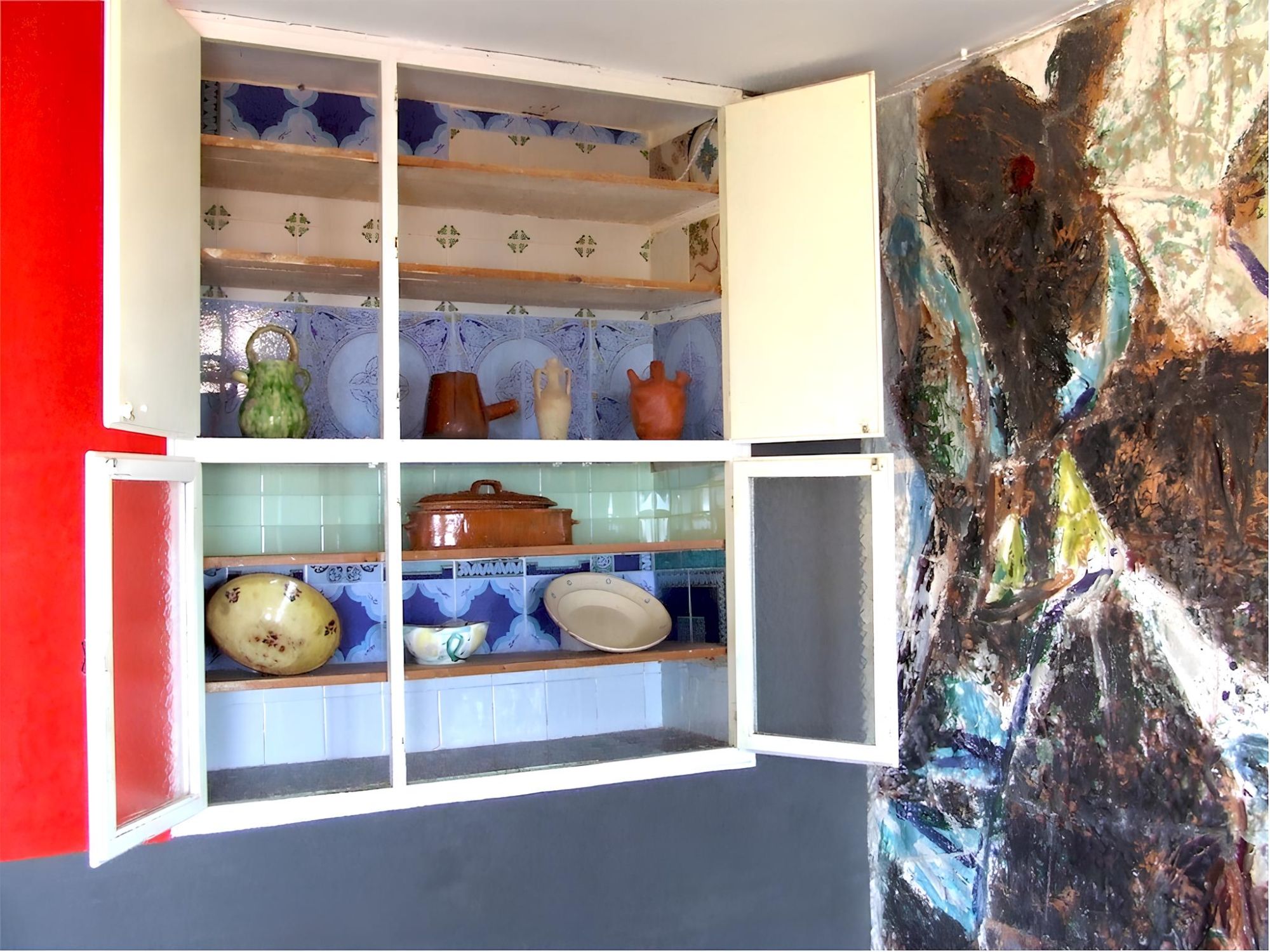
In Liguria, Casa Museo Jorn in Albissola Marina shifts everything toward a more physical, almost wild dimension. Asger Jorn arrived here in the Fifties and transformed his house into an organism made of ceramics, sculptures, a garden, painted walls and a view of the Mediterranean. It is a less orderly, freer space, where art and landscape seem to grow together. The house extends Jorn's work into the ground, the walls, the outdoor paths. This is also why it is one of the most beautiful destinations to visit in summer: it has the charm of things that are layered and a little unpredictable.
Brindisi and Balla, beyond the idea of the museum
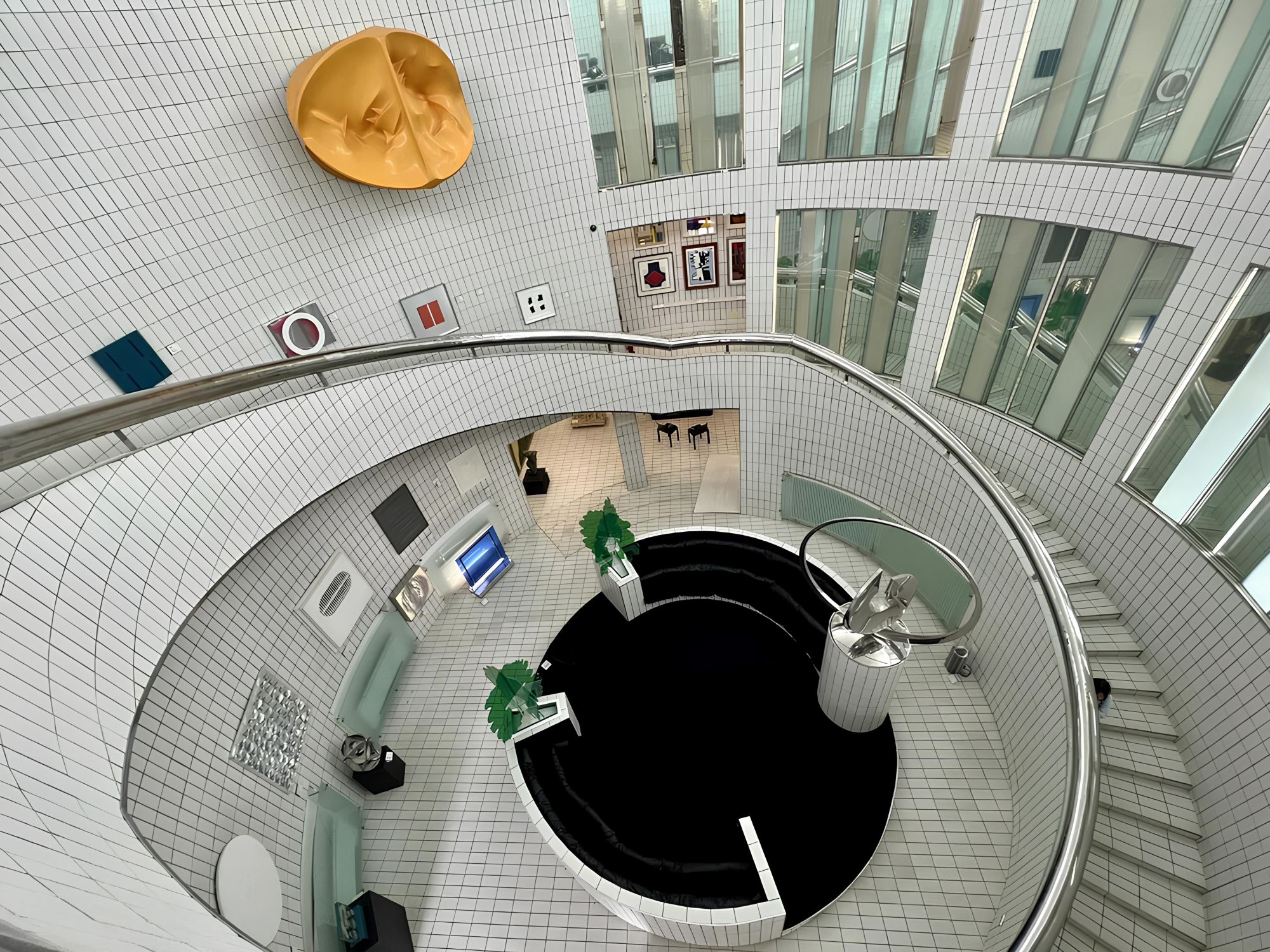
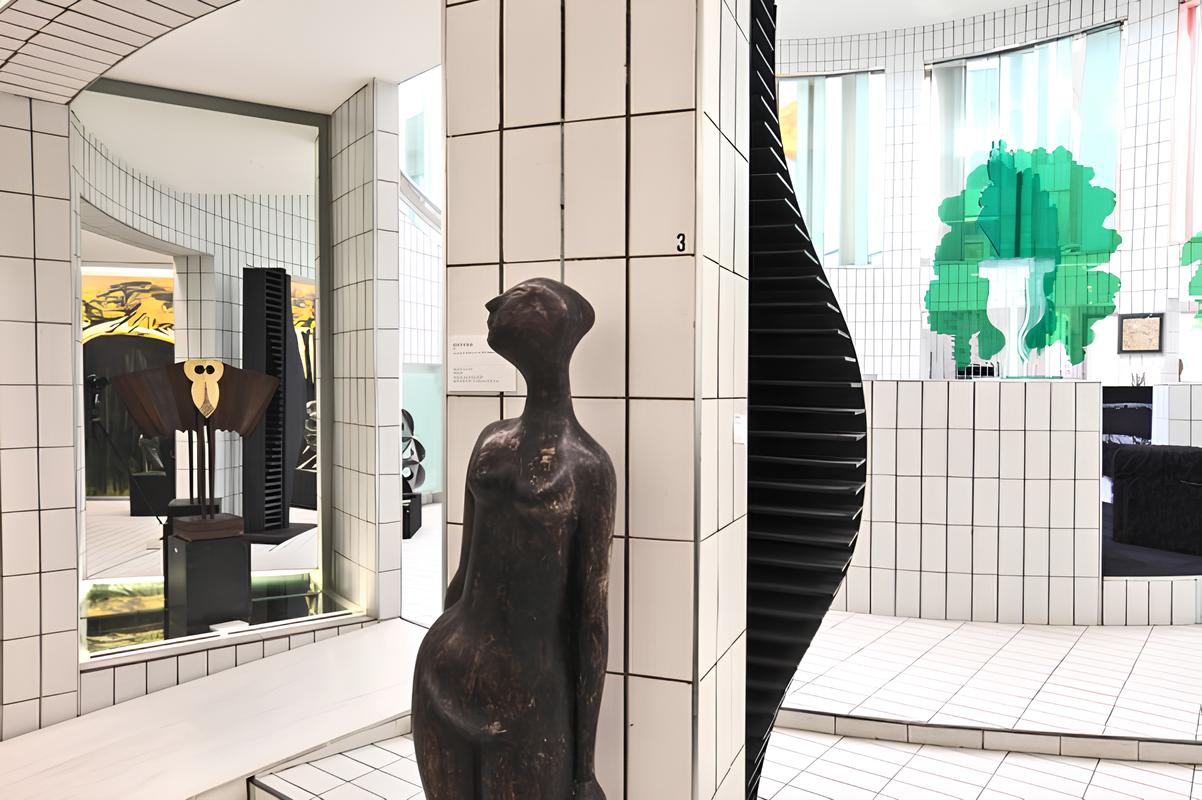
By the sea, in Lido di Spina, the Casa Museo Remo Brindisi adds another chapter. Designed by Nanda Vigo and opened in 1973 as the “Alternative Museum,” it was created to bring together home, collection, studio and exhibition space. It is a house already conceived to go beyond the classic idea of the museum. The works enter into dialogue with the architecture, the light, the presence of the nearby sea. The fact that it is located in a seaside resort makes it even more interesting. It takes the conversation on author houses outside the cities of art and brings it closer to the idea of vacation, of suspended time, of culture encountered almost by detour.
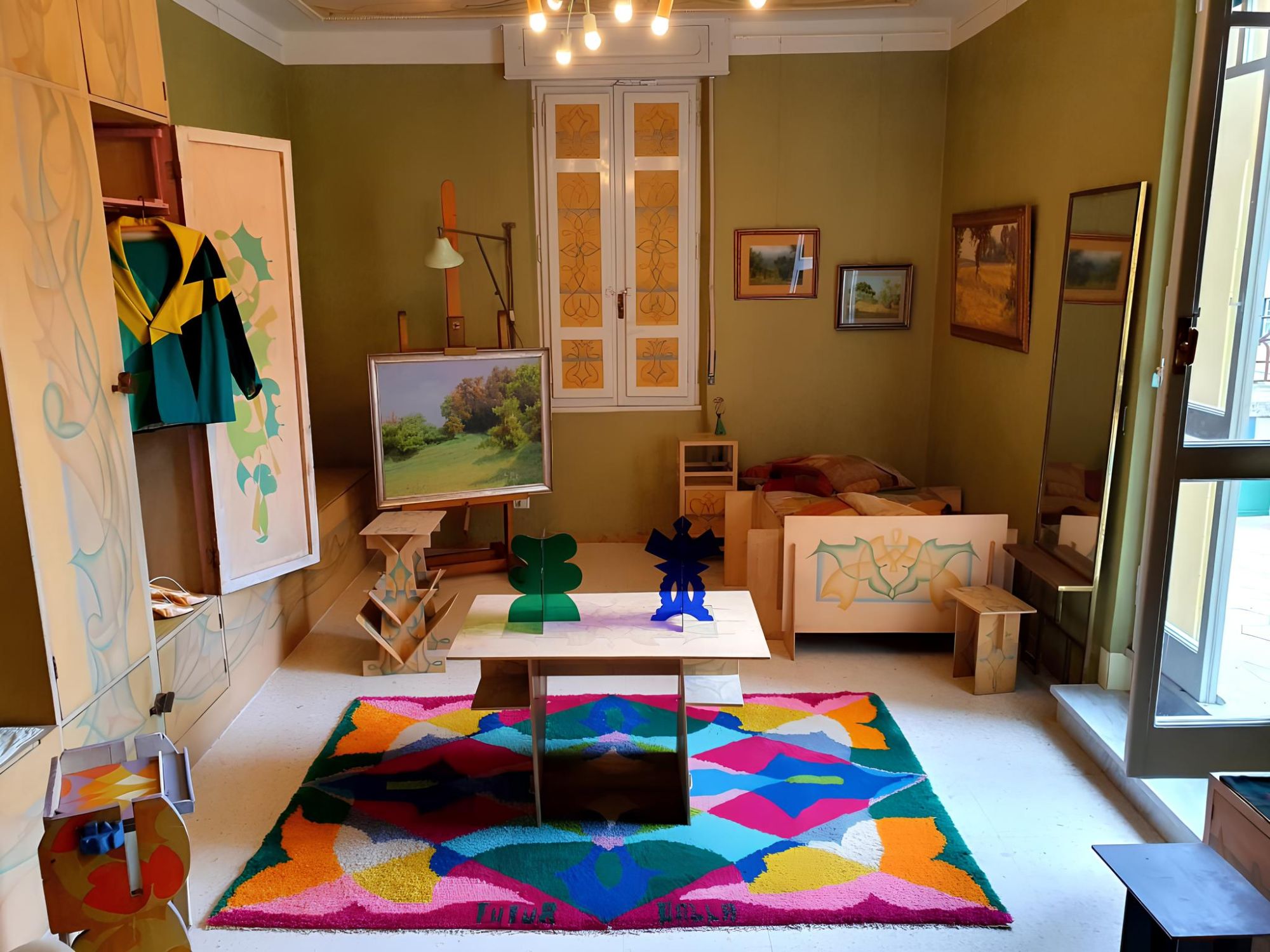
Then there is Casa Balla, in Rome, which deserves a chapter of its own. The home-studio of Giacomo Balla has entered the State's heritage and has been announced as a national museum. It is a fundamental place because here Futurism becomes a domestic environment: walls, furniture, colors, surfaces and decorations all take part in the same idea of movement. It should be approached with attention to its access arrangements, tied to schedules and to the process of full public opening, but it remains one of the most powerful cases for understanding how a house can become a manifesto.
When the house tells more than the museum
@eloisepreen the most amazing villa in Milan… Villa Necchi Campiglio was completed in 1935 and it is full of personality Definitely worth a visit if you’re in Milan #travelinspo #eurosummer #europeansummer #midcentury #uniquehome original sound - Eloise Preen
These houses work because they let us see something that is often lost in museums. A work, inside an exhibition room, is separated from the world in order to be better understood. In a house, the opposite movement happens: the work returns into the world.Design stops appearing as an abstract discipline and becomes an everyday matter again. How we sit, how we look outside, how we choose the light, how we arrange our objects, how we transform a space into something that resembles us.
Perhaps this is why author houses feel so relevant today. After years spent looking at perfect interiors on Instagram, visiting a real house, with a precise history and a deep identity, produces a different effect. You are looking at a worldview, more than a styling. And it is often right there, in a room less famous than a museum, that you understand a designer, an artist, a collector or an architect better. Because a house, when it is truly designed, tells how someone lived and what they wished to become.