September 9th, 2026
The 5 homes of Italian writers worth knowing From Manzoni's favorite armchair to Pascoli's three desks, 5 homes where you can discover the authors of Italian literature
At school we learn dates, works, and spiritual crises of the authors of Italian literature, and rarely does much else stick with us. Their homes, however, operate on a higher level: they tell us who preferred to work at three different desks and who observed the world from a window. They seem more human, closer to us, caught in their everyday dimension — the one books so often forget to mention. Between coats left hanging in wardrobes and floral wallpaper, here are 5 writers' homes worth getting to know.
Alessandro Manzoni's Comfort Zone
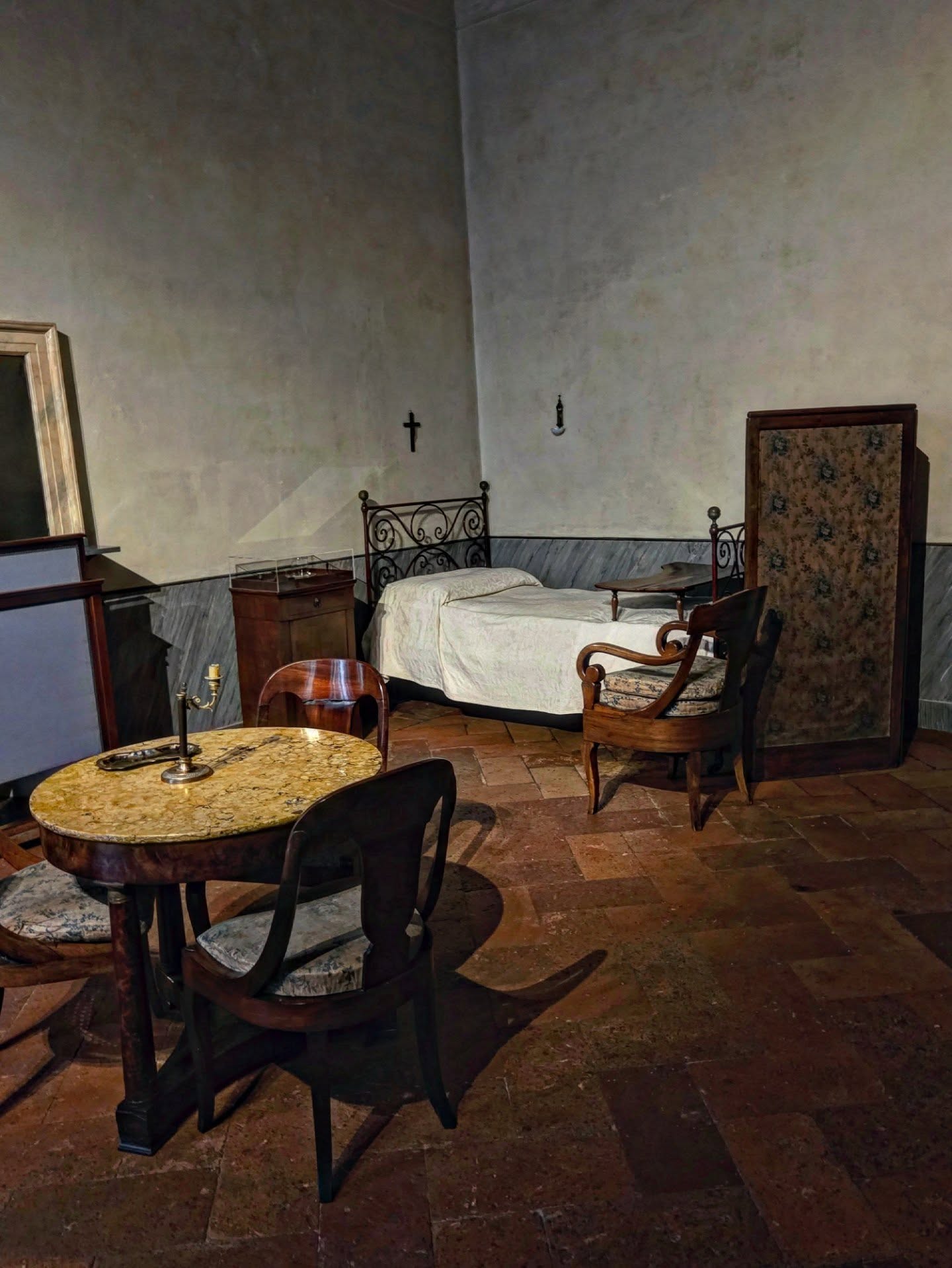
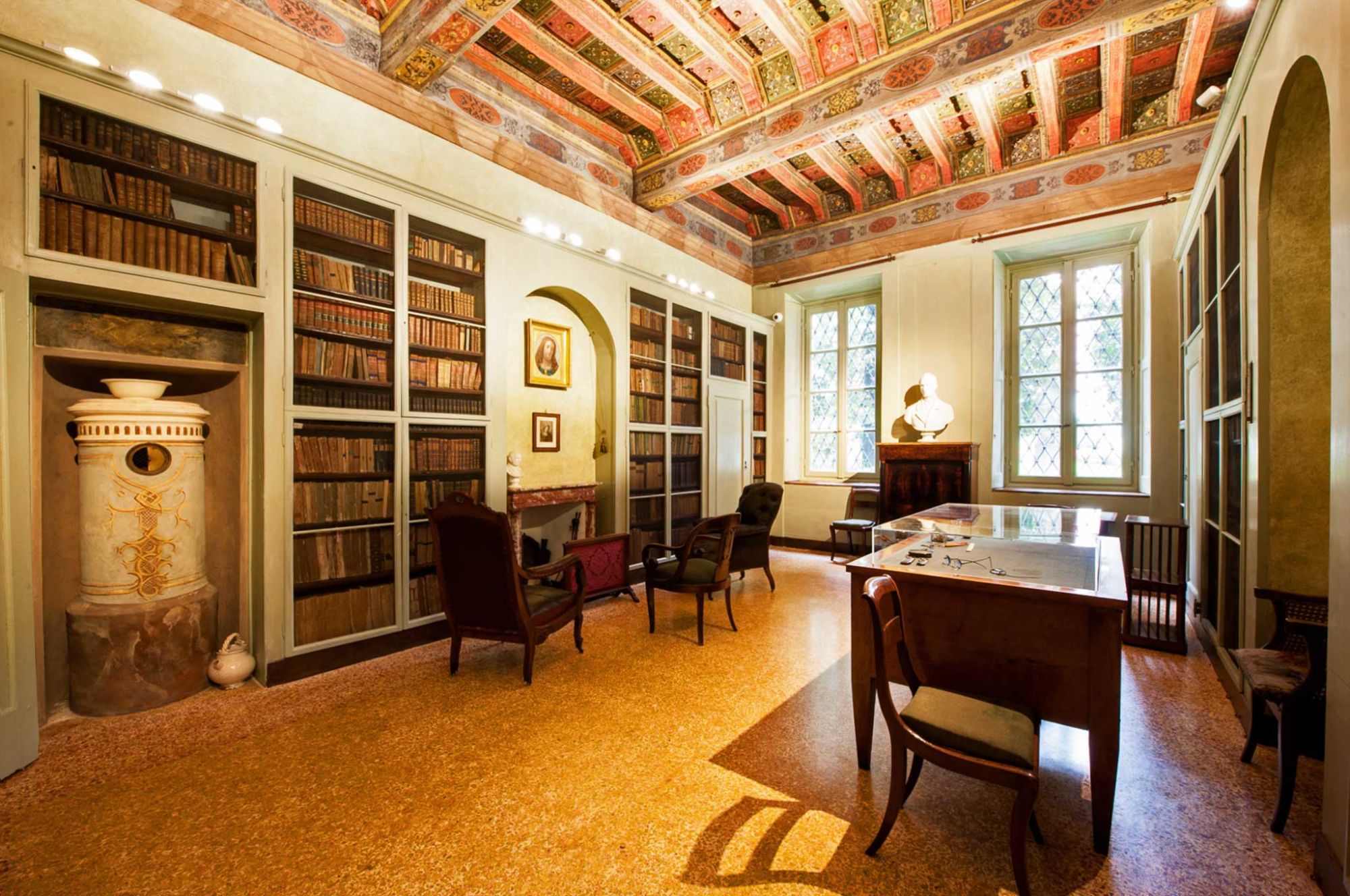
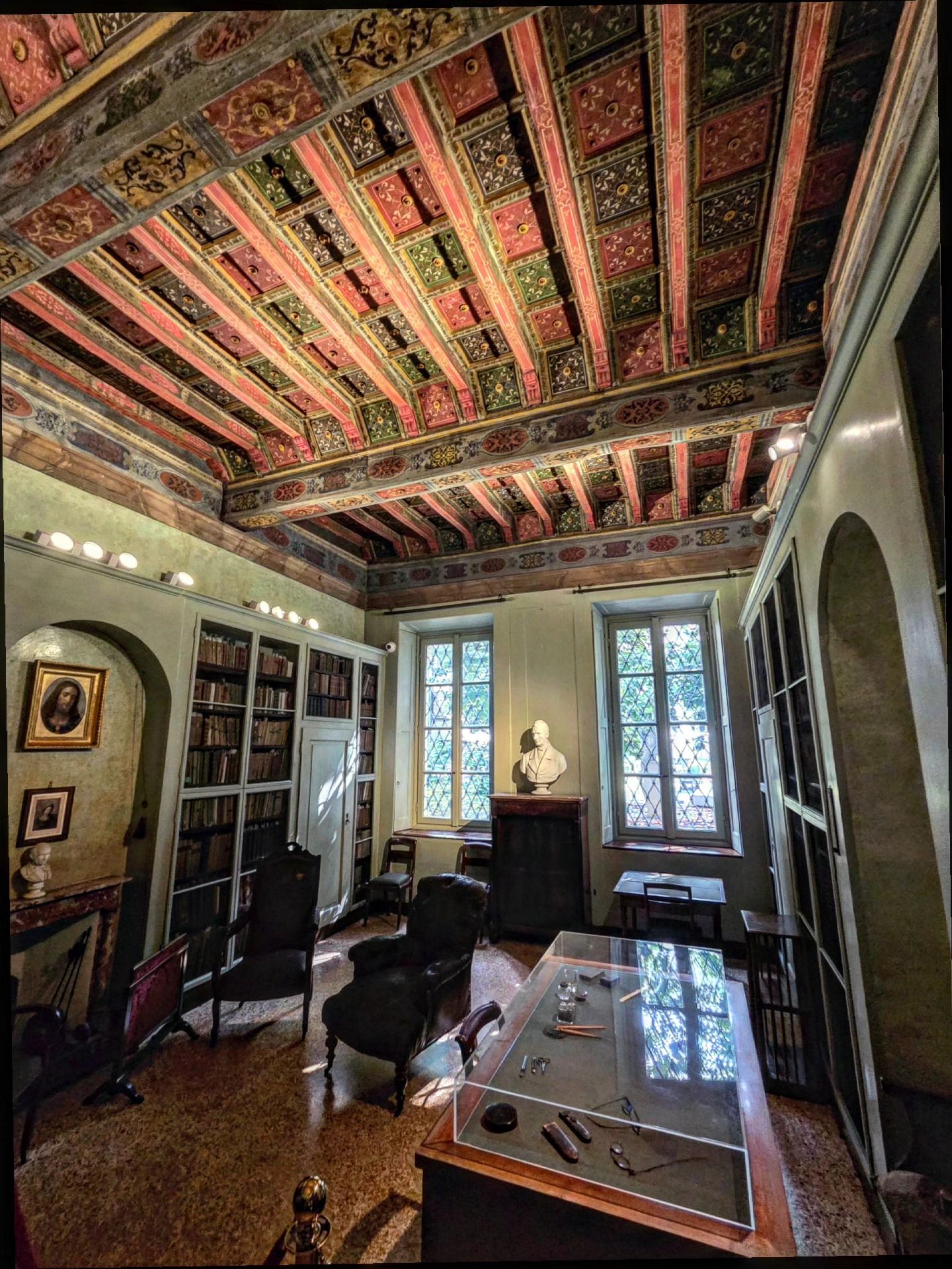
The image of Alessandro Manzoni handed down to us by school textbooks does not suggest a man with any interest in comfort. He seems rather the very embodiment of Providence, with his austere gaze and dark clothing. And yet his home at via Morone 1, in Milan, tells a different story, because here the large leather armchair he preferred to sit in is still present, as is the floral wallpaper in the bedroom. Manzoni lived here for sixty years, until his death — a fact that takes on a whole new meaning when one considers that he suffered from panic attacks and agoraphobia. This house was, in a sense, his safe perimeter, the place from which he observed the same garden for six decades.
The building today houses around 38,000 volumes, including those that belonged to him, complete with marginal annotations. After his death the house passed from owner to owner until it came into the hands of the Centro Nazionale Studi Manzoniani, which undertook restoration work to return it to its 1873 condition. Unfortunately, little of the original furnishings survived, but the ground-floor study and the bedroom where he died remain intact.
The Son of Chaos in a Simple Home
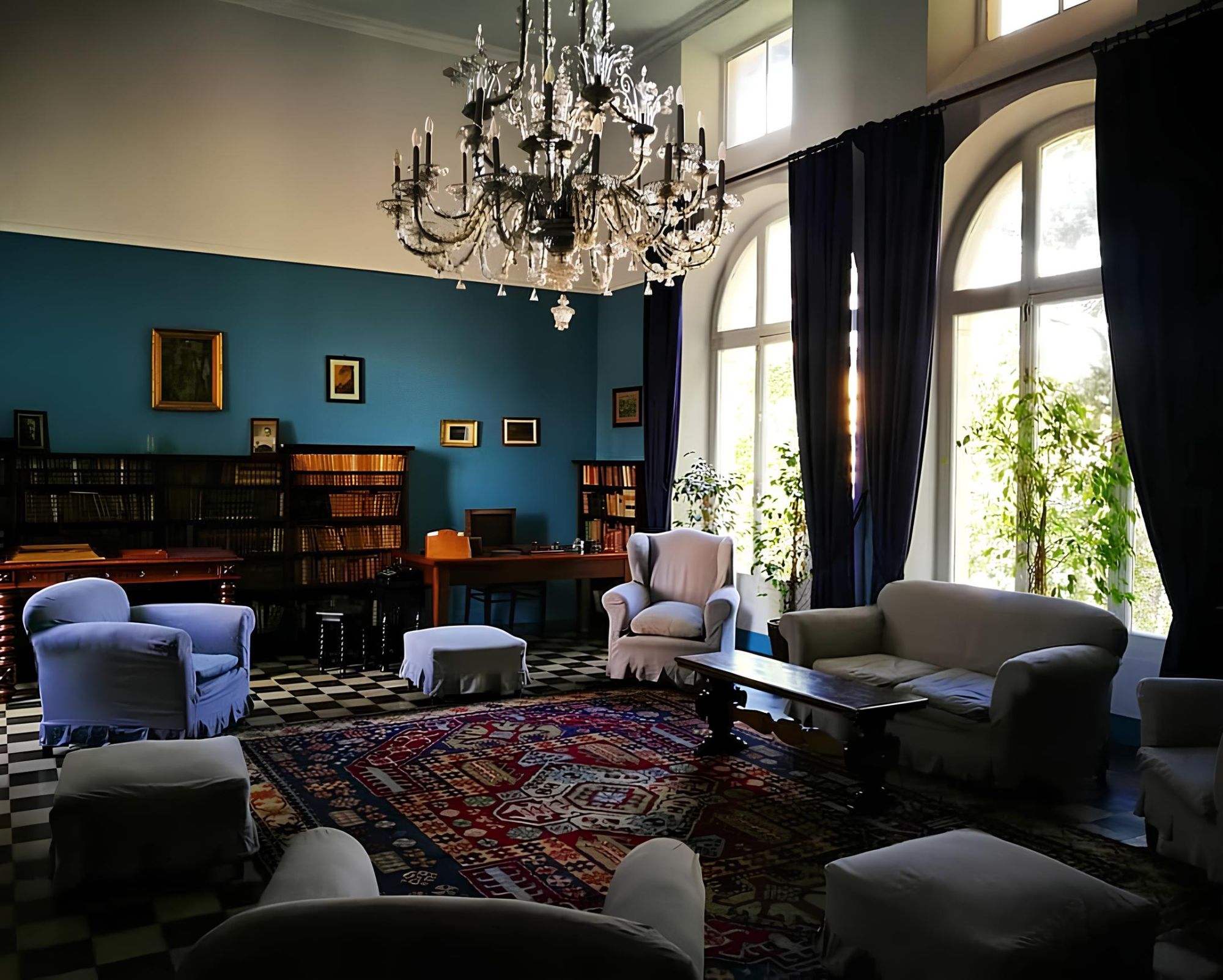
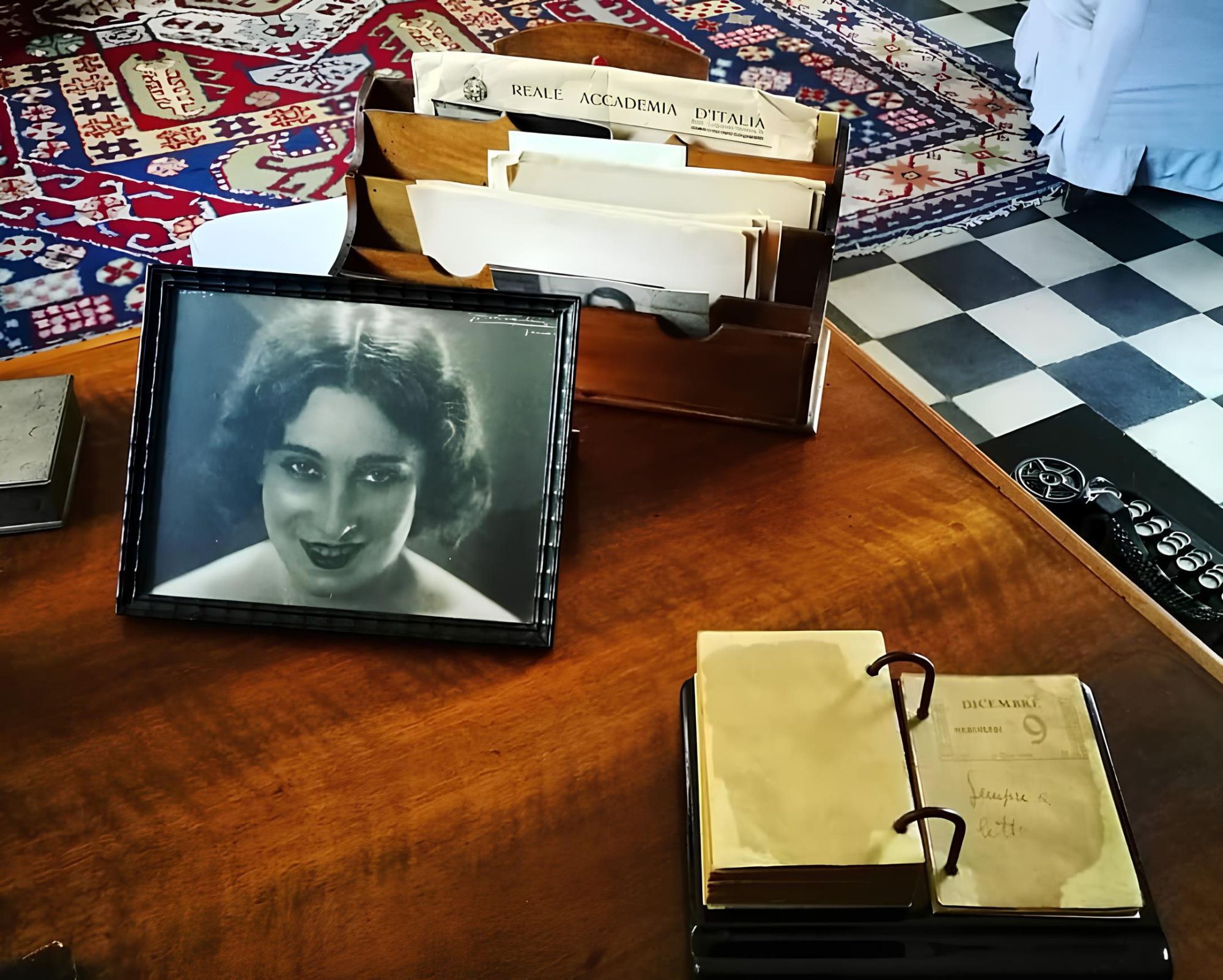
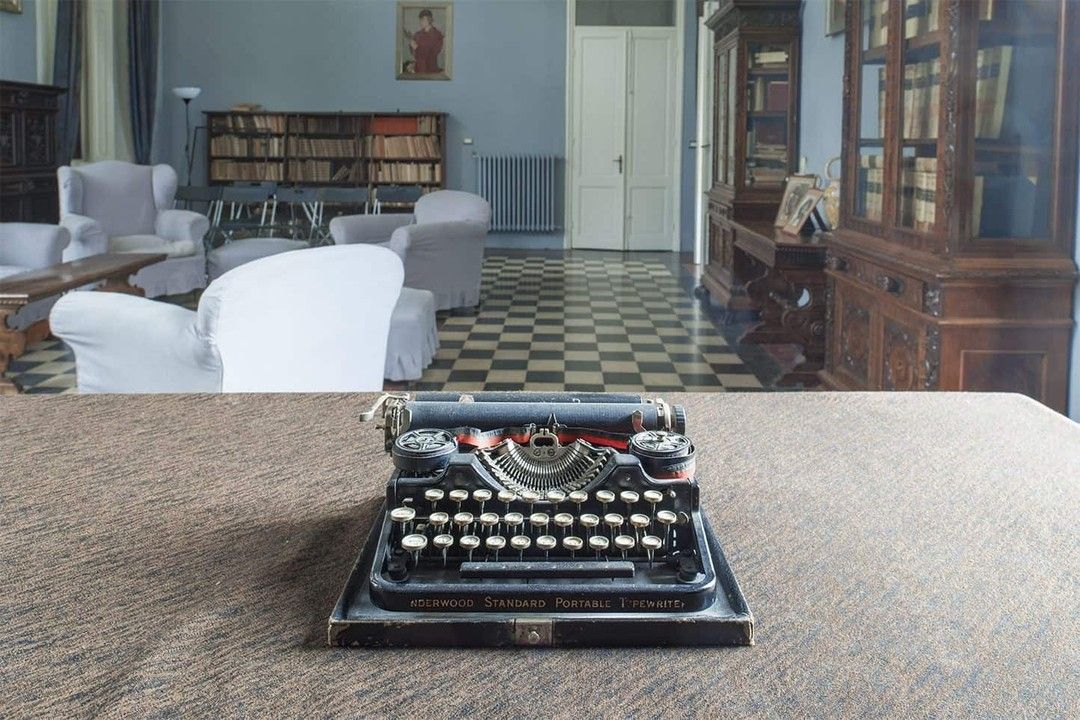
Luigi Pirandello's last home is located in Rome on via Antonio Bosio, in a neighbourhood that in those days was teeming with theatre people: to name just one, Eleonora Duse lived on the street behind. It was here that news of the Nobel Prize arrived, and it was here that he began working on The Mountain Giants, left unfinished because he died in this very house on 10 December 1936.
The apartment is one large living room-cum-study, where his desk still stands with the typewriter and the hexagonal stool he sat on, surrounded by a library of around two thousand volumes and paintings by his son Fausto. In the bedroom, personal belongings remain, along with two portraits of Marta Abba, the actress for whom he had written the roles of his final years and who had since left for America. His heirs donated everything in the apartment to the State, and since 1961 the house has been home to the Istituto di Studi Pirandelliani e sul Teatro Contemporaneo.
D'Annunzio's Home Had Something to Say
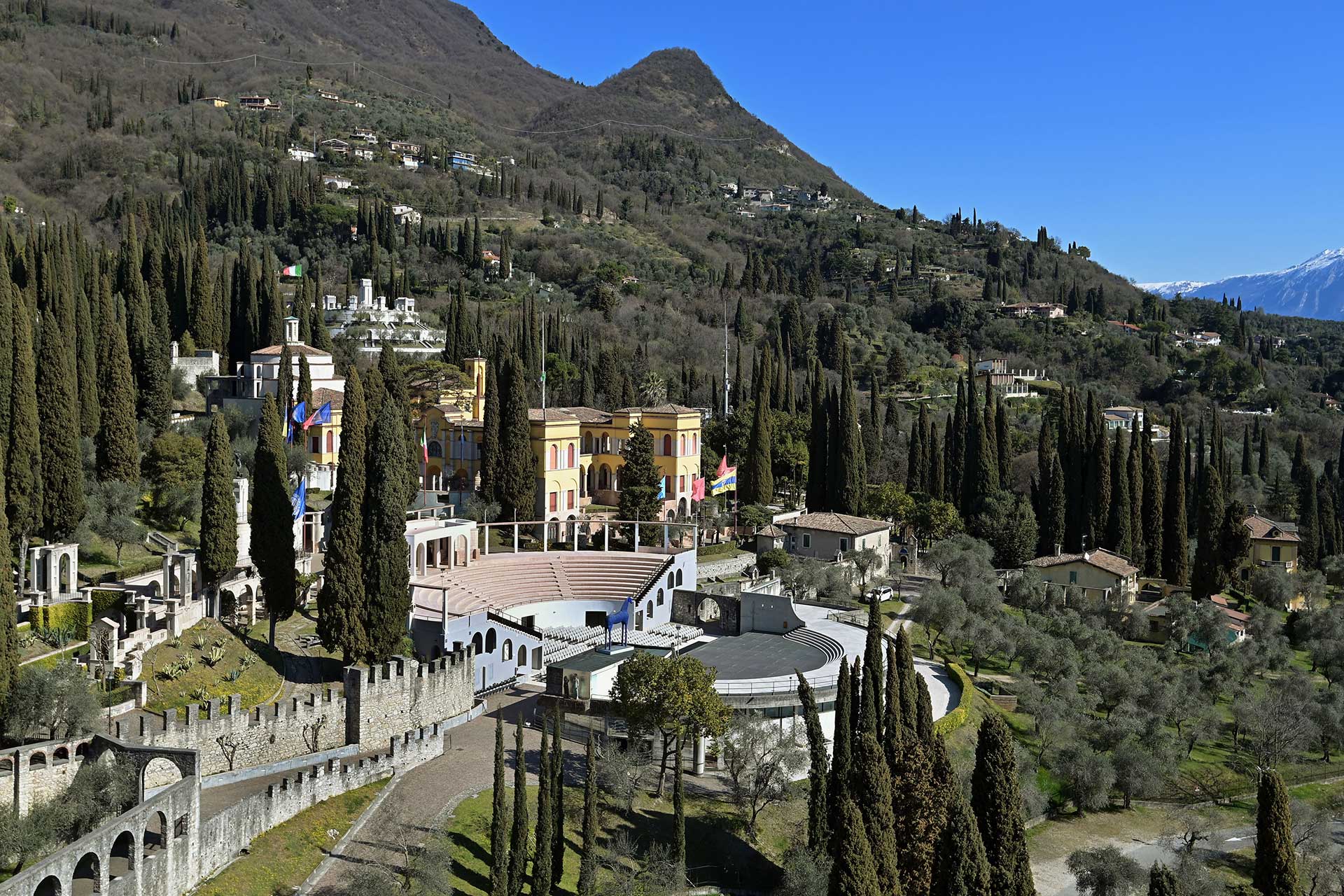
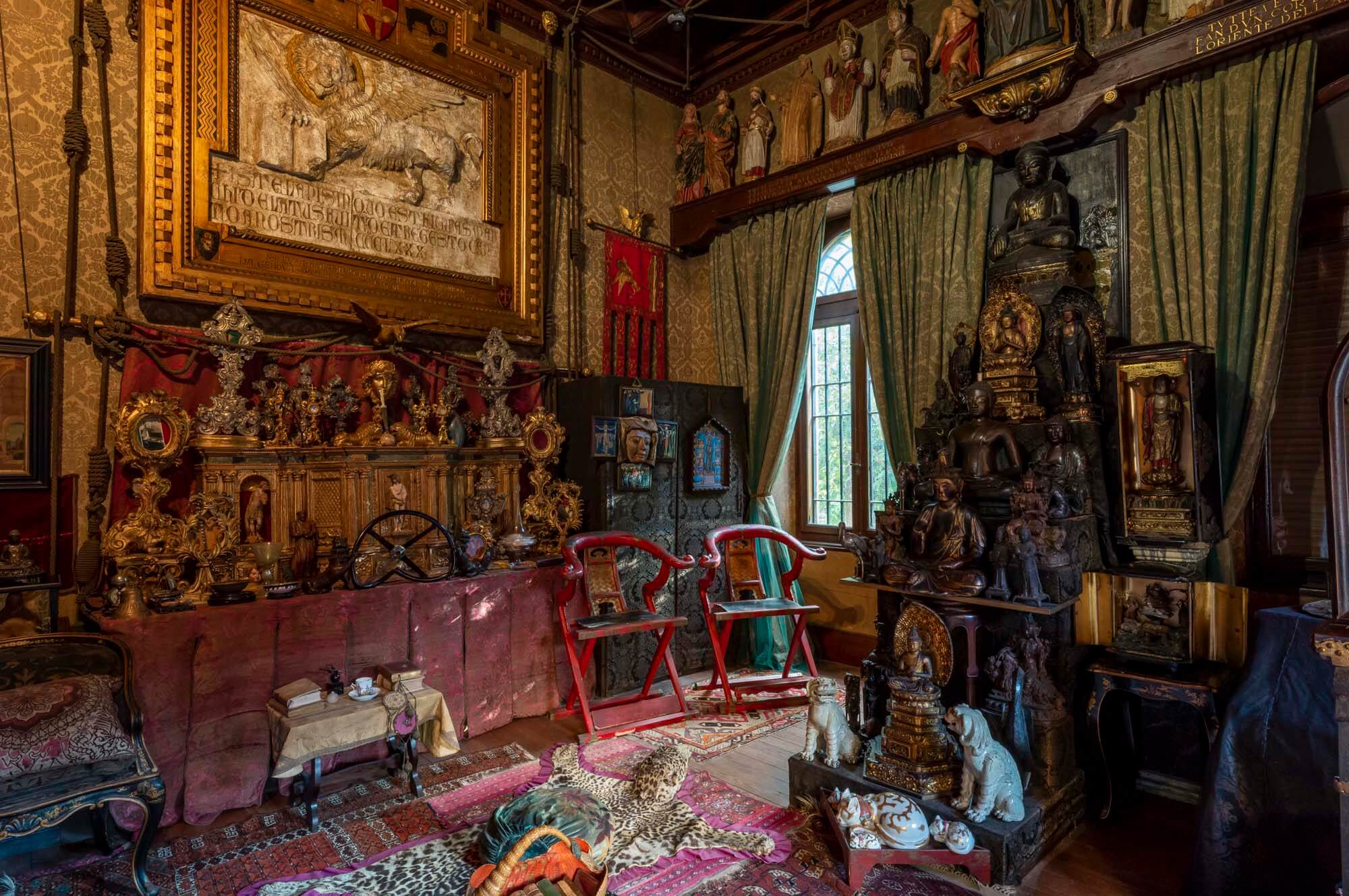
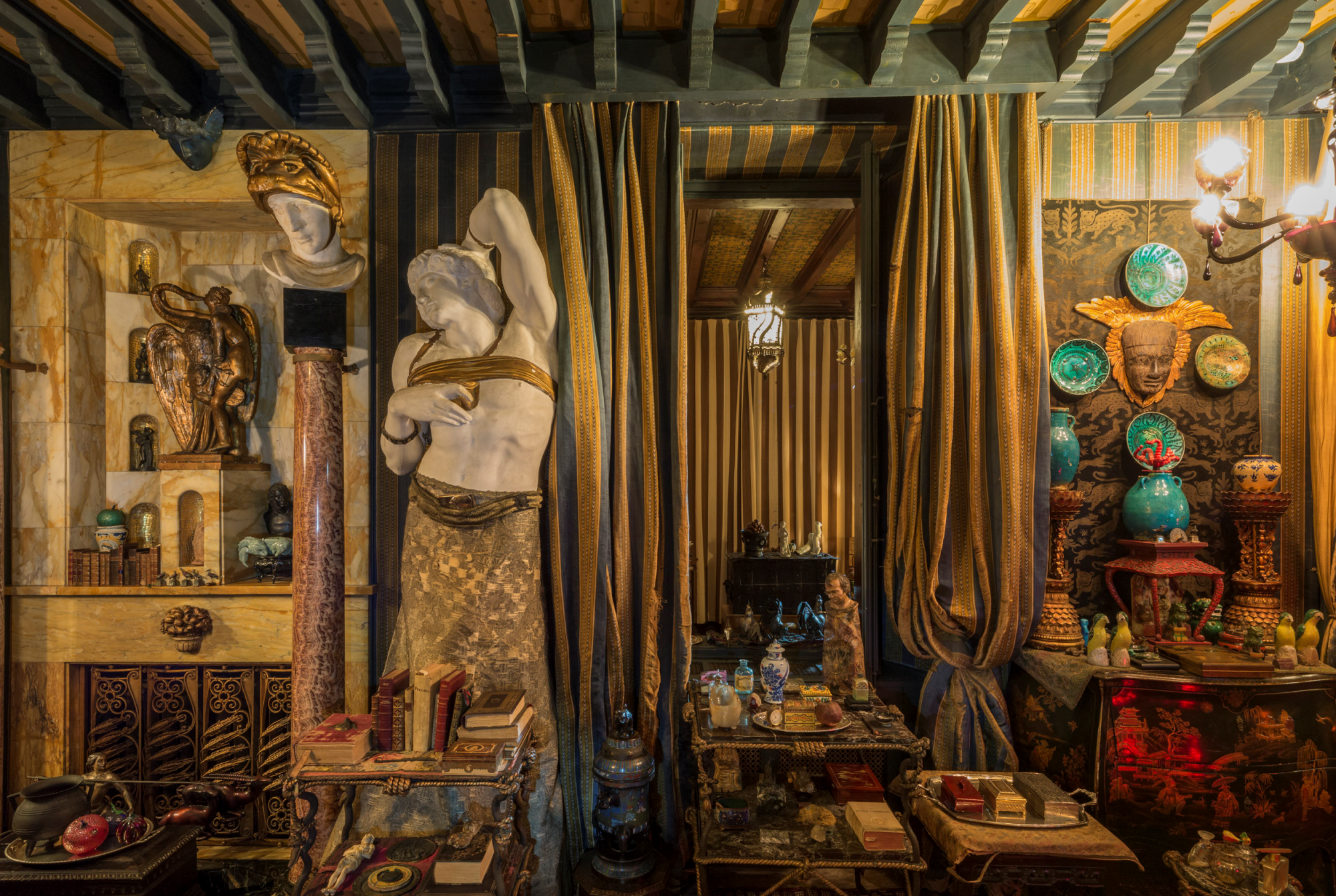
D'Annunzio, on the other hand, never had the slightest intention of appearing a simple man, and the Vittoriale is the clearest proof of this. In 1921 he arrived at Gardone Riviera, and together with architect Gian Carlo Maroni began transforming a villa into a complex of around nine hectares.
Here every place and every object carried meaning and contributed to the construction of his persona — whether the amphitheatre overlooking the lake, the hangar housing the MAS 96 torpedo boat used in the Raid of Bakar, or the roughly 10,000 objects and 33,000 books. It is amusing that the most ordinary gesture emerges precisely from the condition of the books, here too annotated and full of improvised bookmarks. All evidence of a life that sought to be communicated and remembered in a particular way — and the most candid traces are those left absent-mindedly. One wonders whether he would have appreciated the adverb.
Pascoli's Family Nest
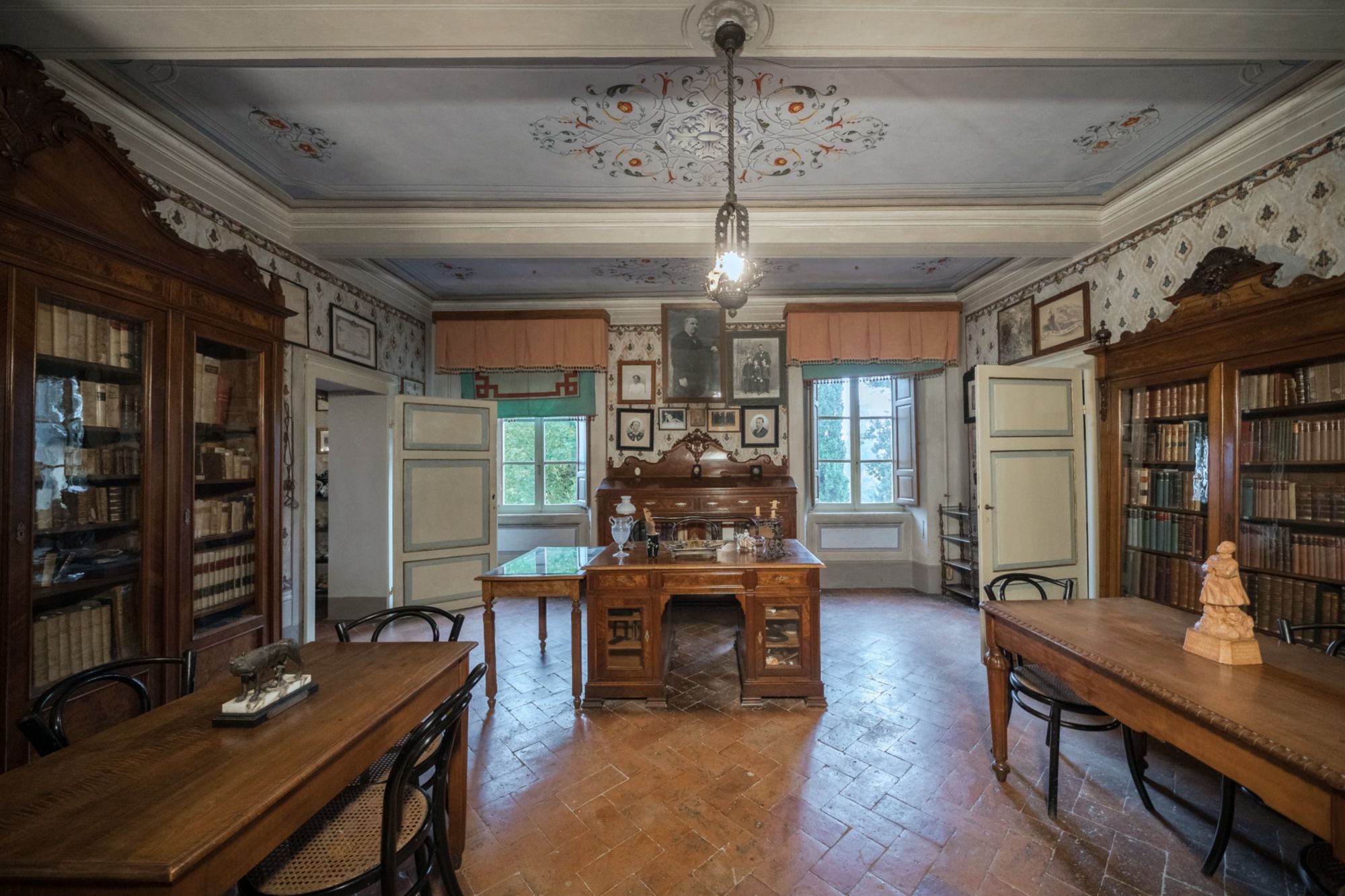
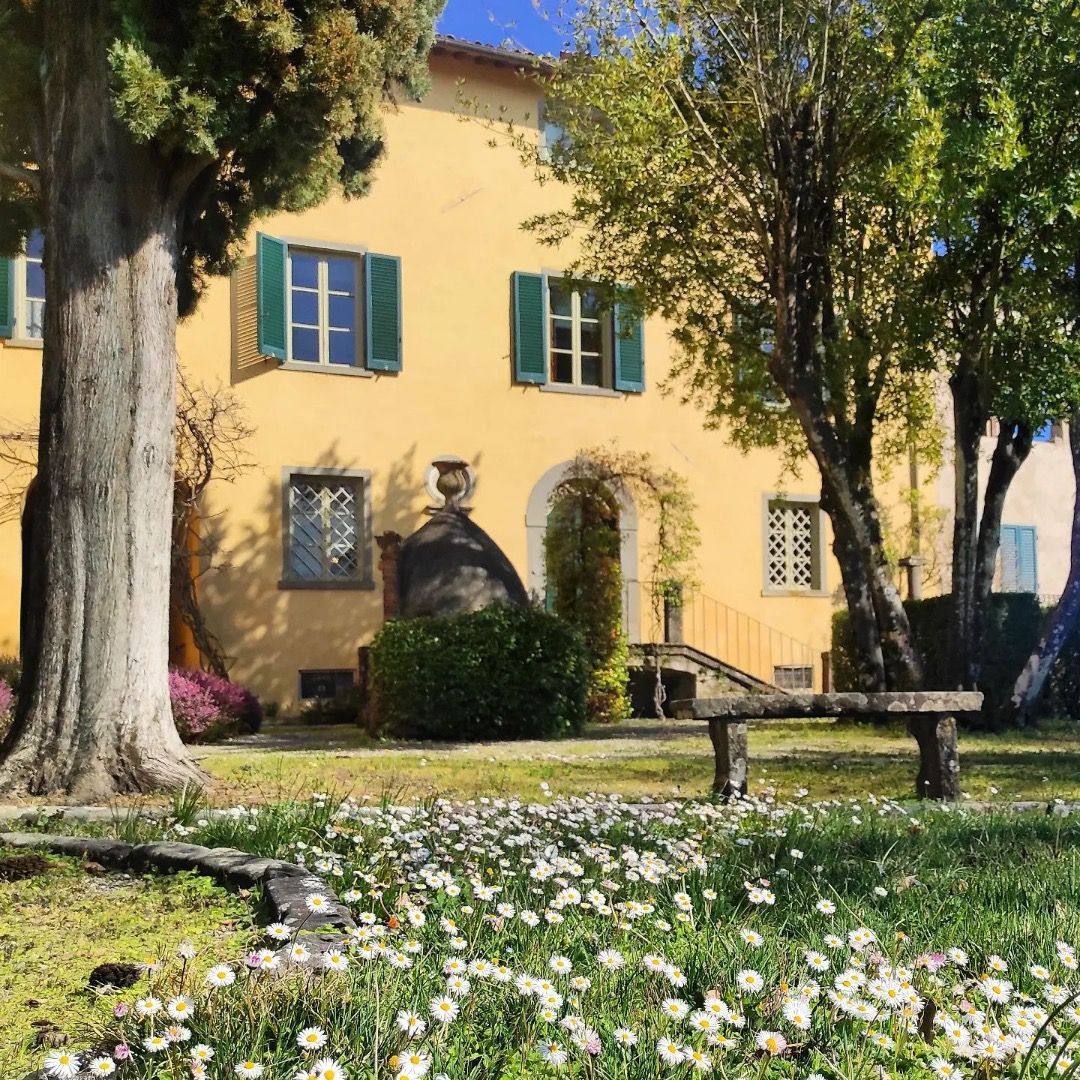
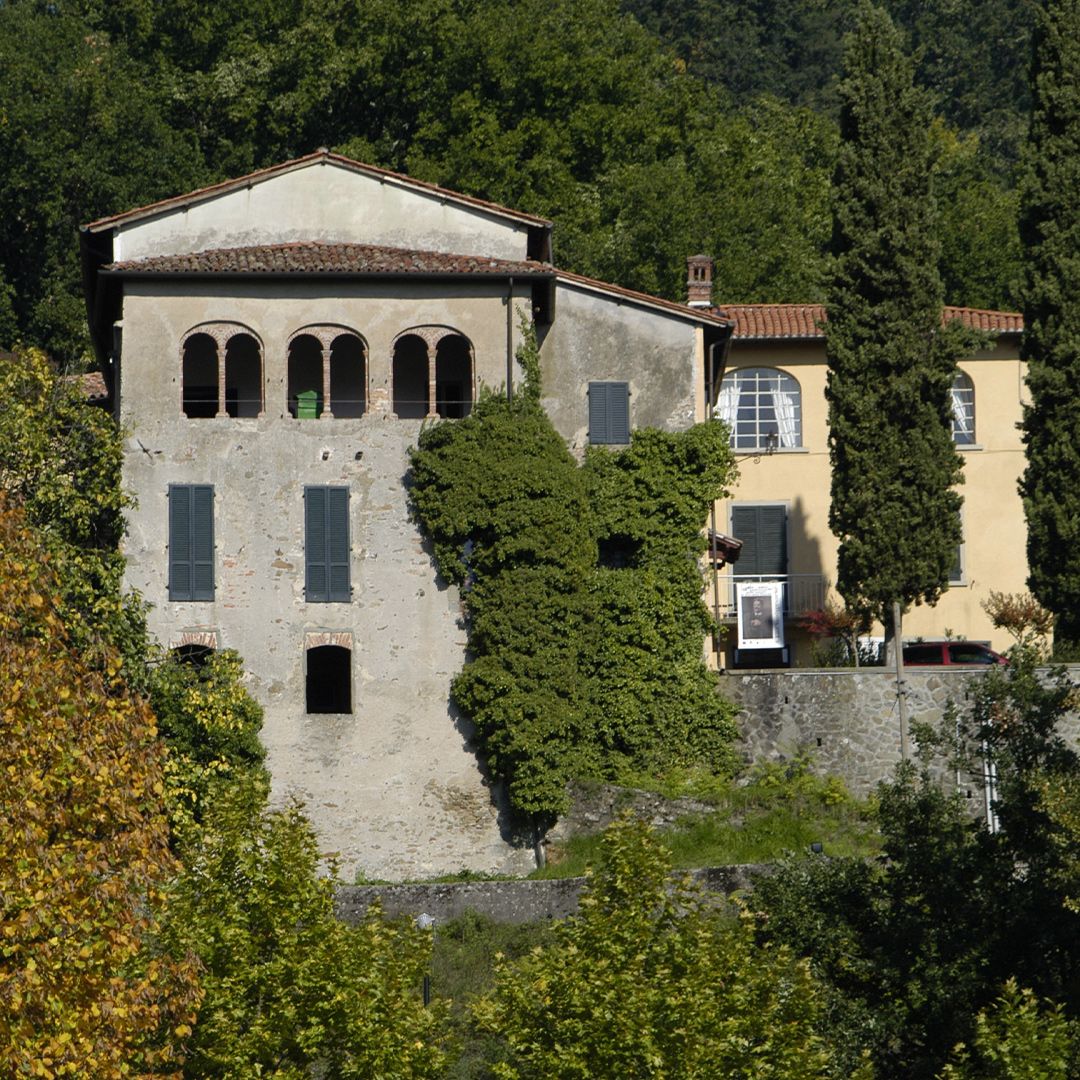
Pascoli's house in Castelvecchio does indeed resemble a nest. He arrived here in 1895 with his sister Maria and stayed until his death. In his study, the three separate desks are still there: one for Italian poetry, one for Latin verse, and one for Dante studies. And throughout the rest of the house, everything is preserved intact and with care. In the bedroom, the top hat and overcoat remain, as if he had just come home; in Maria's sitting room, prayer books, rosaries, a sewing machine, and a full wardrobe.
In the garden there is the grave of their dog Gulì, and a little further on that of the blackbird Merlino, bearing witness to the poet's love of animals and nature. Next to the house stands the chapel where the two siblings are buried together. And that all of this has reached us intact is entirely thanks to Maria, who preserved everything and sorted her brother's papers until 1953, before leaving it all to the Municipality of Barga.
A Window onto Recanati
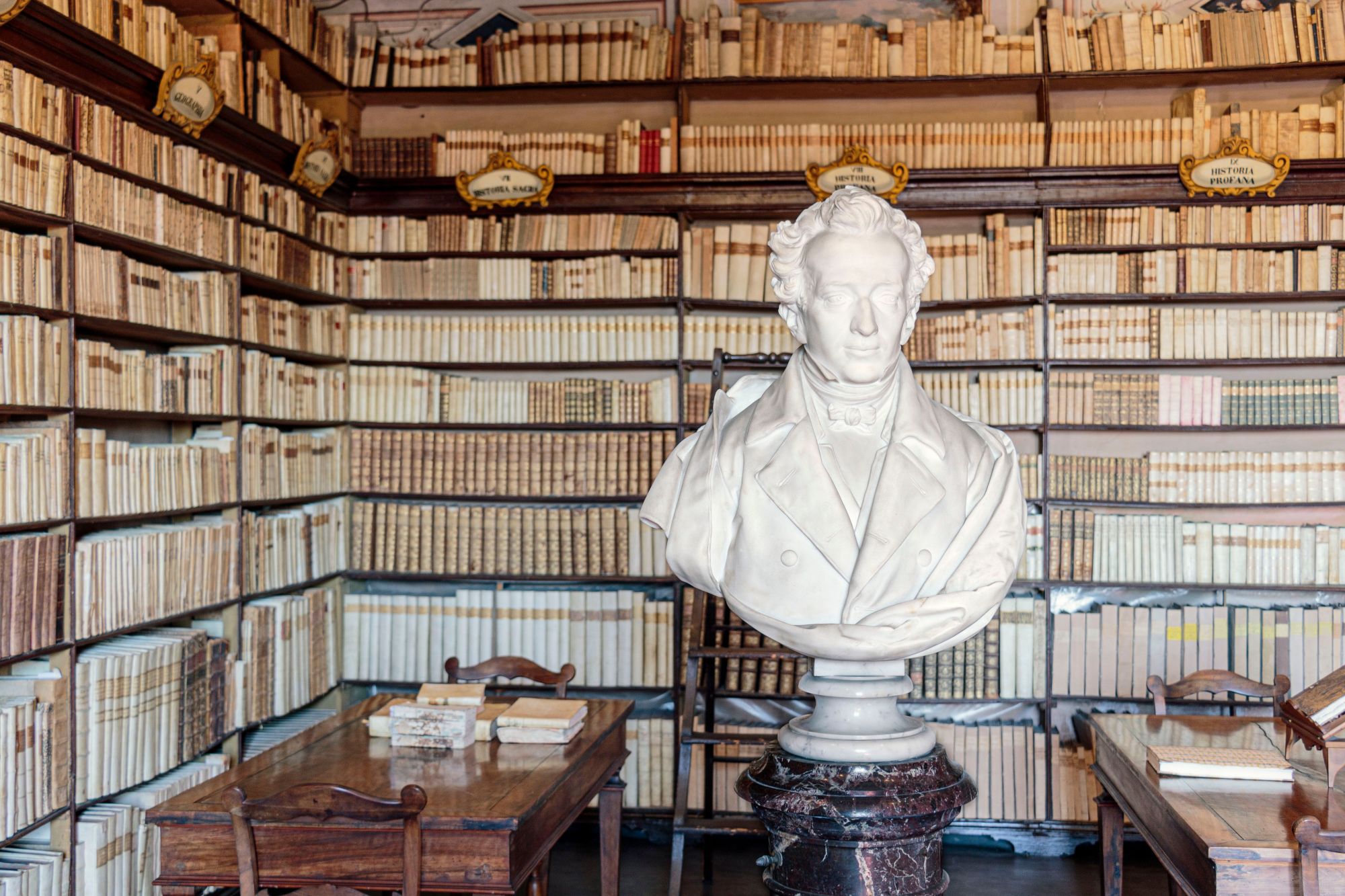
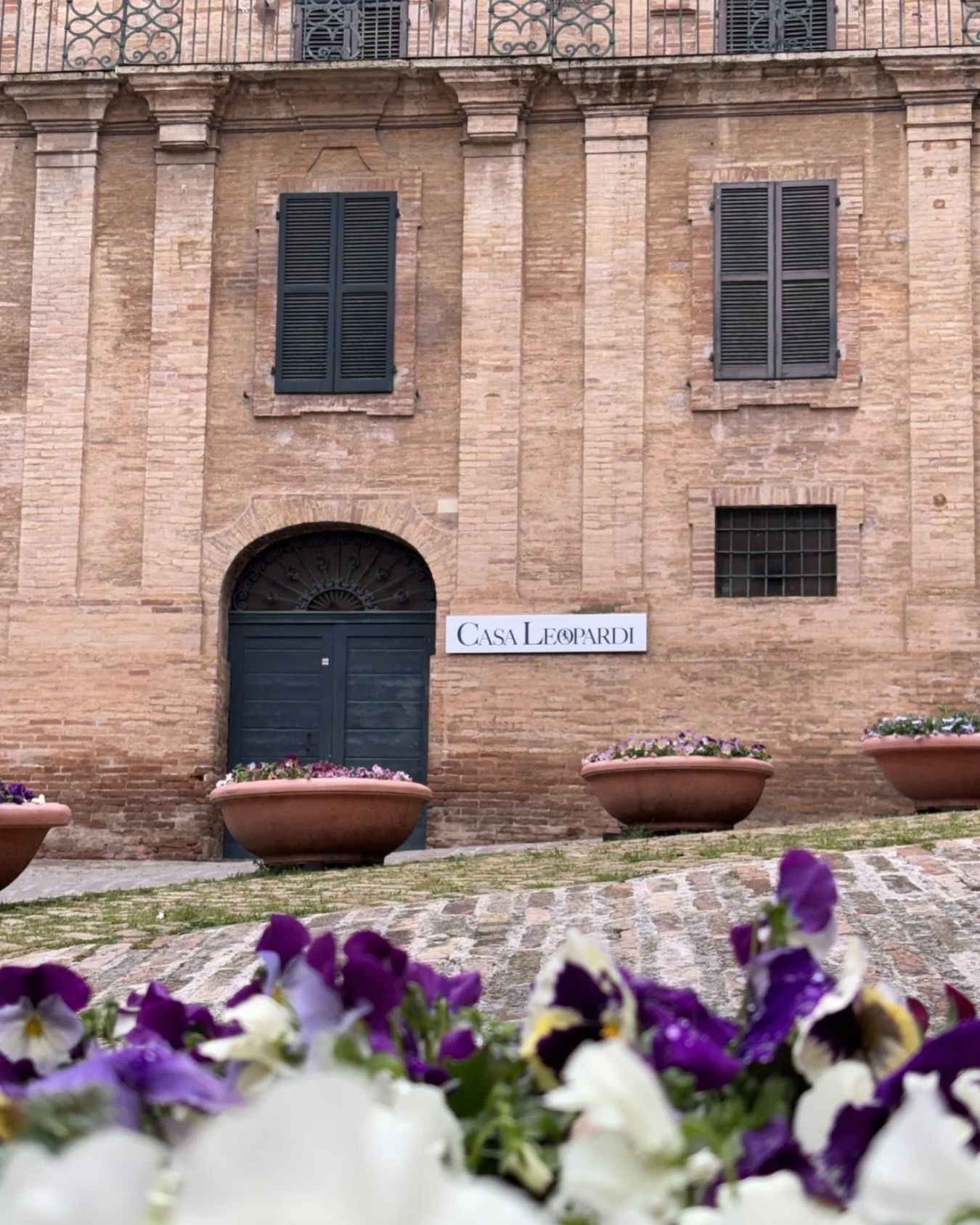
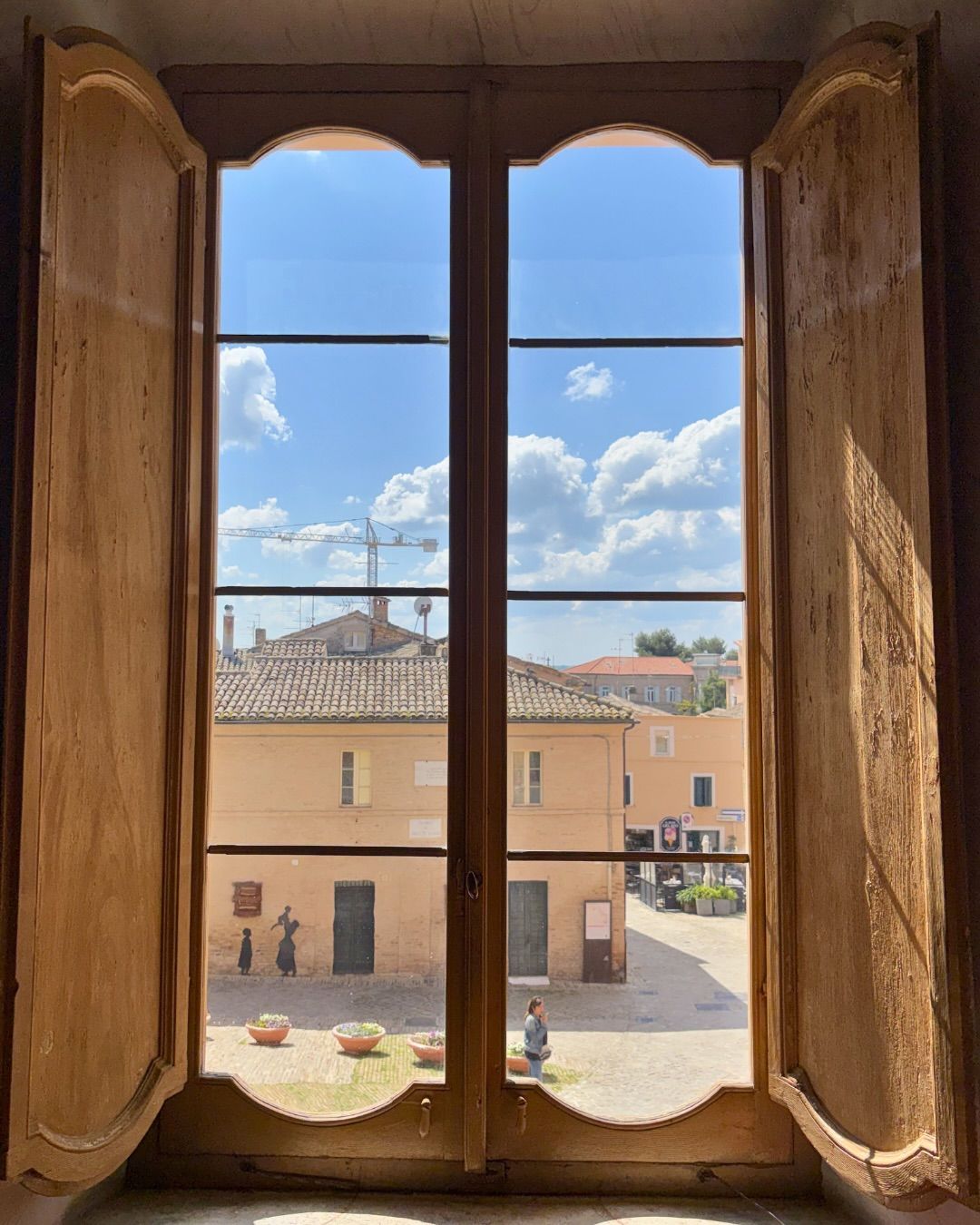
For Leopardi, all it took was leaning out of a window to observe a life that always seemed to belong to someone else — someone standing just on the other side of the street. The family palazzo in Recanati looks out onto a small square now called Piazza del Sabato del Villaggio, while directly opposite the old stable building still stands. On the upper floors of this building lived Teresa Fattorini, the coachman's daughter, who used to sing while he bent over his books in his father Monaldo's library: around 20,000 volumes collected and catalogued so that the children could study without leaving the house. Since 2020, visitors can also enter the private quarters, consisting of three rooms in a row with river-pebble floors, carved out between the west garden and the east garden so that the adolescent children might have a corner of their own.
Here is Leopardi's room, with the window from which he gazed at the sky over Recanati — the same window from which he counted the stars of the Great Bear in the Ricordanze. With hindsight, giving a boy an entire library and a window overlooking a provincial town was the surest way to produce a poet — but above all, to convince him that the world was almost entirely elsewhere.