September 4th, 2026
«Practicing haute cuisine today means having a responsibility», interview with Chiara Pavan The chef who at the Festival della Mente explains how climate change and biodiversity are transforming haute cuisine
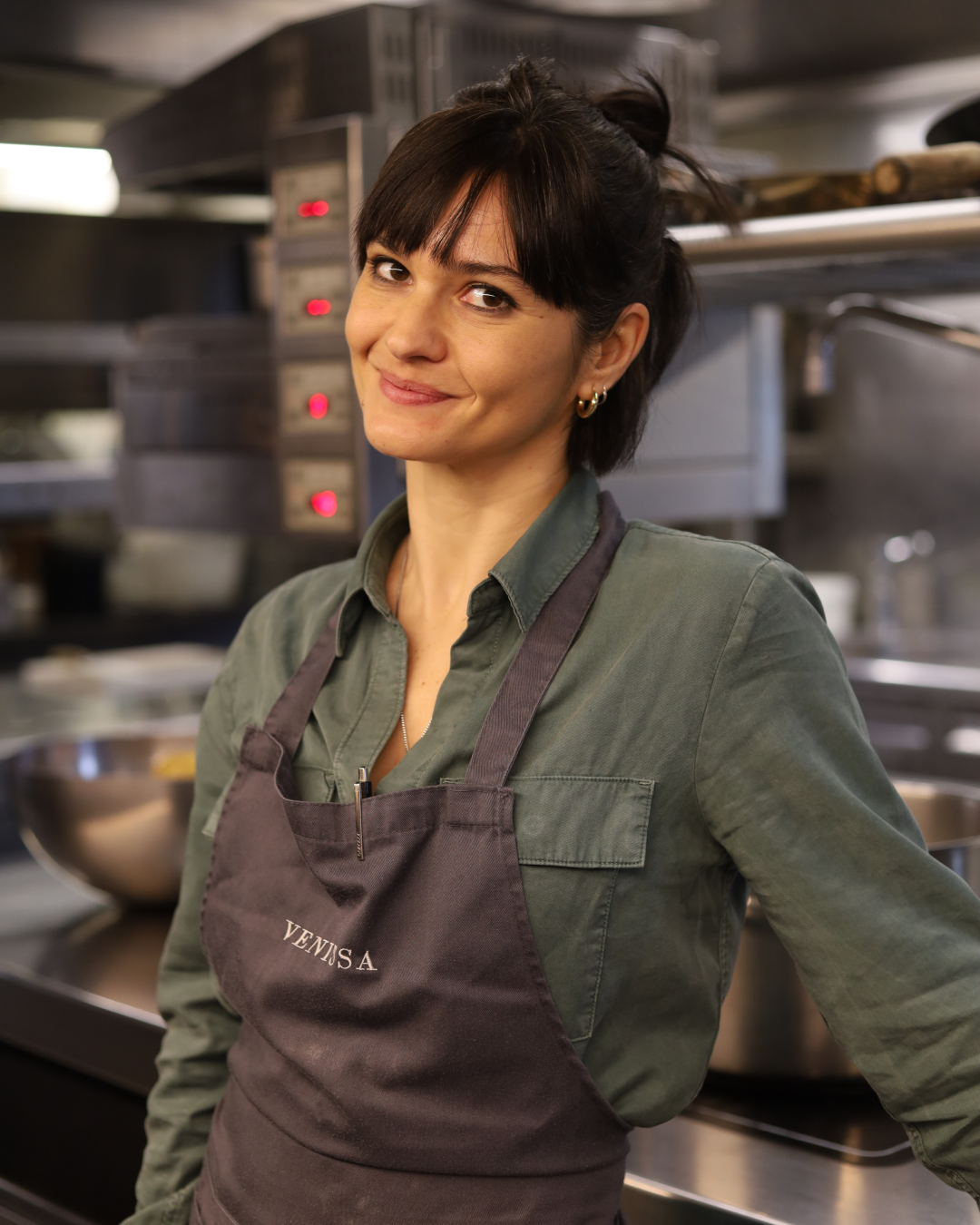
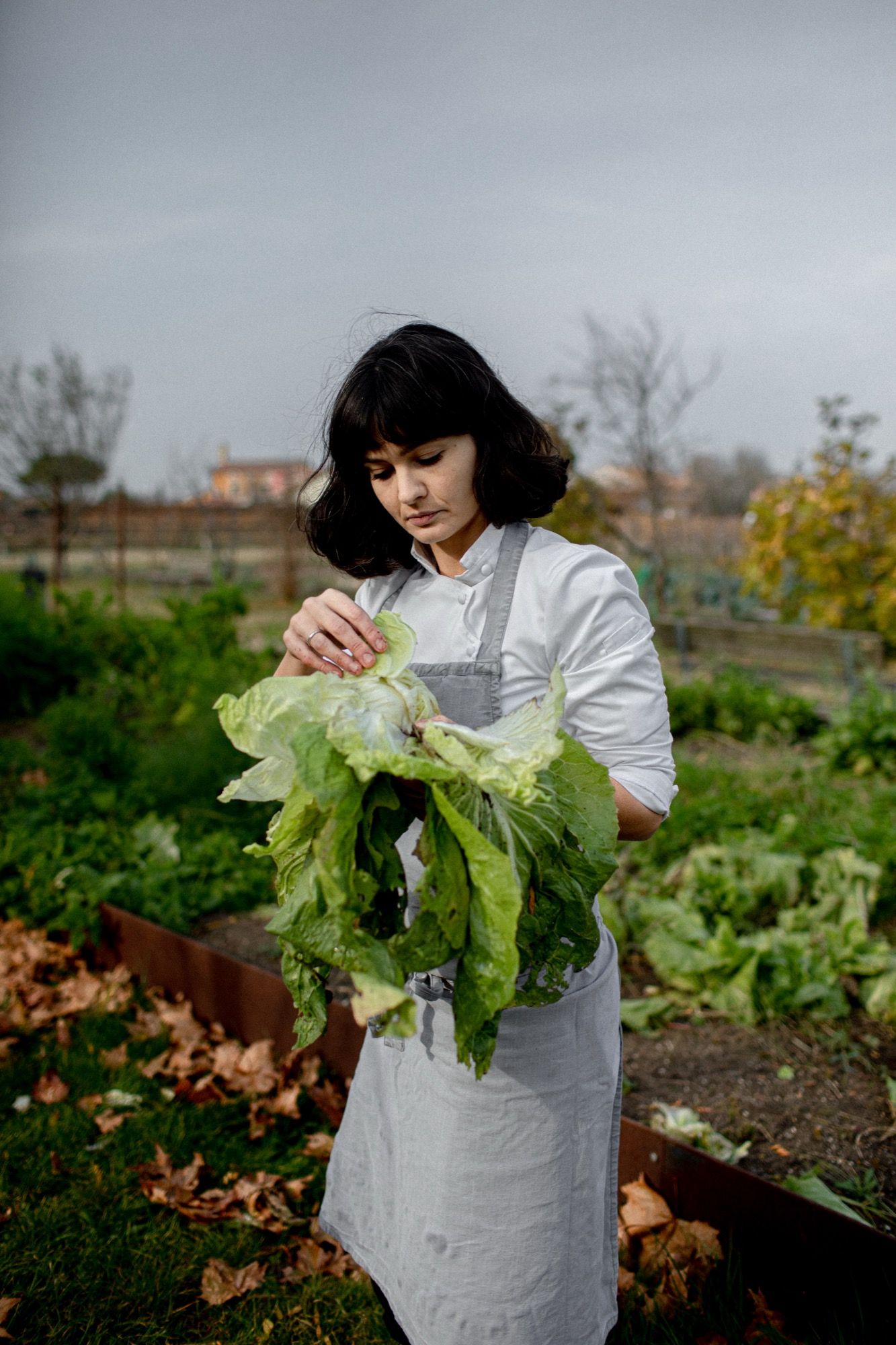
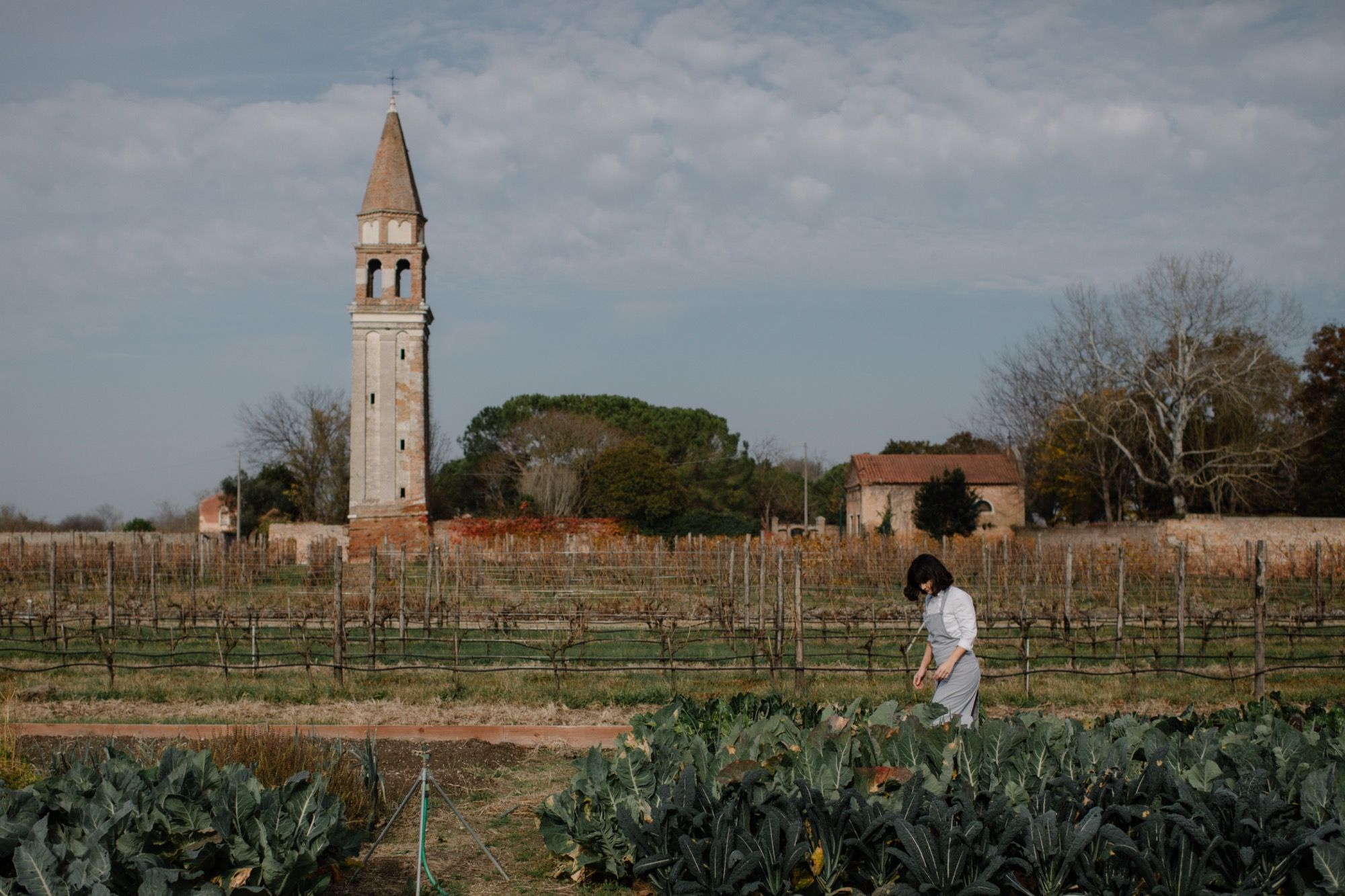
What does it mean to practice sustainable cooking when sustainability has become a word that means everything and nothing? For Chiara Pavan, the answer starts first and foremost with what we choose to put on the plate. Head chef at Venissa, holder of one Michelin Star and one Green Star, Pavan has spent recent years building her vision of cooking around the relationship between food and territory, experimenting with invasive alien species, questioning the exploitation of resources, and challenging what we are accustomed to considering desirable when we eat.
Pavan has recently taken this thinking beyond the kitchen with her new book, Cucina ambientale. Il cibo come atto di cura (Environmental Cooking: Food as an Act of Care), an essay in which her background in philosophy meets the experience she has gained behind the stove and her relationship with the land. Because talking about food today inevitably means talking about climate change, biodiversity, and consumption as well. It is precisely for this reason that Pavan is among the featured speakers at the Festival della Mente, the event dedicated to creativity and the birth of ideas, returning to Sarzana from 4 to 6 September — a festival that for over twenty years has brought writers, scientists, artists, and thinkers to the Ligurian city to observe the present from different perspectives.
The Festival della Mente places ideas, change, and creativity at its centre. Where does your way of thinking about cooking come from?
My way of thinking about cooking definitely starts with taste. The first thing is to try to make dishes that are good, that people enjoy, while always keeping in mind what is conceived as "good" at any given moment in history. The second step is understanding which ingredients to use in a given place and time. There is also an awareness of issues related to climate change: choosing certain ingredients and relying on producers who share my principles of environmental stewardship. Added to this is a more instinctive dimension, tied to taste, the ability to combine flavours, technique, and aromas.
In your cooking you also use ingredients considered problematic, invasive, or undesirable. How much do you think cooking can change not only our eating habits, but also the way we look at nature?
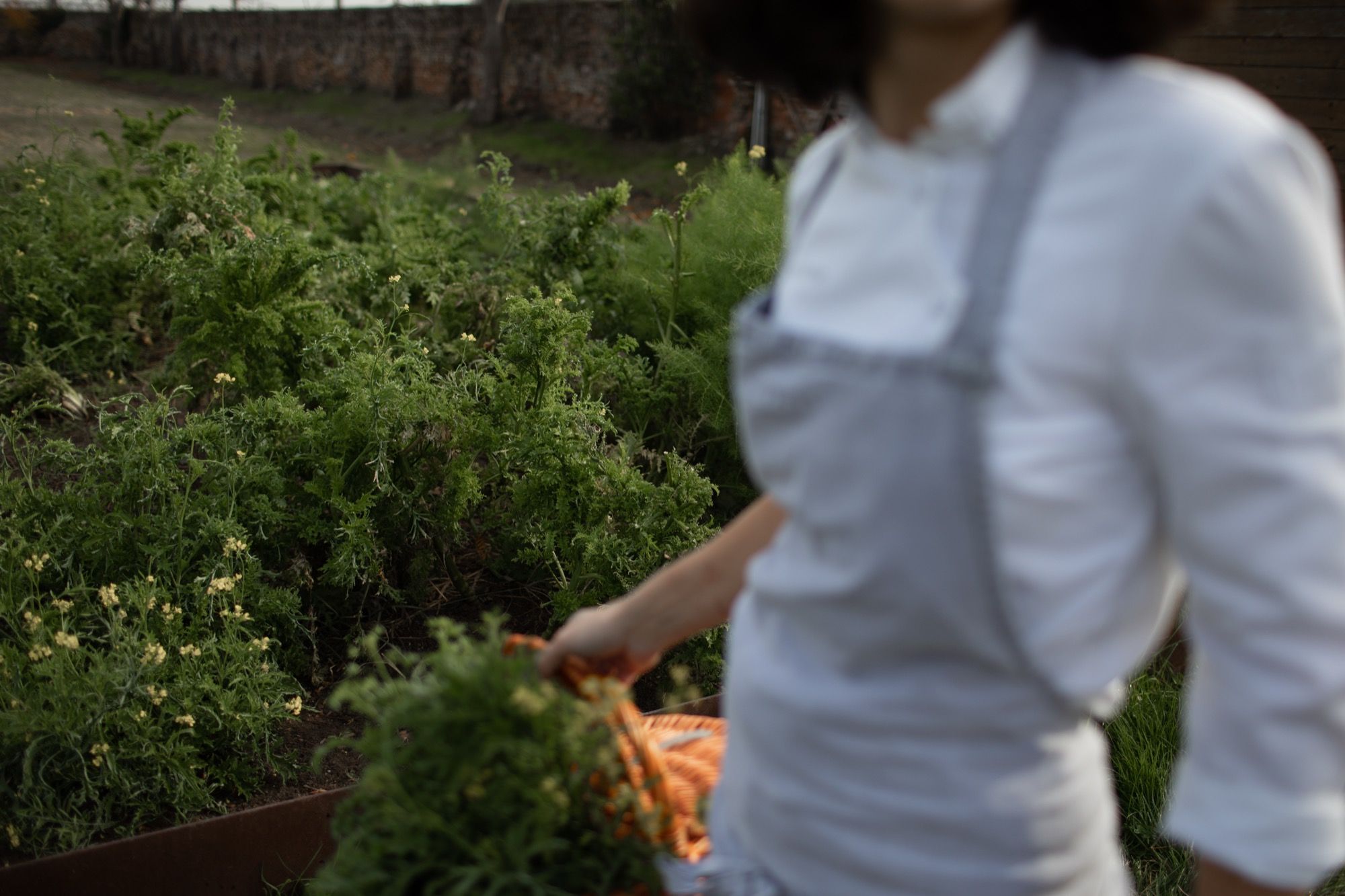
One of the ideas at the heart of my cooking is to offer ingredients — especially invasive alien species — that are not well known on the market, presenting them as something good and tasty. This allows us to open our minds and think in terms of biodiversity. It means not always seeking out the same species, some of which are under pressure, but accepting that we can eat something different that may already be very present in the local environment. By broadening variety, we can reduce pressure on ecosystems.
@librimondadori Nel suo libro @chiarapavan533condivide i principi cardine della sua «cucina ambientale», che si lascia guidare dalle materie prime del territorio – ciò che si pesca al mattino, che matura nell’orto, che resiste al sale e alla siccità – per valorizzare erbe spontanee e specie invasive, immaginare nuovi usi per gli scarti e reinventare la tradizione. Nella realtà della laguna, infatti, vita lenta, stagionalità e filiera corta non sempre sono scelte: spesso sono obblighi dettati dall’isolamento o dai ritmi della natura. Il risultato è una cucina che interroga il presente e prova a immaginare l’alimentazione del prossimo futuro: dove lo scarto diventa risorsa, il granchio blu un alleato, le piante alofite ingredienti preziosi e il vegetale si fa protagonista. Ora in libreria. #chiarapavan #mondadori #cucinaambientale #cooktok suono originale - Mondadori
Is that also where your concept of "environmental cooking" comes from?
Yes. I have gathered environmental cooking into four principles — proximity cooking, food waste, the primacy of vegetables, and the choice of animal proteins — which I describe in my book, but the whole idea underpins all of it.
How much has your understanding of the role of a chef changed since you began thinking along these lines?
The role of the chef is very complex. First and foremost, we have to run a restaurant and therefore a business: creating good food that brings people in and keeps them coming back, managing staff, and handling the operational side. Then there is creativity — choosing products, thinking about how to use them, and staying informed. I believe that today the role of the chef can also be that of an innovator.
Your book also delves deeply into the relationship with the land. Where did the idea to write it come from, and how did it develop?
I had been wanting to publish something for a few years. Initially I had thought of a recipe book with a strong visual identity, with conceptual snippets that would convey a style of cooking through products and recipes. Then, in conversation with publishers and my agent, I felt the need to do something more personal, something that would express my point of view and tell the story of my relationship with the land and my day-to-day work. In the end, it turned into an essay. Since I also have a very pop image tied to television, I liked the idea of giving voice to a more reflective and intellectual side of myself.
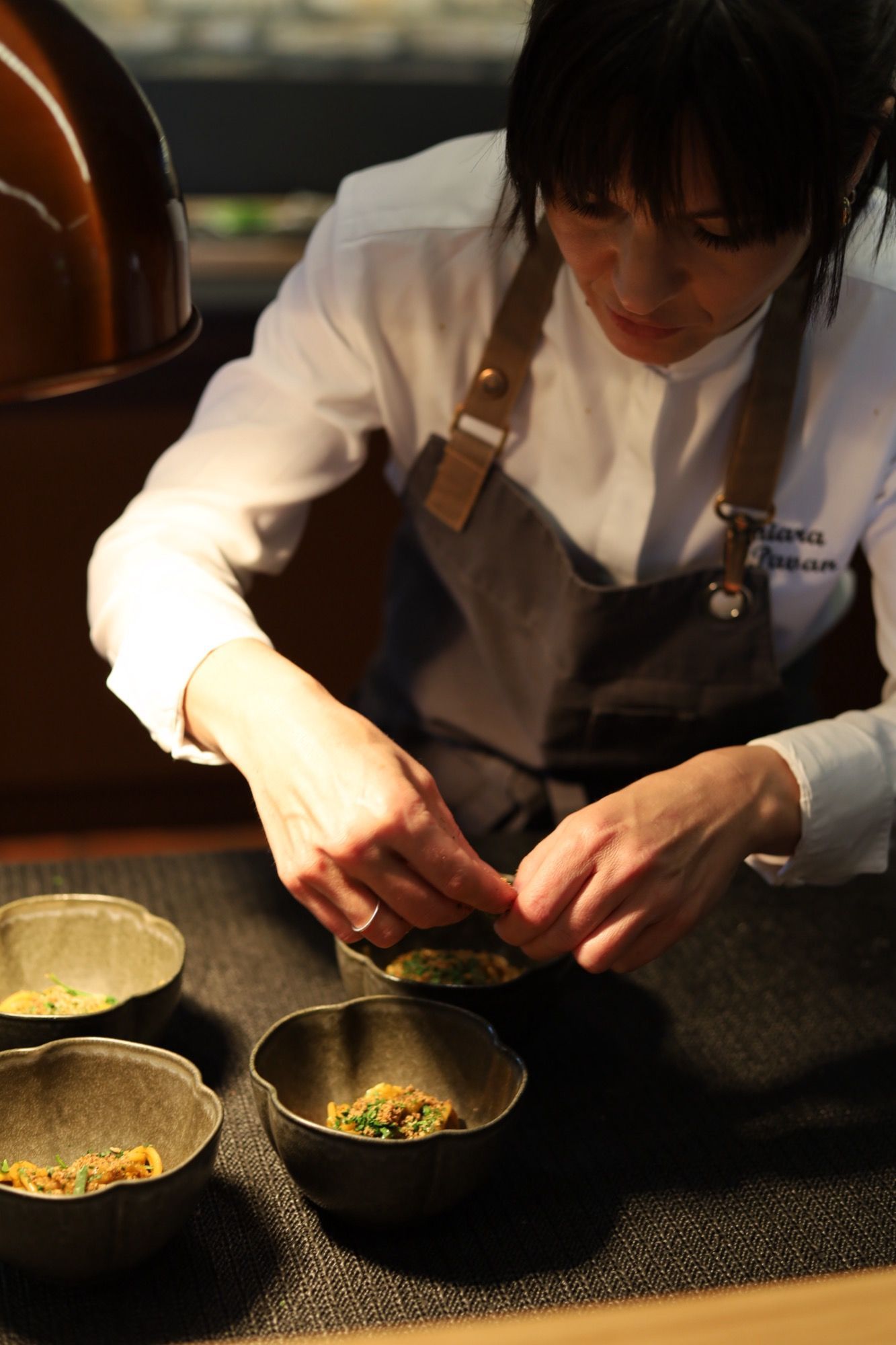
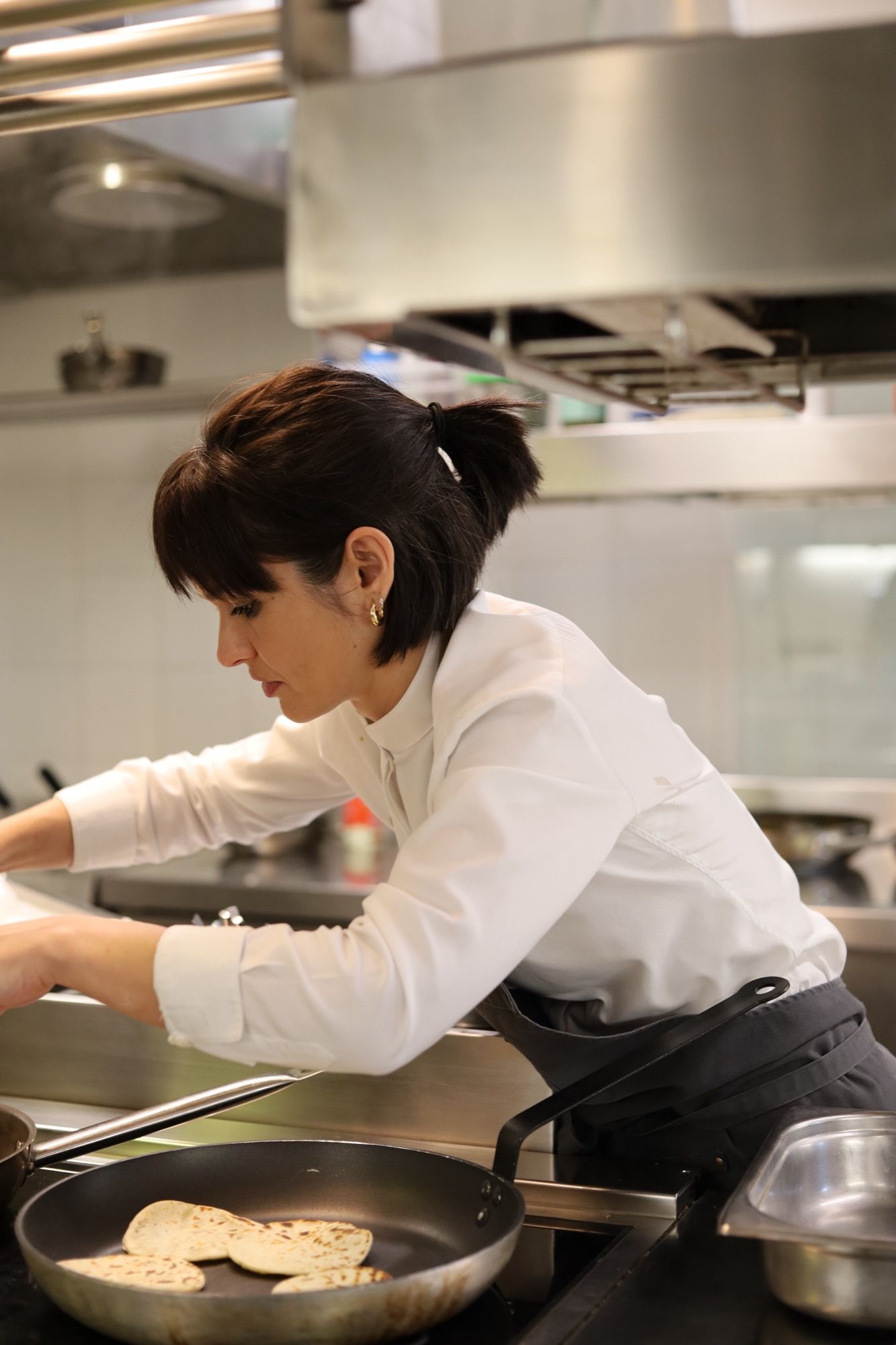
You have received both a Michelin Star and a Green Star — two accolades that seem to recognise different aspects of cooking. What does it mean today to talk about, and above all to practise, "haute cuisine"?
In the collective imagination, haute cuisine is a creative and precise style of cooking that enhances ingredients and flavour, with a strong awareness of what one is doing and a sense of responsibility towards the ingredients themselves. Today, however, it can mean many things. There are trattorias that, to my mind, fit perfectly within the realm of haute cuisine for the flavours they offer. They may not have a Michelin Star, but they serve very precise, good, considered, structured, and technically accomplished food. For me, haute cuisine is evolving beyond the Michelin recognition.
Climate change is transforming our environment, our seasons, and inevitably what we can and want to eat. How will the restaurant industry need to adapt to this new scenario?
As long as industry allows the senseless exploitation of resources to produce food on the scale demanded by the market, I think much of the restaurant world will continue to follow that direction. If we want to practise more conscious and responsible dining, we need to ask ourselves what fish remain in the sea, what the state of biodiversity is, where ingredients come from, and how they are produced or caught. I think, for example, of bluefin tuna: to fatten it, schools of small pelagic fish from the Mediterranean are used, contributing to further depleting the sea. These are questions any consumer can ask, but the restaurant industry has a greater impact and visibility, and therefore a different level of responsibility.