June 26th, 2026
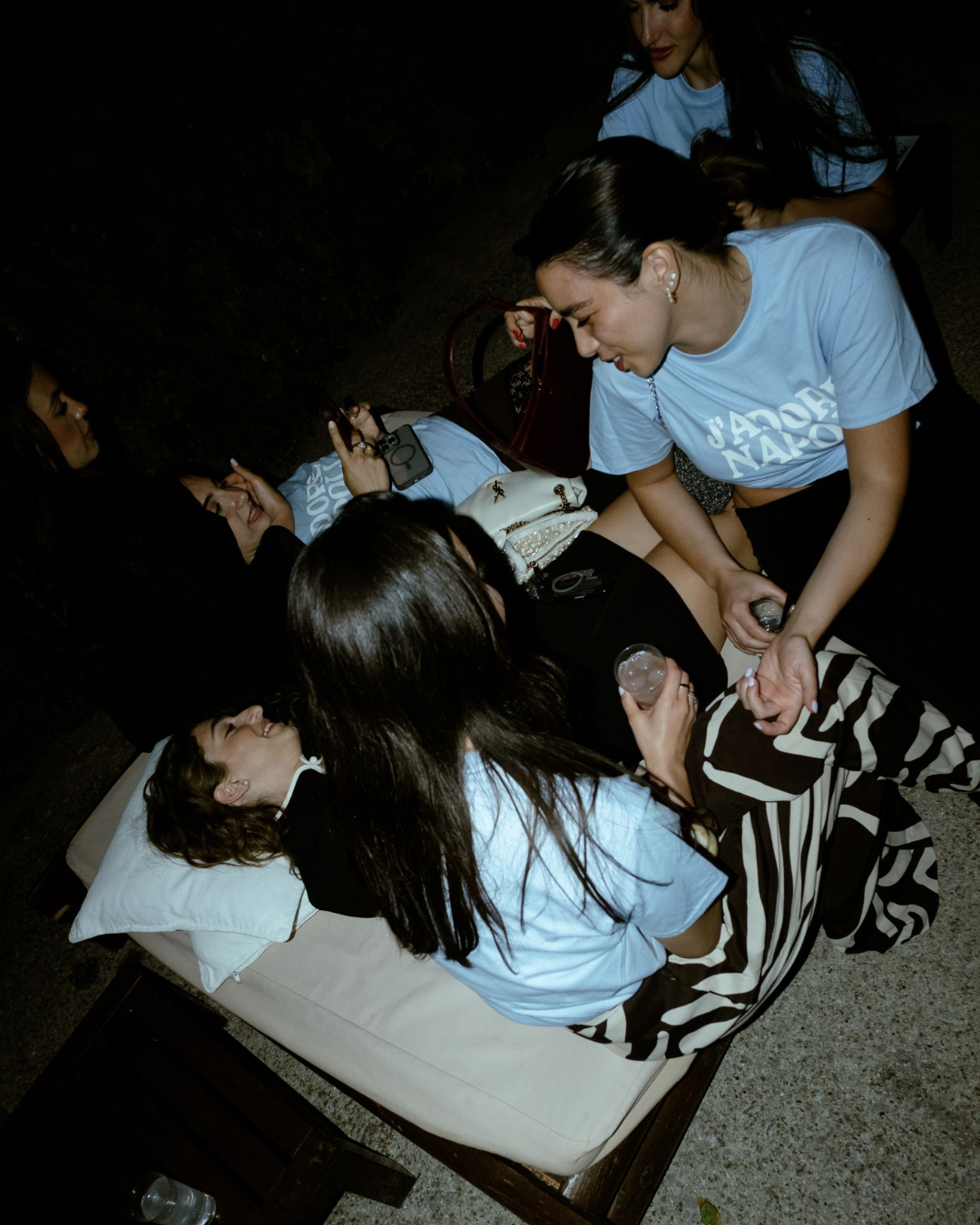
How the Apple Developer Academy Decoded Naples nss edicola and J’Adore Napoli present “Napoli-coded: 10 Years of Apple Developer Academy”, a project celebrating the tenth anniversary of Cupertino’s academy.
For many, Naples remains synonymous with the sea, cultural heritage and a slower pace of life. A powerful imaginary that has helped shape the city's international appeal, yet one that often tells only part of its story. In recent years, however, the city has developed a less visible but equally significant identity, rooted in innovation, research and technological education: an entirely Italian Silicon Valley. The turning point came with the launch of the first Apple Developer Academy in Europe, opened in 2016, which firmly established the city's potential and the strength of its academic ecosystem.
Over the past decade, the Apple Developer Academy has welcomed thousands of students from dozens of countries, helping shape a new generation of developers, entrepreneurs and digital professionals. The project has had a lasting impact on the local area, the university community and the way the city itself is perceived, proving that innovation and local identity can coexist without contradiction. It is from this perspective that Napoli-coded: 10 Years of Apple Developer Academy was born, a project created by nss edicola together with J'Adore Napoli, dedicated to the Apple Developer Academy. Through the voices of students, alumni and some of the Academy's key figures, we set out to tell a different story of Naples from the one usually found on postcards. A city that has remained deeply true to itself while becoming a place capable of attracting international talent, creating opportunities and imagining new futures. Because today, coding Naples also means telling every side of its story, including those unfolding behind a computer screen.
Giorgio Ventre
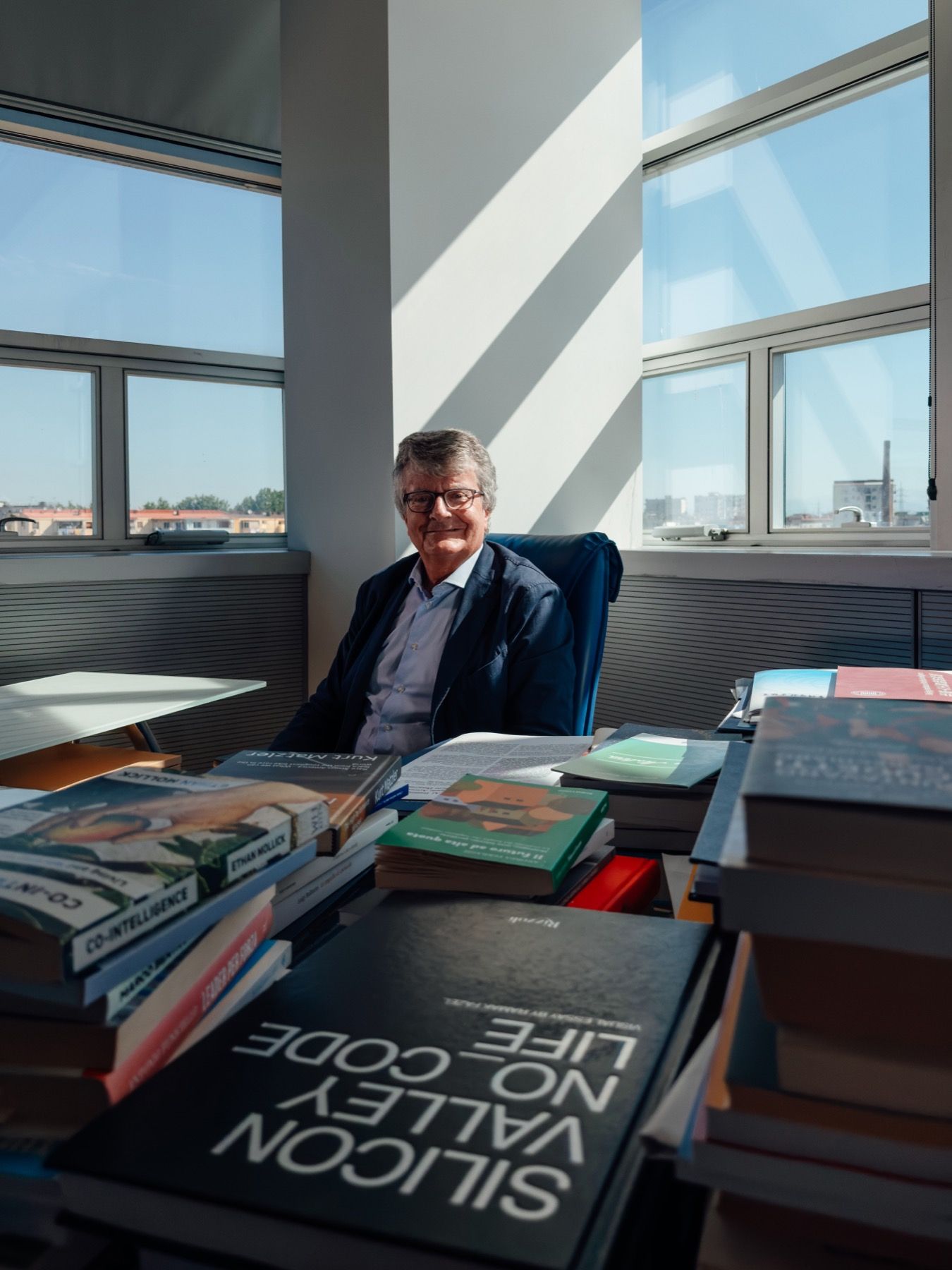
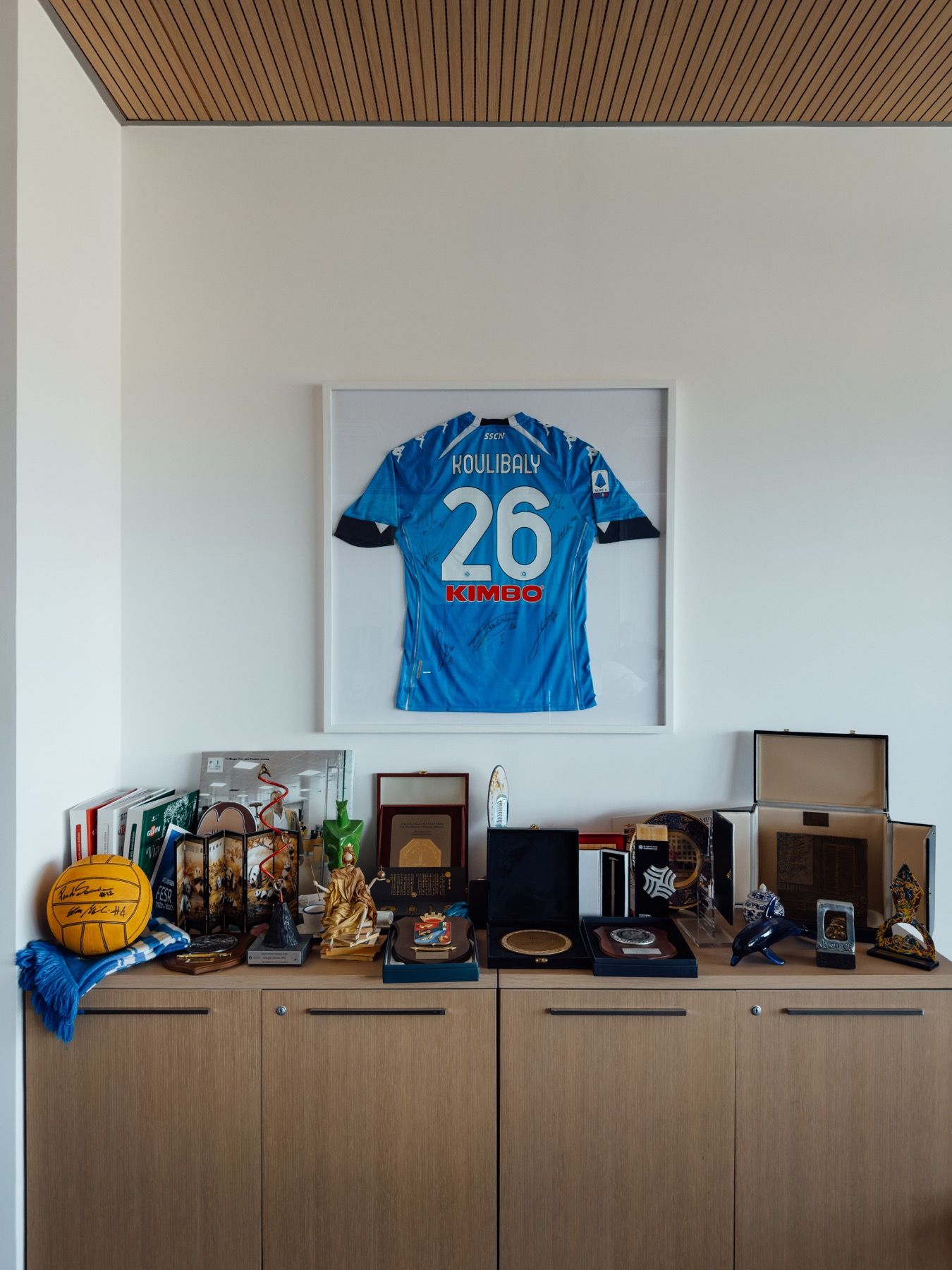
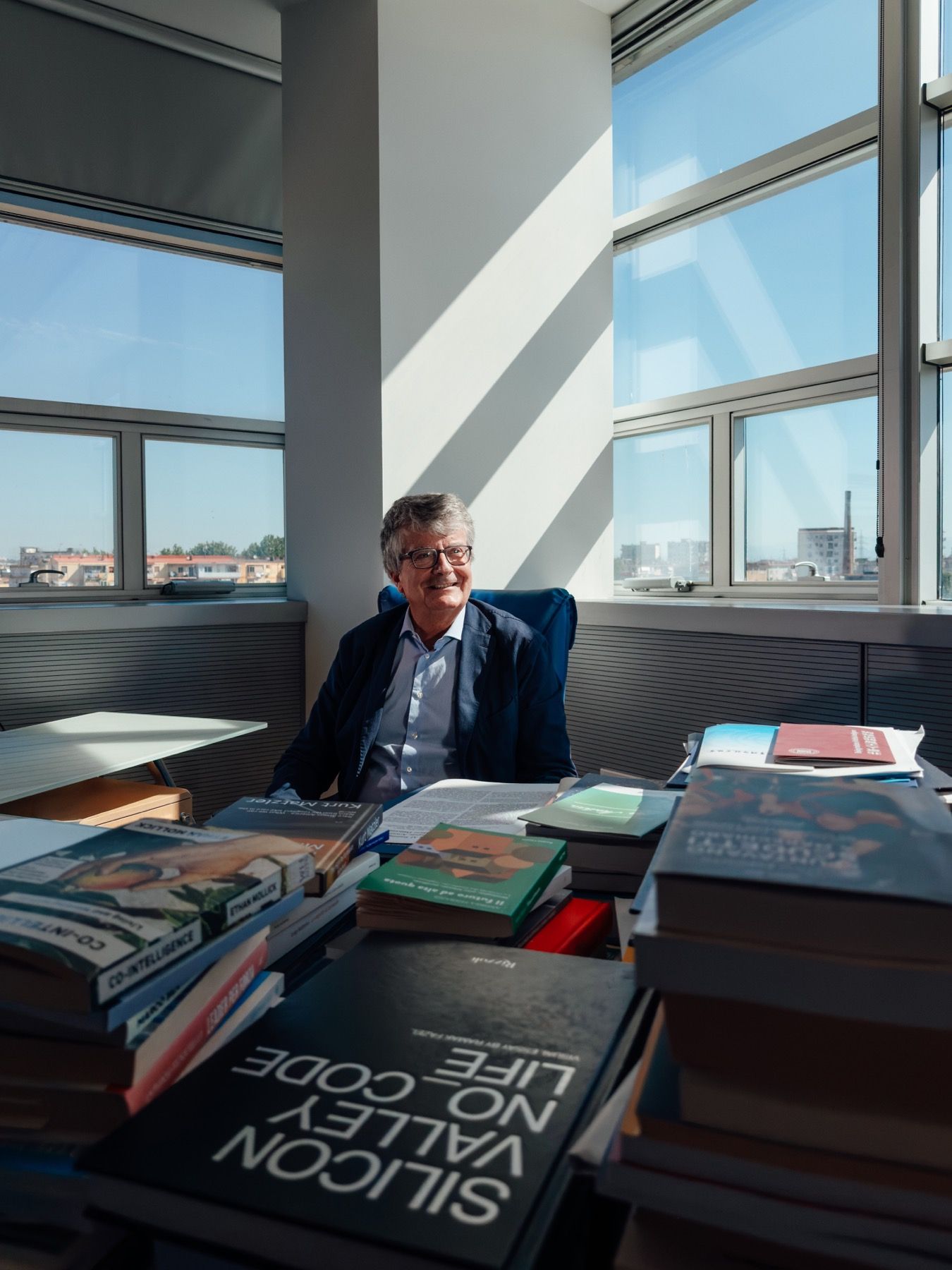
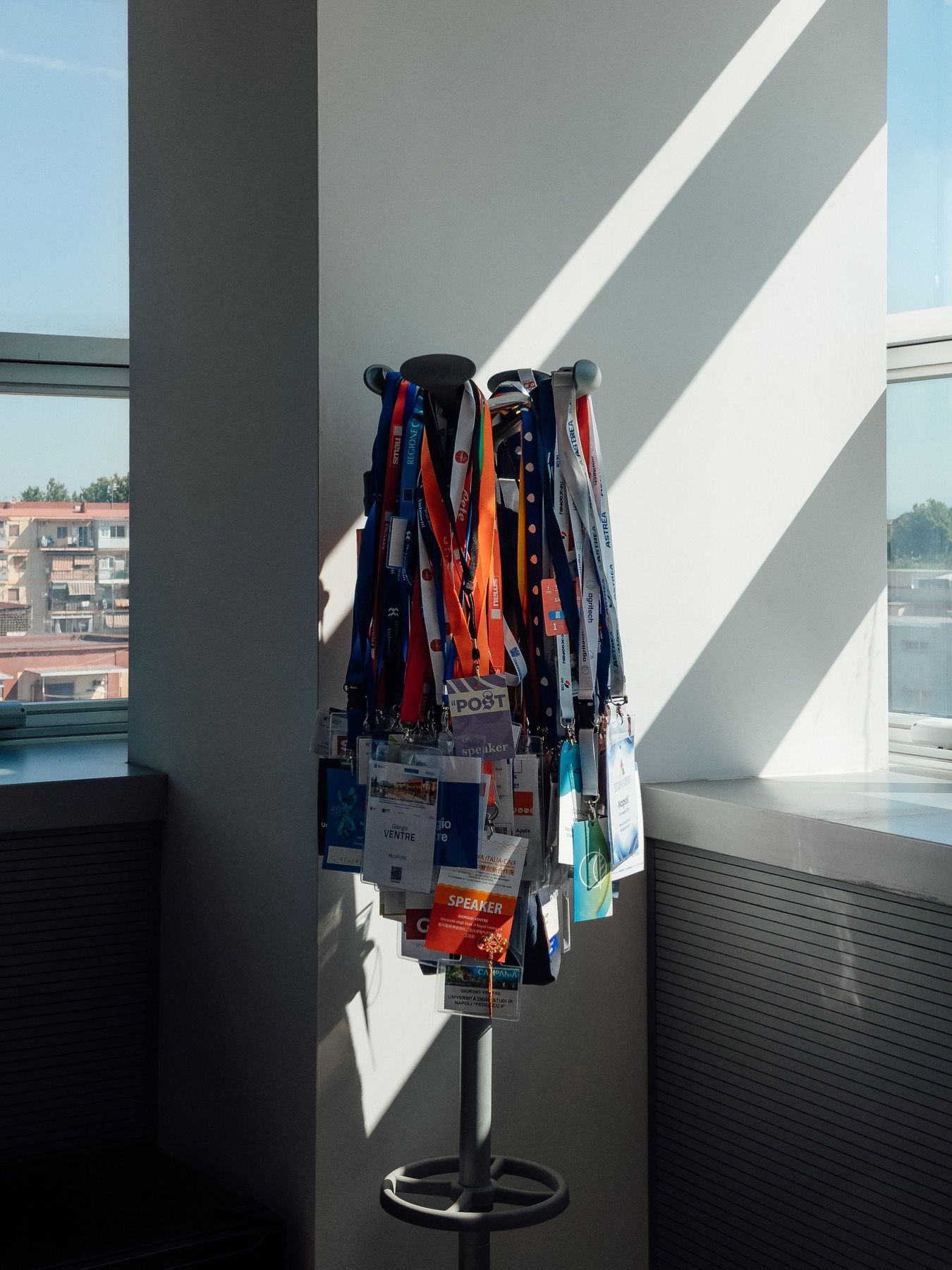
For this occasion, we spoke with Giorgio Ventre, Full Professor of Information Processing Systems at the University of Naples Federico II. Since June 2016, he has served as Scientific Director of the Apple Developer Academy, a training programme in Digital Transformation that remains unique in Europe.
The Apple Developer Academy has now become a well-established part of Federico II University. How did the project begin?
It all happened quite naturally. In January we welcomed our first visit from the Apple team and, by February, we were already discussing where the Academy could take shape. We explored several locations across Naples until, at one point, we simply said to Apple, "Why don't you come to our home?".
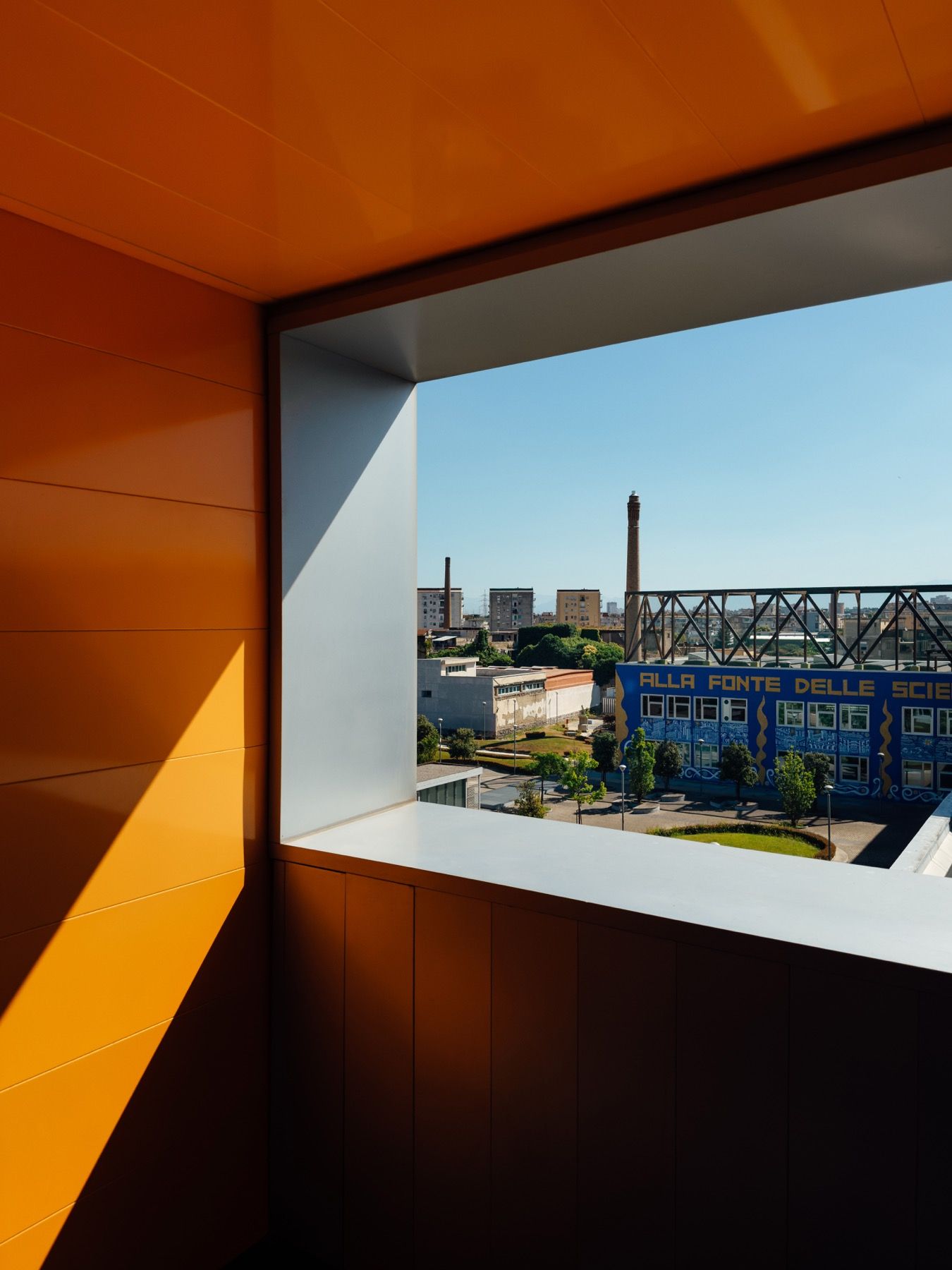
We had this campus, which had opened the previous year. It was the ideal solution because we had already planned spaces dedicated to laboratories and projects developed in partnership with companies. Apple came to visit and they immediately loved the idea. It also meant being much closer to students than any other option we could have imagined. Within just a few months, we launched the first edition of the Academy in what is now a campus covering around 4,000 square metres.
Beyond the campus itself, we're talking about Naples. Do you think the relationship between the city, its students and an international community from all over the world represents an added value for developing ideas and projects?
Absolutely. This was something Apple and we immediately agreed on. Not only when it came to technology, but also in terms of teaching methodology, rethinking the way people learn and teach. But there was a third element, perhaps the most important of all: social impact. The campus stands on the site of the former Cirio factory, which once employed thousands of people and served as a landmark for the local community. It is one of the few areas of Naples that Americans would describe as blue-collar. When Cirio shut down, the neighbourhood lost much more than a company. Then came the earthquake, which brought many families here from the historic centre. From the very beginning, it was clear to us that the presence of the university and, later, Apple, had to generate a positive impact on the local community.
And that impact became tangible. At first it was mostly symbolic: local families began entering the campus, bringing their children to play in the gardens and gradually seeing the university as an open, welcoming place. Then the transformation became real. Students from all over the world started living in the neighbourhood, renting apartments, shopping locally and supporting nearby businesses. We deliberately chose not to have an on-campus cafeteria in order to encourage this exchange with the surrounding community. Over time, companies also arrived, eager to collaborate with us and recruit our students. Some even decided to relocate close to the campus. It is proof that an international community can generate value, create opportunities and contribute to the growth of an entire local ecosystem.
We often bring luxury brands, sports brands and international companies to Naples. Today there's enormous interest in the city. Do you think this new season of success has made Naples too dependent on tourism, or has it become an opportunity?
Naples is an incredibly attractive city because it brings together qualities that are rarely found in the same place: extraordinary natural beauty, thousands of years of history and a unique cultural layering shaped by centuries of encounters between different peoples and traditions. It is only natural that a city like this attracts visitors from all over the world. The challenge is that, for many years, we were not prepared to manage the growth of tourism or the urban transformation that came with it. Today we are seeing the consequences of that rapid development, although the local administration is beginning to address the issue with greater attention to long-term planning. Naples is made up of very different neighbourhoods and some peripheral areas remain disconnected.
Neighbourhoods such as Ponticelli and Barra have long suffered from poor transport links and fewer services and opportunities. In these areas, the tourism boom has produced mixed results. On one hand, it creates jobs and economic growth; on the other, it can make education seem like a less attractive path. This is why we continue working alongside schools and local associations. Ultimately, the core issue remains the same: creating innovation with a meaningful social impact. The Academy is deeply glocal. It succeeds because it is firmly rooted in its local community while welcoming students from every corner of the world. The real challenge is becoming part of the city and allowing the city to become part of you.
Stefano De Rosa
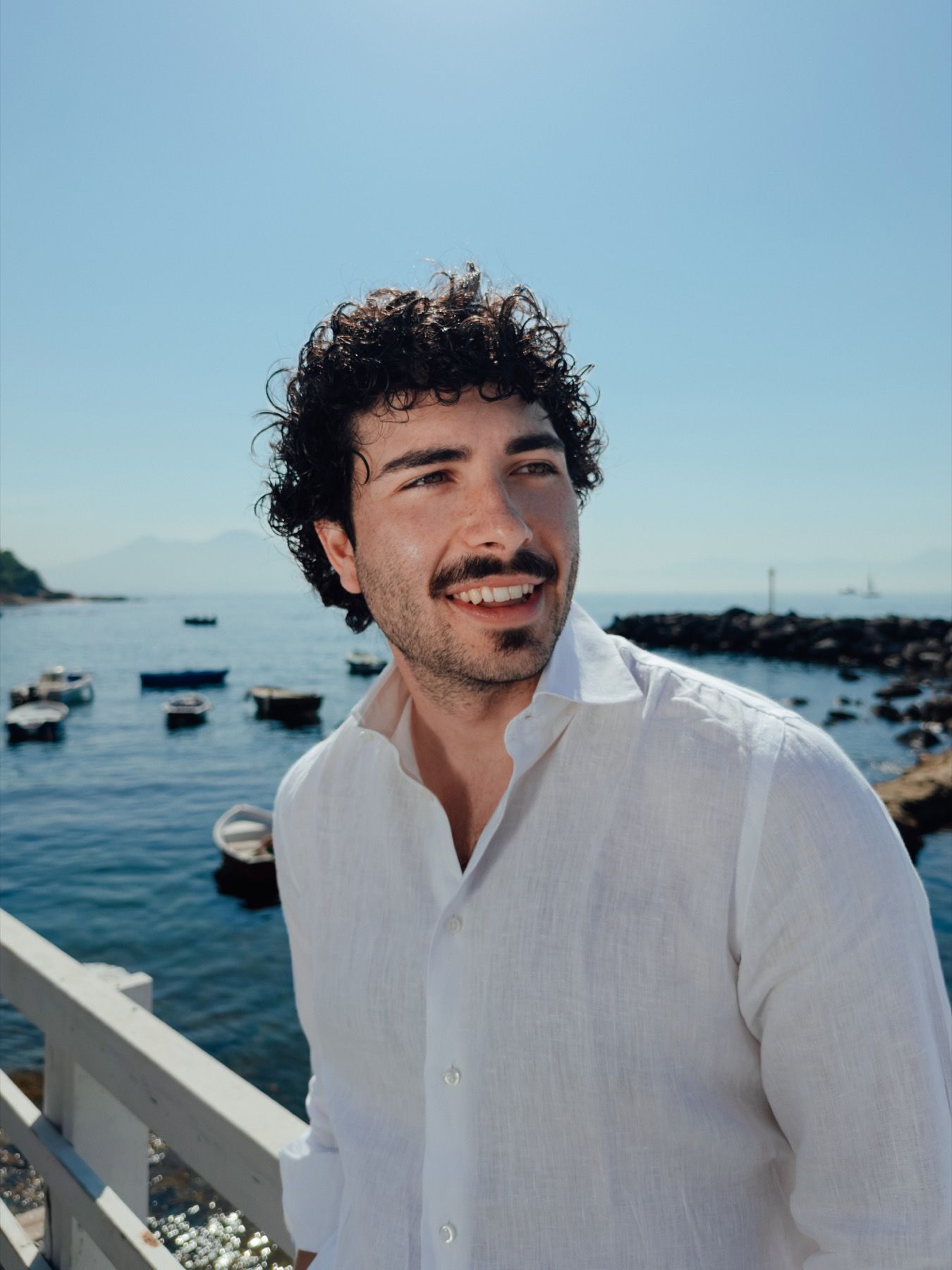
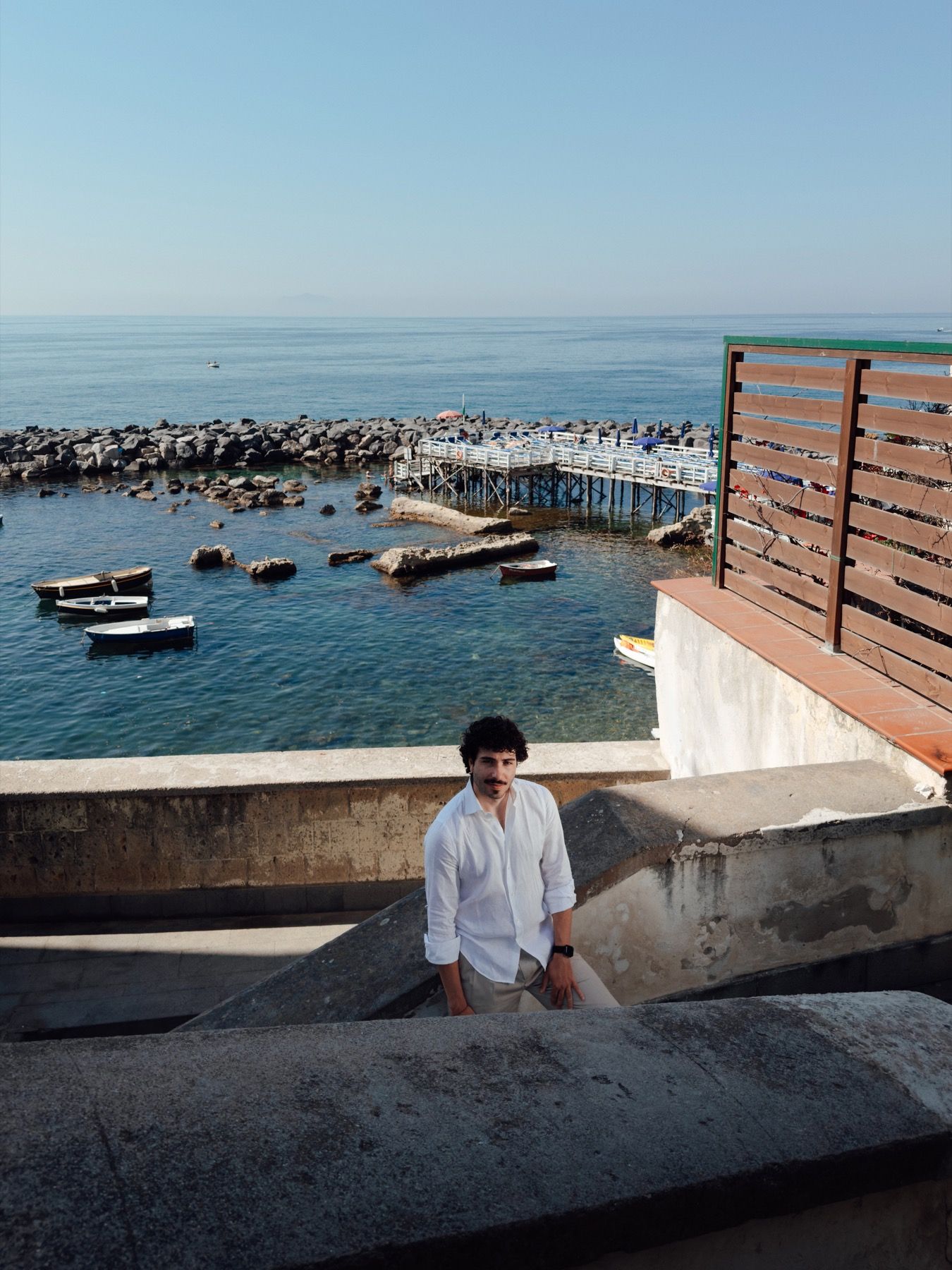
Stefano is the 24-year-old co-founder of Parts, a startup rethinking the way people access culture. While studying Economics at university, he joined the Foundation Program, an experience that, as he puts it, changed his life. He later enrolled in the Academy, where he met five of the six co-founders of what would eventually become his startup. He later joined the Pier Program and took part in an experience in Africa, where he spent a year leading a team of five developers working with an NGO in Zanzibar. Looking back, what he remembers most vividly is the extraordinary sense of connection and teamwork that united the group around a shared goal: developing digital tools to support women's empowerment. The relationships built during the Academy continued well beyond graduation, evolving into an ongoing exchange of ideas and collaboration. It was from this journey that Parts was born, initially conceived as an audio guide for blind and visually impaired users before evolving into a digital companion for museum visits, designed to enrich the visitor experience through accessibility and interactivity.
What did the Apple Developer Academy represent for you, both personally and professionally?
A turning point. The Apple Developer Academy completely changed the way I saw my future, opening my eyes to the world. For the first time, I had the chance to meet people from every corner of the globe, hear their stories and experience different cultures and traditions. Professionally, working alongside highly skilled teammates, developers and designers made me realise one thing: anything is possible. Even today, the Academy remains one of the defining chapters of my life and a source of immense pride.
Is there a place in Naples that you particularly associate with your time at the Apple Developer Academy, or that played an important role in your journey?
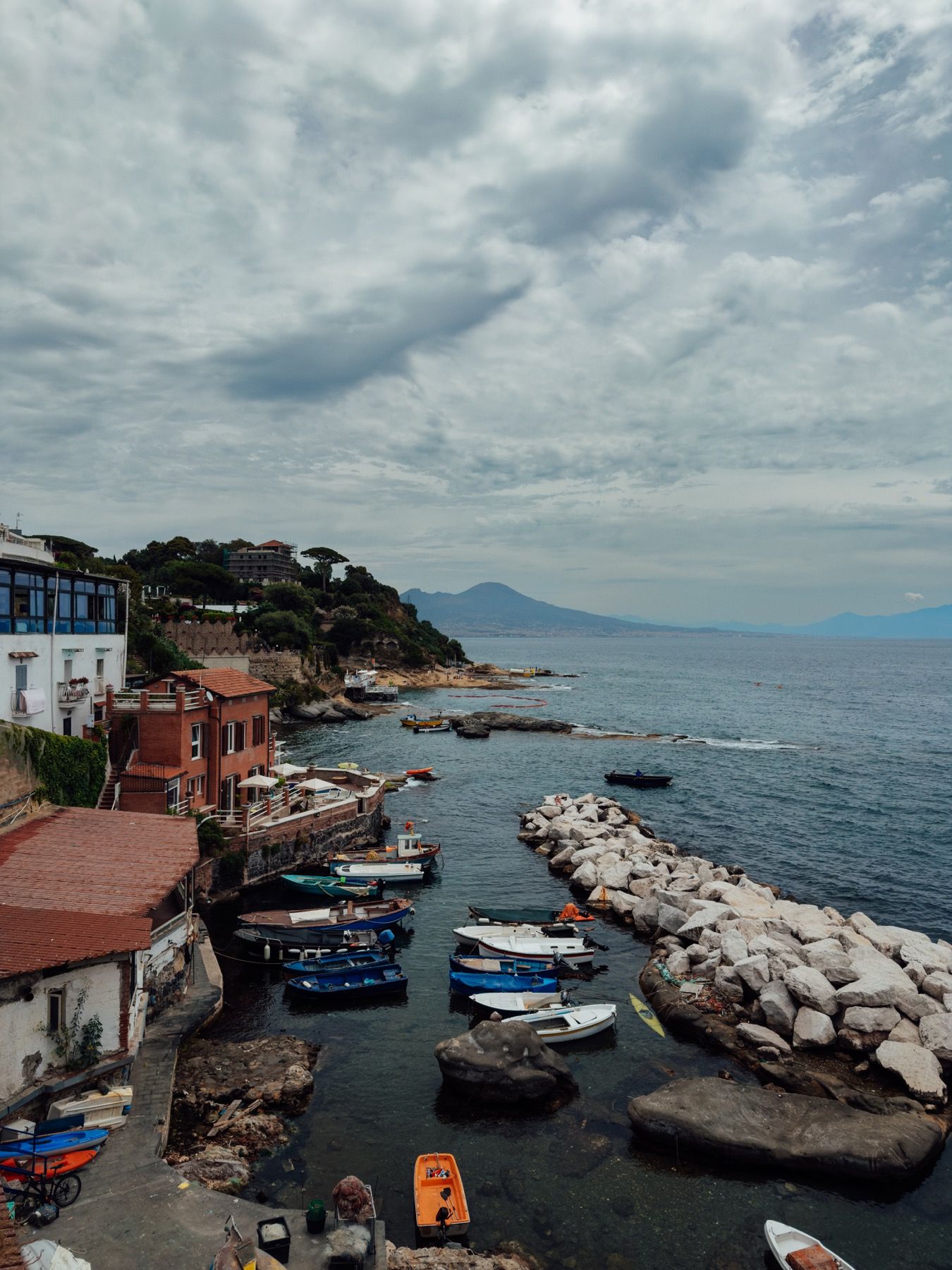
There is something visceral about the bond between those born in Naples and their city, a feeling I always tried to share with my fellow devs at the Academy. Whenever they asked me what they should visit, my mind always went to the same place: Marechiaro. Taking colleagues from all over the world to that corner of paradise and watching them fall silent in front of the sea, right in the middle of the city, is something I'll never forget. I still remember the words of Pedro, a Mexican friend with whom I shared so much: "Now I understand why you want to live here. You're incredibly lucky." He was right. Because Marechiaro is more than a breathtaking view; it's the answer to why, in the end, we always choose to stay.
How do you see your life after the Apple Developer Academy?
Now it's time to roll up my sleeves. I founded my own startup, Parts, perhaps with the kind of fearlessness and naivety that comes with being young. I have no idea what the future holds, but there's one idea I always come back to: the value of intermediate milestones. I often ask myself: if I had to stop today and walk away from everything, what would I take with me? The answers are what keep me moving forward. Working on this project has already given me such a wealth of experience and energy that, regardless of the outcome, the investment in my personal growth has been more than worthwhile. With a lifelong learning mindset, I truly feel I'm heading in the right direction.
Alessandro Cacace
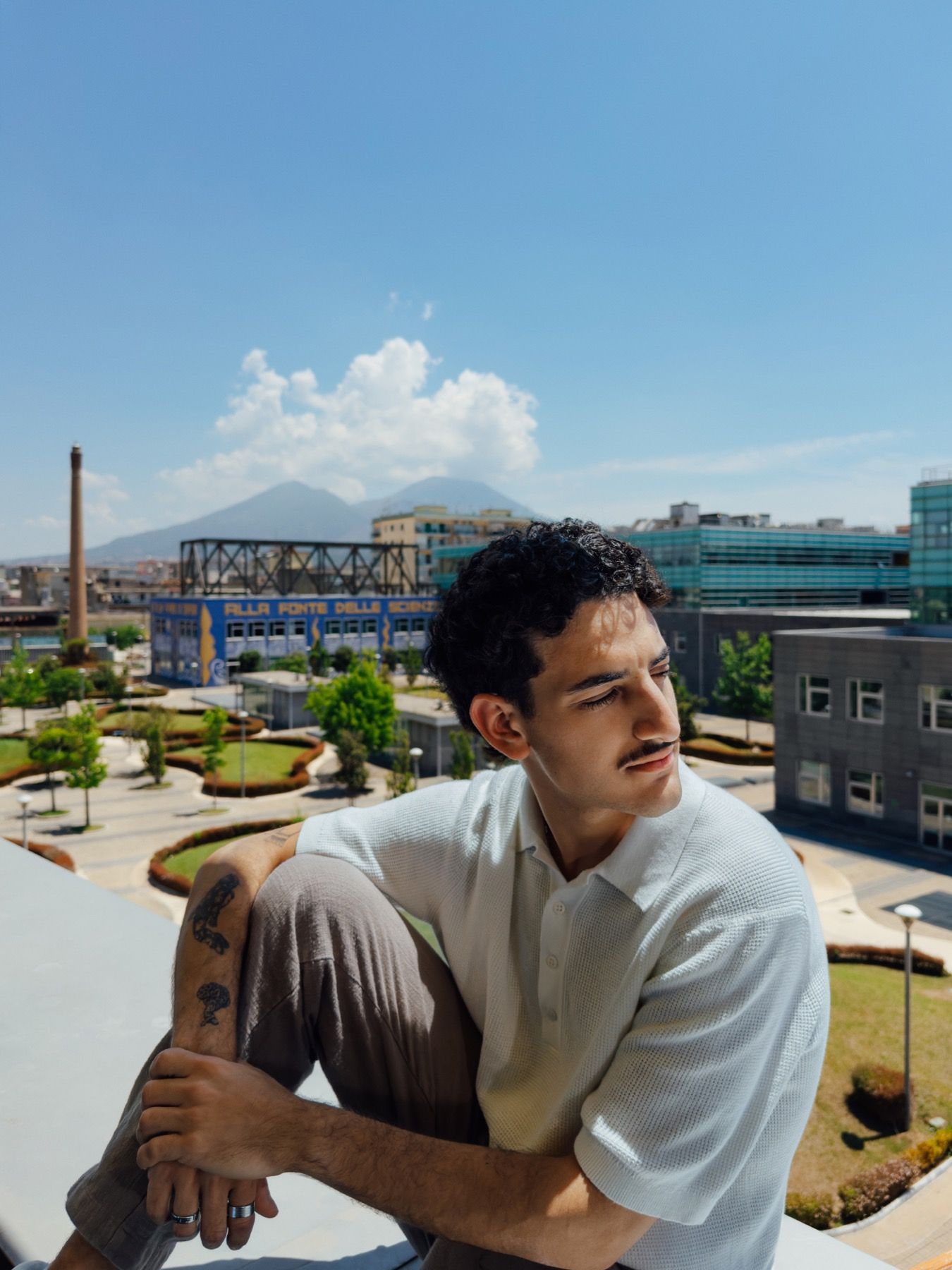
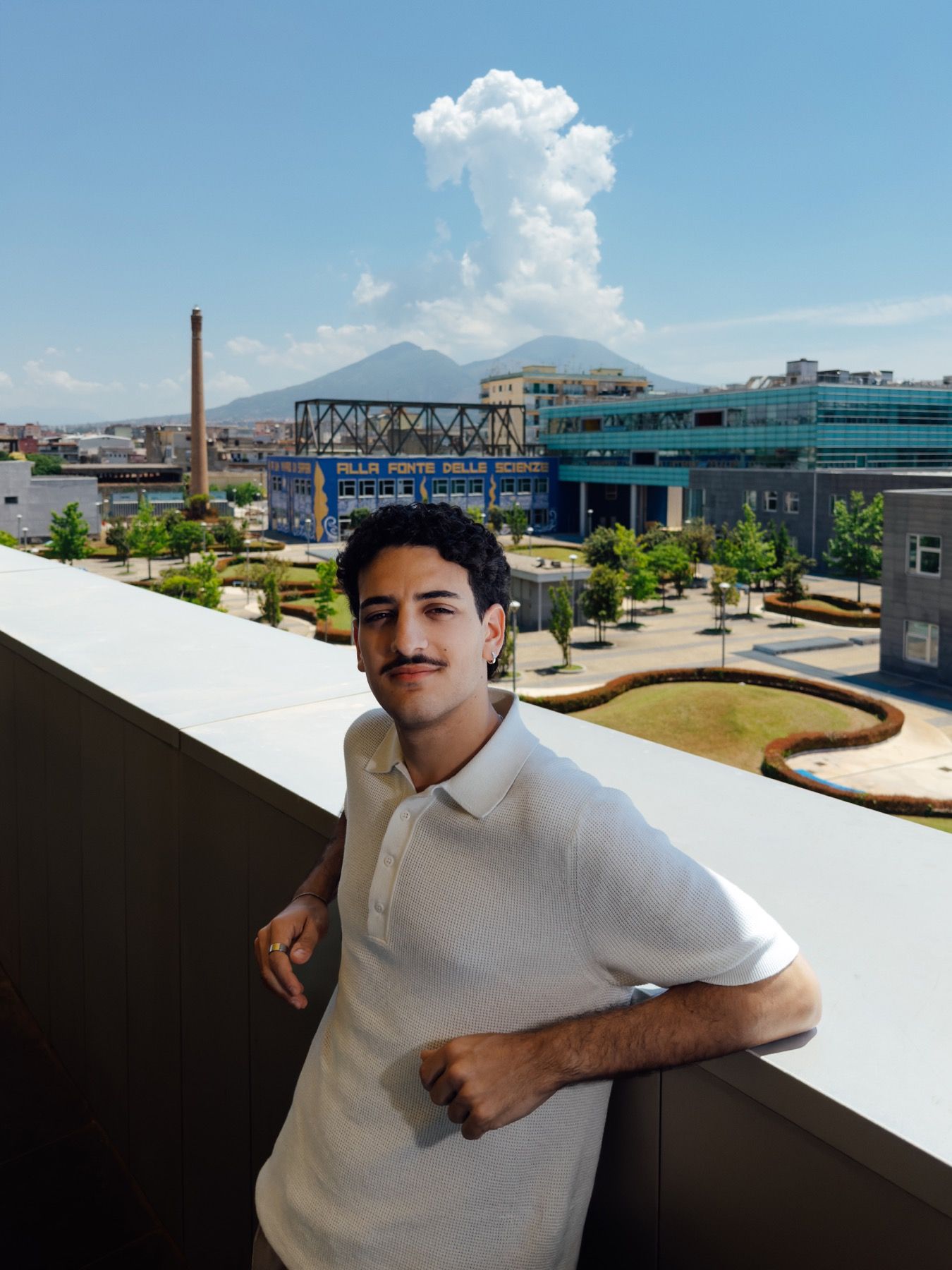
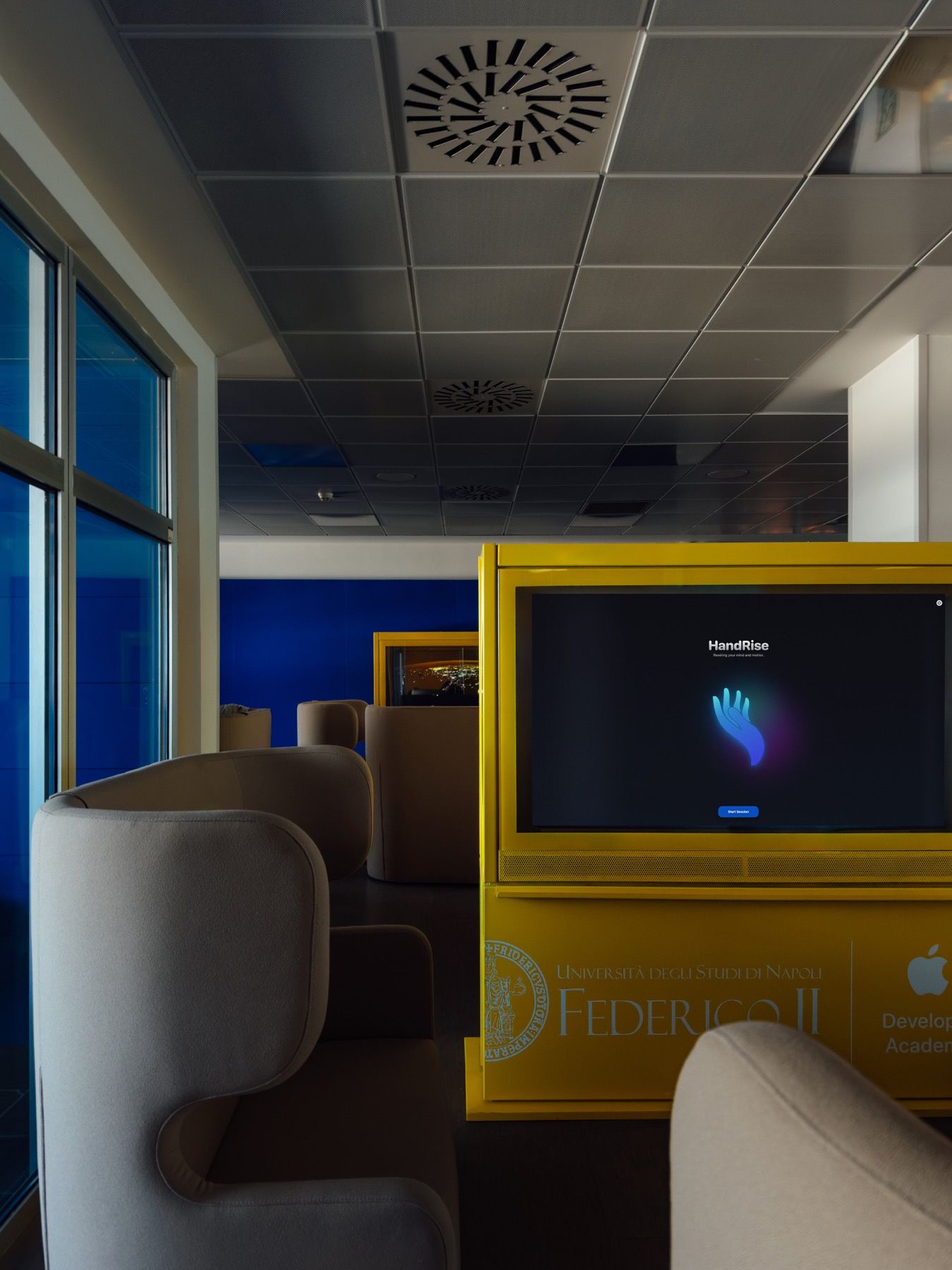
Alessandro, 23, from Piano di Sorrento, is currently attending the Apple Developer Academy and is one of this year's four Italian Distinguished Winners of the Swift Student Challenge. His playground, HandRise, was designed primarily to support the rehabilitation of fine motor skills and mobility for stroke survivors and, more broadly, for people living with hemiplegia or neurological motor impairments. Alessandro describes accessibility as "the founding principle of the app", which was inspired by his uncle, an active and tireless man who lost the use of the left side of his body after a stroke. Using his skills as a developer, Alessandro set out to support his uncle's recovery, making the rehabilitation process more engaging and rewarding.
What did the Apple Developer Academy represent for you, both personally and professionally?
For me, the Academy was a genuine turning point. Coming from a Computer Engineering background, I had acquired an enormous amount of theoretical knowledge, yet I felt I was missing the practical experience that truly mattered. As university students, we often graduate with the paradoxical feeling of knowing so much while not really knowing how to build anything tangible. The Academy completely overturned that mindset. It constantly pushed me to experiment, challenge myself and embrace failure as part of the process. It also gave me invaluable transferable skills. I overcame my fear of public speaking and, above all, I learned what it truly means to work as part of a team, moving together towards a shared goal, something university alone simply cannot teach you.
On a personal level, I found myself immersed in a truly international environment, speaking English every day and connecting with people from all over the world. Then the Academy gave me the confidence to take what initially felt like a leap into the unknown: applying for the Swift Student Challenge. Becoming a Distinguished Winner, ranking among the top 50 students worldwide, and being invited to Apple Park for WWDC was something I would never even have dared to imagine. Without the Academy's ecosystem and the mindset it instilled in me, none of this would have happened.
Is there a place in Naples that you particularly associate with your time at the Apple Developer Academy, or that played an important role in your journey?
My first thought inevitably goes to the San Giovanni a Teduccio Campus. It may sound like the obvious answer, especially since I had already spent my university years there, but the Academy allowed me to experience and see it from an entirely new perspective. It's an incredible place, almost like "a piece of America" dropped into the heart of Naples.
How do you see your life after the Apple Developer Academy?
I see it with a sense of clarity and confidence I never had before. The Academy didn't just prepare me technically; it gave me an ambitious mindset, the constant drive to aim higher, never settle and keep pushing my own limits. In many ways, my "after" has already begun. I'm currently in Cupertino, having just arrived to experience the dream that is Apple Park and WWDC 2026. Seeing the beating heart of it all up close doesn't feel like the finish line, but rather the perfect launching pad. I'll return from this experience carrying even more knowledge and inspiration, ready to carve out my place in the world with the confidence I've built here and the roots I've left in Naples.
Ravi Heyne
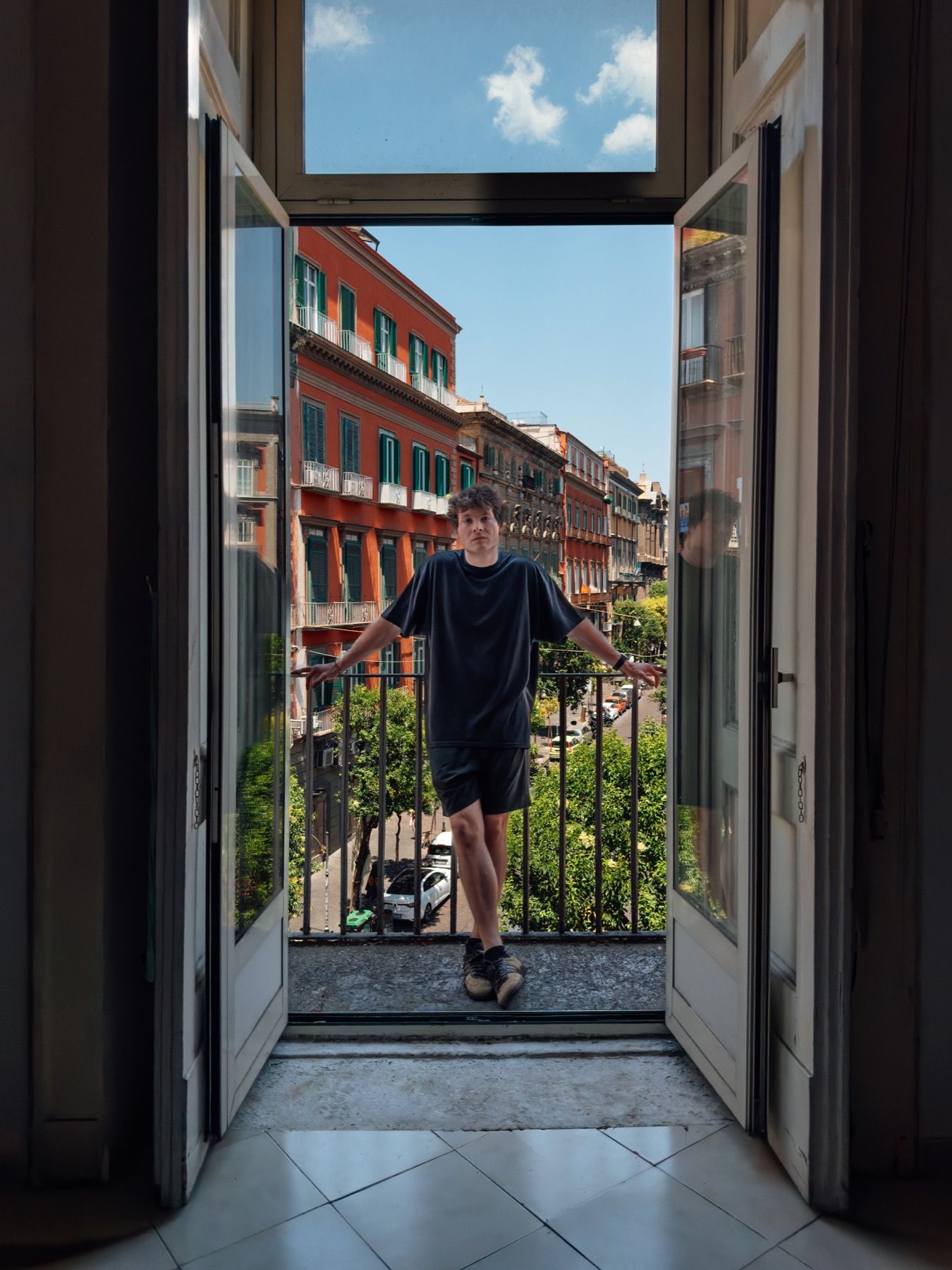
Originally from Portland, Ravi moved to Italy to join the Apple Developer Academy after spending a year at business school and taking a gap year during the Covid pandemic. His story reflects two key aspects of the Academy's impact: on one hand, its commitment to raising awareness around accessibility and the ways technology can meaningfully improve people's lives; on the other, Naples seen through the eyes of an international student who ultimately chose to make the city his home.
What did the Apple Developer Academy represent for you, both personally and professionally?
On a personal level, the Apple Developer Academy in Naples marked a real turning point in my life. While I was studying in the United States, I began to realise that the traditional university path simply wasn't right for me. I felt stuck and longed for something more meaningful, more practical and more connected to the real world. Professionally, the Academy gave me the opportunity to specialise, develop software with a clear purpose and learn through a far more hands-on approach. Leaving university was a risk, but I had a feeling it would lead me towards something important. The Academy introduced me to extraordinary people, helped me develop new skills and opened doors that genuinely changed my life.
Is there a place in Naples that you particularly associate with your time at the Academy or that played an important role in your experience?
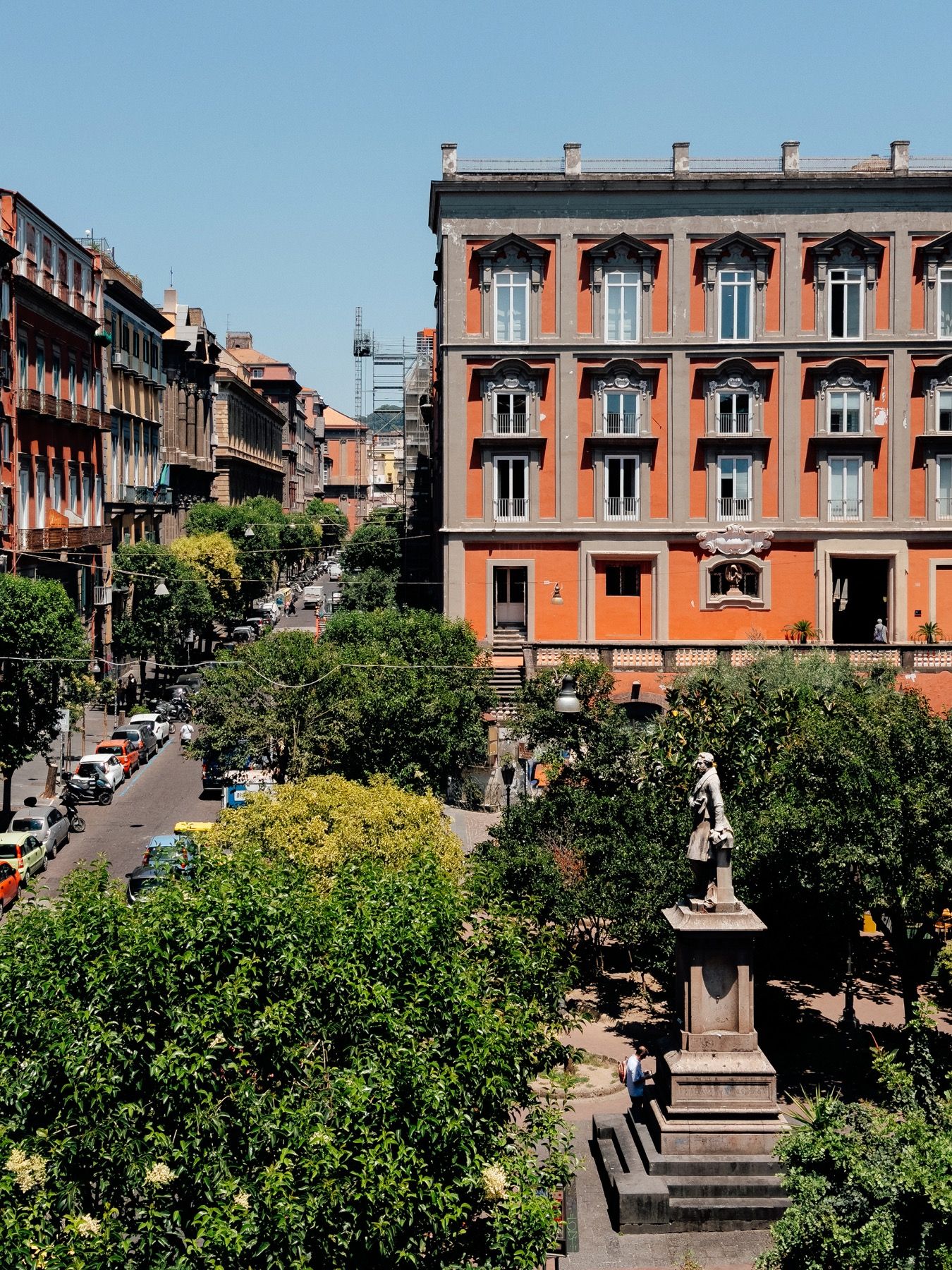
For many students in Naples, Piazza Bellini feels like an extension of their own home. It's where friends meet, where hours slip by in conversation and where you experience the true spirit of Italian nightlife. Every morning, I would stop there for a coffee before jumping on my scooter and heading to the Academy. It was the perfect way to begin the day: a place full of energy and filled with fascinating people.
What has life been like after the Academy?
What began as an educational opportunity turned into something far more transformative. Thanks to the Future Fair, the Academy's end-of-year career event, I received a professional opportunity that allowed me to remain in Naples, a city that gradually became home. Today I continue working with many of the friends I met at the Academy, developing modern applications for both companies and the consumer market through MMN and my own development studio, Vito Software.
Ravi Heyne
Originally from Portland, Ravi moved to Italy to join the Apple Developer Academy after spending a year at business school and taking a gap year during the Covid pandemic. His story reflects two key aspects of the Academy's impact: on one hand, its commitment to raising awareness around accessibility and the ways technology can meaningfully improve people's lives; on the other, Naples seen through the eyes of an international student who ultimately chose to make the city his home.
What did the Apple Developer Academy represent for you, both personally and professionally?
On a personal level, the Apple Developer Academy in Naples marked a real turning point in my life. While I was studying in the United States, I began to realise that the traditional university path simply wasn't right for me. I felt stuck and longed for something more meaningful, more practical and more connected to the real world. Professionally, the Academy gave me the opportunity to specialise, develop software with a clear purpose and learn through a far more hands-on approach. Leaving university was a risk, but I had a feeling it would lead me towards something important. The Academy introduced me to extraordinary people, helped me develop new skills and opened doors that genuinely changed my life.
Is there a place in Naples that you particularly associate with your time at the Academy or that played an important role in your experience?
For many students in Naples, Piazza Bellini feels like an extension of their own home. It's where friends meet, where hours slip by in conversation and where you experience the true spirit of Italian nightlife. Every morning, I would stop there for a coffee before jumping on my scooter and heading to the Academy. It was the perfect way to begin the day: a place full of energy and filled with fascinating people.
What has life been like after the Academy?
What began as an educational opportunity turned into something far more transformative. Thanks to the Future Fair, the Academy's end-of-year career event, I received a professional opportunity that allowed me to remain in Naples, a city that gradually became home. Today I continue working with many of the friends I met at the Academy, developing modern applications for both companies and the consumer market through MMN and my own development studio, Vito Software.
Claudia De Luca
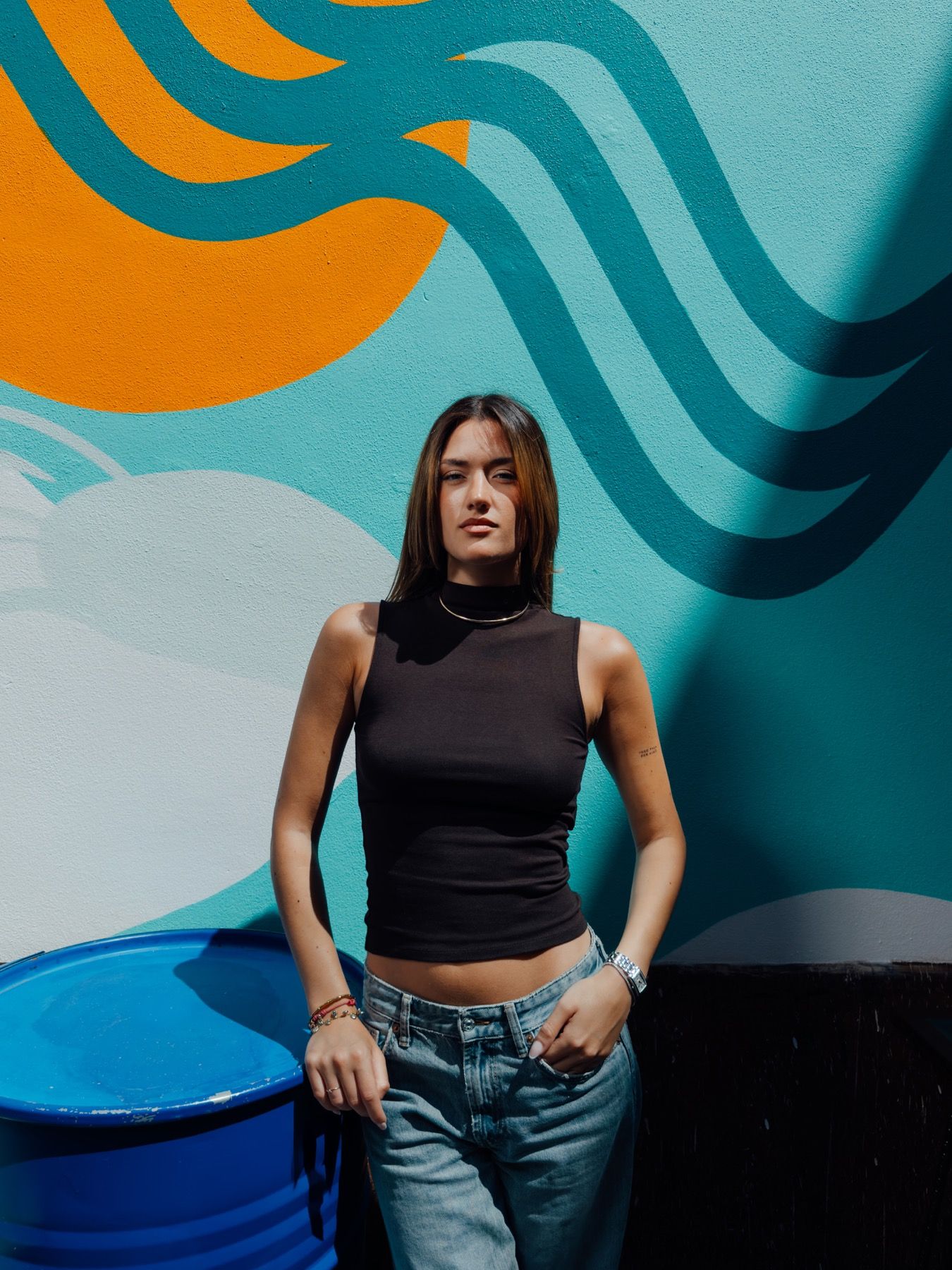

Originally from Naples, Claudia De Luca graduated in Computer Engineering from the University of Naples Federico II at the age of 24 and recently moved to Madrid to work as a Software Development Engineer at Amazon. She attended the Academy during the 2023–2024 academic year, where she and her team developed SongSphere, an app designed to bring people together through music by challenging them to guess songs. The Academy exposed her to the collaborative dynamics of real-world product development and, combined with the technical skills she strengthened throughout the programme, helped her secure a position at one of the world's leading multinational companies.
What did the Apple Developer Academy represent for you, both personally and professionally?
When I joined the Academy, I had very little hands-on experience in software development. I was also extremely shy and often questioned whether I had made the right choice by studying engineering, especially after hearing comments that undermined my path and, at times, made me feel like I wasn't good enough. On a personal level, the Academy helped me believe in myself. Working alongside teams that trusted me, especially the SongSphere team, allowed me to discover abilities I hadn't yet recognised in myself.
Seeing our work acknowledged, from presenting our project on stage during the 2023–24 final showcase to being selected for an incubation programme at the Fabbrica dell'Innovazione Italiana, was an incredibly important confirmation for me. Professionally, the Academy gave me an entirely new mindset: one rooted in problem solving and collaboration. Thanks to the projects we developed, the teamwork we experienced and the confidence I gained along the way, after graduating I had the opportunity to move to Madrid and join Amazon as a Software Development Engineer. Today, I can honestly say that without the Apple Developer Academy, I probably wouldn't be where I am now.
Is there a place in Naples that you particularly associate with your time at the Apple Developer Academy or that played an important role in your journey?
Without a doubt, the place I associate most closely with my time at the Apple Developer Academy is the San Giovanni Campus. It was in the campus gardens, during a lunch break, that the idea for SongSphere first came to life. It's also where I met people who are still part of my life today. Two other places I strongly associate with that period are Ostello Bello and Piazza Bellini, both favourite gathering spots for many students that year. Those were the places where conversations that had started in the classroom continued, where friendships grew, ideas took shape and lasting memories were made. Having friends from all over the world also allowed me to see Naples through different eyes, almost like a visitor myself. I found myself taking them to iconic places across the city that, despite being Neapolitan, I had never truly experienced. In that sense, the Academy introduced me to a different Naples: more international, more shared and, in many ways, even more my own.
How do you see your life after the Apple Developer Academy?
Today, I see my life with far greater confidence and much closer to the person I always hoped to become. The Academy gave me much more than technical skills. It taught me a different way of approaching challenges, both professionally and personally. I look towards the future with pride, but also with gratitude, because that experience gave me the tools and confidence to build the path I'm following today. Professionally, I see this as the beginning of an exciting international career. Moving to Madrid and joining Amazon is tangible proof of just how deeply the Academy shaped my growth. Today, I finally feel I'm exactly where I'm meant to be, with the certainty that the phrase "girls can't do that" no longer belongs to me.
Mariangela Tricarico & Natalia Pau
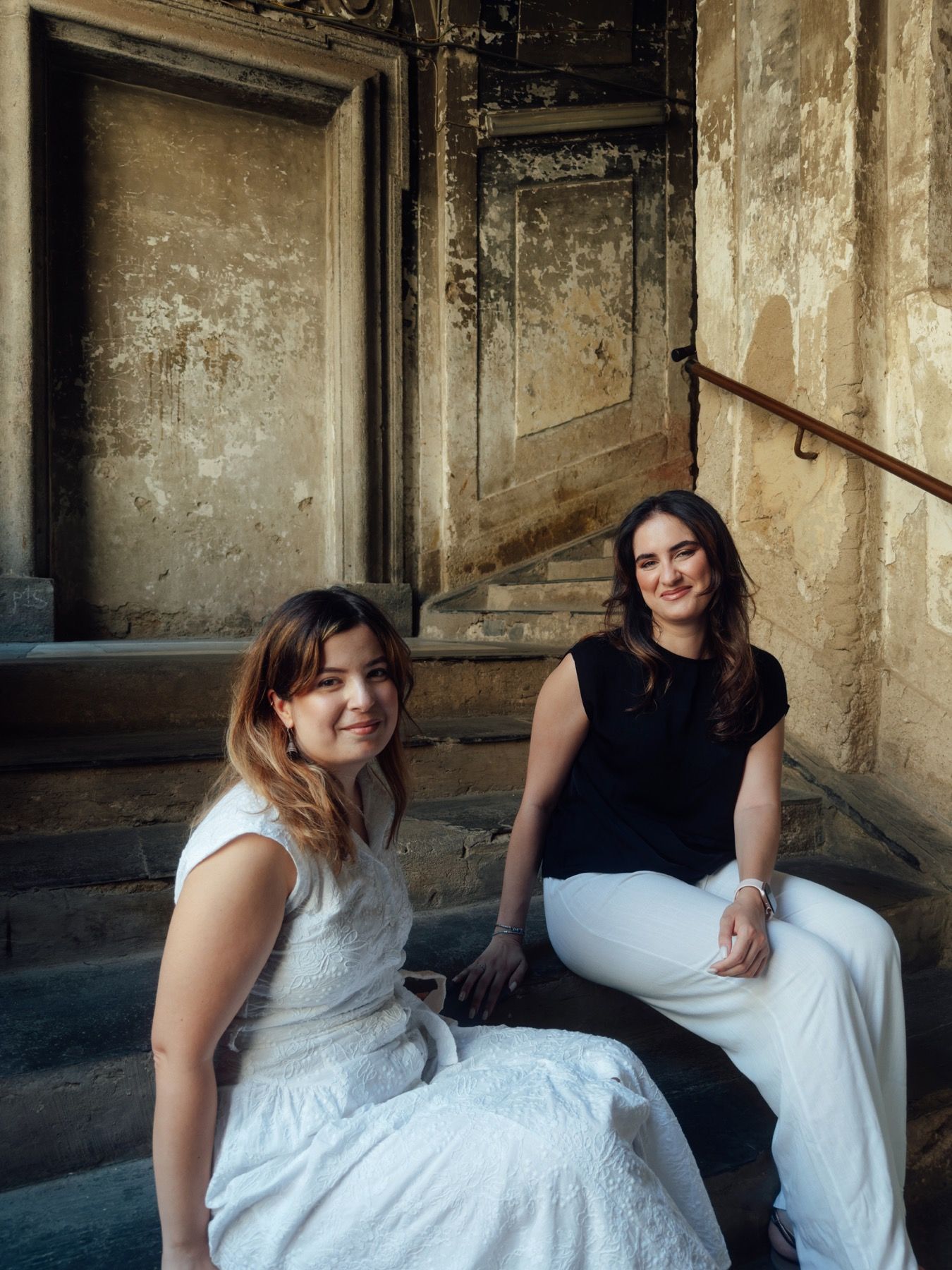
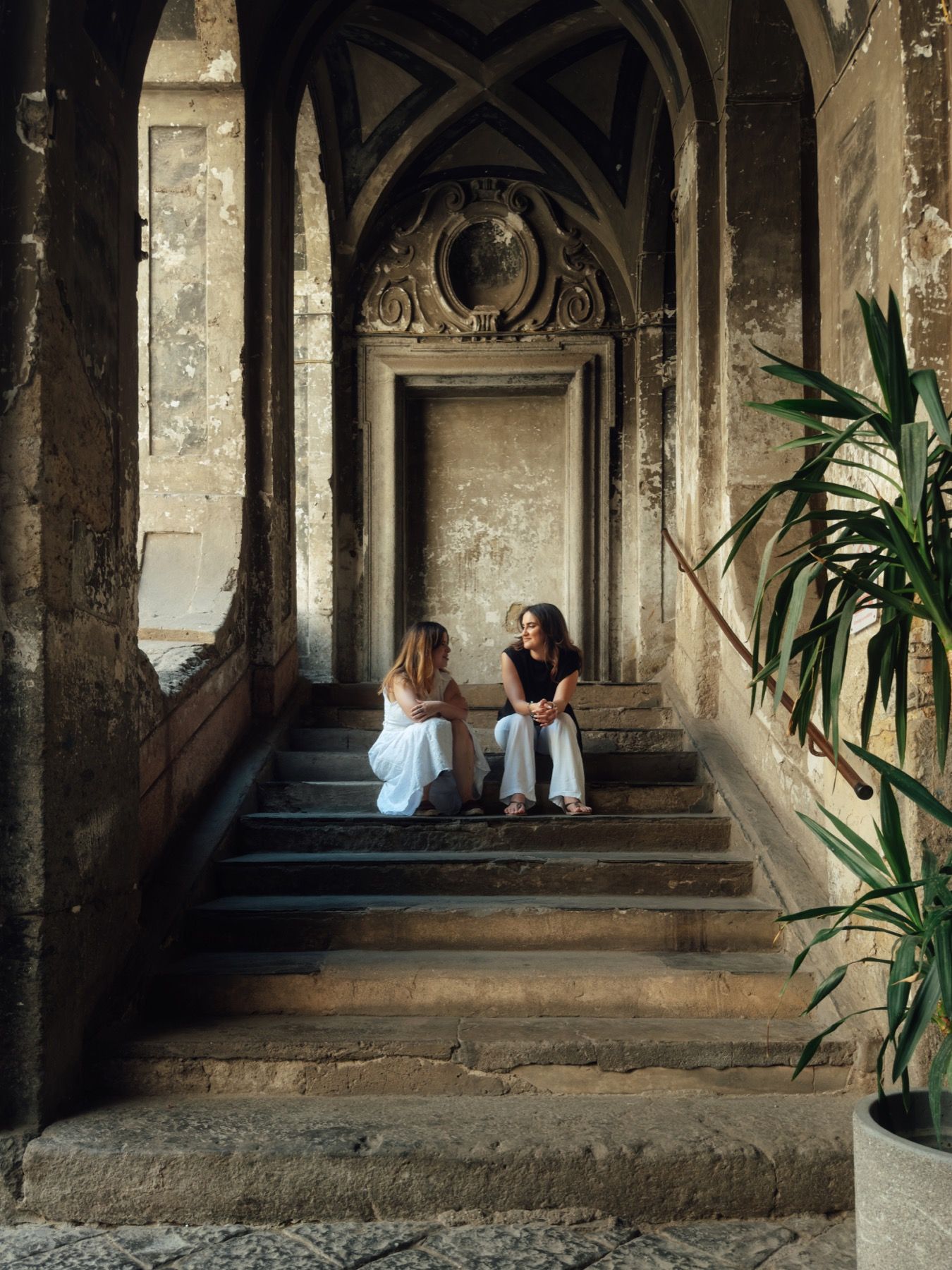
Attending the Apple Developer Academy during the 2018–2019 academic year proved to be a life-changing experience for Mariangela, an Automation Engineer, and Natalia, a Biomedical Engineer. It marked the beginning of both their friendship and their professional partnership, eventually leading to the launch of their first entrepreneurial venture and, earlier this year, the start of an exciting new chapter in their careers. Today, they apply their app development expertise to projects for clients across Italy and abroad. Originally from Southern Italy, Mariangela from Puglia and Natalia from Sardinia, they both fell in love with Naples and chose to make it their permanent home, drawn by its sea, its energy and its warmth. More determined than ever, they are now focused on growing their business and creating new employment opportunities in Southern Italy.
What did the Apple Developer Academy represent for you, both personally and professionally?
Mariangela: For both of us, the Academy was a defining experience that reshaped the direction of our studies and our lives. Natalia had just graduated in Biomedical Engineering when she moved to Naples, while I was still pursuing my degree in Automation Engineering. We were both looking for new perspectives and fresh inspiration beyond everything we had learned from textbooks.
Natalia: After years spent studying numbers and formulas in an attempt to better understand the world, the Academy gave me back a more human and more creative perspective. It taught me how to ask the right questions by empathising with other people's challenges. Those are skills I carry with me every single day.
Mariangela: I was studying engineering in Naples and felt deeply uncertain about my future, but as soon as I started this journey, the direction I wanted to take finally became clear. It was an environment where I truly felt heard and valued.
Is there a place in Naples that you particularly associate with your time at the Apple Developer Academy or that played an important role in your journey?
Interestingly, whenever we think back to that period, the place that immediately comes to mind is the Apple Developer Academy campus itself and the journey that led us there. It was where we met many of the people we now consider family.
How do you see your life after the Apple Developer Academy?
Mariangela: Several years have passed since we completed the Academy, yet neither of us feels we've "made it" and we mean that in the best possible way. The Academy was a milestone, not a destination. Perhaps that's exactly what has kept us moving forward.
Natalia: I find it difficult to describe myself as "fulfilled" because every day I'm driven by the desire to discover what tomorrow has in store. But I do know that I'm genuinely happy with the path I've chosen, one where curiosity continues to guide me.
Mariangela: The Academy opened doors that I might never have found elsewhere. It gave me the tools to look towards the future with a more practical, internationally minded and problem-solving approach. Even today, I'm still writing my own story, thanks to everything the Academy gave me: the skills, the experiences and, above all, the people.
Alessia Andrisani
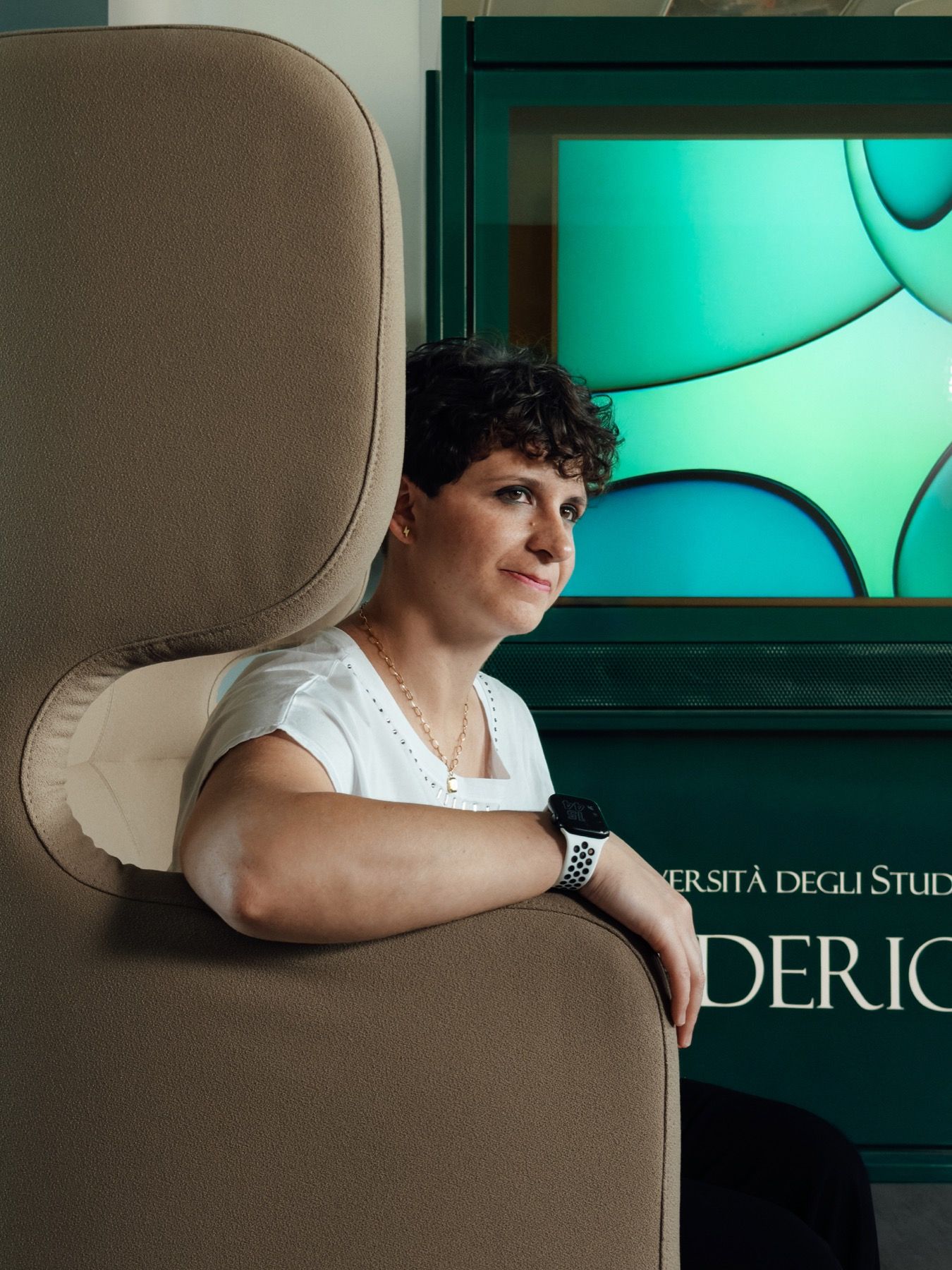
Alessia joined the Foundation Program offered by her university, the University of Naples L'Orientale, in 2020. While pursuing her Master's degree in Languages, she was introduced to programming for the first time, developing a strong interest in technology. This led her to apply to the Apple Developer Academy, where she was admitted and later selected for a second year through the Pier Program. Today, she works as a Senior Account Executive Project Manager at a leading multinational company specialising in communications and services for the pharmaceutical industry.
What did the Apple Developer Academy represent for you, both personally and professionally?
For me, the Apple Developer Academy represented a new beginning after completing my Master's degree in Languages. On a personal level, it allowed me to meet incredible people, some of them from countries far away, with whom I shared experiences and memories that I'll carry with me forever. Professionally, the Academy played a defining role in shaping the direction of my career, giving me the opportunity to explore new paths and discover a field that initially felt worlds away from my humanities background.
Is there a place in Naples that you particularly associate with your time at the Apple Developer Academy or that played an important role in your journey?
Whenever I think back to my time at the Apple Developer Academy, my mind immediately goes to the San Giovanni Campus, home to the Academy, and to the countless hours we spent in the courtyard sharing pizza or inside the Labs, where we worked side by side as teams. Those spaces became the setting for our brainstorming sessions, our challenges and the many milestones we reached throughout the programme. Every corner of that campus played a part in making each day there both unforgettable and deeply meaningful.
How do you see your life after the Apple Developer Academy?
My life after the Academy has taken a direction I could never have imagined before studying there. Today I work as a Senior Account Executive at a multinational company operating in the pharmaceutical sector and, quite honestly, I owe that opportunity to the Apple Developer Academy. Not only because I first met my current employer during the Academy's annual closing event, the Future Fair, but also because the Academy's methodology, which encourages us to explore freely and challenge ourselves across different roles, helped me realise that project management could be part of my future. Looking back, I can confidently say that the Apple Developer Academy played a fundamental role in shaping my professional path, creating the perfect bridge between my background in languages and the world of technology.
Apple Developer Academy Students
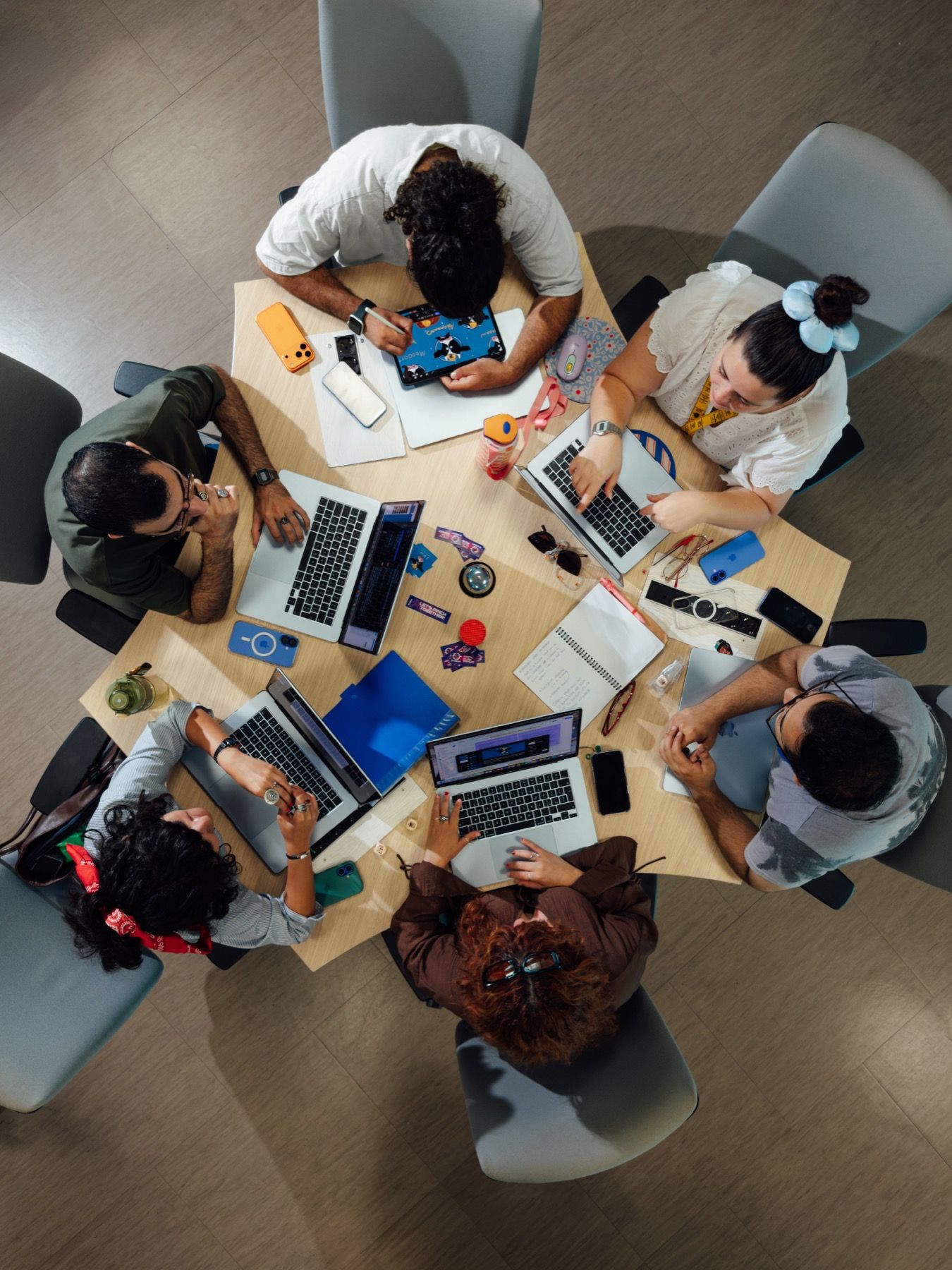
Raffaella Ruggiero, Sana Ravan, Abbas Yousefzadeh, Nima Khodarahmi, Martina Maria Bruno, Shantia Azizian
What did the Apple Developer Academy represent for each of you, both professionally and personally?
Shantia Azizian: I'd start with the personal side of things. Overall, it has been an extraordinary journey. I've gone through so many changes and, for me, the entire Academy experience has been about transformation above all else. It was a journey made up of small steps, of constant growth. If I had to sum up what the Academy means to me in a single word, it would undoubtedly be change. Professionally, it's harder to give a precise answer, but I believe the personal impact of the Apple Developer Academy will stay with me even longer than the professional one. Of course, I've learned an incredible amount. It was my first experience working with Apple technologies and within this kind of environment, and that's one of the reasons why it meant so much to me.
Raffaella Ruggiero: For me, it was an enormous transformation. In many ways, it felt like a personal redemption. I came from thirteen years of working in a completely different industry and had no connection whatsoever to this world. I finished high school later than most people and, at one point, someone encouraged me to give it a try. They simply told me, "You can do it." For me, it truly became a life-changing experience.
Nima Khodarahmi: For me, it was an incredibly important experience because I've always loved design, even before joining the Academy. However, I'd never had the opportunity to work professionally on real-world projects. It had always been a personal passion, something I did for myself. At the Academy, though, I finally had the chance to apply those skills in a meaningful way. Right now, for example, I'm working on the design of a bus. In almost every challenge I've taken part in, I've been responsible for icons and visual identity. In our latest project, Sana focused on part of the design work, while I created the studio's logo along with many of the visual elements. It has been an incredibly rewarding journey.
Does everyone have a specific role within the team? How do you divide responsibilities and expertise?
Raffaella Ruggiero: Yes. Martina Maria Bruno is our Project Manager, Shantia Azizian mainly looks after communication, presentations and the storytelling side of the project, Abbas Yousefzadeh and I are the developers, while Sana Ravan and Nima Khodarahmi focus primarily on research and design.
Is there a place in Naples that you particularly associate with your time at the Academy? More broadly, what is your relationship with the city? Is there something that connects you to Naples in a special way?
Martina Maria Bruno: I'm originally from Calabria and I've been living here for eleven years. I first came to Naples to study, and that journey eventually led me to the Developer Academy. I always say that Naples adopted me. I fell completely in love with the city from the very first day. The historic centre feels like home. I know every corner of it and it's probably the place that best represents my relationship with this city.
Sana Ravan: I'm from southern Iran. Living in Naples has never made me feel like a foreigner. There are so many things here that remind me of where I come from: the way people use public spaces, the importance of community and the deep sense of human connection. That's why I feel so comfortable here and why I'm genuinely enjoying life in the city.
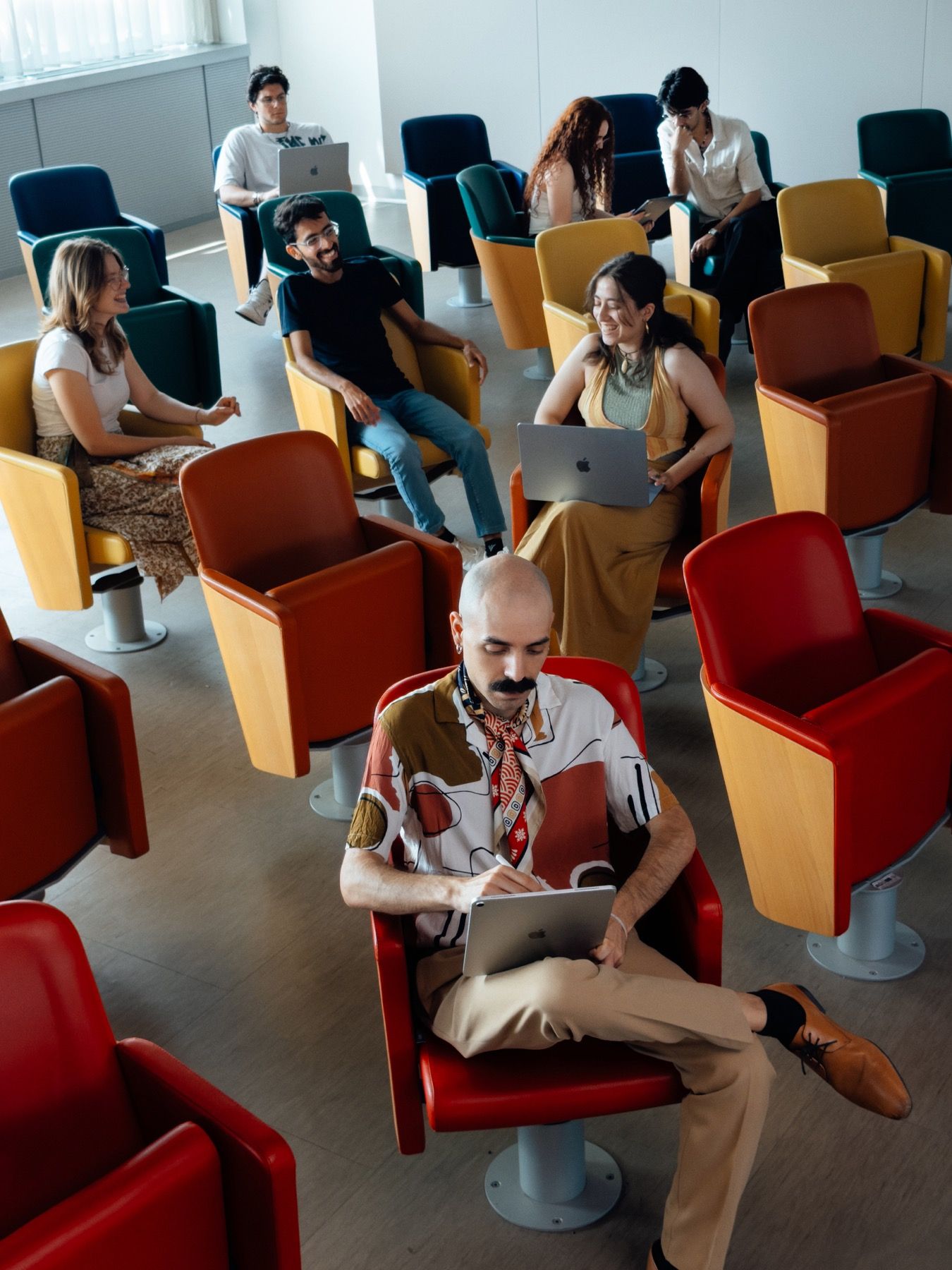

Kasra Zarif, Alessia Villano, Iolanda D'Avino, Gennaro Biagino, Ivan Ferrara, Asad Raza and Nicola Persico
What is the idea behind your hub and your project?
Ivan Ferrara: During our time at the Academy, we had the opportunity to collaborate with several local organisations and cultural institutions to explore ideas for the final challenge of the programme. Those encounters allowed us to observe different ways of creating and experiencing culture, but as the project evolved we realised we wanted to develop an idea that responded more directly to our own vision and the questions we were asking ourselves as a team.
We decided to follow an independent path and create a project capable of addressing an issue we felt was particularly urgent: making art more accessible and giving emerging artists new opportunities to showcase their work beyond traditional exhibition spaces. That reflection led to Invisibilia, an application that transforms public spaces into places for artistic exhibition. The goal is to make art more accessible, decentralised and woven into everyday life.
Is there a place in Naples that you feel particularly connected to, either because of your project or your experience at the Academy?
Kasra Zarif: Not really. That's precisely why we wanted to create an open and inclusive platform where everyone can play a different role. You can be an artist, a curator or simply someone interested in discovering new works and artistic experiences. We don't feel tied to one specific place in the city. Instead, the project stems from our desire to build a network that could exist anywhere.
Asad Raza: I think that captures the essence of the project perfectly: imagining the streets as your own personal digital museum. We wanted art to reach people wherever they are, transforming any public space into a place of discovery and cultural exchange. The ambition is for art to move beyond walls, beyond boundaries and beyond the limitations of traditional exhibition spaces.
Gennaro Biagino: In a way, we're trying to reclaim public space. Many emerging artists don't have access to traditional exhibition venues and often struggle to present their work. That's why we're trying to create new opportunities and new forms of visibility.
What is your relationship with Naples, especially for those of you who didn't grow up here?
Ivan Ferrara: I believe Italy is one of the best places in the world to imagine and develop a project. When it comes to art, architecture, painting, sculpture or cultural heritage, Italy is inevitably a global point of reference. From this perspective, Naples and Southern Italy provide an incredibly stimulating environment, where culture and centuries of history coexist naturally with everyday life.
I'd like to end with a question about the future. How do you imagine your lives after the Academy? Is there such a thing as life after the Academy?
Asad Raza: Many things are still uncertain. But there's one thing we've already decided: we want to keep working together and continue developing this project beyond the Academy. If there's one thing we're absolutely certain about when it comes to the future, it's that.
Would you like to add anything about your project, your team or the experience you've had here at the Academy?
Asad Raza: For me, as someone who isn't from Italy, this experience has primarily been about searching for a new home. The Academy played a fundamental role in that journey. It allowed me to meet people with whom I could share interests, ideas and ways of looking at the world. Throughout this experience I met many people, but I truly believe I found the right team during the final challenge. The people I'm working with today are people I wouldn't trade for anyone else. In the end, that's what I'll carry with me most from this experience: finding a community, people I now consider family. It has been a long journey, and I'm incredibly grateful to have been part of it.
Photographer Emanuele Di Mare; DOP Simone Cioè; Ph. Assistant Francesco Aloisi