July 7th, 2026
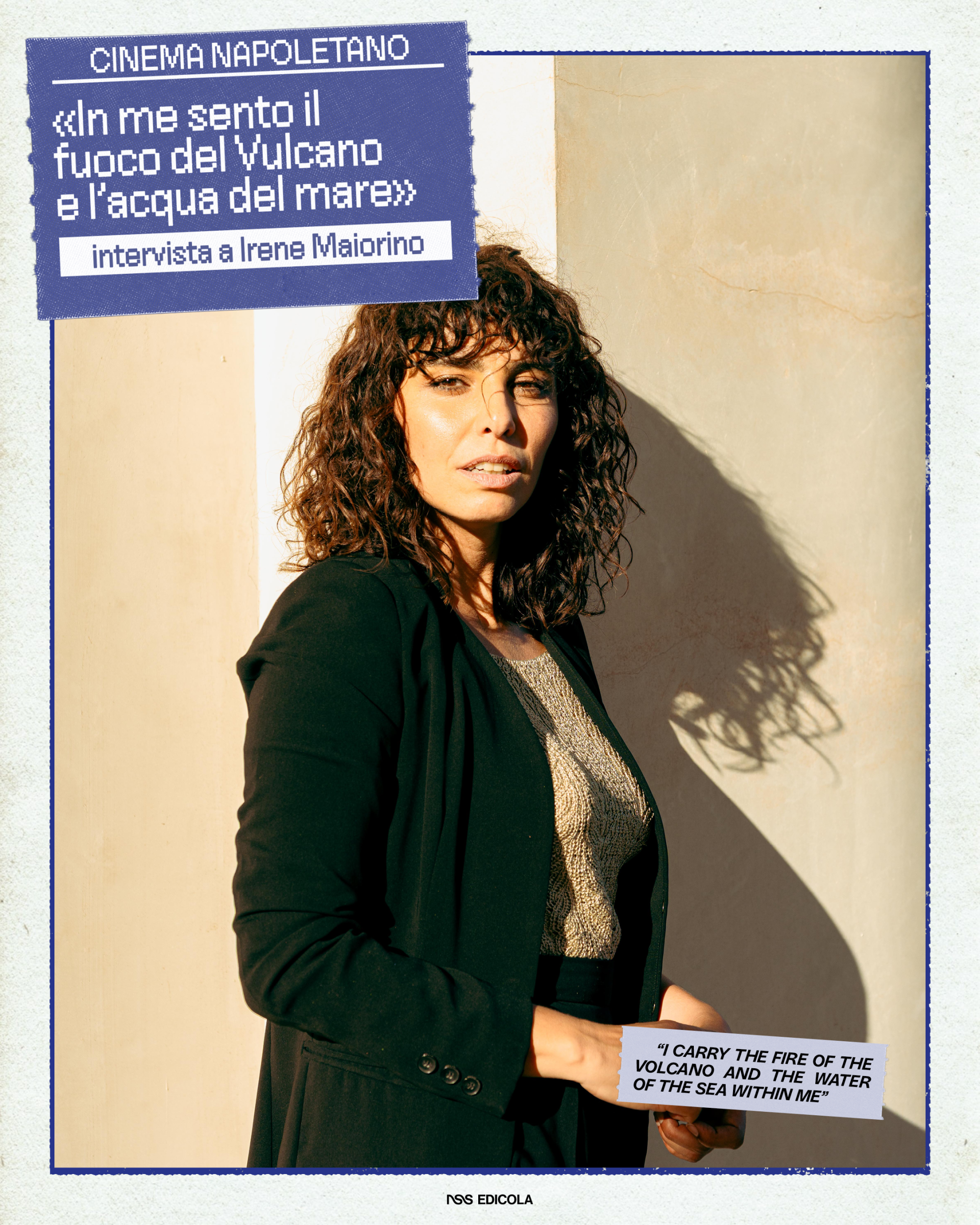
«Inside Me I Feel the Fire of the Volcano and the Water of the Sea», an Interview with Irene Maiorino Excerpt from Cinema Napoletano, the second issue of nss edicola's free newspaper
This interview is part of Cinema Napoletano, the second issue of nss edicola's free publication, produced in collaboration with MUBI to mark the first Naples edition of MUBI Fest. The editorial project explores the history of Neapolitan cinema through the voices of directors, actors, producers, exhibitors and key figures who continue to shape its identity, examining the profound bond between Naples and the silver screen.
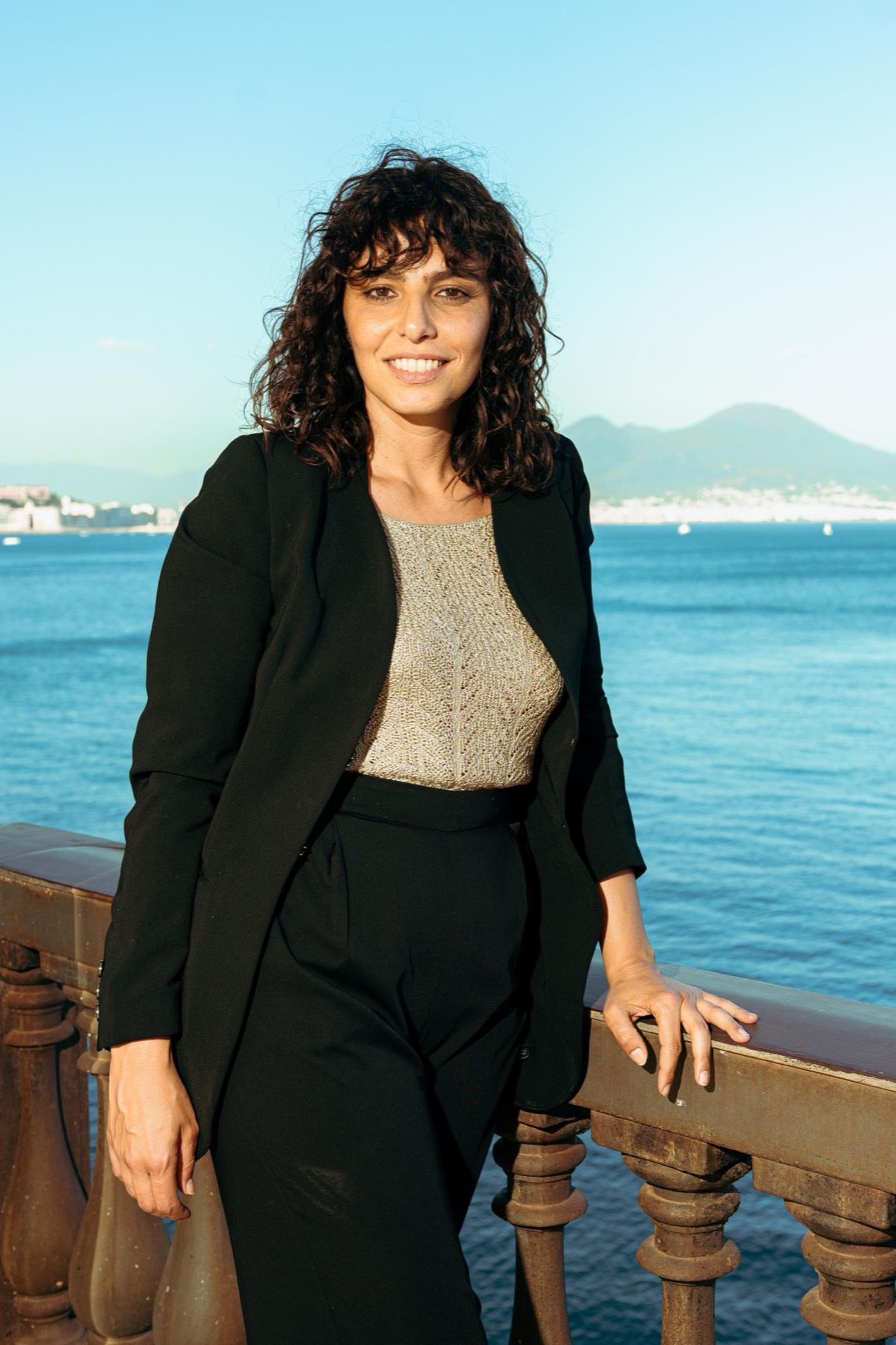
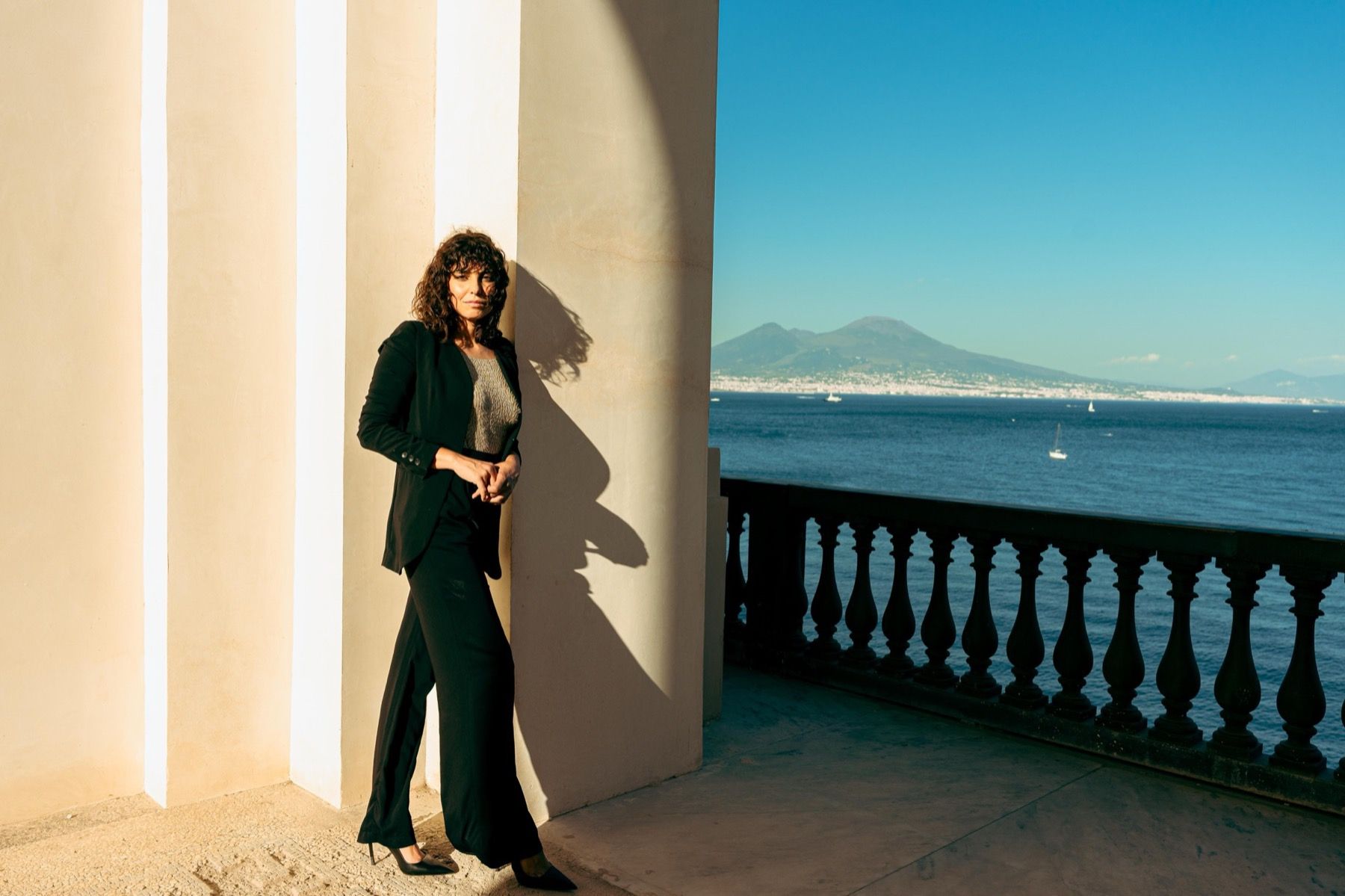
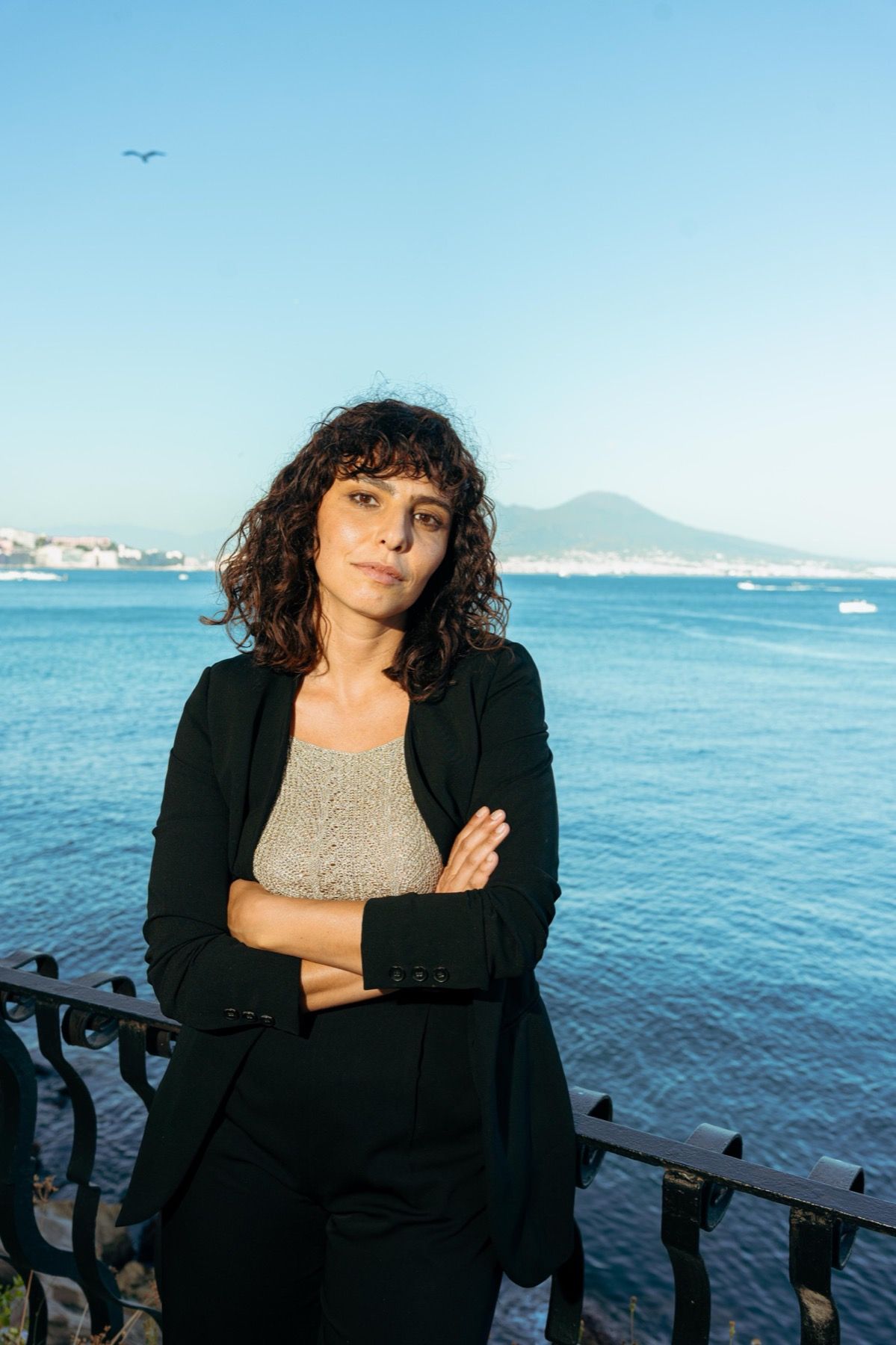
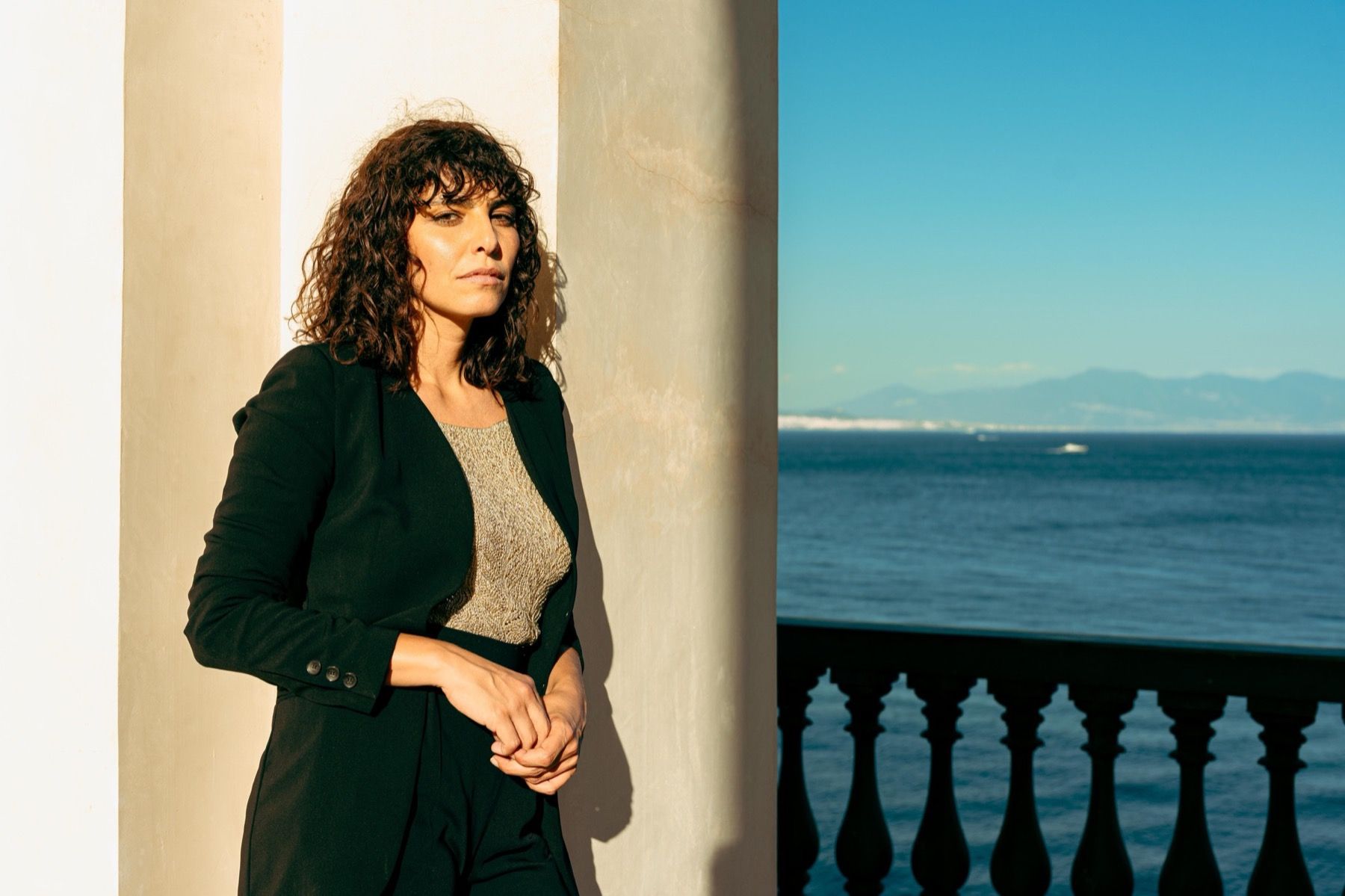
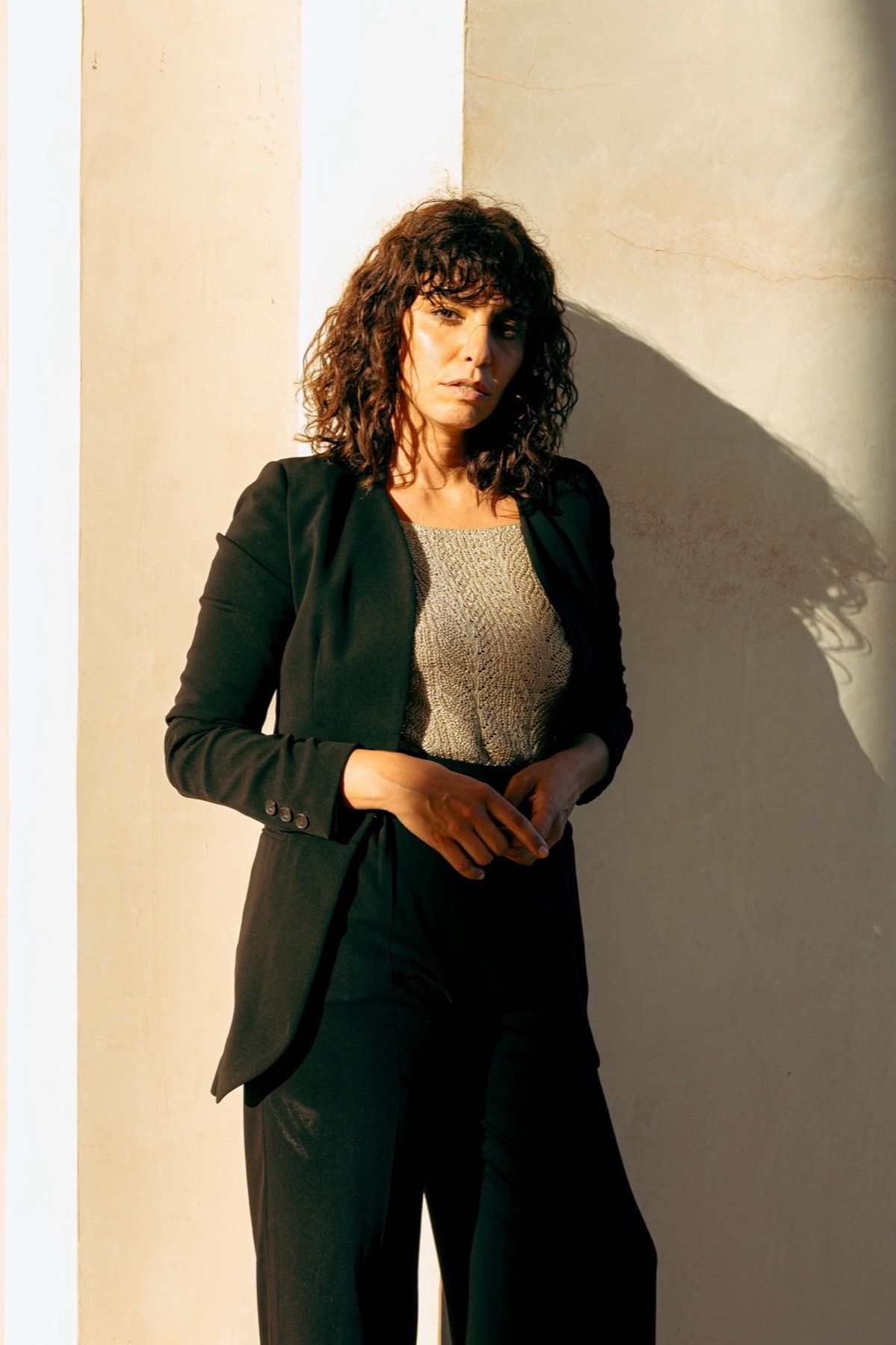
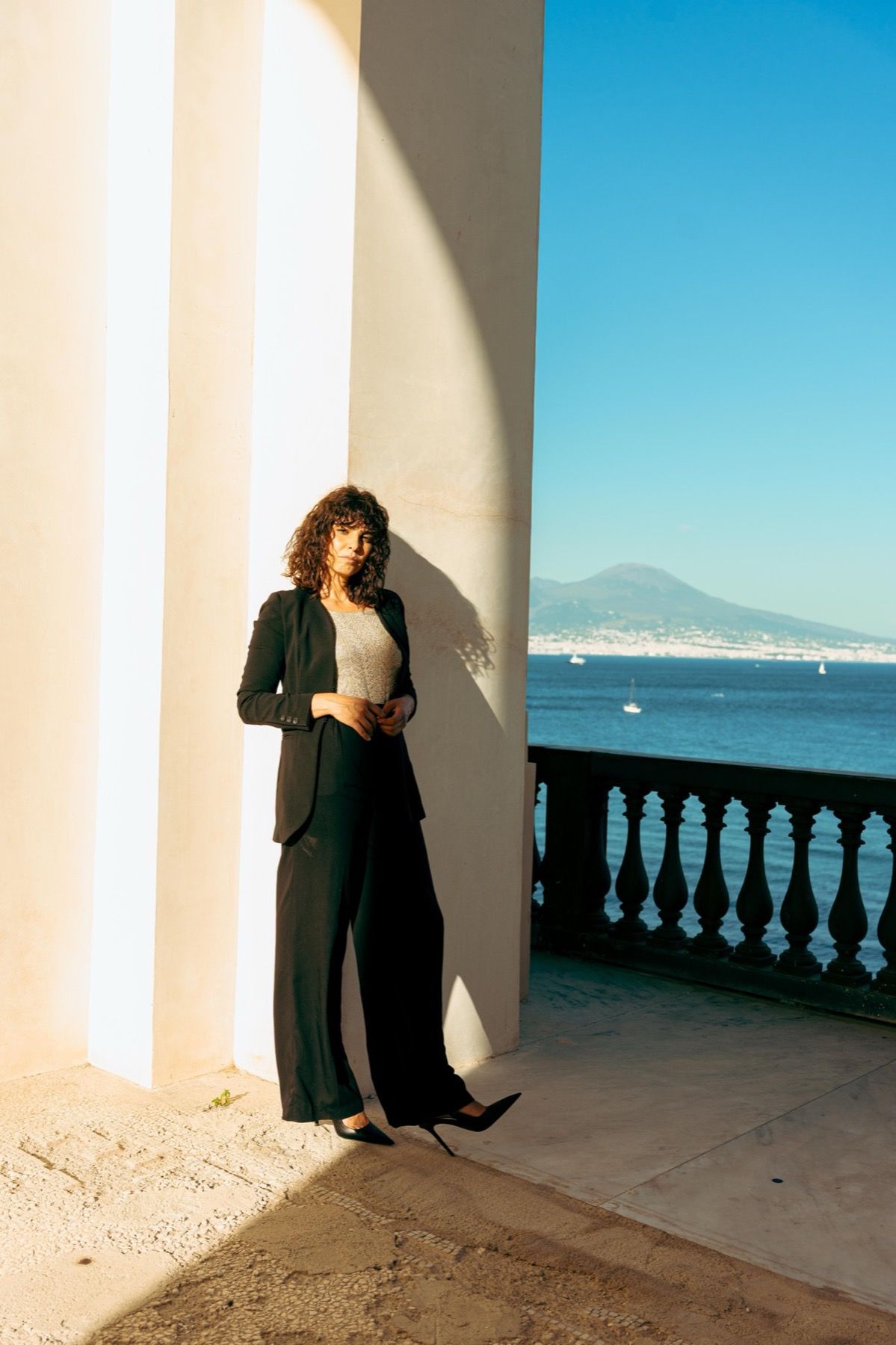
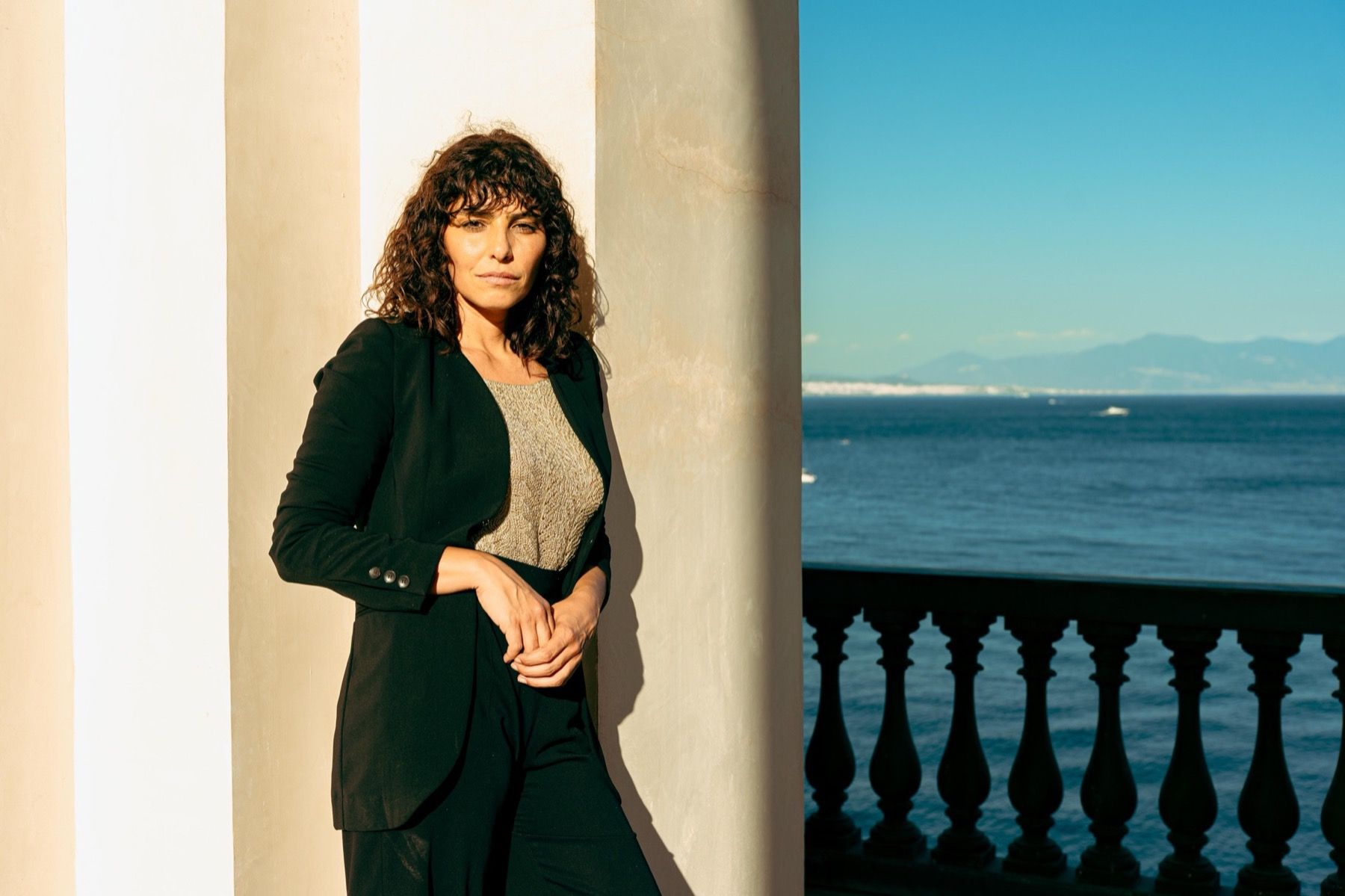
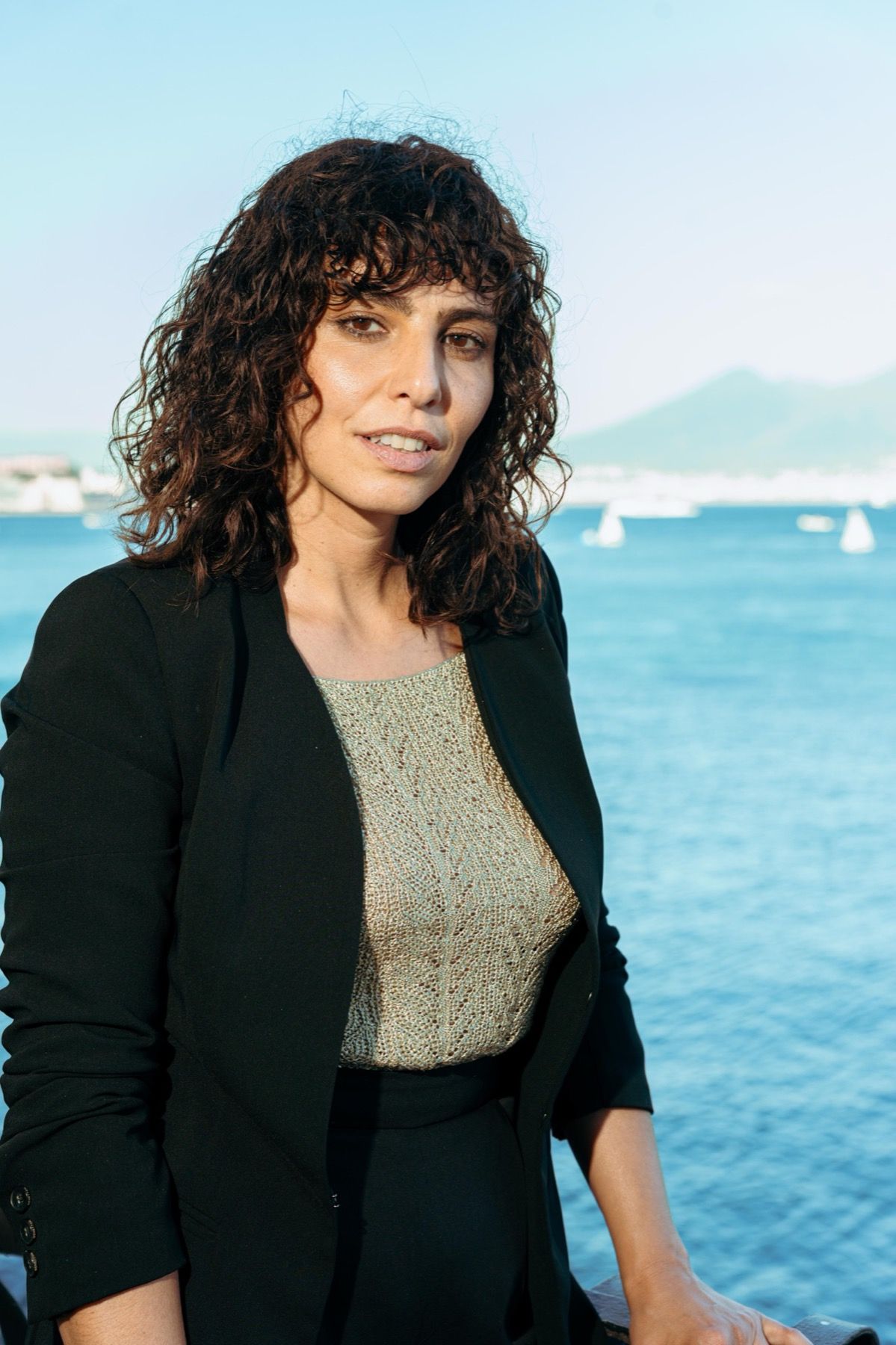
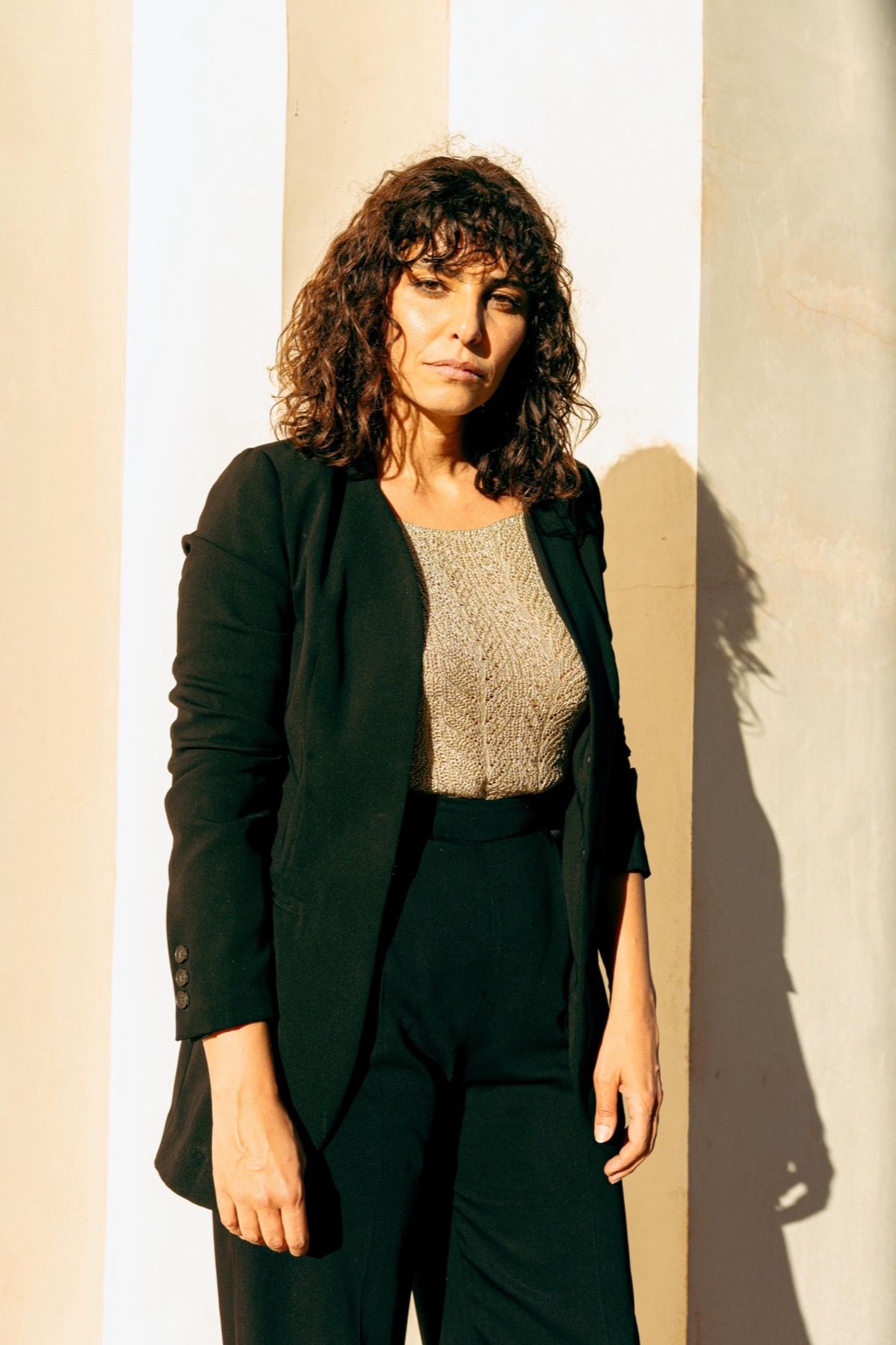
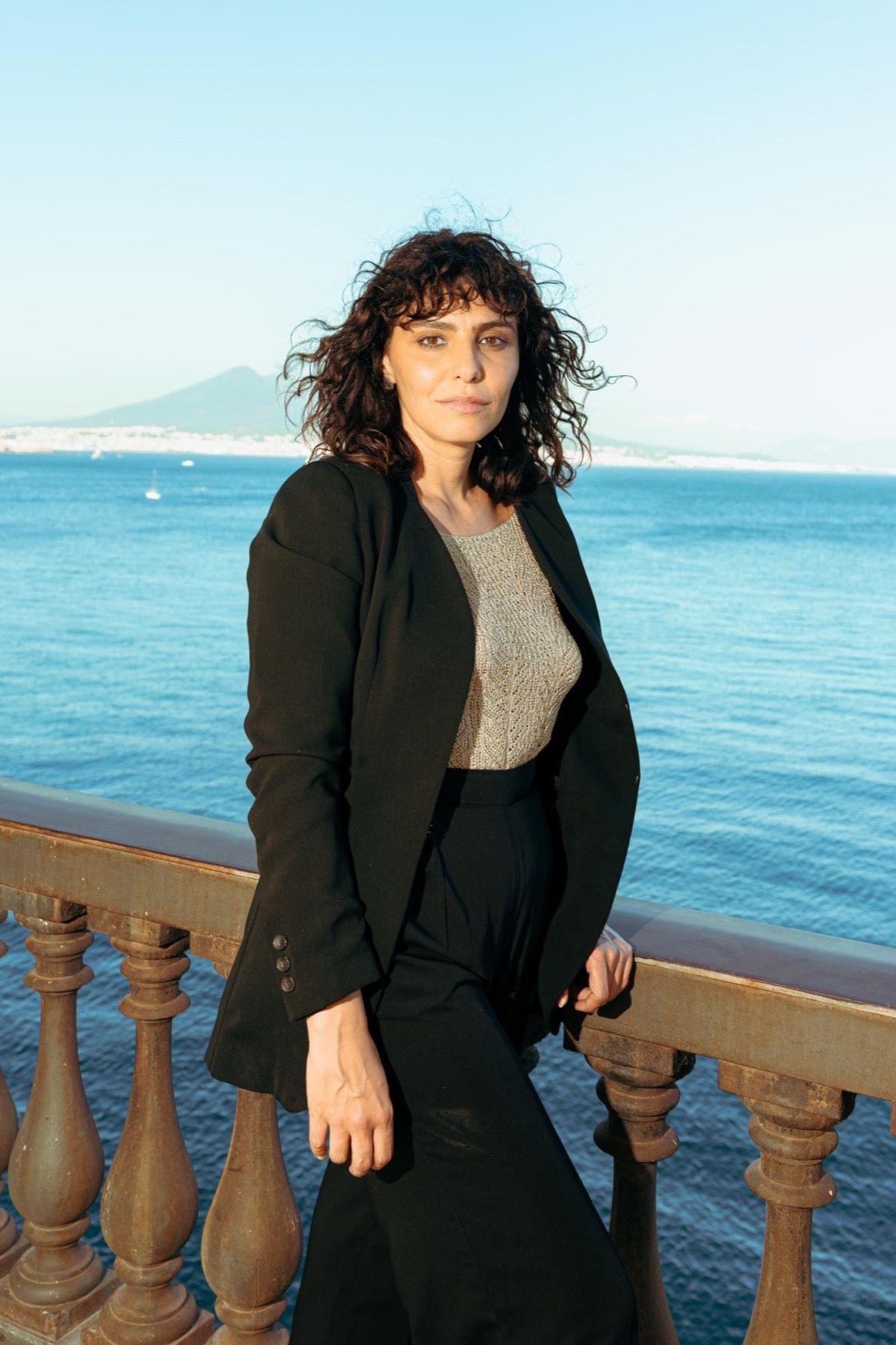
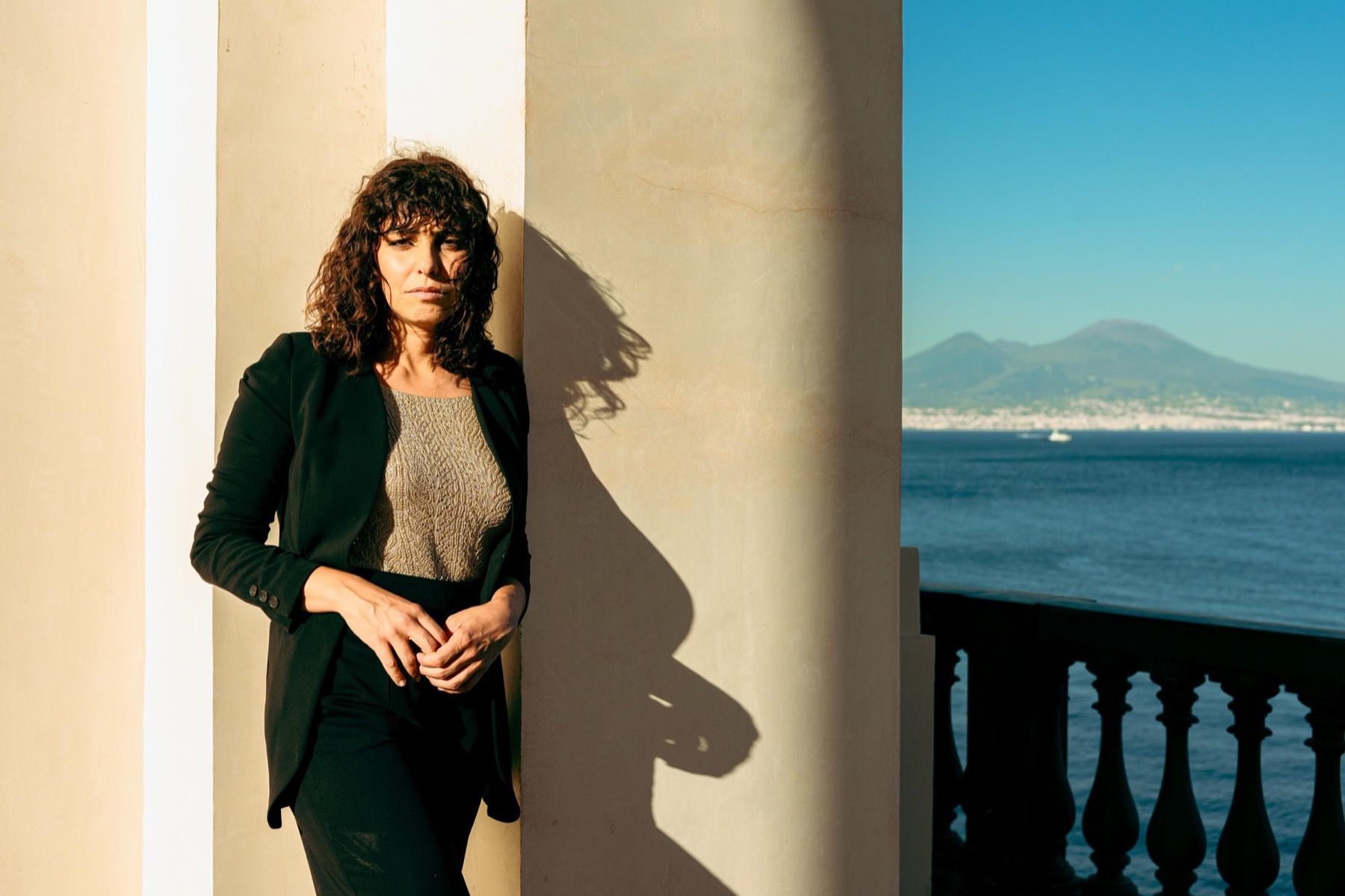
As Irene Maiorino reflects on her life during our interview, she is taking a short break by the shoreline, attending a festival where she is serving on the jury and from which she has managed to slip away for a moment. Standing at the water's edge, she looks back on the beginning of her career, her studies at DAMS, her acting diploma, and her connection to a character like Lila from My Brilliant Friend, whom she portrayed in adulthood. Surrounded by a natural landscape that evokes the Naples she holds dear, its myths and the elemental force that flows through its legends, the actress shares with us the journey that led her to become an actress and the influences that shaped her. Within and beyond the landscapes of a city and stories that Maiorino feels compelled to portray only when they are essential, immersing herself completely in them to bring them to life.
You were born in Naples and grew up in Cava de' Tirreni. How much have your roots influenced your work?
They have influenced it, though not immediately. When I was eighteen I left my homeland. Until I was twenty-five I felt a strong sense of detachment, but over time I realised that was a mistake. Even though I had moved to Rome, which is not that far away, I felt incredibly distant from certain dynamics I wanted to free myself from. Eventually I understood that they are part of a deeper, more ancestral side of anyone born in those lands. I realised that within me there is the fire of the volcano and the water of the sea, and that my connection to where I was born truly has to do with roots in the most elemental sense of the word, roots that run deep into the culture of the place and its landscape.
What are the most cinematic aspects of Naples?
Naples is an open-air theatre. Some of its people become professional actors, but every single resident is an actor. It is the way the city has learned to face its saddest and most painful sides. Wearing a mask, like Pulcinella, means knowing how to tell stories through imagination about what one carries inside with suffering. To me, cinematic Naples is the Naples of the post-war years, of resistance, of Neapolitan song. It is impossible not to be moved by Roberto Murolo. Then there is the Naples of its coves, its volcano, the mystery of Parthenope, which Paolo Sorrentino portrayed, but which for me had always been essential because of its siren long before that film. Perhaps because, to me, Naples is a woman, with her gulf, her waters and the elements of birth.
Which director has captured you best on screen?
I love the spirit of Luciano De Crescenzo's cinema. He portrayed Naples with irony, culture and simplicity better than anyone. Then there is the Naples of Troubling Love by Elena Ferrante, brought to the screen by Mario Martone, but I also love the raw, aching Naples that Matteo Garrone has portrayed.
Is there a Campanian artist you feel particularly connected to?
It may sound predictable, but Massimo Troisi's authenticity has never left me. He remained true to himself throughout his entire life and career, and to me that is essential. There's an interview I often watch again in which he says he had won a David di Donatello, but that he would rather not have received it because no other awards came afterwards. It was his way of saying: you know what? Who cares. Awards are not important. They can even contaminate you. What matters is remaining faithful to your own poetics.
Is it important for you to choose projects that are rooted in the stories of your homeland?
It's important, just as important as constantly renewing yourself. I look for stories that are deeply rooted in this land, but that also have the breadth to resonate far beyond it. To paraphrase Annie Ernaux, you have to begin with a place so that what is personal can become universal. Being part of projects rooted in my own territory fills me with pride, but seeking stories that can also transcend borders is a challenge I set myself every day. In that sense, My Brilliant Friend has given me so much, but I also think of a character like Filomena, the scarred woman in The Bastards of Pizzofalcone, a woman searching for self-determination who chooses to scar herself rather than continue to be harassed because of her beauty. She is a very specific character, yet one anyone can understand.
Speaking of Lila, how much of that role do you still carry with you, and what was it like portraying the character in adulthood?
Ever since I was very young, I felt something calling me. Something moved within my imagination long before I studied at DAMS or started working. It drove me to tell stories, go to the cinema, to listen. No one in my family worked in film or acting, so I had to put all the pieces together on my own. When I took on the role of Lila, I finally understood what this profession truly is. Lila was the mountain I had to climb, and only after reaching the summit did I feel I could call myself a professional. She made me an adult, both as a woman and as an actress. Knowing that I will always be associated with her is something that saves me. Lila is a thoroughbred horse whose race began before me and will continue long after me. And in a very intimate part of myself, she also remains a secret that I will always protect. The auditions to play her were long, and years passed between the productions of the different seasons. For many years we spent time together without anyone knowing. It was a private time to which I remain deeply devoted.
You recently appeared in another major television series, Portobello by Marco Bellocchio. What was that experience like?
Another fundamental milestone. I grew up with the visionary, revolutionary and extraordinary work of a true master, even though he doesn't like to be called one. He entrusted me with the role of a woman carrying a powerful past, told through extraordinary close-ups. I'm grateful for that, not out of vanity, but because he allowed the camera to enter the work I was doing and bring it fully to the surface. I will always be thankful for that. In an Italy that is often short-sighted, where people only talk about numbers, whether followers or how many scenes you've shot, being part of projects like this gives me the opportunity to be the actress I want to be.
Before your career, before all these roles, what was your relationship with cinema?
My grandparents' house in Cava had a courtyard overlooked by the balconies, and on the ground floor there was the storage room of a cinema. If you leaned out, you could hear the sound of the projector's crank turning, and sometimes you would find old film canisters lying on the ground. To me, it was a gateway into imagination. I spent hours fantasising while listening to the sounds of the stories being projected. That's where my fascination with cinema began. As I grew older, I went to the cinema at least twice a week, especially during my university years. I often went by myself, as I still do today, and I started collecting the posters I picked up at the Cinema delle Provincie, where I used to watch films. I felt a bit like the protagonists of The Dreamers, pretending to belong to another era. I felt I could see myself in them.
Do you think your way of experiencing films has changed since becoming an actress?
I pay more attention to the technical aspects, but I still make a point of allowing myself to be surprised. Going to the cinema is like going to church for me. It's a sacred place. Sitting together in the dark remains one of the experiences that moves me the most. I've certainly become more aware than I was as a child, but I never want the movie theatre to lose its power to transport me somewhere else.
Is there a film that still moves you every time you watch it?
One particular scene always comes to mind and brings me to tears whenever I see it. It's the sequence in Once Upon a Time in America by Sergio Leone in which Noodles, played by Robert De Niro, reflects on what it means to love someone beyond everything else.
You studied at DAMS and earned an acting diploma. Which actresses were your biggest inspirations when you were younger?
Without a doubt, the Bellissimi film cycle on television had a huge influence on me when I was a child. I think of Sophia Loren, Silvana Mangano and Anna Magnani. I feel I searched for something of Magnani's raw edge and tried to bring it into Lila. Watching her taught me that roughness can give far more than conventional beauty. Her dramatic intensity has echoed within me ever since. An actress who, on the other hand, feels completely different from me, yet whom I can't help but admire, is Meryl Streep. Although our colours and temperaments are very different, I was fascinated by her physical presence throughout my twenties because it was so unlike my own. She possesses a refinement that I spent years trying to understand and that, whenever I need it, I still find in her work.
Although MUBI is a streaming platform, it has always promoted opportunities for people to come together, and its festival is proof of that. What value do you think these shared experiences still have today?
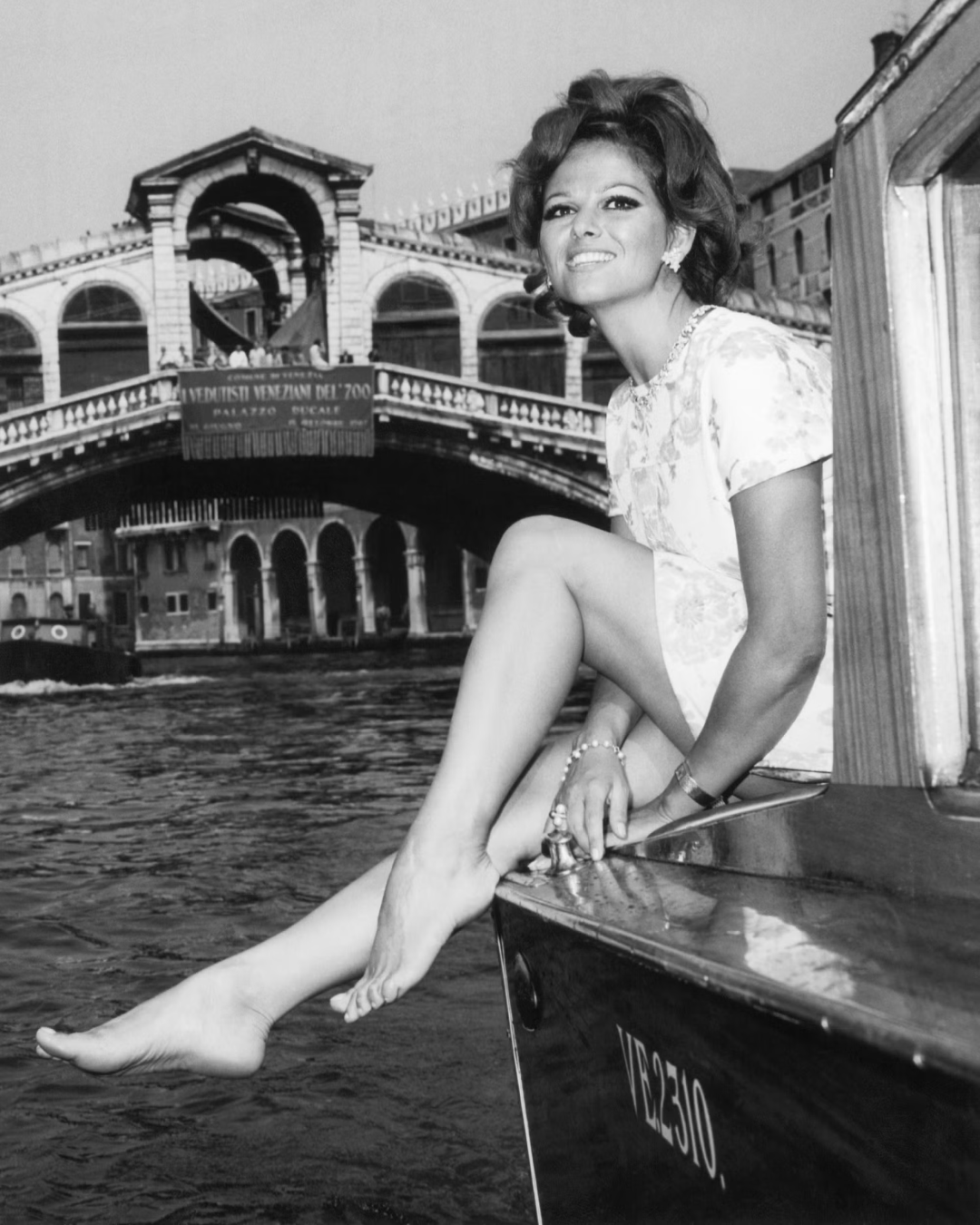
The collective experience is essential, and for me it began with the Giffoni Film Festival. I used to go when I was a child, I served as a juror, I returned with some of my own work, and eventually I even received awards there. The importance of festivals lies in the same idea as gathering with people in a theatre. Meeting, talking, discussing. As I always say, it's good to let your head spin a little. Besides Giffoni, I'll never forget the time I attended the Venice International Film Festival. Just to be there, I took a job at the Codacons stand, and during my lunch breaks I would sneak away to watch films after becoming friends with the ushers, who would let me into the screening rooms.
What kind of relationship have you built with your audience?
It's a very special one. Being recognised by people in the industry is always rewarding, but through Teresa in Gomorrah, who was a very ordinary woman yet represented everyday femininity, and through Lila in My Brilliant Friend, so many people have told me they saw something of themselves in those characters. I remember being in New York, invited by the Italian Cultural Institute for a conference, when a young Chinese woman and a Mexican woman came up to tell me that I had portrayed Lila exactly as they had imagined her while reading My Brilliant Friend. Knowing that I hadn't betrayed readers' expectations in the transition from literature to the screen meant a great deal to me. It also made me reflect on the universal power of stories, which can begin in a city like Naples and still speak to people living as far away as China or Mexico.