July 1st, 2026
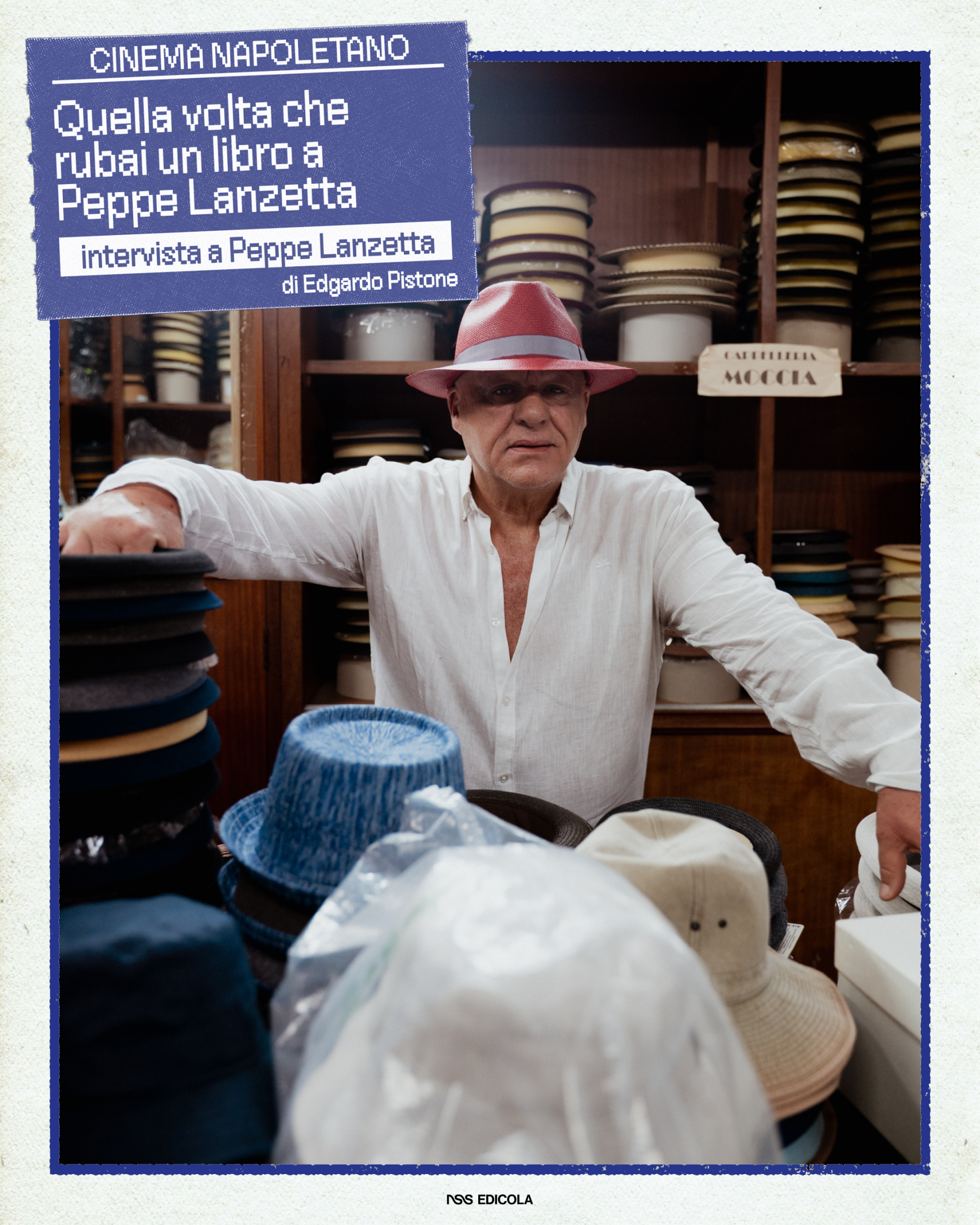
“That Time I Stole a Book from Peppe Lanzetta”, Edgardo Pistone interviews Peppe Lanzetta Excerpt from Cinema Napoletano, the second free newspaper from nss edicola
This interview is part of Cinema Napoletano, the second issue of nss edicola's free press, produced in collaboration with MUBI to mark the first Naples edition of MUBI Fest. An editorial project dedicated to telling the story of Neapolitan cinema through the voices of directors, actors, producers, exhibitors and the people who continue to shape its identity, exploring the profound relationship between Naples and the silver screen.
One night a few years ago – or rather, many years ago – I received a text message. I can't remember the date anymore, but I remember the time: exactly three o'clock in the morning. It was an SMS written entirely in capital letters: "WHEN ARE WE MEETING? I'M PEPPE LANZETTA." Just a few minutes later, I had already written a reply. Too long to send straight away. Buried inside it was a simple confession: I had stolen his first book. From a film set at the Academy of Fine Arts in Naples, where I was studying. Among the sets built for a student project, the cover had caught my eye. And so had the title: Una vita postdatata.
I've always believed that books are meant to be stolen. Especially when you're twenty. Bolaño would have understood. Maybe he even said so in an interview. At twenty, you don't have much money. Two euros. A pack of ten cigarettes. And everything else is desire. Perhaps bookstores and publishers know it too – that every stolen book hides a future reader worth winning over – and that's why they choose to look the other way.
When I made my first film, I organized a private screening just for him. I wanted him to see it before anyone else. The person who connected us was Gaetano Di Vaio. Lanzetta had introduced him to beauty; years later, Gaetano became my producer. He was the bridge between us. We talked about cinema, which is one of the most elegant ways I know of talking about yourself.
That night, though, I never sent the long message. I deleted everything. Maybe he texted the wrong person, I thought, and replying with something that long would only make me seem awkward and self-important. So I simply answered: "Whenever you want." He replied: "Tomorrow. Fuorigrotta. Valentino Café. 5 p.m."
Today I'd like to go back to that meeting. A reader and a writer sitting in the same café. Peppe had a youthful light in his eyes, and something much older too. He spoke in Neapolitan, and I remember how much I loved that. He kept talking about writers I had never heard of, and I loved that even more. He laughed and remembered at the same time, with the vanity of an elderly aunt. Right before we said goodbye, I awkwardly confessed that I had stolen his book. He looked at me seriously and said: "You're my brother."
For this interview I allowed myself a certain freedom: to place the poetic universe of Peppe Lanzetta the writer in dialogue with the cinema he has loved throughout his life. Because that's the only thing I can really talk about. I'm neither a journalist nor a film critic.
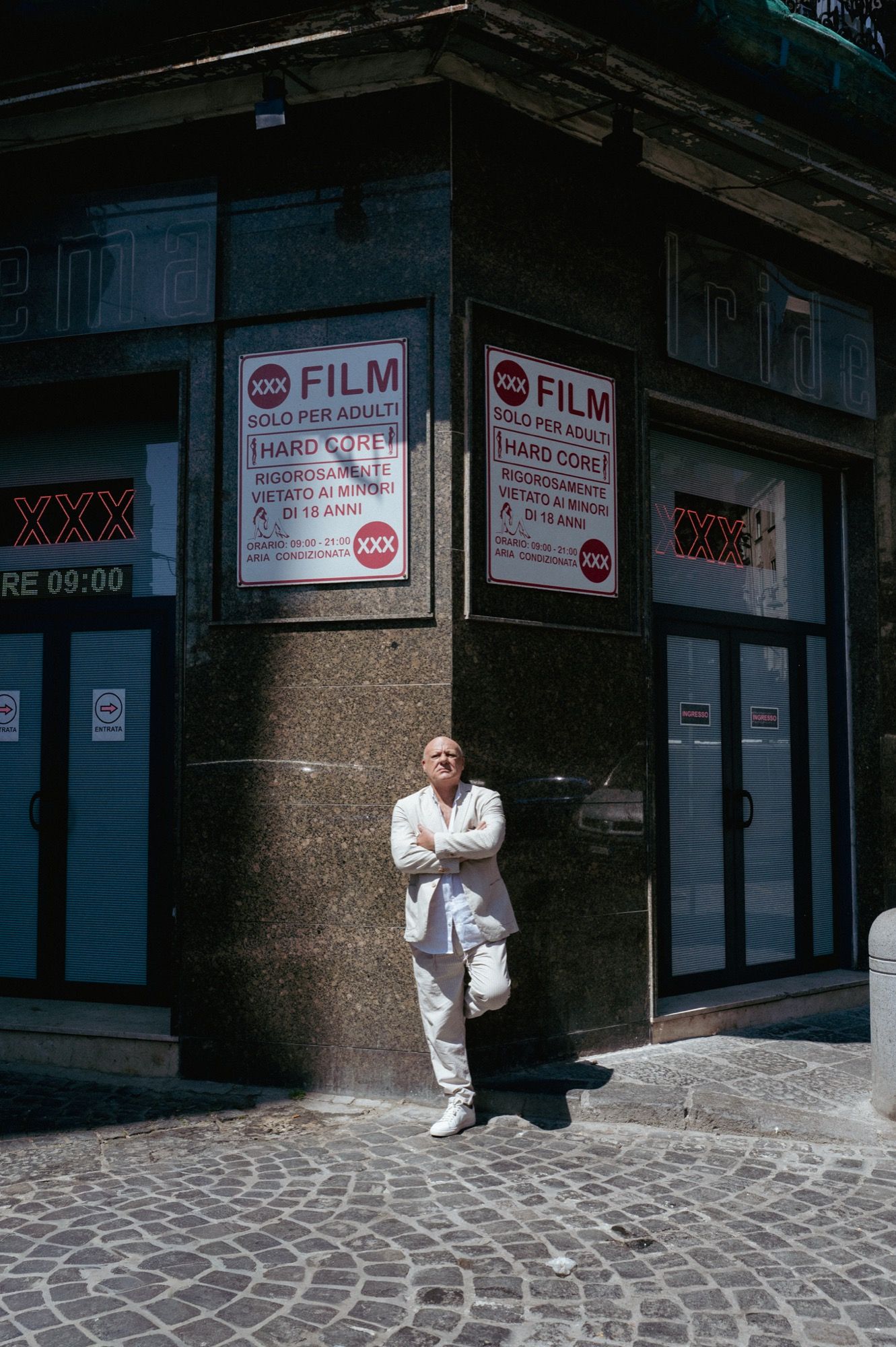
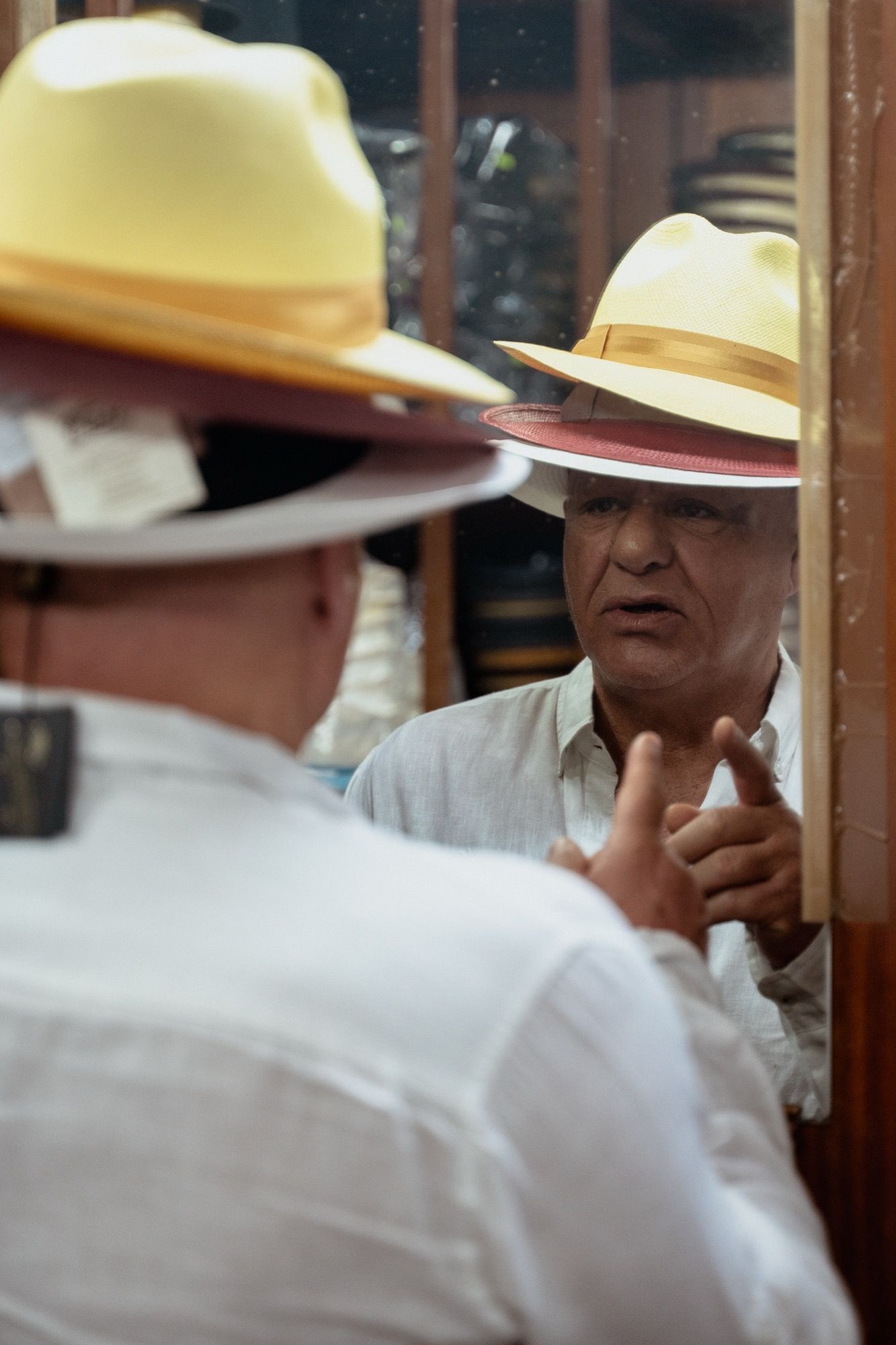
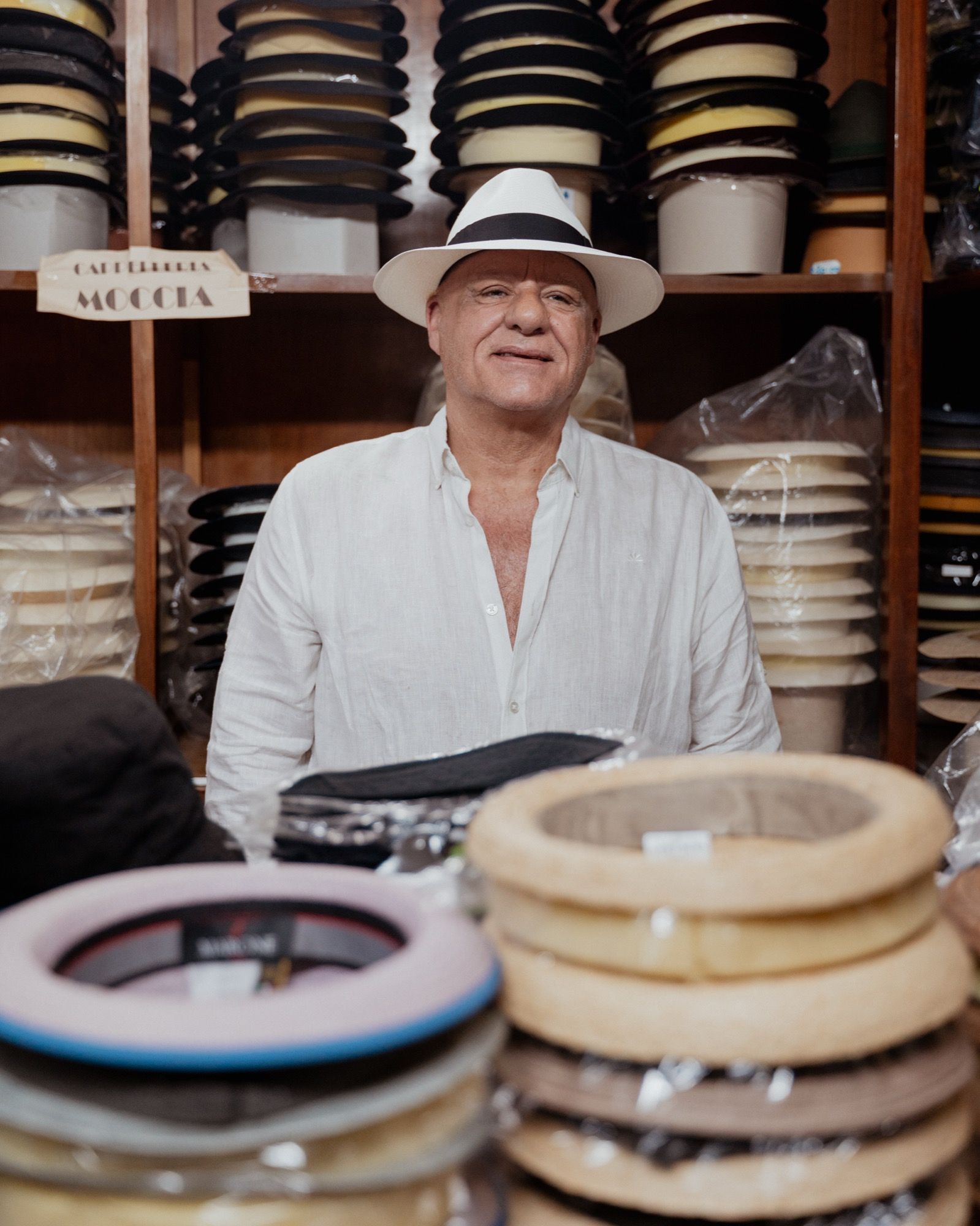
Edgardo Pistone: Peppe, I've always had the impression that the images in your stories are more powerful than the stories themselves. And that's something I love about cinema too. Certain images keep coming back throughout your work. Which one is still alive for you today? Which one keeps knocking at your door, asking to be told once again?
Peppe Lanzetta: The image of loneliness, and the image of hope. One image in particular comes to mind, the one I describe in the story L'immensità, from Figli di un Bronx minore. It's about the loneliness of a third-rate singer arguing with his manager on the cliffs of Torre del Greco—a manager who always made him perform after dinner had been served, or sometimes only once the wedding was almost over, denying him the hope of ever finding an audience that would truly listen.
My love for society's outcasts wasn't something I chose because it happened to be fashionable. It's ancestral. It probably began when my mother and I used to take the bus to Licola in the summer and she'd whisper to me, "Duck down so we don't have to pay for your ticket." Growing up with deprivation, always hoping for a better future, meant that all those characters were already inside me, one by one. They grew up alongside me and eventually all found their way onto the page. I've never drifted away from the companions of my adolescence, my youth, and above all, the hardships of my childhood.
It's true, certain memories inevitably carry nostalgia. But beneath that there's always a political gaze—one that's perhaps harder to recognize today than it once was. Those characters will always knock on my door, because they know someone will answer. They can knock elsewhere too, of course, but I'm not sure anyone else will open. That's really what it's all about.
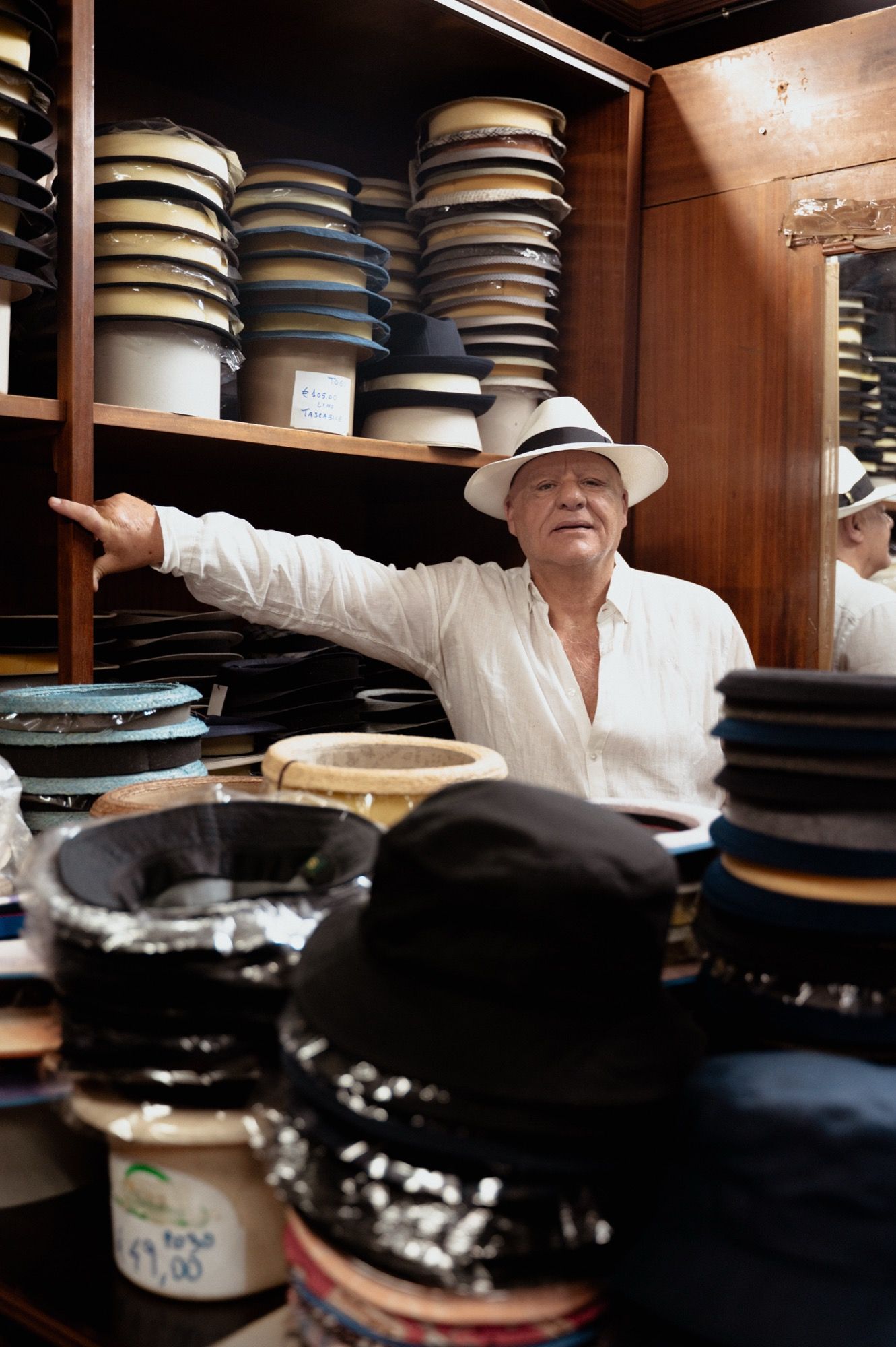
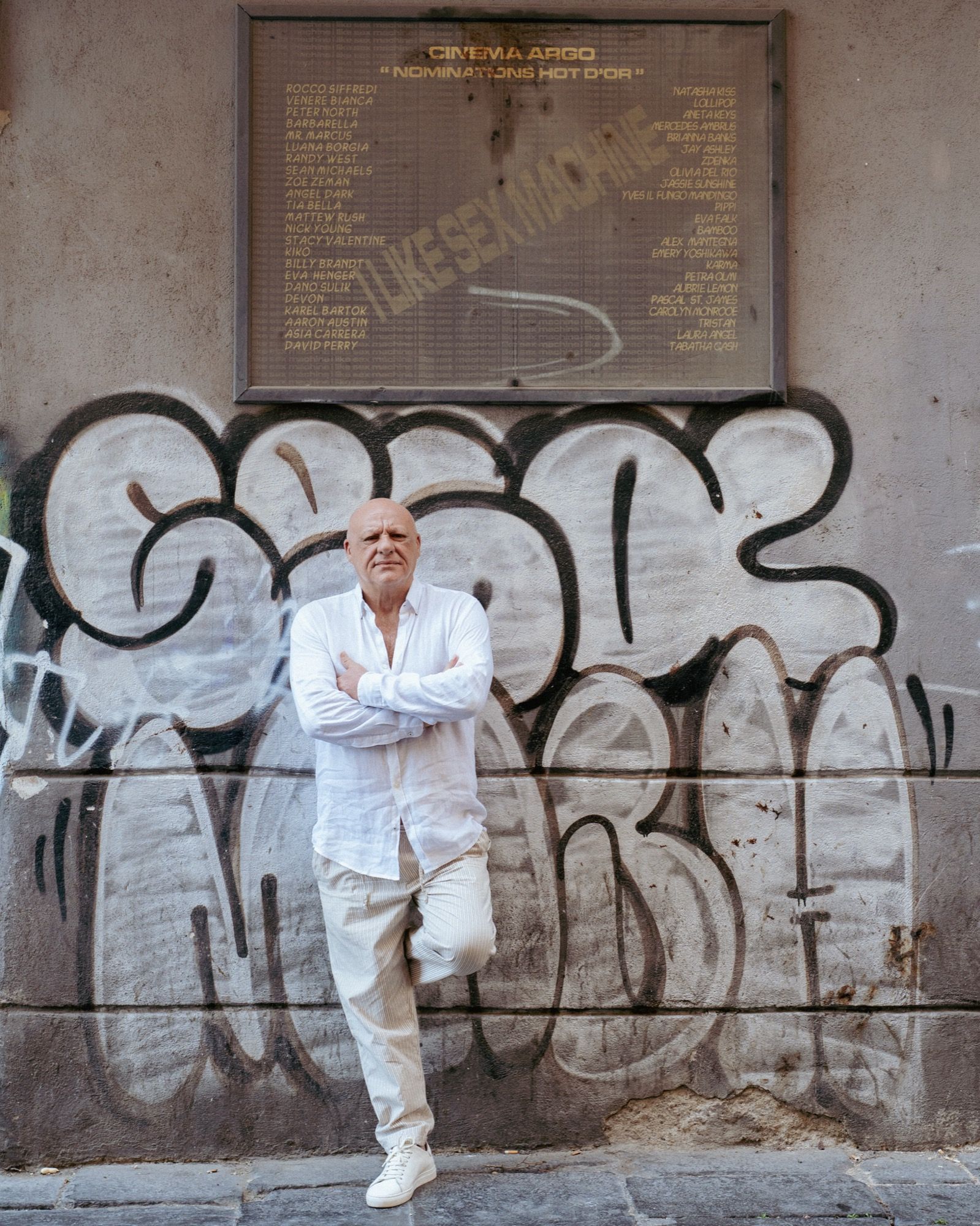
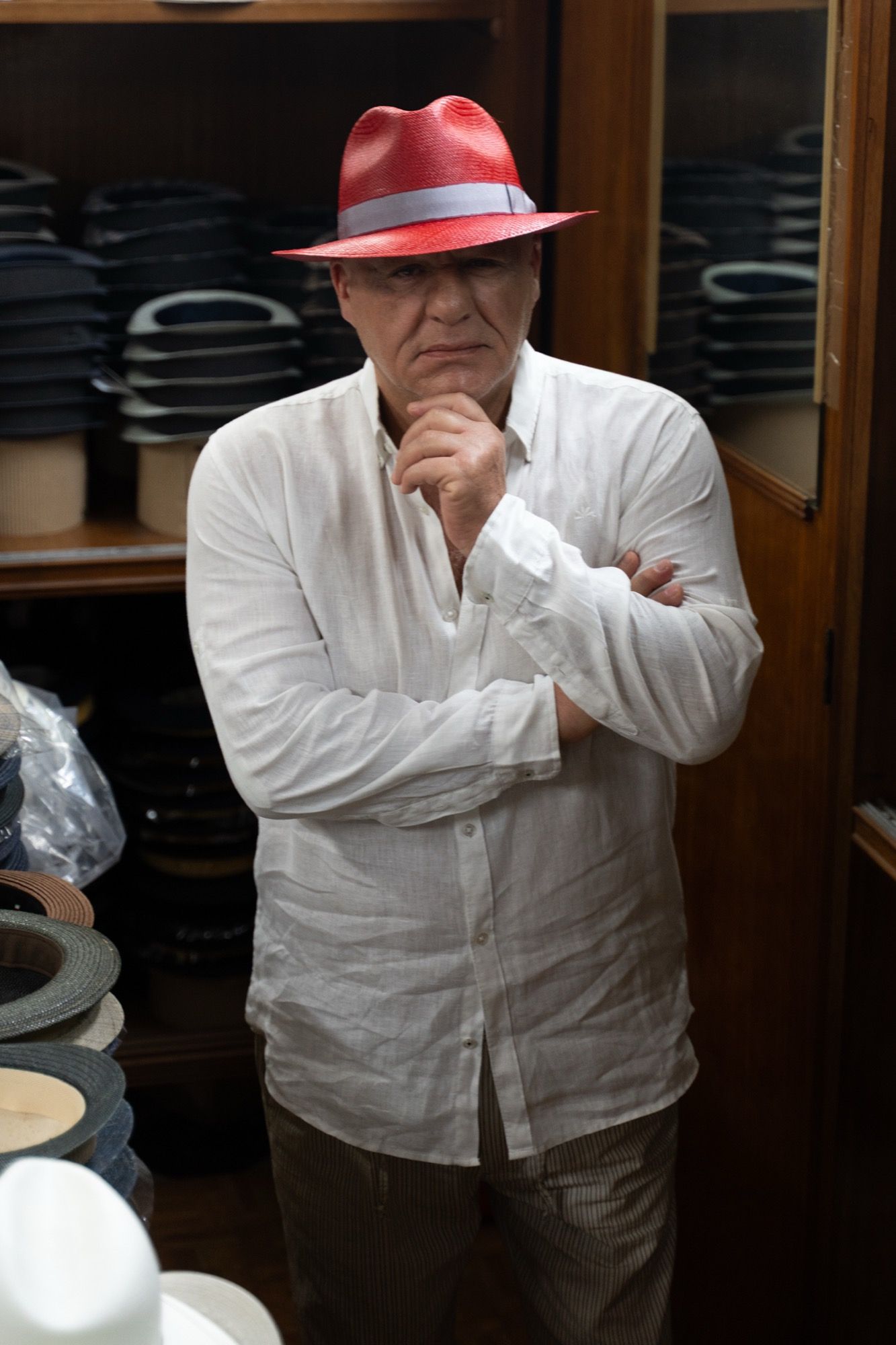
Edgardo Pistone: Going back to this humanity you've always known so well—and portrayed so beautifully, giving it not only a political but also a poetic dimension—is there a story, a film, anything that makes you think: I wish I had written that?
Peppe Lanzetta: Well, by the time I started writing, Vittorio Tondelli had already published Altri libertini, Pao Pao and Camere separate. He died of AIDS at just thirty-six. He was from Reggio Emilia, and for me he represented the bridge between the America I was looking towards and the Italy that was beginning to change.
Edgardo Pistone: And what about cinema?
Peppe Lanzetta: Don't Be Bad, by Claudio Caligari, which was completed by Valerio Mastandrea after Caligari's death. That portrait of Ostia in the 1990s felt deeply connected to the stories I was writing back then—and perhaps the stories I've always written. Those were the lives that interested me. I was truly saddened that Caligari, who had already made Amore Tossico, wasn't able to finish the film himself. That submerged world eventually evolved into the violent universe of Suburra, which, by that point, had already stopped interesting me. What moved me in Caligari's work was the delicacy with which he portrayed people's souls. Other films exploring similar territory never achieved quite the same result.
Edgardo Pistone: If a young filmmaker wanted to adapt one of your books for the screen, what would you ask them never to betray? The atmosphere? The characters? A certain idea of humanity?
Peppe Lanzetta: Whenever someone approaches a literary work, you also have to respect their own vision of it. The important thing, as you said, is not to betray it. Not to betray the soul of the work itself. Ultimately, I believe the only thing I'll truly leave behind is what I've written—words that still move me today. That's probably why, fifteen years after Infernapoli, I haven't managed to write another book. Maybe I already gave everything I had to that process.
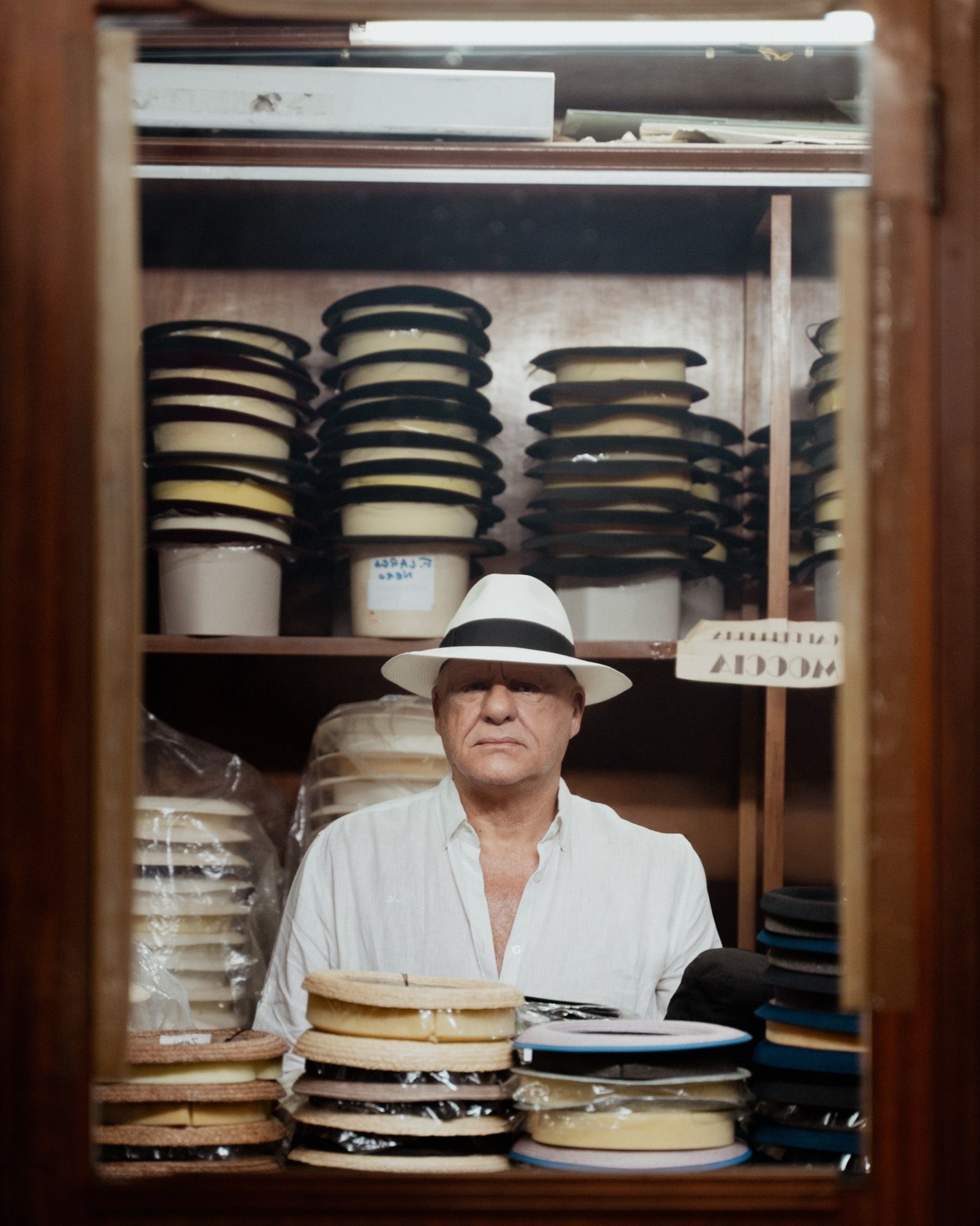
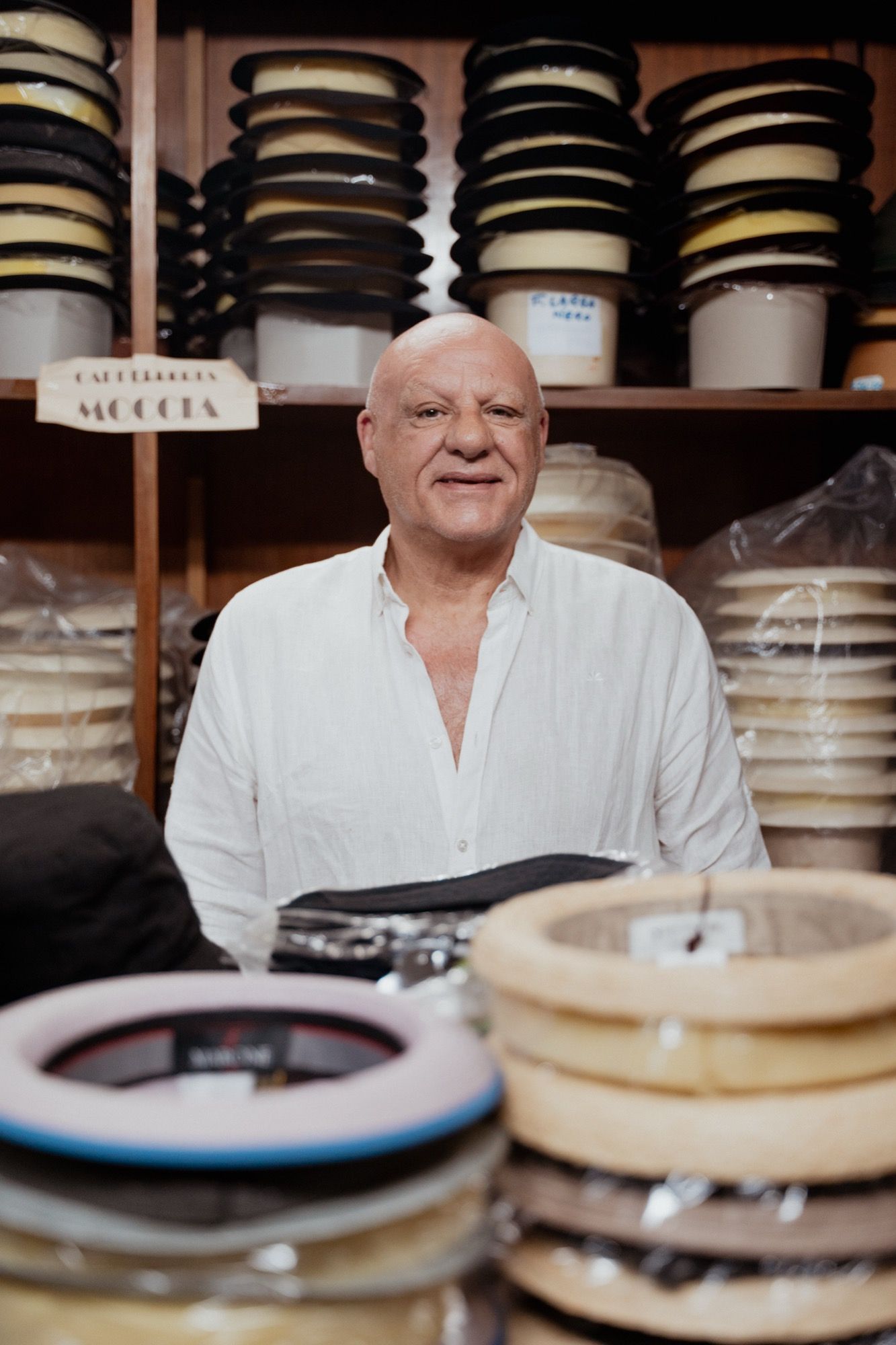
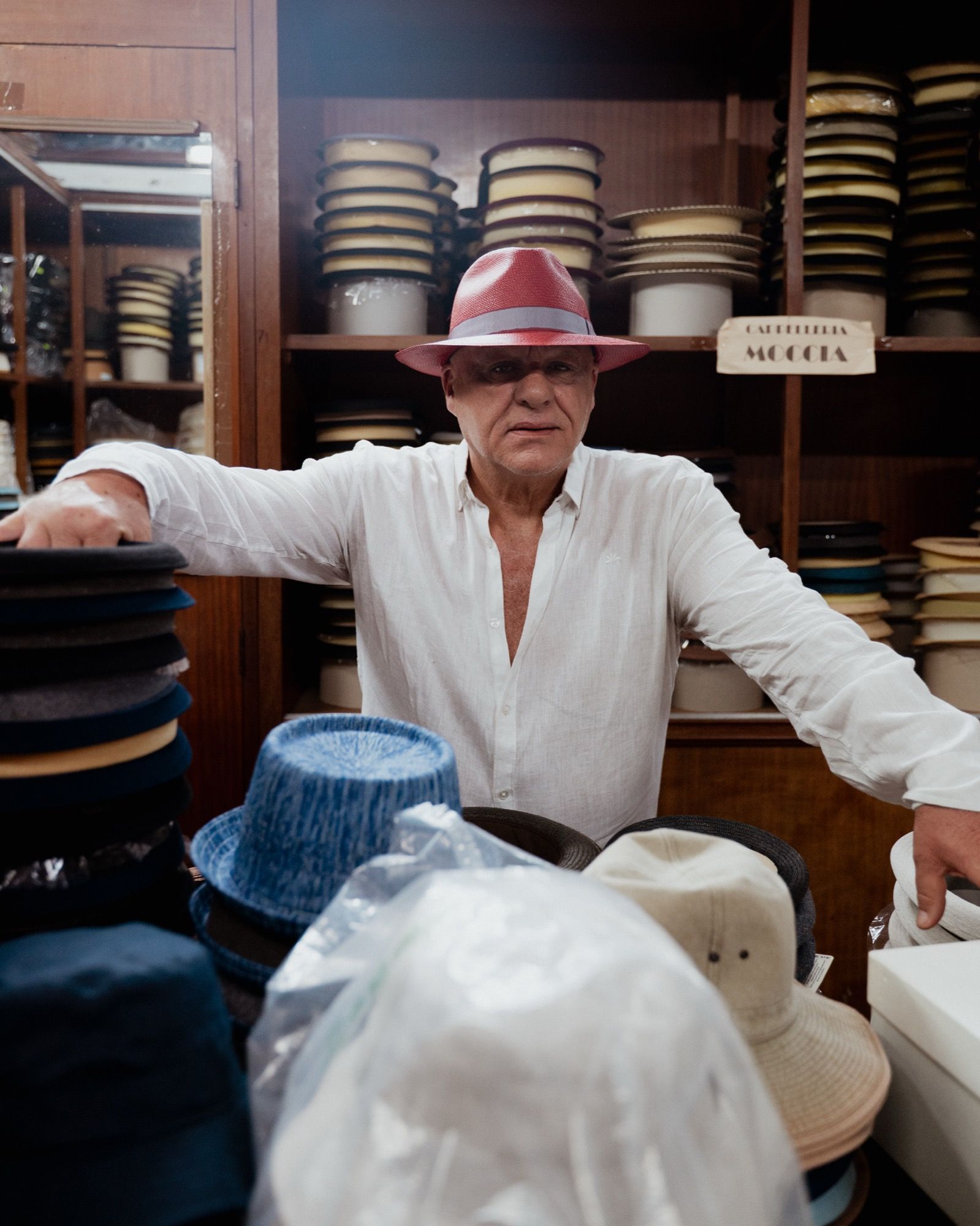
Edgardo Pistone: For years you've written about people living on the margins of mainstream representation. Today those margins are constantly photographed, stereotyped, narrated—and above all, exposed.
Peppe Lanzetta: And that makes me sad. It reminds me of tourists who spend two days in Naples and then say, "I've seen Naples." We belong to a cultural and moral community shaped by a kind of pain that you can only understand if you've lived it. Of course Naples has changed, and it's good that tourists come here, but anyone approaching this city—this world—should first of all be honest with themselves. After that, everyone is free to do whatever they believe is right. Pasolini once said that Naples would be the last tribe, that rather than surrender to homogenization it would destroy itself. But Naples, too, has surrendered to homogenization. So perhaps that famous idea from decades ago no longer holds true.
Edgardo Pistone: Today's image of Naples seems to oscillate between fascination and consumption. Is there a film set in Naples that, in your opinion, managed to portray the city without betraying it?
Peppe Lanzetta: At the beginning of his career I really liked Pappi Corsicato, especially when he made Libera. It was irreverent, almost Spanish in spirit, with a visionary gaze. Then there are certainly the films of Antonio Capuano. There have been many remarkable debuts, including One Man Up by Paolo Sorrentino. Naples offers extraordinary stories, landscapes and scenery. The real challenge has always been avoiding fashionable rhetoric. But I still believe the best is yet to come.
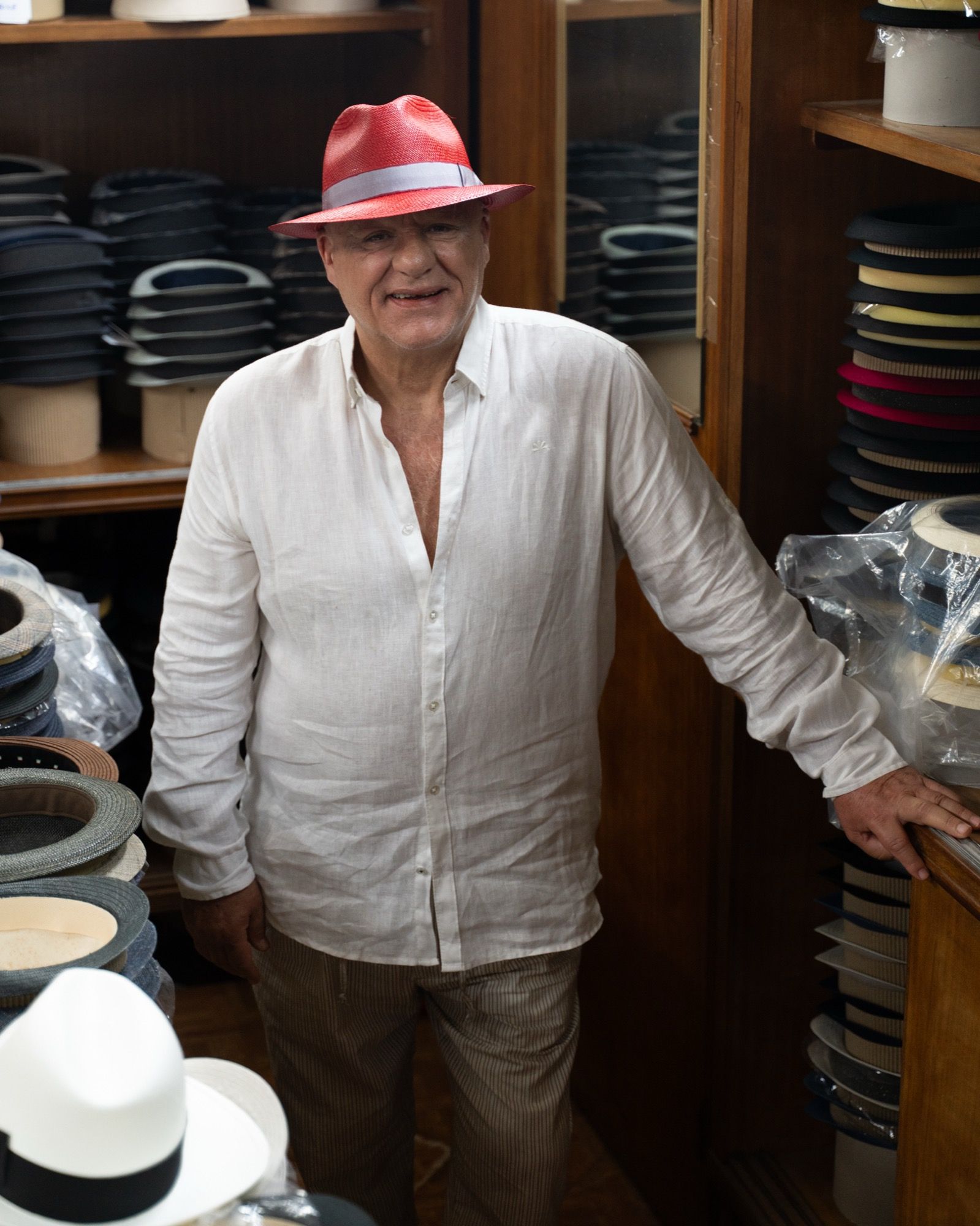
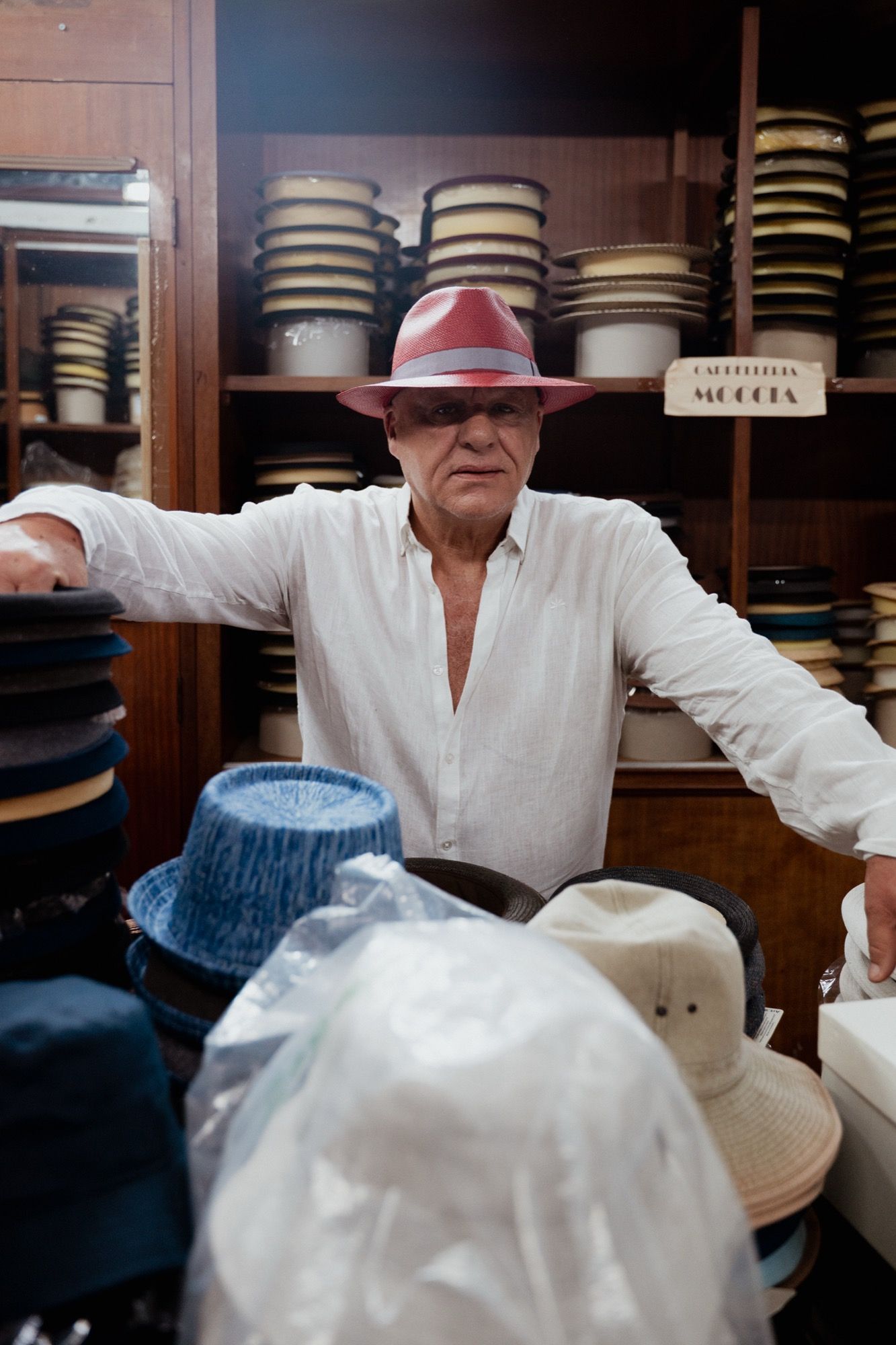
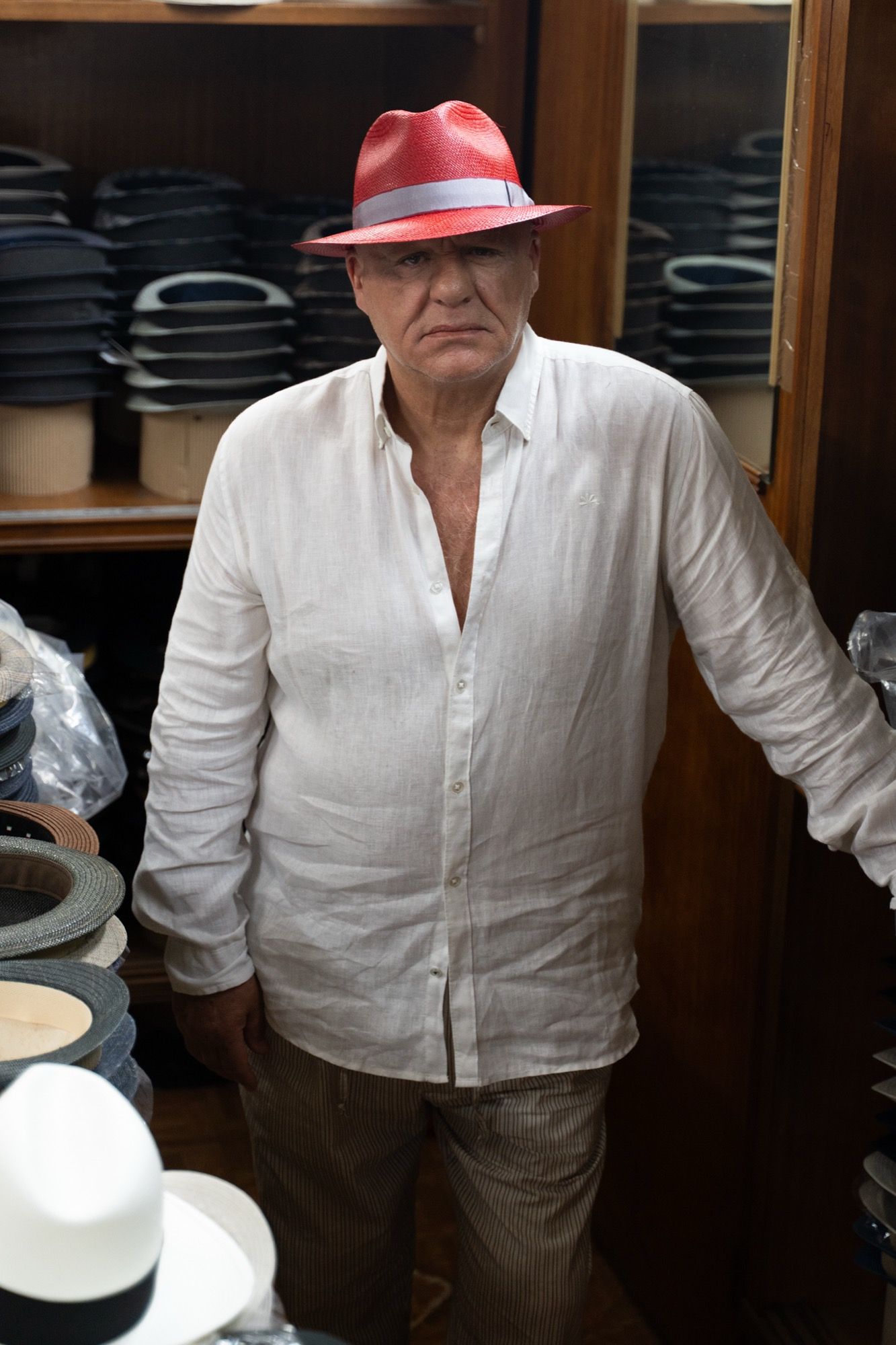
Edgardo Pistone: If you had to curate a retrospective of three or four films that shaped you the most, which ones would you choose?
Peppe Lanzetta: A Clockwork Orange, Last Tango in Paris, The Godfather, Barry Lyndon. Yes, definitely Last Tango in Paris. And Kubrick—anything by Kubrick deserves to be there.
Edgardo Pistone: I've always thought—and I may have told you this before—that to me you're first and foremost a poet. Then a novelist. Then a theatre director. And only after that, an actor.
Peppe Lanzetta: Thank you.
Edgardo Pistone: I truly mean that.
Peppe Lanzetta: I know. Maybe that's what remains because, just as I grew up reading Pasolini—even when I couldn't fully grasp his more demanding poetry, The Religion of My Time or The Ashes of Gramsci—his novels made me understand that there was another side of humanity worth telling. That's all I've tried to do. I've simply tried to extend the gaze of those great figures who came before us.
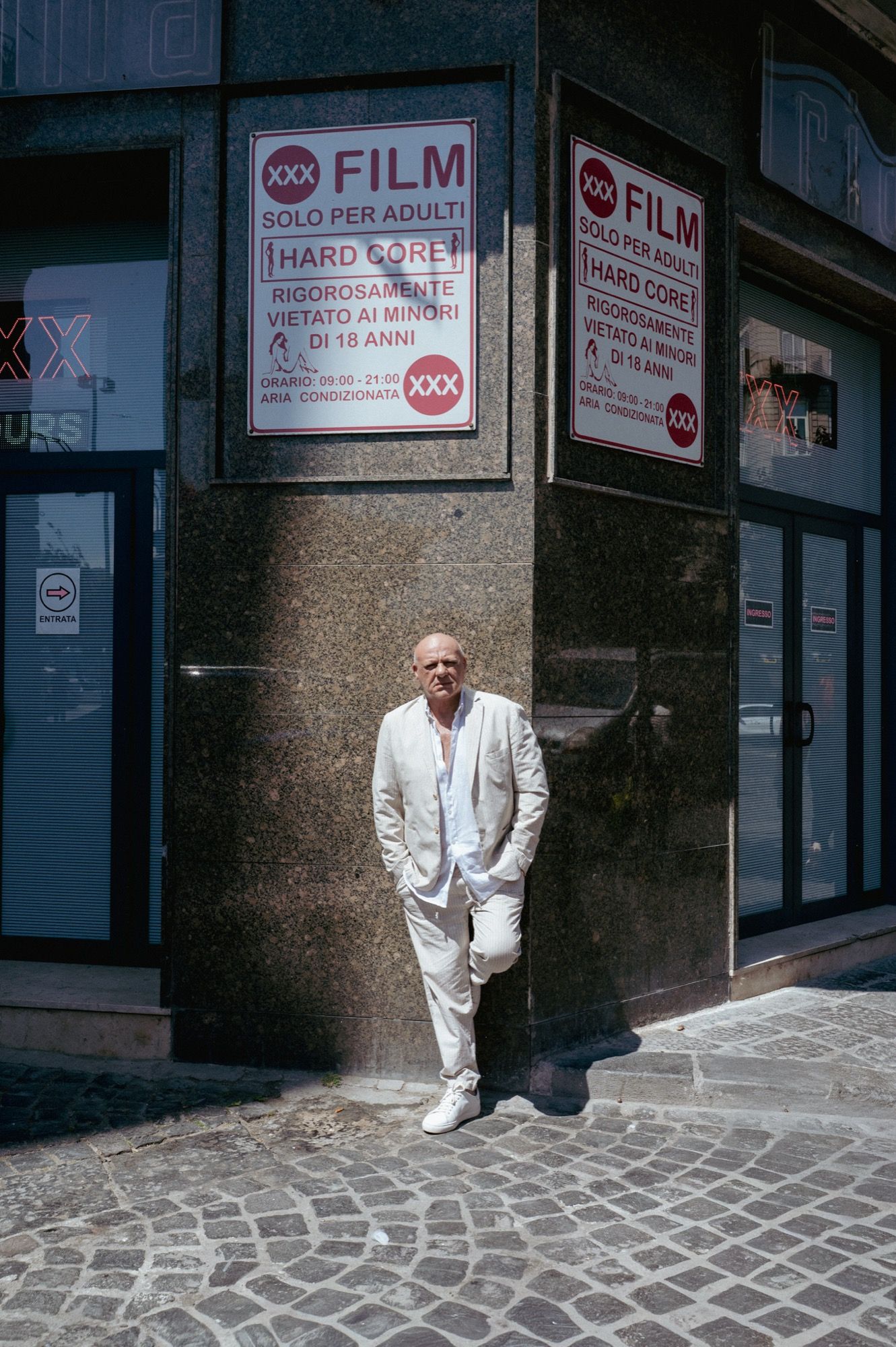
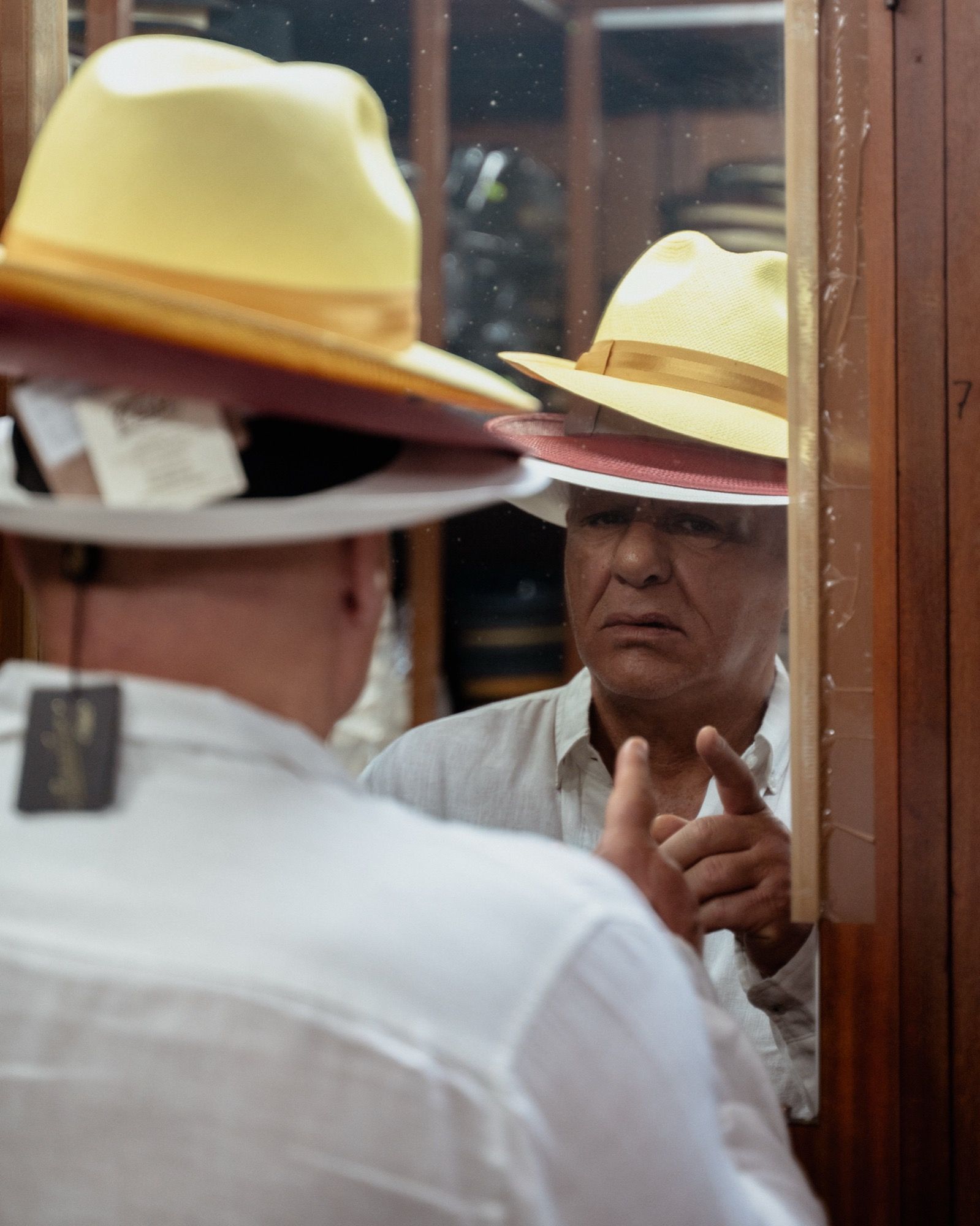
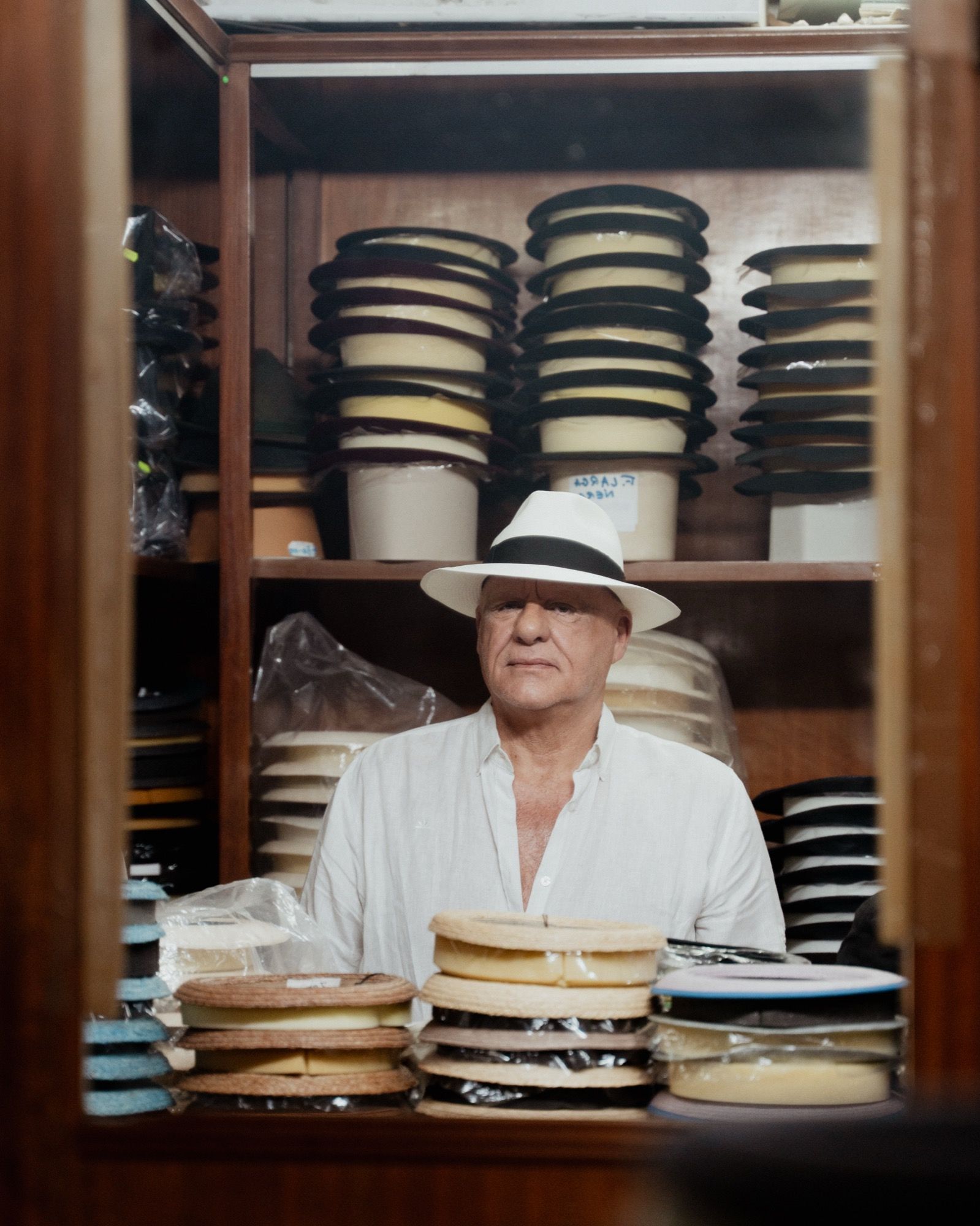
Edgardo Pistone: And speaking of poets—who were once seen as having an almost civic role, a public function—today that voice seems far more marginal. Being a poet has become little more than a noun.
Peppe Lanzetta: It's a joke, Edgà. A complete joke. The moral decline we've reached explains just about everything there is to understand.
Edgardo Pistone: Don't you think that this tendency you describe as a joke—however bitterly—is also the greatest form of freedom we've been granted? The freedom of someone who still chooses to pursue beauty and lightness?
Peppe Lanzetta: Absolutely. I've spent my whole life longing for freedom—not individualism, but freedom—always knowing there would be a price to pay. And I have paid it. I'm still paying it. But last night I was performing in a town in Cilento, and this morning I decided to go for a swim in the sea. To me, that's freedom in its purest form—the freedom I've always wanted to allow myself. Living without anxiety, without constantly chasing things, money, power or institutions. I've never given a damn about any of that. Freedom always comes at a price, and I've paid mine. For years, I've paid it. Now I'm here, and at seventy years old, I think I've earned the right to enjoy a little happiness.
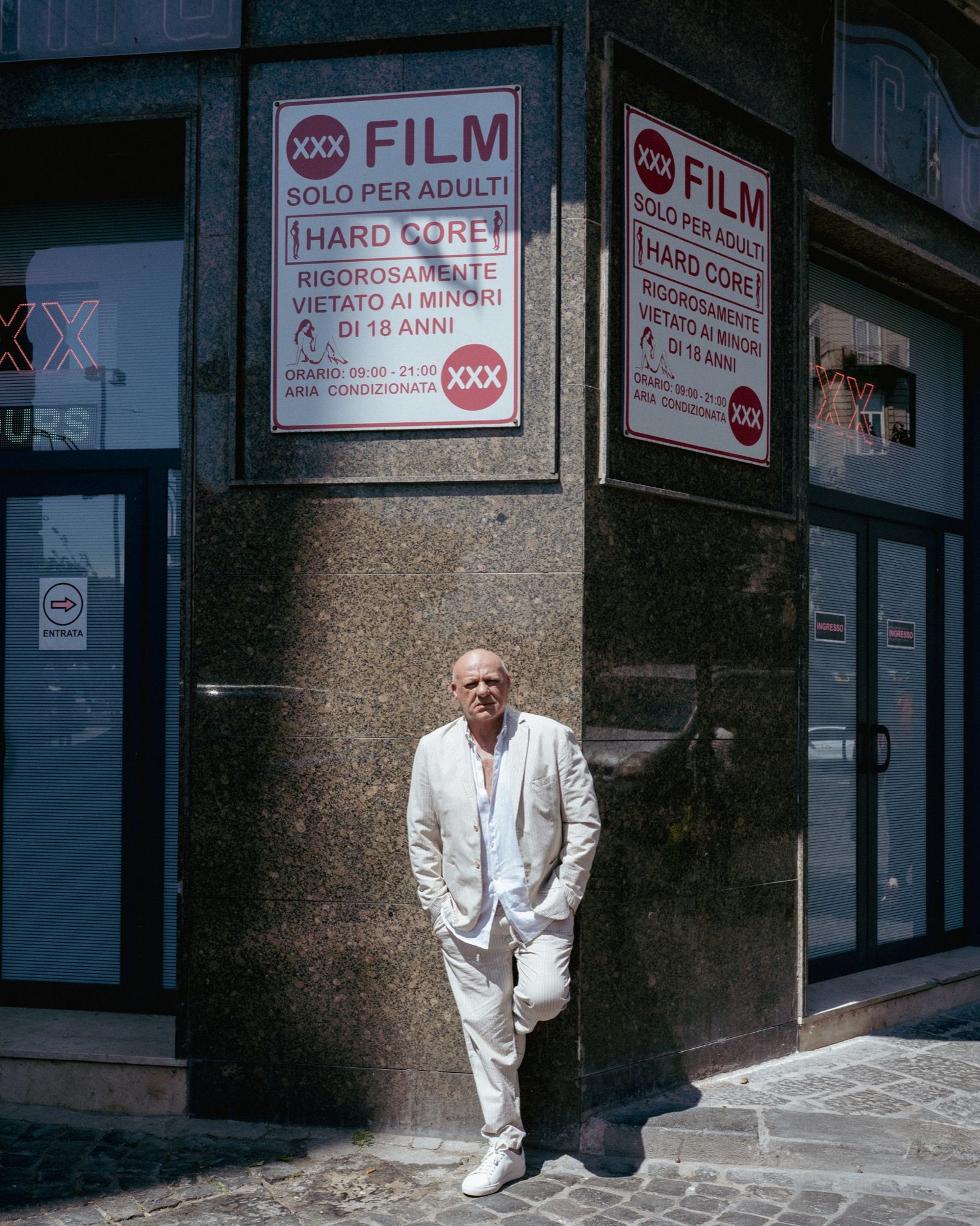
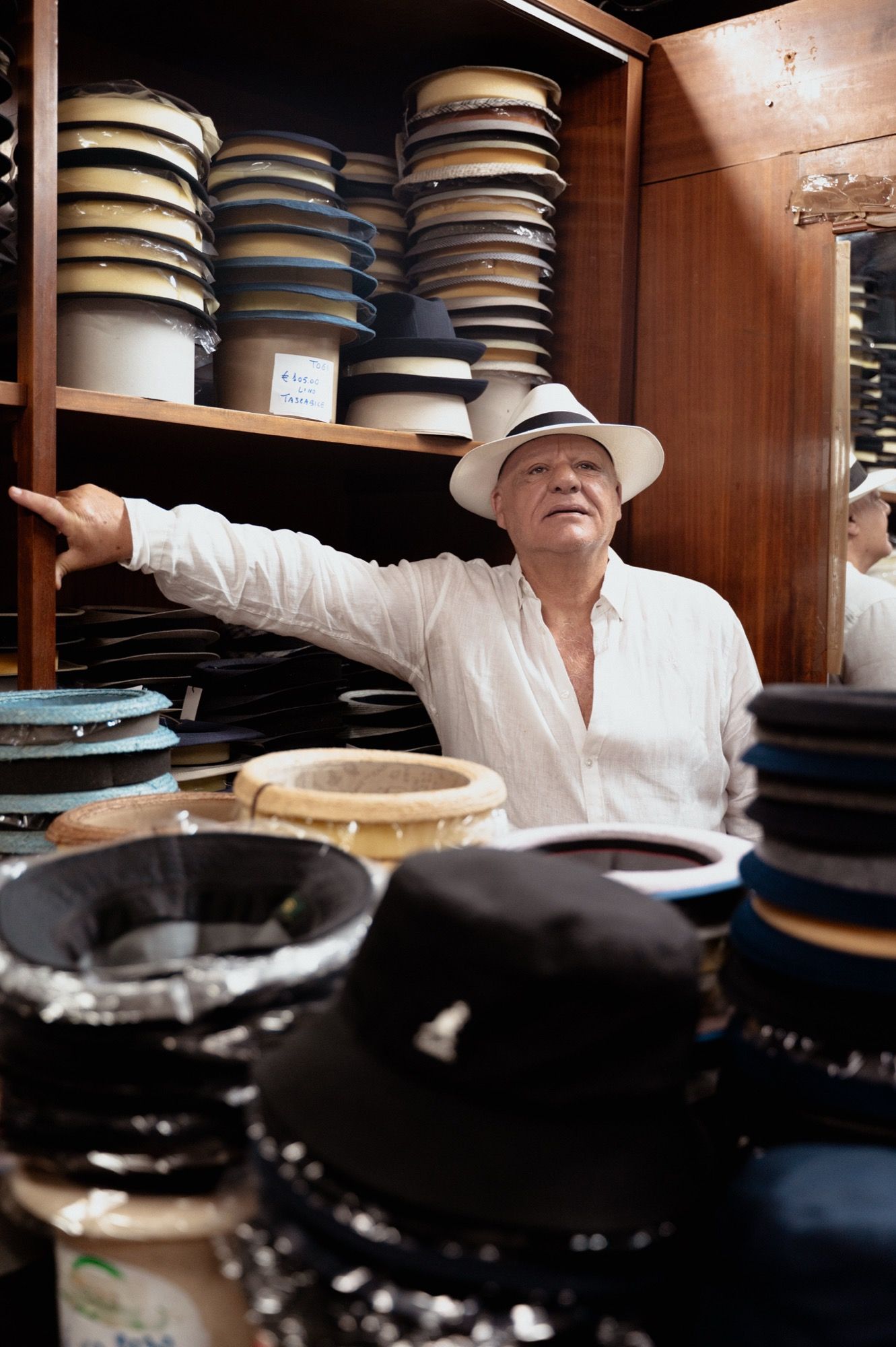
Edgardo Pistone: Staying with the idea of freedom and poetry—which may sound like grand words, but they're still words, and we have the right, perhaps even the duty, to use them—do you think there are contemporary filmmakers capable of conveying that same sense of poetry and freedom?
Peppe Lanzetta: Well, here we are, you and I, talking. Maybe it's a coincidence, maybe it isn't. As far as I'm concerned, you're the finest expression of this kind of cinema to emerge in recent years. I have to admit I haven't seen much of the independent cinema that's been celebrated and awarded lately. But if I had to name someone, I'd name you without hesitation. Just as I loved the work of Ciprì and Maresco back then, and later Black Souls by Francesco Munzi, today I'd say you. Because I don't think the recognition you've received has come by chance.
Edgardo Pistone: Obviously I can't include that in the interview…
Peppe Lanzetta: But I genuinely believe it. And you should leave it in.
Edgardo Pistone: One last thing—just one final question. What do you think is the one word our vocabulary is missing the most today?
Peppe Lanzetta: Humanity.