November 5th, 2026
Dinner is served at strangers' homes: welcome to home restaurants Halfway between a restaurant and a dinner at a friend's place, the new frontier of hospitality
It was 2020 when we were gently urged to stay confined at home, and in a moment of need, we adapted and reinvented ourselves. Over the course of a few months, we took on the most varied roles: from gardener to plumber, from hairdresser to painter, but above all cook. We all remember the shelves at the local Esselunga being stormed: yeast, eggs and flour all became the most precious commodities for filling all that time none of us remembered ever having had before.
Nearly seven years have passed now, and habits have changed, but what has remained is an appreciation for hosting home-made from scratch dinner parties. A study published in 2021 in the scientific journal Food Quality and Preference, conducted on 3,060 Italians during the first lockdown, found that 51% of respondents appreciated meals eaten at home more than before the pandemic. A shift that restores the rediscovered value of eating in a more intimate setting, but which, paradoxically, allows for greater freedom of action. With the rediscovery of the home environment, there has been increasing talk of so-called home restaurants. But what exactly are they?
When the most exclusive restaurant is someone's apartment
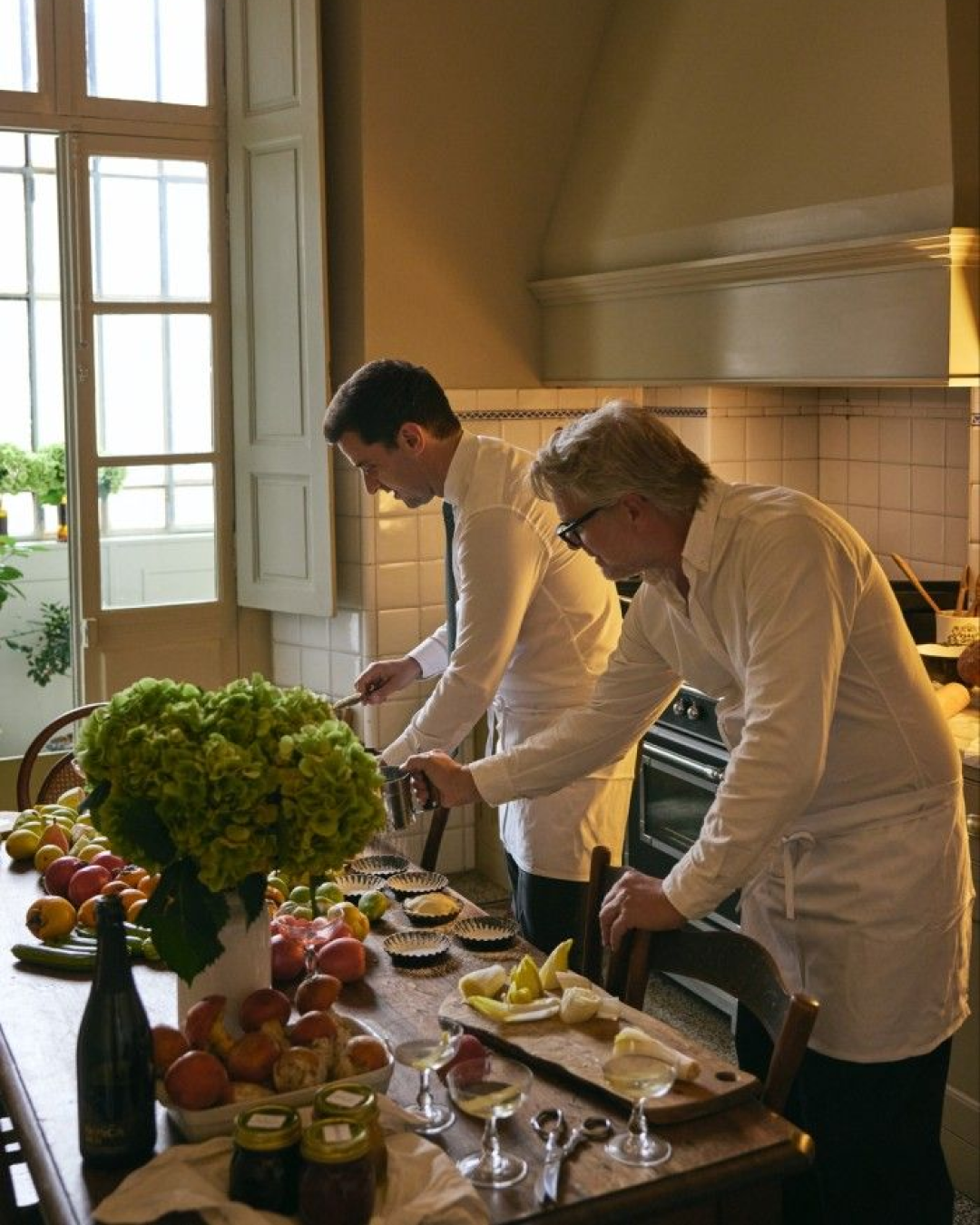
When going out for dinner costs too much and opening your own business becomes a complex undertaking, along come home restaurants, where you can serve a dinner worthy of a bistro right in the four walls of your living room. Born from the Cuban tradition of casas particulares back in 1997, they soon made their way into the United States, before crossing the Atlantic and winning over England. They have made it all the way to us, as a natural extension of social tables and private chefs, and they work. Their great popularity stems from their hybrid nature: they promise the exclusivity of a single-table restaurant, combined with the informality and warmth of a home environment.
Since the pandemic, home restaurants seem to be enjoying a second season. According to data reported by Gambero Rosso, in the first half of 2025 the Italian platform Home Restaurant Hotel recorded user growth of 113%. A significant signal of interest in this model, which fits into an evolving landscape: in January 2026, a bill presented to the Senate estimated over 10,000 active home restaurants in Italy. There is still no national census, however, that would allow for a precise measurement of how much the sector has grown since the end of pandemic restrictions.
Drop everything and open a home restaurant
If until recently, when daily life became unbearable, people dreamed of escaping to some island, today more and more hospitality industry professionals are choosing to change direction and try their hand at home dining. Such is the case of Dimitri Grassi with his Capetoste, experimenting with his clandestine dinners in Irpinia: his homeland, gentle and unforgiving. He currently offers two events per month for a maximum of eight people, while his project continues to grow and gain popularity.
In Sant'Antioco, Sardinia, in a typical Campidanese house dating back to the nineteenth century, Da Zia Pinuccia was born: the home restaurant project of Stefano Pintus and Manuela, where eight lucky guests at a time can sample traditional Sardinian recipes made with zero-kilometre ingredients, all within a setting that evokes the cosy homes (or farmhouses) of old aunts. Home restaurants are also thriving among farmsteads and more exclusive experiences, as is the case in Piedmont at Rantan, the home of Francesco Scarrone and Carol Choi, who, having met in Denmark, transform their international influences into a mountain farm with fourteen seats.
The new frontier of Gen Z
It is no coincidence that the appeal of home restaurants also runs through Gen Z – renowned for being the generation that doesn't go out, doesn't drink, doesn't have fun, and every other cliché you can think of. Whether this inclination toward the domestic stems from an uncertain economic climate or a genuine preference for gathering in a more intimate setting, we cannot say. What we do know, however, is that you don't need to be a chef to try your hand at this new frontier of dining.
Social Music Dinner is a project by four young people – Tommaso, Pepe, Federico and Niccolò – that reinvents the home restaurant concept in a modern key. Designed for young people, it combines show cooking with ever-changing DJ sets. Their concept reconciles the idea of gathering in private homes with that of actually logging off the internet and meeting new people; each dinner hosts 30 strangers and is served standing up.
Michelle Stephanie Coran, with her format MessyTable in Lugano, opens the doors of her home: eight seats, a passion for cooking, and ever-changing themed dinners. Even Roberta Branchini, a member of the group Il Pagante, spent a period exploring the home restaurant path, organising dinners at home in various Italian cities with the aim of bringing new people together – and even though she wasn't the one doing the cooking, the project was a great success among the very young. So the question is no longer: "Shall we book a restaurant?" but "Tonight, shall we do it at mine?".