October 16th, 2026
The Mercato Isola in Milan is the best example of what we mean today by a third place When historic venues keep pace with the times they live in, they revitalize an entire neighborhood
How many times have you heard about third places lately? These are the places that come third, after home and after work. Ray Oldenburg describes them as accessible, informal, reasonably affordable, and conducive to socialising by levelling out differences. Historically, then, nothing is more of a third place than the neighbourhood market: everyone goes there, from the elderly grandmother to the out-of-town student — people chat, and in some way it breaks the routine by taking you outside your own four walls.
Milan's Island
What we know as Mercato Isola was for a long time one of the oldest covered neighbourhood markets in the city. Back then it was simply known as Mercato Zara, while Isola was a rural area, first artisanal and then working-class — a small village isolated from the rest of the city. In 1865, railway lines to Como and Varese were built, physically transforming the neighbourhood into a small island — hence the name — reachable only via a few pedestrian footbridges.
The image of a Milan divided into various neighbourhoods is something that has long since given way to the city's many bus routes, but it is not hard to imagine the importance that a gathering point of that kind must have had even back then. Whether it was too cold and people were looking for somewhere to warm up, or to cool off in summer, to buy fresh fish or seasonal fruit, the market met a practical need and ended up satisfying a desire for social connection as well.
The market as a social hub
@fede_radaelli @Giannasi 1967 x Fame Club #giannasi1967 #giannasidal1967 #roastchicken #milano #milan Love The Day - FusedThreeD
Today, Mercato Isola is reborn alongside its city, thanks to a project that initially might have seemed overly ambitious. How do you renovate a central landmark of the neighbourhood without stripping it of its identity? The fabric of Milan has changed considerably in recent years, and with it the neighbourhoods themselves. Isola has effectively become a young destination buzzing with students and offices. Residential, yes, but also cool in the evening hours, as the new openings attest. At the heart of the project is the desire to preserve its community-building character, where people should feel welcomed and the space speaks a common language for everyone.
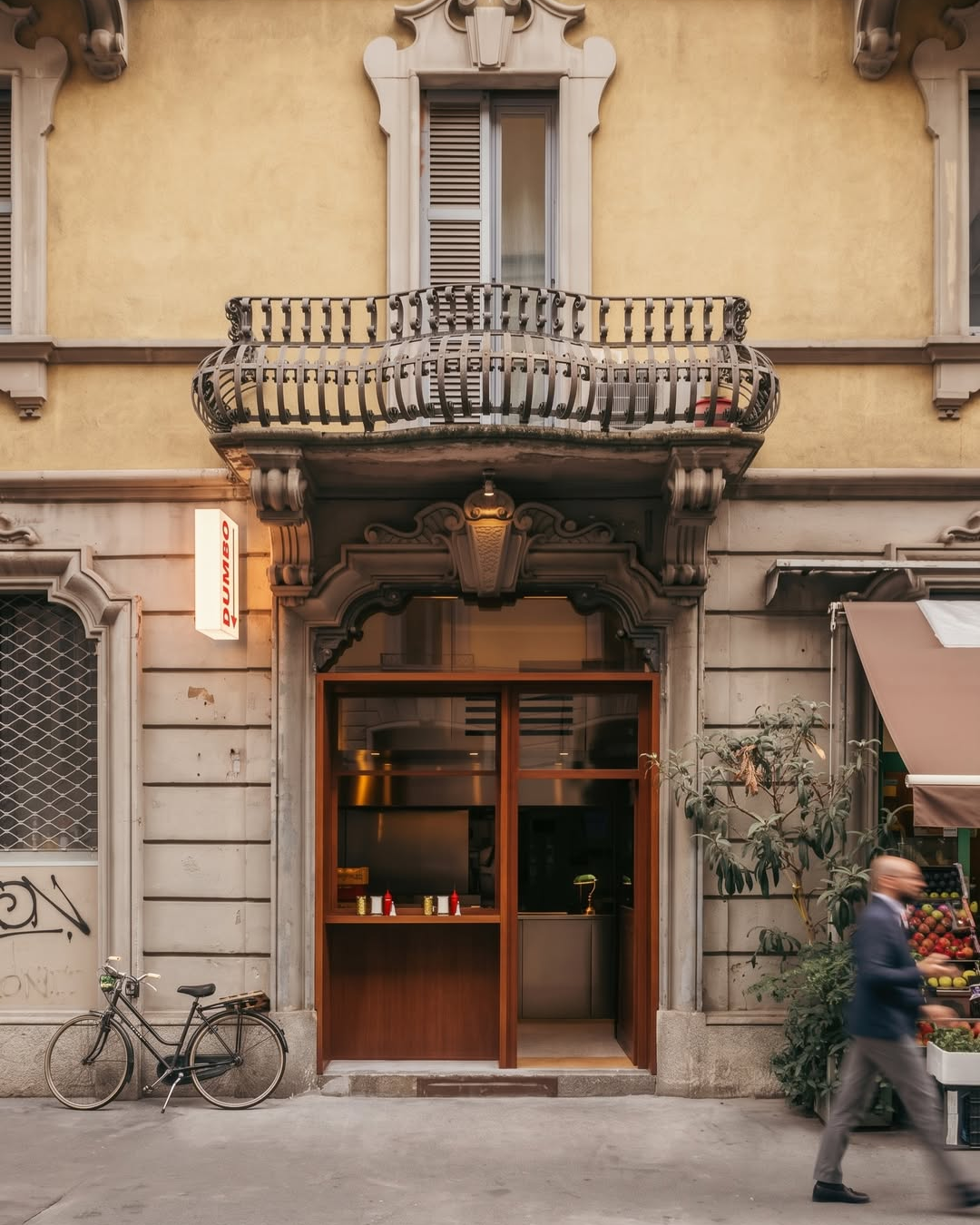
Indeed, the walls and external structure have remained the same; the market's aesthetic familiarity has not changed. Inside, however, there is an attempt to create a social hub in the area, with an offering that ranges from long-standing, recognisable partners such as Giannasi to international concepts like the best smash burgers in Paris, from Dumbo. The new market excludes no one and finds common ground with its new audience.
You don't have to eat the same thing to sit at the same table
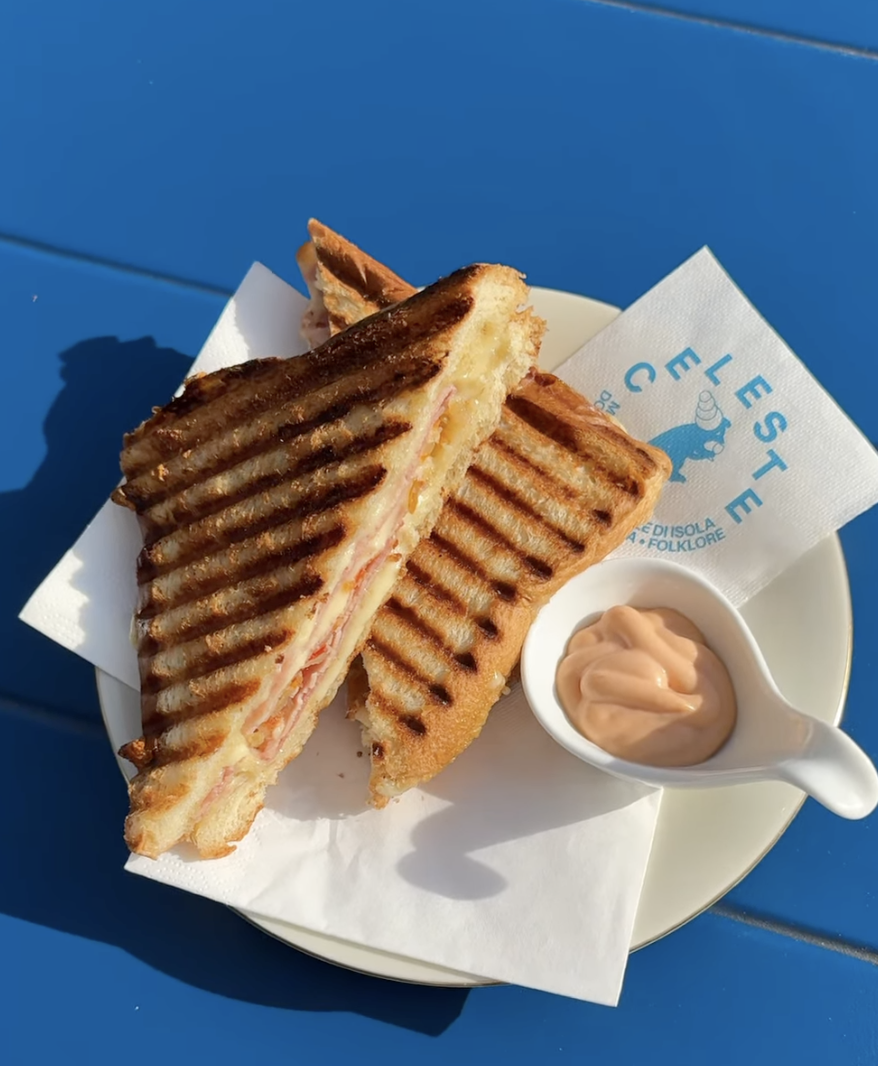
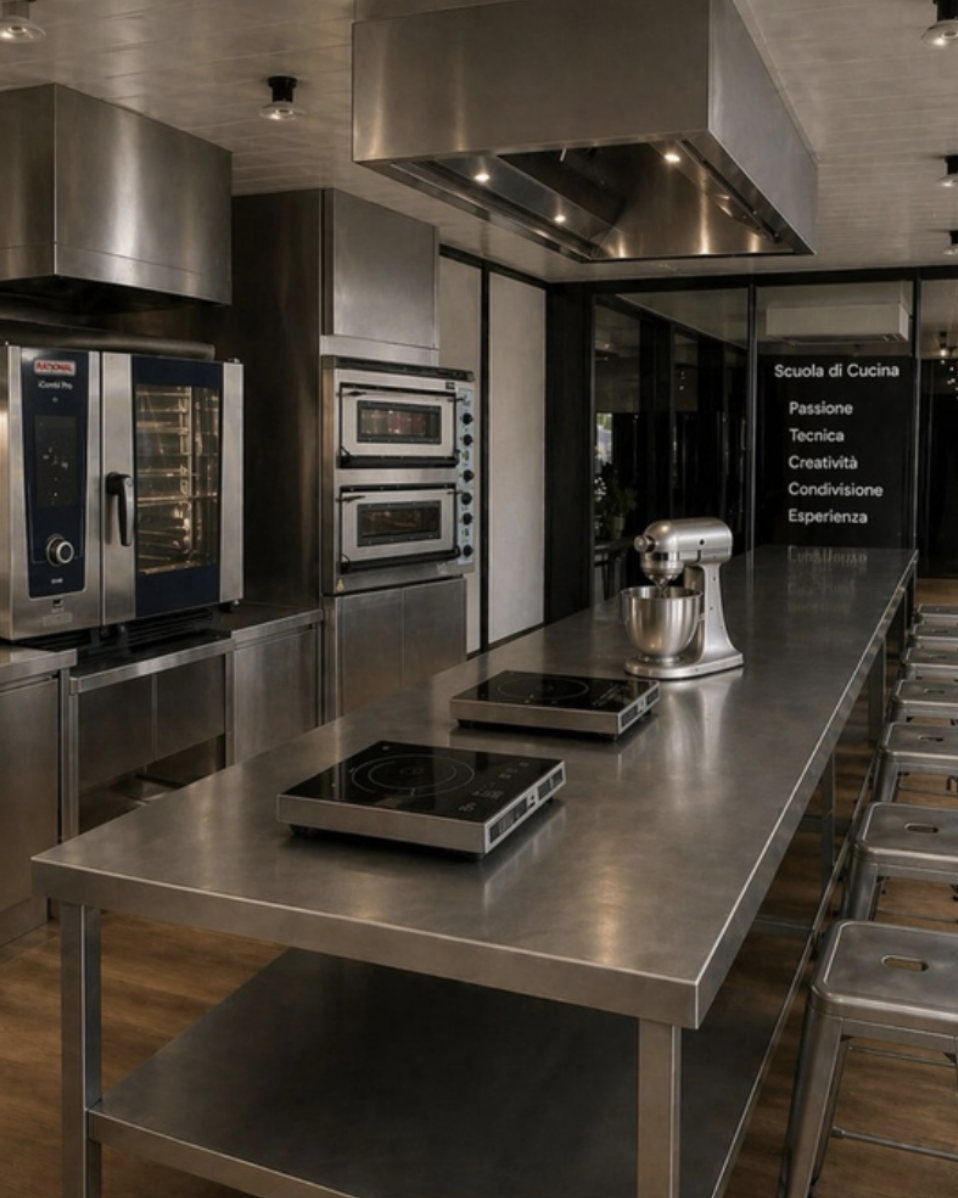
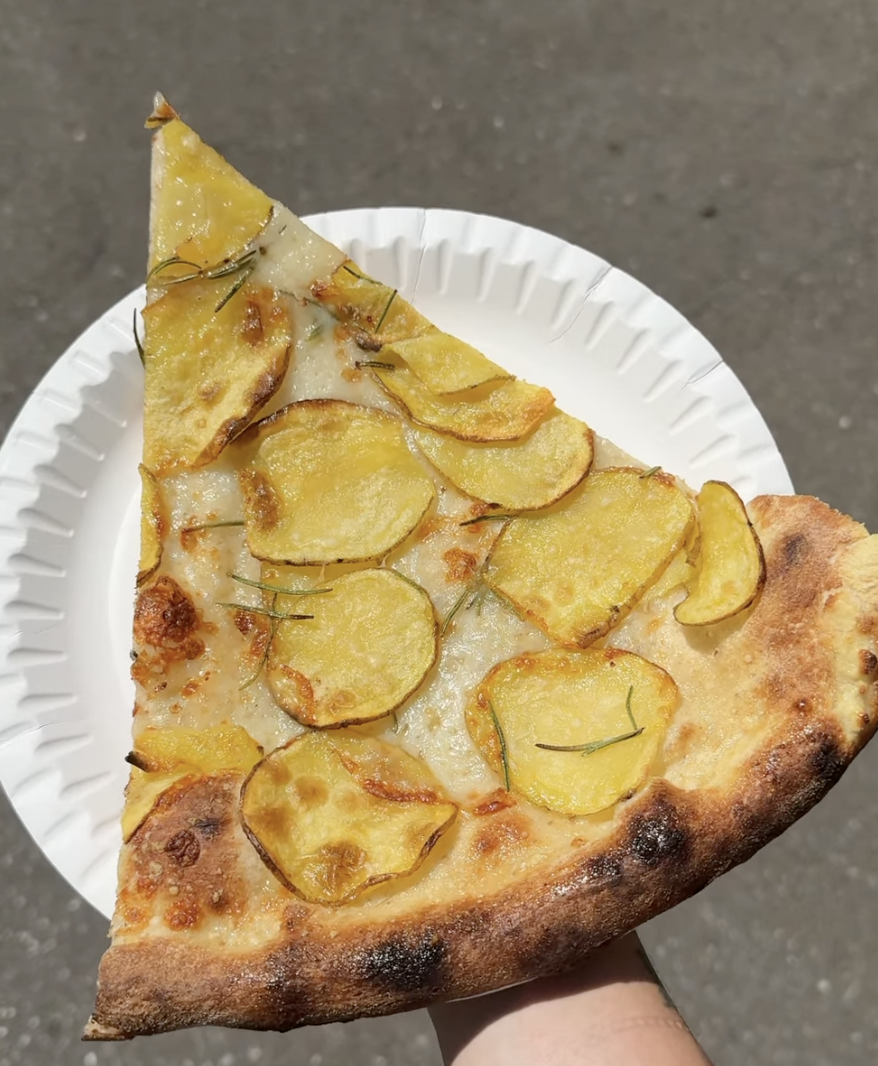

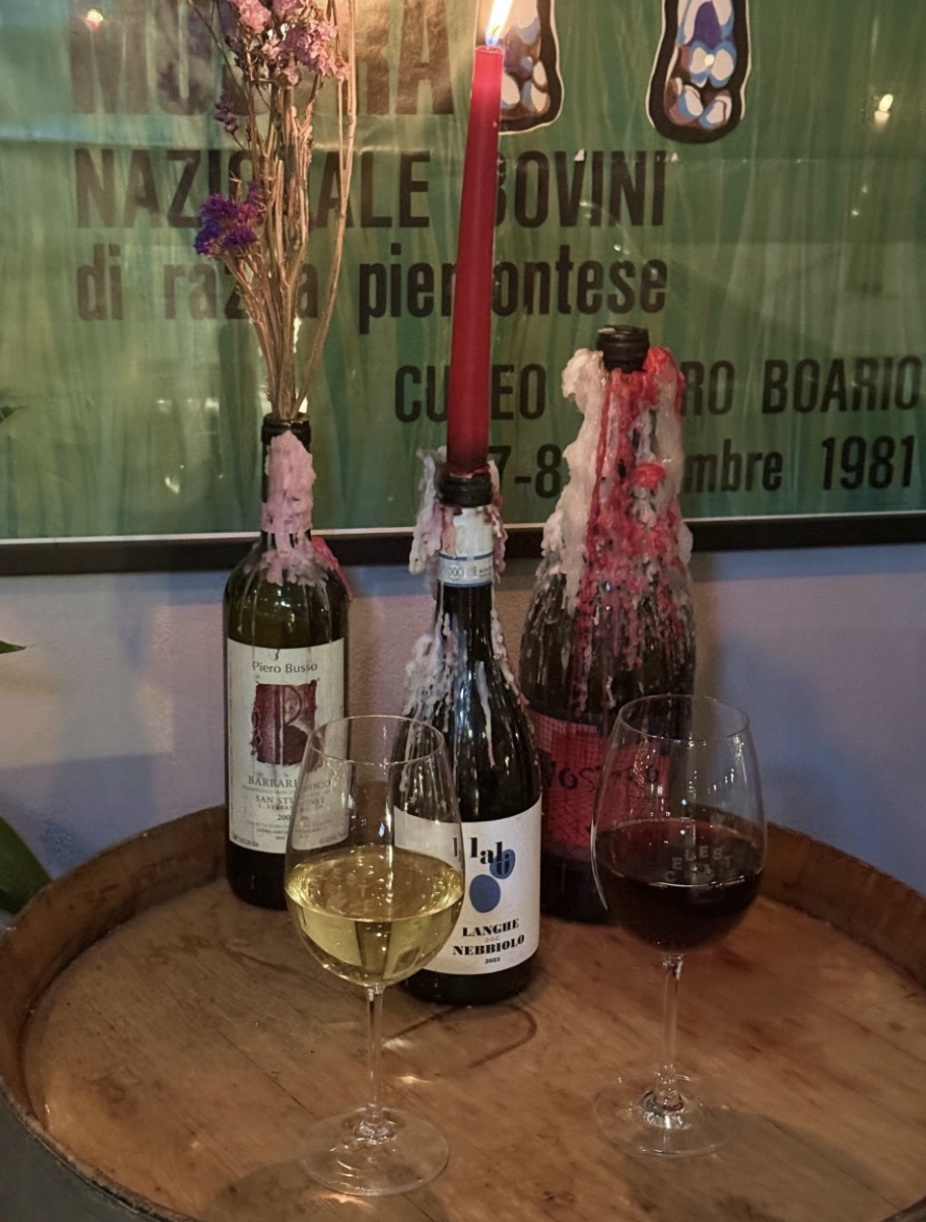
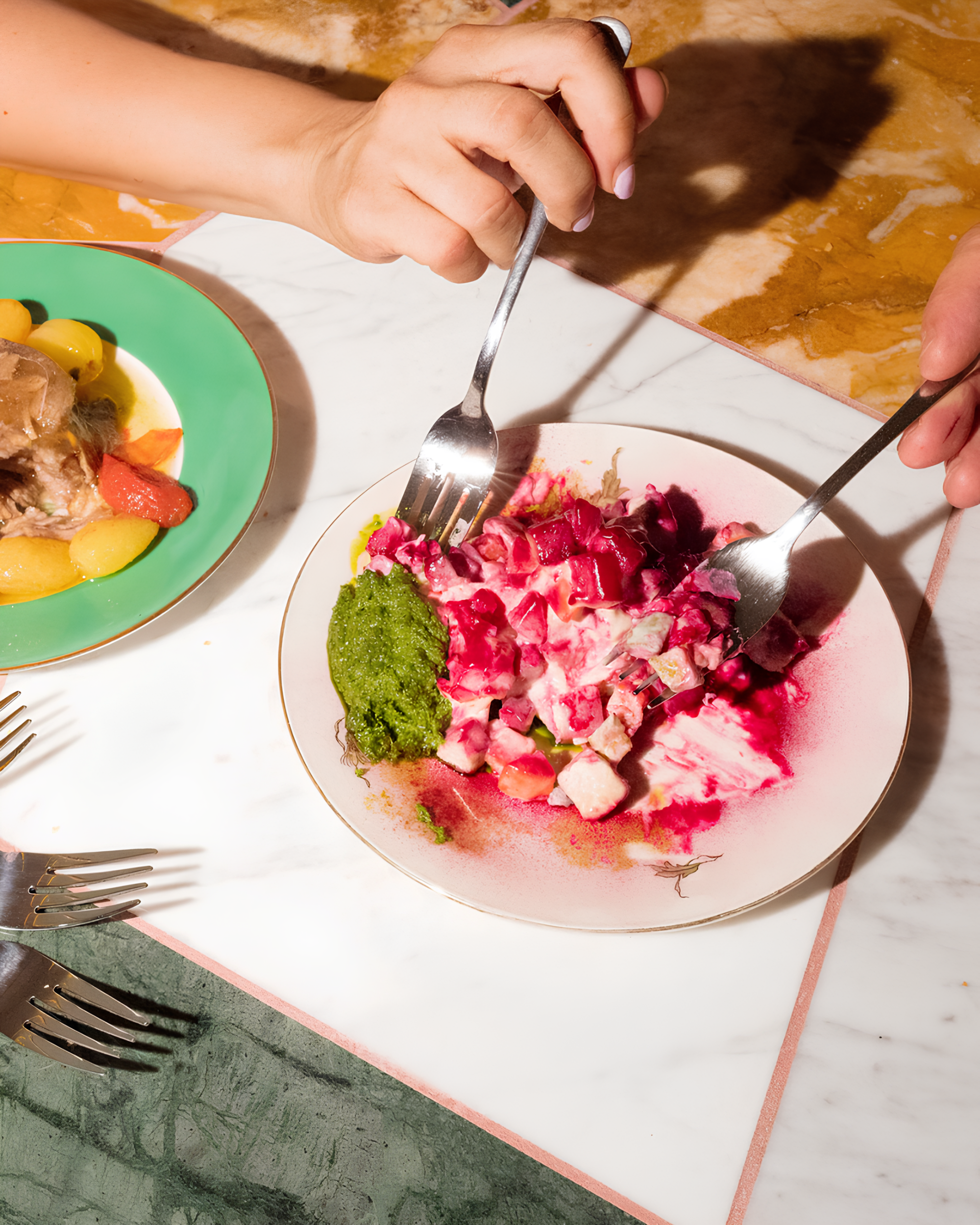
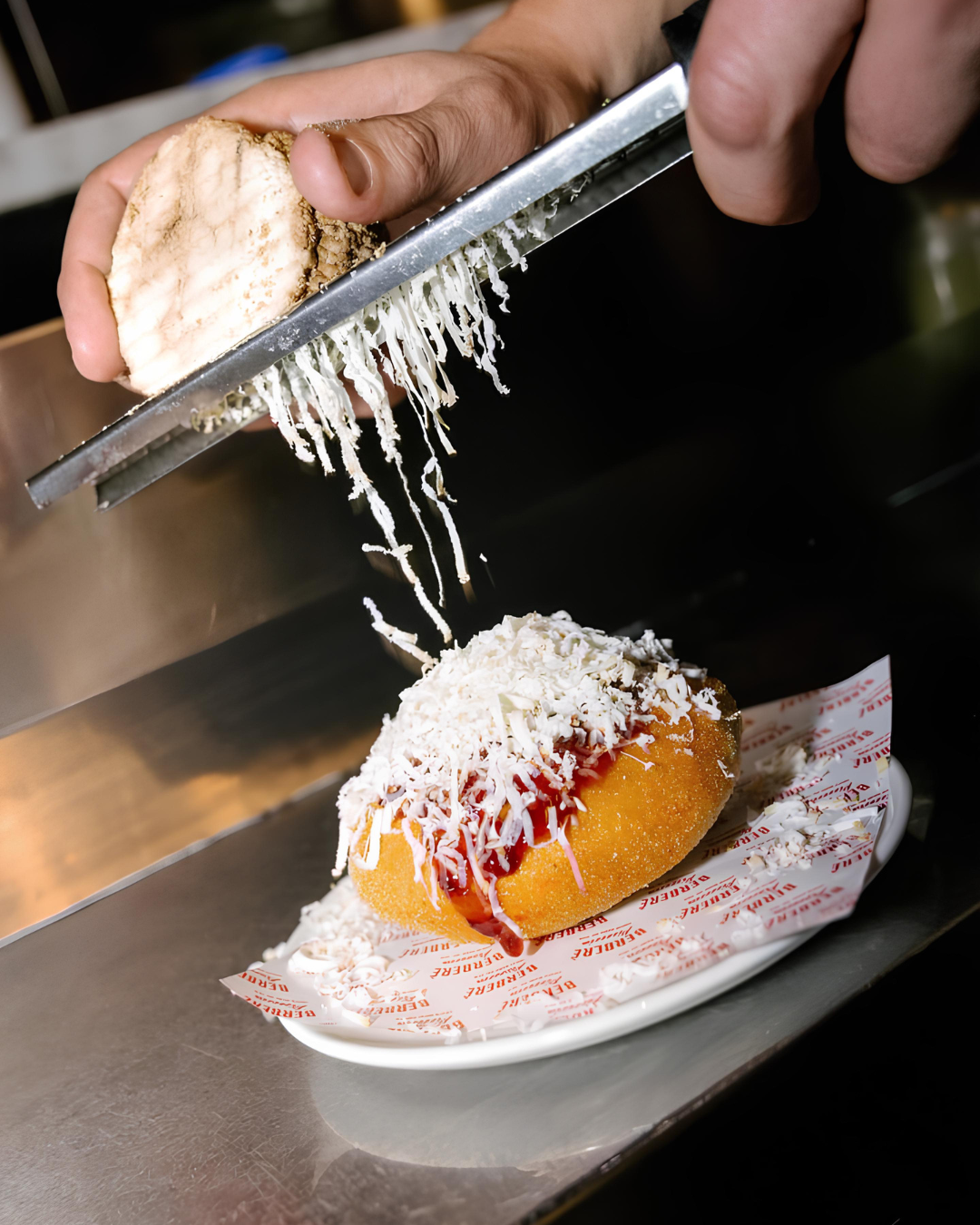
The market holds together the different souls of the Isola neighbourhood. Every day from 8:00 to 23:00, from breakfast through to a glass of wine with friends after dinner. It has also retained some of the market's original offerings, such as Azienda Agricola Slavaderi and Ortofrutto di Olus, while pairing tradition with innovation — as seen in Pizza Stella, where New York-style slice pizza is reimagined with Italian ingredients, or in the pop-Japanese creations of Katsusanderia. A space capable of seating up to 400 people transforms the market from an incidental meeting point into a deliberate choice, where people can spend time together without necessarily sharing the same tastes.
After all, in the Italian imagination, conviviality has always revolved around the table. The contemporary touch lies in having reimagined a space rooted in tradition through a modern lens, inviting people to sit together and sample new flavours. The idea of sharing extends beyond consumption with Food Genius Academy, an addition the market was missing — a space dedicated to cooking classes and workshops. Mercato Isola offers a new way of reading the neighbourhood it has helped to regenerate, transforming the island from a place that divides into a meeting point at the heart of a frenetic city.