August 14th, 2026
5 farms that are redefining the Italian countryside Between design, agriculture, and new ways of experiencing the landscape
Over the past few years, the countryside has become one of the most fascinating places to explore. No longer just an escape from the city, it has evolved into a space where agriculture, architecture, food, hospitality, and culture all speak the same language. Today, a farm can be a traditional masseria surrounded by olive groves, a biodynamic estate dotted with works of art, a self-sufficient agricultural property, or a place where every dish begins directly from the land. Italy is full of remarkable examples that are well worth a trip. Visiting these farms offers a broader perspective on the Italian countryside. Some focus on hospitality and beauty, others on biodiversity, local supply chains, agricultural heritage, or contemporary art. What they all share is one simple idea: the countryside is no longer standing still. It produces food, of course, but also architecture, culture, communities, imagery, and new forms of desire.
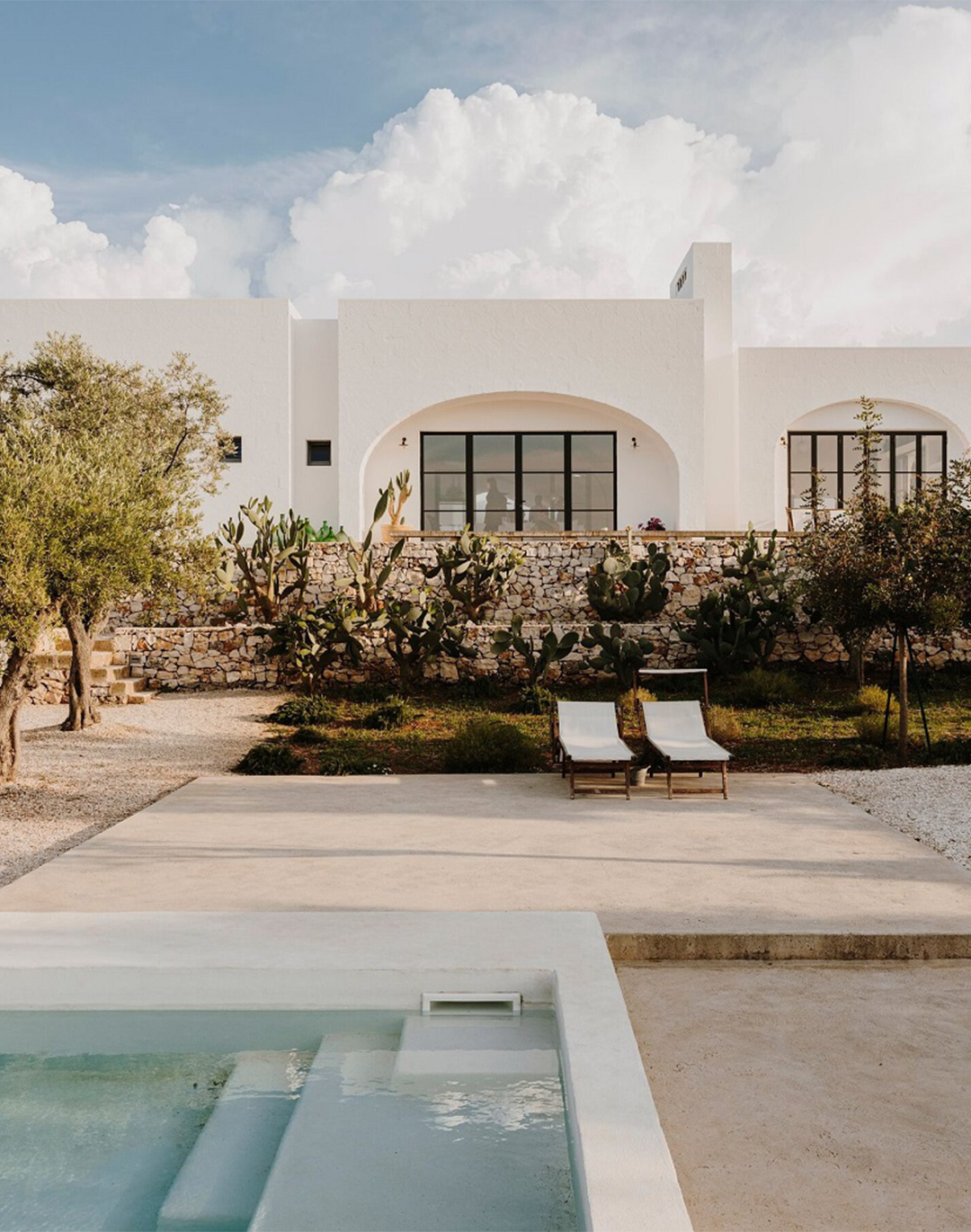
Masseria Moroseta, Ostuni (BR)
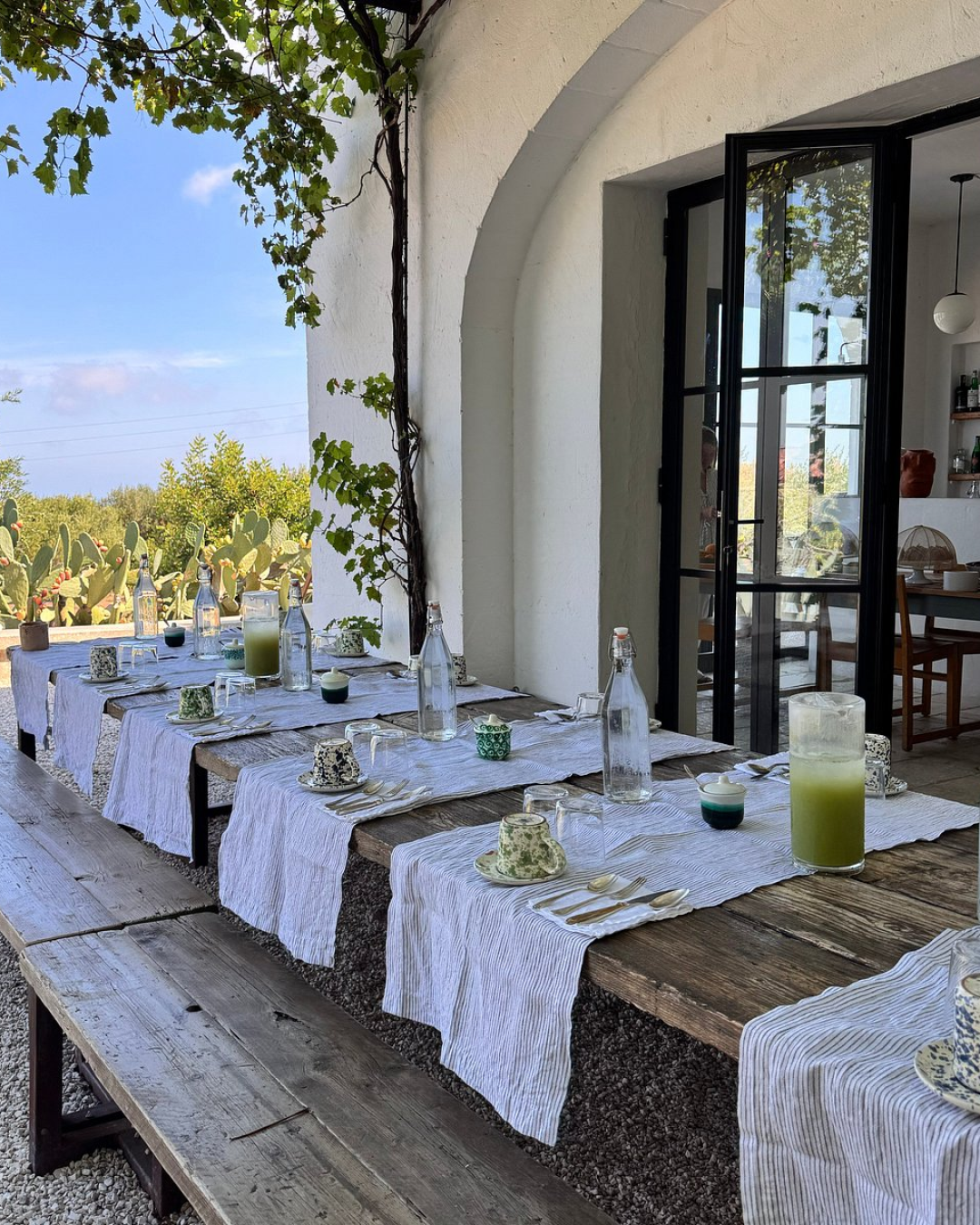
Among the olive groves of Ostuni, Masseria Moroseta has become one of the most recognizable examples of Italy's new generation of rural hospitality. Its official website describes it first and foremost as an organic farm immersed in nature, surrounded by both young and centuries-old olive trees that produce organic extra virgin olive oil. Its greatest strength, however, lies in the way this productive dimension meets a distinctive architectural vision. Designed by Studio Andrew Trotter, the white stone farmhouse reinterprets the traditional Apulian masseria through a minimalist, almost abstract lens. Arches, courtyards, whitewashed walls, Mediterranean cuisine, vegetable gardens, and the surrounding landscape come together to create a place where the countryside becomes an everyday aesthetic. It is the perfect farm to understand how contemporary rural tourism has evolved beyond rustic charm into a world of design, atmosphere, and slow living.
La Raia, Gavi (AL)
In Piedmont, La Raia is an organic and biodynamic estate in the heart of the Gavi hills, surrounded by vineyards, fields, pastures, and woodlands. It produces Gavi wine, Barbera, honey, grains, and other products deeply connected to the area's biodiversity. What makes it truly distinctive is the way contemporary art intersects with the agricultural landscape. Through the Fondazione La Raia, the estate explores the relationship between art, nature, biodynamic agriculture, and the local territory, inviting artists to create site-specific works and research projects. Visiting La Raia means stepping into a farm that also functions as an open-air museum, where vineyards, an earth-built winery, biodiversity trails, and artworks merge into a single immersive experience. It is an ideal destination for anyone looking for a more thoughtful and intellectually engaging countryside experience.
Fattoria La Vialla, Castiglion Fibocchi (AR)
Fattoria La Vialla, in Tuscany, represents an almost all-encompassing vision of what a farm can be. This family-run organic and biodynamic farm and winery cultivates over 1,600 hectares of land, producing its own wine, extra virgin olive oil, pecorino cheese, pasta, sauces, vinegar, honey, biscuits, and many other products. The point here is not simply to visit a beautiful place, but to experience how an entire agricultural supply chain can become a complete world in itself. Production remains at the heart of everything. Visitors can explore a landscape of fields, workshops, artisan products, traditional lunches, rustic afternoon snacks, and restored farmhouses. It is a farm that presents the countryside as a living economy rather than just a picturesque backdrop for slow holidays.
Tenuta Vannulo, Capaccio (SA)
Tenuta Vannulo brings the conversation to Campania, in the Paestum Plain, home to one of Italy's most iconic agricultural products: buffalo mozzarella. This organic farm revolves around the daily work of raising buffaloes, producing milk, crafting cheese, and selling it directly to visitors. Alongside the dairy, the estate also features the Museum of Rural Civilization and a leather workshop, where buffalo hides are handcrafted into artisanal goods. What makes Vannulo so compelling is that it deliberately avoids an overly polished vision of the countryside. Everything here is rooted in tangible materials: milk, leather, farming tools, rural heritage, and freshly made mozzarella. In an Italian summer filled with highly Instagrammable destinations, Vannulo stands out by remaining deeply connected to craftsmanship, agriculture, and everyday work.
Tenuta Dello Scompiglio, Capannori (LU)
Located in Vorno, in the municipality of Capannori, Dello Scompiglio is the most unconventional destination on this list. More than just an agricultural estate, it is a multidisciplinary project that combines nature, farming, performance art, gastronomy, bioarchitecture, and landscape research. The estate's "Culture and Cultivation" philosophy reflects a holistic approach to environmental stewardship, embracing the land, flora, fauna, and local communities. The organic vegetable garden was established in 2007, while vineyards and olive groves have been carefully restored. The kitchen relies on seasonal ingredients produced on the estate and sourced locally. At the same time, both indoor and outdoor spaces host performances, artist residencies, and permanent installations. Dello Scompiglio is a true cultural farm, almost a contemporary rural campus where agricultural production and creative experimentation exist side by side.