August 28th, 2026
Summer melancholy according to Italian cinema From "Il Sorpasso" to "Call Me by Your Name", when summer is already (almost) over
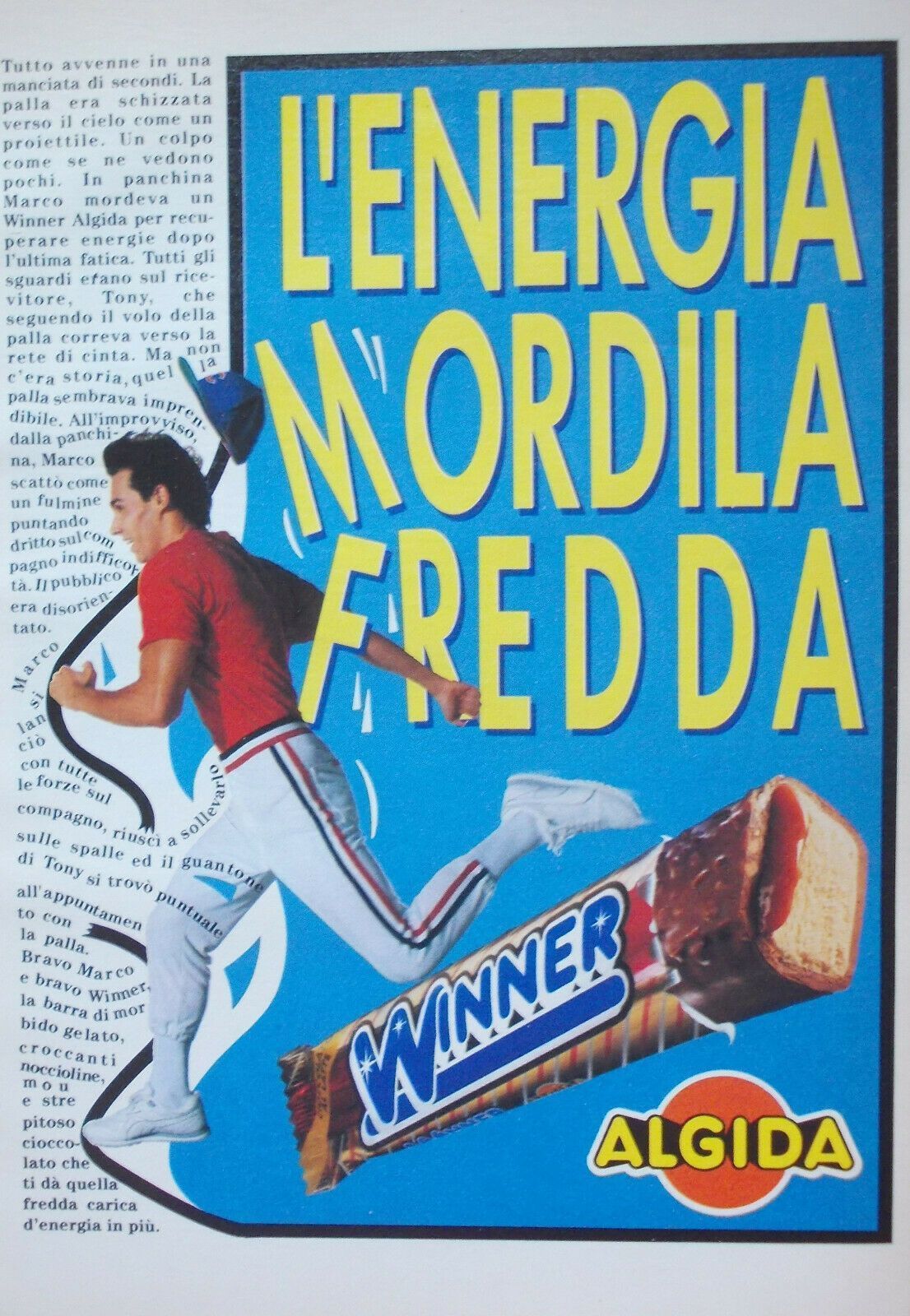
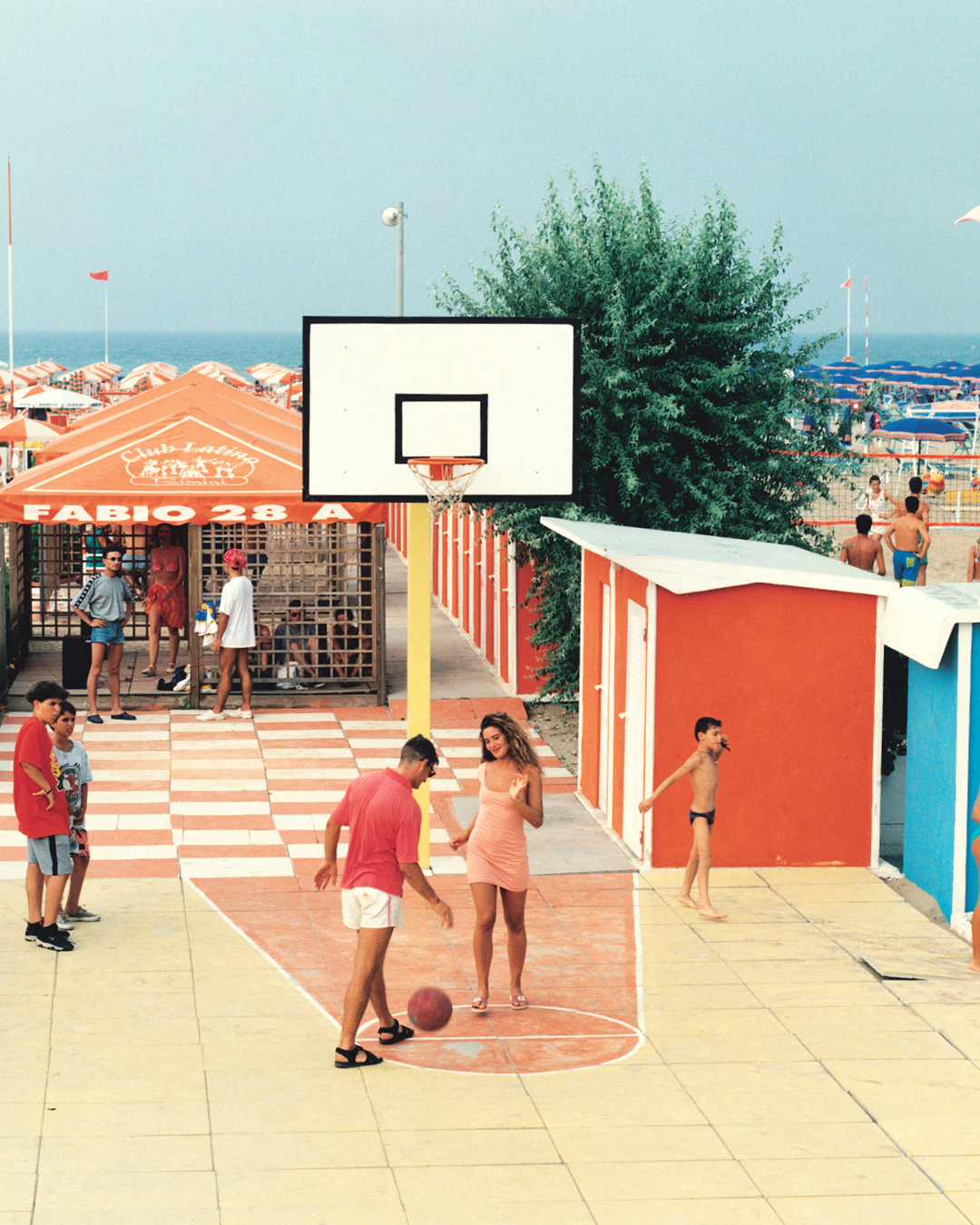
"L'estate sta finendo e un anno se ne va..." ("Summer is ending and a year is slipping away"). So sang the duo Righeira in 1985, who only two years earlier had people going wild on the dance floor with another hit from their repertoire, Vamos a la playa. A very recognizable sound, echoing the songs played through the battered speakers of some beach club, while eating an Algida cornetto and finishing a game of Burraco. Notes that are no longer there, replaced by today's summer anthems which, in recent years, seem to have gone on holiday themselves. They no longer follow bathers into the water with obsessive, repetitive refrains, but they remain there all the same, fixed in a shared imaginary.
Because summer is an imaginary. It is when we listen to certain music, when we lie on a sunbed at the water's edge, and it is in the shapes and colors that have stayed in our eyes, often accompanied by an emotion. If it is euphoria that accompanies the start of the season, very soon it is a feeling of melancholy that replaces it and takes hold of summer, even and above all when it is not yet over. It is a moment of transition, a liminal space: the sand is still there, but we know it will soon be replaced by asphalt, we know we can still take another swim but that only a few remain.
The end of summer according to cinema
Buon ferragosto o, come preferisco chiamarlo io, buon Il sorpasso (1962) dir. Dino Risi giorno ! pic.twitter.com/v9vGiRympU
— michela ꩜ (@unaltraodissea) August 15, 2024
Summer ends while it is still in full swing, and cinema has understood this perfectly. It understood it when it replaced the pleasures of the beach with the road, especially in our socio-cultural baggage, which knows that on Ferragosto, Italy's mid-August holiday, it is impossible not to think of Il Sorpasso. If the photos we take in photo booths or that social media serve back to us often show the sea with its crystalline reflections, in a corner of our minds there is always the desert of Rome on August 15th.
We don't see it right away, but it is there: the moment no one wants to think about, yet everyone has lived through. The day when everyone seemed to be somewhere else in the world, while you were the only one left behind in the gray of your city. Of course, in Dino Risi's film the protagonists Vittorio Gassman and Jean-Louis Trintignant get in the car and leave the capital behind. They drive along the Lazio coastline, venture into small towns, and make it all the way to the Tuscan coast.
But it is the empty Ferragosto, already tasting of the return home, that we remember most, together with an ending that, like the end of summer but above all like life itself, throws reality in your face. It is the departure from Rome to arrive who knows where. A sweltering Rome that is also La Dolce Vita, the ultimate postcard together with the Vespa and gelato of Audrey Hepburn and Gregory Peck in Roman Holiday.
The Ferragosto of Italian cinema
August 15th is the heart of the season for Italian cinema. Out of three or four months of sun, sea and villeggiatura, that remains the designated moment. It is for Gianni Di Gregorio, who in 2008 wrote and directed Mid-August Lunch, in which he cares for his demanding mother and other elderly women to pay off a few debts, all while the city around him sits emptied, motionless.
The characters of Paolo Virzì's Ferie d'agosto, on the other hand, fled to Ventotene in 1996, and returned there in 2024 with the sequel Un altro Ferragosto, tracing the rise and fall of Italians' political convictions, which they must be able to voice even on holiday.
And if melancholy is not the aesthetic of Italian summer films, how do we explain the ending of Sapore di mare? A film about the lightheartedness of youth, about summer as a moment of possibility, of great friendships and great loves which, although released in 1983, takes us back to 1964. "Mi sembra di ricordare che ci batteva il cuore" ("I seem to remember our hearts used to race"), says Virna Lisi at the close, and it is a veil of nostalgia that falls over the face of Jerry Calà as he watches Marina Suma walk away into the distance.
The memory of summer according to Guadagnino
@pynkedtsc This movie makes me cry everytime - #callmebyyourname #fyp #timotheechalamet #viral #italy original sound - ່
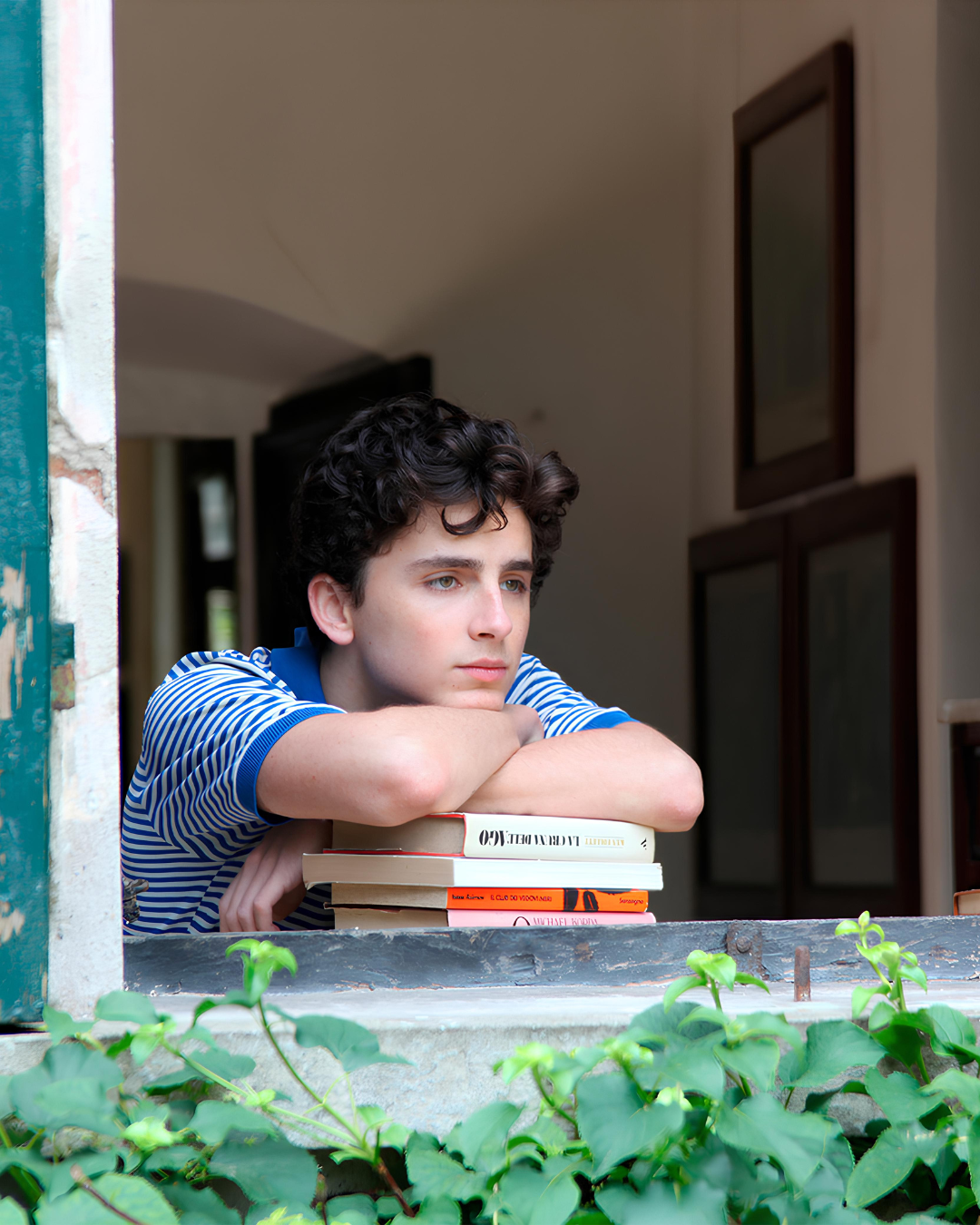
Among them all, however, there is one that over the past ten years has marked the end of the season after framing it in the most sunlit, exciting, curious, inquisitive and tender way possible. Call Me by Your Name by Luca Guadagnino has become the definitive title young Italians' holidays have drawn inspiration from, together with the aesthetic of his Crema, which has echoed through the day-trip searches of its many devotees. T-shirts, bicycles, a stretch of water to swim in, a bed to make love on.
Fruit that becomes an object of desire and pianos playing heart-wrenching melodies. When all of this ends, Elio, that is Timothée Chalamet, sits in front of the fire and cries. It is no longer summer, the fireplace is lit and he is growing up, or rather, he already has. Something has ended, but only because it happened. It is the memory of a summer, which in Italian cinema often lasts longer than the season itself.