August 20th, 2026
When is it okay to eat raw fish, and when isn't it? The topic is back in the spotlight after the latest controversy sparked by the recommendations of a well-known Italian infectious disease specialist
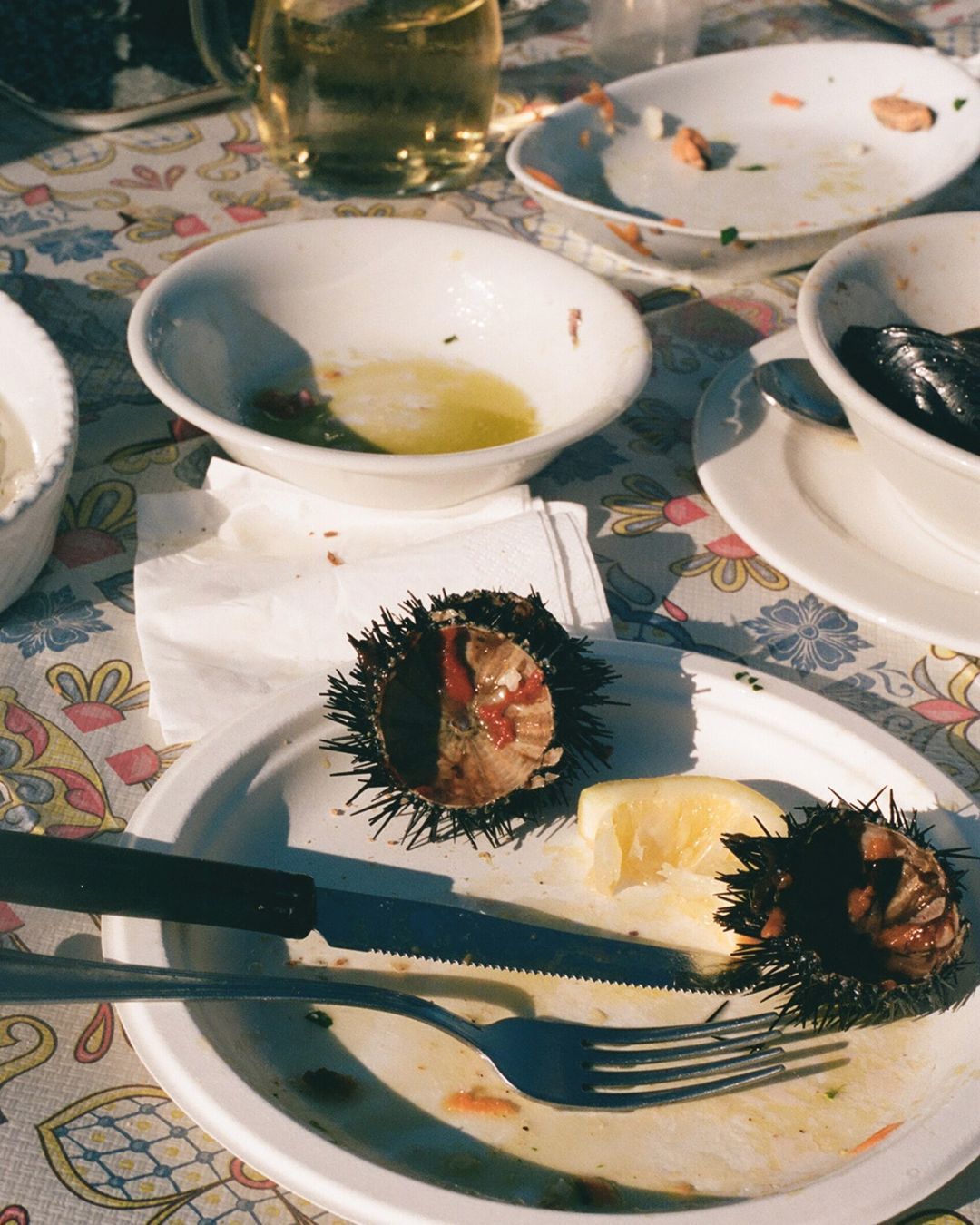
Eating raw fish, molluscs and seafood is a deep-rooted practice in several areas of Southern Italy, and in particular in Puglia. In recent years, this way of eating fish has found ample space on social media, especially during the summer, when videos and viral content dedicated to the phenomenon become quite numerous on Instagram and TikTok. However, this cyclically fuels controversy, partly because of the lighthearted style with which — at times — these same pieces of content downplay the potential risks associated with raw fish.
Recently, for example, some videos by well-known infectious disease specialist Matteo Bassetti went viral, in which, showing scenes of people eating, for instance, raw octopus, the doctor and science communicator warns of the possible risks associated with this practice — which he has described as a form of «food exhibitionism», part of a «demented trend».
The risks of eating raw fish
Eating molluscs or seafood that has just been caught, despite being a culinary tradition deeply rooted in several cities of Southern Italy, can carry significant health issues, linked to the presence of parasites, bacteria and viruses. In the case of fish intended to be eaten raw, one of the measures required to reduce risk is blast freezing: the product is rapidly frozen to a temperature of at least -20 °C for a minimum of 24 hours, or -35 °C for at least 15 hours. This treatment, however, does not eliminate all possible pathogenic microorganisms and does not replace other safety measures in handling and storing the product.
The parasite most commonly associated with eating raw fish is Anisakis, which can cause serious intestinal problems and trigger allergies. Officially recorded cases of hospitalization linked to this parasite in Italy between 1996 and 2011 numbered 54, concentrated mainly in the coastal regions of Central and Southern Italy: the figure, however, is most likely an underestimate, since not all infections necessarily result in hospitalization. Other risks associated with eating raw fish relate to the hepatitis A virus, which causes a liver infection, or Escherichia coli, a microorganism that can cause gastrointestinal issues that should not be underestimated.
How raw seafood lovers reacted
In response to infectious disease specialist Matteo Bassetti's videos, many users (in many cases of Apulian origin) have in turn posted content showing themselves eating raw fish, especially octopus — a product that has long been part of the culinary culture of Bari and other cities in Puglia, such as Trani and Taranto, or of seaside towns popular in the summer, including Giovinazzo and Savelletri. Numerous people on social media have claimed the practice is safe, pointing out that they grew up eating these foods without ever having health problems: however, the fact of having eaten molluscs and raw seafood for years — even since childhood — without consequences does not in itself mean there are no health risks.
Bassetti has also compared videos of people eating raw seafood to those showing users dipping friselle — a kind of durum wheat rusk typical of several regions in Southern Italy — directly in seawater, before seasoning and eating them. As might be expected, this practice too can carry health risks, since seawater can contain bacteria and other microorganisms pathogenic to the human body, whose presence and concentration vary depending on environmental conditions.