September 30th, 2026
This summer's heat has been a major problem for agriculture The consequences of the heat waves between June and August are beginning to show up in supermarkets
In recent decades, global warming has made heat waves more frequent and intense, primarily due to rising concentrations of greenhouse gases produced by human activities. This trend is set to continue for a long time, owing to the inertia of the climate system, making conditions of extreme heat that were once considered wholly exceptional progressively more common. Climate models indicate a growing likelihood of recurring heat waves and periods of drought during the summer season.
Heat waves in summer are not a new phenomenon – they depend on the configuration of high- and low-pressure systems affecting Europe. What is changing, however, is their intensity and frequency: summers on the continent have always been hot, but not this hot, as seen between June and August of this year. The effects of this temperature rise, compounded by the resulting drought, are now making themselves felt above all in agriculture, with direct consequences for consumers at large retailers and beyond.
Understanding why certain crops struggle in the heat
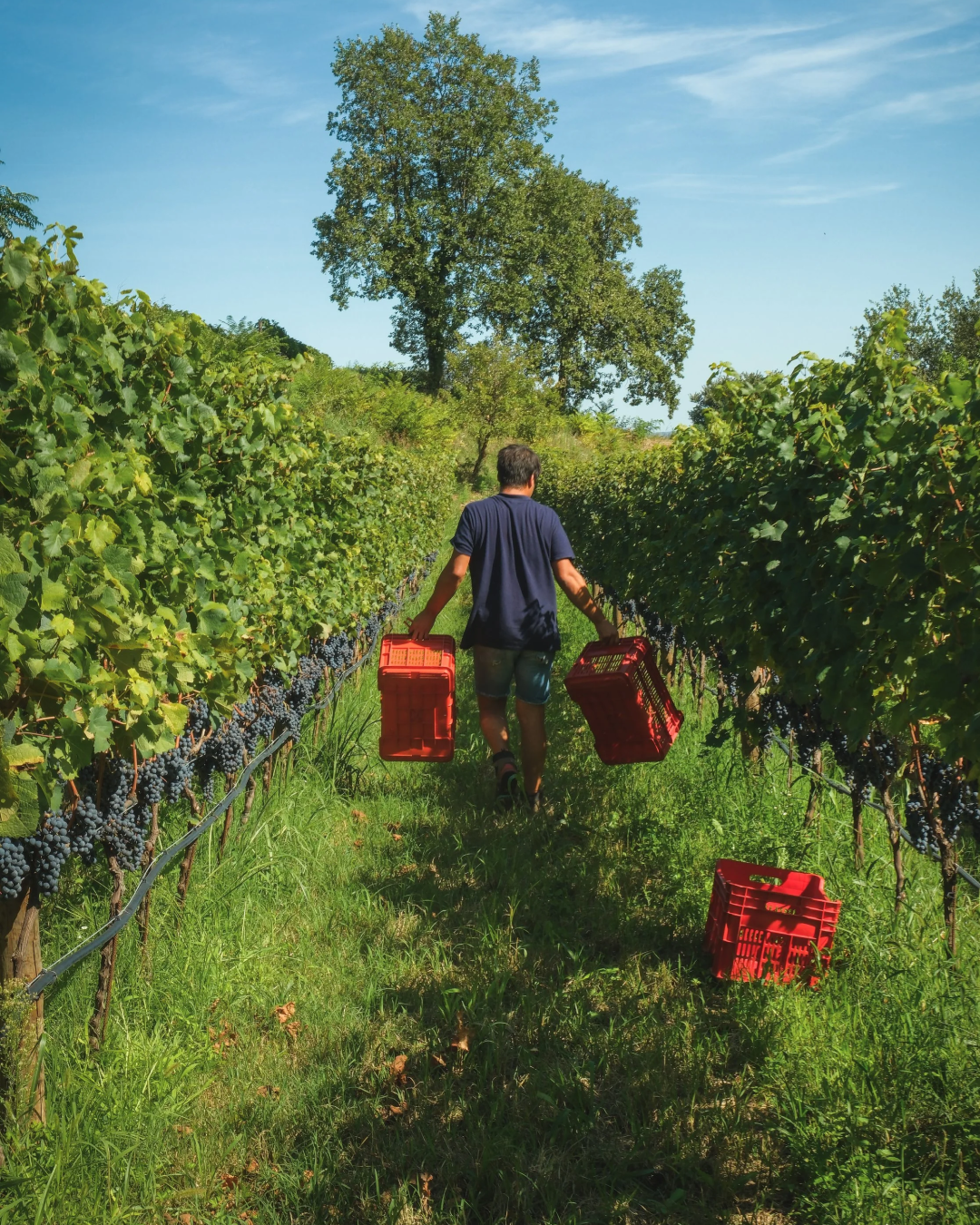
@radioglox «Non è più una domanda se il vino cambierà, è già cambiato. E sta cambiando il modo in cui tutte le realtà, anche le più piccole, affrontano questi cambiamenti ». L’estate 2026, più calda di sempre secondo i dati, ha avuto un impatto diretto anche sulla produzione vitivinicola. Si è parlato di ‘vendemmia climatica’, una nuova strategia produttiva per far fronte alle alte temperature e fenomeni estremi. In poche parole, nuove tecniche alla luce del cambiamento climatico. Quali sono le soluzioni per continuare a produrre vino? In molti stanno anticipando la vendemmia, anche di mesi. Altri praticano la vendemmia notturna o il raffreddamento immediato dell’uva. @Ilaria è andata a Montefalco, in Umbria, patria del vino e del Sagrantino per capire come le aziende stanno adeguando la produzione di vino. Il nostro viaggio è solo cominciato! Ogni realtà sta reagendo a proprio modo: nel prossimo contenuto capiremo il punto di vista dei piccoli produttori! #vino #vendemmia #clima #cambiamento #radioglox audio originale - Radio Glox
This summer's extreme heat and drought have put pressure on potato production, for example, particularly in France, Germany, Belgium and the Netherlands. The 2026 harvest is therefore expected to be significantly below average, with an estimated reduction of around 25% – a decline that could also be reflected in prices. But the problem is not just about quantity: water scarcity and high temperatures also affect the size of potatoes – a particularly relevant factor for wholesalers and industry operators, who buy and distribute the crop according to specific size requirements.
Viticulture has also been affected by high temperatures. From the first half of June, heat waves accelerated grape ripening, prompting many producers to bring forward the harvest to prevent the bunches from reaching excessive levels of maturity. As temperatures continue to rise due to global warming, similar conditions could become increasingly common, with tangible consequences for the wine produced.
Drought and high temperatures can influence several parameters that determine the essential characteristics of wine. The first is alcohol content, which tends to increase with faster grape ripening – at a time when the market appears to be moving ever more towards fresh, light wines. Heat and drought can also alter acidity and the concentration of tannins – the compounds that, among other things, help give structure to wine. This trend is further compounded by the fact that many wine labels must comply with strict requirements set out in production specifications, meaning the regulations that define the characteristics and methods by which a given wine must be produced in order to use that specific designation.
How agriculture is changing because of the heat
Rising temperatures and the gradual reduction in rainfall are also structurally changing the conditions in which many vegetables are grown – and the knock-on effects of this phenomenon are becoming increasingly apparent to consumers: lower availability of certain products is reflected on supermarket shelves and, consequently, in prices – which often rise.
For instance, in recent weeks it has become harder to find certain varieties of lettuce and tomatoes, to the point that chains such as Coop and Esselunga have warned their customers of possible supply issues. The prolonged heat has disrupted the normal growing cycles of these vegetables, reducing yields both in fields and in greenhouses and, in some cases, directly damaging crops: the result is greater variability in harvests and less reliable product availability.