October 21st, 2026
The strangest museums in Italy you probably didn't know about From Cesare Lombroso's collection of human skulls to an exhibition space entirely dedicated to bovine excrement
Today there are museums dedicated to practically everything: from classical art to everyday objects, taking in trades, foods, passions, and even things we would hardly have imagined finding behind a display case. They are no longer merely "temples of knowledge" or dusty storehouses of artefacts, but places capable of telling the story of society through its tangible and intangible heritage. We have gathered some of the strangest and most original museums in Italy — places that take seemingly unlikely subjects and turn them into opportunities to look at our history and our present from decidedly less conventional perspectives.
The Tomato Museum
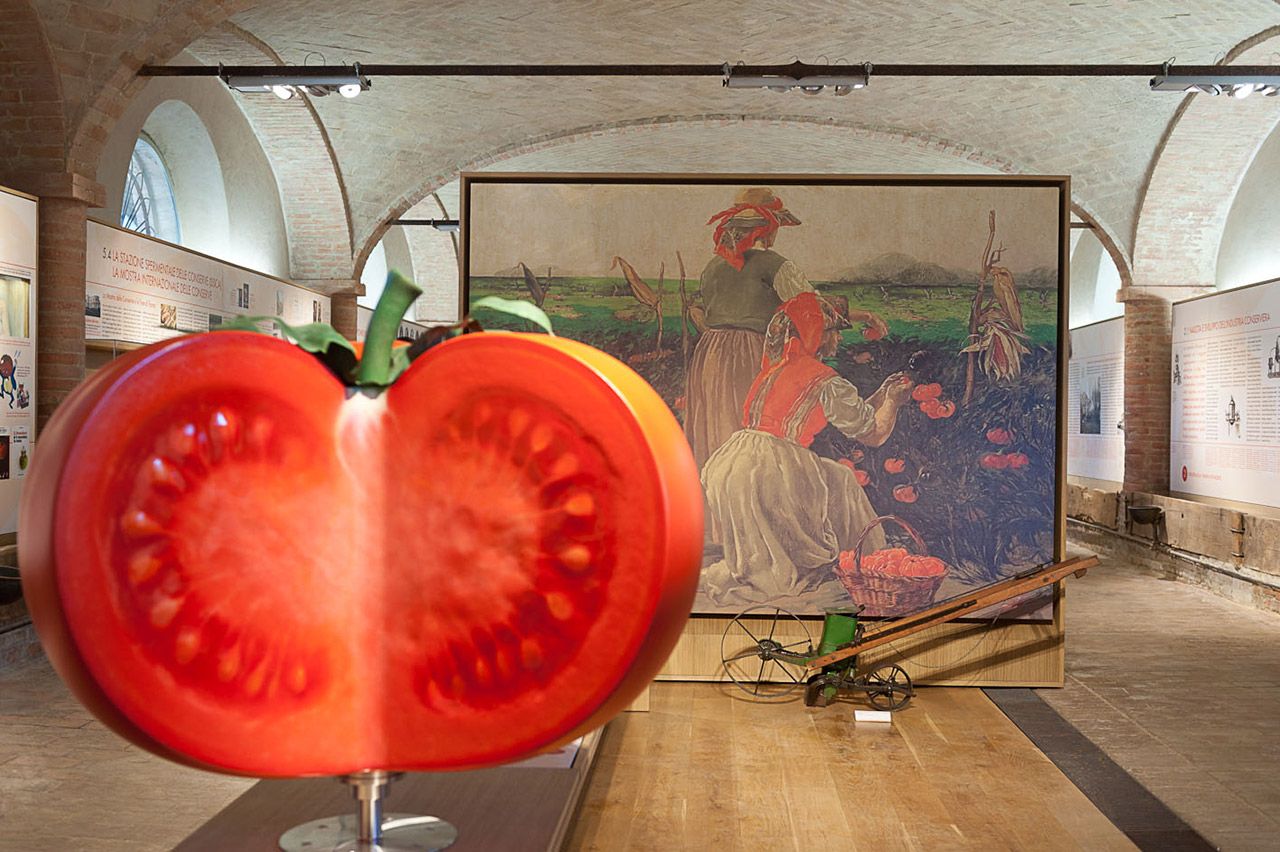
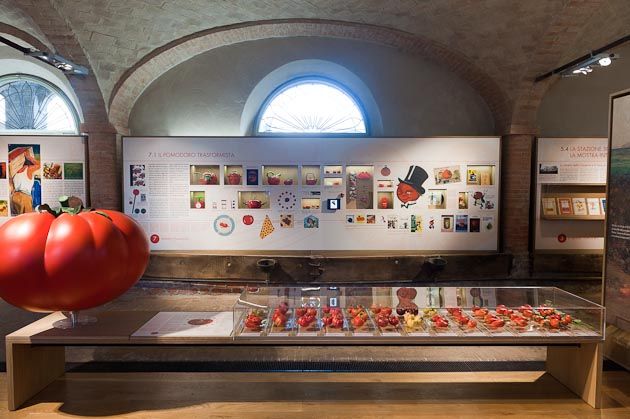
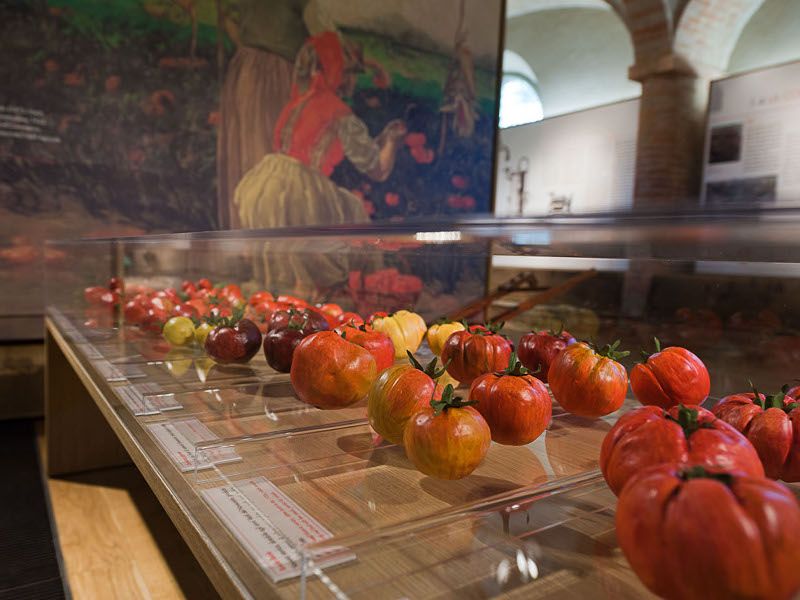
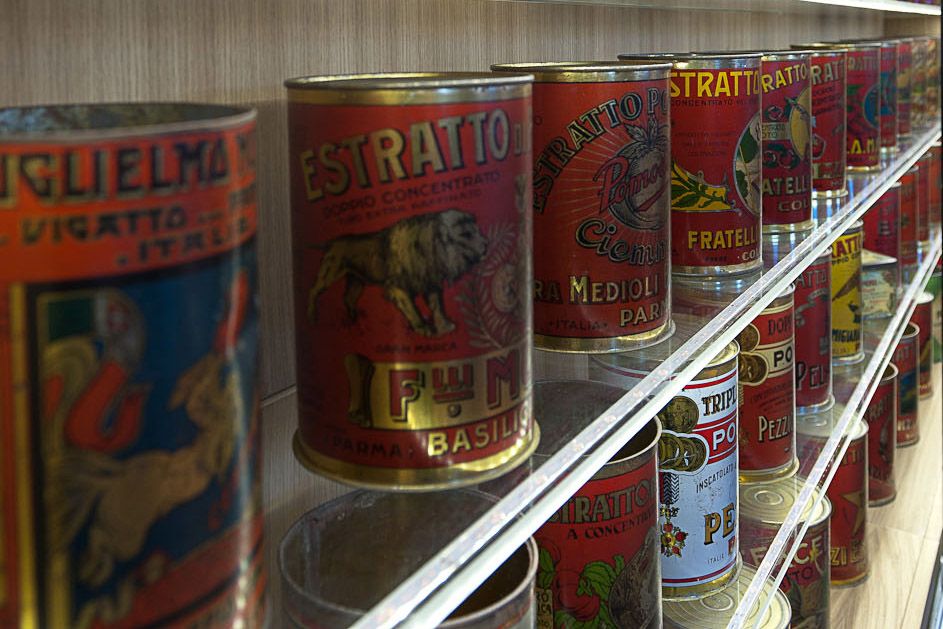
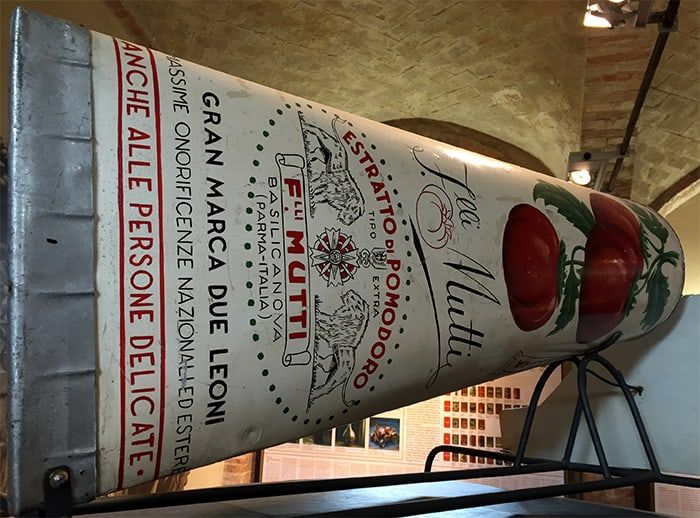
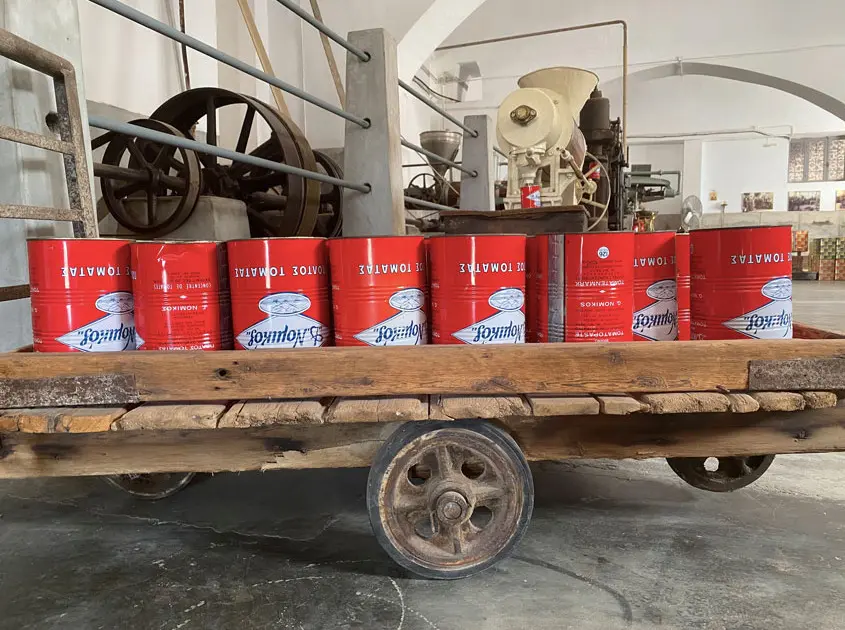
Not far from Parma there is a museum dedicated to one of the most pervasive ingredients in Italian cuisine: the tomato. Some call it a vegetable, some a fruit, some a berry — the fact remains that the tomato, which arrived from the Americas in the sixteenth century, took a few centuries to truly win over Italian tables. Then, at the end of the nineteenth century, in the Parma area, came the insight that made it possible to preserve the freshness of this food all year round.
This was the beginning of the canning industry and of a story involving names such as Mutti, Pagani, Rodolfi, and Pezziol. The museum is housed within a medieval rural courtyard that was later converted into a cannery and dairy. Through old machinery, tools, photographs, and documents, it tells the story of how the tomato went from being a curiosity brought from across the ocean to becoming a virtually indispensable presence on our menus.
The Museum of Criminal Anthropology
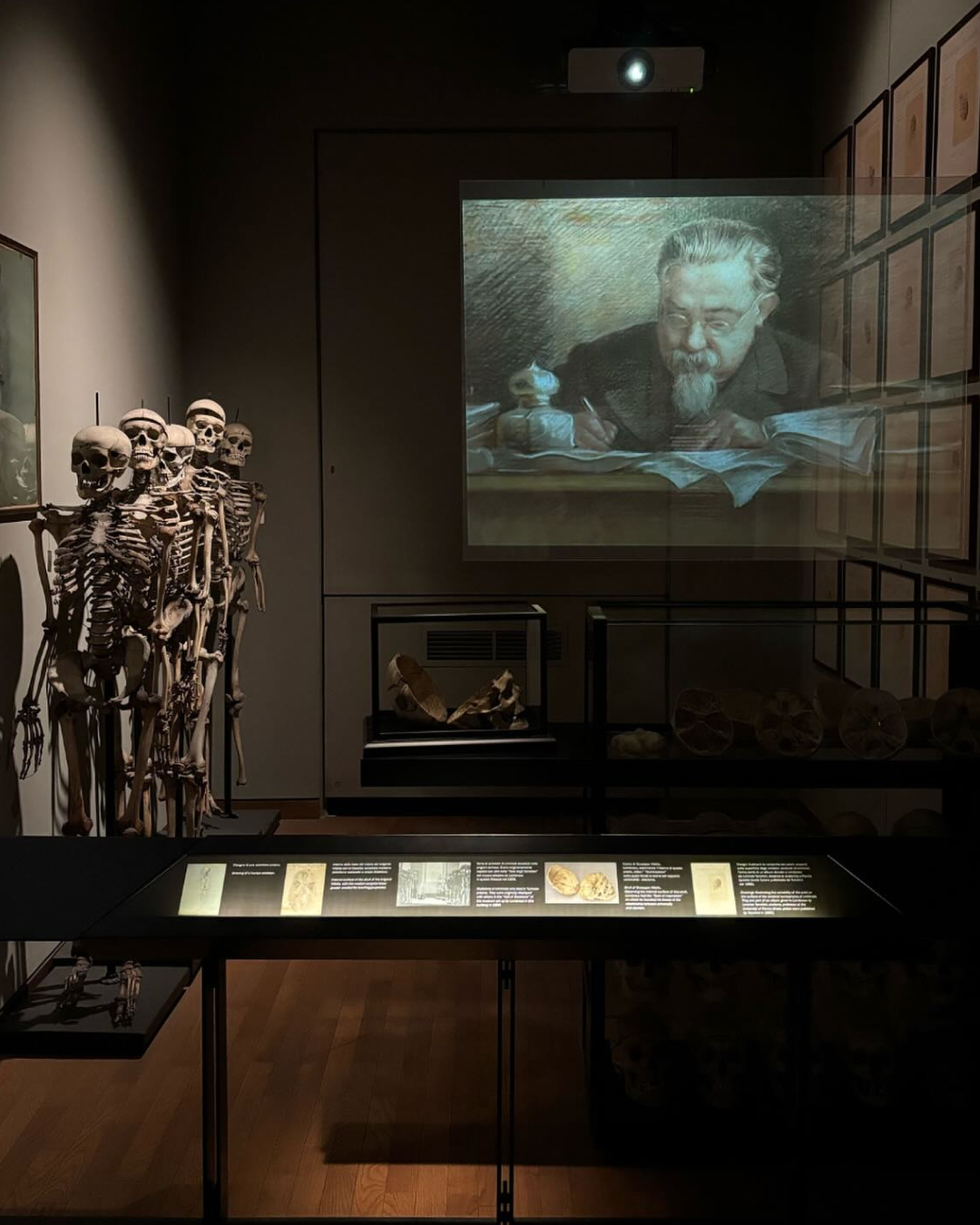
It was the anthropologist Cesare Lombroso who gave rise to one of Italy's most unsettling collections: an assemblage of human skulls, initially belonging to soldiers and later gathered from patients in asylums and inmates who died in prison. A pioneer of criminal anthropology, Lombroso championed the controversial theory of the born criminal: according to him, certain physical characteristics and anatomical anomalies could reveal an innate predisposition to crime.
Today those theories have been entirely discredited, but the collection remains. In the museum's rooms, visitors can observe skulls and skeletons, death masks, photographs, instruments used for anthropometric studies, reproductions of tattoos, objects belonging to inmates, and actual "corpus delicti." In short, Lombroso's theory raises a smile today. His collection, decidedly less so.
The Carpigiani Gelato Museum
Why settle for the usual cone on a stroll when you can turn a gelato break into a cultural outing? Just outside Bologna, the Carpigiani Gelato Museum tells the story of artisan gelato, from its origins to the evolution of the technologies that have transformed its production and consumption. The route unfolds among original machinery, period instruments, photographs, historical documents, and multimedia stations, within the former industrial spaces of Carpigiani.
And since this is, after all, a museum about gelato, the visit can only end with a tasting. Among the experiences on offer is Gelatology, a guided tour accompanied by a tasting of various types of gelato, from sorbets to cream-based varieties and freshly churned mantecato.
The Museum of Lost Love
In the historic centre of Aggius, in Sardinia, there is a place dedicated to something that, sooner or later, happens to everyone: love that ends. The Museum of Lost Love collects stories of feelings that change, transform, and sometimes simply fade away. Different stories, yet surprisingly alike: from the summer fling that turns into a six-year relationship, to the story ended by betrayal, to those that wear away slowly, almost imperceptibly, out of habit.
Through the museum's Facebook and Instagram pages, or by writing via email, anyone can share their own story of a lost love and add it to this collective archive of relationships, memories, and endings. Here, the end of a relationship becomes something to be shared — and one that can apparently become, it seems, cultural heritage.
The Museum of Shit
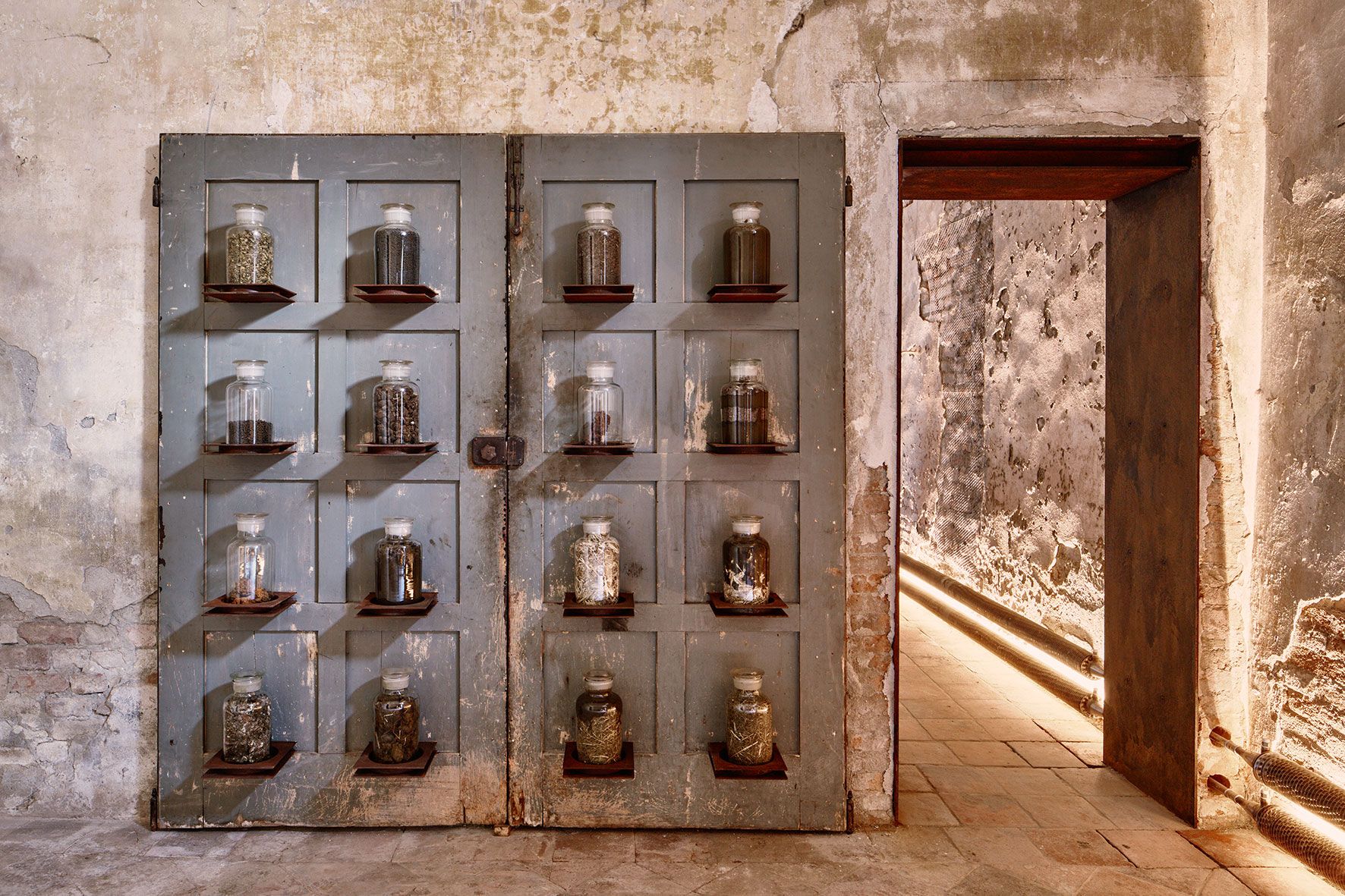
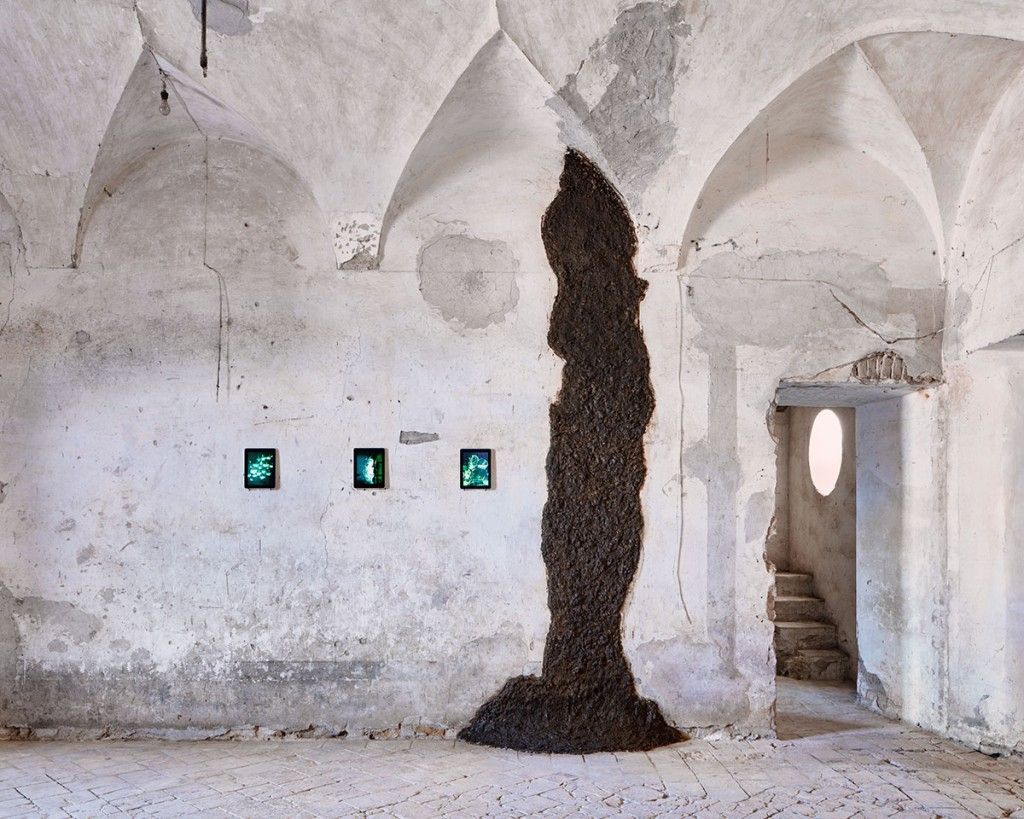
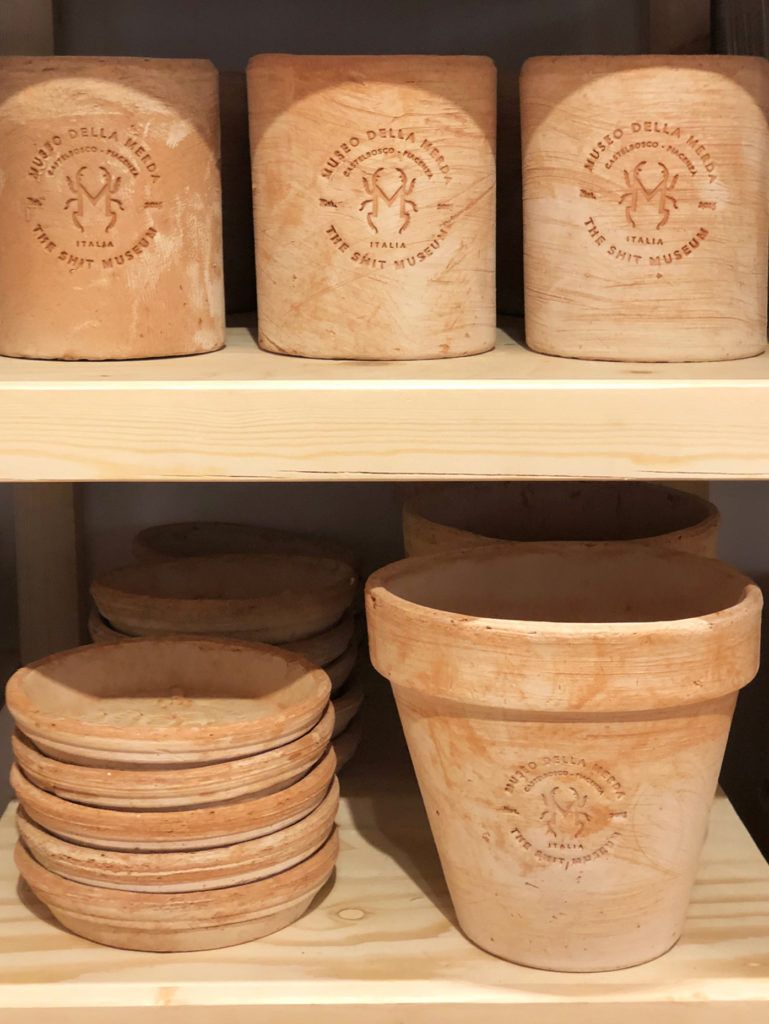
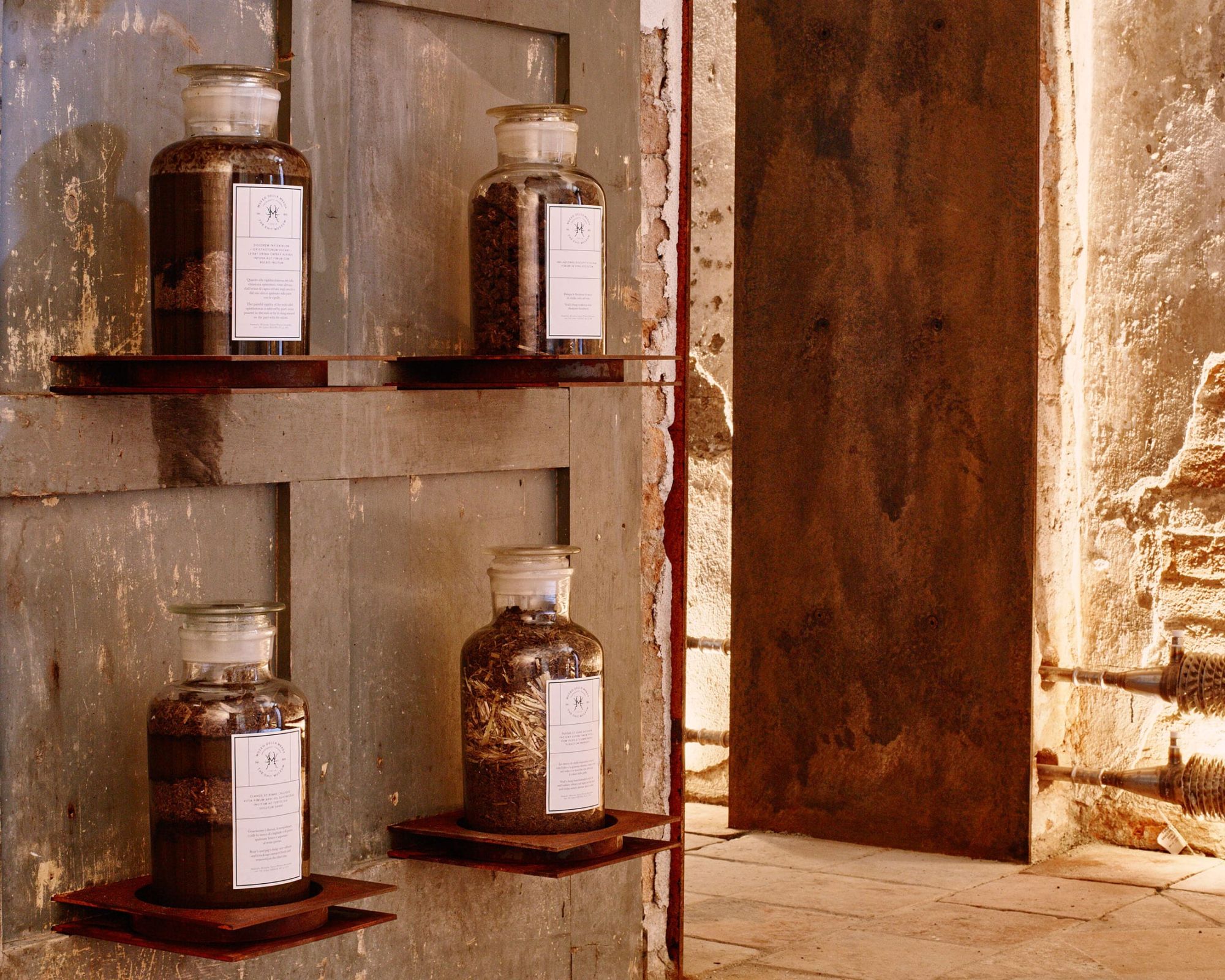
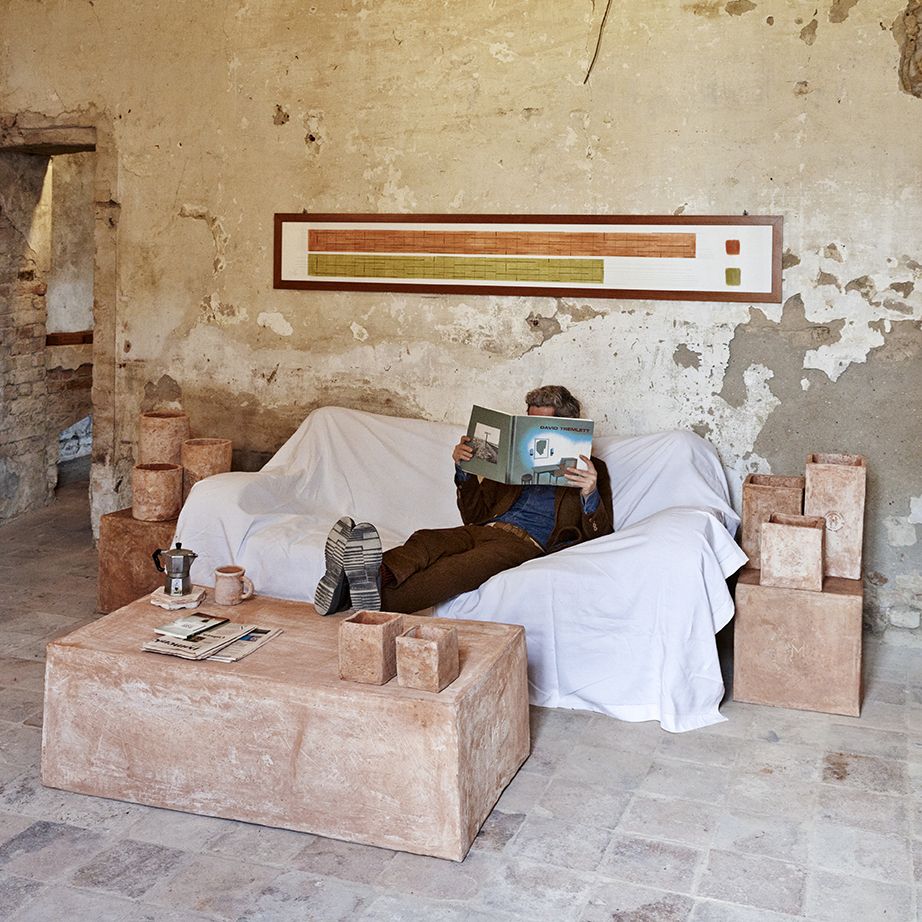
Our next suggestion has a decidedly less poetic tone, but is equally singular: a museum entirely dedicated to contemporary art made from cow dung. And not only that. Here you will also find plates, glasses, tables, and seating made from merdacotta, a material obtained by working bovine manure as though it were terracotta.
The idea was born from the Locatelli family, owners of a farm in the Cremona area specialising in the rearing of cattle for the production of milk destined for Grana Padano cheese. Around 3,500 cows produce every day, in addition to milk, a considerably less glamorous quantity of raw material: approximately 150 tonnes of dung. Hence the idea of transforming what we would normally consider waste into a resource: first to produce energy and fertiliser, then as a material for an artistic and cultural project.