
October 12th, 2026
There's a scientific reason for the smell of autumn These are aromatic notes linked to a range of substances produced by plants and soil between September and November
With its notes of wet leaves and wood, as well as damp earth, autumn is known for having a highly distinctive smell, owing to a range of substances produced by plants and the soil, among other things, to which people are particularly sensitive – often without realising it. While there is no single substance responsible for autumn's aromatic, resinous and balsamic scents, there is one specific compound that more than any other gives the season from September to November its olfactory character: it is called "geosmin", and it is an organic compound produced by certain bacteria found in the soil.
The human sense of smell is extremely sensitive to geosmin and can detect it even at extremely low concentrations – according to estimates, an amount equivalent to less than a teaspoon would be enough to make it detectable in 200 Olympic swimming pools. It is not yet clear why humans are so sensitive to this substance: one possible explanation is that this sensitivity developed over the course of human evolution, as part of the olfactory system's ability to recognise chemical substances present in the surrounding environment.
What influences the smell of autumn
@austin.rutland these clips are straight from my camera with zero modifications, just to show how stunning the fall colors in Central Park are in real life #autumnaesthetic #autumn #autumnvibes #fallvibes #octobermood #fallingleaves #autumnleaves #fallleaves #nyc #centralpark #autumninnewyork original sound - will paquin
The typical smell of autumn also depends on factors such as temperature, light, humidity and wind, which alter the intensity and character of these aromas. It is no coincidence that the typical scents of the season vary according to the weather conditions – moreover, they are not necessarily tied to rain. Geosmin and the other substances responsible for these smells, in fact, are not produced only when it rains; however, water can help disperse them into the air and make them more easily perceptible to our sense of smell.
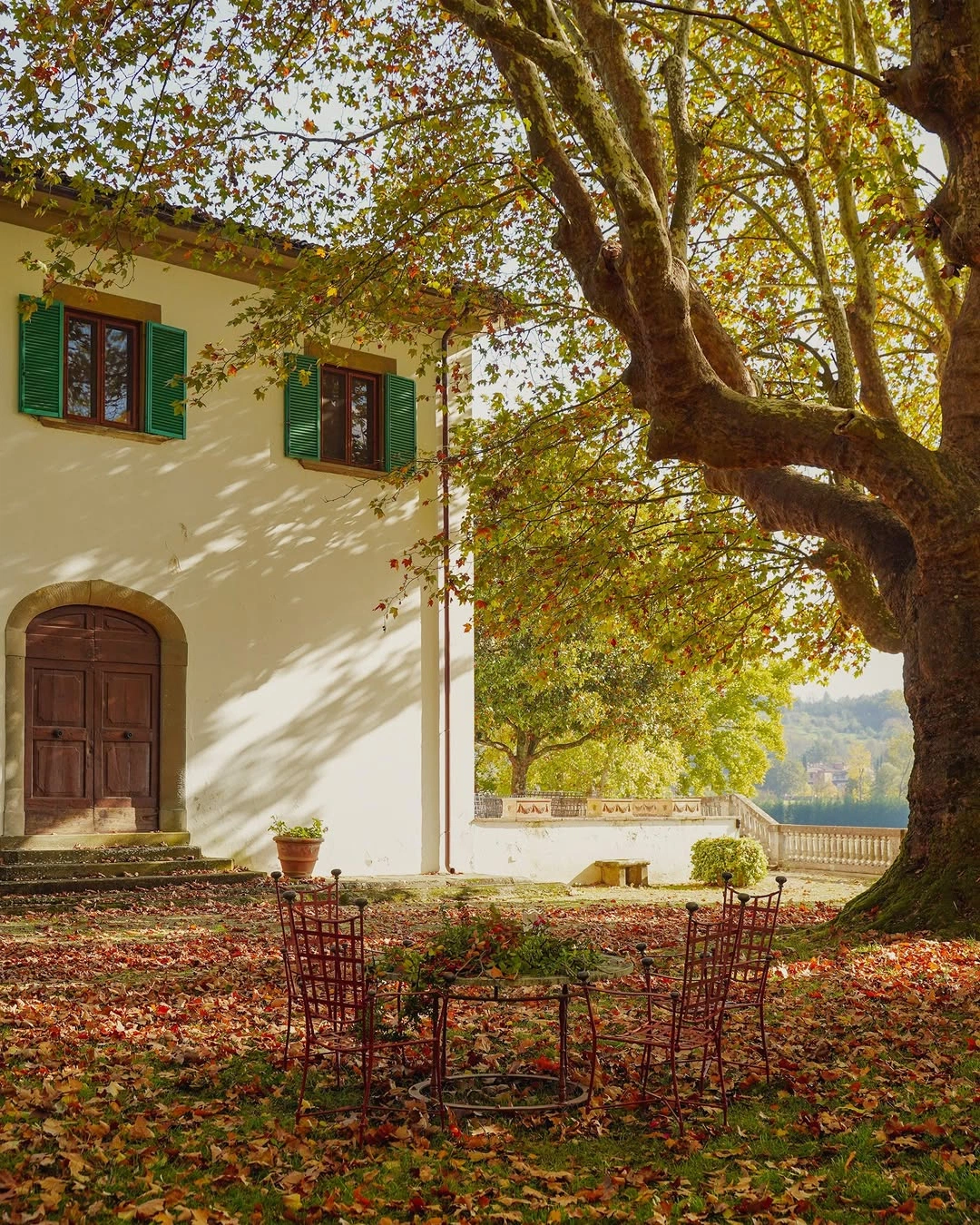
Another factor that contributes to autumn's characteristic scent is the decomposition of fallen leaves, which are gradually broken down by fungi and bacteria over the course of several months. During this process, certain chemical substances contained in the foliage are released into the air, contributing to the characteristic woodland smell of autumn. In cities, on the other hand, these scents are often less noticeable because they blend with those produced by traffic and other urban activities – even in small and medium-sized city parks it can therefore be harder to detect the same aroma that one would experience in a woodland between September and November.
Understanding the success of autumn tourism
The scents and colours of autumn are linked to the same changes that affect plants with the arrival of the cold season. Towards the end of summer, in fact, as the days begin to shorten and temperatures drop, trees gradually reduce the supply of water and nutrients to their leaves in preparation for the winter months: chlorophyll, the pigment responsible for the green colour, diminishes and allows other substances already present in the leaves to emerge, producing the yellow, orange and red hues typical of autumn foliage.
The changing colours of the leaves also underlie the growing popularity of foliage tourism, which draws ever more people to visit woodlands, parks and mountain areas to observe and fully experience the autumn landscape. During this period, the colours of the leaves are accompanied by the quite unmistakable scents of vegetation and soil, fostering a type of experience that is greatly appreciated by an ever-growing audience of nature travel and hiking enthusiasts.
