
September 24th, 2026
Understanding the success of autumn foliage tourism The trend is reviving the tourism industry during a traditionally quieter time of year
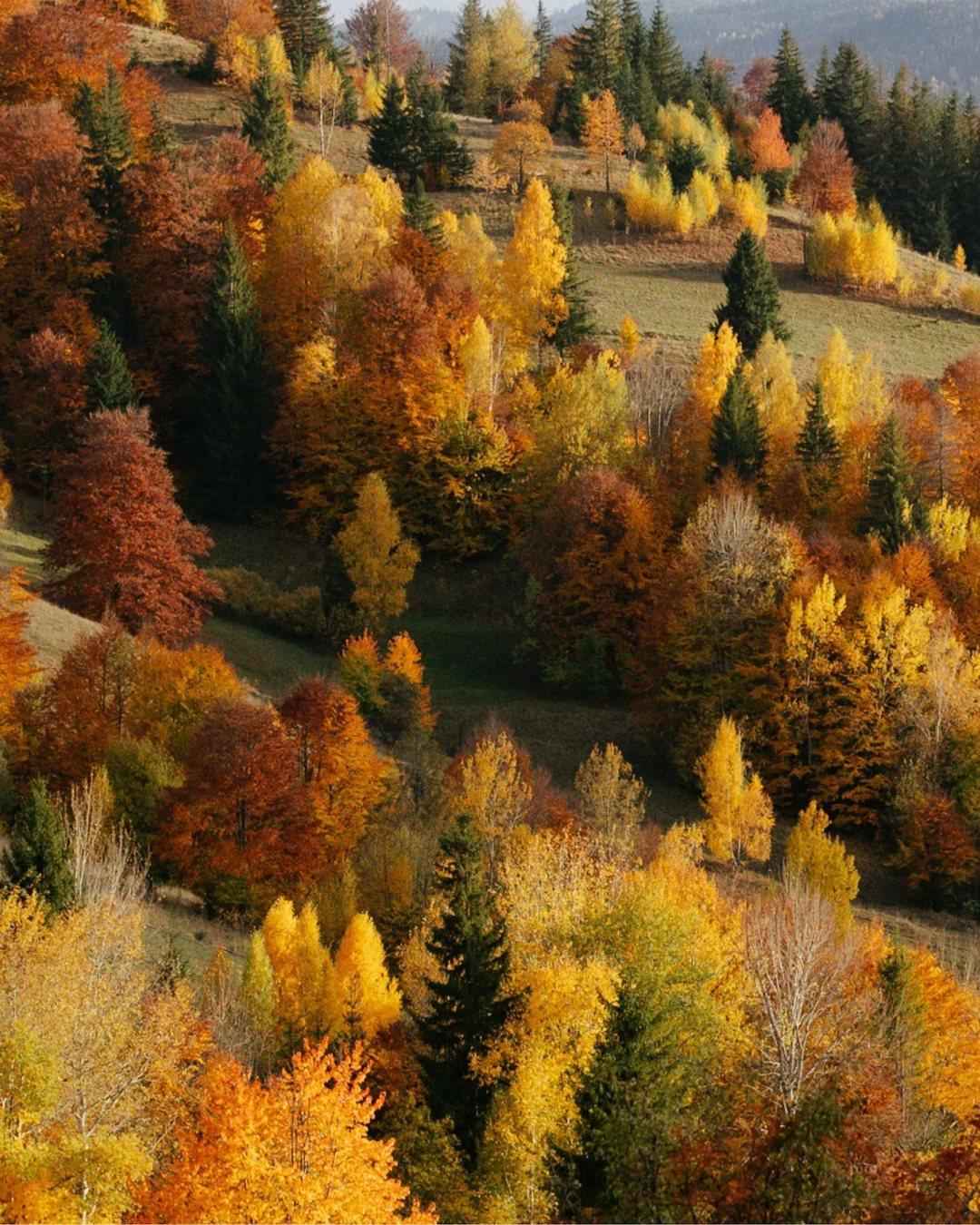
In recent years, visiting forests in autumn to observe the changing colors of the leaves has become an increasingly popular activity. The phenomenon is particularly widespread in the United States, where it attracts millions of visitors every year, known as "leaf peepers." Even in Italy, where observing foliage does not have an equally established tradition, this practice is gradually transforming into a new form of seasonal tourism, capable of making forests, valleys, and small villages more appealing precisely during one of the traditionally least crowded times of year.
The passion for "foliage" in Italy
In recent years, several Italian regions have begun building autumn itineraries around foliage, turning something that until recently was simply part of the landscape into a reason to plan a trip. In Tuscany, for example, autumn tourism winds through the Casentino, Garfagnana, Mugello, Lunigiana, and Monte Amiata areas, among beech forests, chestnut groves, and routes that combine the changing leaf colors with villages, seasonal produce, and local gastronomy. Particularly central is the Casentino Forests, Monte Falterona and Campigna National Park, one of the most important forested areas in the country, where over forty tree species coexist and the landscape shifts within just a few weeks from green to yellow, to orange, and finally to deep red.
Here, foliage has now become part of the area's tourism offering as well. In 2026, for example, the Park is organizing Autunno Slow between September and November — a calendar of hikes, walks, foliage-focused events, tastings, and activities tied to the products and traditions of the Tuscan-Romagnol Apennines. It is therefore not simply a matter of photographing trees at the right moment: the change of season becomes the occasion to bring people back to the forests, small towns, and local businesses once the summer season has come to an end.
The Foliage Train has become a symbol of the Italian autumn
@torinoconandre Sul Treno del #foliage Ogni autunno, tra #Italia e #Svizzera, un treno attraversa uno dei paesaggi più spettacolari delle Alpi: il Treno del Foliage, lungo la Ferrovia Vigezzina-Centovalli, da Domodossola a Locarno. Un viaggio lento, nel quale i finestrini diventano cornici di colore, e ogni curva regala un paesaggio nuovo, quasi dipinto. Il New York Times lo ha inserito tra i 5 viaggi autunnali su treno più belli al mondo, e basta salirci una volta per capirne il motivo. E paradossalmente, la giornata perfetta non è quella di sole. È quella con le nuvole, quando la luce si fa morbida e i colori più profondi. L’atmosfera si riempie di silenzio e malinconia, come in un film. . . . #treno #piemonte original sound -
Perhaps the clearest example of this transformation can be found between Piedmont and the Canton of Ticino. Every autumn, the Vigezzina-Centovalli railway, which connects Domodossola and Locarno along a 52-kilometer route, becomes what is known as the Foliage Train. The line runs throughout the year, but during the period when the forests of the Valle Vigezzo and the Centovalli change color, the train journey is promoted specifically as an autumn experience. In 2026, the foliage period runs from October 10 to November 15: the route passes through valleys, forests, small villages, bridges, and waterways, allowing passengers to take in the landscape directly from the train and, with a dedicated ticket, to make an intermediate stop along the way.
It is probably here that one can best see how foliage is becoming a tourism product in Italy as well. An infrastructure built for an entirely different purpose is reinterpreted through a specific season and transformed into an experience rooted in the local territory, while restaurants, shops, and businesses in the towns along the railway line build initiatives around the arrival of visitors. Friuli-Venezia Giulia also promotes routes dedicated to autumn colors, while in the Alps, the Dolomites, and along the Apennines, the period between October and November is becoming increasingly associated with hikes, weekend getaways, and itineraries built around the forests.
Abroad, this process is simply more advanced. In the United States, for example, a genuine culture of leaf peepers has long existed, while in Canada, maps and forecasts are published every year to pinpoint the moment of peak color intensity. In Japan, there is even a specific term, momijigari, to describe the viewing of autumn leaves. Italy, too, however, appears to be heading in the same direction, with one difference: here the experience is almost always intertwined with villages, gastronomy, trekking, and small inland territories, becoming a way to extend the tourist season beyond the summer.
Why do leaves change color in autumn?
fall breeze and autumn leaves. pic.twitter.com/rWmVzfbxWu
— ᅠ (@artindetails) September 20, 2022
The change in leaf color in trees occurs when, toward the end of summer, the days begin to shorten and temperatures drop. During this period, the plant starts to prepare for the winter months, initiating a kind of process of conserving its own energy — in anticipation of spring. The plant gradually reduces the supply of water and nutrients to the leaves: chlorophyll, responsible for their characteristic green color, diminishes and progressively loses its function. Other pigments already present in the leaves then become visible, determining the color change and producing the typical yellow hues of autumn.
While the process that leads to leaves turning yellow has long been understood, it is less clear why some leaves turn red. This coloration, in fact, depends on the production of new substances that were not previously present in the foliage and that alter its color. The phenomenon may seem inefficient: why invest energy in producing new substances for thousands of leaves that are about to fall anyway? It is precisely this apparent contradiction that has given rise to several hypotheses among botanists.
The most widely accepted interpretation is that these pigments serve to protect the plant. The substances responsible for the red color may act as a kind of filter, shielding the leaf from sunlight during the final stages of its life: in this way, the tree would have more time to recover and reuse some of the nutrients contained in the leaves before letting them fall.
