August 31st, 2026
Food entrepreneurs love pizza Restaurant owners are investing in this rapidly expanding sector
Recently, content creator Mocho, founder of the famous fast food chain Meat Crew, announced the opening of his first pizzeria in Milan. This relatively surprised several users and industry enthusiasts because Mocho (Massimo Novati) is, along with Jack Ballardini of Buns (Verona and Mantua) and Egidio Cerrone of Puok (Naples), one of the most influential and recognized figures in the Italian burger culture scene.
Yet, when you think about it, the pizzeria sector has grown a lot in recent years: according to an estimate compiled and released by the organizers of the World Pizza Championship, which has been held for over 30 editions in Parma, in 2024 the number of pizzerias increased by 25% compared to the previous year. This is a significant increase, especially considering that during the same period the cost of raw materials in the restaurant industry rose. Pizzerias, however, seem to be managing to offset these increases – some of which are still ongoing – better than other sectors, thanks to demand that remains very high.
The renewed pizzeria business
@mochohf IL MOMENTO È ARRIVATO! Il mio nuovo progetto dedicato all’American Style Pizza si chiamerà: FAT SLICE Non vedo l’ora ora di raccontarvi questa nuova storia, con la stessa passione con cui vi ho raccontato l’American Burger Culture di Meat Crew. Andate subito a seguire la pagina fatslice.pizza perché a 5.000 follower vi droppo il logo… che è semplicemente DEVASTANTE! Per vedere invece la nostra Pizza dovrete attendere ancora un pochino. FAT SLICE American Style Pizza
audio originale - Mocho
Mocho's decision to open a pizzeria, in fact, fits into a trend that is already partly underway: in recent years several entrepreneurs already active in the restaurant and fast food sector have chosen to invest in the pizza market. In Milan, one of the most notable cases is that of Stefano Saturnino, who after founding Panini Durini in 2011 gradually launched a series of pizza-focused projects: the first was Marghe, followed by Pizzium and Giolina; Saturnino has also recently acquired the Crocca chain.
Flavio Briatore himself, an entrepreneur well known for his activities in other fields, has also invested in the pizzeria market, founding the brand Crazy Pizza, with locations in Rome, Milan, Monte Carlo, London, Ibiza and St. Moritz. The fact remains that the pizza sector in Italy has changed profoundly in recent years. Many of the new openings, in fact, no longer follow the "family-run" model that characterized the sector for decades: more and more businesses are aiming to launch actual chains, while others have looked to the world of fine dining, experimenting with more sophisticated offerings and investing in the quality of service and overall experience.
How pizza culture is changing in Italy
In recent years, pizza culture in Italy has developed further, despite it being a product that has been widespread in the country for many years. Alongside the traditional idea of pizza as a quick, accessible food with no particular pretensions (which remains the prevailing one today), a new way of thinking about this food has taken hold. More generally, pizza has become an object of study for pizzaioli, enthusiasts and entrepreneurs who have explored its doughs, techniques and different interpretations. Mocho himself, for example, will most likely offer the American version of pizza, in keeping with his background and the identity of his fast food chain.
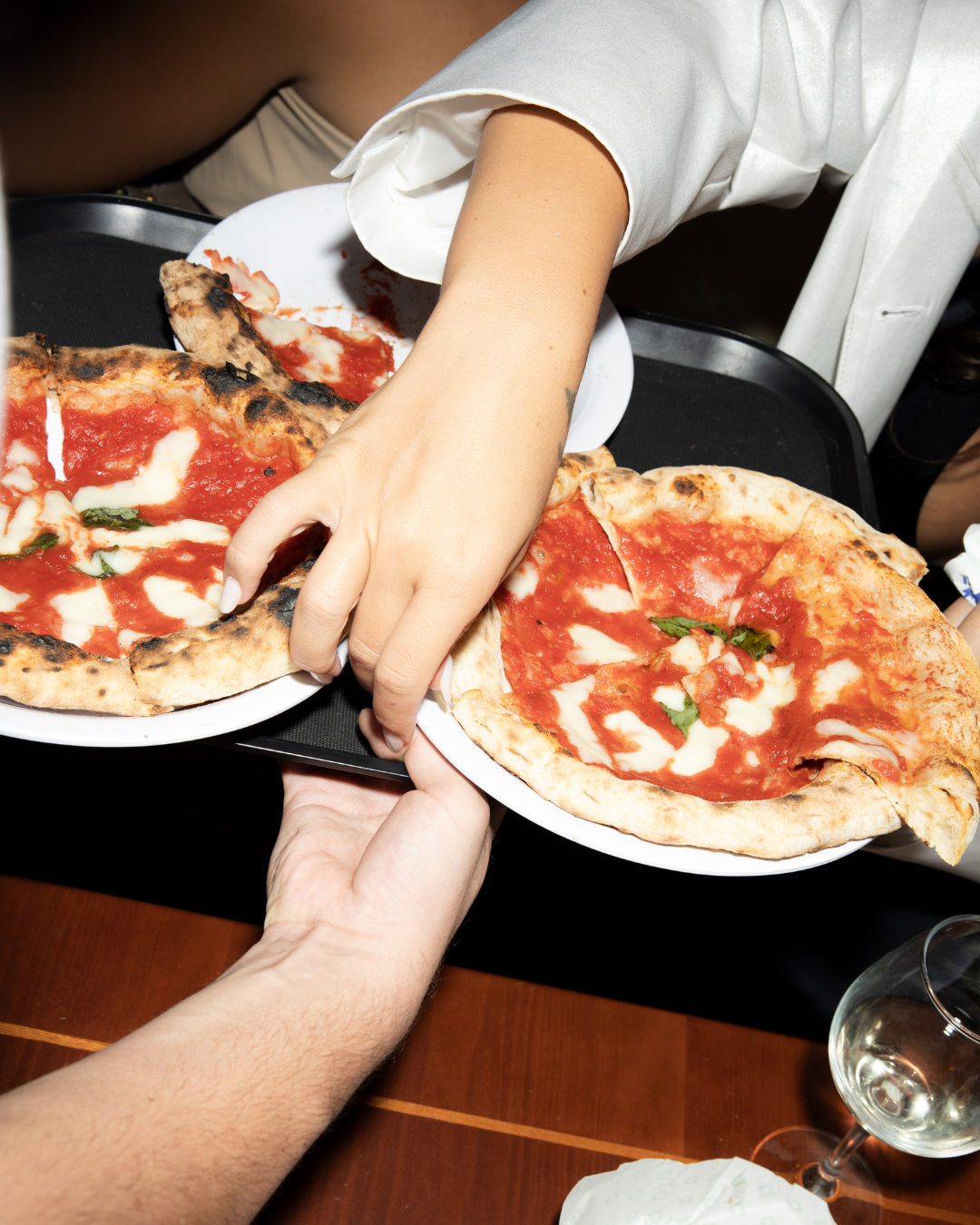
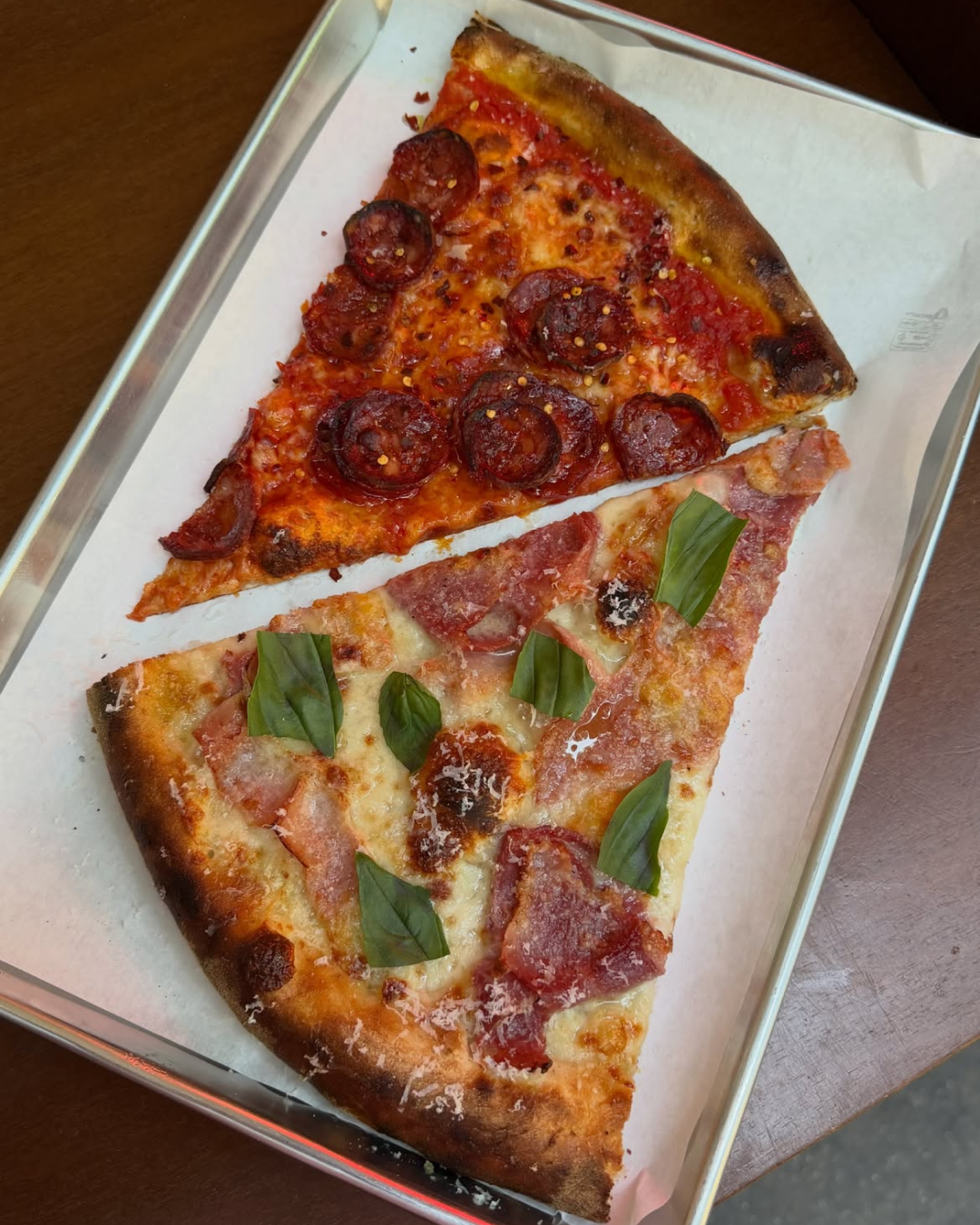
After the renewed success of Neapolitan pizza and, more recently, Roman-style pizza (thin and crispy), the moment seems to have arrived for North American-style pizza slices. This is a street food that has long been very popular in the United States, but which is now also gaining ground in Italy, especially in Milan. Among the businesses that have already embraced this format, besides Mocho's new pizzeria (which will be called Fat Slice), there is for example Pizza Stella, which draws in part on New York tradition.