

 #01
“Milanese cuisine is understated”
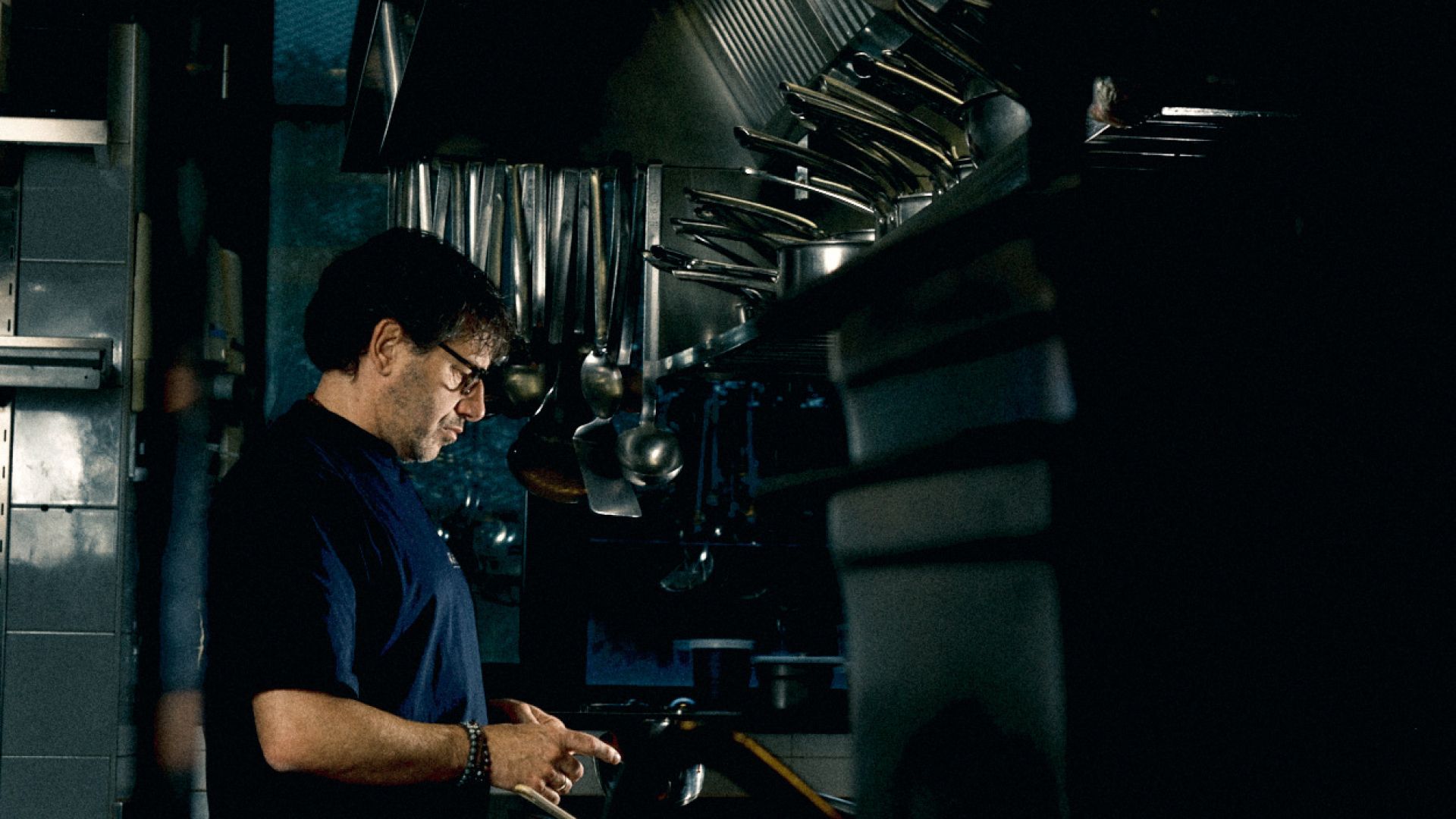
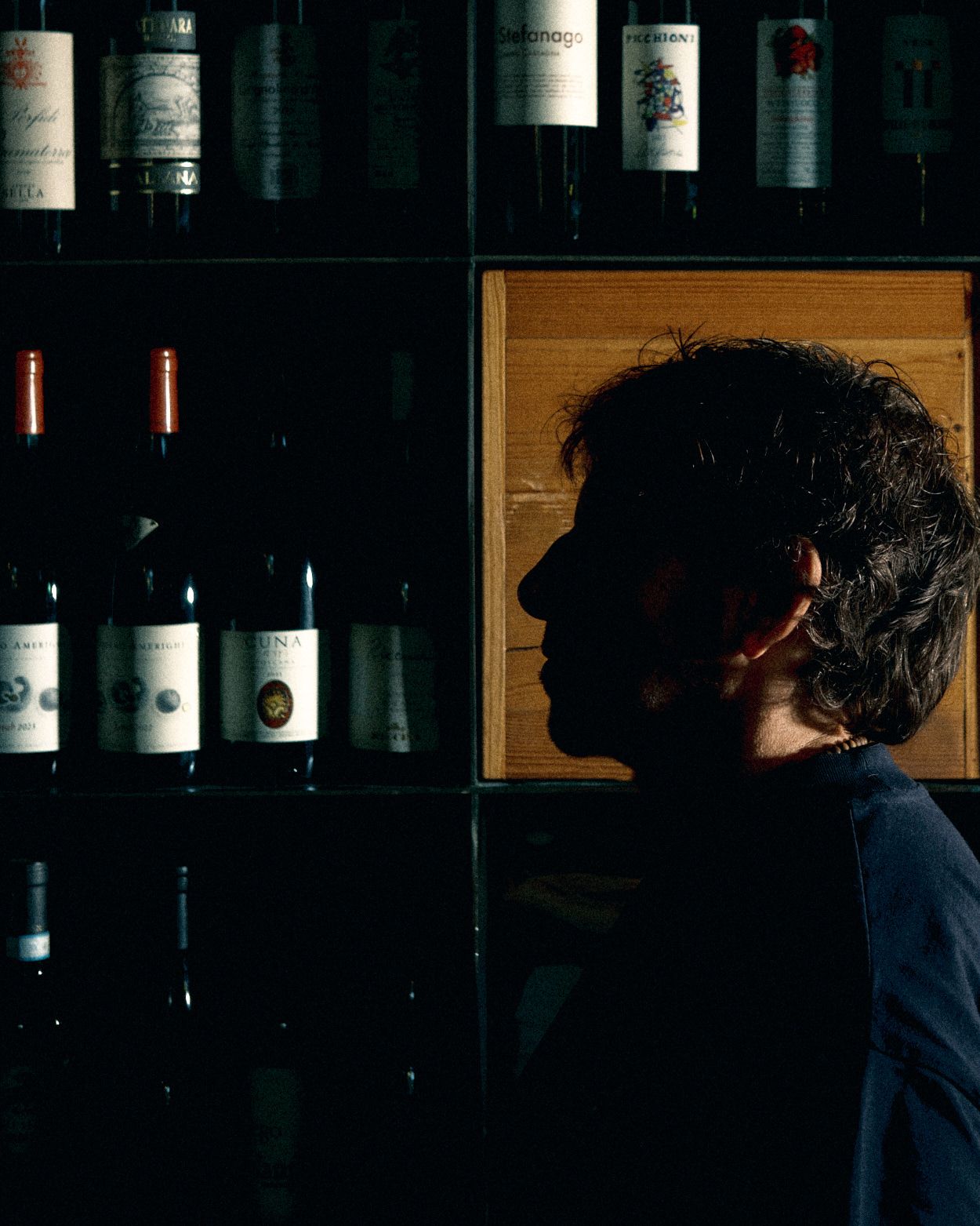
It’s nine in the morning on a cold late-October day, and the sight of Ratanà, framed by skyscrapers housing some of Milan's most prominent financial offices yet surrounded by greenery, feels like stumbling across an oasis in the desert. Opened in 2009 by chef Cesare Battisti, the restaurant welcomes us with the smell of the traditional Milanese risotto with bone marrow, roast gravy, and gremolata he has prepared for the shoot. His touch is apparent in every corner, from the vinyl copy of Sade’s Diamond Life behind the till to the wall of wine bottles separating the kitchen from the dining room, and the newspaper articles about the restaurant framed on the structural column between the tables.
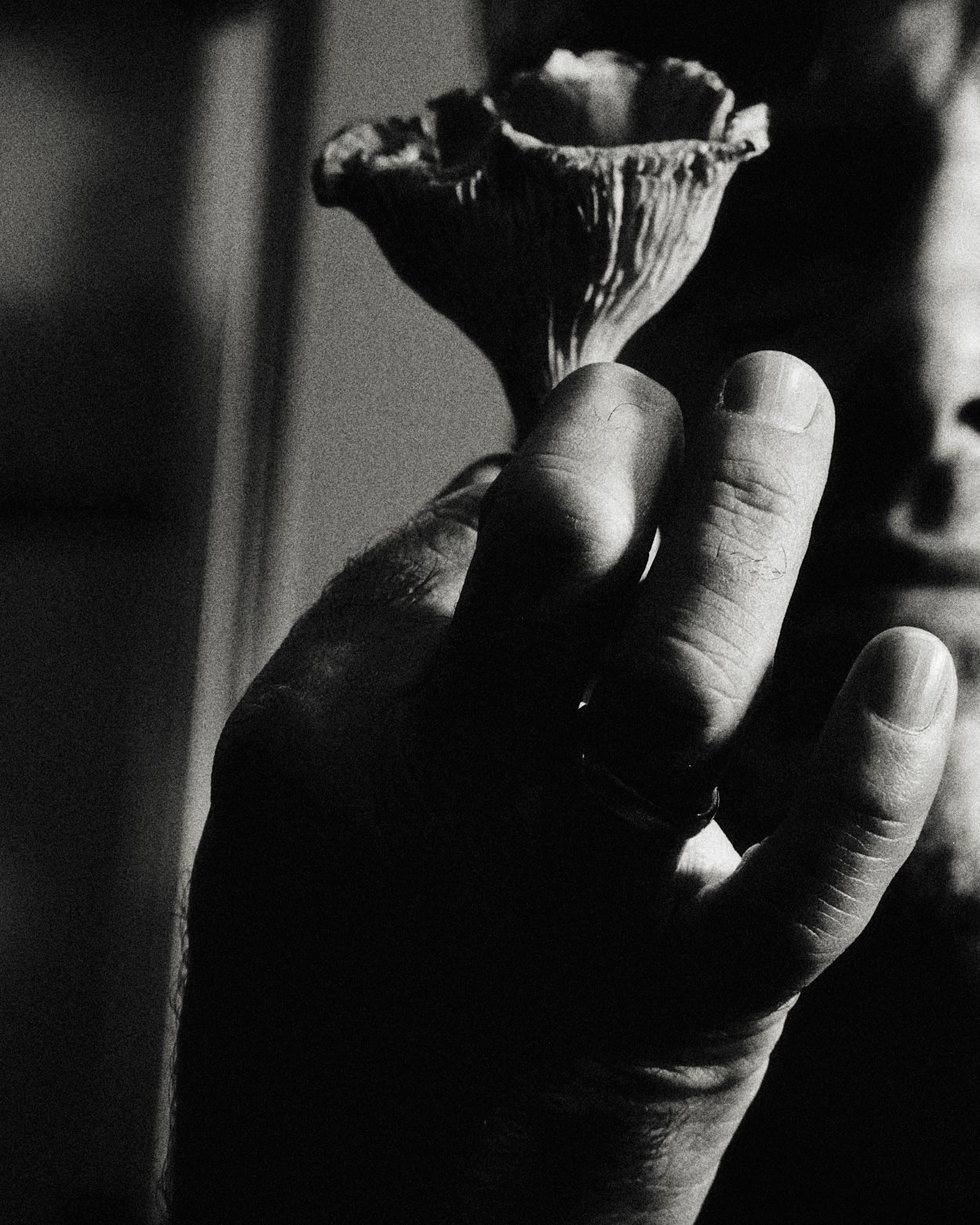
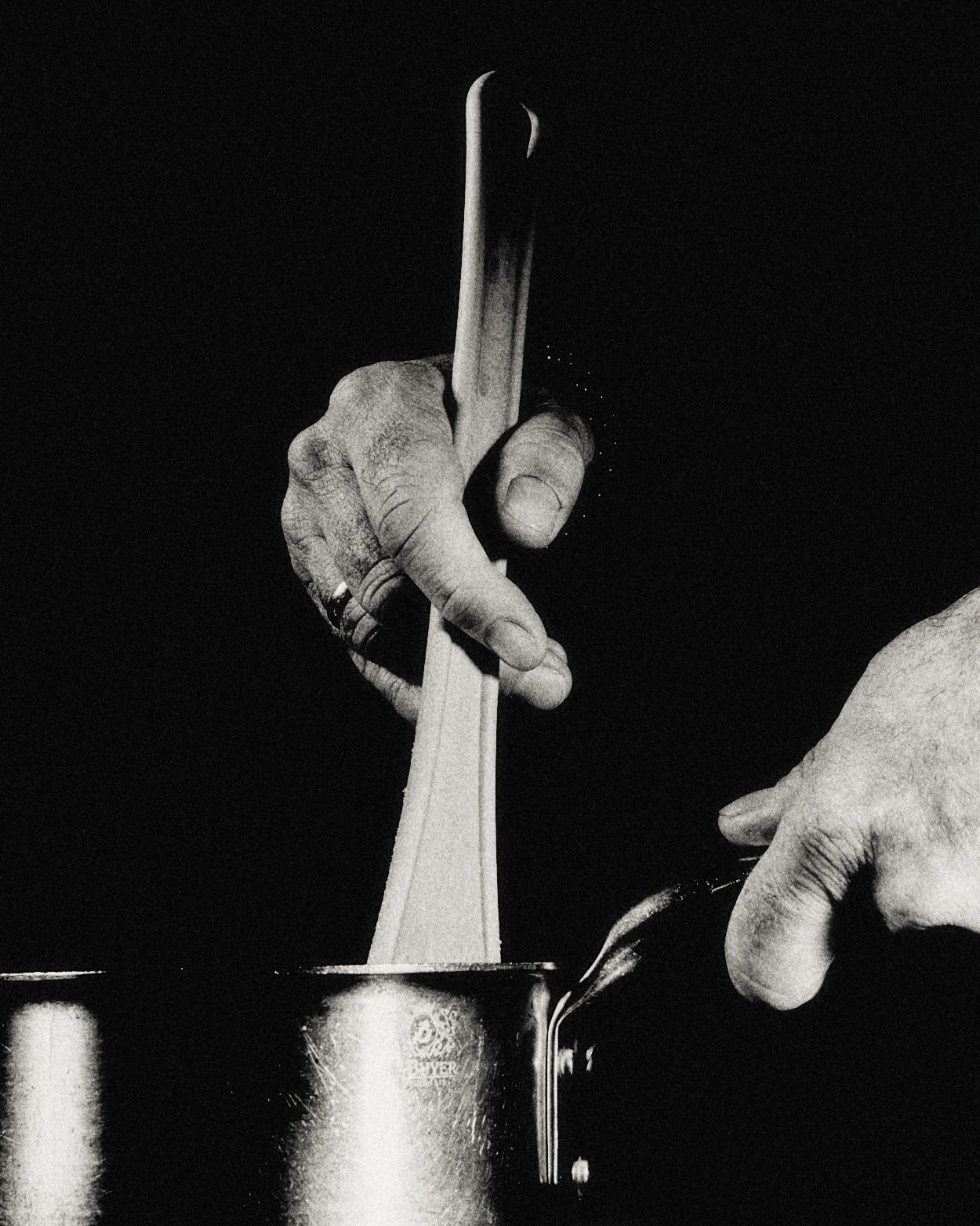
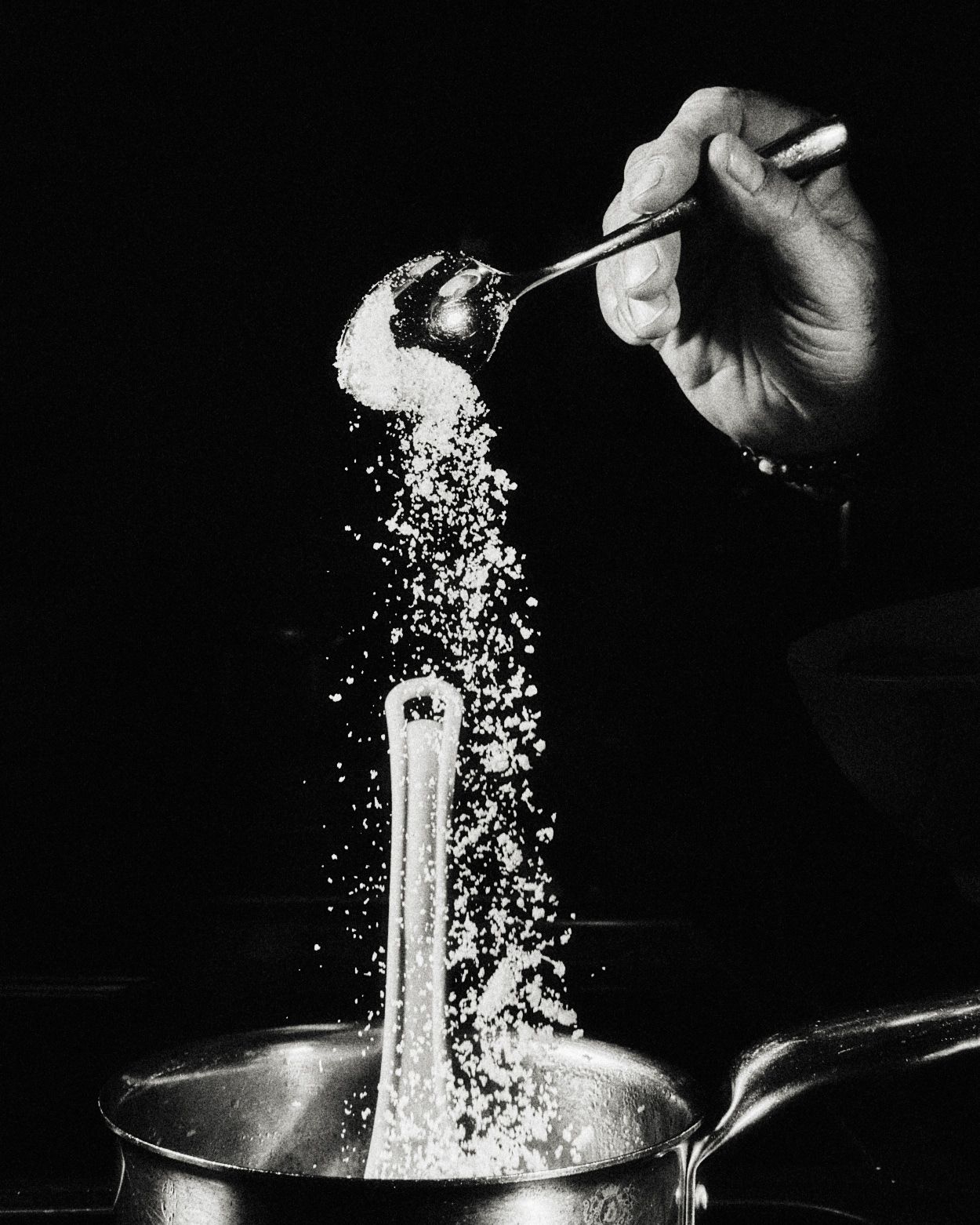
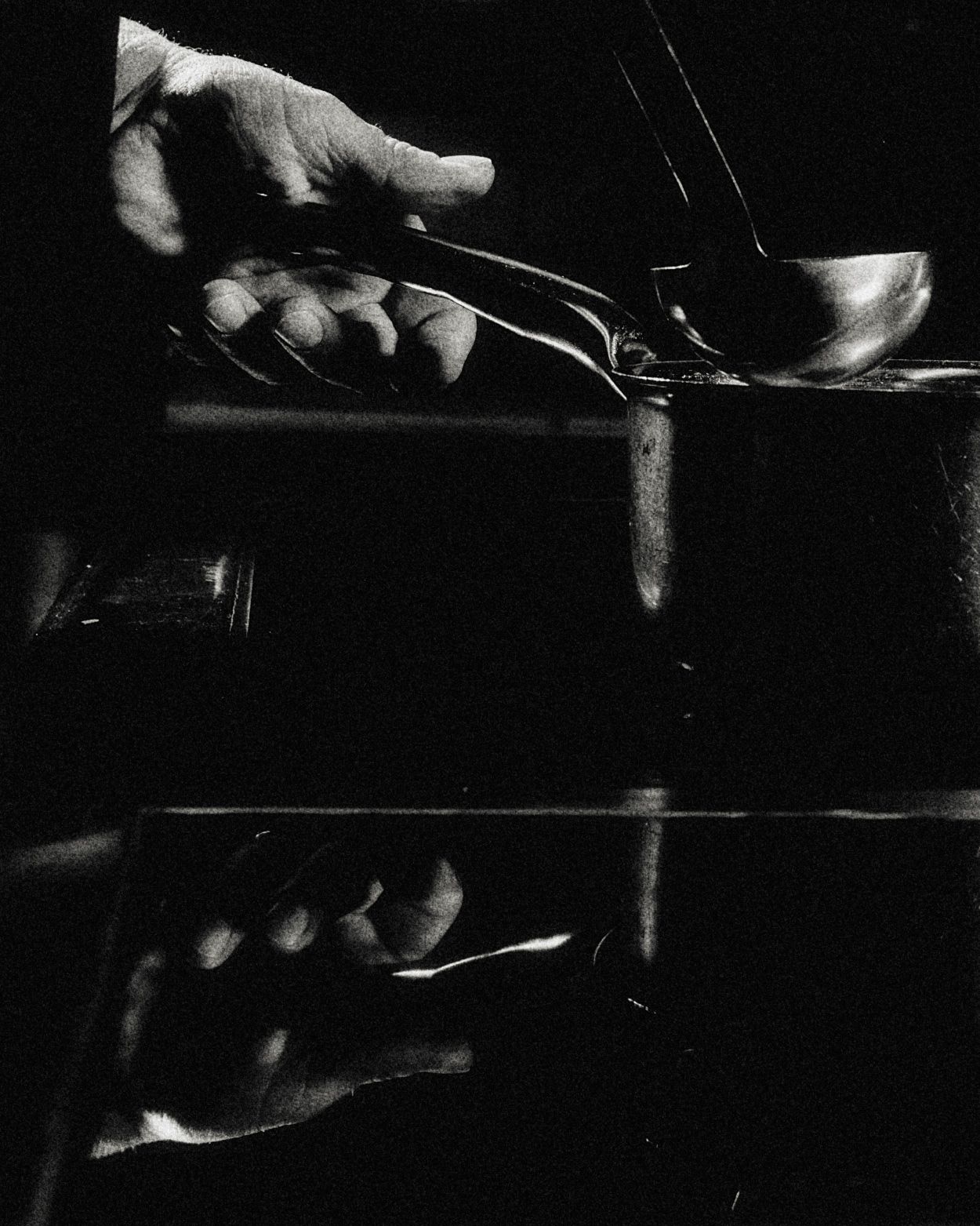
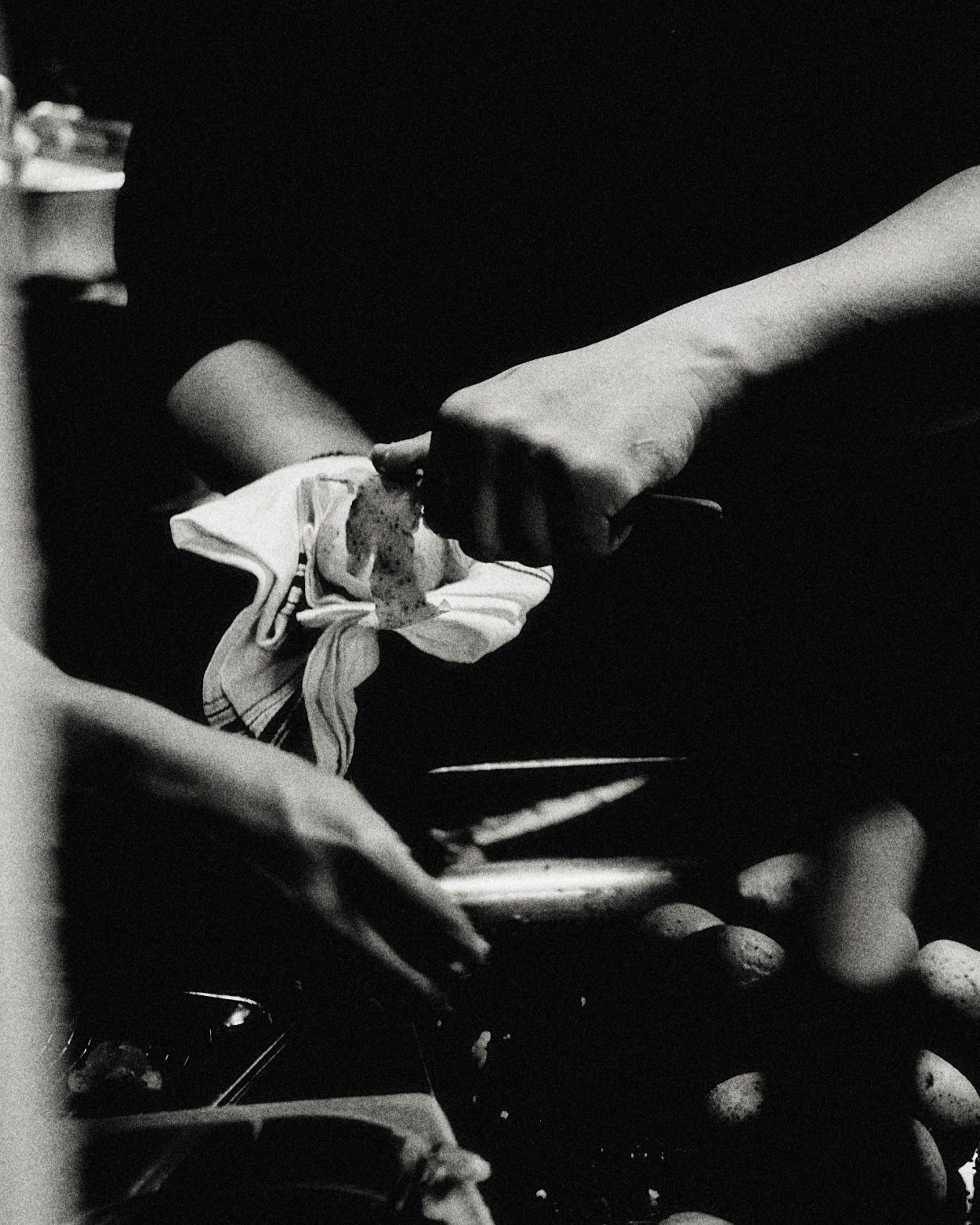
It is with touch, both metaphorical and literal, that our conversation with the chef begins. Craftsmanship and working with your hands are at the heart of Mani in Pasta, the new editorial project by nss edicola. For Battisti, they are first and foremost a way of understanding the world around him. “For me, working with your hands is a primal form of knowledge. I’m a cook, and I use my hands to transform ingredients. Every gesture involving food should be sacred,” he tells us, before we move on to the pleasure of gathering around a table, Milanese cuisine and the importance of listening.
 We’re at Ratanà, your first project. How do you make sophisticated cooking accessible to someone who simply wants to eat well?
Through its story. When I opened here in 2009, I wanted a contemporary osteria. I wanted to tell the stories behind the dishes and the producers, because a simple dish can involve just as much research as a fine dining dish. This might get me into an argument, but to me, a fine dining dish that needs instructions on how to eat it isn’t a finished dish. Are you going to sit a young person down and say, “Now I’m going to tell you about my journey, and you’re going to spend three hours and forty minutes at the table”? Not even a wedding goes on like that. Twenty-seven-course tasting menus don’t work anymore. By the fifth course, I’ve already had enough. I can’t concentrate anymore.
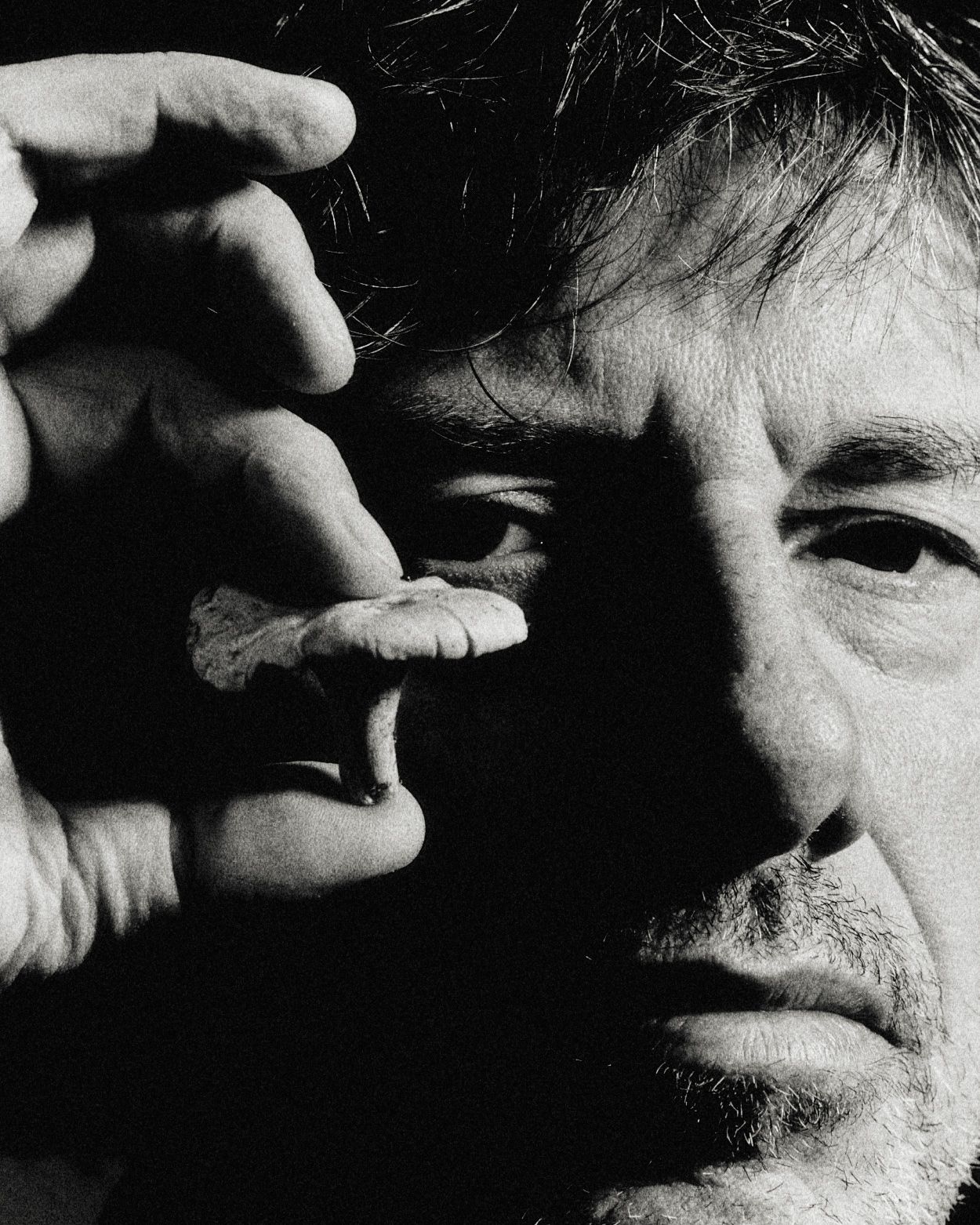 Milanese cuisine is often reduced to a handful of dishes, such as ossobuco and cotoletta. What does “Milanese cuisine” mean to you?
For me, Milan has always had a clear identity. It’s an understated city. It has always given a voice to restaurateurs who have come here and welcomed people arriving for work, sometimes at the expense of its own cuisine. Even today, it’s easier to find a sushi restaurant than a Milanese one. But that has also allowed Milan to become more international.
When I started here at Ratanà, Milanese cuisine could fit on a postcard. There was saffron risotto, cotoletta and ossobuco. But if you look at the recipes, it has never been just that. Some dishes have fallen out of favour because the climate has changed, and so has the way we eat. You have to make them lighter while trying to preserve their identity. I like this image of a city that knows what it’s doing but quietly gets on with things and lets others take the lead.
 Milan has seen a boom in wine bars, small plates and listening bars. How do your projects fit into this shift? What sets them apart, and what connects them?
It’s true, because society has changed. That’s precisely why I wanted to take things a step further and offer something to the city. I noticed this shift too, and I wondered why, when I go to a bar for an aperitivo, I should have to eat taralli or supermarket salami. We put Ratanà chefs behind a counter, brought together a selection of four hundred natural wines and opened Silvano Vini e Cibi al Banco. We wanted to bring the quality of the food up to the same standard as the wine.
It’s a return to the conviviality of the old osterie, to sharing experiences and ideas. The other night at Silvano, I saw two people sitting a couple of seats apart at the counter. There was porchetta, they caught each other’s eye, commented on what they were eating and started talking.
The projects also grew out of a desire to offer a fuller experience of hospitality. Here, we’re in the realm of ossobuco, cotoletta and braised meat, but if 17% of Italians describe themselves as vegetarian, that means roughly two in ten people eat only vegetables. With Remulass, we wanted to offer a different experience, full of colour, aromas and seasonal ingredients, with the same care and attention. Then there’s the artisan pasta shop, where you can find the same things we have on the menu. You can take them home if you can’t get a table, don’t feel like eating at the restaurant or can’t afford to. We’re trying to offer people in Milan the same experience in different ways. What connects the projects is our professionalism, our staff, our ingredients and our approach.
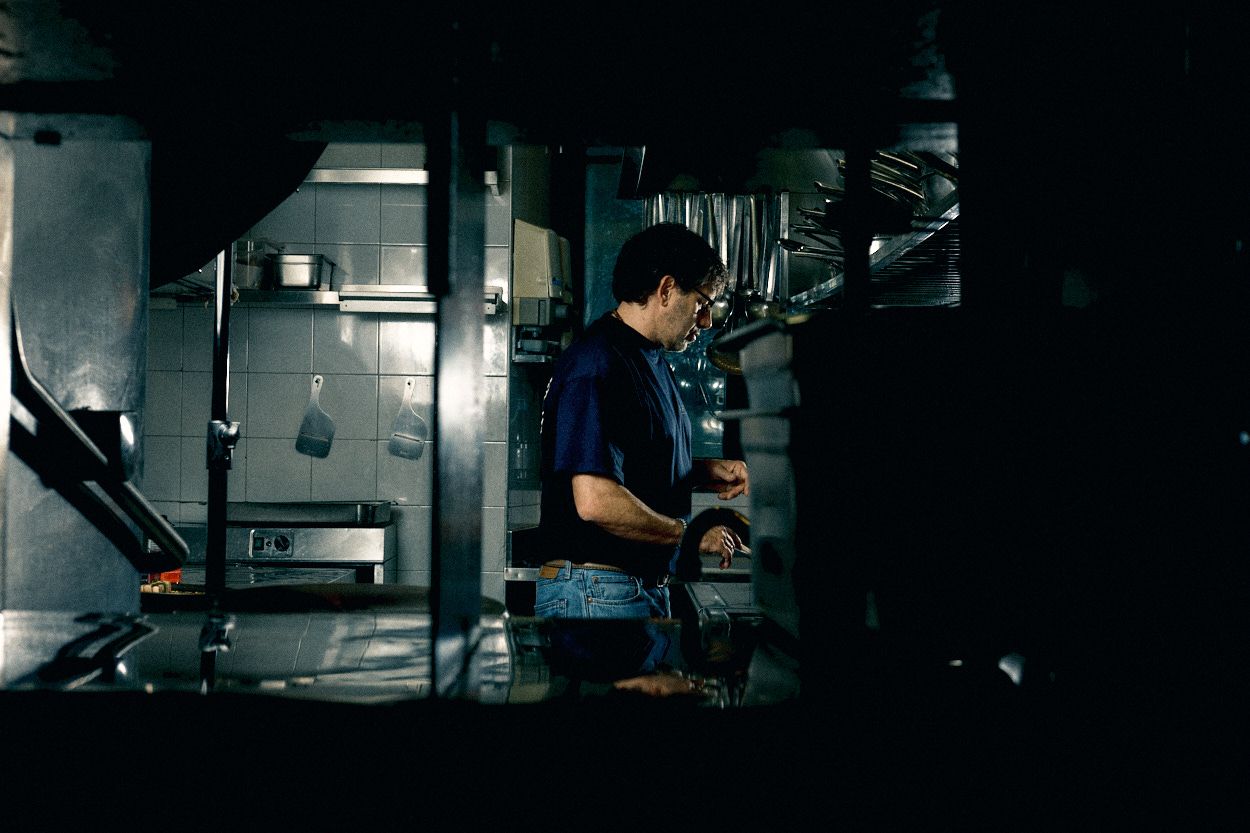
“Passions require sacrifice, but we confuse sacrifice with exploitation.”
After introducing all-day service at Ratanà, you said the number of CVs you received had tripled. How has the restaurant industry changed since you started?The world of work has changed in general. It’s easier to judge than to understand. If I tell you, “You don’t want to work,” that’s the end of the conversation. Sitting down and asking why you don’t want to work at my restaurant is a different matter. Passion requires sacrifice, but we confuse sacrifice with exploitation.
It’s my choice to make an extra sacrifice to understand a dish, to work on Sunday instead of going to play football. But my working hours are still my working hours. That’s different from having to spend eighteen hours a day in a kitchen. We tried to find a solution by staying open all day. It isn’t just about making the team’s working hours sustainable. It also brings in significant revenue, allowing us to pay a decent wage to someone working eight hours straight rather than a split shift.
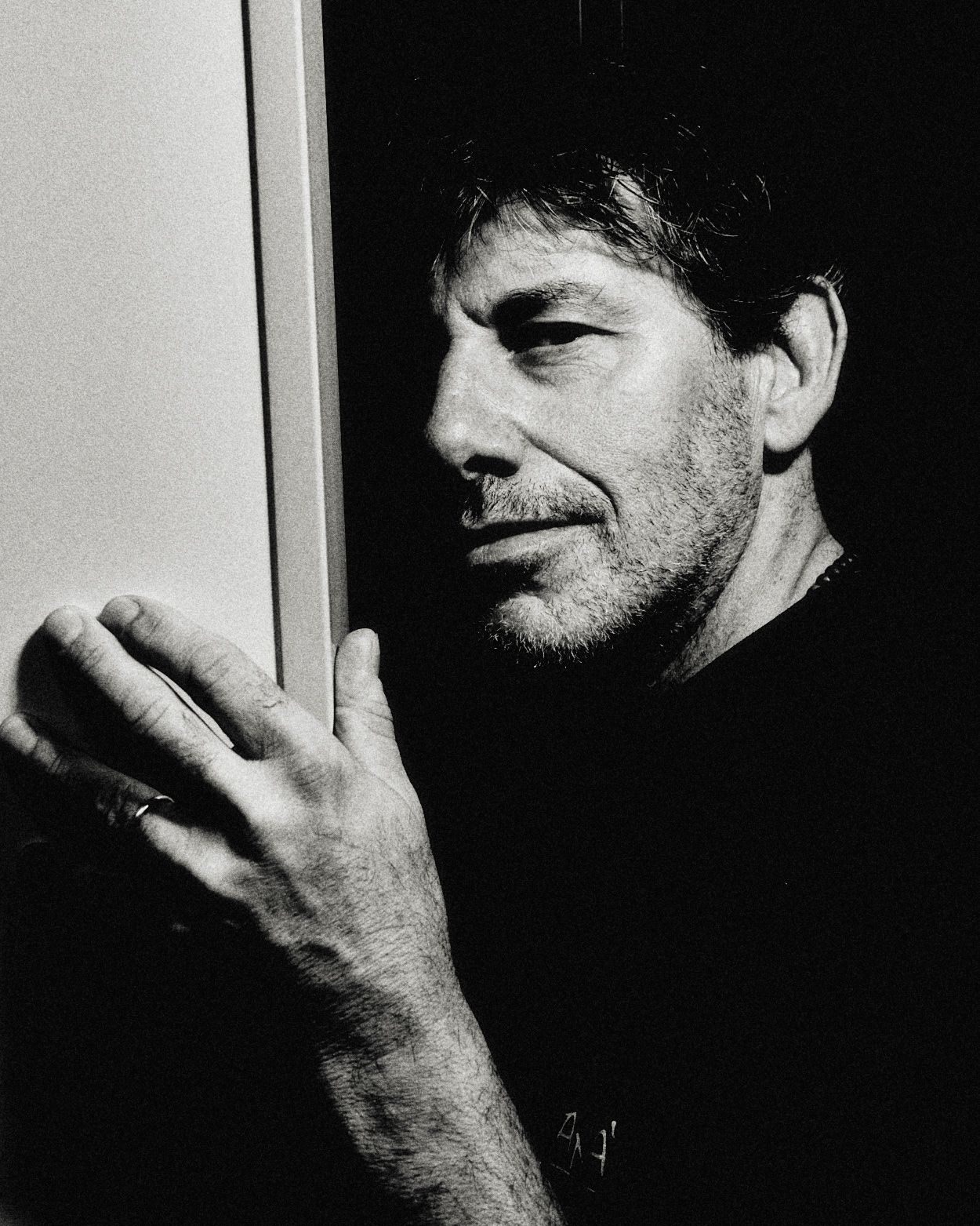 How do you approach your role as a mentor to the young people in your kitchen? How do you help them gain experience?
They need guidance, someone they can rely on. You know the flavours, you know the customers, but you have to stay open to new techniques too, because cooking is a constantly changing language. Everyone contributes to the menu. Each person suggests a dish, an idea, a way of serving something or a combination of ingredients. Some dishes will never make it onto the menu because they’re unbalanced, but the team tries things out and makes adjustments where needed.
I don’t have a monopoly on the truth. I don’t know the one definitive way to make risotto alla milanese. It’s simply how we serve it here. This is our recipe. What matters is that everyone is looking in the same direction and believes in what they’re doing. That applies in the kitchen and in the dining room, just as it does to any kind of teamwork. Sharing is the key.
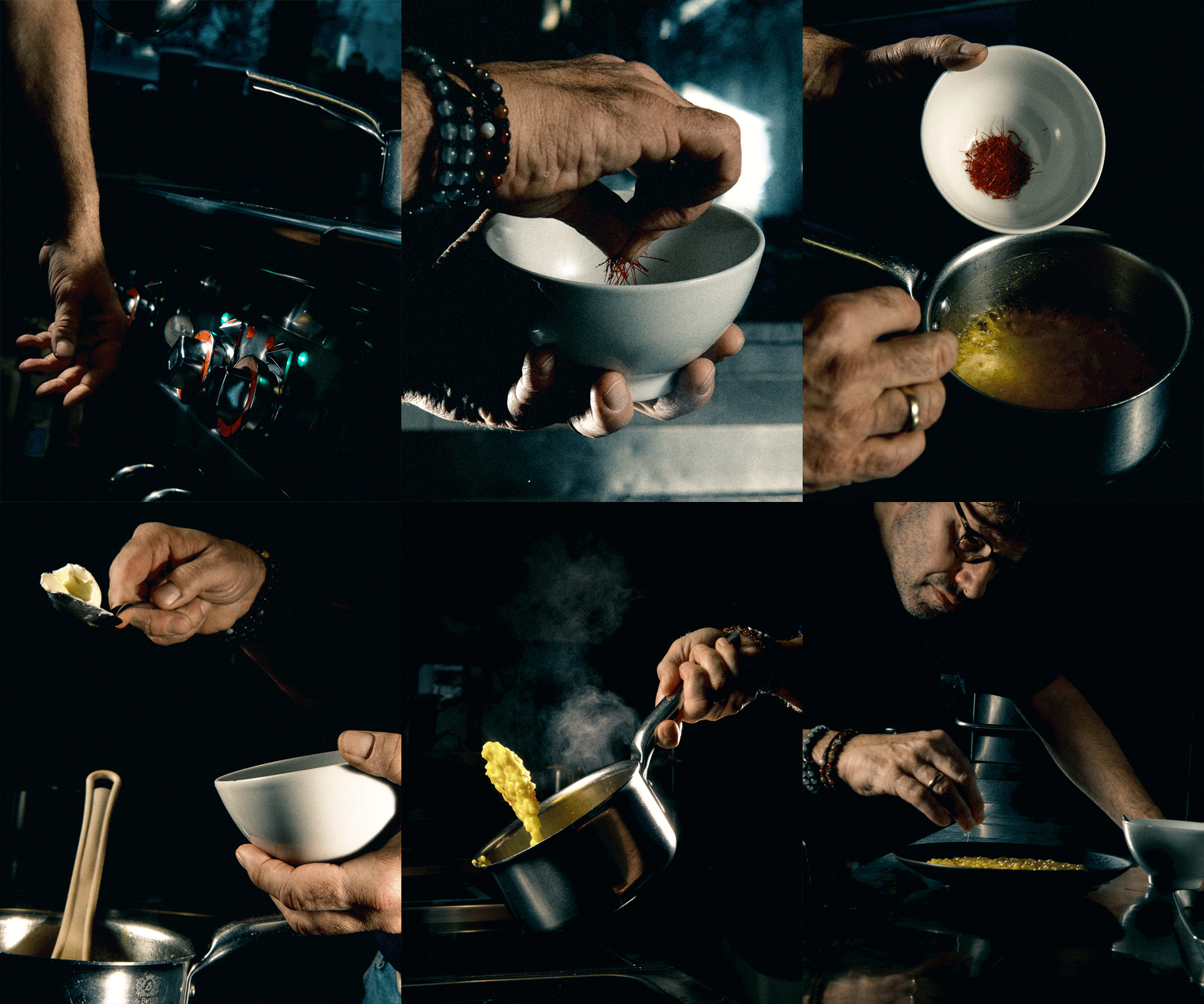
“I don’t hold the scepter of truth; I don’t have the absolute truth about Milanese risotto. It’s just that this is how we eat it here—this is the recipe.”
The important thing is for everyone to be on the same page and to believe in what they’re doing—whether in the kitchen, in the dining room, or in any team effort. Collaboration is the key.
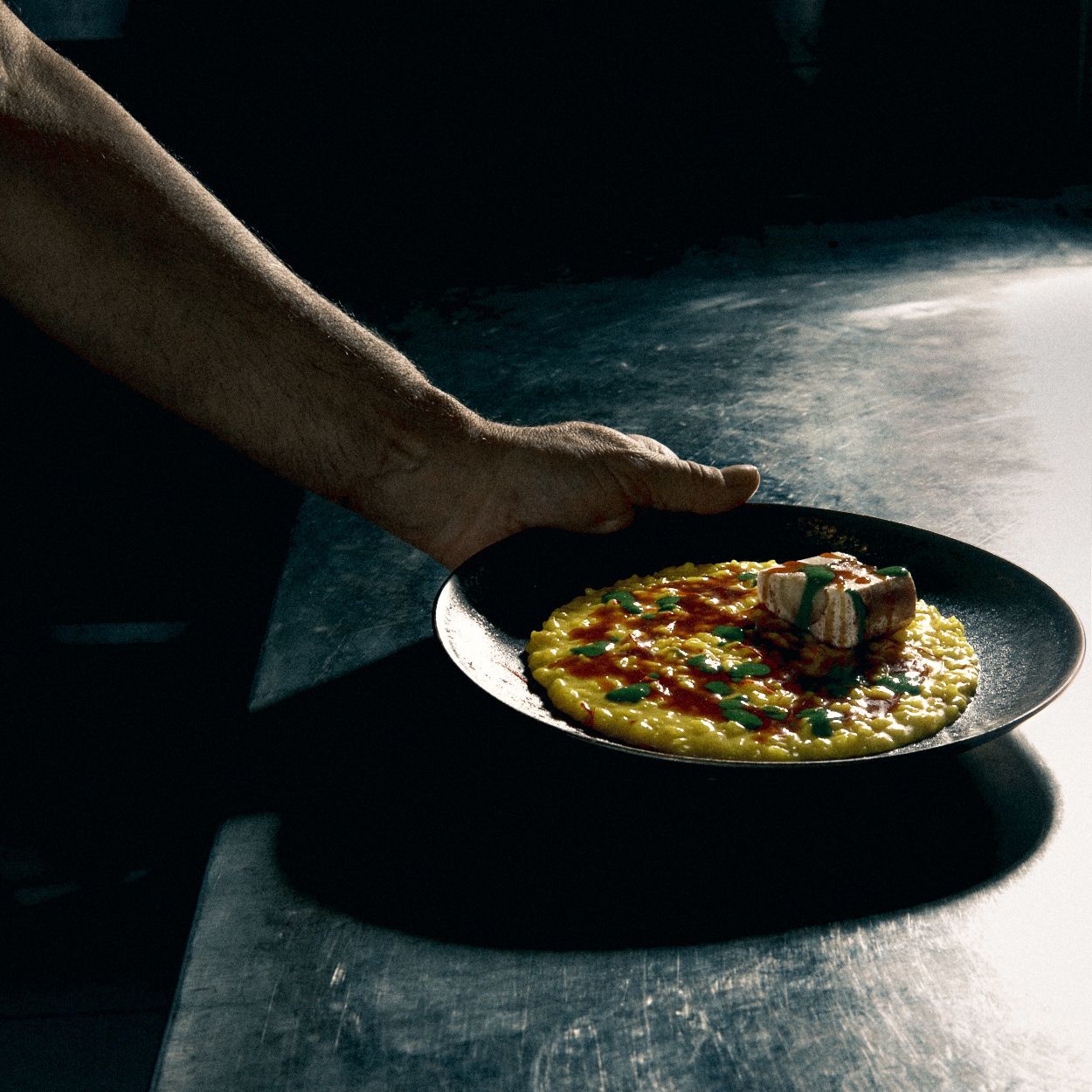 You share your work on social media and now in your new book, Manifesto della cucina del futuro. 8 valori e 80 ricette per mangiare oggi pensando al domani (Manifesto for the Future of Cooking: 8 Values and 80 Recipes for Eating Today with Tomorrow i
I needed to explain what goes on behind it all. You can find a hundred thousand recipes on your phone, but nobody explains why we cook this way. Why do you need extra virgin olive oil and butter to brown meat? You have to help people understand cooking. What ends up on the plate is the result of the work behind it, and that needs to be explained.
There are eighty recipes in the book. Each set of ten is linked to a value you need to put into practice when you cook, but also in life. Knowledge, care, identity, sharing and listening give meaning to what you do. Why do we do it this way? Why does it need care? And why is listening a value nobody puts into practice anymore? It’s the highest form of attention. Nobody listens anymore.
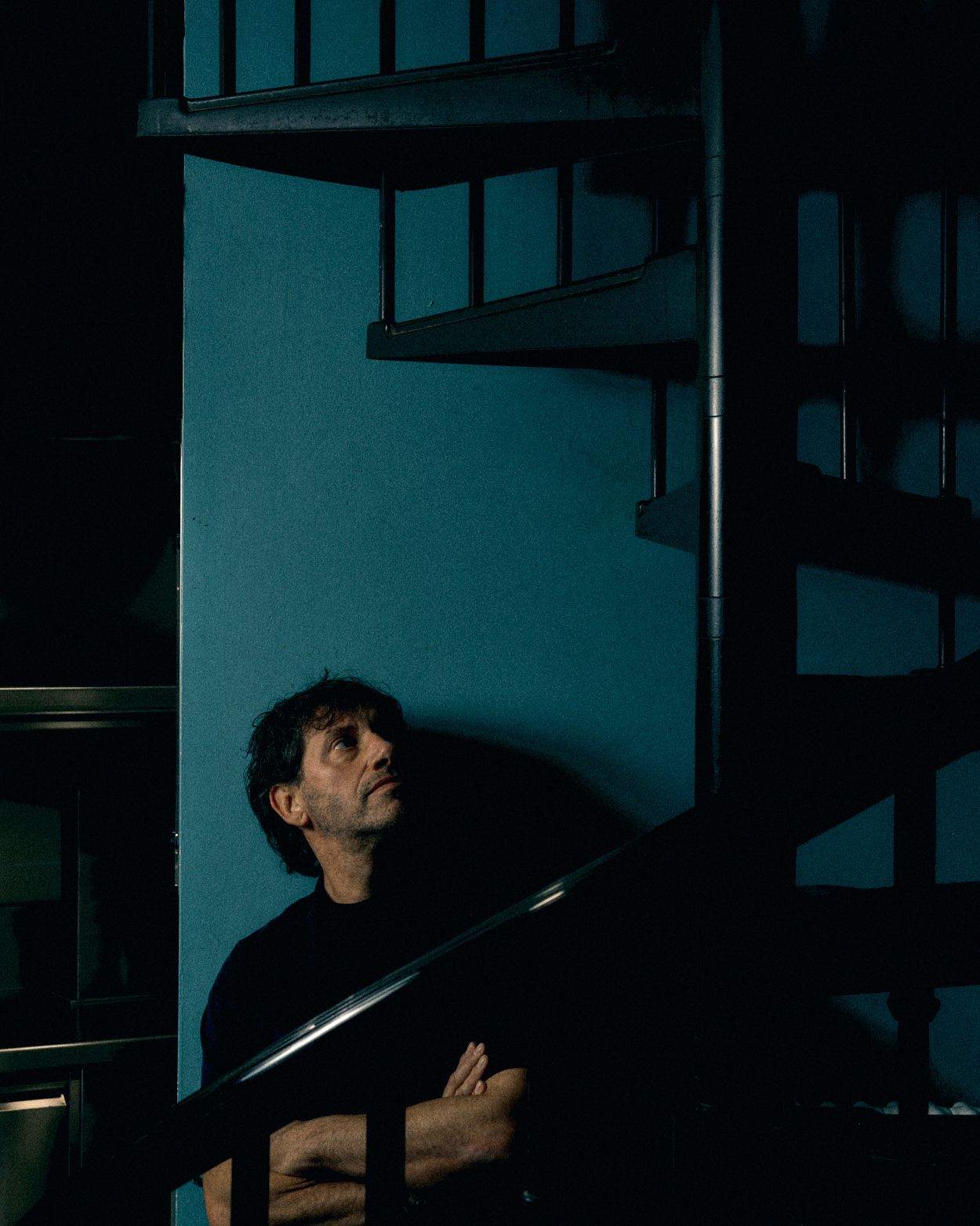 With the rising cost of living, how do you reconcile quality cooking, where everyone is paid fairly, with customers who can only afford to spend so much?
When you buy quality products, price is an indicator. Everyone should have the right to food that is fairly produced, but we know that isn’t the case. We try to keep our prices as accessible as possible, but people need to understand that below a certain price, someone else is paying the cost. At the supermarket, I buy the more expensive organic peeled tomatoes, because if you buy three tins of tomatoes for eighty cents, you’re funding an illegal system of farm labour exploitation. Either the workers pay the price, or the land does, or the consumer’s health.
When it comes to the cost of living, the answer is political. We’re shamefully behind other European countries. There’s no point going on about how much tomatoes cost when our wages are stuck where they were twenty or thirty years ago.
If you woke up tomorrow with no memory, which dish would you want to try again for the first time?
Cotoletta.
Yours?
Mine. The idea of a piece of meat that’s crisp, breaded, fried and juicy inside. Just describing it, I can’t imagine how it wouldn’t make your mouth water.