October 6th, 2026
Should Rome be taken as an example to make historic city centres more pedestrian-friendly? The Italian capital has launched an ambitious plan, tackling a challenge shared by many major cities
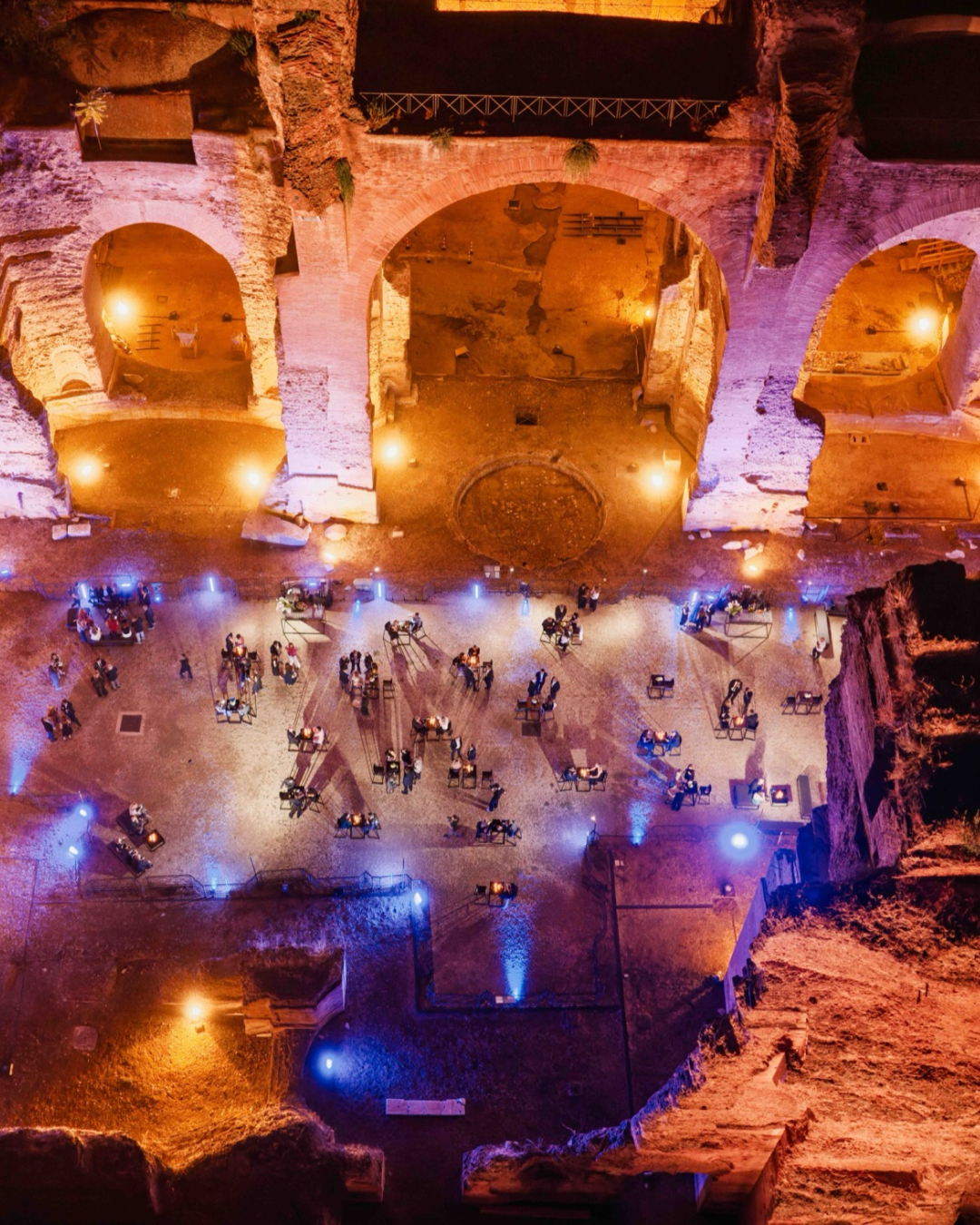
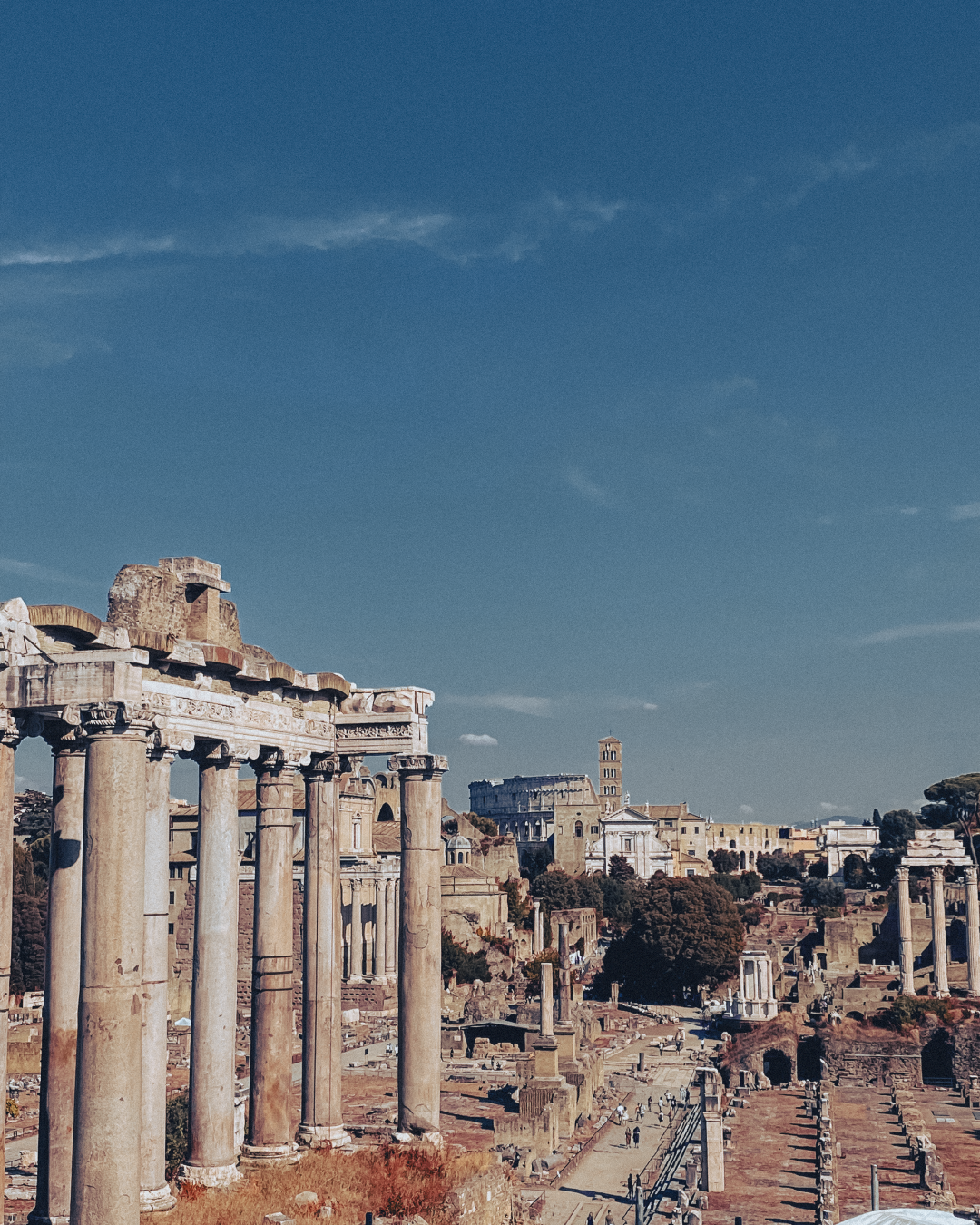
Recently, the Mayor of Rome, Roberto Gualtieri, announced that Via dei Fori Imperiali, one of the capital's most famous streets, connecting Piazza Venezia to the Colosseum, will become almost entirely pedestrianised – with plans including rows of trees and viewing points overlooking the excavations of the Imperial Fora themselves. The project is expected to be completed by summer 2027.
Inaugurated in the 1930s, Via dei Fori Imperiali was for decades one of the busiest streets in Rome. In 2013, then-mayor Ignazio Marino banned private cars from the street, without however truly pedestrianising it – buses, taxis and service vehicles, which can still access the road, often tend to travel at considerable speed, partly due to the street's layout.
Rome's urban regeneration projects
@radioglobo I Fori Imperiali si trasformano: con il progetto “Carme”, 106 ettari di Roma antica verranno collegati in un unico grande sistema tra Campidoglio, Colosseo, Palatino, Circo Massimo, Terme di Caracalla e San Teodoro. Tra le opere più significative c’è la Nuova Passeggiata Archeologica Gli interventi sono oltre 80, con un investimento di circa 200 milioni di euro, per trasformare il cuore di Roma in uno spazio più accessibile e verde. Il grosso dei lavori dovrebbe essere completato entro marzo 2027, con chiusura del programma entro l’estate. Cosa ne pensi? #Roma #foriimperiali #Colosseo #RadioGlobo audio originale - radioglobo
In the new configuration of Via dei Fori Imperiali, only two lanes will be reserved for vehicles – compared to the current six; by 2033, moreover, with the opening of the new Venezia station on metro line C, the street leading to the Colosseum is expected to become entirely pedestrian.
The initiative involving Via dei Fori Imperiali is part of the urban regeneration project known as Carme (Centro Archeologico Monumentale di Roma), a programme of over 80 interventions aimed at enhancing the city's heritage – including restorations, excavations, new pedestrian routes and other initiatives. The area involved in the historic centre of the capital covers more than 100 hectares – and in addition to Via dei Fori Imperiali, renovation works are planned in the areas of Piazza Venezia, the Circus Maximus, the Capitoline Hill and the Baths of Caracalla, among others. These latter areas will be affected by the so-called Nuova Passeggiata Archeologica (New Archaeological Promenade), a series of pedestrian and cycling routes featuring elevated walkways.
The importance of pedestrianising city streets
In 1980, the area around the Colosseum became one of Italy's first major pedestrian zones – the country was nonetheless considerably behind the rest of Europe in making the central areas of its cities accessible to pedestrians. This was because between the 1950s and 1960s Italy experienced a sudden industrial and economic boom, which led to an extremely rapid spread of the car – even though the country had until shortly before been predominantly rural. In this context, environmentalists' warnings failed to resonate with the public or with institutions, and it was only decades later – when the problems of traffic and air quality in major cities became impossible to ignore – that people began looking for a solution to the excessive presence of four-wheeled vehicles on the roads.
Over the years, it has been observed that when a major city's public transport network is not sufficiently extensive or efficient, people tend to rely more heavily on their cars. Under these conditions, the pedestrianisation of urban areas becomes not only more complex to implement, but also harder to communicate to residents. As a result, some local authorities end up postponing the measures needed to reduce traffic, pollution and road hazards, avoiding decisions that might generate short-term discontent.
In Legambiente's latest "Ecosistema Urbano 2025" report, Milan ranks 14th in the pedestrian zone rankings, while Rome comes in 67th – with Lucca topping the list. In 2020, Milan was in 20th place: in those same years, however, the city's local administration launched the "Piazze Aperte" ("Open Squares") project, with the aim of working alongside residents to pedestrianise small areas of the city. Today the initiative is considered a success, to the extent that it has been renewed: dozens of interventions have been carried out in just a few years, involving more than two hundred associations.