
July 8th, 2026
Feudi di San Gregorio builds the future starting from memory The winery turning Irpinia into a living legacy, through vineyards, architecture and art
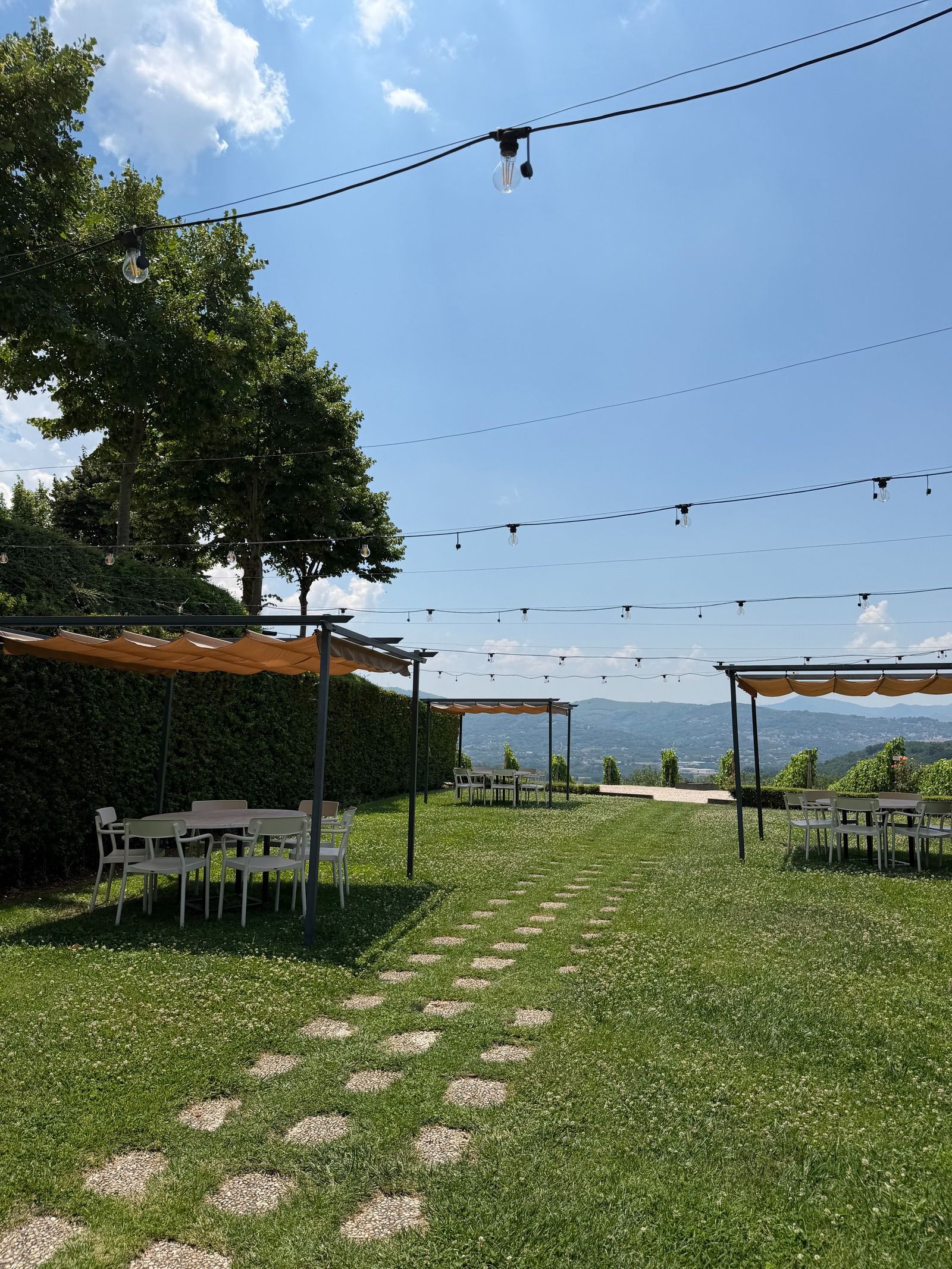
In Sorbo Serpico, among the hills of Irpinia, wine is just one of the languages through which Feudi di San Gregorio builds an imaginary around the territory. Around the vineyards, scientific research, training, architecture, contemporary art, hospitality, and biodiversity conservation coexist, shaping a project that considers the territory not as a resource to exploit, but as a promise to keep.
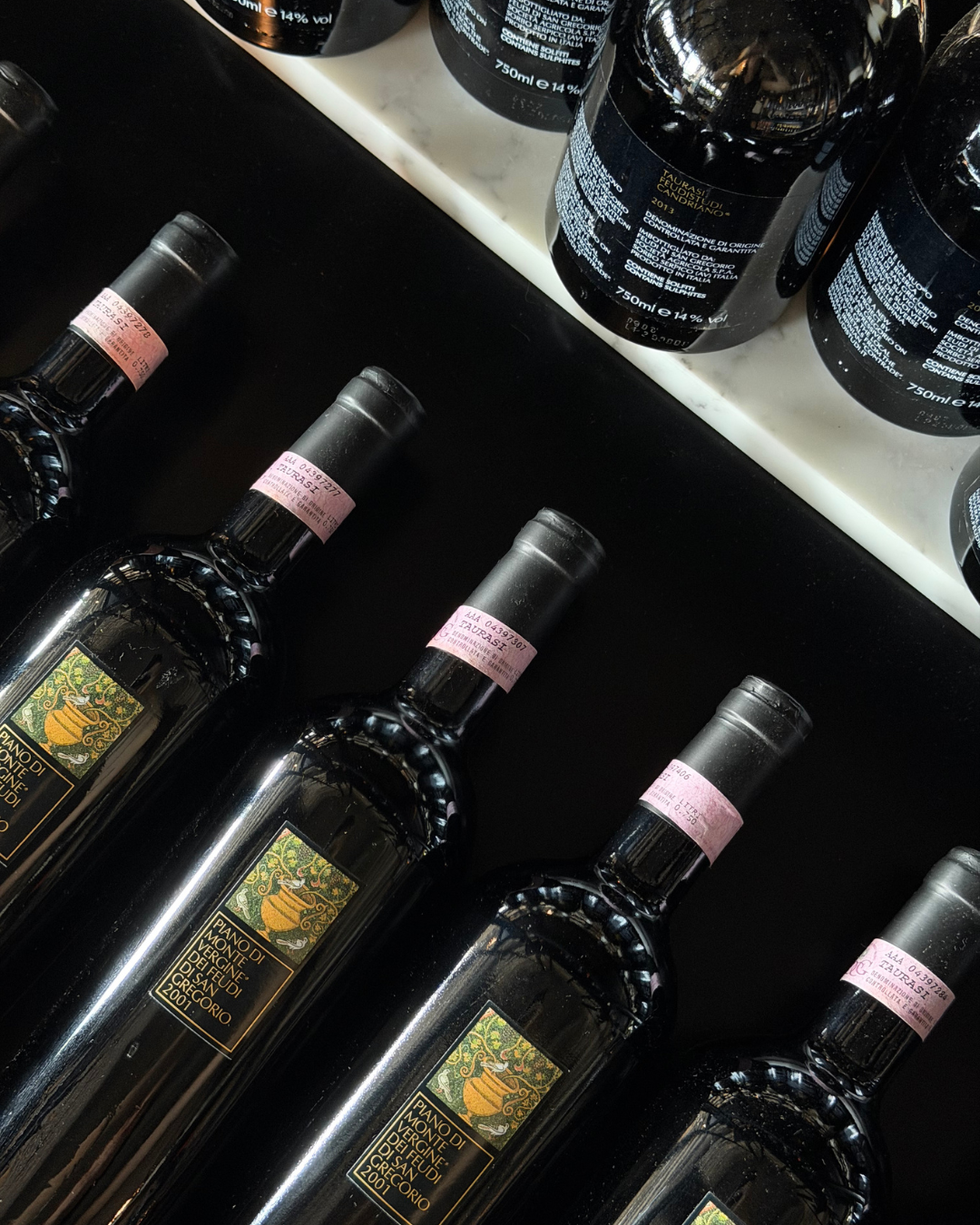
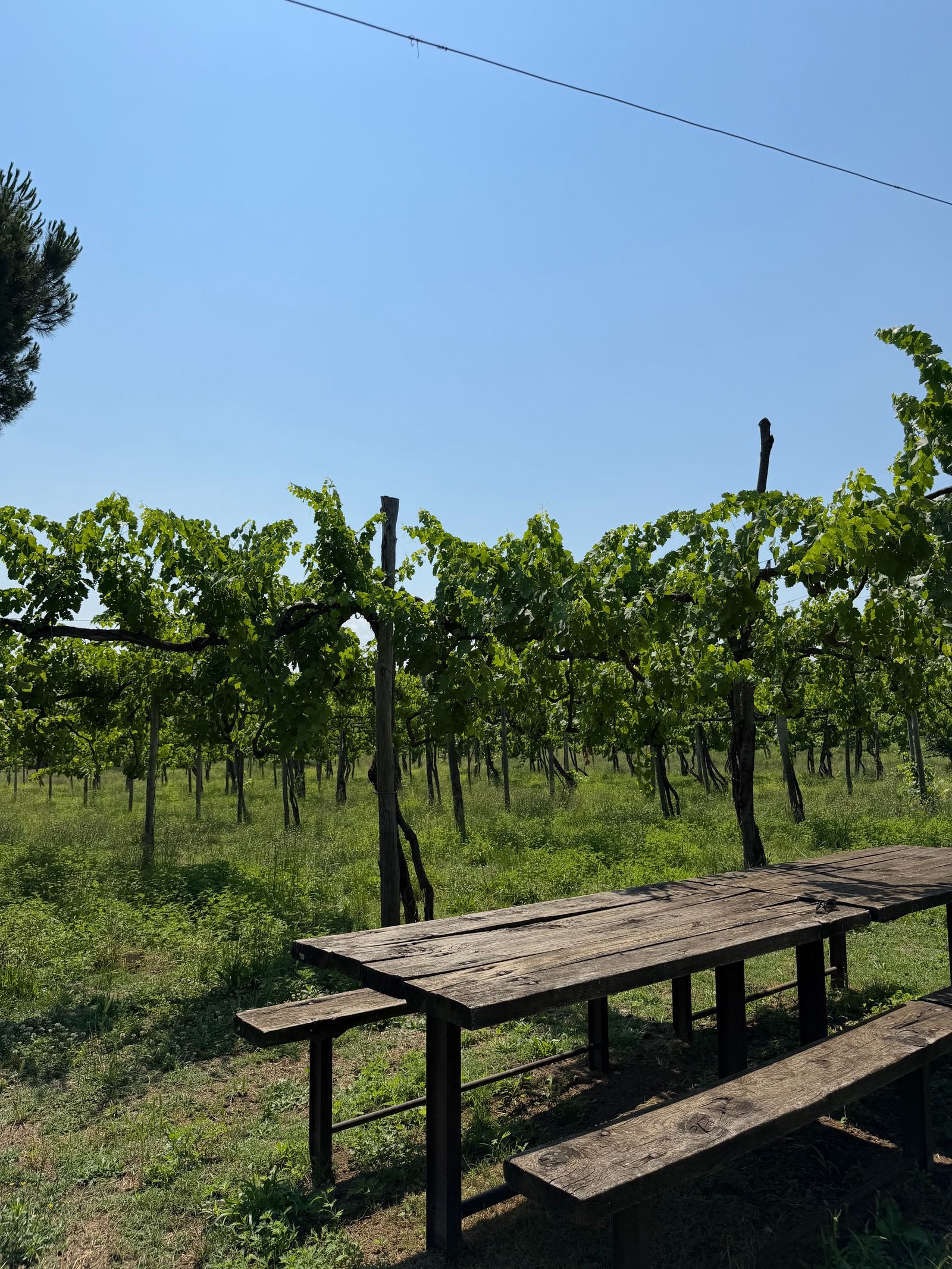
Irpinia is one of the most singular places in the European wine landscape. Here, the volcanic and sandy soils have preserved vines that survived phylloxera, safeguarding a genetic heritage that has been lost across much of the continent. For Feudi, this is not merely a mark of enological prestige, but a living archive: a past that continues to produce knowledge, shaping present choices and future possibilities.
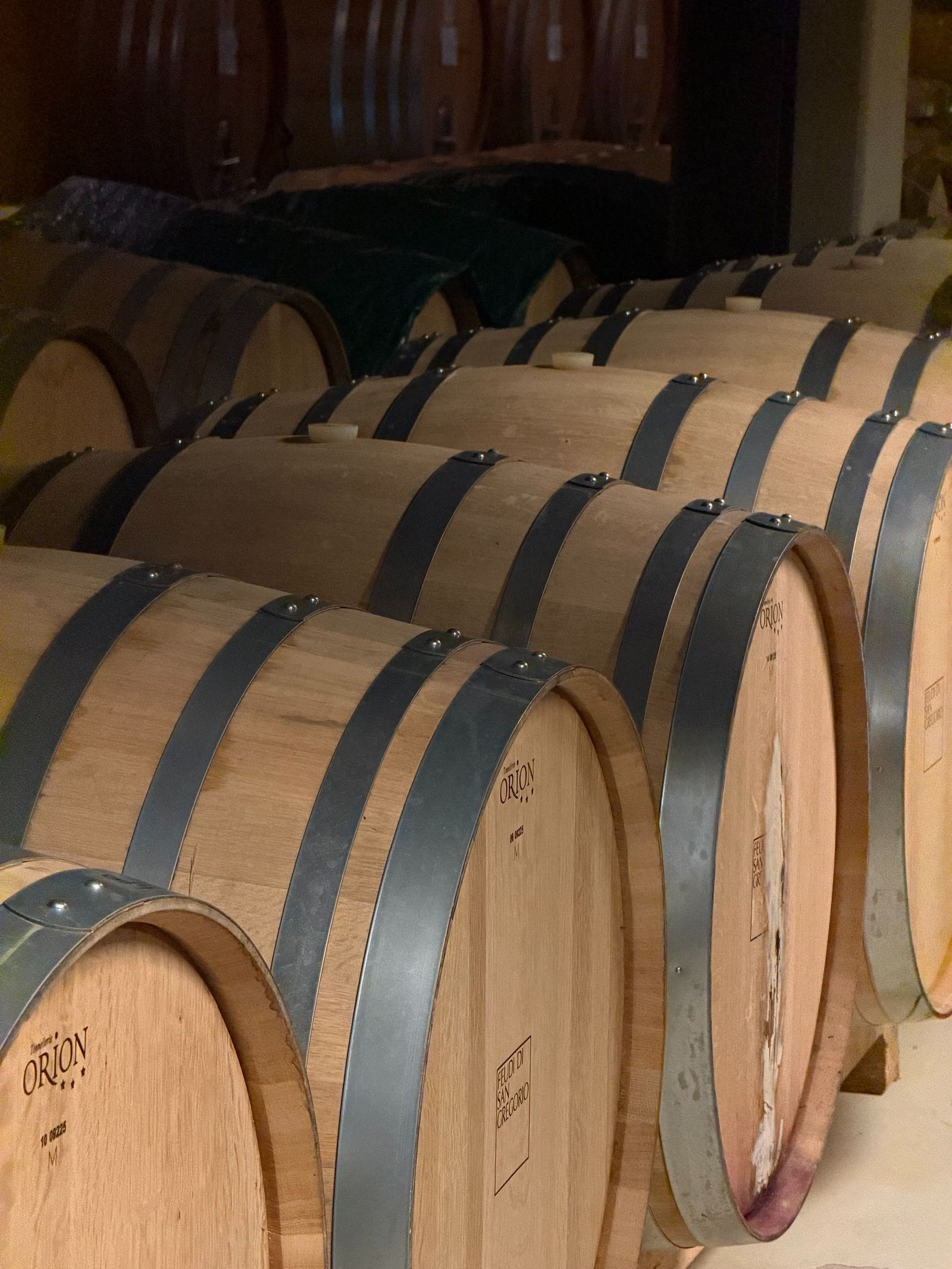
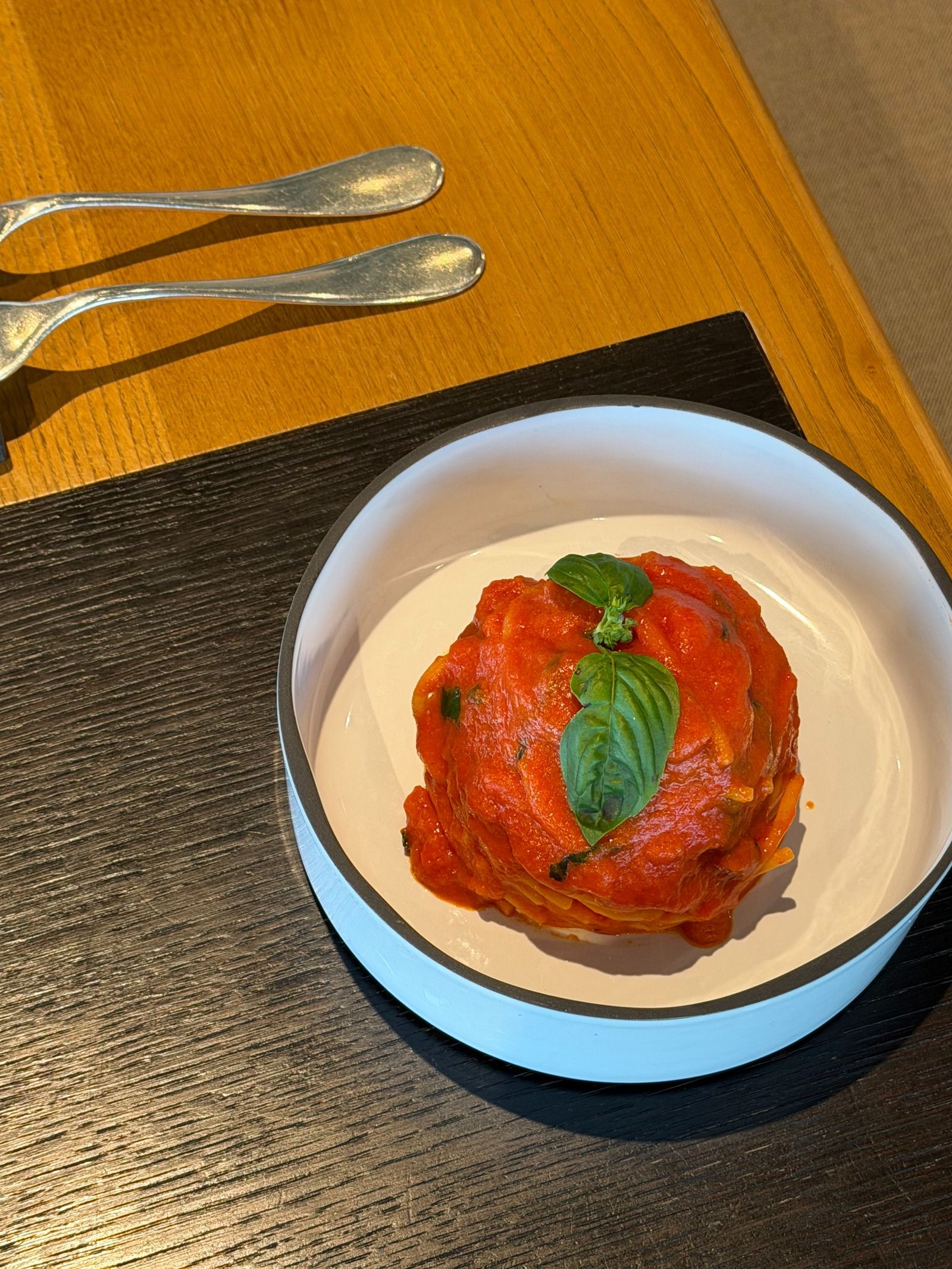
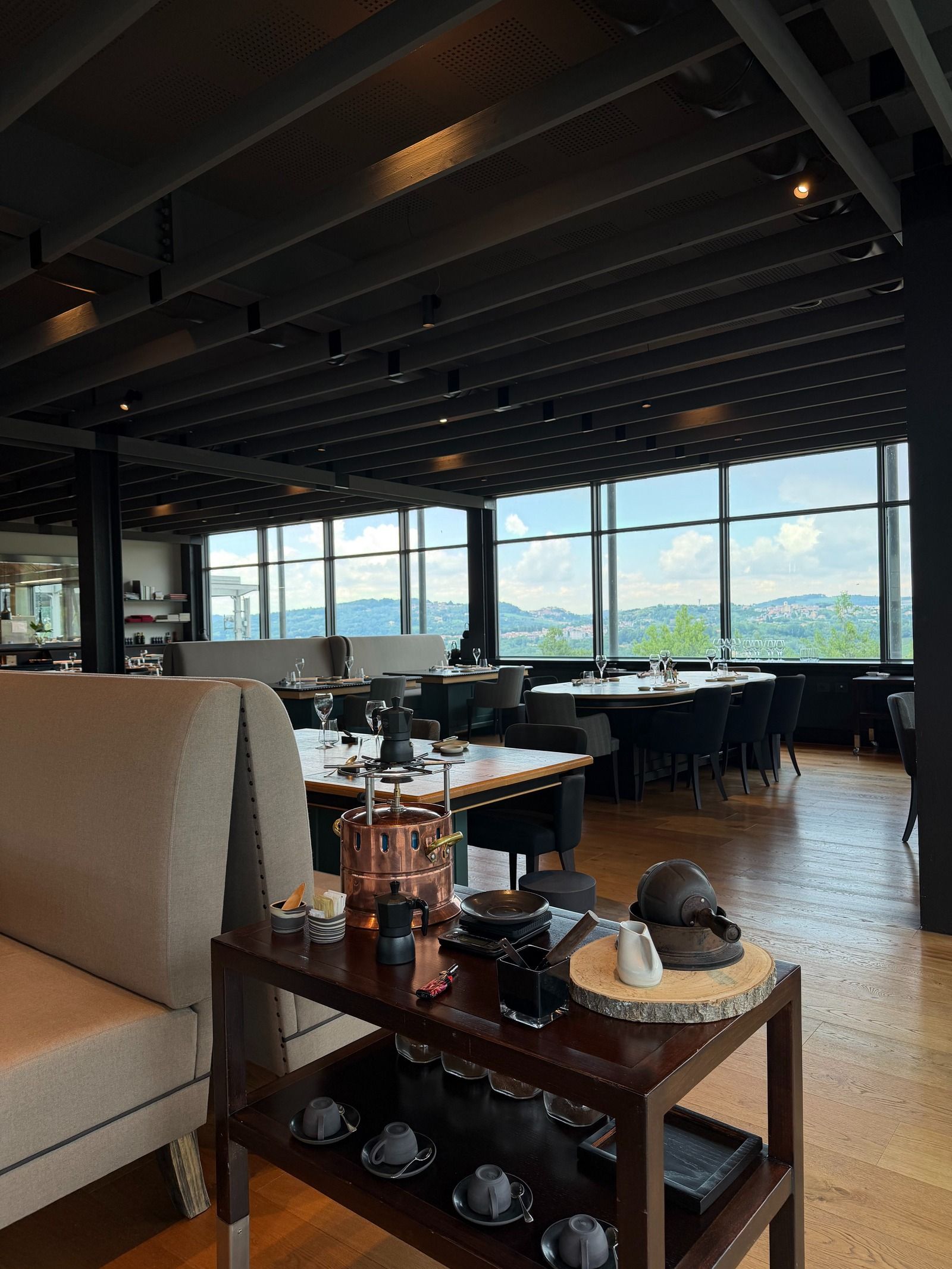
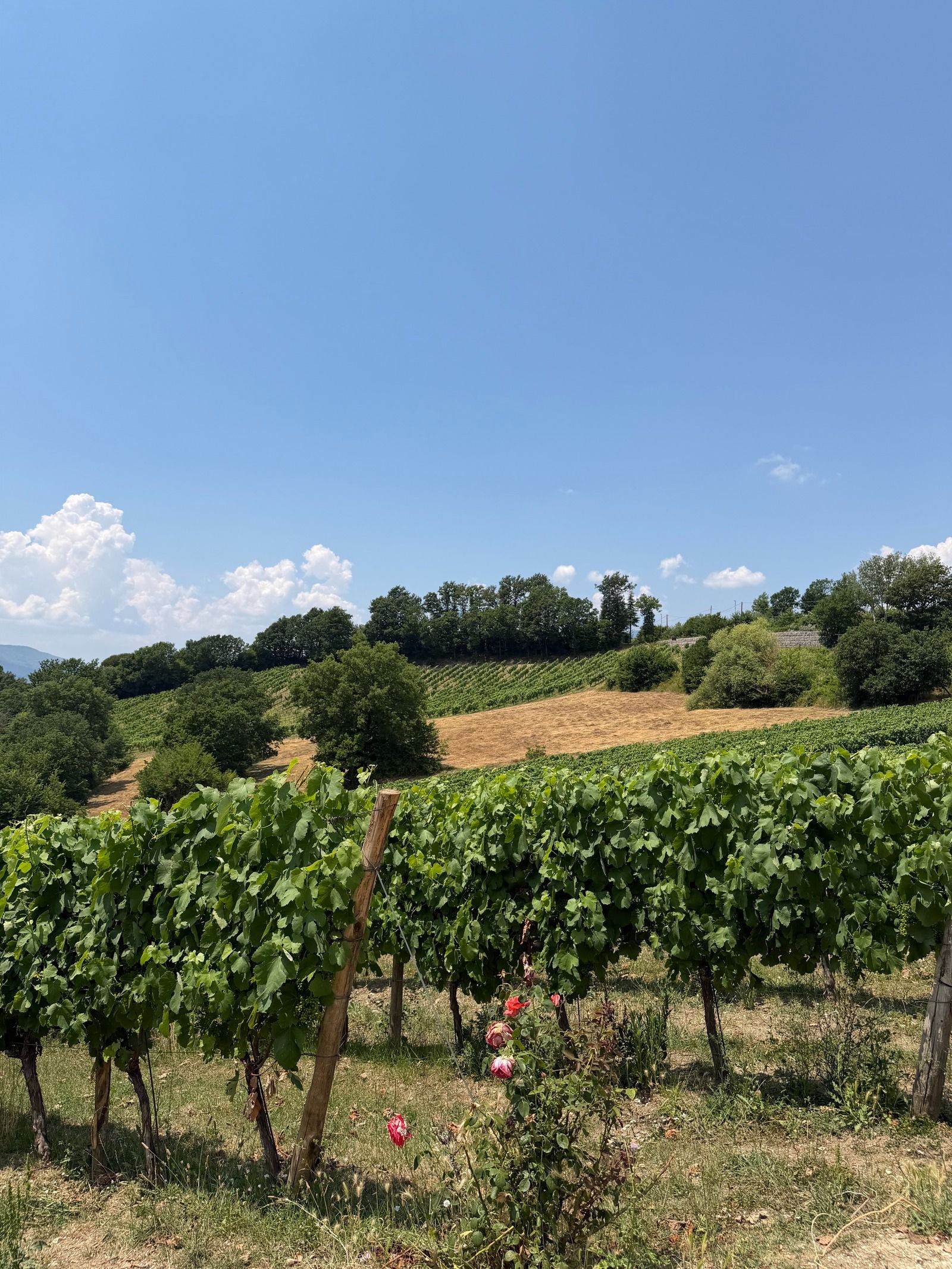
Every decision seems to answer a question different from the one guiding most contemporary businesses: not what to produce today, but which territory to leave to those who will inhabit it tomorrow. To do this, Feudi chooses to start from its deepest form of heritage: agricultural memory.
Made of handed-down gestures, surviving vine varieties, and soils that preserve traits lost elsewhere. To avoid becoming nostalgia, it must continue to be passed on: this is also why training becomes an integral part of the project, because safeguarding knowledge means creating the conditions for someone to still be able to inherit it.
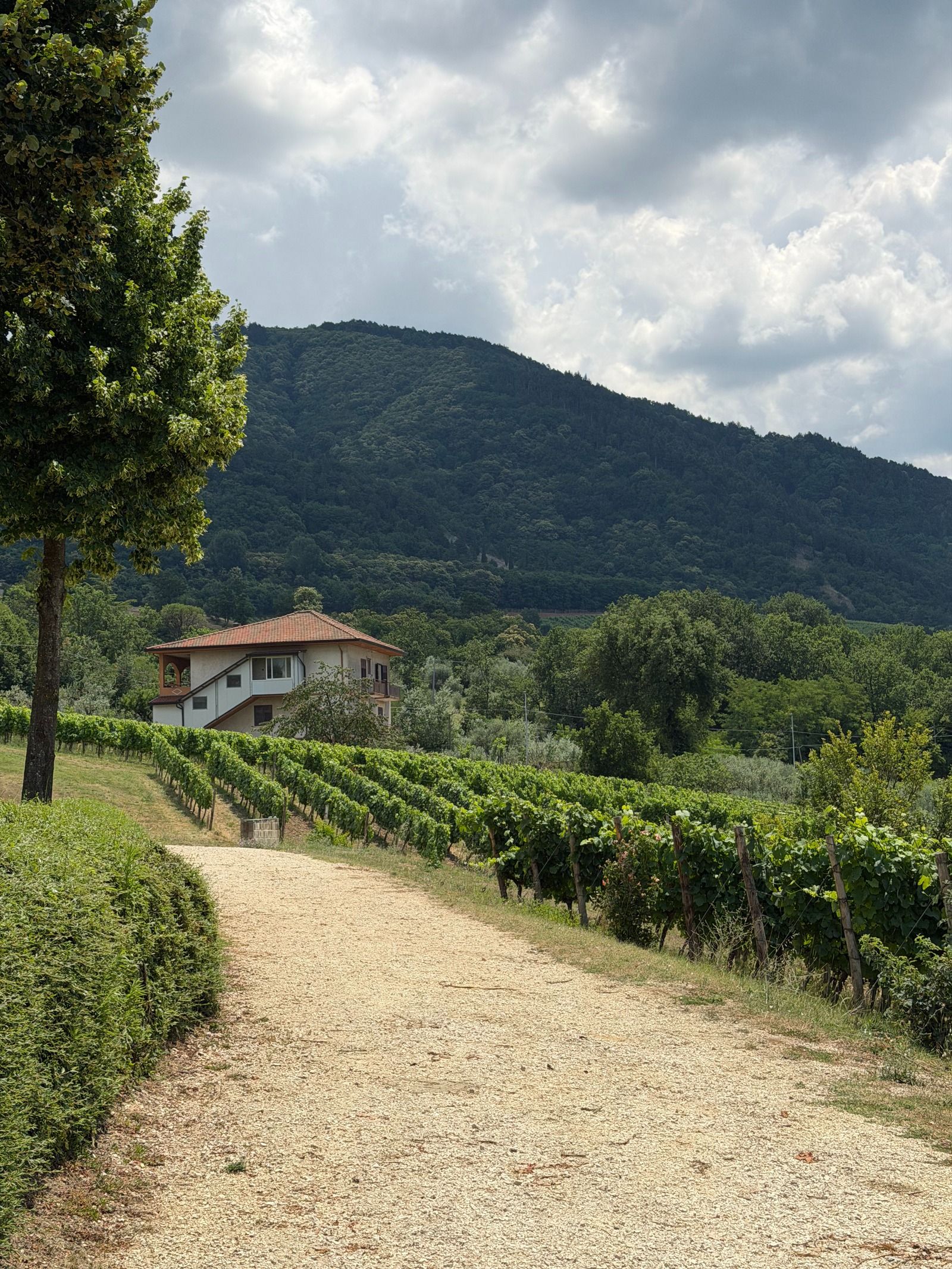
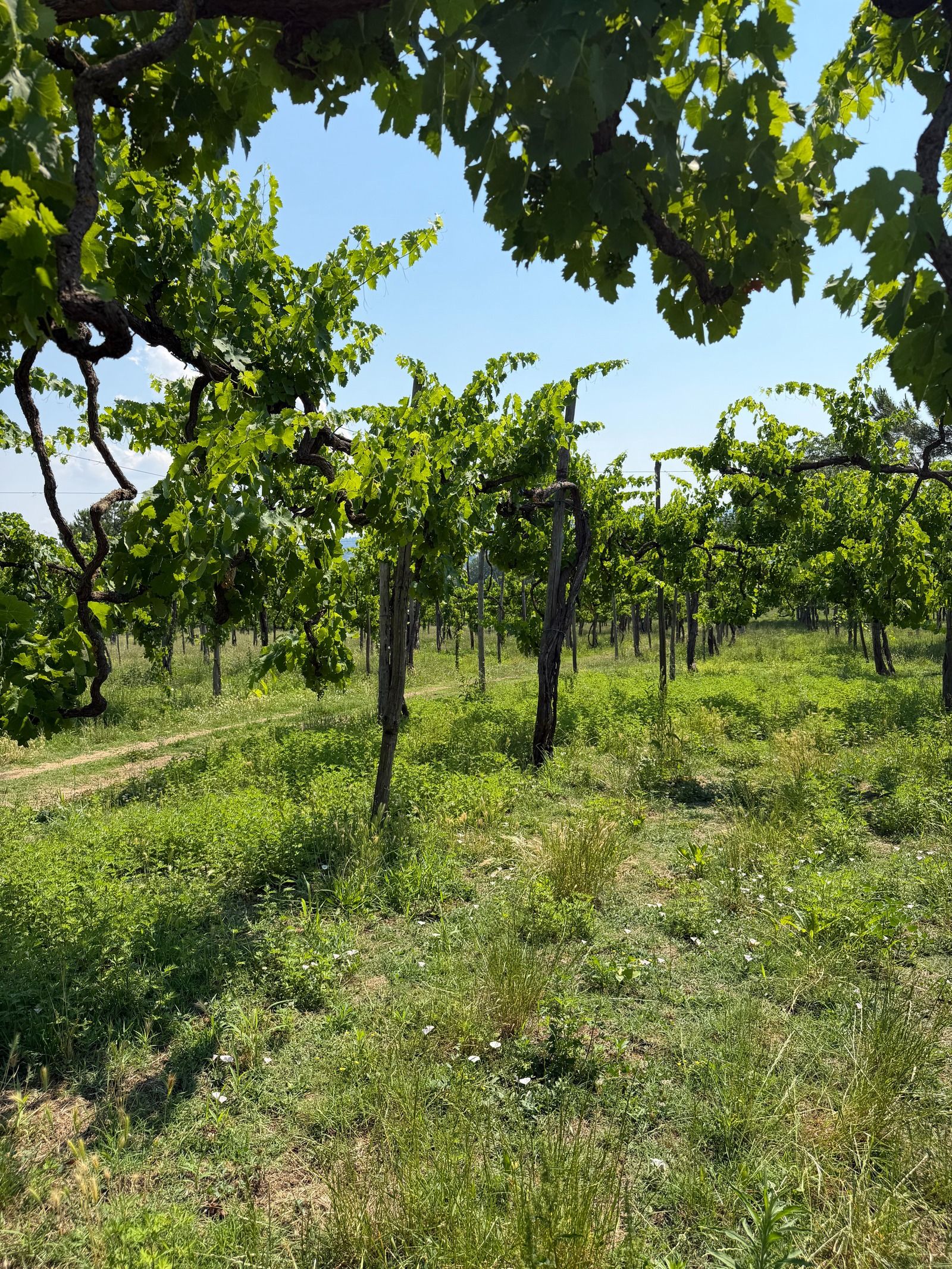
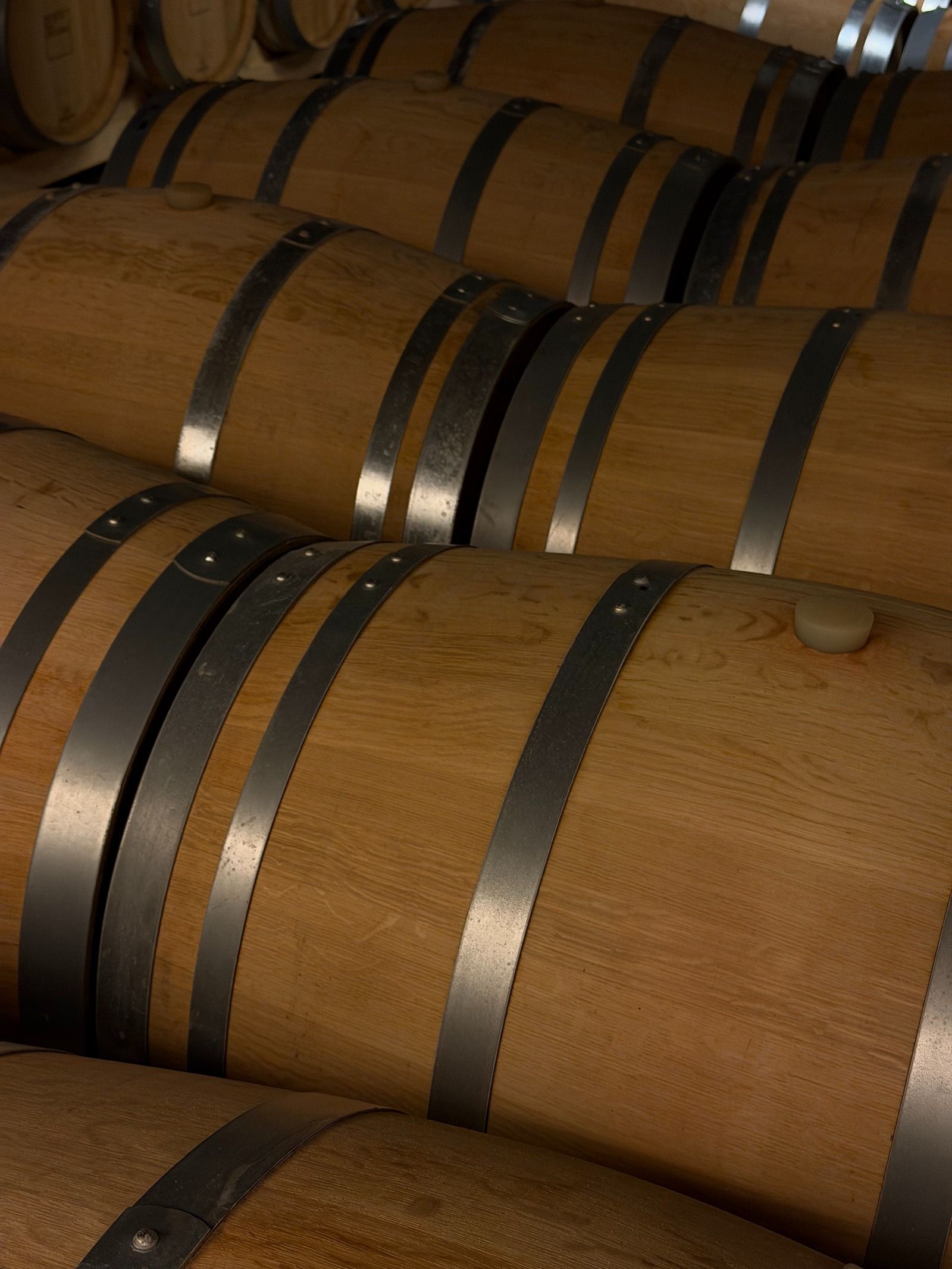
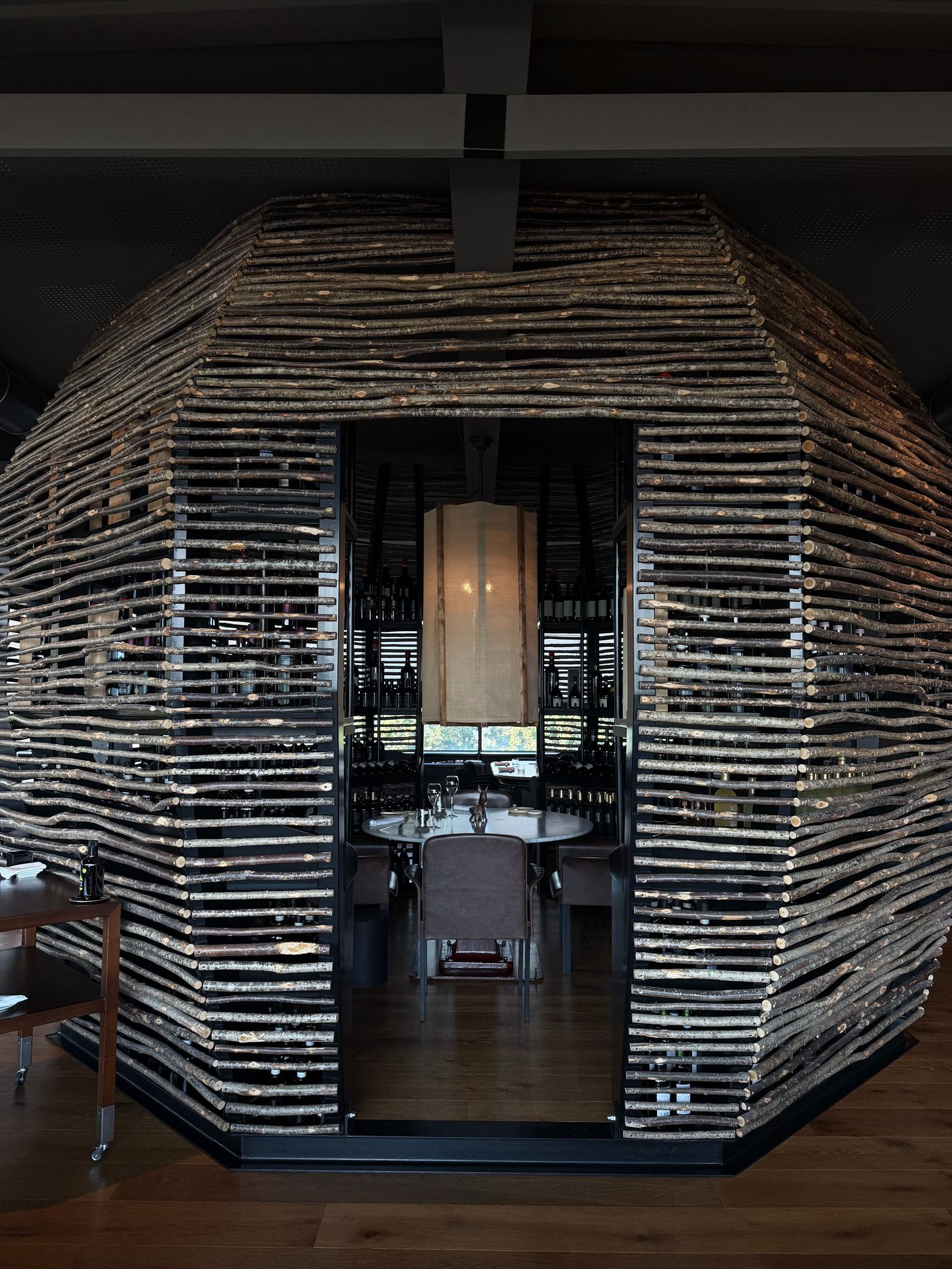
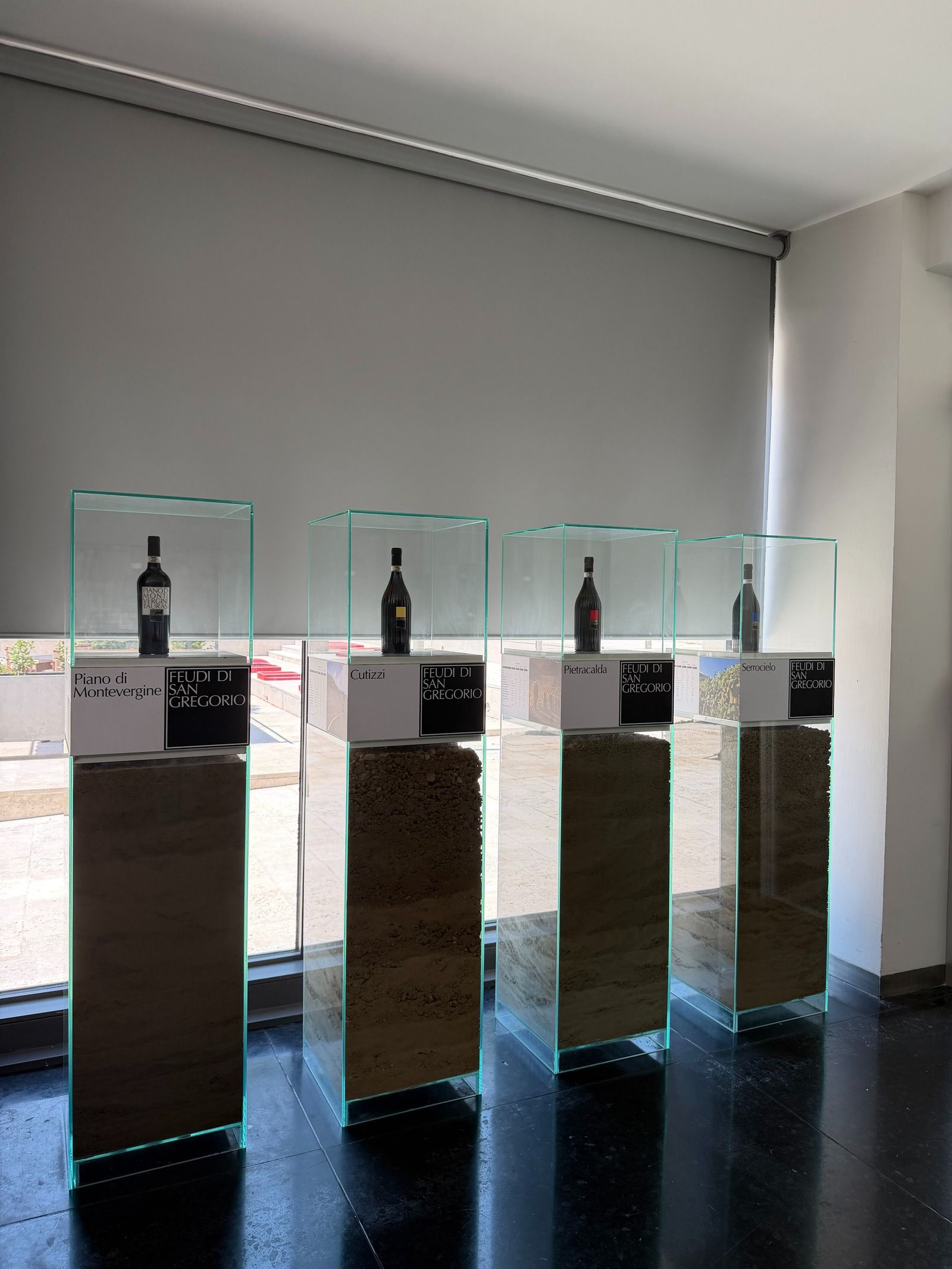
This is the same philosophy that guides the agronomic work of Pierpaolo Sirch. In an era when even wine risks becoming uniform, every vineyard is treated as an unrepeatable organism. Each of the more than 800 cultivated plots at Feudi is observed in its own identity, because biodiversity, even before being an agronomic principle, is a cultural gesture. It means defending the complexity of a territory and recognizing that its value lies in the differences that compose it.
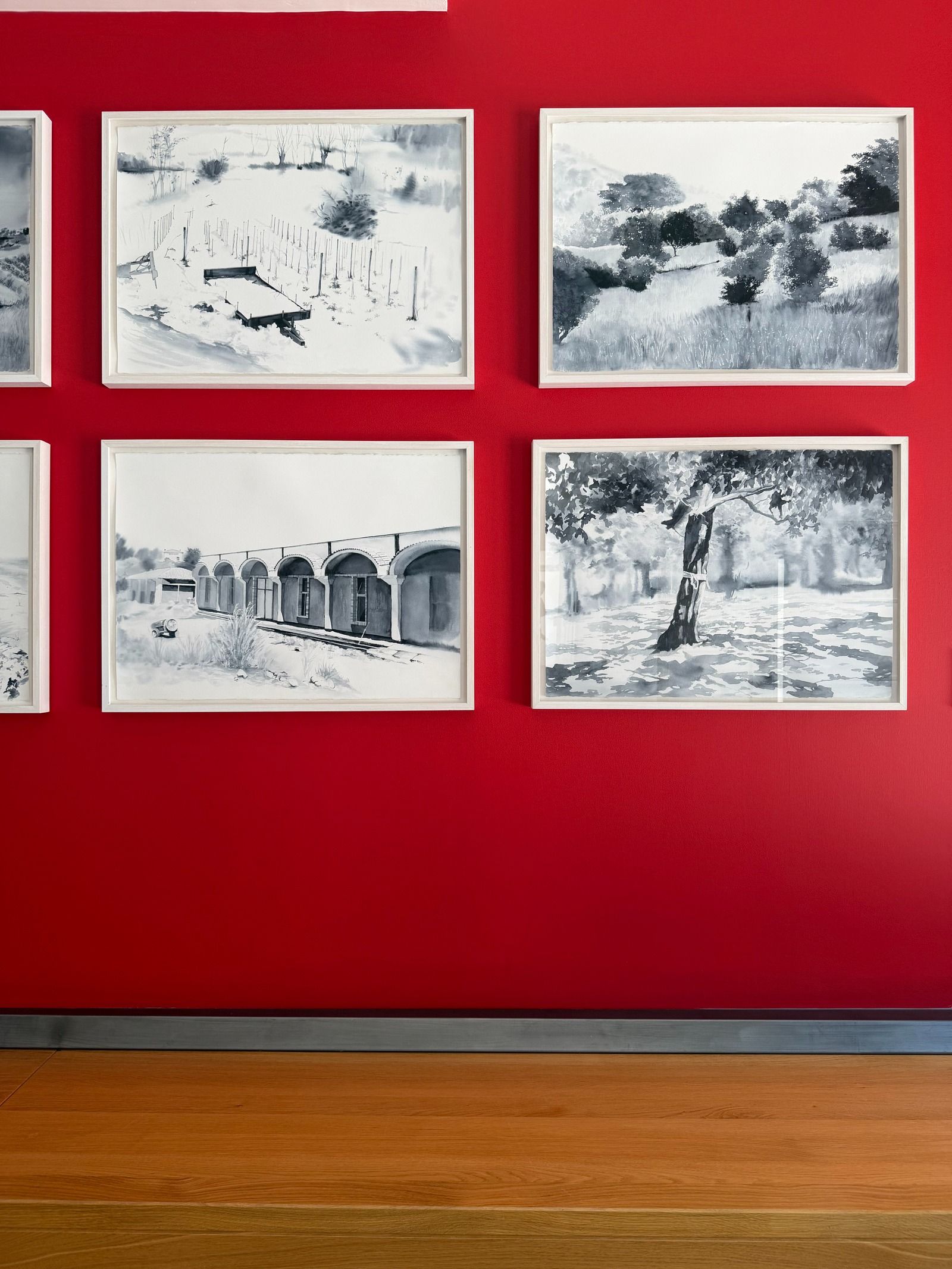
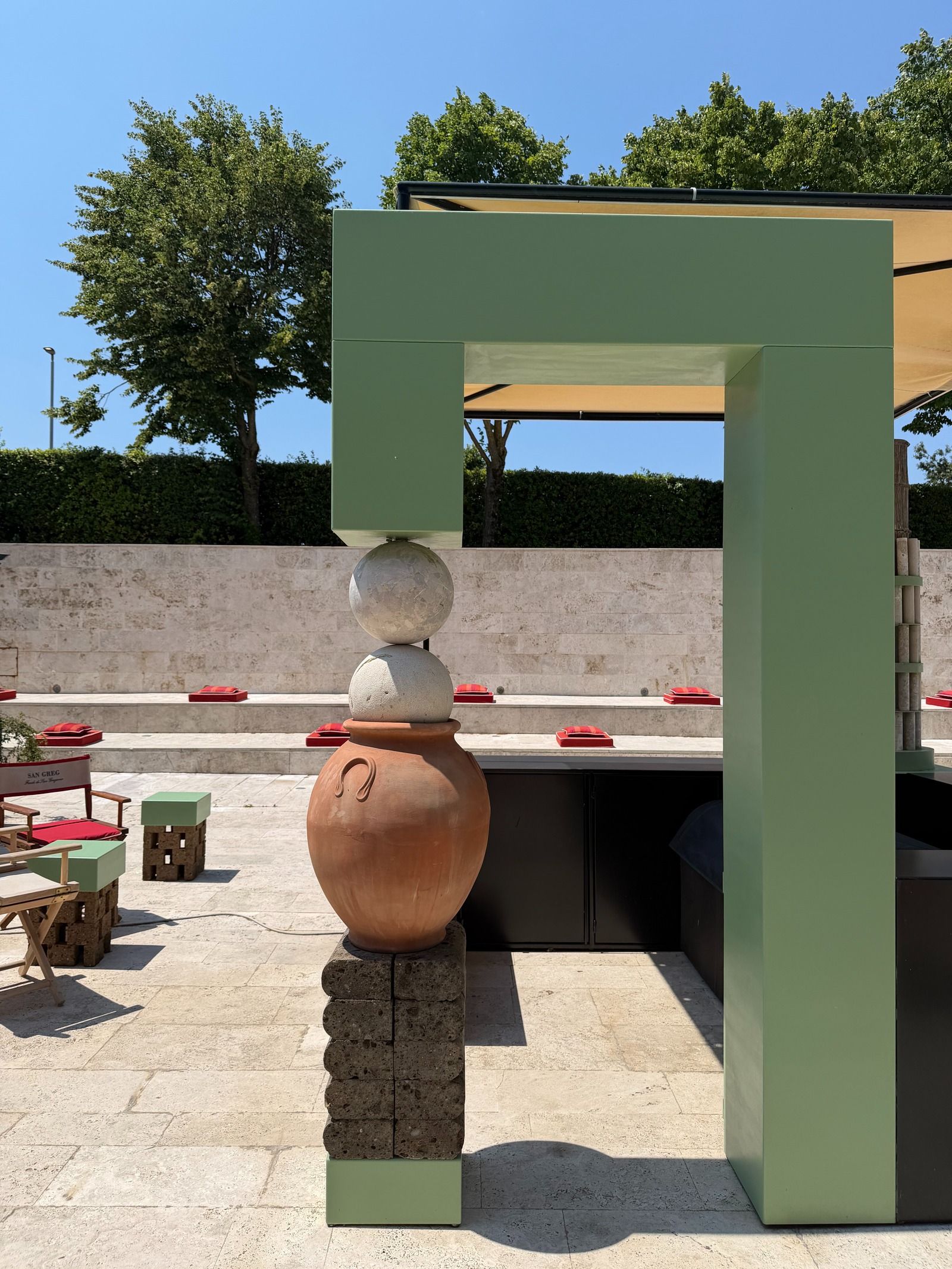
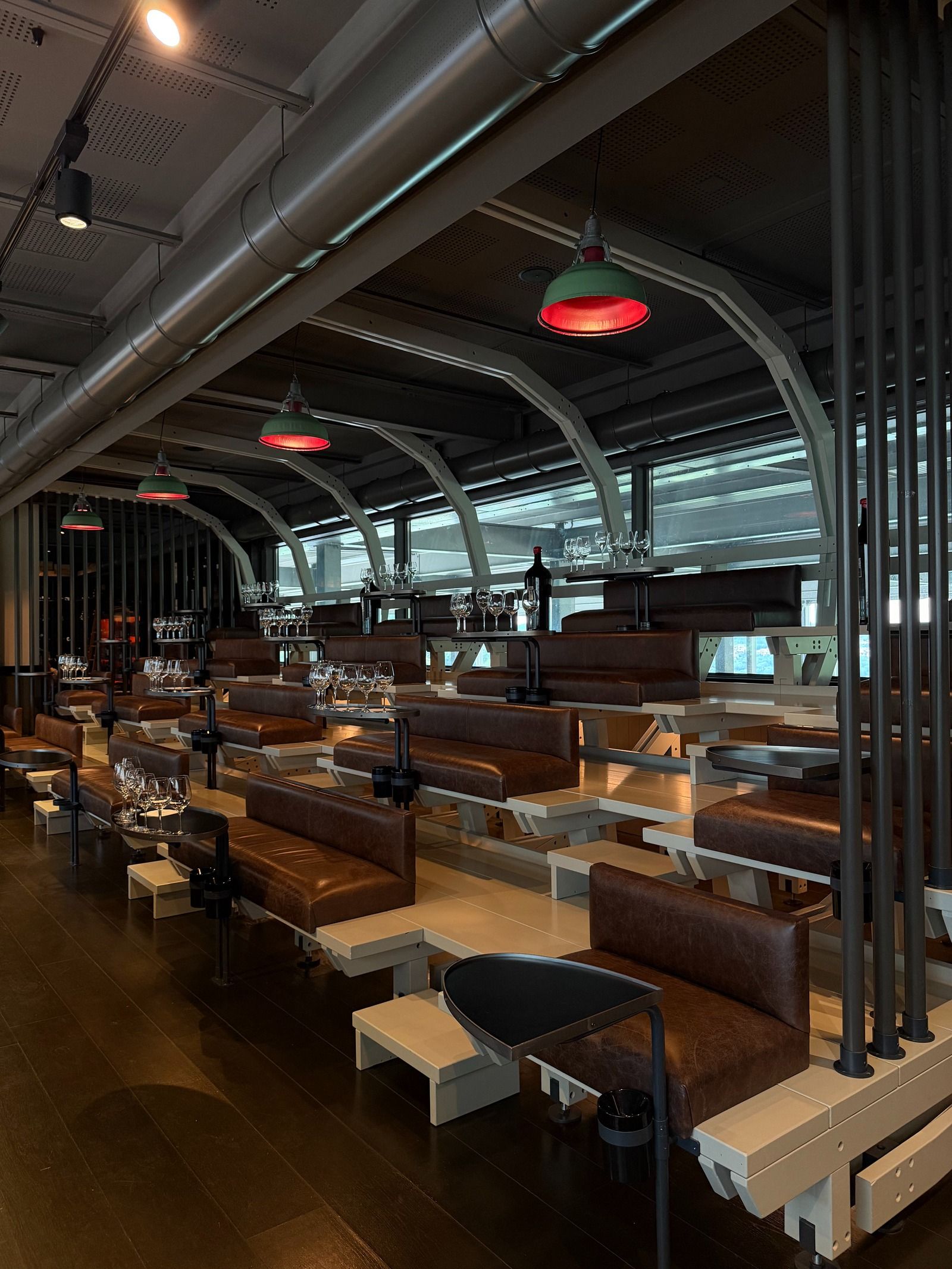
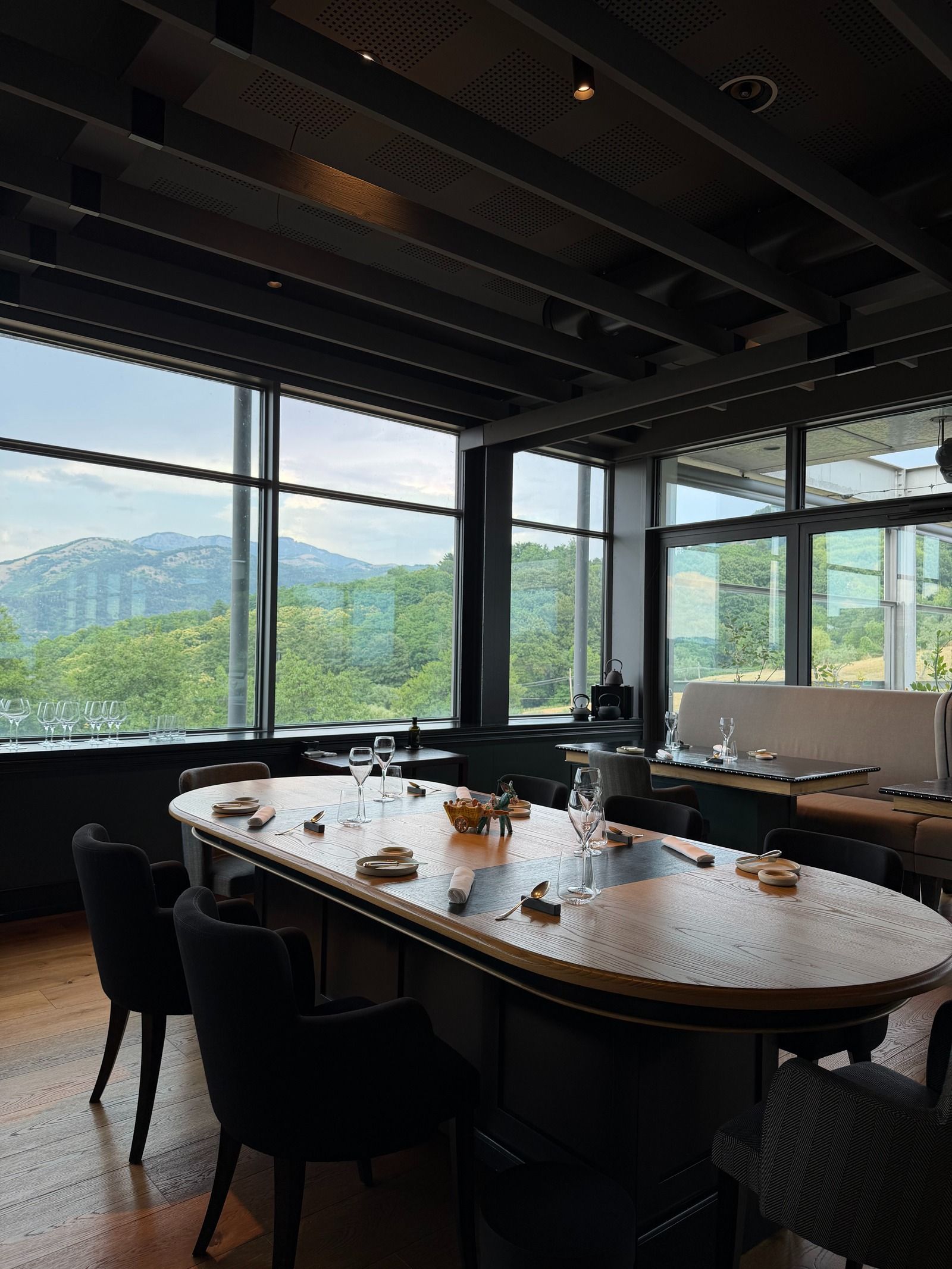
Since 2009, Antonio Capaldo has led Feudi di San Gregorio with a precise conviction: that the value of a winery is not measured only by the quality of its bottles, but by its capacity to generate cultural legacy around the place where it is born. It is a vision that takes shape in every choice. The essential architecture designed by Hikaru Mori dialogues with the landscape instead of overpowering it.
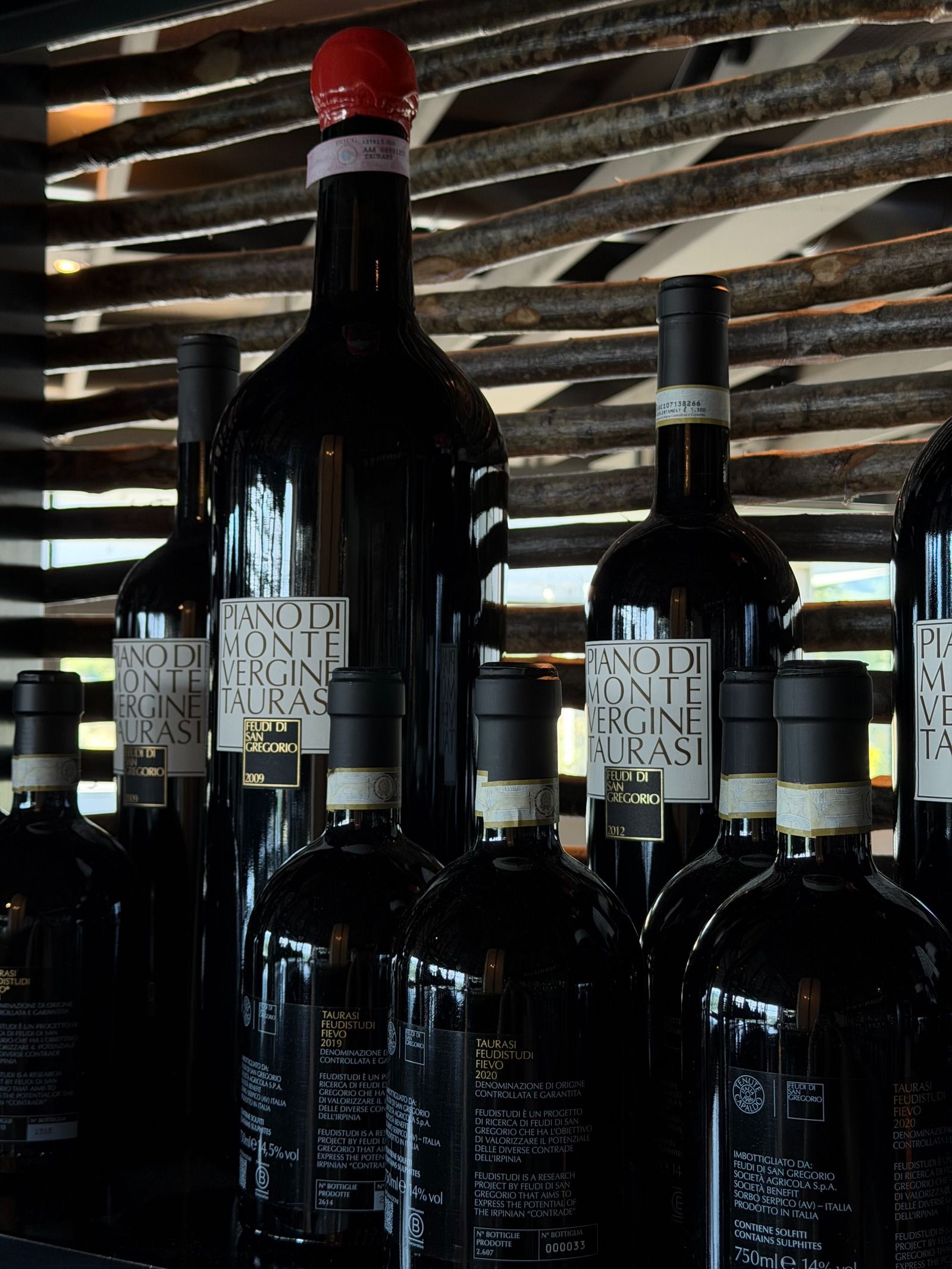
The visual identity created by Massimo Vignelli removes Irpinia from the folkloristic imagery through which the South was told for decades, restoring a contemporary aesthetic to it. Borgo San Gregorio makes the same gesture in space and time: it transforms a destination into a permanence, reaffirming that building the future of a territory means expanding the time people choose to spend there.
