
June 22nd, 2026
Architects you need to know about: Lina Bo Bardi The designer who made room for people
This article is part of the series Architects you need to know about. Previous installments explore the work of Carlo Mollino and Samuel Ross.
There are buildings that seem to ask for silence. Those of Lina Bo Bardi do almost the opposite. They are built with concrete, glass, industrial structures and deliberately imperfect surfaces, but they do not intimidate people. They invite you to enter, pass through, stop, and use the space freely. Their strength lies not only in their form, but in everything that can happen inside them.
Rome and São Paulo
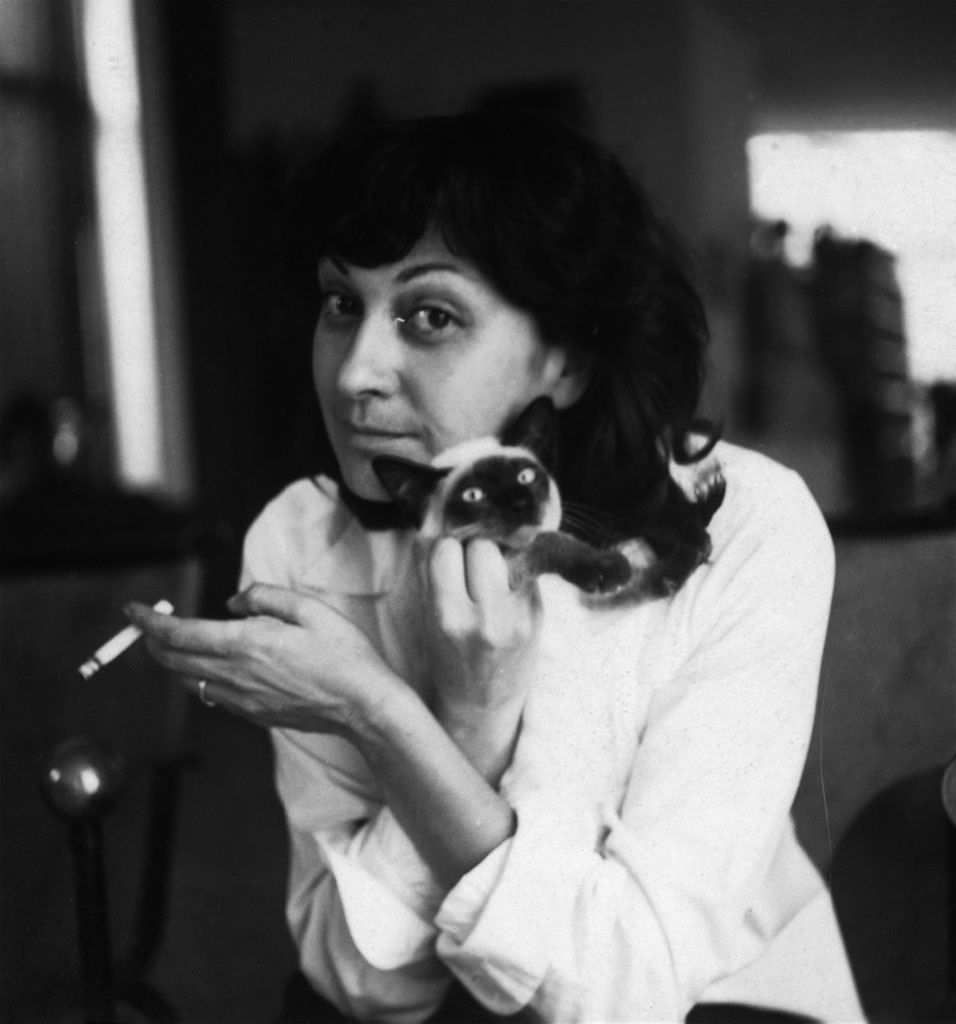
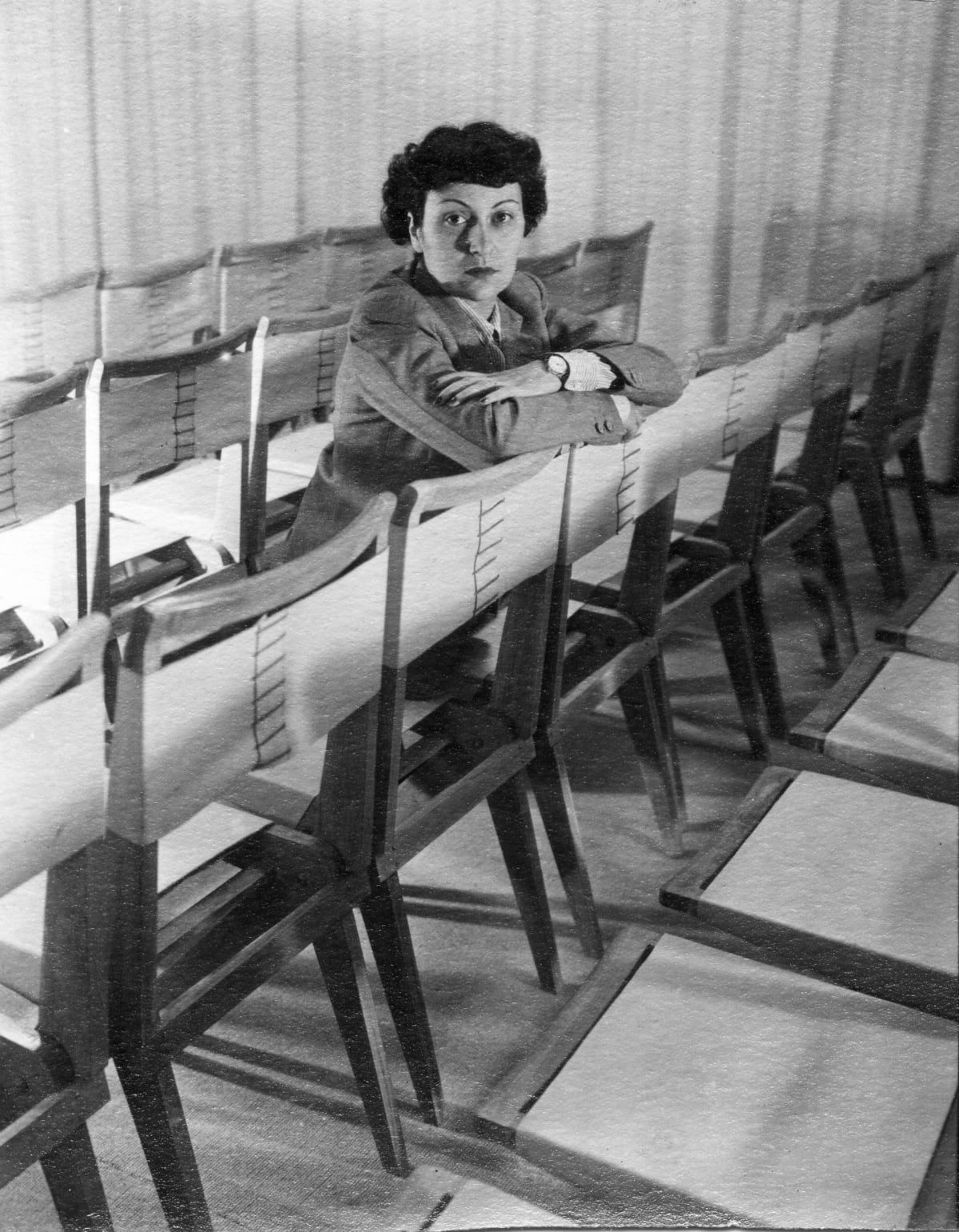
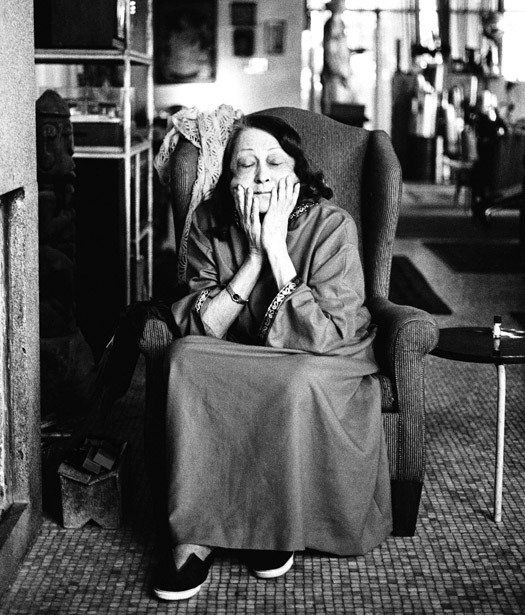

Achillina Bo, known as Lina Bo Bardi, was born in Rome in 1914. After training in architecture, she moved to Brazil in 1946 with her husband Pietro Maria Bardi and obtained Brazilian citizenship in 1951. Architect, designer, curator, and intellectual, she died in São Paulo in 1992, leaving behind work born from the encounter between her Italian training and Brazilian culture.
Lina Bo Bardi did not design places to be observed from a distance. She imagined architecture that became complete only when it was lived in. For her, a square full of people, a shared table, a child playing, or someone stopping for no particular reason were not secondary elements. They were the real project.
The MASP in São Paulo
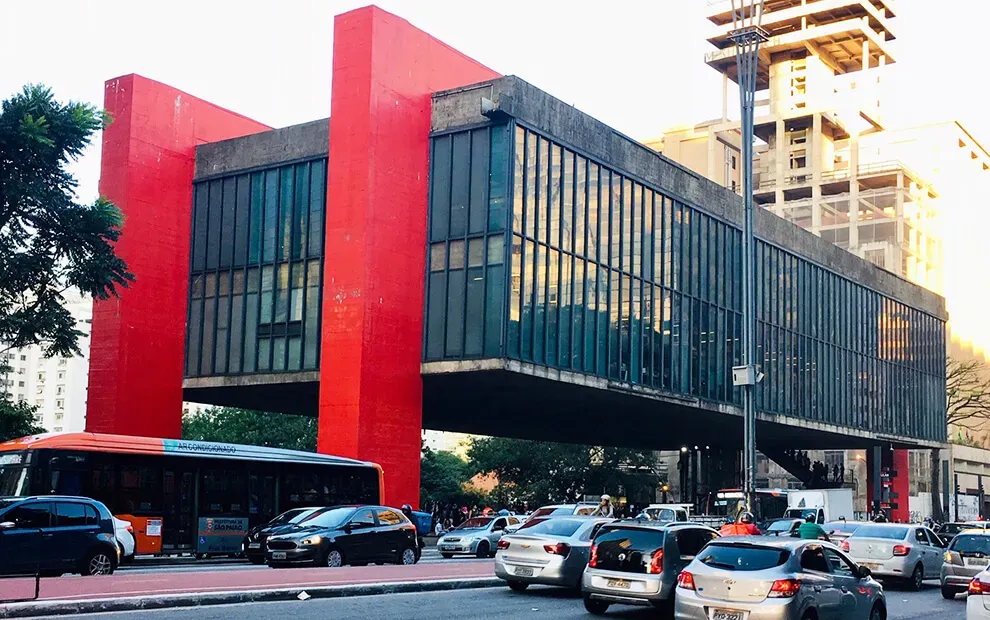
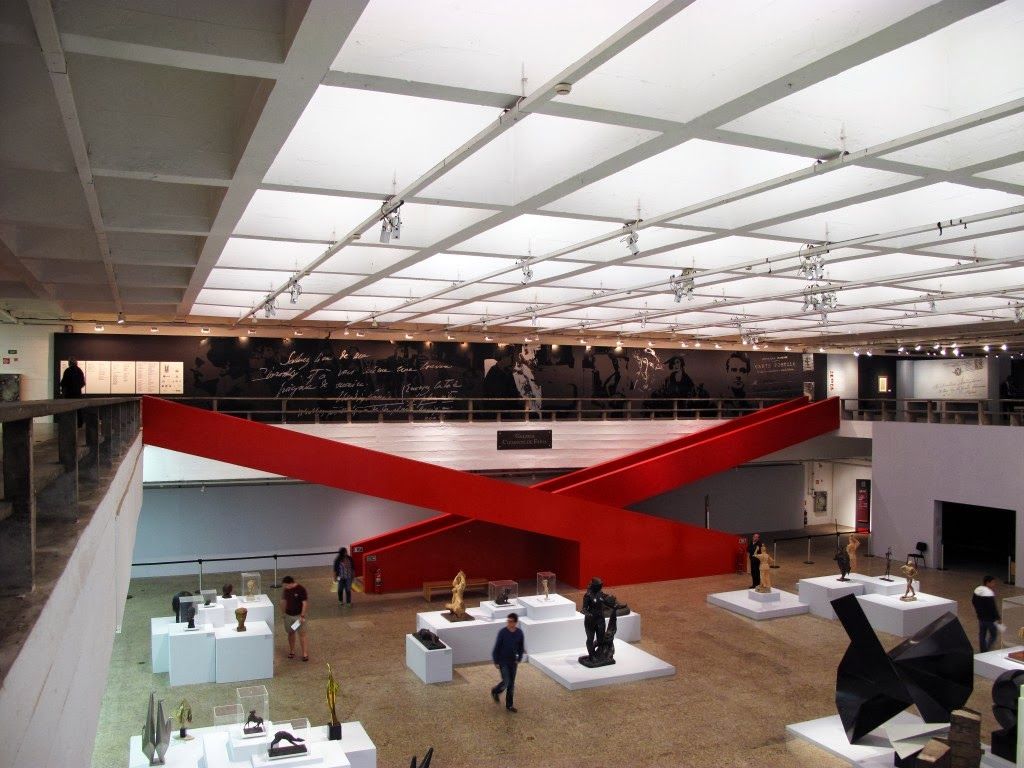
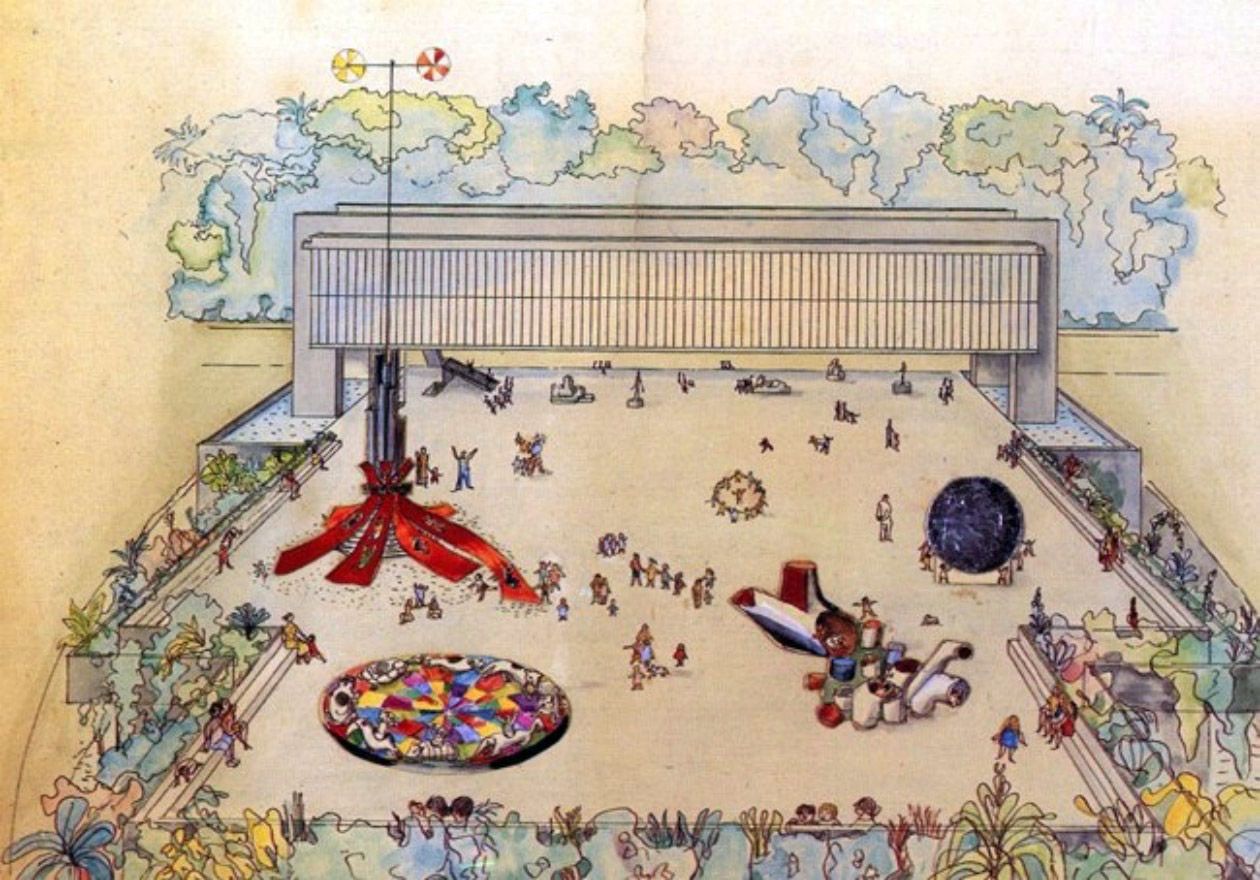
The MASP in São Paulo clearly illustrates this idea. The large volume of glass and concrete appears to be suspended above Avenida Paulista, leaving beneath it a free space 74 meters long. A spectacular gesture, but also an extremely concrete one: instead of occupying all the ground, Bardi returns it to the city. That space becomes a square open to protests, markets, gatherings and people who can experience it even without entering the museum.
This is probably one of the most contemporary aspects of her work. Today, every meter of the city seems expected to produce something: consumption, circulation, profit, visibility. Lina, instead, left space for those who simply wanted to stay. A public place was not truly public just because it was accessible, but because it allowed people to feel free within it.
Art as an accessible good open to interpretation
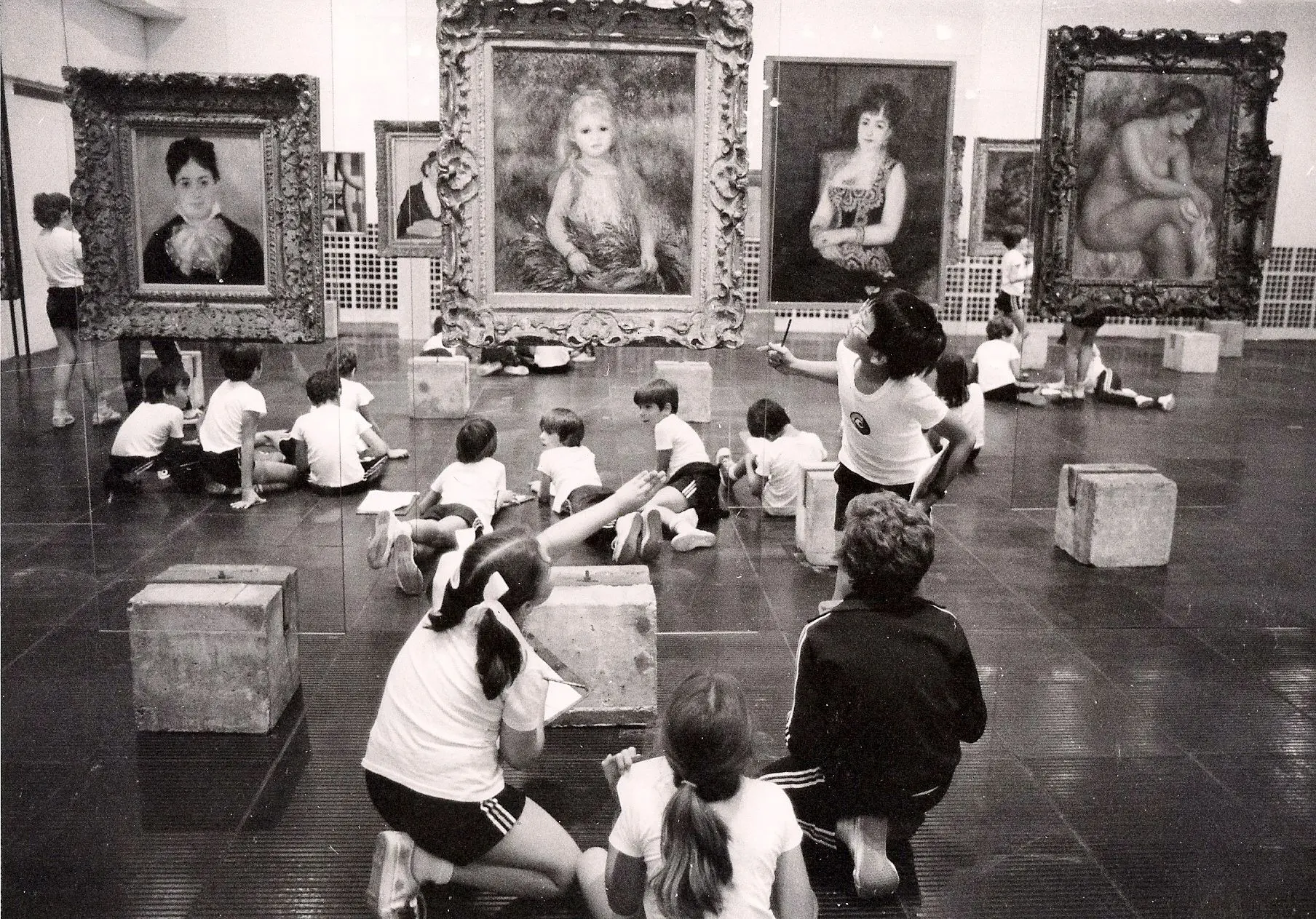
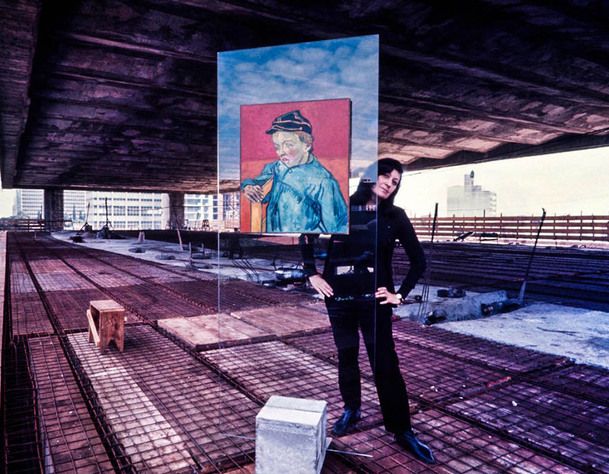
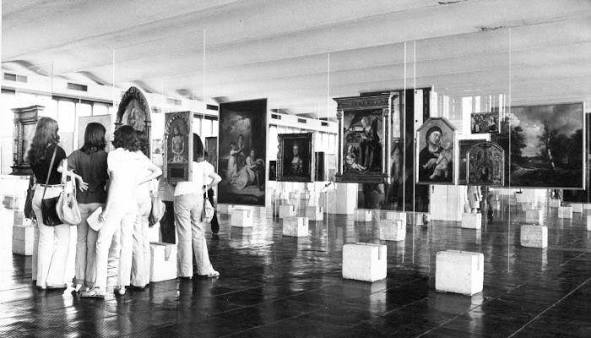
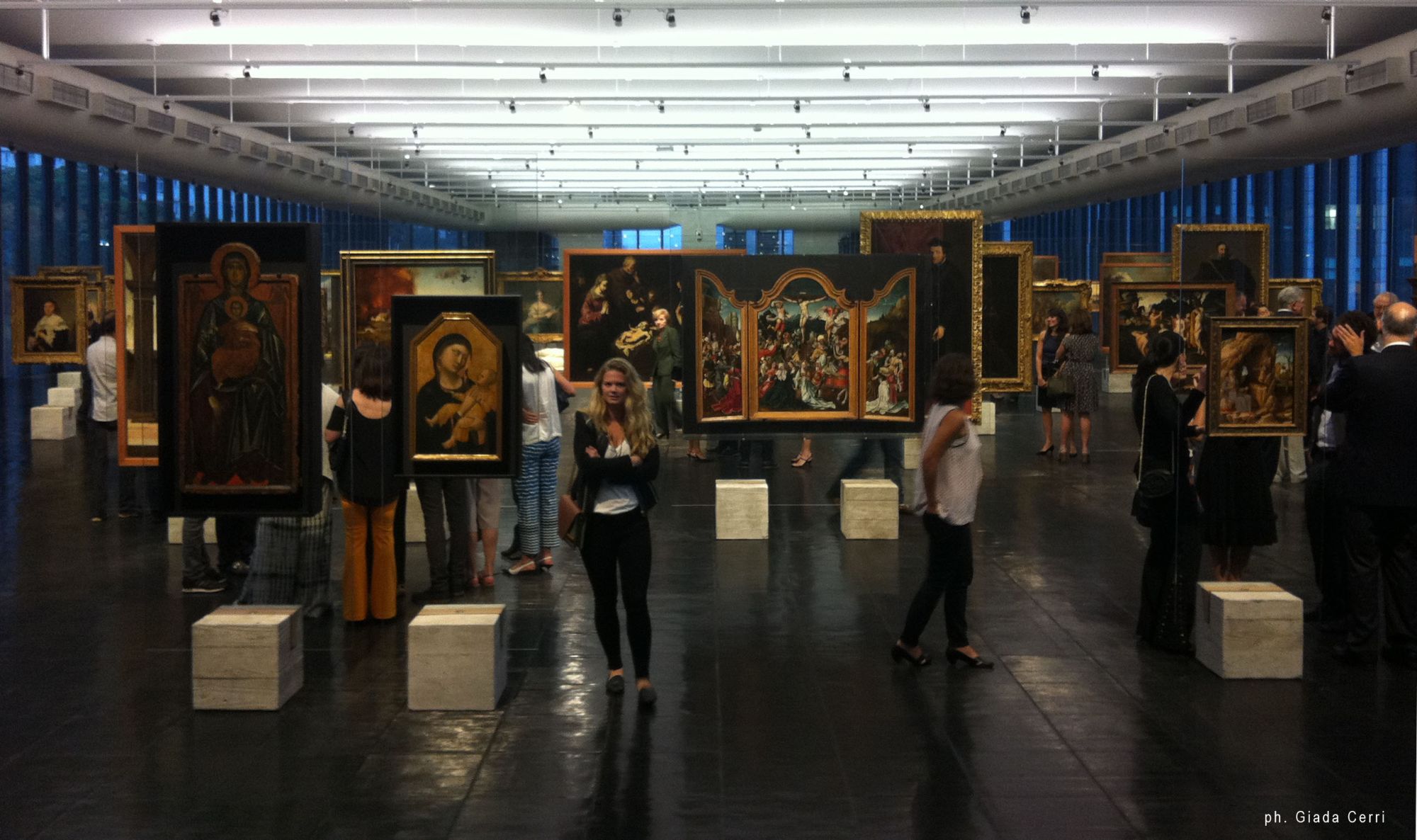
The same freedom continues in the rooms of the MASP. The works are not hung along a rigid path but presented on glass panels inserted into concrete bases. The paintings seem to float in space, while visitors can move among images from different eras and places without following a fixed direction. Even the information about the works is placed on the back, so the first encounter happens through observation, and only later through explanation.
Lina Bo Bardi wanted to make art less intimidating. The museum was not meant to determine which work should be seen first or to suggest how visitors should behave. It was meant to provide a structure and then leave freedom. This is the same principle that runs through all her architecture: building strong spaces without turning them into authoritarian places.
The SESC Pompéia
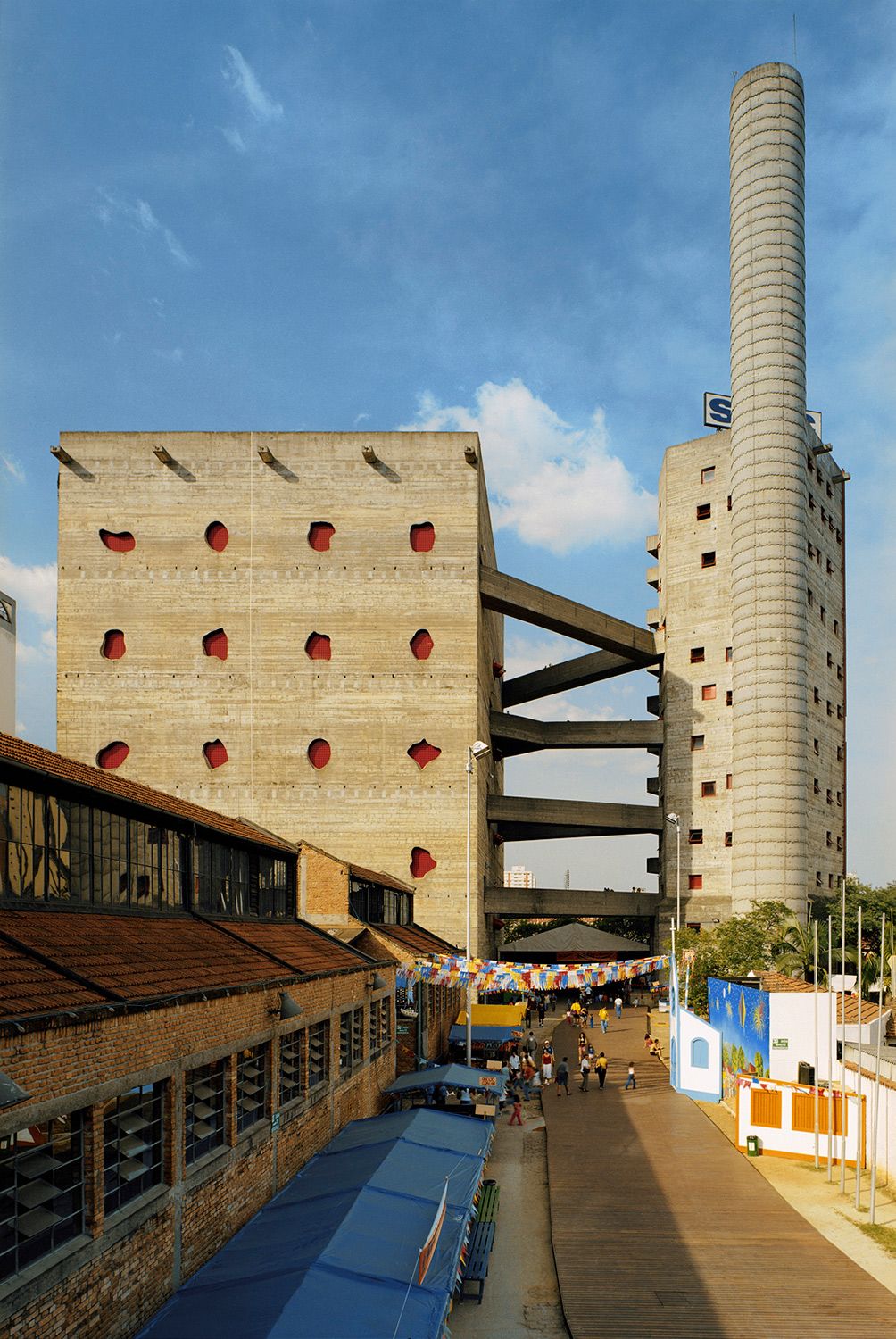
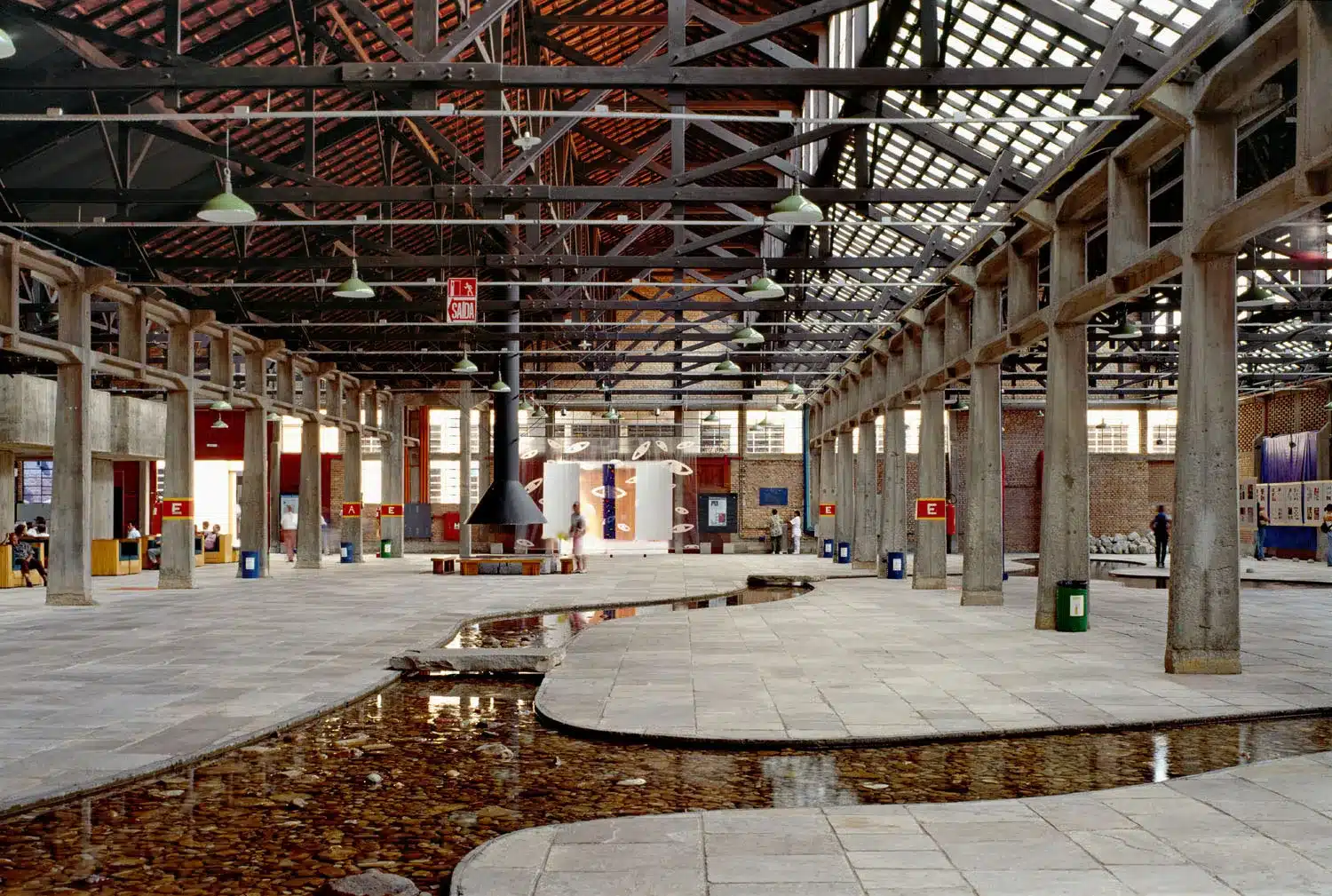
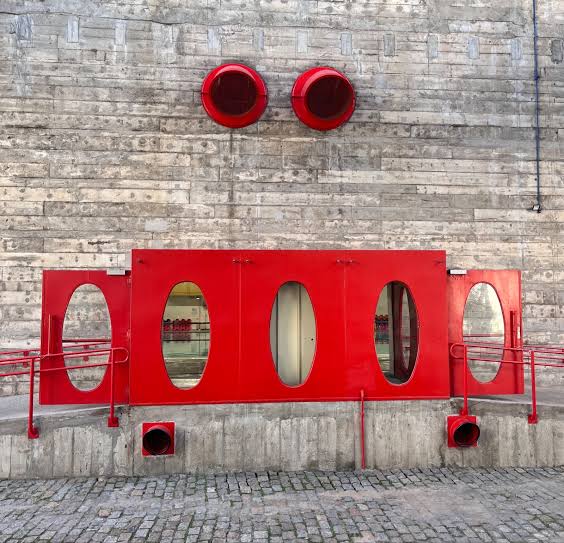
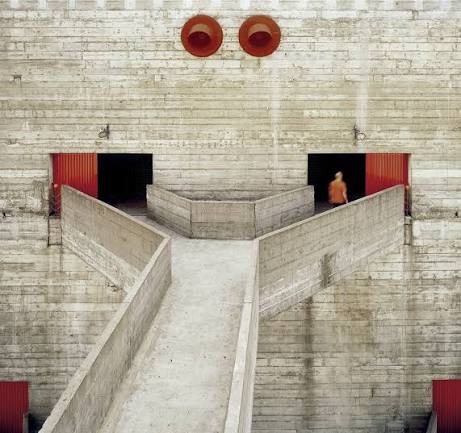
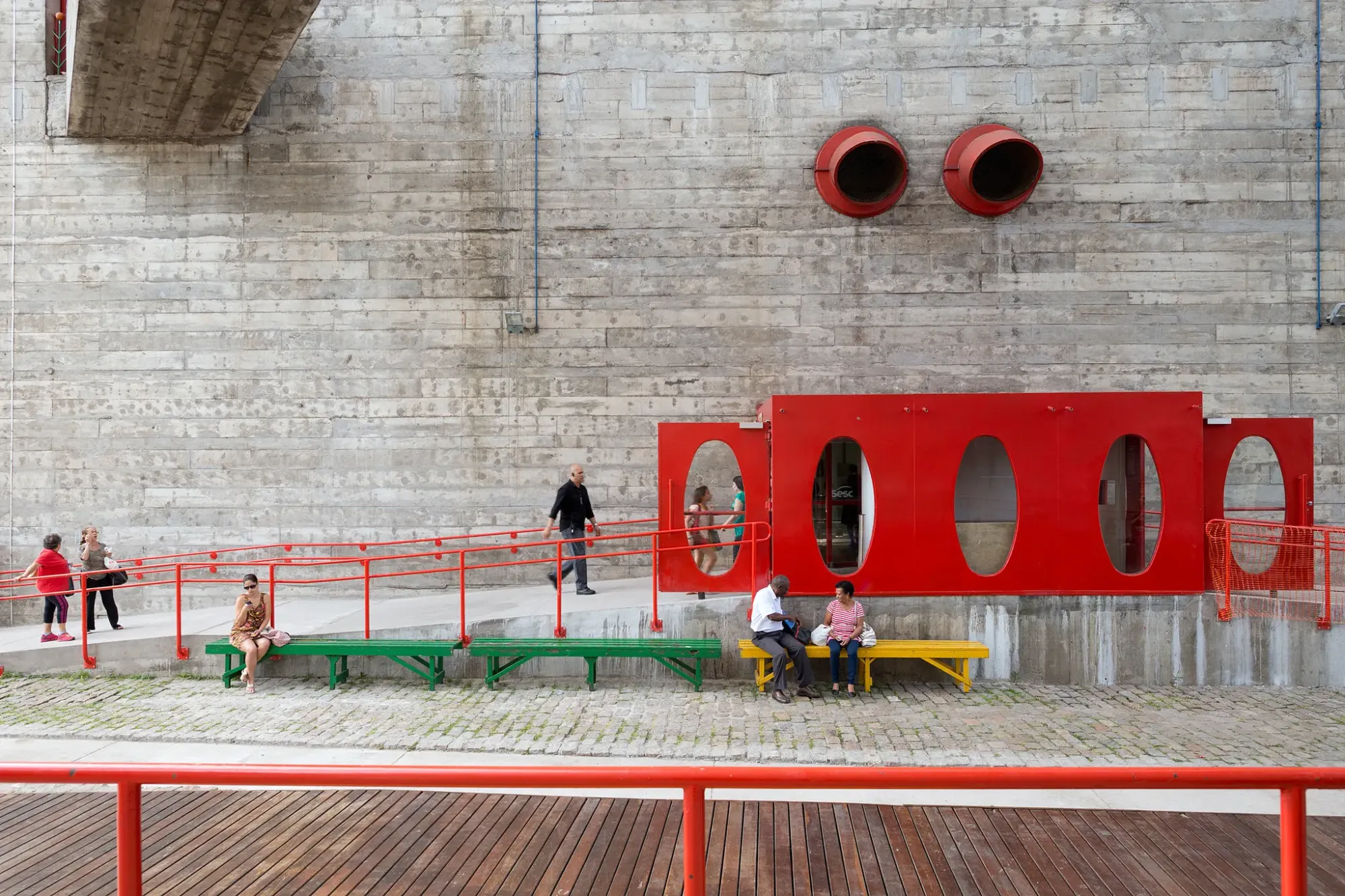
This idea finds its fullest expression in the SESC Pompéia, created by transforming an old factory in São Paulo. Lina could have erased its industrial past and designed a more orderly and reassuring cultural center. Instead, she chose to preserve the sheds, the marked surfaces, and the existing structures, adding large concrete volumes connected by suspended walkways. The result is one of the most recognizable buildings in Brazil, a small covered city where sports, theater, music, reading, food, and rest coexist without rigid separations.
Lina designed social life through the simplest gestures: eating together, sitting, waiting, talking, observing others. She did not try to build a perfect version of collective life, but a place capable of embracing its disorder. For this reason, the SESC is still alive: it does not feel like a monument frozen in time, but a space that continues to change with the people who pass through it.
The Bowl Chair
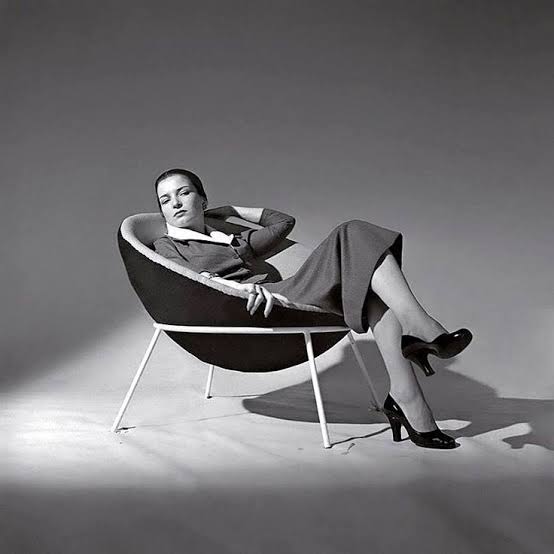
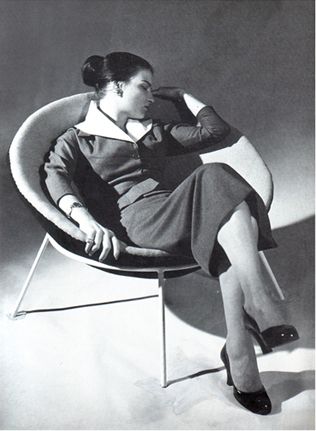
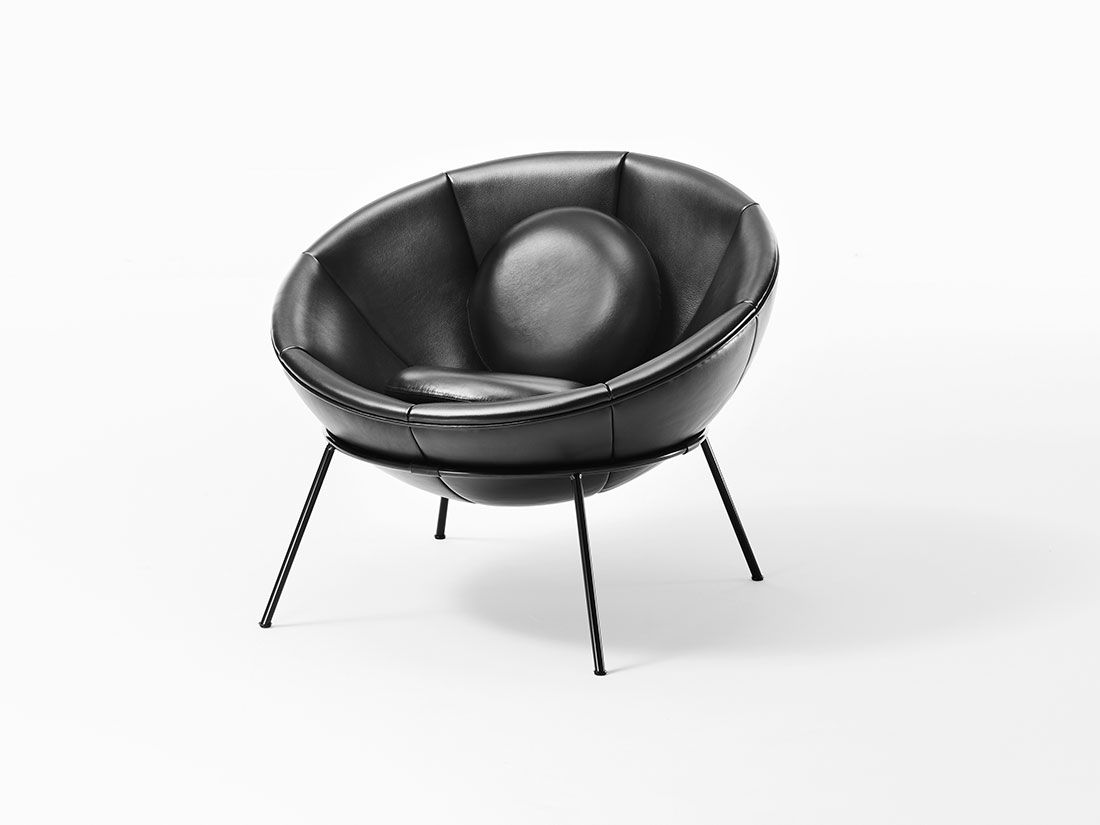
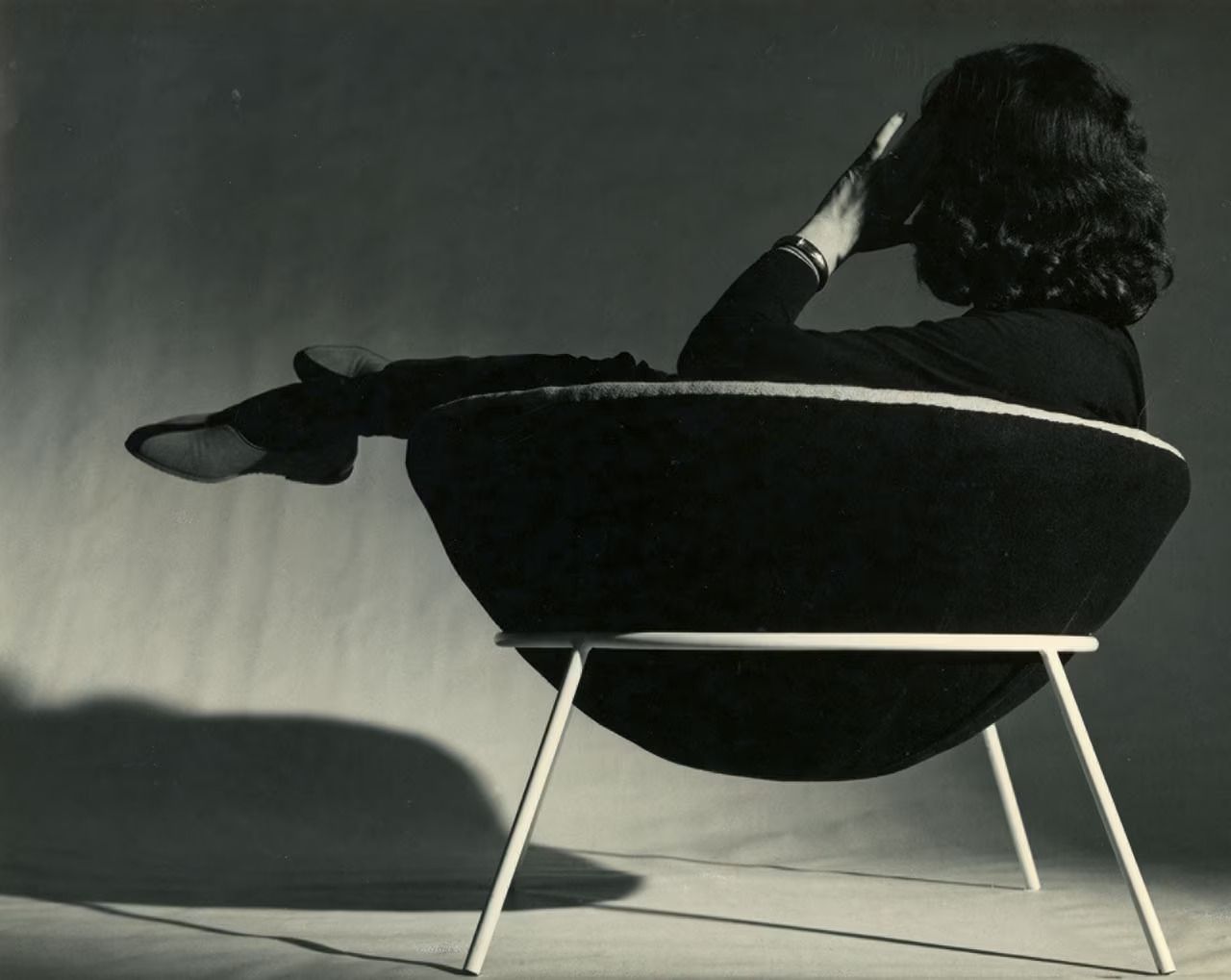
The same idea appears in her furniture as well. The Bowl Chair, designed in 1951, is made of a metal structure and a concave seat that can be tilted and oriented in different directions. It does not impose a single posture and does not dictate exactly how it should be used. It leaves the body free to choose how to sit.
The Casa de Vidro
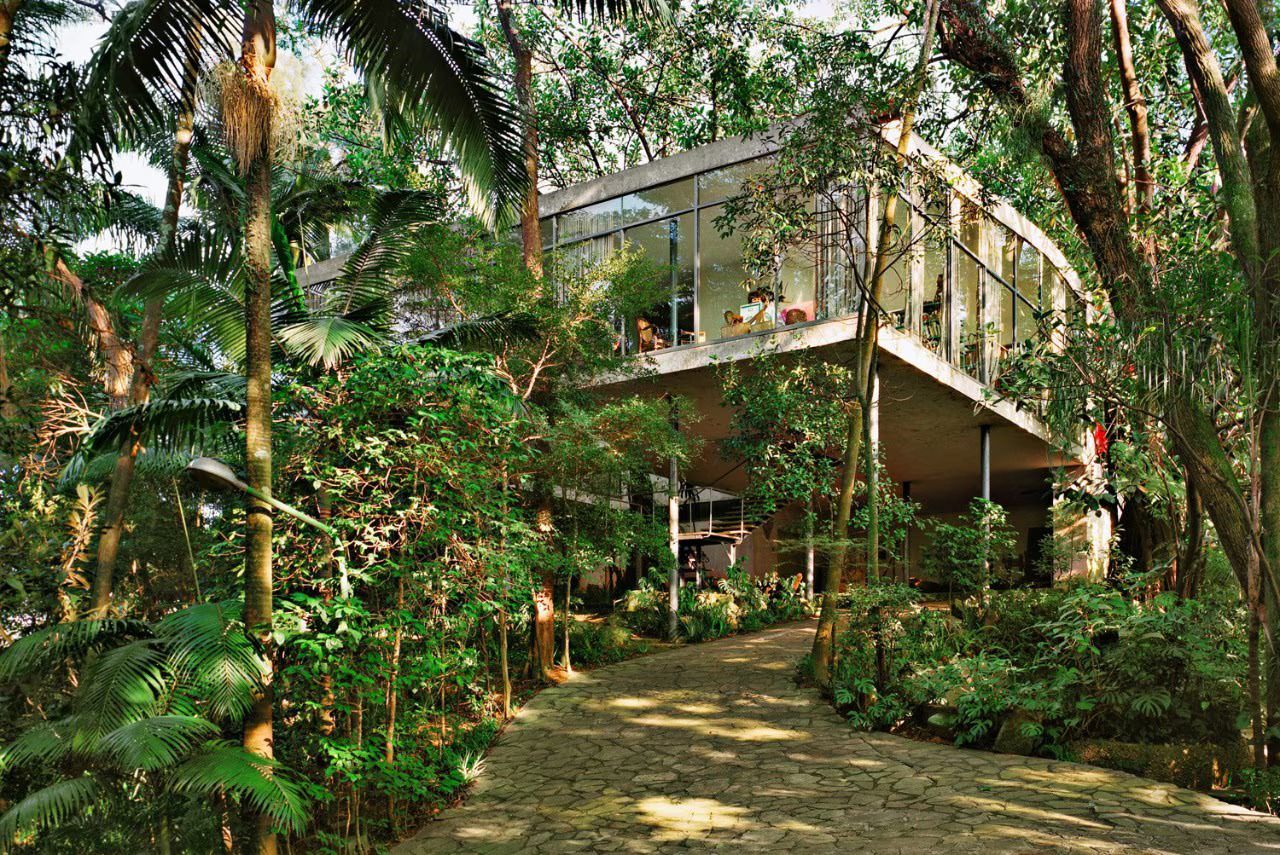
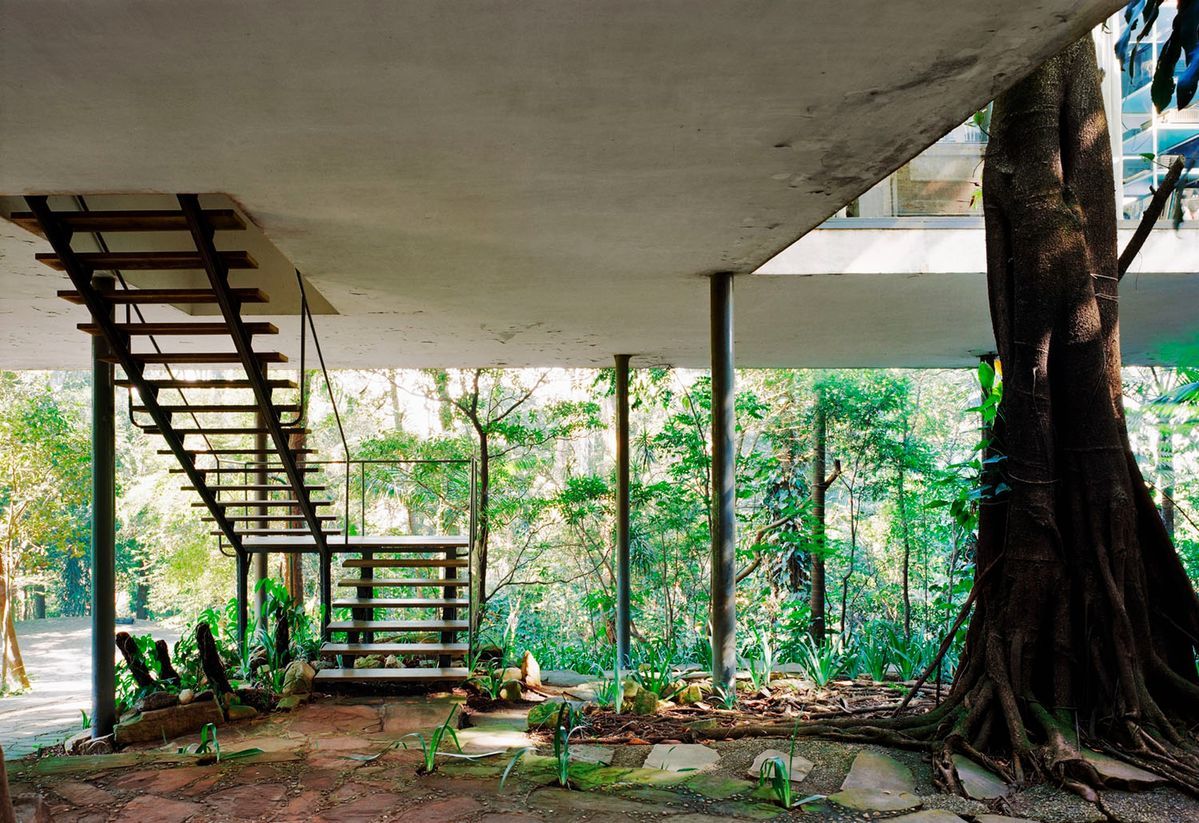
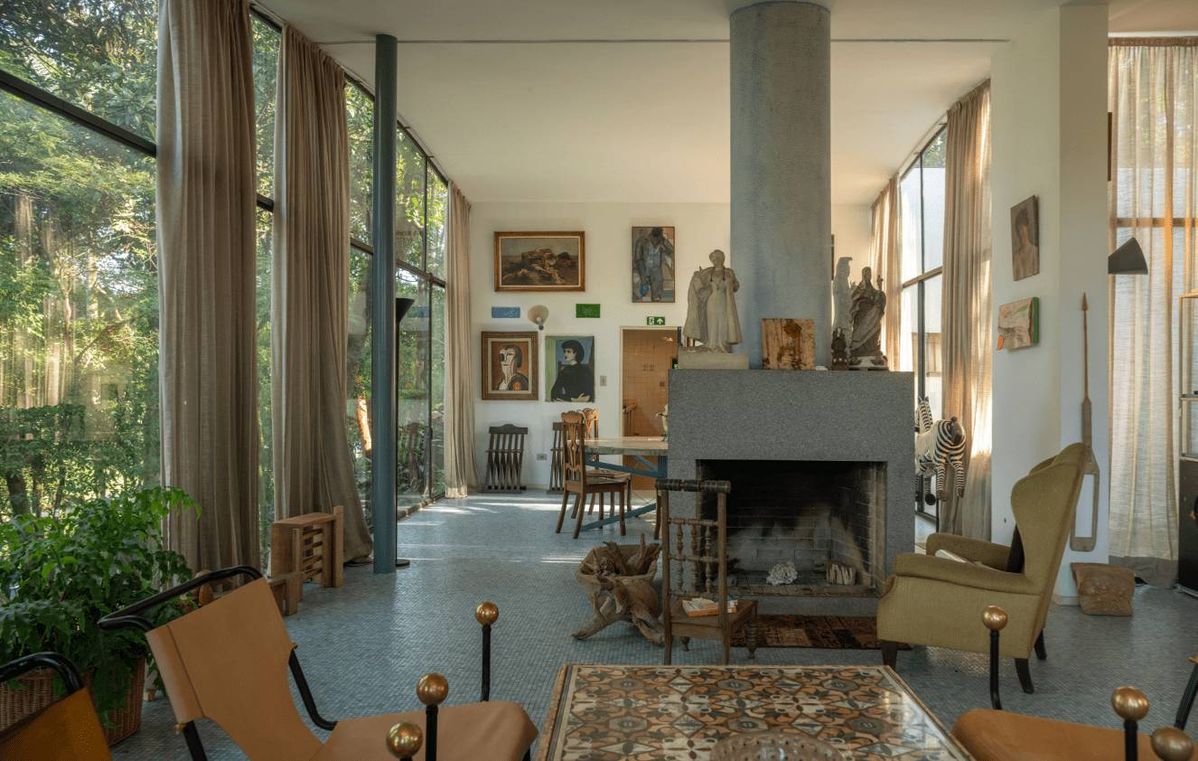
The Casa de Vidro, her first built project and the house where she lived with Pietro Maria Bardi, shows the most intimate side of this research. Completed in 1951, suspended above the ground and immersed in vegetation, it combines the transparency of modern architecture with an interior full of books, artworks, furniture, and handcrafted objects. It is not a perfect, emptied house, but a lived-in environment, layered and continuously transformed by everyday life.
Lina’s work therefore cannot be read as a simple export of European modernism to Brazil. The most interesting aspect is the way that training was progressively transformed through contact with craftsmanship, popular culture, local materials, and the everyday habits of citizens. Brazil was not only the place where she worked, but the context that profoundly changed her idea of architecture.
For this reason, defining her simply as brutalist would be reductive. Concrete is an evident part of her language, but it is not its true core. Lina was above all interested in what could happen inside and around buildings.
Freedom as a cultural legacy
Today, many spaces are designed to work first in photographs and only later in real life. Lina Bo Bardi instead reminds us that architecture does not end when the project is completed: it begins when someone uses the space in a way the designer may not have foreseen.
Lina Bo Bardi designed everyday life because she understood that it is the most ordinary gestures that truly give meaning to architecture. Stopping, talking, eating, playing, waiting. She built places where even normality could have value, allowing architecture to matter, but never more than the people who inhabit it.
